We may earn money or products from the companies mentioned in this post. This means if you click on the link and purchase the item, I will receive a small commission at no extra cost to you ... you're just helping re-supply our family's travel fund.
A hike across Norway’s high country can feel timeless, until the ice starts quietly giving things back. On the Aurlandsfjellet plateau, melting snow exposed cut timber and strange lines in the ground that did not fit the wilderness story. A local hiker reported what he saw, and archaeologists realized the find was not a stray artifact but a whole system. It was engineering aimed at survival, and it carried a grim lesson: efficiency can look brilliant while still being tragic.
The Melt Revealed A Pattern With A Purpose
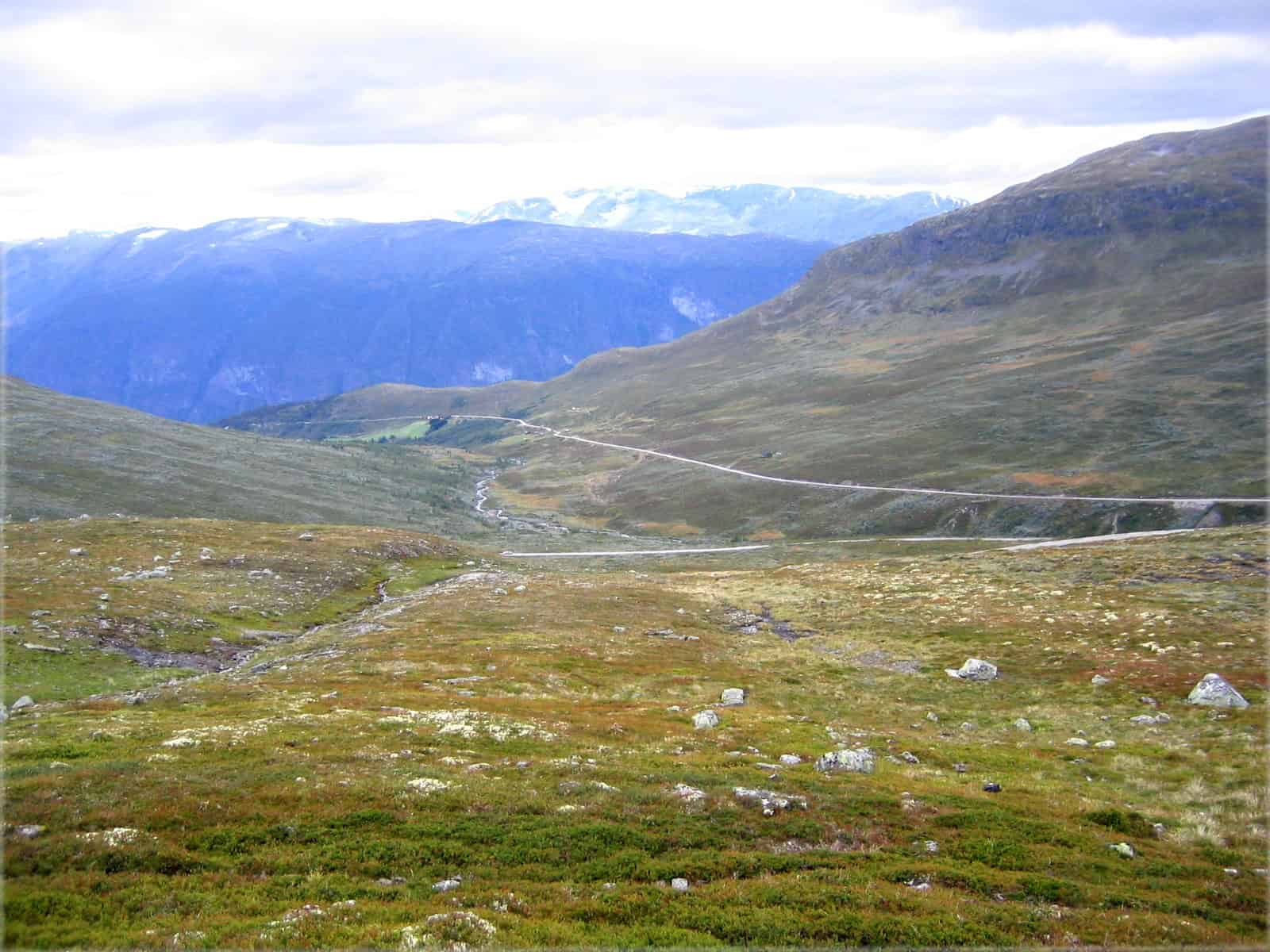
In fall 2024, 76-year-old Helge Titland noticed straight runs of wood and stone where ice had pulled back on Aurlandsfjellet in Vestland County, about 1,400 meters up, and he reported it to local officials. What looked like scattered debris repeated in deliberate lines, with cut ends, stacked stones, and a direction that suggested animals were meant to move one way, even in fog and wind. Researchers later described it as an Iron Age mass-capture reindeer trap, about 1,500 years old, preserved because snowfall and ice buried it soon after use, then held it in place until the recent thaw opened it.
A Landscape-Sized Machine Built From Timber
The device turned out to be a landscape-sized machine built from timber. Teams documented hundreds of branches and hewn logs arranged into two long barriers, with upright posts, stacked stones, and a pen-like end zone, all set about 4,600 feet above sea level where hauling wood is work in itself. Instead of relying on a single trap, the builders used repetition and scale, turning terrain into a funnel that could be repaired and reused, narrowing choices until the animals moved where people wanted them, without noise or pursuit at the exact moment the herd committed and could not turn back easily.
Close-Range Design With A Brutal Certainty
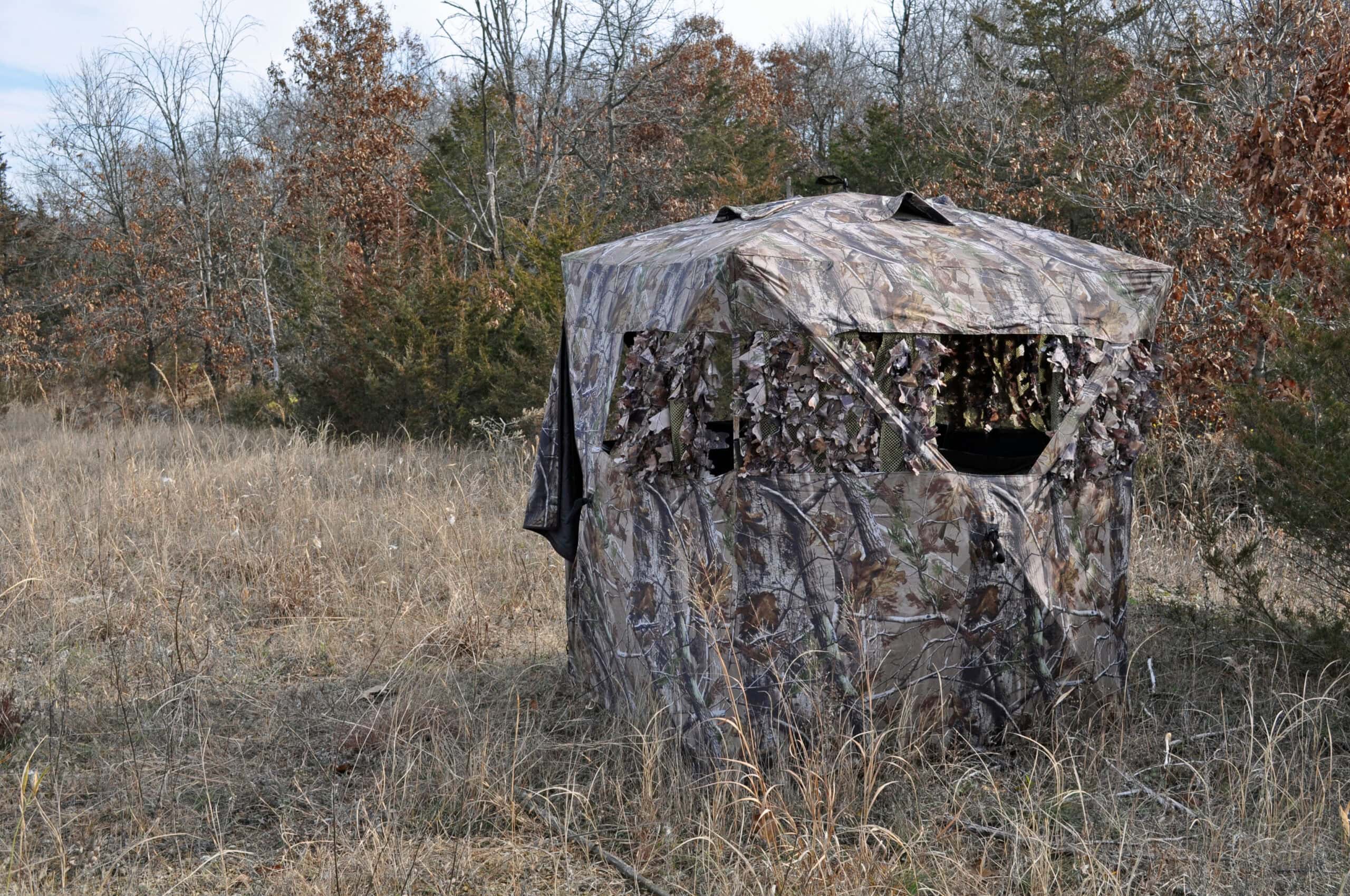
At key bends, hunters built blinds and narrow choke points so the final approach happened at close range, with people waiting behind timber piles while the herd pressed forward. Finds from the site include iron spearheads, wooden arrows, and multiple bows, matching reports that reindeer were led between fences and killed with iron spears once the corridor tightened. The tragic implication is simple: the system was designed to remove chance, making the outcome predictable for people and unavoidable for animals, a kind of planning that feels ingenious and unsettling at the same time today too.
Antlers With Cut Marks Hint At Repeated Hunts
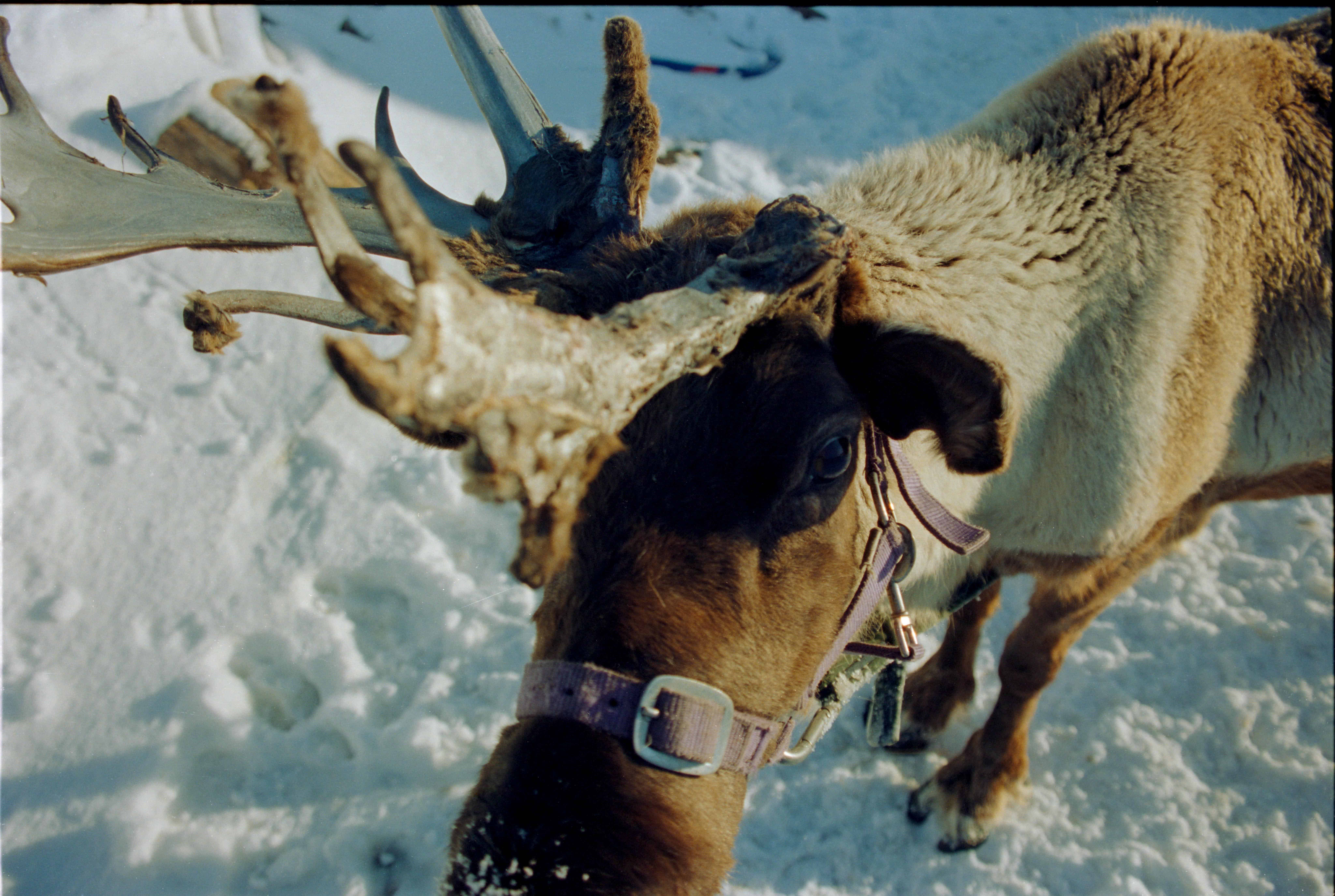
Near the trapping pen, archaeologists found tight clusters of reindeer antlers bearing clear cut marks, the kind made by tools in practiced hands. Reports from the excavation describe antlers from up to 100 reindeer, pointing to repeated hunts that could stockpile meat, hides, sinew, and antler for tools. The plateau reads as a focused kill and processing zone, efficient, grim, and far from everyday life, so the work could be finished before weather turned again..
Ice Preserved The Evidence Ordinary Digs Lose
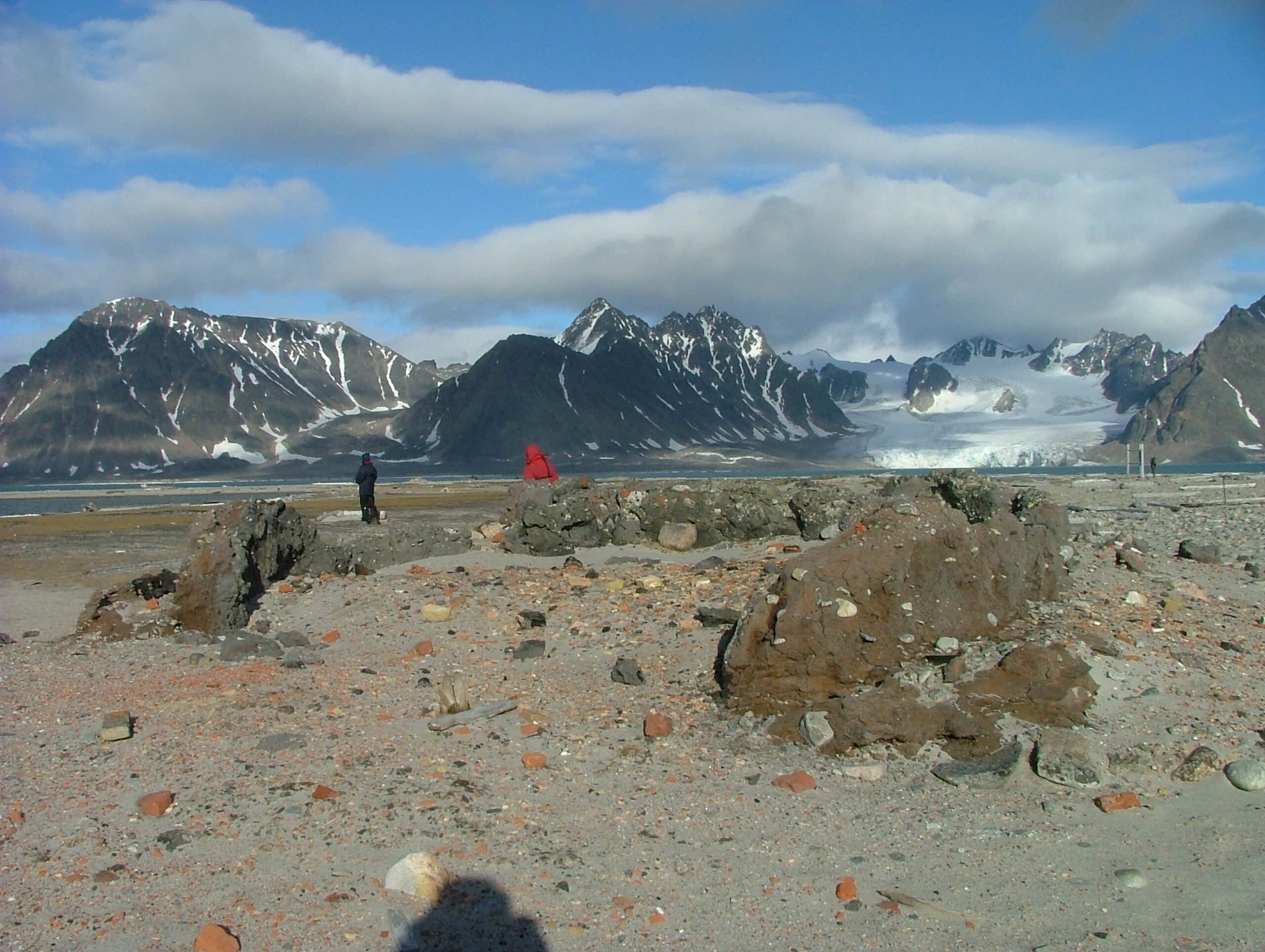
Ice usually destroys context by hiding it, but it can also preserve what ordinary digs rarely keep: wood, fiber, and delicate tool marks. At Aurlandsfjellet, investigators recovered wooden arrows, three bows, and other organic pieces alongside iron spears, all found near barriers made from hundreds of branches that had been buried for centuries. Once exposed, that protection ends fast, because wet wood can dry, crack, and rot within a short window, and wind, rain, and curious boots can scatter fragments, so careful mapping, photos, and cold storage matter as much as digging before the next storm.
The Decorated Oar And Brooch Add A Human Edge
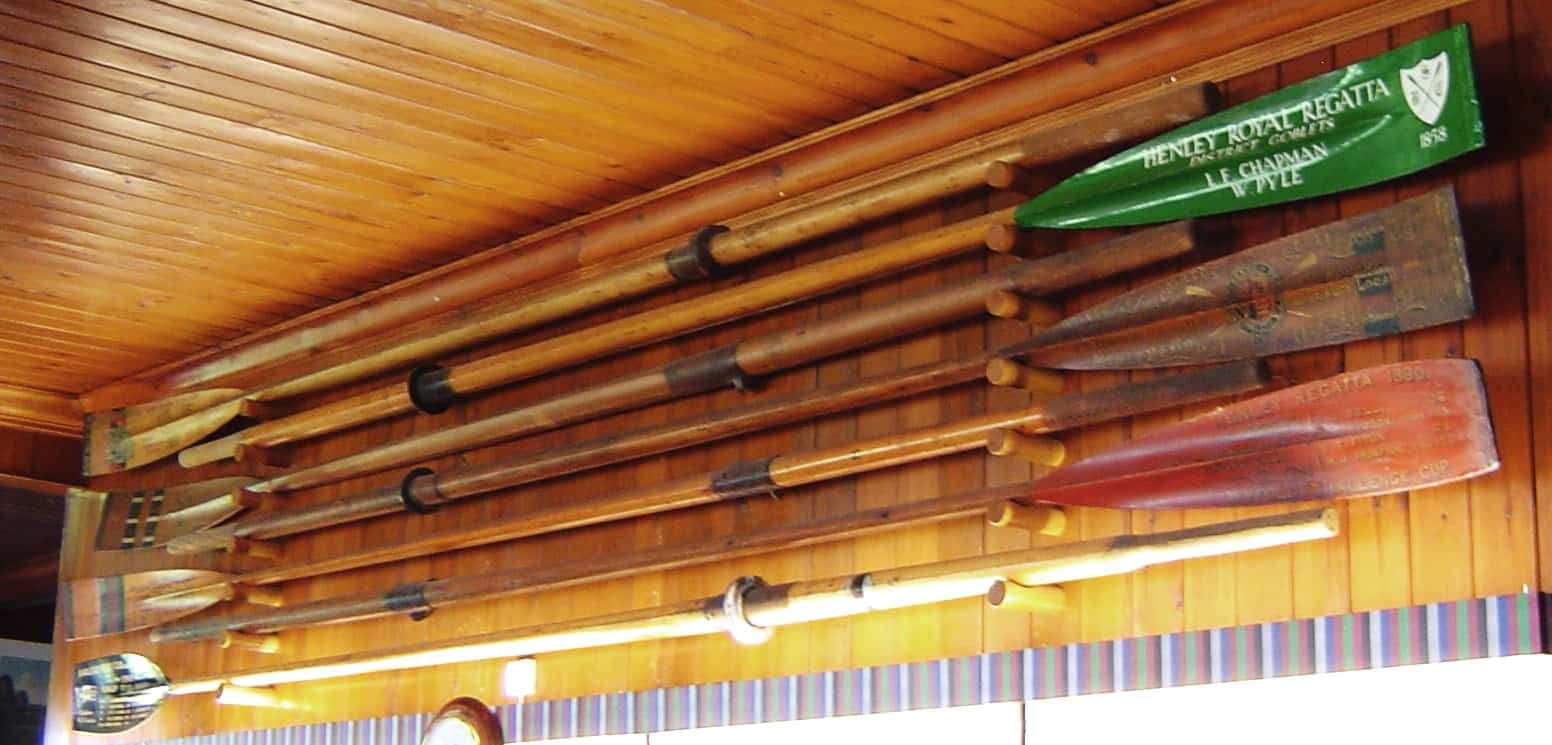
Among the hunting gear, two objects stood out for being oddly personal: a decorated pine boat oar and an antler brooch shaped like a miniature axe. Both seem out of place 1,400 meters above sea level, far from a shoreline, which is why archaeologists flagged them as rare, high-altitude surprises that ordinary soil excavations almost never preserve. No firm explanation has been confirmed, but the oar’s carving suggests pride in everyday objects, and the brooch feels like a dropped detail from a real person moving fast in cold air, not a faceless figure in a textbook with a job to finish quickly.
The Same Melt That Reveals It Also Threatens It
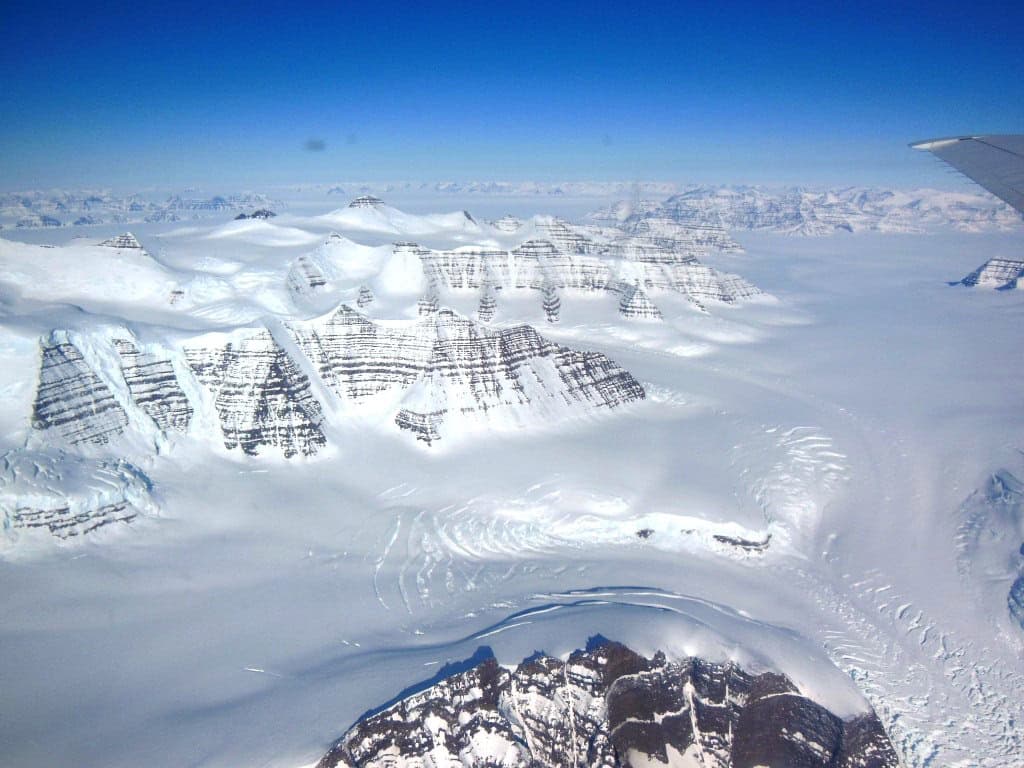
The discovery also sits inside a modern emergency: melting ice is exposing artifacts faster than teams can safely document and conserve them. Norway’s glacier archaeology projects warn that once objects emerge, sun, rain, and foot traffic can erase context quickly, often before the next snowfall, and unreported souvenirs can break the story completely. Aurlandsfjellet’s trap is a rare case where a careful report led to a professional response, turning a chance hike into a record of Iron Age survival, and a reminder that the same warming that reveals the past is also dissolving it in real time.