We may earn money or products from the companies mentioned in this post. This means if you click on the link and purchase the item, I will receive a small commission at no extra cost to you ... you're just helping re-supply our family's travel fund.
Travel’s most famous places are not disappearing. They are being managed into something tighter, pricier, and far less spontaneous. Across Europe and Asia, officials are putting gates at trailheads, charging day-trippers, fencing off viral viewpoints, capping cruise arrivals, and, in one striking case, canceling a cherry blossom festival because the crowds stopped feeling festive and started feeling invasive. Ruined may sound dramatic, but it fits the old fantasy of easy access. At many iconic spots, the carefree version of the visit is already gone.
Venice Historic Center
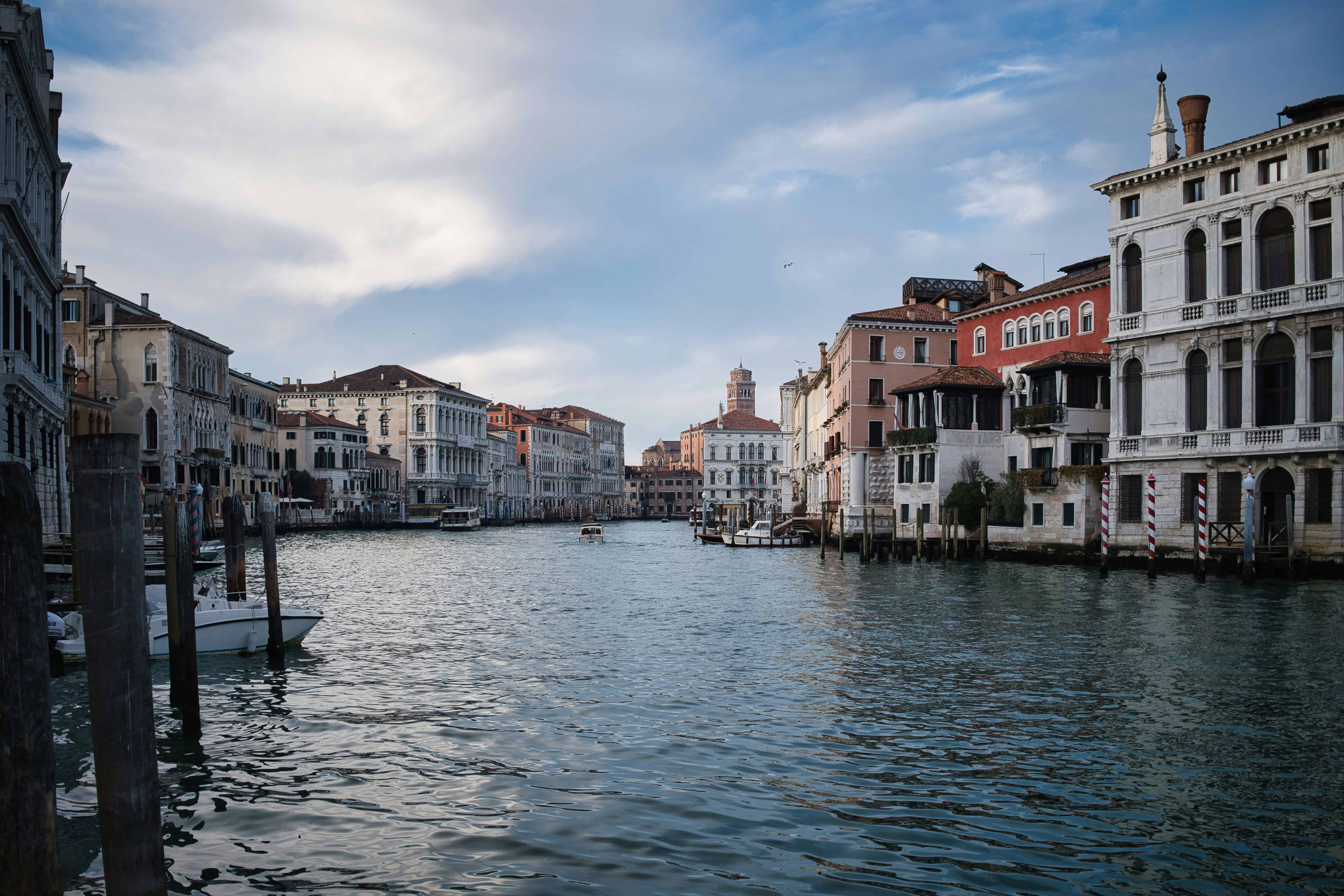
Venice has not closed its doors, but it has absolutely changed the terms of entry. The city’s official access-fee system for 2026 applies on 60 peak days from April through July, during the busiest daytime hours, and day-trippers who book late pay more than those who plan ahead. That means the classic image of drifting into Venice on impulse now comes with a calendar, a QR code, and a price check before the first bridge even appears. The city is still magical. What has been ruined is the old illusion that its most crowded days are still free, casual, and open to whoever feels like showing up.
Trevi Fountain, Rome
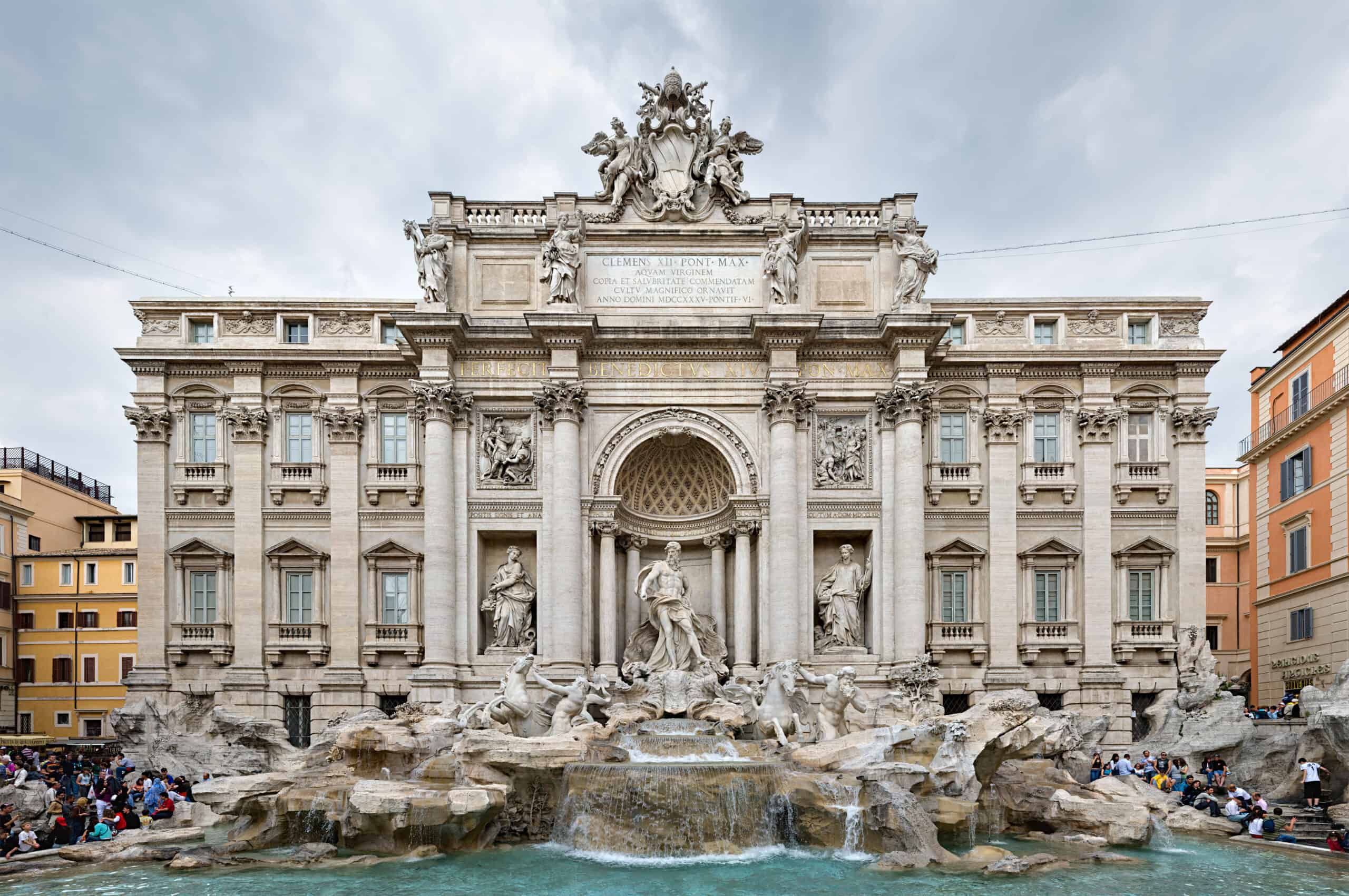
Rome has now put the Trevi Fountain on a tighter leash too. Reuters reported that as of Feb. 2, 2026, visitors who want to descend to the fountain’s immediate basin area must pay €2, while the city keeps the upper piazza free and controls access during set daytime hours to reduce crowding. That may sound minor on paper, but it changes the emotional texture of one of the world’s most over-photographed rituals. Tossing a coin into the water used to feel spontaneous, chaotic, and public. Now even closeness has been turned into a managed slot.
Mount Fuji’s Lawson Viewpoint
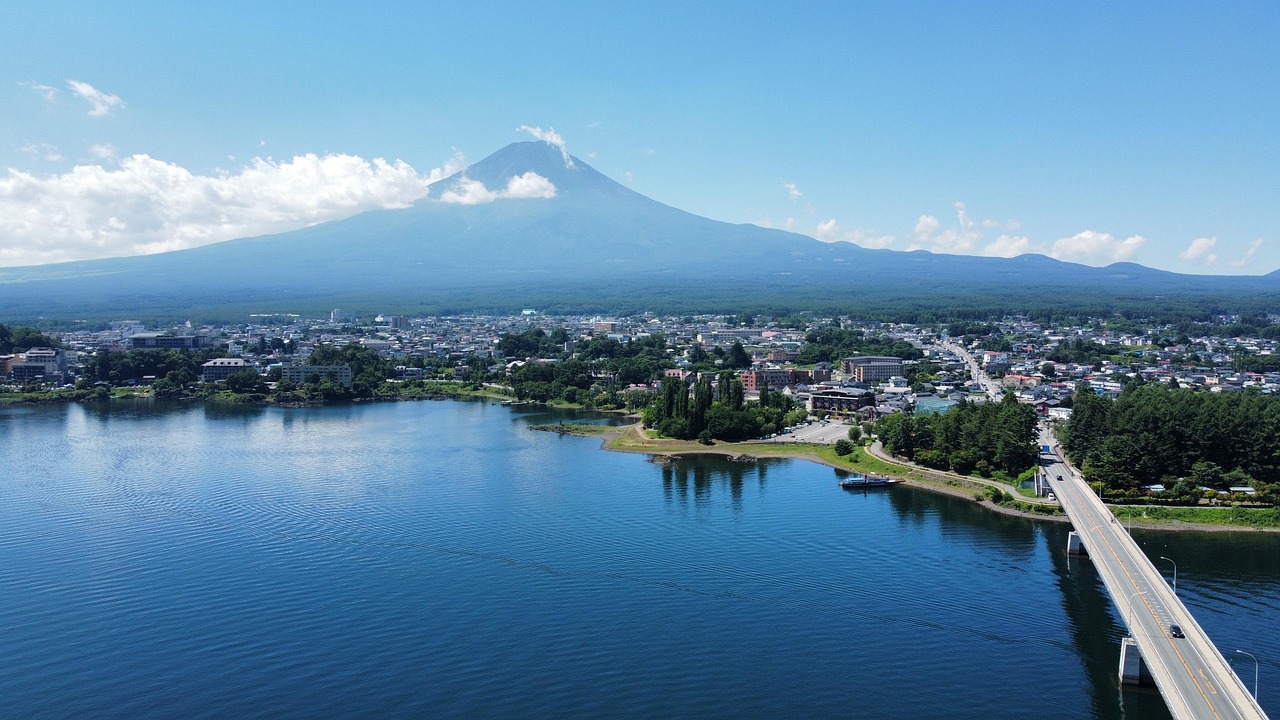
The Mount Fuji view behind the Lawson convenience store in Fujikawaguchiko became so viral that local life got pushed aside by people chasing the same photograph. Reuters reported that authorities erected a 20-meter-long, 2.5-meter-high barrier after repeated problems with jaywalking, littering, and crowds spilling into the road. That image became famous because it looked accidental, like a private discovery in plain sight. Once a place needs a screen to block the shot and protect the street, the joke is over. The mountain remains beautiful. The easy little roadside fantasy has been wrecked by its own popularity.
Arakurayama Sengen Park, Japan
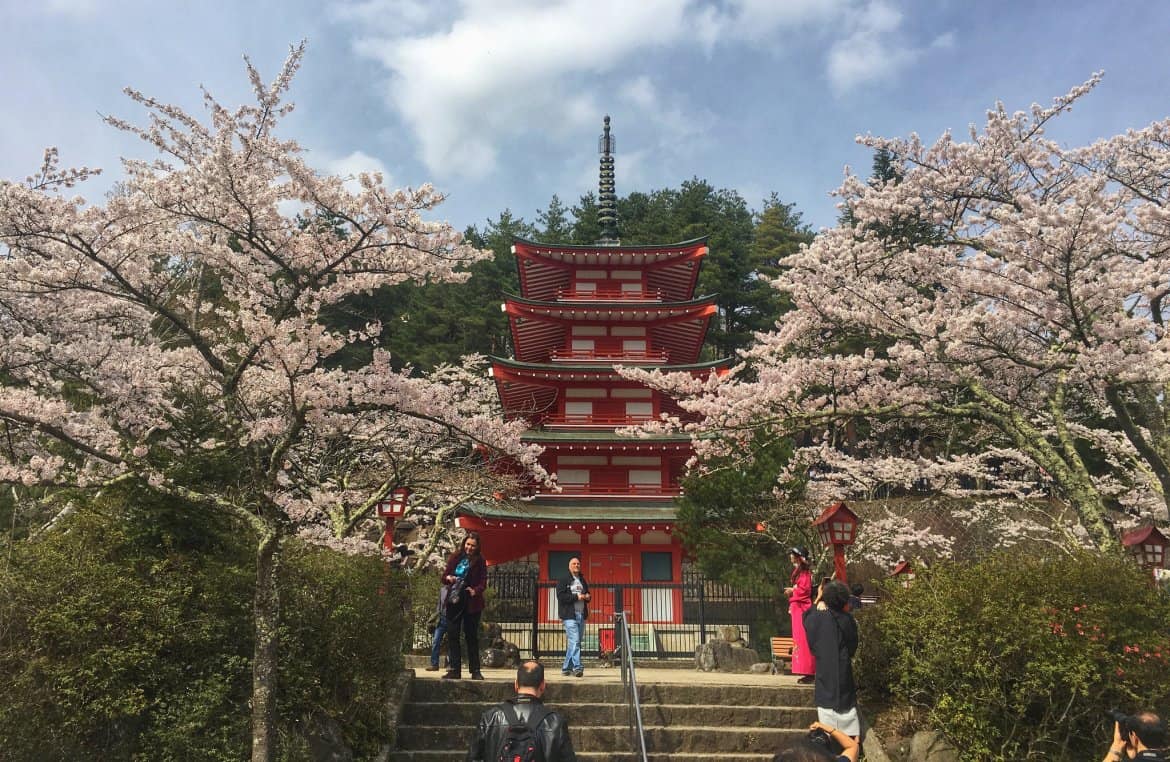
This one may be the clearest sign that overtourism has crossed from inconvenience into local refusal. In Feb. 2026, officials in Fujiyoshida canceled the annual cherry blossom festival at Arakurayama Sengen Park after years of crowd pressure around the famous Chureito Pagoda and Mount Fuji view. Reporting on the cancellation said the event had drawn roughly 200,000 visitors a year, while residents complained about traffic, littering, trespassing, and daily disruption. A place does not feel merely crowded once the festival itself is scrapped. It feels like the postcard has started pushing the town that created it off the page.
Gion, Kyoto
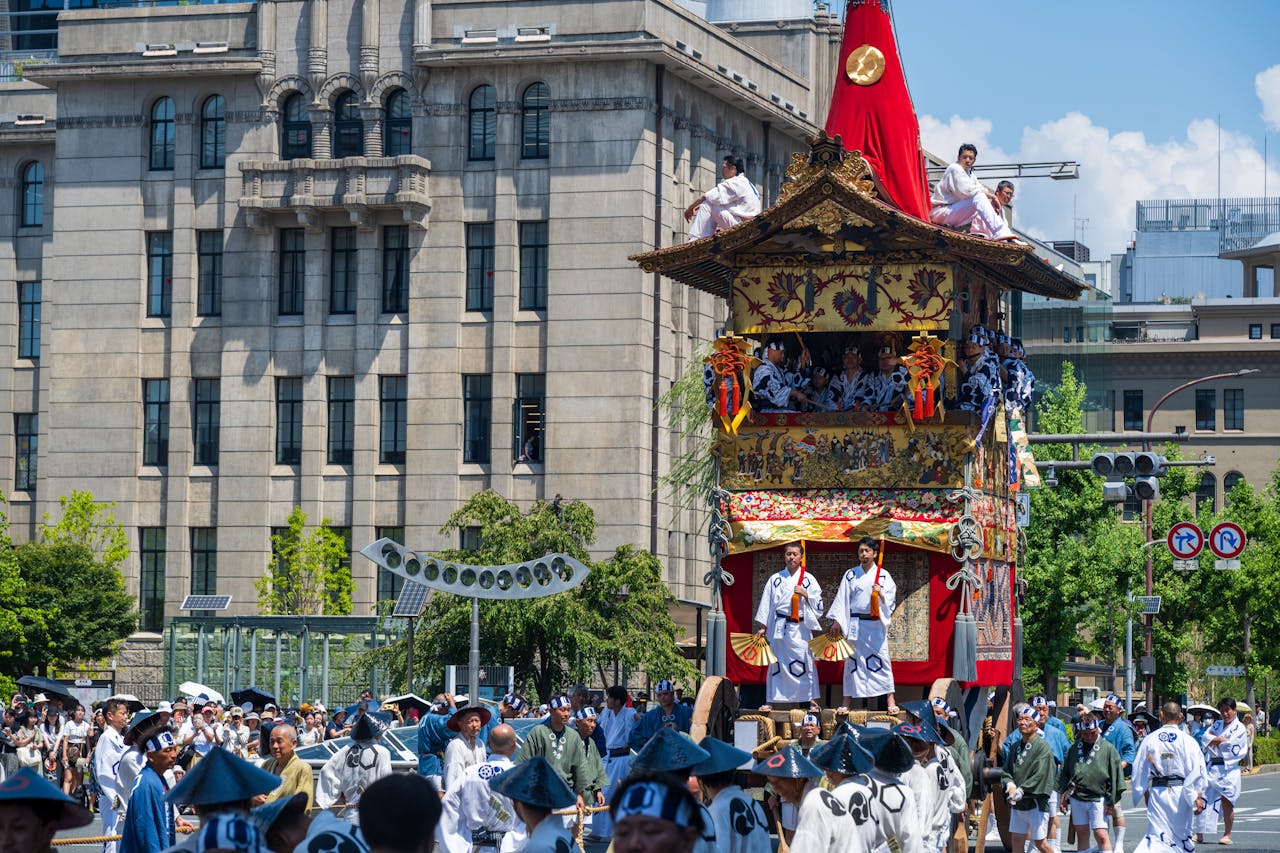
Kyoto’s Gion district is still one of the most recognizable streetscapes in Japan, but the boundaries are no longer subtle. Kyoto’s official responsible-travel guidance says photography is prohibited in many Gion areas, while Associated Press reported that signs were installed to keep tourists out of certain private alleys after years of harassment, trespassing, and obsessive photo-chasing around geiko and maiko. That matters because Gion was never meant to function like an open-air set. Once a historic neighborhood needs keep-out signs to defend its private lanes from sightseeing behavior, the atmosphere travelers came for has already been bruised.
Santorini, Greece
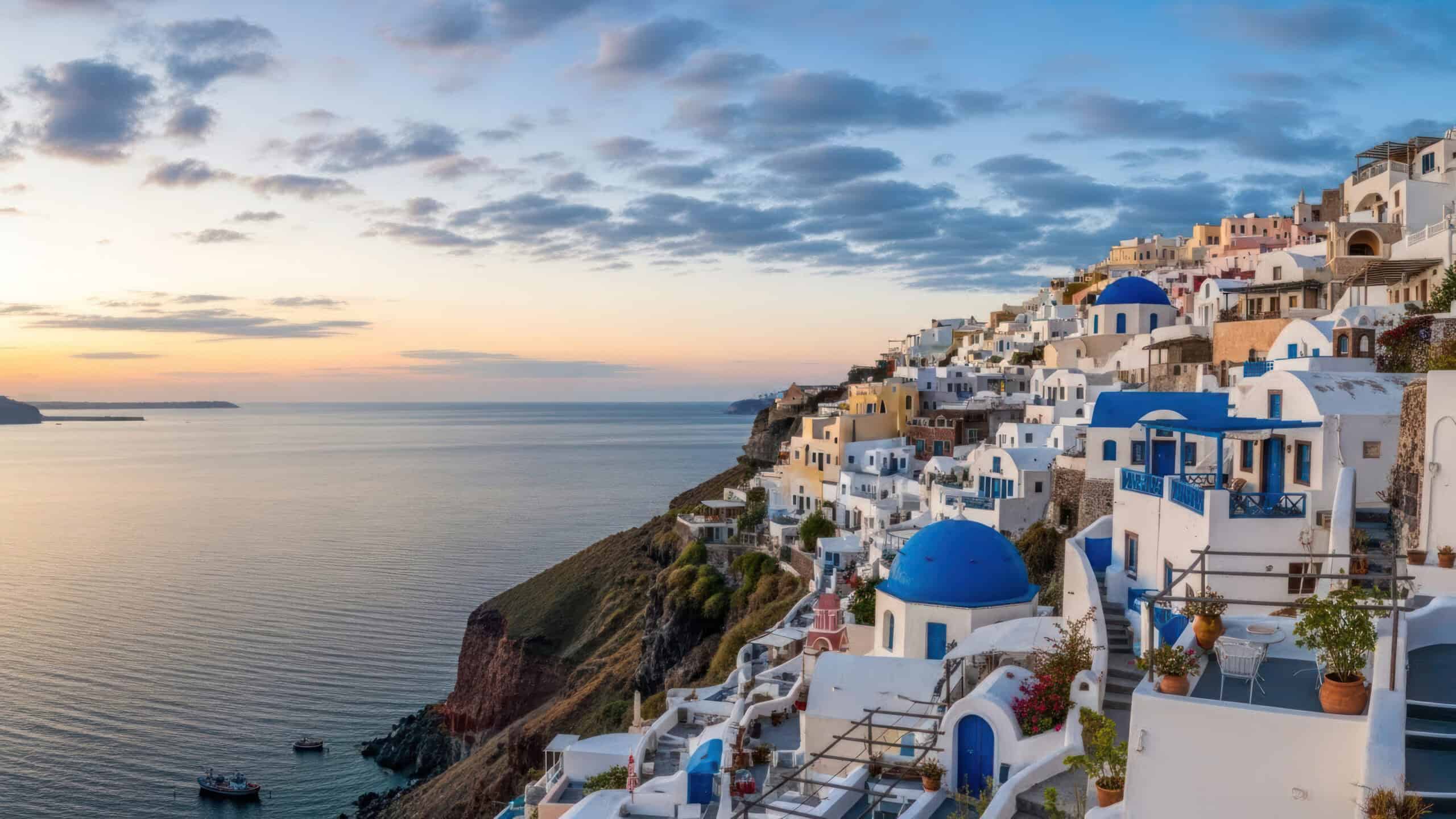
Santorini has become one of the clearest examples of a destination being actively throttled to stay standing. The Municipal Port Fund of Thira’s 2025 to 2026 berthing policy caps cruise visitors at 8,000 a day, and Greece also introduced a cruise passenger fee that reaches €20 in Santorini during peak season. Those are not symbolic nudges. They are hard attempts to slow the flow into a caldera already strained by volume. The island’s beauty has not faded, but the old fantasy of a breezy, romantic arrival has been replaced by a system that now counts bodies, sequences ships, and prices the pressure in advance.
Machu Picchu, Peru
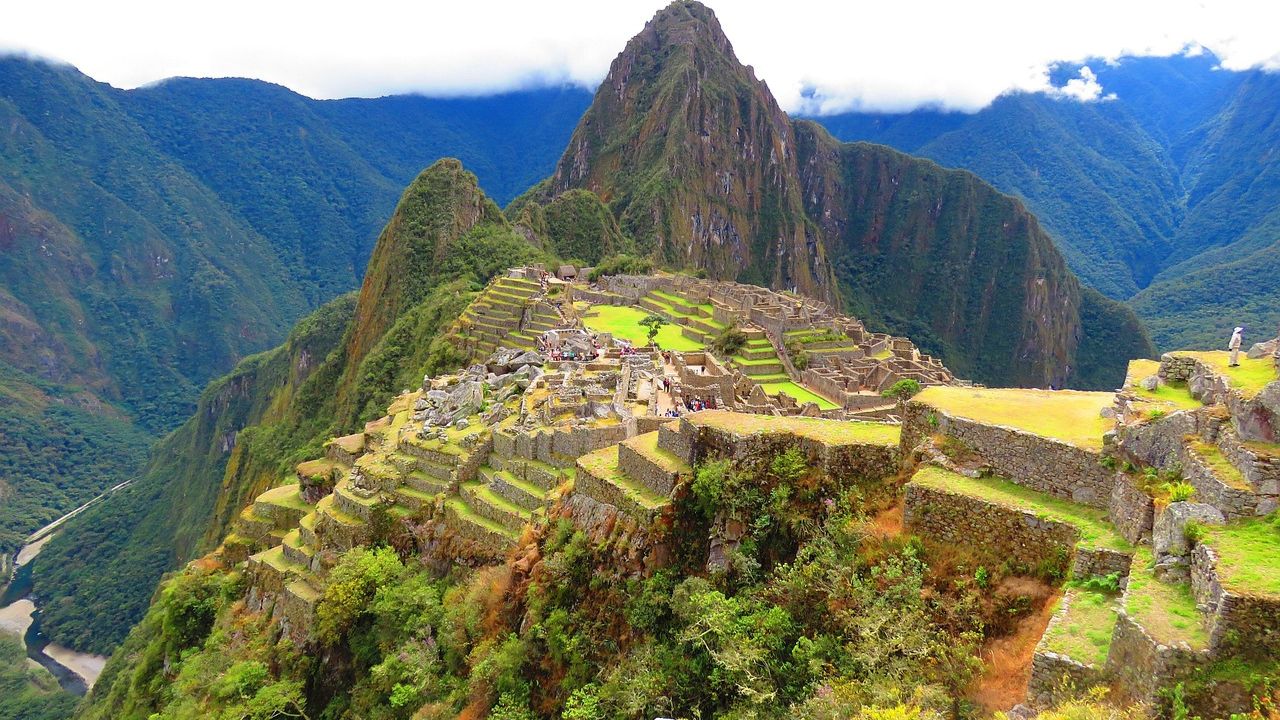
Machu Picchu is still breathtaking, but the era of wandering through it loosely is over. Peru’s 2026 dynamic-capacity schedule sets daily limits at 4,500 visitors in regular season and 5,600 in high season, while current ticketing rules divide the site into fixed circuits and timed entry windows. That means the visit is no longer a free-flowing encounter with one of the world’s great archaeological landscapes. It is a carefully rationed route through a fragile one. The reason is understandable, even necessary. Still, something changes once a wonder of the world starts feeling less like a discovery and more like a tightly managed operating system.
Maya Bay, Thailand

Maya Bay may be the poster child for paradise with terms and conditions attached. Reuters reported that Thailand once closed the beach for years to let the ecosystem recover from overtourism, and the current model remains strict: Maya Bay now shuts annually for conservation, boats dock at the back rather than landing directly on the beach, visits are timed, and swimming in the bay itself is off-limits. Those rules make ecological sense, and the bay is healthier for them. But they also make clear that the old version of the place, the one sold by cinema and travel fantasy, was used so hard it had to be redesigned around damage control.
Dubrovnik Old Town
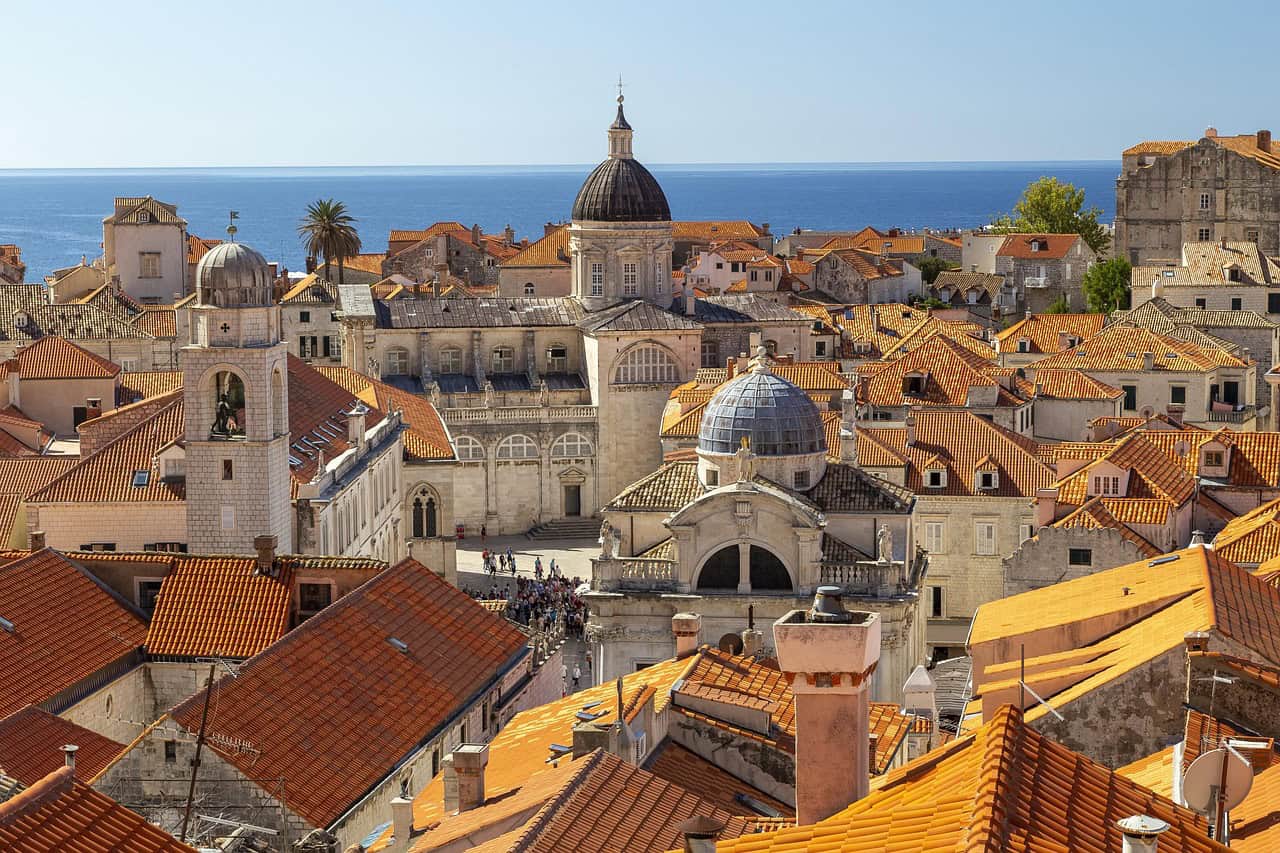
Dubrovnik spent years being treated like a walled stage set, and the city has answered with increasingly deliberate controls. The European Commission’s 2026 smart-tourism profile says Dubrovnik now limits daily cruise visitors to about 4,500 or two ships at a time, while the city’s own traffic rules tightly regulate where tourist buses and smaller transfer vehicles can stop around the protected historic core. That is a serious shift in tone. The old town still looks cinematic, but the city around it now behaves like a place that has learned what happens when too many people try to consume the same narrow streets at once.