Gruene Hall Has Been Open Since 1878. Here’s How to Spend a Night at Texas’s Oldest Dance Hall
We may earn money or products from the companies mentioned in this post. This means if you click on the link and purchase the item, I will receive a small commission at no extra cost to you ... you're just helping re-supply our family's travel fund.
Gruene Hall was built in 1878, and it has never stopped hosting dances. It bills itself as the oldest continually operating dance hall in Texas, and the building still looks the part: a 6,000-square-foot wooden hall with a high-pitched tin roof, side flaps that open for air, a bar at the front, a small lighted stage at the back, and a big outdoor beer garden shaded by old trees. A night at Gruene Hall Texas is one of the most authentic music experiences in the state.
Here is how to spend one. Check the show calendar and buy tickets early if a well-known act is playing. Eat dinner nearby before the show, ideally at the Gristmill next door. Arrive before the band starts, grab a cold beer, and stake out a spot near the dance floor. Learn the basic two-step, and remember that dancers move counterclockwise around the floor. Step out to the beer garden between sets. And stay overnight in Gruene or New Braunfels, so you can walk or take a short ride home.
The hall sits in the historic Gruene district, now part of New Braunfels, about 30 miles northeast of San Antonio and 45 miles southwest of Austin. Here is everything about a night there, from how the place works to what to wear.
Here’s How to Spend a Night at Texas’s Oldest Dance Hall
Gruene Hall offers live music most days of the week, including some afternoon shows. Many acts play for a modest cover charge or for free during afternoon sets, while bigger names sell tickets in advance. The calendar mixes Texas country, Americana, blues, rock, and singer-songwriters.
A typical night looks like this:
- Late afternoon: stroll through the Gruene Historic District, browse shops, and walk down to the Guadalupe River.
- Early evening: dinner at the Gristmill River Restaurant & Bar, set in the ruins of an old cotton gin overlooking the river, or another nearby spot.
- About an hour before showtime: walk to the hall, grab a drink at the front bar, and settle in.
- The show: dance, listen, or both. Seating is limited and informal, with long tables and benches along the sides.
- Between sets: cool off in the beer garden, where conversations spill out under string lights.
- After the show: walk back to your room or call a ride.
How the Dance Floor Works
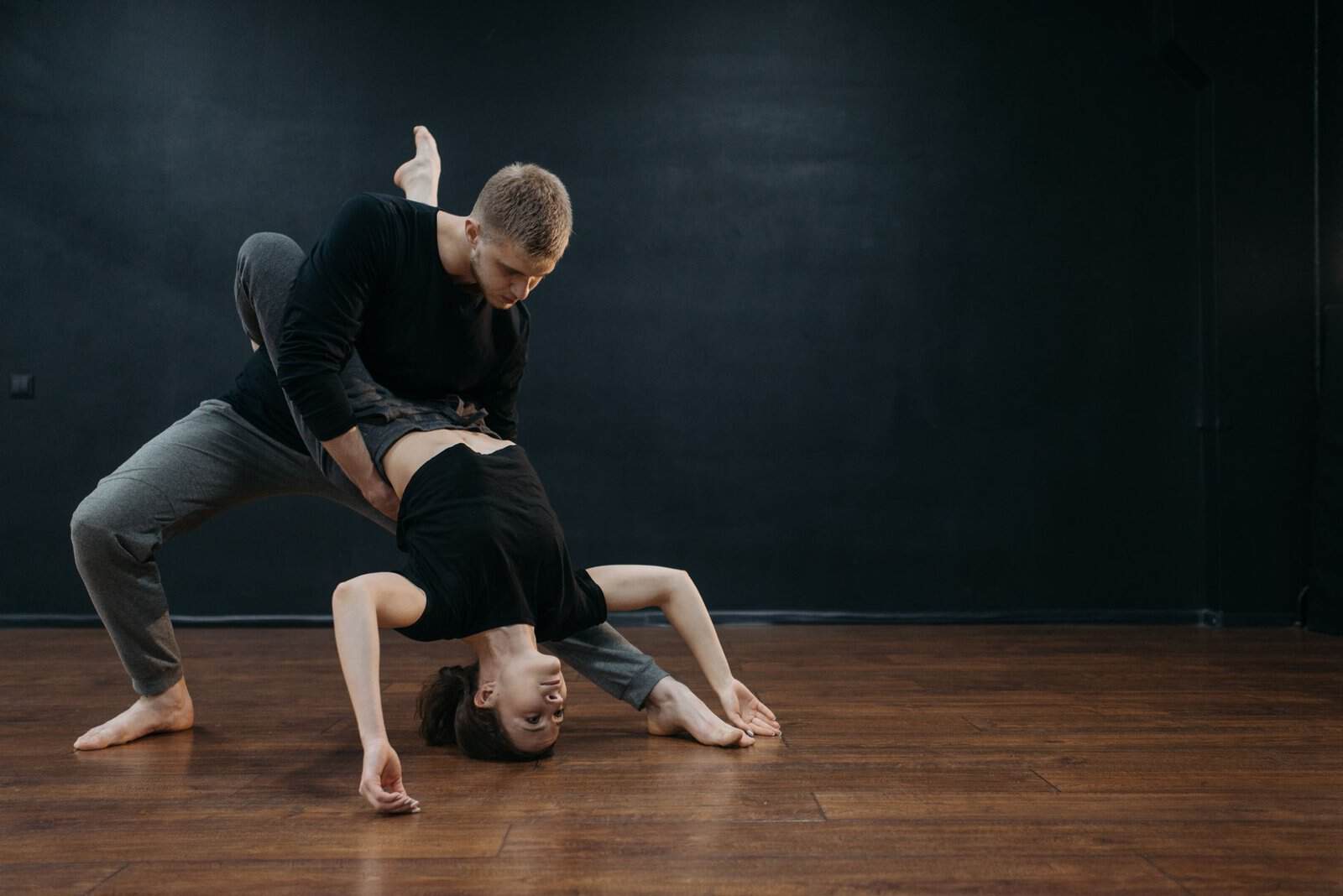
The worn wooden floor at Gruene Hall has seen nearly 150 years of dancers. On busy nights, it fills with couples two-stepping, waltzing, and swing dancing, along with plenty of people just swaying.
Texas dance halls have a few unwritten rules. Dancers move counterclockwise around the floor, in a loop called the line of dance. Faster couples use the outside lanes, while slower dancers and beginners stay toward the center. If you stop to talk, step off the floor. And if someone asks you to dance, a polite “no thanks” is fine, but many locals are happy to show a beginner the basics.
The basic two-step is simple: quick, quick, slow, slow. Practice a few times at home or ask a friend to lead you through it. By the second song, most people get the hang of it.
Who Plays at Gruene Hall
Under its modern owners, Gruene Hall built a reputation as a launching pad for Texas music. George Strait played the hall regularly in the 1970s and 1980s, early in his career. Lyle Lovett, Willie Nelson, Jerry Jeff Walker, and many others have played the stage. Today’s lineup includes established Texas acts, touring artists, and up-and-coming bands.
The hall also appears in film. John Travolta’s dance scene in the 1996 movie “Michael” was filmed there. Advertising signs from the 1930s and 1940s still hang around the stage, adding to the sense that you are stepping back in time.
The History of Gruene Hall
The town of Gruene was settled by German farming families in the mid-1800s. Henry D. Gruene, son of one of those families, built a cotton empire with tenant farms, a mercantile store, a cotton gin, and a bank. In 1878, he had the dance hall built as a saloon and social hall for area farmers. It hosted dances, singing festivals, political meetings, and even high school graduations.
The boll weevil and the Great Depression nearly wiped out Gruene. The town faded, but the hall stayed open. In the 1970s, developers planned to raze the town for new homes. Preservationists pushed back, and in 1975 Gruene was added to the National Register of Historic Places. Around the same time, new owners bought the hall and several buildings and began restoring them. Gruene Hall reopened as a music venue and has thrived ever since.
A New Cooling System
For almost 150 years, Gruene Hall had no conventional air conditioning. Dancers relied on open side flaps, ceiling fans, and cold beer. In 2026, the hall began installing an air-cooling system approved by the Texas Historical Commission, designed to make summer shows more comfortable without changing the building’s character. In November, the weather usually makes cooling unnecessary anyway, and the side flaps may be rolled down to keep in the warmth on chilly nights.
What to Wear
Gruene Hall is casual. Jeans, boots, and a shirt you do not mind sweating in are the standard. Cowboy hats are welcome, but not required. Comfortable shoes with smooth soles work best for dancing on the wooden floor.
- Bring a light jacket for the beer garden on cool November nights.
- Leave fancy shoes at home; the floor and grounds are rough.
- Wear layers, since the hall can get warm when crowded.
Buying Tickets for Gruene Hall Texas Shows
Check the hall’s website for the show calendar. Afternoon shows are often free. Evening shows can range from modest cover charges to higher prices for major acts, which can sell out. Buy tickets in advance for popular shows.
Arrive early for big shows, as the hall fills quickly and there are no reserved seats for most events. Parking in Gruene can be tight on weekends, so allow extra time.
Where to Eat
The Gristmill River Restaurant & Bar, right next to the hall, is the classic pre-show stop. It serves Texas comfort food, burgers, chicken-fried steak, and drinks on terraces overlooking the Guadalupe River. Expect a wait on weekends.
Other options include restaurants in the Gruene district and in downtown New Braunfels, which has a strong German heritage and plenty of local spots.
Where to Stay
Staying overnight lets you enjoy the show without worrying about driving. Gruene has bed-and-breakfasts and small inns, some in historic buildings within walking distance of the hall. New Braunfels has hotels, motels, and vacation rentals. Rates vary by season and day of week; summer and holiday weekends are busiest.
Mistakes First-Timers Make
- Showing up at showtime for a sold-out headliner and finding no room near the stage.
- Standing in the middle of the dance floor to talk or take photos while couples circle around.
- Driving after a long night of beer. Plan a ride or stay within walking distance.
- Skipping the afternoon shows, which are often free and less crowded, and a good way to see the hall without a ticket.
- Dressing up. This is a boots-and-jeans place.
Bringing Kids or Going Solo
Afternoon shows are generally more relaxed and family friendly, and plenty of parents bring older kids to see the hall during the day. Evening shows lean adult, with a bar crowd and late finishes, so check the hall’s age policy for specific events. Solo visitors fit right in. Sit at one of the long tables, and you will probably end up talking to strangers by the second set.
What It Costs
A night at Gruene Hall can be cheap or splurge-worthy depending on the show. Free afternoon sets and low-cover weeknight shows cost little beyond drinks. Ticketed weekend shows by well-known acts cost more, and holiday or anniversary shows can sell out at higher prices. Add dinner at the Gristmill and a night at a local inn, and a couple can spend anywhere from under $100 on a casual evening to several hundred dollars on a headliner weekend with lodging.
Things to Do the Next Day
- Walk the Gruene Historic District and its shops.
- Visit Gruene General Store, a historic mercantile.
- Float or paddle the Guadalupe River in warmer months.
- Explore downtown New Braunfels and its German heritage.
- Visit nearby wineries and the Texas Hill Country.
Visiting in Late Fall and the Holidays
Late fall is a good time for Gruene. Summer river crowds are gone, evenings are cool, and the town decorates for the holidays. New Braunfels hosts Wurstfest, a German heritage festival, in early November. Gruene often hosts holiday events and markets, and the hall may host special shows around Thanksgiving and New Year’s.
The Bottom Line
Gruene Hall has hosted dancers since 1878, and it still feels like a Texas Saturday night should. Check the calendar, buy tickets early for big shows, eat at the Gristmill, learn the two-step, and stay nearby. You will be dancing on the same wooden floor where generations of Texans have done the same.