We may earn money or products from the companies mentioned in this post. This means if you click on the link and purchase the item, I will receive a small commission at no extra cost to you ... you're just helping re-supply our family's travel fund.
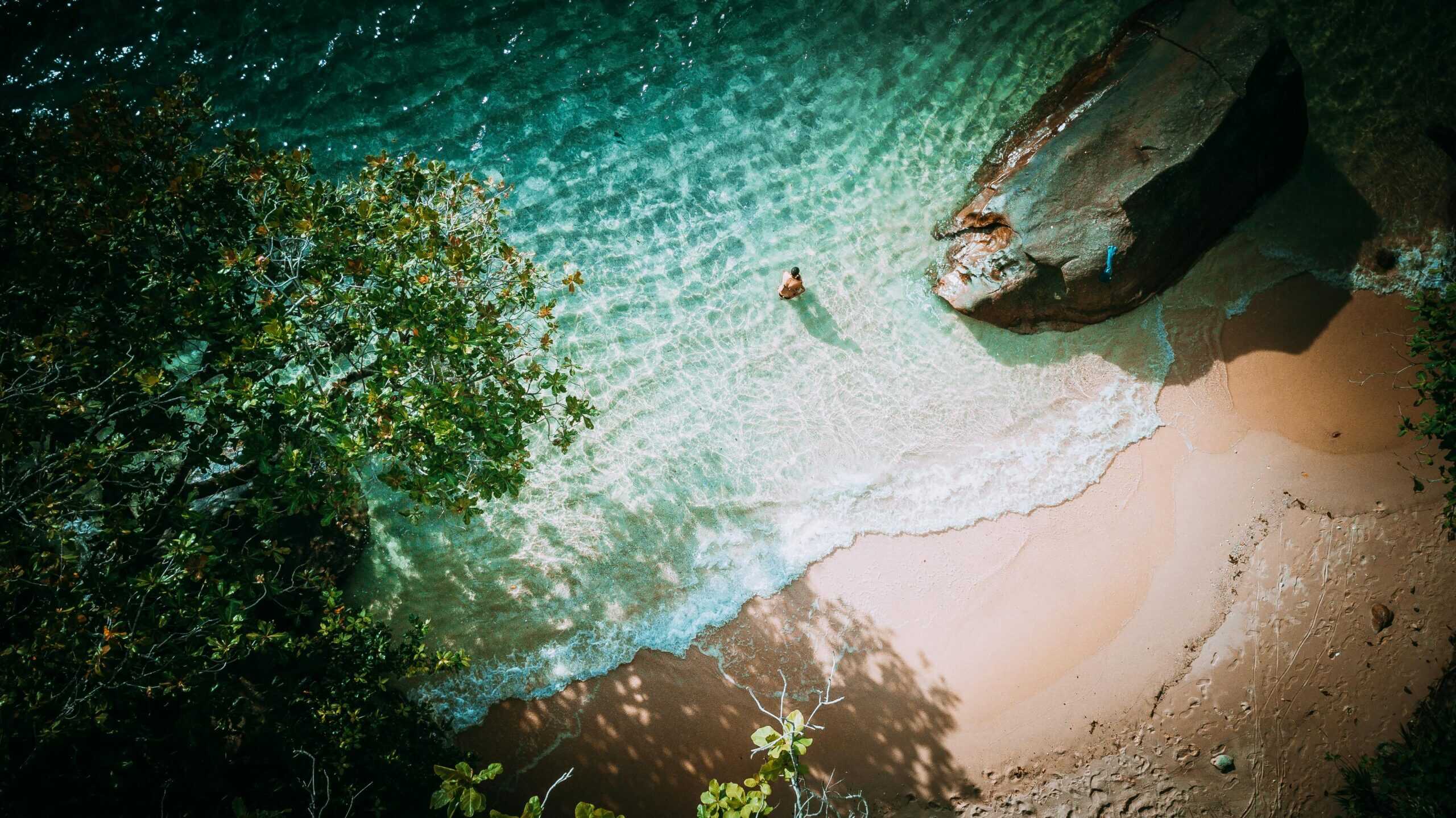
Greece still has corners where the Aegean feels quiet and the old rhythms remain louder than the crowd. Beyond the headline islands, pale trails drop into coves with no umbrellas and no music, only surf and cicadas. Inland, stone villages sit high above the heat, holding onto marble lanes, deep shade, and conversations that run long. These places are not secret because they are impossible to reach. They stay under the radar because they reward patience, curiosity, and a slower pace.
Katergo Beach, Folegandros
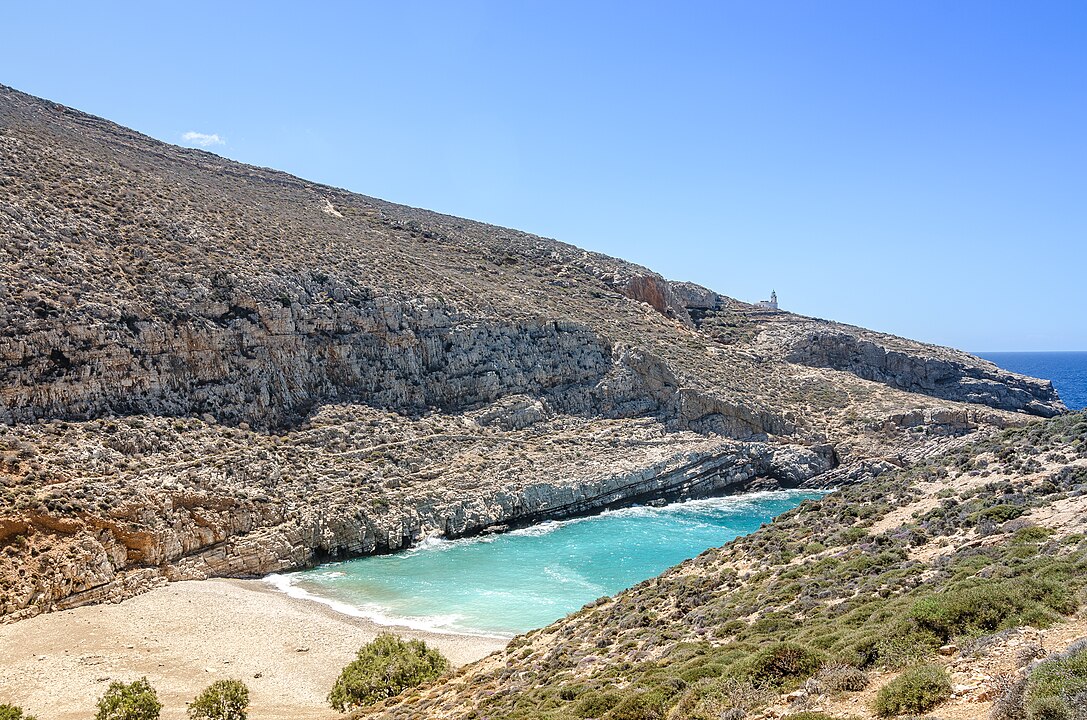
Katergo Beach on Folegandros feels like a private inlet cut into raw Cycladic rock, with pebbles underfoot and cliffs that keep the cove hush even when Chora is buzzing. Most people reach it by the small local boat from Karavostasis, while walkers follow the dusty path down from Livadi and pick careful steps on the last steep drop. There is almost no shade and no services, so water, snacks, and sun cover matter, and the little islet offshore can stir a current that punishes stubborn swimmers, but the reward is a plunge in glassy blue and an evening that ends with the boat’s wake fading into silence. A mask turns the bay into an aquarium, too.
Fteri Beach, Kefalonia
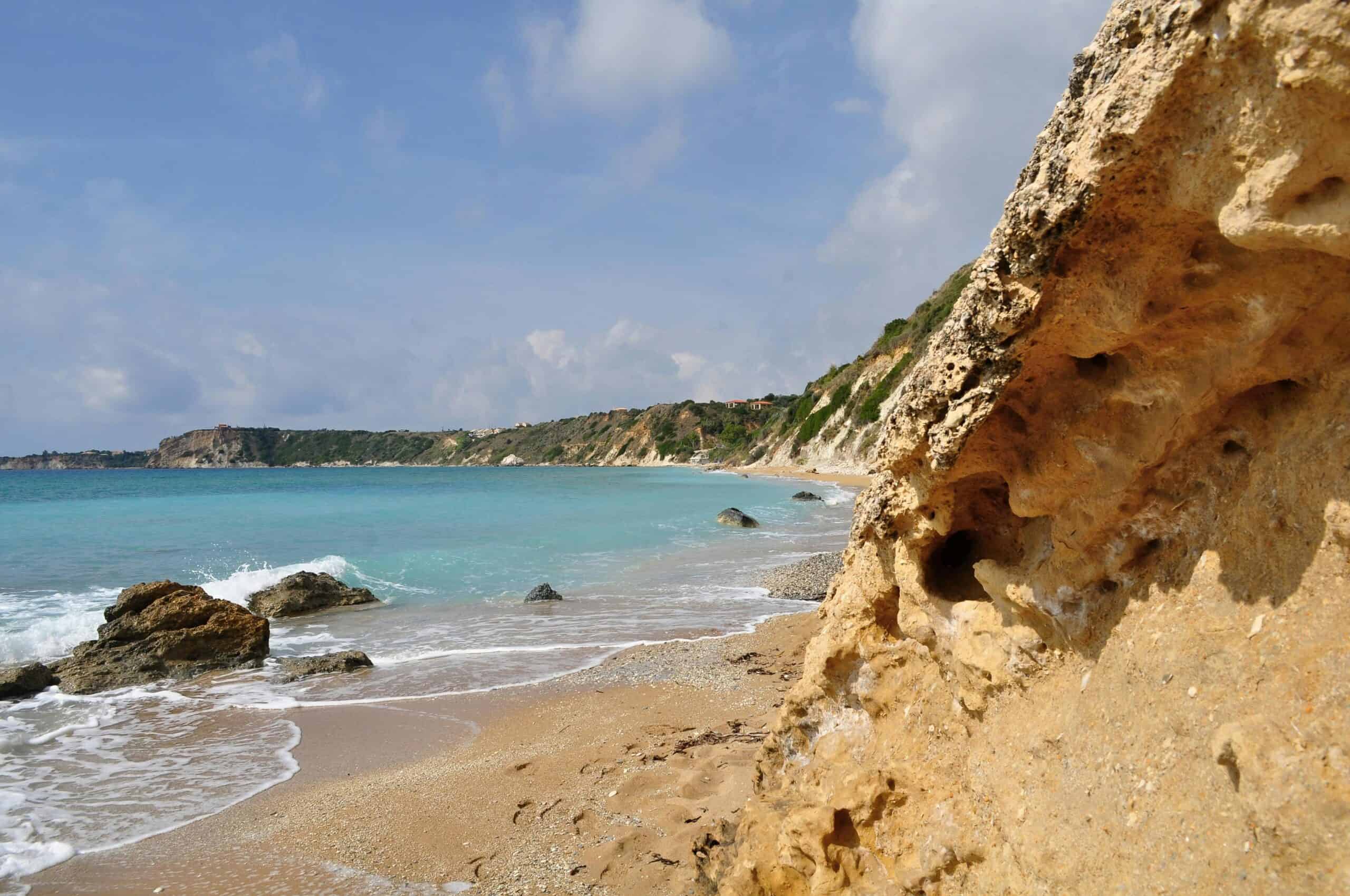
Fteri Beach in Kefalonia hides at the base of white cliffs, where the Ionian shifts from turquoise to ink a few strokes from shore and the only soundtrack is the slap of small waves on stone. Access is limited to a boat ride or a demanding hike, which keeps the bay calmer than the island’s headline strands and leaves the water looking freshly poured even in August. The beach is unserviced and pebbly, so the scene stays simple: sturdy sandals for the walk in, shade improvised from a towel, lunch pulled from a bag, and snorkel time over pale rock before the boats begin circling for the afternoon dip. Late light makes the cliff faces honey-gold.
Seychelles Beach, Ikaria
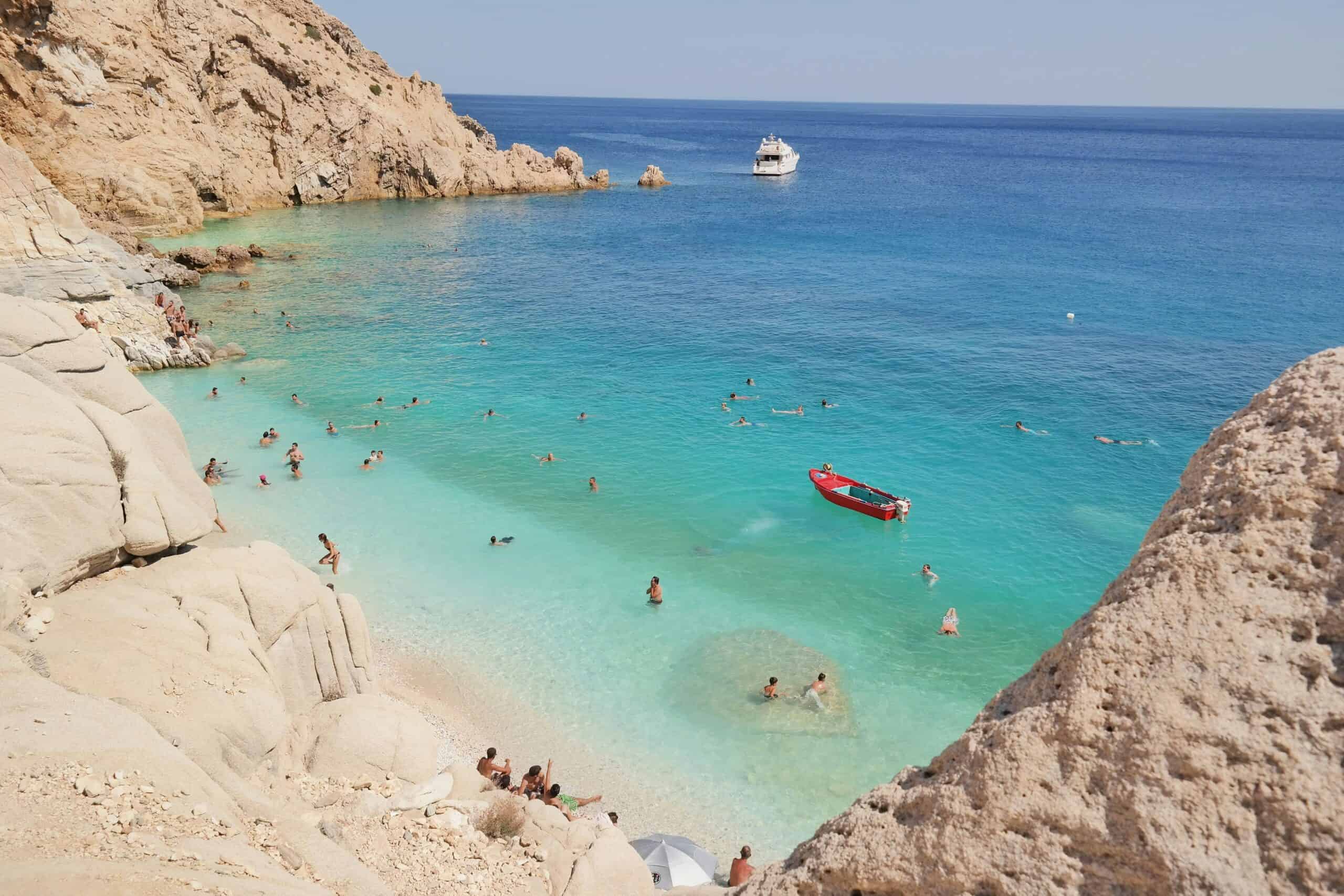
Seychelles Beach on Ikaria is a small crescent of pale stone tucked below a rugged ravine, famous for water that looks unreal in midday sun and turns cobalt when clouds slide in. Parking sits on the main road, and the last stretch is a short but rough descent along a rocky path, so sturdy shoes matter; in summer, a water taxi may run from Magganitis when seas cooperate. That bit of effort changes the energy on arrival, turning the beach into a quiet pause between swims, cliff shade, and a slow lunch back at the fishing port, where the day often ends with plates of fresh catch and local wine. Even the chatter stays soft as if the cove insists.
Pori Beach, Ano Koufonisi
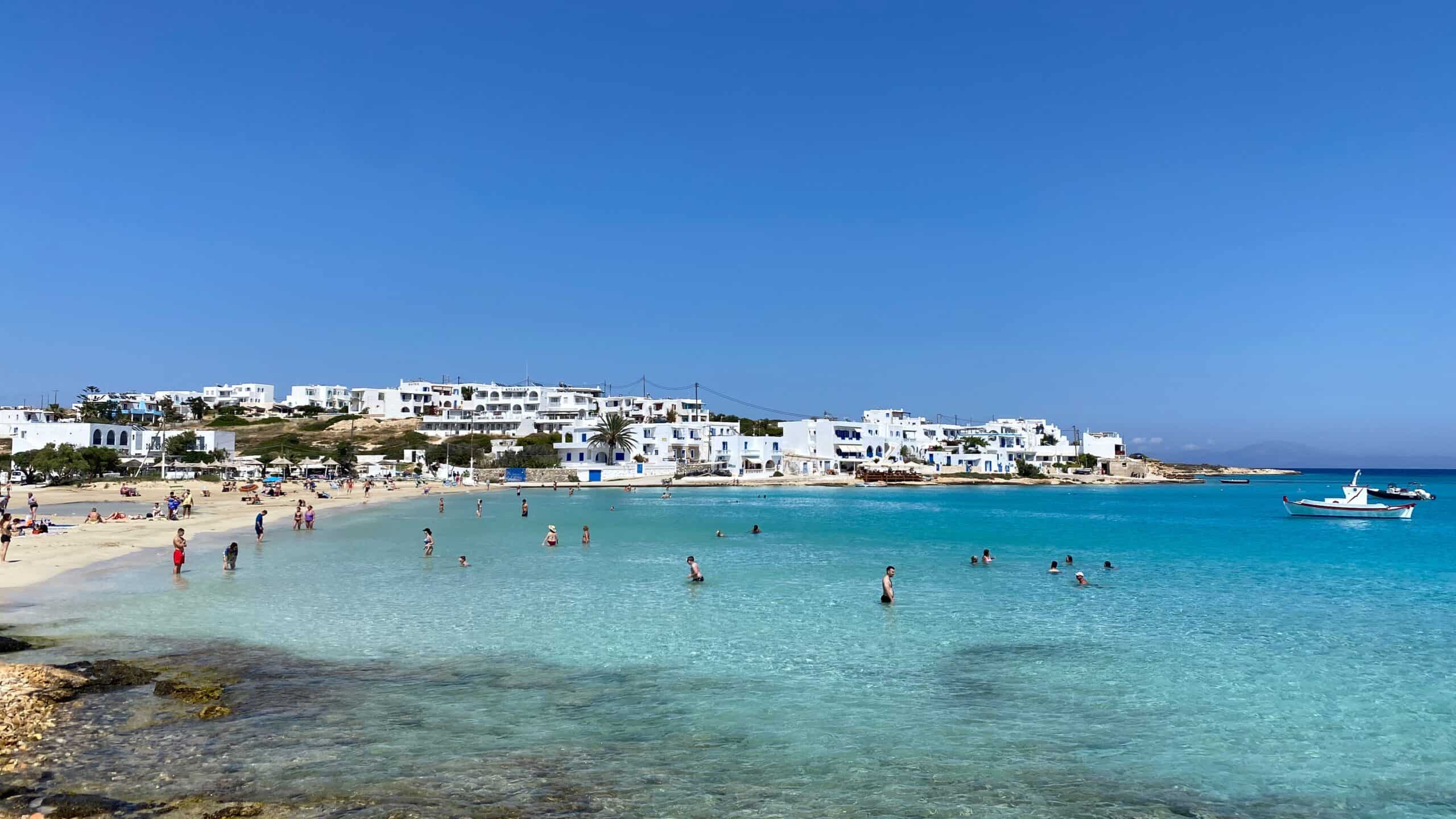
Pori Beach on Ano Koufonisi sits at the end of a long seaside walk, past smaller coves where the sand turns to polished shell and the sea keeps changing color from mint to sapphire. The trail follows the waterline for about 3.5 km from the main village, and that gentle effort is enough to thin the crowd without making the day feel like a trek; in peak weeks, small boats also hop between beaches from the port. At Pori, the shoreline widens, tamarisk offers rare shade, and the island’s best habit kicks in: swim, dry, wander to the next bend toward Xylobatis, then circle back as the sun drops and tavernas begin clinking plates. Salt stays there.
Klisidi Beach, Anafi
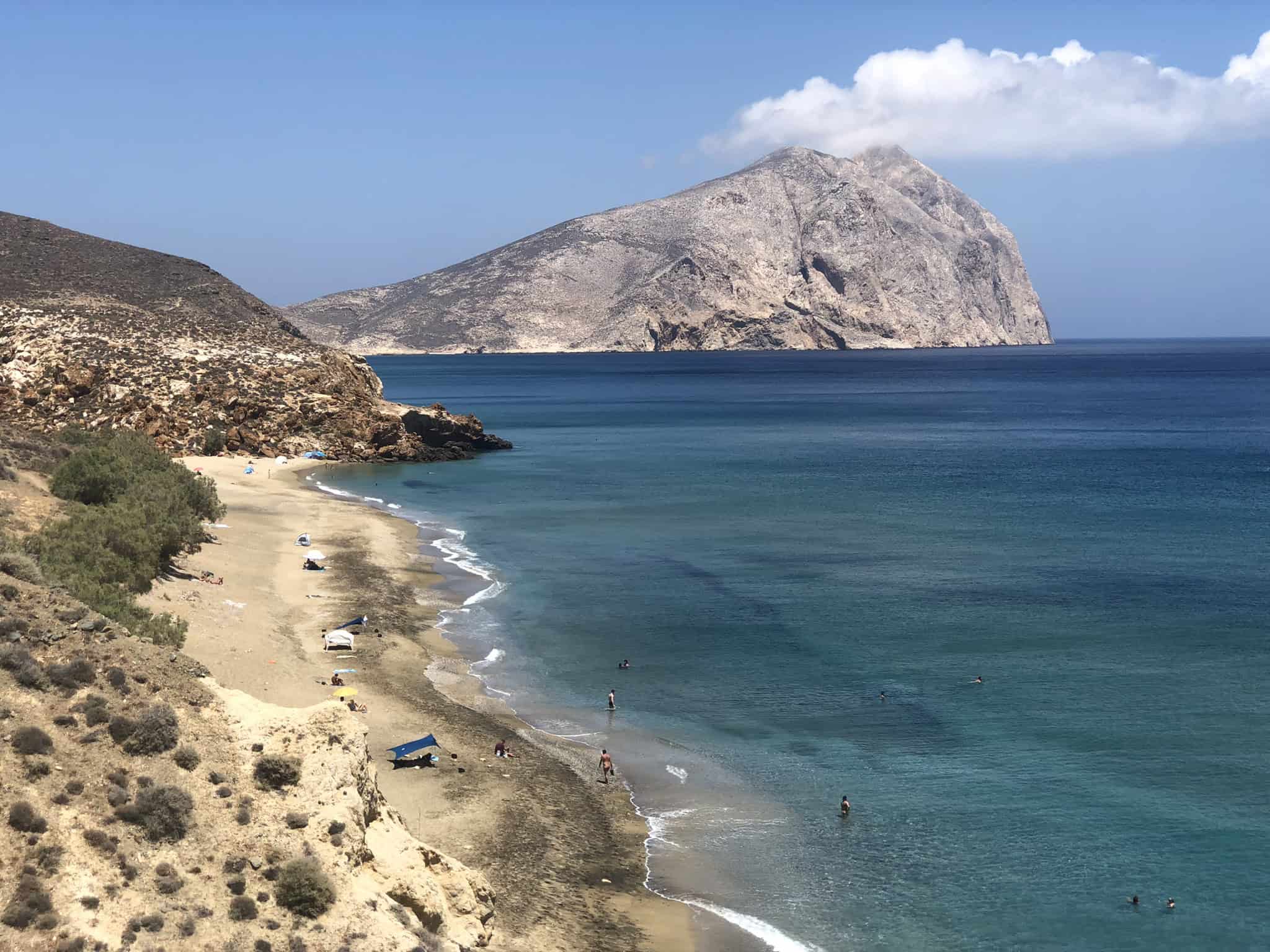
Klisidi Beach on Anafi sits just below the island’s whitewashed Chora, a soft bay where the Cyclades suddenly feel unhurried again and the horizon looks almost empty. It is one of the rare quiet beaches that is still easy to reach, with a short path from parking and seasonal bus connections from town, plus foot trails that continue toward Katsouni and other south-coast coves for anyone chasing a longer shoreline ramble. There is usually a taverna close by for water and a late lunch, but the scene stays low-key: clear shallows, a handful of tamarisk shade, and nights so still that the Milky Way can feel like part of the beach. No rush, really.
Volax, Tinos
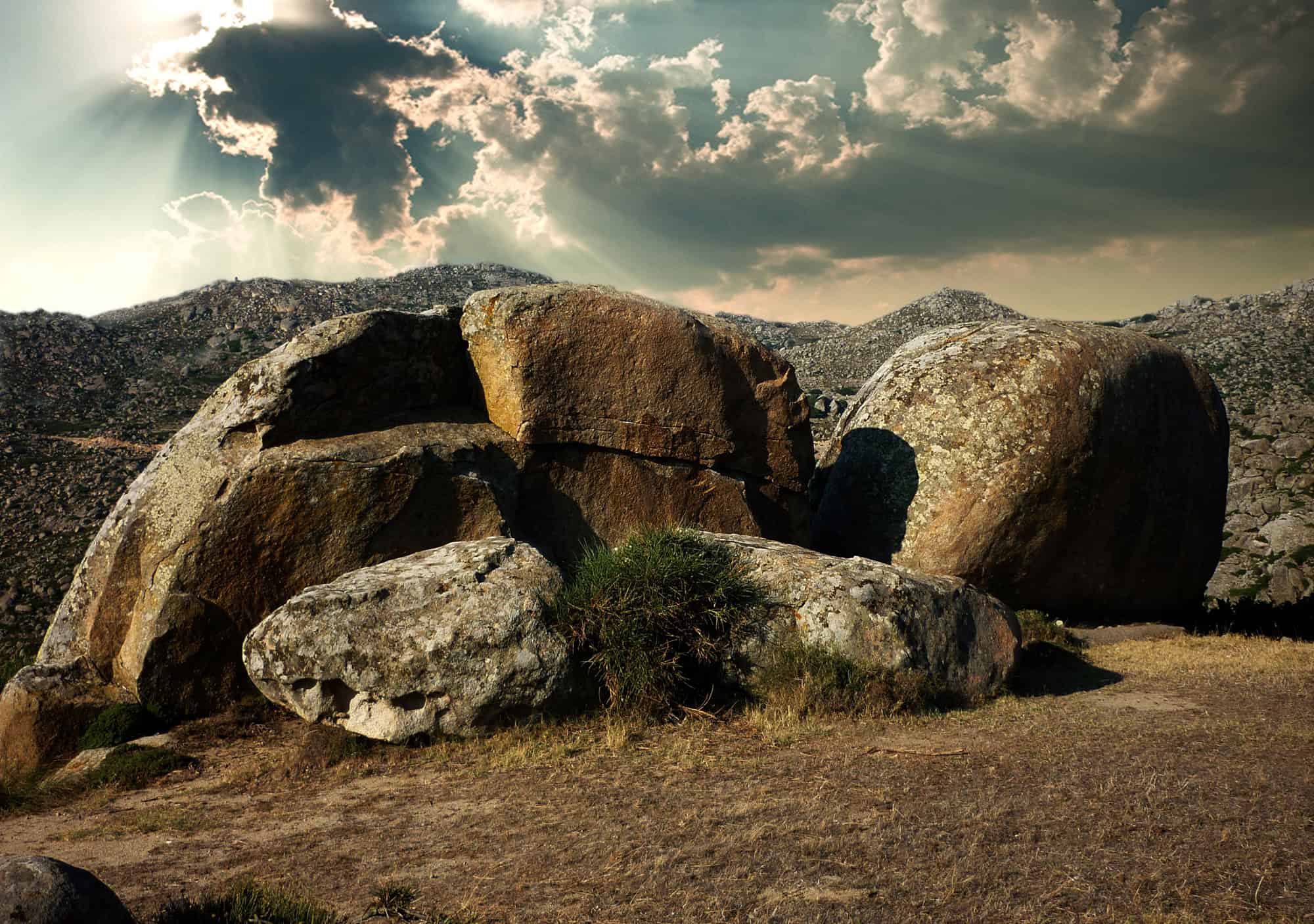
Volax on Tinos looks like it was dropped into a moonscape, with rounded granite boulders scattered across the plateau like dice from a myth and fields cut into sudden circles of stone. Some monoliths rise close to 10 m, and the boulder field spreads across about 22.6 sq km, wrapping the village’s white houses in an almost unreal geology that starts and stops as if a curtain was pulled. The name itself nods to the rocks, and Volax is also known for basket weaving, so the afternoon can drift between rock-strewn footpaths, shaded courtyards, and workshops where locals still shape ordinary, useful things with calm precision. It stays cooler, too.
Pyrgos, Tinos
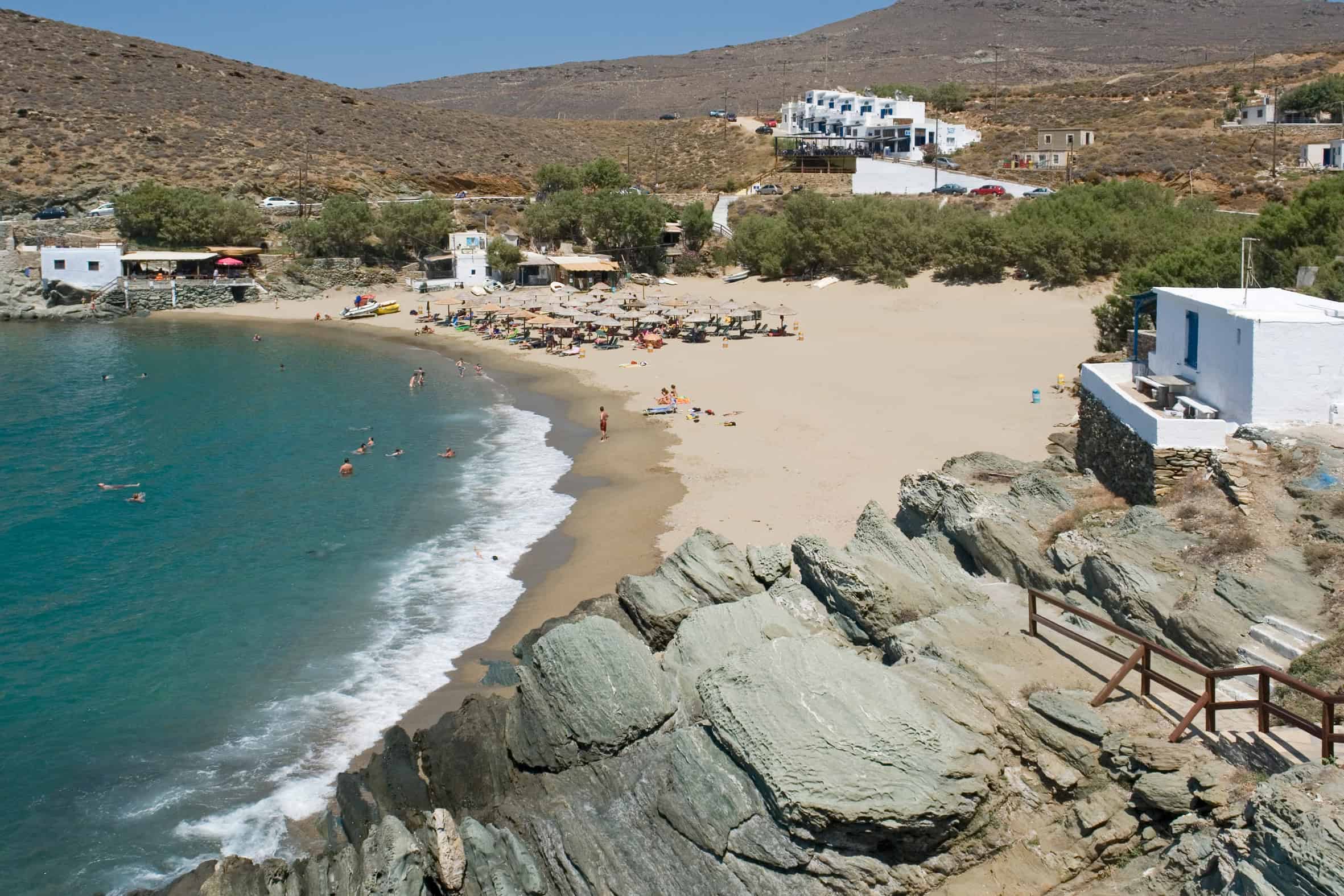
Pyrgos, Tinos, leans into marble the way other places lean into sea views, with lintels, fountains, and doorframes that seem carved as casually as bread is sliced. The village is often described as an open-air marble museum, and its craft tradition runs deep, with generations of sculptors and a local school that teaches the old techniques alongside new ideas. Between studios, narrow lanes lead to small museums, coffee under plane trees, and quiet corners where dust from the day’s carving hangs in the light, reminding visitors that beauty can be practical, patient, and earned. Even street corners sparkle and the village never feels in a hurry.