We may earn money or products from the companies mentioned in this post. This means if you click on the link and purchase the item, I will receive a small commission at no extra cost to you ... you're just helping re-supply our family's travel fund.
The message is not exactly stay out, but it is clearly changing: visit with more care, better timing, and greater respect for local limits. Across Europe and beyond, governments are tightening rules as housing pressure, crowding, and infrastructure strain reshape public opinion. What once felt like unrestricted movement now comes with entry fees, rental caps, seasonal controls, and stricter behavior standards. These eight countries are not rejecting visitors altogether. They are redefining tourism on local terms, trying to protect daily life while keeping travel economically and culturally meaningful.
Spain

Spain has become a central overtourism battleground, with protests across major destinations and increasingly visible policy responses. Barcelona has announced plans to end short-term tourist apartment licenses by 2028, while other cities and regions are tightening rental controls and inspections. Reuters also reported sharp declines in short-term rental supply in places like Ibiza after enforcement intensified, signaling that restrictions are moving from rhetoric to measurable market impact. Spain still welcomes visitors, but the policy direction is clear: fewer unmanaged rentals, more resident-first guardrails.
Italy
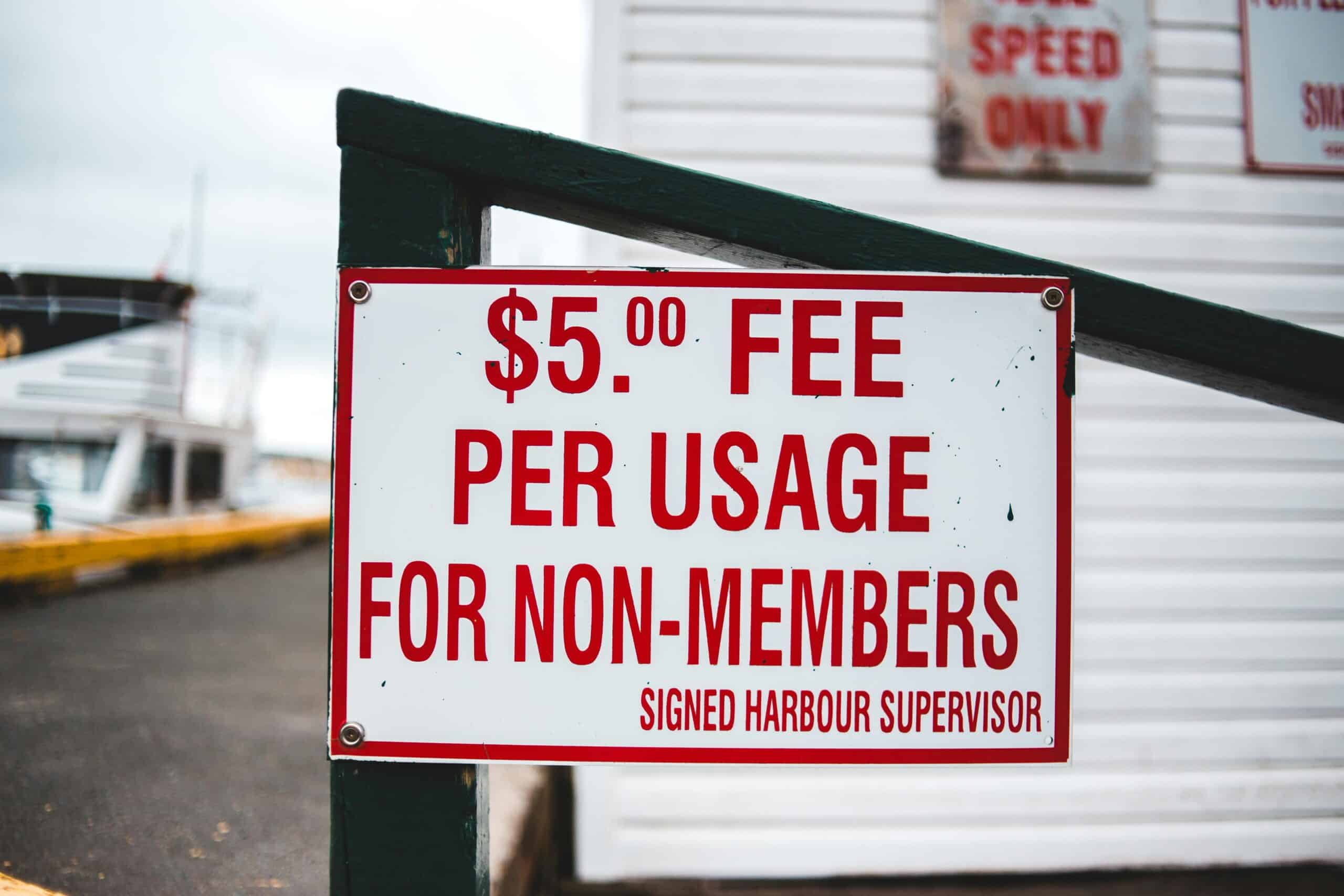
Italy’s most iconic pressure point is Venice, where authorities introduced and expanded an access-fee system for day visitors entering the historic center on selected high-traffic days. The official Venice portal confirms the access-fee framework and payment structure, including lower advance pricing and higher last-minute rates. Reporting in 2025 highlighted the return of the fee with stricter deterrence for spontaneous mass day-tripping. The goal is not to shut tourism down, but to nudge behavior toward planned, lower-impact visitation and relieve peak-day overload in fragile heritage zones.
Netherlands
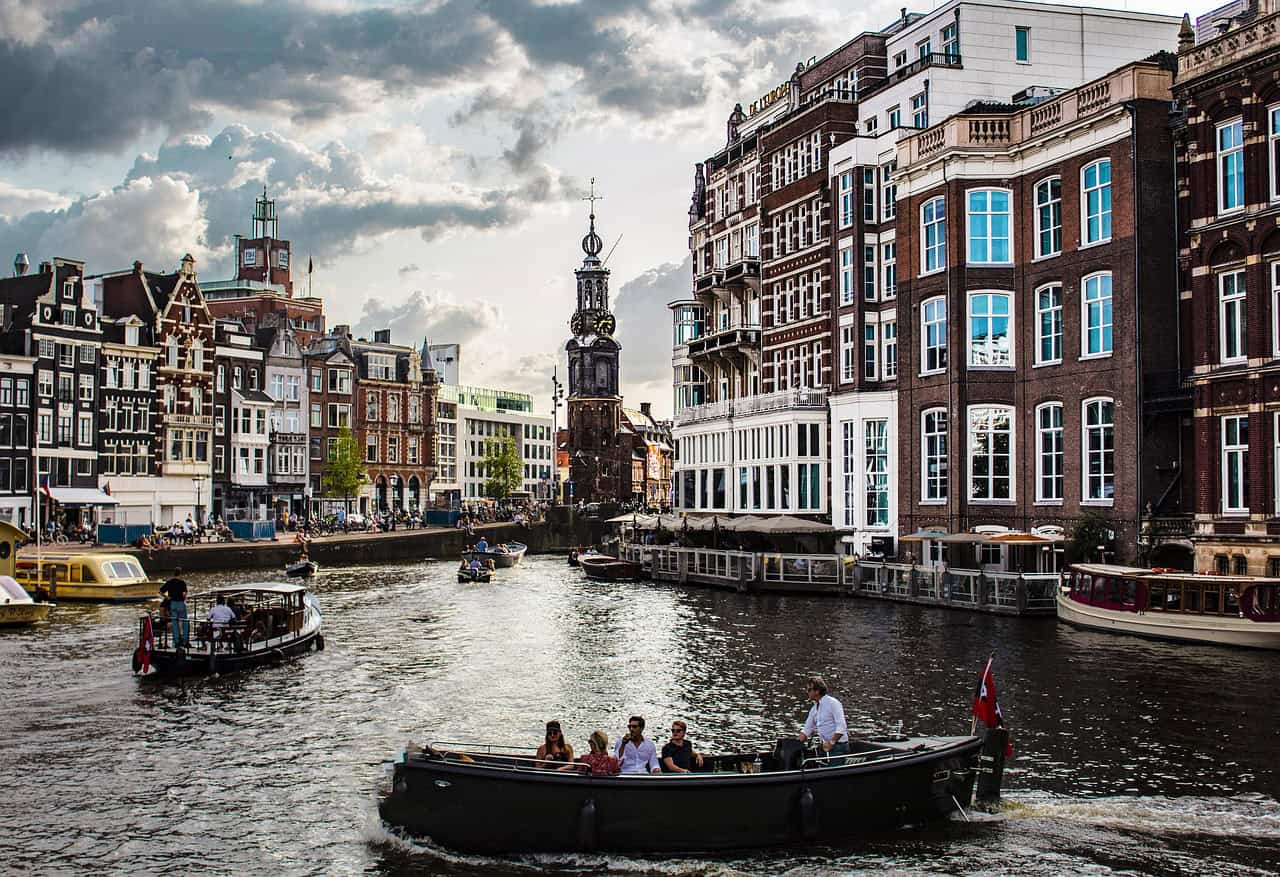
The Netherlands, especially Amsterdam, has openly shifted from pure promotion to selective deterrence. The city’s stay away campaign specifically targeted disruptive party tourism, while authorities also reduced holiday-rental options and raised tourist taxes. Public pressure has remained strong, including legal action from residents demanding stronger controls as visitor volumes continue to strain housing and livability. Amsterdam’s approach reflects a broader European change in tone: tourism is welcome when it aligns with city life, and actively discouraged when it undermines it.
Bhutan

Bhutan has long pursued a high-value, low-volume model, and its Sustainable Development Fee remains one of the clearest examples of demand management through pricing. The official tourism site states that most foreign visitors pay US$100 per person per night, while Indian nationals pay a lower rate in INR. This framework is designed to limit uncontrolled mass arrivals and channel tourism revenue toward conservation and social priorities. Recent coverage confirms the structure remains active and central to national tourism strategy. Bhutan is not anti-travel. It is intentionally selective about scale.
Portugal
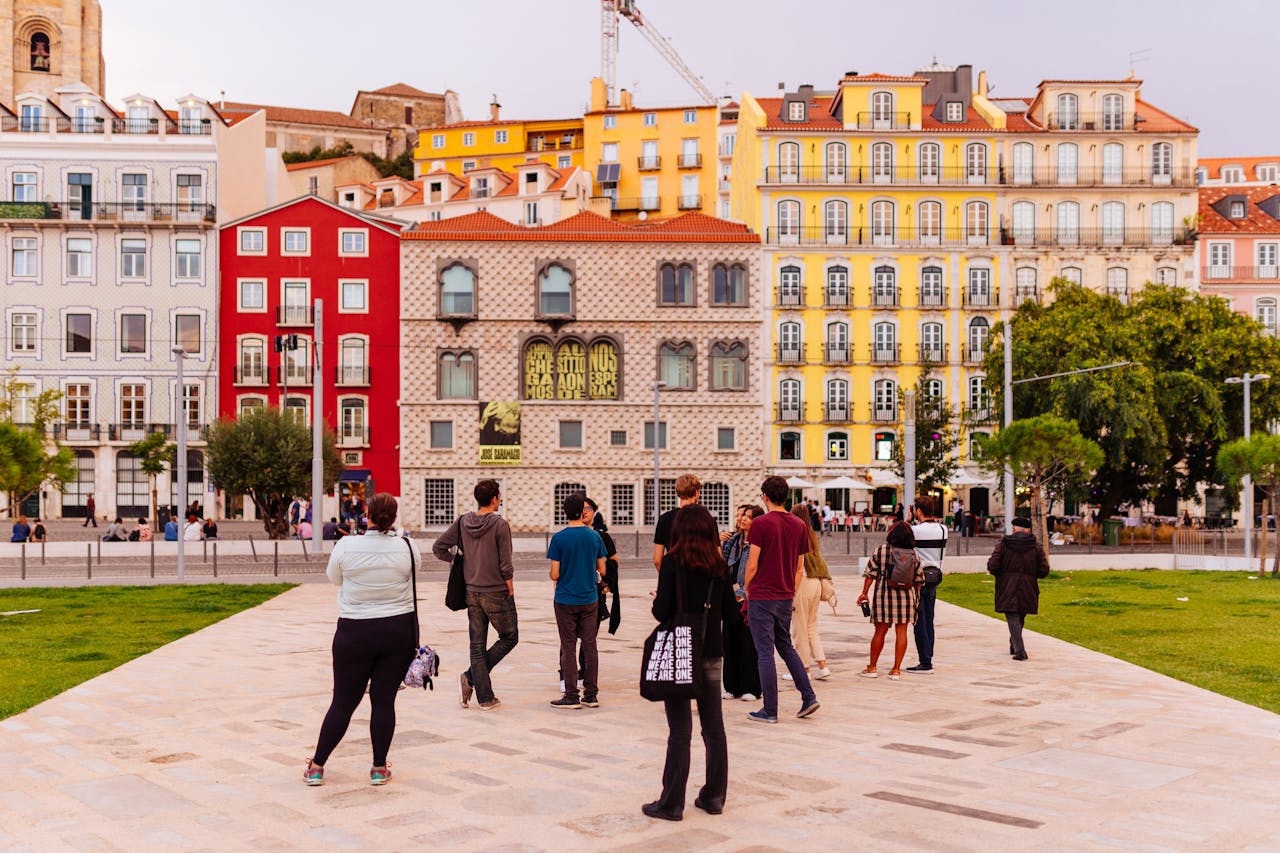
Portugal has faced growing overtourism pressure in major urban and coastal areas, and municipalities have increasingly used short-term rental regulation to protect housing supply in high-demand neighborhoods. The policy mix varies by city, but the broader direction is consistent: curb unchecked tourist accommodation growth where resident displacement is accelerating. This has shifted the visitor experience from open-ended availability toward more regulated inventory and localized restrictions. What this really means is that Portugal is still highly visitable, yet increasingly careful about where tourism expands and who absorbs its social cost.
Greece
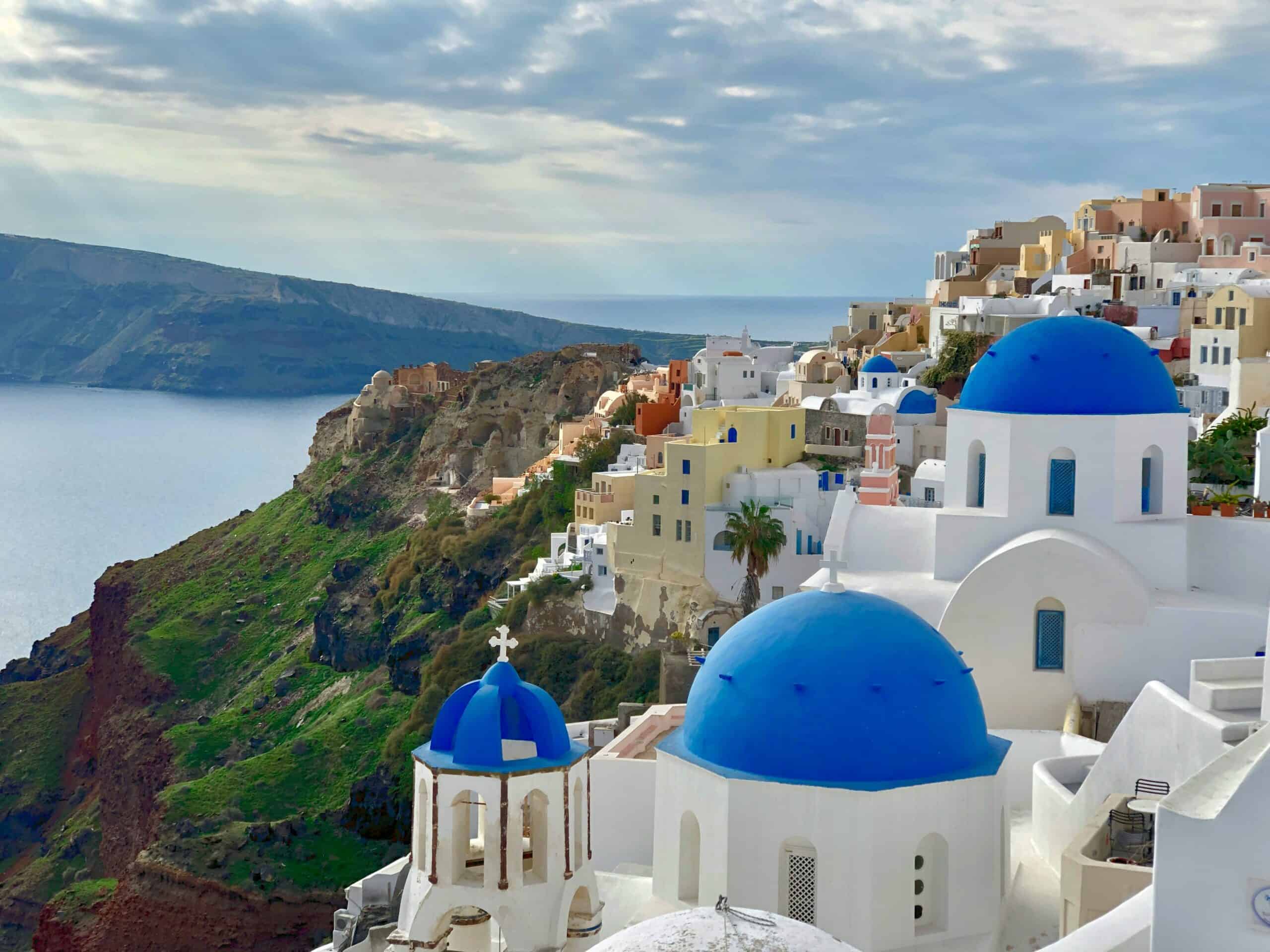
Greece continues to welcome strong visitor demand, but pressure in hotspots has pushed authorities toward tighter management in specific places and seasons. The core issue is capacity mismatch: islands and heritage locations built for smaller resident populations now shoulder peak flows that strain housing, water systems, and transport. In response, Greece has explored stronger governance tools around cruise flow, accommodation patterns, and local infrastructure pacing. The country still depends heavily on tourism income, but policy tone has shifted from maximum volume toward better balance between residents, ecosystems, and visitors.
Croatia
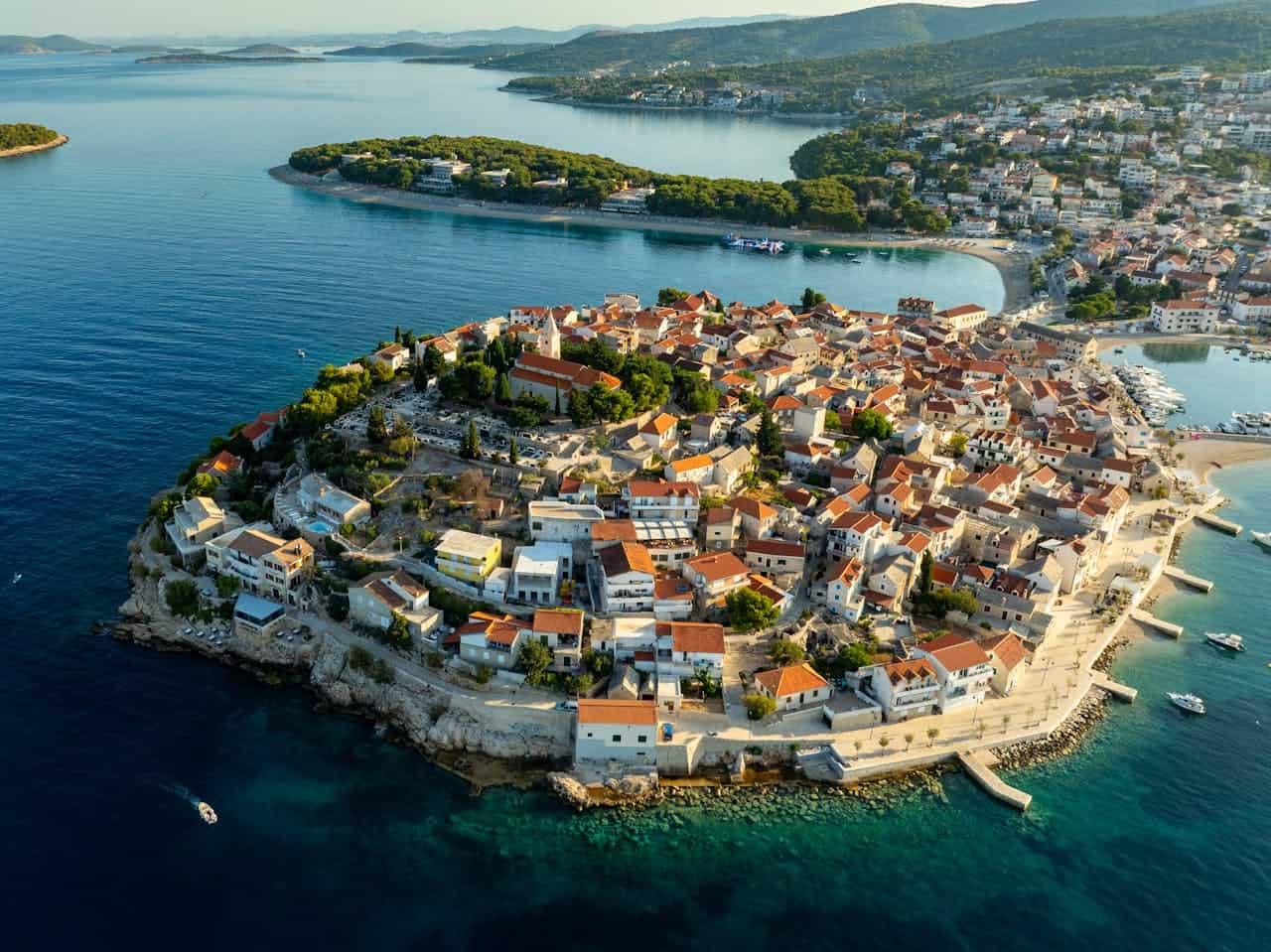
Croatia’s coastal success has created its own friction, especially in historic centers and summer-heavy island circuits where short-term demand can overwhelm local services. Authorities and municipalities have increasingly focused on managing cruise arrivals, controlling old-town congestion, and tightening parts of the short-let ecosystem where residential pressure is most visible. The objective is less about reducing tourism nationally and more about reducing intensity in concentrated zones at concentrated times. Croatia’s trajectory mirrors the wider Mediterranean pattern: maintain tourism strength, but avoid letting peak-season crowding erode local quality of life.
Japan

Japan is seeing record inbound momentum, and overtourism concerns in select destinations have triggered stronger local controls and etiquette enforcement. The challenge is not the entire country but concentrated pressure in high-visibility corridors where crowd behavior, transport overload, and resident fatigue converge. In response, cities and regions have moved toward more explicit visitor rules, targeted restrictions, and sharper messaging around respectful conduct in public and cultural spaces. Japan’s stance remains welcoming, yet increasingly conditional: the future model favors travelers who adapt to local norms rather than treating every destination like an unlimited backdrop.
Netherlands
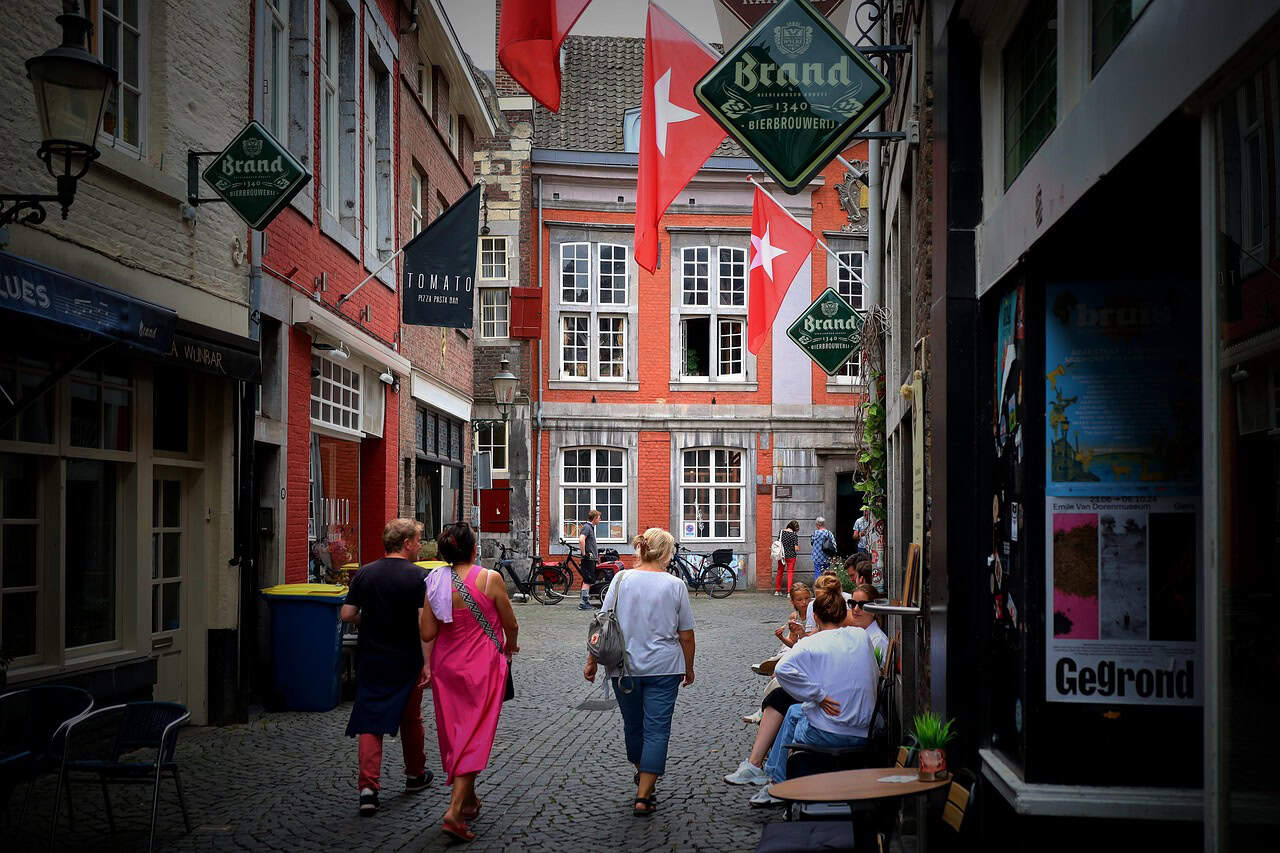
The Netherlands, especially Amsterdam, has shifted from pure tourism promotion to stricter visitor management as crowding and housing pressure intensified in central districts. City policy now focuses more on livability than volume, with tighter controls on short-term rentals, higher tourist taxes, and campaigns aimed at reducing nuisance-heavy travel behavior. The message is not anti-visitor. It is pro-balance. Travelers who book responsibly, respect local pace, and stay outside peak party zones still find the country welcoming, while residents regain breathing room in neighborhoods stretched by overtourism.