We may earn money or products from the companies mentioned in this post. This means if you click on the link and purchase the item, I will receive a small commission at no extra cost to you ... you're just helping re-supply our family's travel fund.
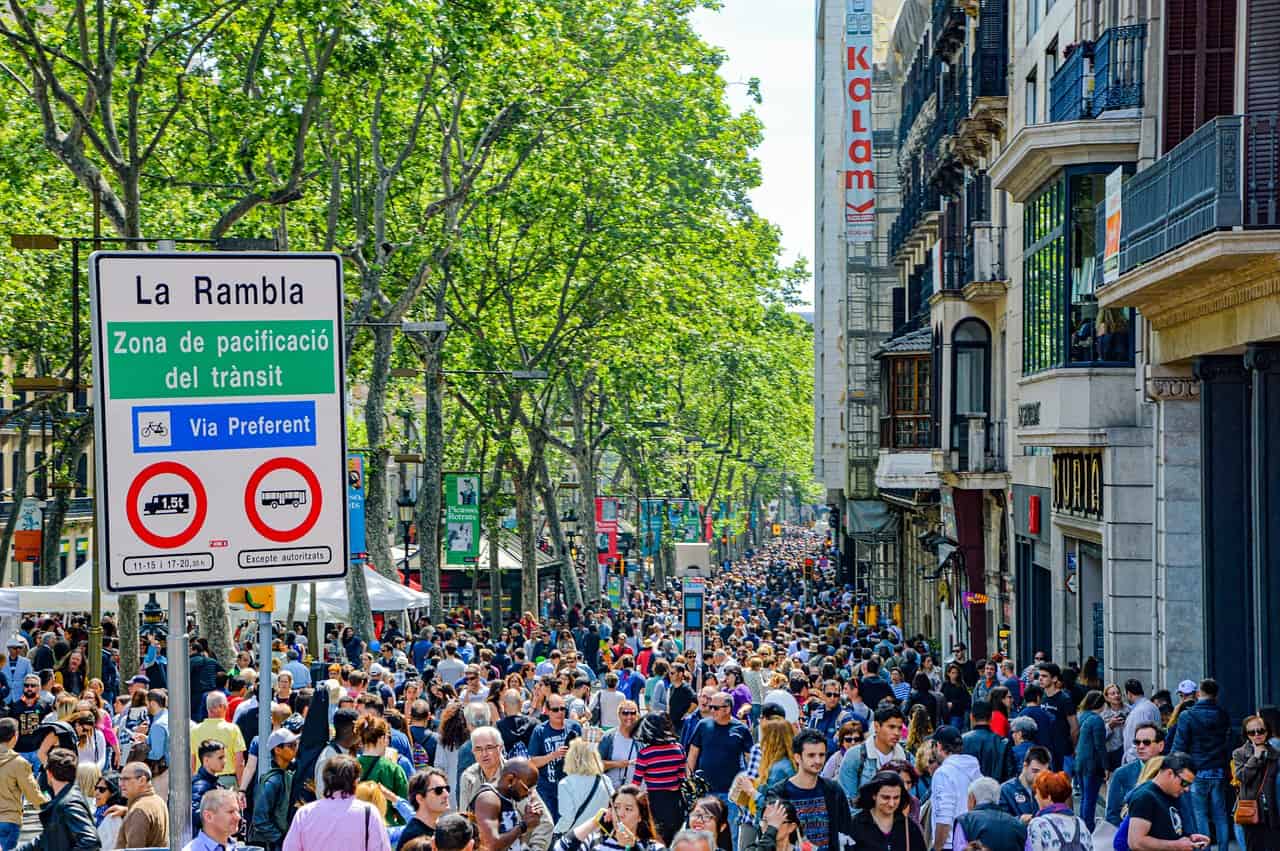
Crowds have always been part of travel, but in some places the balance has tipped from lively to unlivable. Residents are pushing back on noise, housing pressures, water strain, and streets that feel staged for outsiders instead of daily life. Governments are responding with taxes, caps, permit systems, and rules that steer visitors away from fragile neighborhoods and overloaded icons. The message is rarely about hating travelers. It is about making sure a place can still function for the people who call it home.
Spain Tightens the Screws on Short Stays
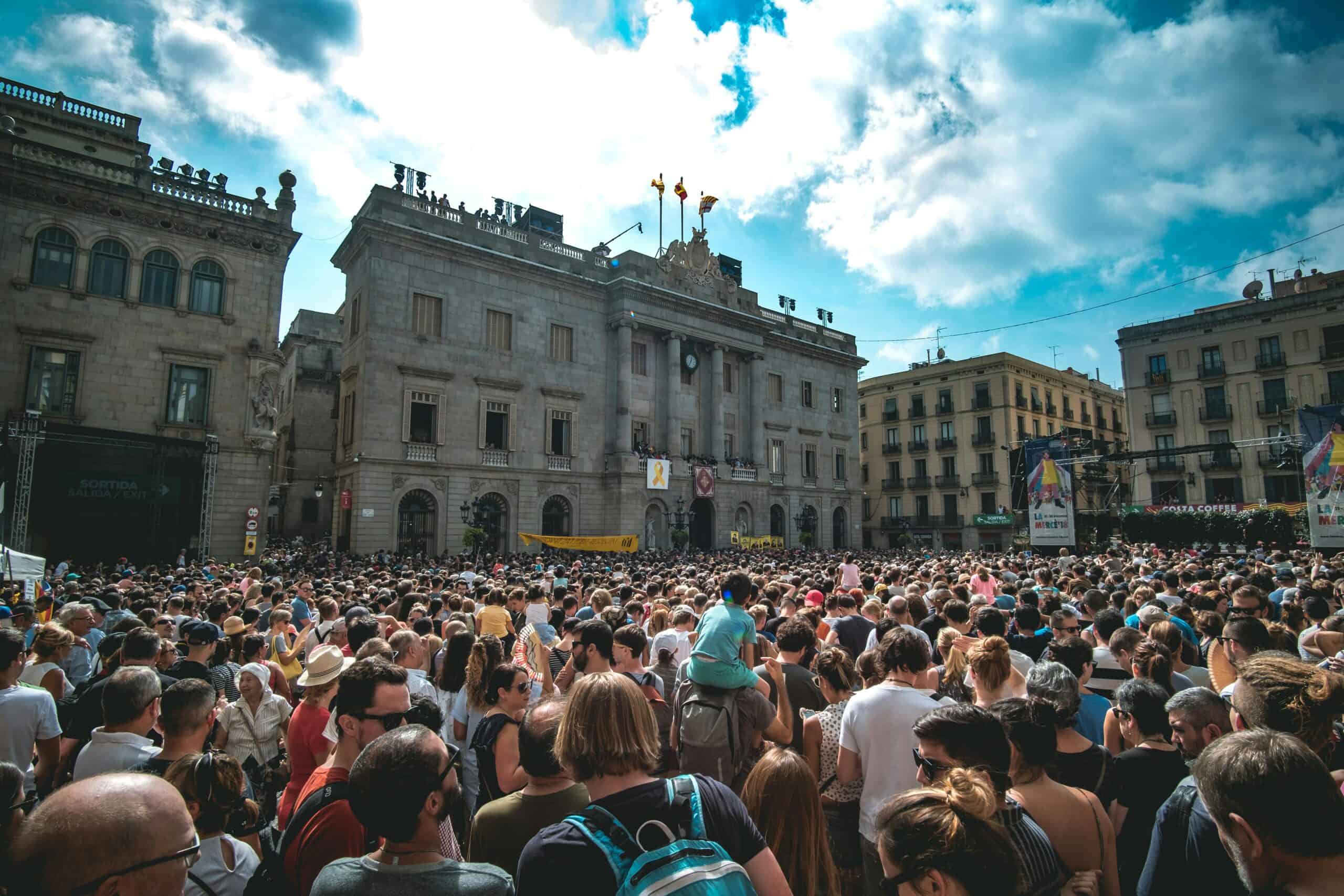
Spain’s tourism boom has collided with a housing crunch, and the political response is getting sharper in its most visited corners after record-breaking visitor years. Barcelona’s mayor has said the city will scrap the licenses of its 10,101 tourist apartments by Nov. 2028, arguing that short-term rentals have helped push rents beyond what locals can absorb. In Catalonia, officials have pushed to raise the tourist tax ceiling to as much as €15 per day, with part of the revenue earmarked for housing, and have tightened hotel licensing in central Barcelona, even as crowds keep pressing on transit, streets, and summer shorelines.
Source:
Netherlands Puts a Ceiling on Party Tourism
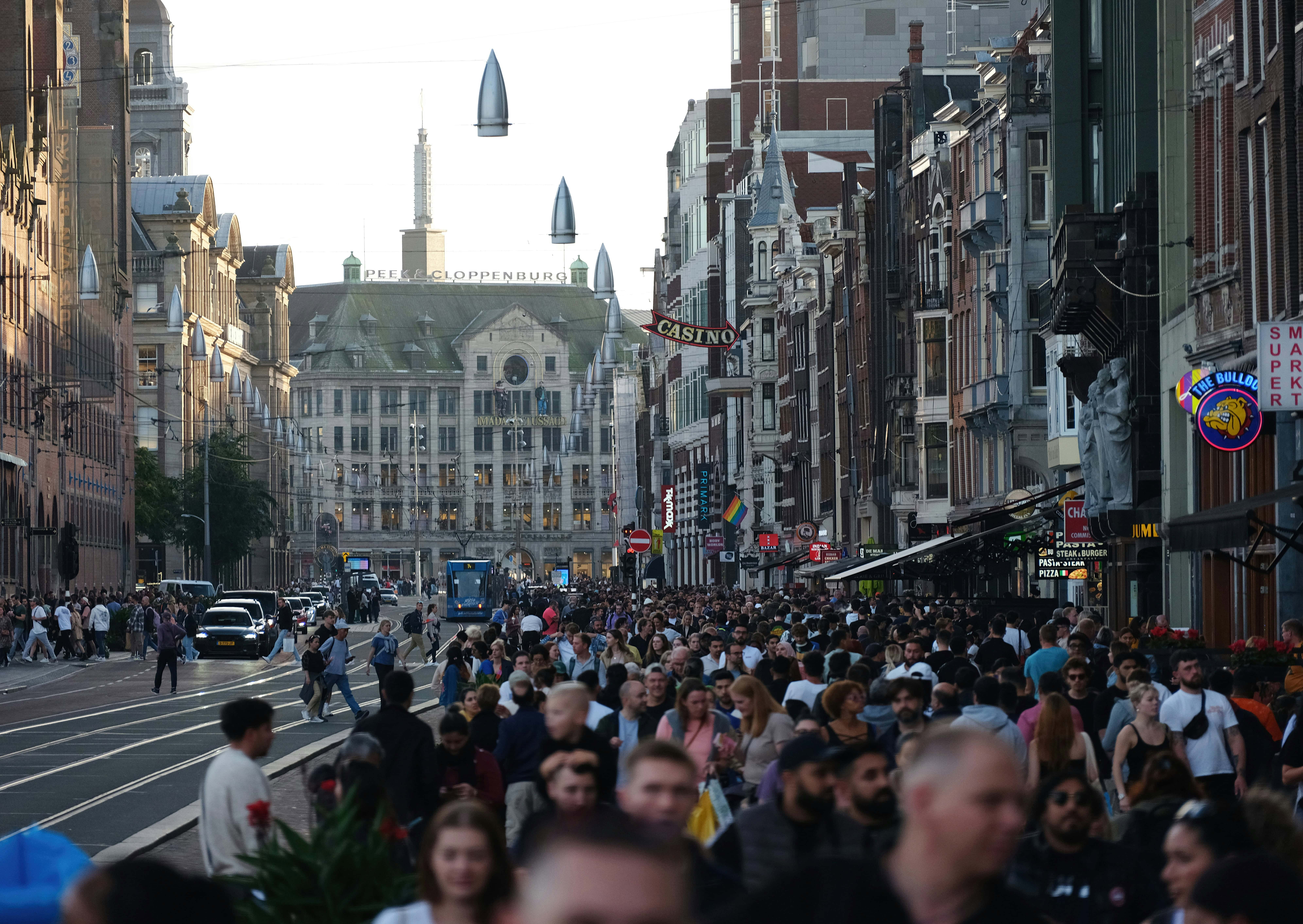
The Netherlands has become a case study in overtourism pushback, and Amsterdam is leading the charge with policies aimed at nuisance tourism. City leaders have moved to block new hotels unless another closes, and they set a target of no more than 20 million tourist overnight stays per year, a direct attempt to keep the city livable for residents in a tight canal-ring footprint. Officials paired that stance with campaigns like “Stay Away,” limits on guided tours in sensitive areas, crackdowns on public cannabis smoking in some neighborhoods, and a push to move cruise traffic out of the center, with longer-term plans pointing toward a ban.
Source:
Italy Makes Day Trips Less Effortless
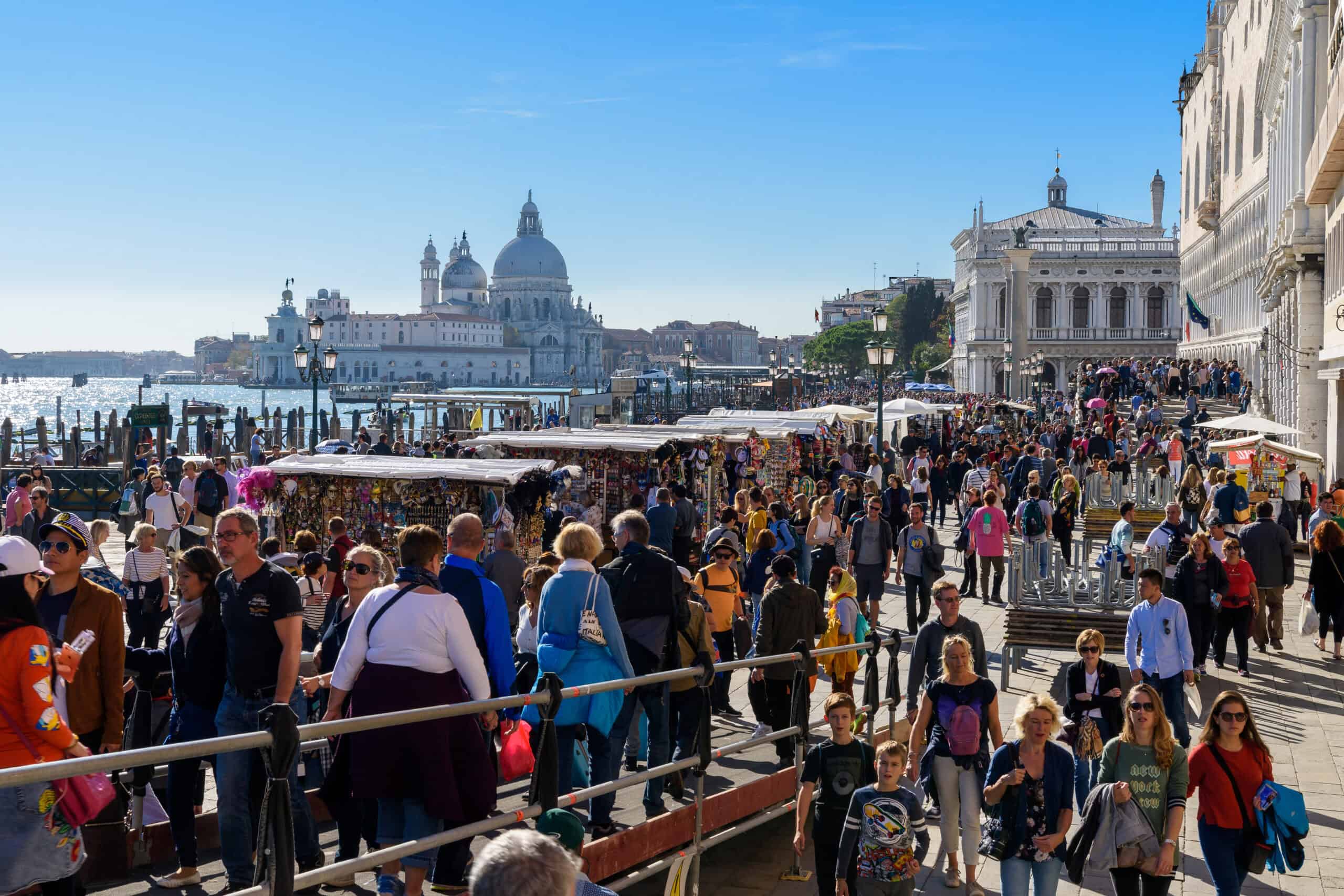
Italy is not trying to end tourism, but places like Venice are openly testing how to slow it down without freezing the city in place. After years of day-tripper surges, Venice expanded its access-fee system from 54 peak days in 2025 to about 60 in 2026, requiring advance booking and charging €5, or €10 for late purchasers, with fines for visitors who skip the process. City leaders say the goal is to nudge travelers toward quieter days and longer stays, but the symbolism is hard to miss: even a brief stroll now comes with a digital check-in, and the canals are being treated like a fragile site where compliance matters as much as the postcard view.
Source:
Greece Rewrites the Cruise Calendar

Greece depends on tourism, yet its most famous islands are setting boundaries as crowds overwhelm narrow roads, small harbors, and everyday services in peak season. Santorini has pursued a cap of 8,000 cruise passengers in a day, and local authorities have worked to smooth traffic in caldera villages where stairways and lanes were never built for mass disembarkation. Mykonos has developed berth-allocation rules to stagger arrivals, and national leaders have moved toward higher per-passenger fees for cruise visitors, including proposals that reach €20 for the most pressured ports, trying to slow the flood before the experience collapses.
Source:
Japan Draws a Line in Kyoto’s Gion
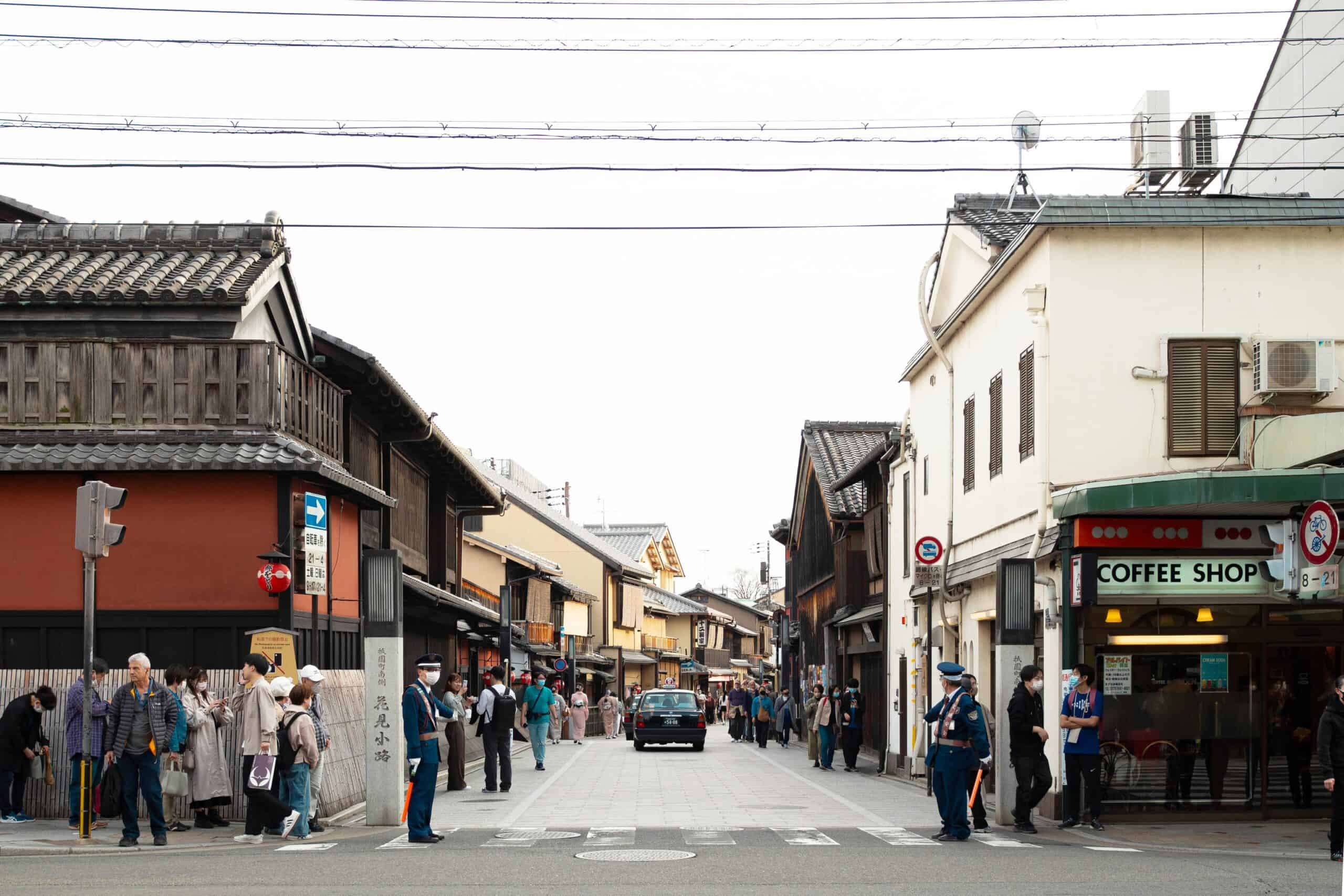
Phurichaya Kitticharin/Unsplash
Japan’s rebound in tourism has brought revenue back, but it has also brought friction in heritage neighborhoods that function like real communities, not stage sets. In Kyoto, authorities in the Gion geisha district moved to ban tourists from entering certain private alleyways, posting notices and warning of penalties after repeated complaints about trespassing, aggressive photography, and harassment of performers on their way to work. The rule is small in geography but big in meaning: it draws a line between public streets and private life, and it signals that access to cultural icons can be limited when basic etiquette stops being optional.
Source:
Indonesia Makes Bali Pay-As-You-Go
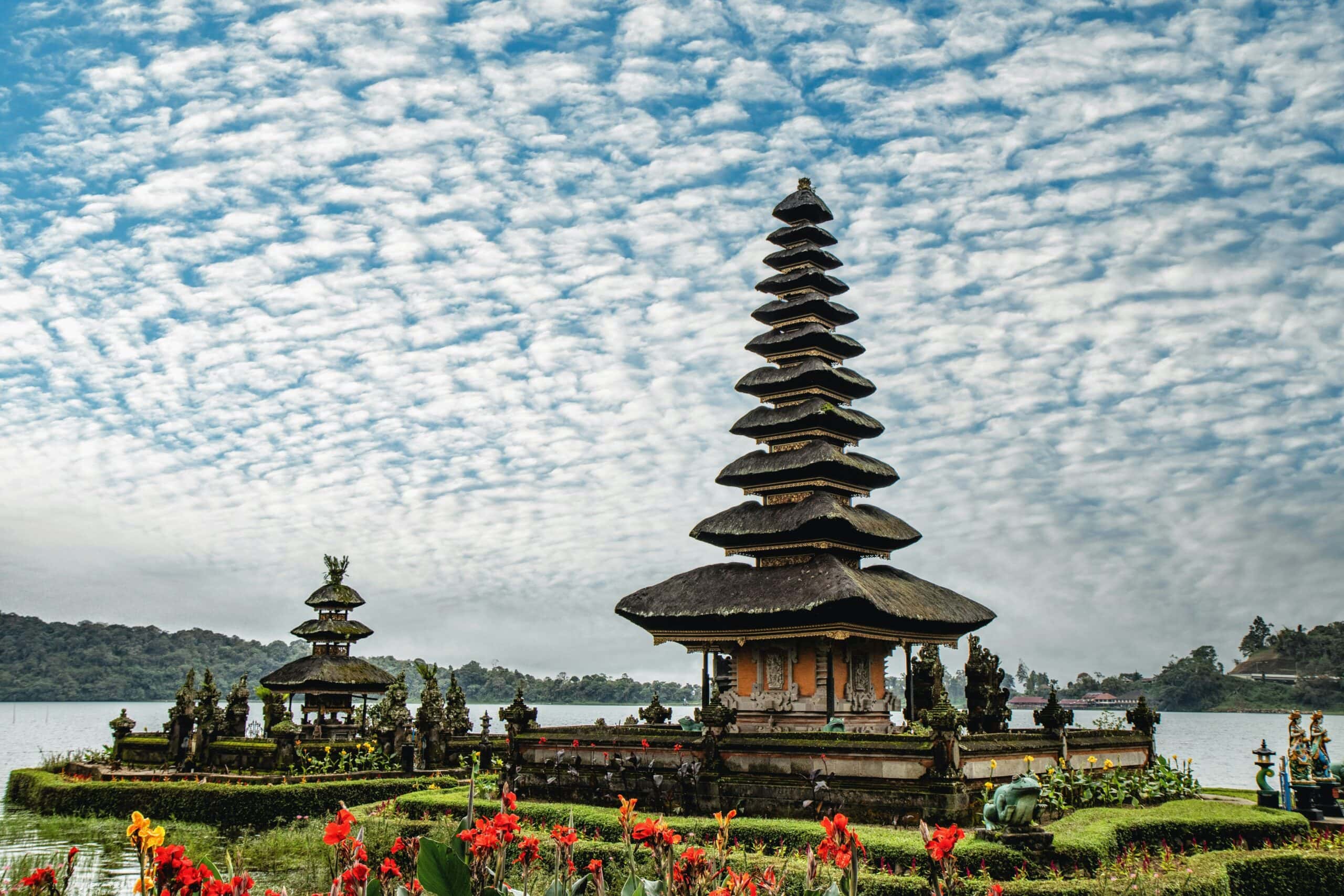
Indonesia has kept the welcome mat out, but Bali is experimenting with ways to thin the crowds and pay for the wear that crowds create on roads, temples, and beaches. The island launched a foreign tourist levy of IDR 150,000 per visit beginning Feb. 14, 2024, collected through the official Love Bali system and framed as support for culture, environmental protection, and visitor infrastructure. Officials have also tightened public guidance on conduct in sacred spaces, and debates about stronger enforcement keep surfacing, underscoring a shift toward fewer problems and higher-quality tourism rather than endless growth at any price.
Source:
Thailand Treats Famous Beaches Like Habitats
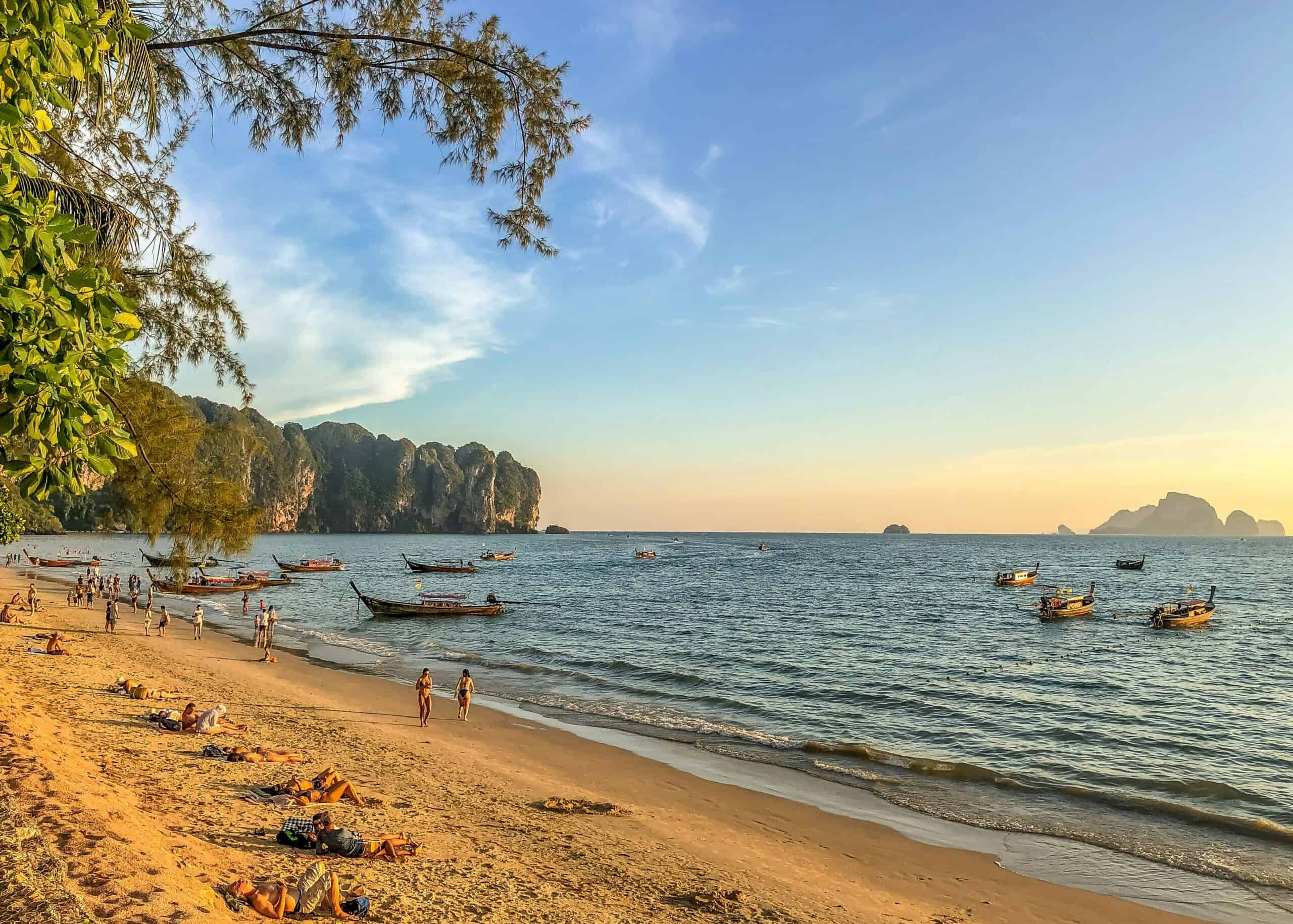
Thailand has learned the hard way that viral scenery can be damaged by the very crowds that come to admire it, especially in small bays with fragile reefs. At Maya Bay in the Phi Phi Islands, authorities have relied on strict visitor controls, including time-limited visits, hourly caps that have been reported at 375 people, and seasonal closures such as the Aug. 1 to Sept. 30, 2025 shutdown for marine rehabilitation. These rules turned the famous backdrop from “The Beach” into a conservation site with boundaries, where boats are kept from swarming the shoreline and access can be paused or rationed for months at a time when nature needs a break.
Source:
Peru Turns Machu Picchu Into Timed Entry
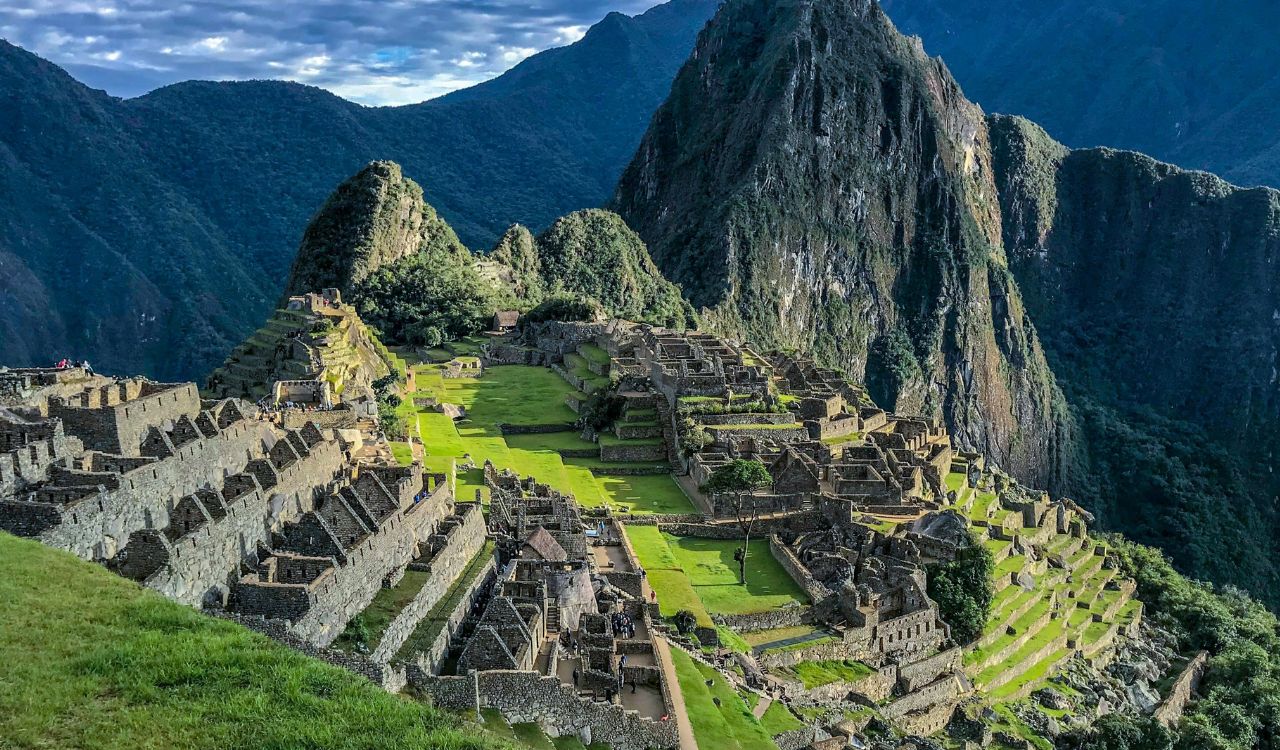
Peru’s most famous landmark is also its most fragile, so the country has leaned into quotas instead of wishful thinking. Machu Picchu now relies on timed entry, defined circuits, and daily caps that rise to 5,600 in high season and drop to 4,500 the rest of the year, paired with QR-style controls linked to passports, set visit durations, and routes designed to keep crowds from bottlenecking on narrow stairs. The system can feel rigid to travelers who expect open wandering, but it is built around a simple reality: stone paths and steep terraces cannot absorb unlimited feet without losing the very history that draws people there to begin with.
Source:
New Zealand Starts Charging for Conservation
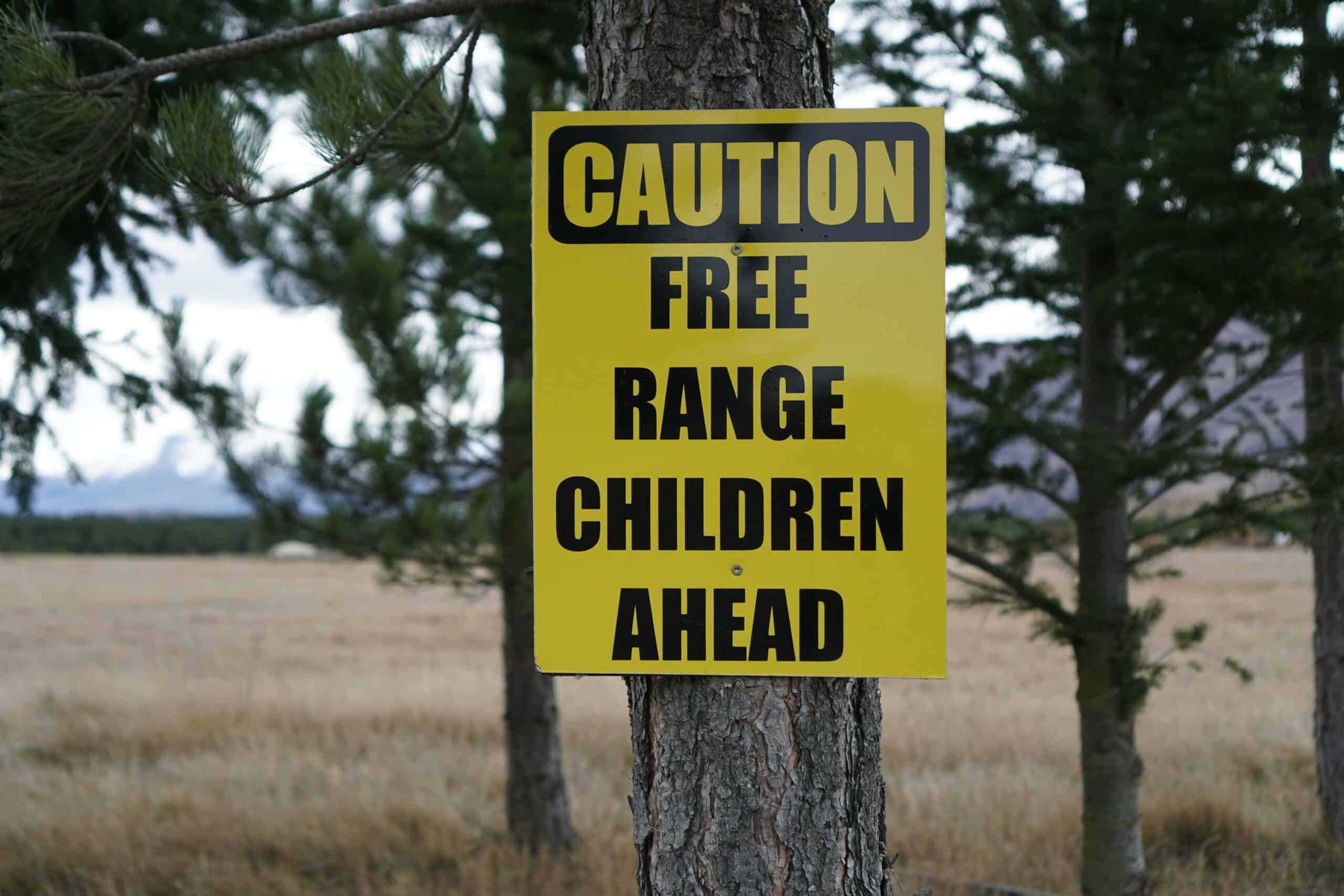
New Zealand sells itself as wild and pristine, so it has increasingly asked visitors to help pay for protecting what they came to see. Most international travelers are charged the International Visitor Conservation and Tourism Levy, which is set at NZD $100, channeling money into conservation and tourism infrastructure that gets hammered in peak months. The government has also proposed entrance fees for international tourists at marquee natural sites like Cathedral Cove, the Tongariro Alpine Crossing, Milford Sound, and Aoraki/Mount Cook, with figures discussed in the NZ$20 to NZ$40 range from 2027, aiming to fund upkeep and discourage peak-day crushes.
Source:
Iceland Shifts Toward Pay-to-Preserve
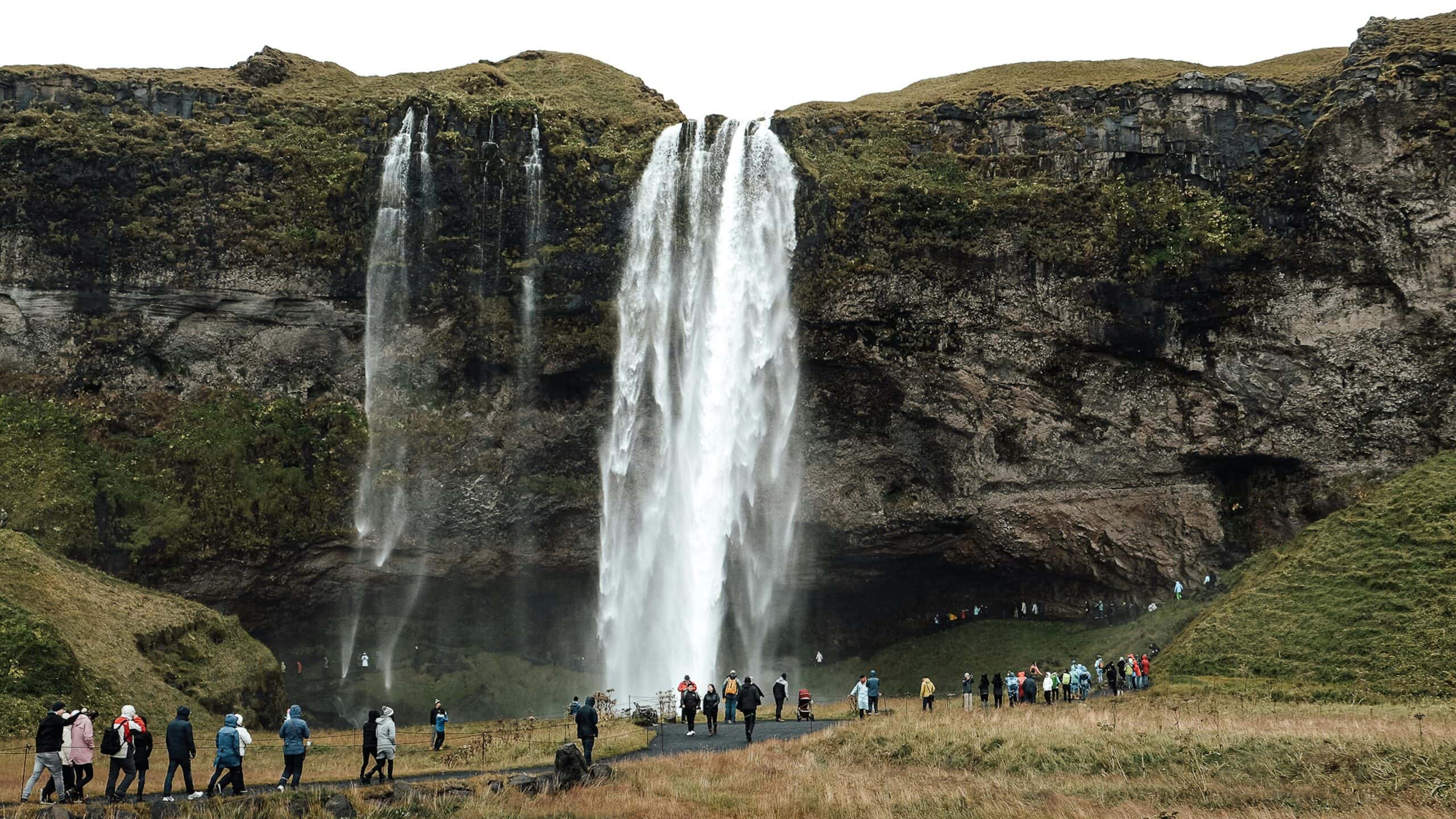
Iceland’s landscapes look endless on camera, but its roads, rescue services, and fragile moss fields have clear limits when crowds pile in at once. The country reinstated an accommodation tax starting Jan. 1, 2024, reported at ISK 600 per room in hotels and guesthouses, and it has also applied a separate ISK 1,000 charge to cruise passengers calling at ports, casting the policy as funding for sustainability and basic infrastructure. With visitor counts still surging, officials have discussed raising tourist fees further, a shift from pure promotion to a pay-to-preserve approach meant to keep Iceland’s wild places from being worn down by their own fame.
Source:
Croatia Caps Dubrovnik’s Cruise Surge
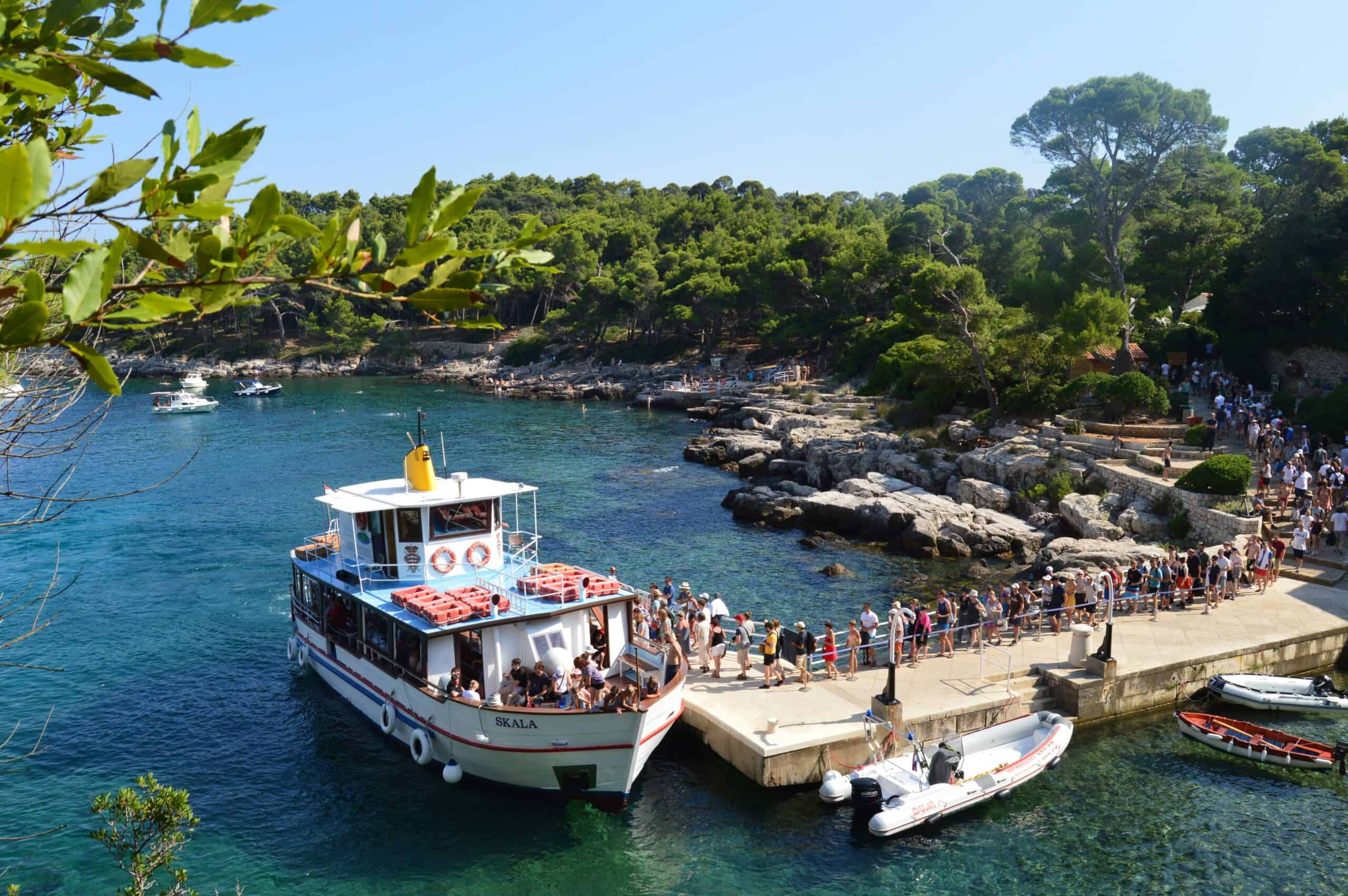
Croatia’s Dalmatian coast has become a magnet for cruise traffic, and Dubrovnik has been forced to protect a medieval city built for feet, not floods. Through its “Respect the City” approach, local officials have worked to cap cruise arrivals, often cited as two ships per day and roughly 4,000 disembarking passengers, and to coordinate timetables so the Old Town is not hit by multiple ship dumps at lunchtime. Those limits, born from congestion and UNESCO-era warnings, show how a heritage destination can be damaged without a single vandal, simply by too many people squeezing through the same gate, boarding the same shuttle, and crowding the same stone steps.
Source:
Portugal Puts Housing Ahead of Holiday Lets
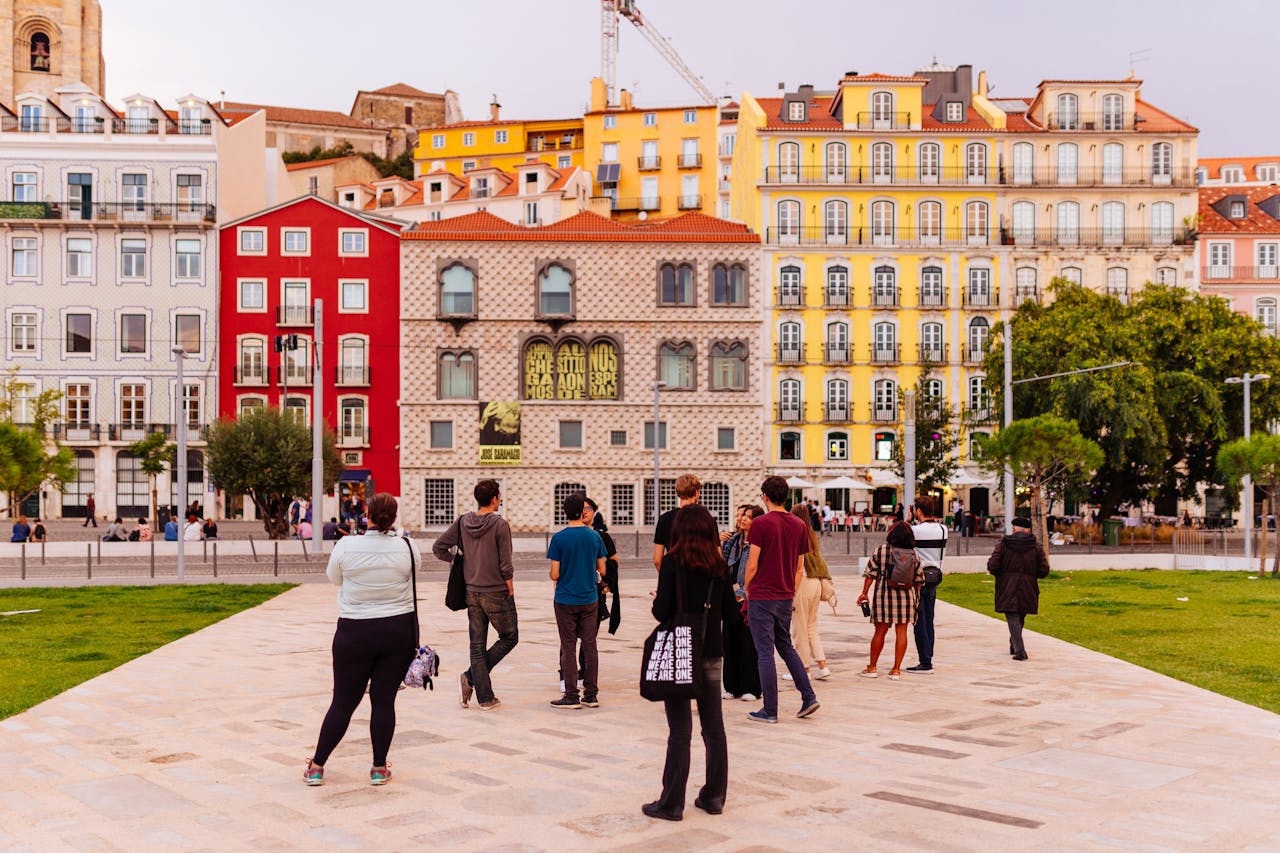
Portugal’s tourism success has fueled a housing backlash, especially in Lisbon, where locals argue neighborhoods are being hollowed out into short-stay inventory. Residents have pushed proposals that could restrict or even end short-term rentals in residential buildings, and a referendum effort advanced after municipal approval, building on national debates that have included bans on new licenses and stronger local control. Lisbon also raised its overnight tourist tax to €4 starting Sept. 1, 2024, using price and regulation together to slow pressure on the center, fund city services, and signal that visitor growth has to compete with everyday livability.
Source:
Bhutan Keeps Tourism Intentionally Small

Bhutan has long treated tourism as something to manage, not maximize, and it still runs one of the clearest “high value, low volume” models on the map. Most international visitors pay a Sustainable Development Fee set at US$100 per person per night, while Indian travelers pay INR 1,200 per person per night, with discounts for children, keeping the system explicit about who helps fund preservation. The fee does not eliminate crowds everywhere, but it sets an intentional filter that supports conservation and community services: Bhutan would rather host fewer travelers who stay longer and spend responsibly than chase numbers that strain a small mountain nation.
Source