Glacier’s Going-to-the-Sun Road Closes Every Winter. Here’s the Stretch You Can Still Drive
We may earn money or products from the companies mentioned in this post. This means if you click on the link and purchase the item, I will receive a small commission at no extra cost to you ... you're just helping re-supply our family's travel fund.
Going-to-the-Sun Road in Glacier National Park is one of the most famous mountain drives in America, crossing the Continental Divide at Logan Pass. Every winter, most of it closes under deep snow. But Going-to-the-Sun Road in winter still has an open stretch on the west side: about 10 miles from West Glacier and Apgar to the area around Lake McDonald Lodge, which is generally kept plowed for cars.
The full road runs about 50 miles from West Glacier to St. Mary. When it is fully open in summer, it is a narrow, cliff-hugging route that takes many visitors hours to drive. In winter, snowpack on the high sections can be extremely deep, and the park closes the road beyond the lower west-side segment. Past the winter closure, the road becomes a route for skiers, snowshoers, and walkers.
Here is what that open stretch offers and how to make the most of a winter visit.
The stretch of Going-to-the-Sun Road in winter you can drive
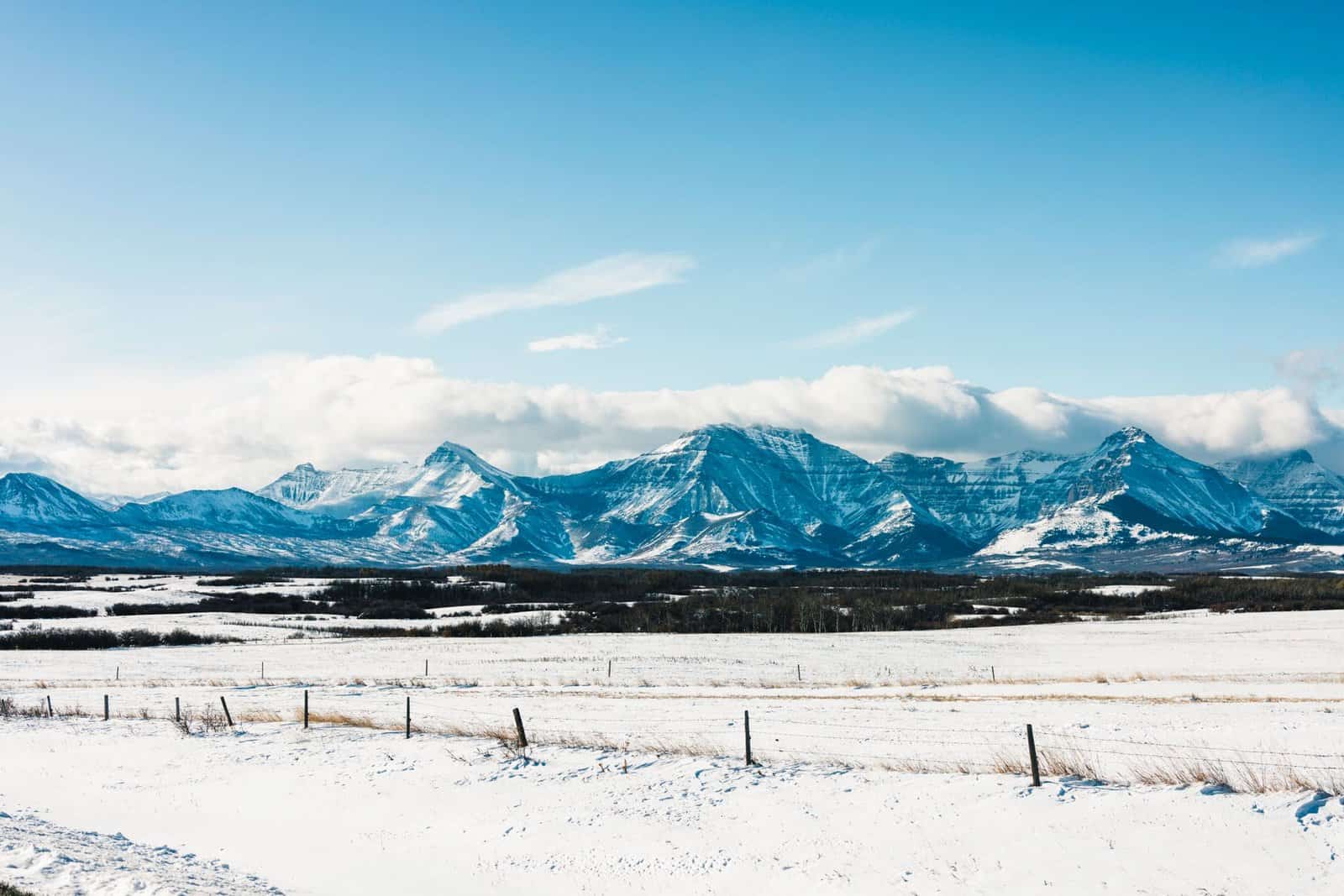
From the West Glacier entrance, the road passes through Apgar, at the foot of Lake McDonald, then follows the lake’s eastern shore toward Lake McDonald Lodge. This lower section is at a relatively low elevation for Glacier and is generally plowed through the winter, though storms can cause temporary closures. Beyond the winter gate near the lodge area, the road is closed to vehicles.
Check the NPS road status page before you go. Conditions change, and the exact closure point can shift.
Apgar Village
Apgar sits at the southwest end of Lake McDonald, just inside the West Glacier entrance. In summer, it is a busy hub with a visitor center, shops, and lodging. In winter, most businesses close, but the area stays accessible. The Apgar Visitor Center often operates on a limited winter schedule, typically weekends, offering maps, information, and sometimes snowshoe rentals or loans for ranger programs.
From Apgar’s shoreline, you get one of the classic views in the park: Lake McDonald stretching toward snow-covered peaks. On calm winter mornings, the mountains reflect in the water. The colorful stones on the lakeshore, which become famous in summer photos, are often covered with snow and ice.
Lake McDonald views
Lake McDonald is the largest lake in Glacier National Park, about 10 miles long. The plowed road follows its eastern shore, with several pullouts where you can stop for views. Winter light on the lake can be dramatic, especially at sunrise and sunset.
Lake McDonald does not always freeze completely, so you may see open water with steam rising on very cold mornings. Do not walk on any ice unless you are sure it is safe, which is hard to judge.
Trailheads and short walks
Several trailheads along this stretch are accessible in winter, though trails may be snow-covered. Options include short walks along the lakeshore and routes near Apgar. Snowshoes or traction devices are often needed.
The Trail of the Cedars and Avalanche Lake trailheads are beyond Lake McDonald Lodge, past the typical winter closure, so reaching them in winter means skiing or snowshoeing along the closed road. That is a longer outing and requires preparation.
Lake McDonald Lodge area
Lake McDonald Lodge, a historic hotel built in 1913-14, is closed in winter. The lodge area marks roughly where the plowed section ends. From here, you can continue on foot, skis, or snowshoes along the snow-covered road toward Avalanche Creek and beyond, depending on conditions.
Skiing and snowshoeing beyond the gate
Once the road closes to cars, it becomes a quiet winter trail. Skiers and snowshoers can travel along the snow-covered road, which is mostly gentle along the lower sections. The farther you go, the deeper the snow and the more remote the terrain.
Beyond the lower sections, the road climbs into avalanche terrain. The NPS warns that avalanches can cross the road in winter and spring. Only travel into higher areas if you have avalanche training, equipment, and current information.
Ranger-led snowshoe walks are sometimes offered on winter weekends from the Apgar area, depending on staffing and snow. Check the park’s events page for current programs.
Other winter options in Glacier
The Going-to-the-Sun Road corridor is the most accessible winter area, but Glacier offers other winter opportunities:
- North Fork and Polebridge: The remote North Fork area, reached via gravel roads from Columbia Falls, offers backcountry skiing and solitude. Road conditions can be challenging.
- East side: Areas like St. Mary and Two Medicine are mostly closed in winter, with limited access. The east side is known for strong winds and harsh conditions.
- Marias Pass and U.S. Highway 2: The highway along the park’s southern edge stays open in winter, with access to cross-country ski areas nearby.
Planning a winter trip
Getting there
West Glacier is about 25 miles from Whitefish and about 30 miles from Kalispell. Glacier Park International Airport in Kalispell has year-round flights from several cities. Highways in the Flathead Valley are plowed, but winter driving requires care.
Where to stay
Most lodging inside the park is closed in winter. Stay in West Glacier, Columbia Falls, Whitefish, or Kalispell. Whitefish offers the widest range of hotels, restaurants, and winter activities, including Whitefish Mountain Resort for downhill skiing.
Some campgrounds in the park offer primitive winter camping. Apgar Campground often has a limited area open in winter. Check current conditions and regulations.
What to bring
Winter in Glacier means cold temperatures, snow, and short days. Pack:
- Warm, waterproof layers and insulated boots.
- Hat, gloves, and a neck gaiter.
- Snowshoes or skis if you plan to go beyond the plowed road.
- Traction devices for icy walks.
- Water, snacks, and a thermos.
- A headlamp.
- Emergency supplies in your car.
Cell service is limited inside the park. Download maps and information before you go.
Fees
Glacier charges an entrance fee, with winter rates sometimes lower than summer. The America the Beautiful pass covers entry. Check current fees on the NPS website.
Winter safety on the road and trail
Plowed roads in Glacier can still be icy, especially in shaded stretches along Lake McDonald. Drive slowly and watch for deer on the road. On foot, be aware that snow can hide uneven ground and that open water along the lakeshore and creeks is extremely cold. Falling into it can quickly lead to hypothermia.
A few more safety rules:
- Tell someone your route and expected return time.
- Turn around early. Winter days are short, and it gets dark before 5 p.m. in December.
- Check avalanche information before traveling past the lower sections of the road.
- Carry a map, since trail markers may be buried under snow.
Wildlife in winter
Winter wildlife in Glacier includes white-tailed deer, which are common around Apgar and West Glacier, along with elk, moose, coyotes, and occasionally mountain lions or wolves. Bald eagles may be seen along Lake McDonald. Most bears hibernate in winter, but they can emerge early in spring.
Give all wildlife plenty of space. Do not approach or feed animals.
Photography on the winter stretch
The open stretch of road is one of the best winter photography areas in the park. The Apgar shoreline faces northeast up the lake, so sunrise light reaches the peaks first and turns them pink and gold while the water stays in shadow. On calm days, reflections can be nearly perfect. After a fresh snowfall, the cedars and hemlocks along the road hold heavy snow, creating a quiet, enclosed feeling that is very different from the open summer views. Bring a tripod for low light, and keep batteries warm.
When to go
Winter in Glacier runs roughly from November through March or April, with the deepest snow in January and February. Early winter can bring variable conditions, while late winter and early spring offer longer days and deep snowpack for skiing.
In spring, plowing crews begin clearing the higher sections of Going-to-the-Sun Road, a process that can take weeks or months depending on snowpack. The full road typically opens to vehicles in late June or July, depending on conditions.
A sample winter day
Start in Whitefish with breakfast, then drive to West Glacier. Stop at Apgar for sunrise views over Lake McDonald. Drive the open stretch of Going-to-the-Sun Road along the lake, stopping at pullouts for photos. At the end of the plowed section near Lake McDonald Lodge, strap on snowshoes or skis and travel a few miles along the closed road. Return to Apgar in the afternoon, then head back to Whitefish for dinner.
Why go in winter?
Glacier in winter is quiet, beautiful, and very different from the crowded summer months. Without traffic, you can hear the wind in the trees and the crunch of snow. The mountains are covered in white, and Lake McDonald reflects them on calm days.
Winter also gives you a chance to see the park’s ecosystems in a different season, with animals adapting to cold and snow shaping the landscape.
The bottom line
Going-to-the-Sun Road closes beyond its lower west-side segment every winter, but the roughly 10-mile stretch from West Glacier and Apgar to the Lake McDonald Lodge area generally stays open to cars. That stretch gives you Apgar, Lake McDonald views, and access to winter trails, and beyond it the closed road becomes a route for skiers and snowshoers. Check road status, dress for cold, and you will see Glacier in its quietest season.