We may earn money or products from the companies mentioned in this post. This means if you click on the link and purchase the item, I will receive a small commission at no extra cost to you ... you're just helping re-supply our family's travel fund.
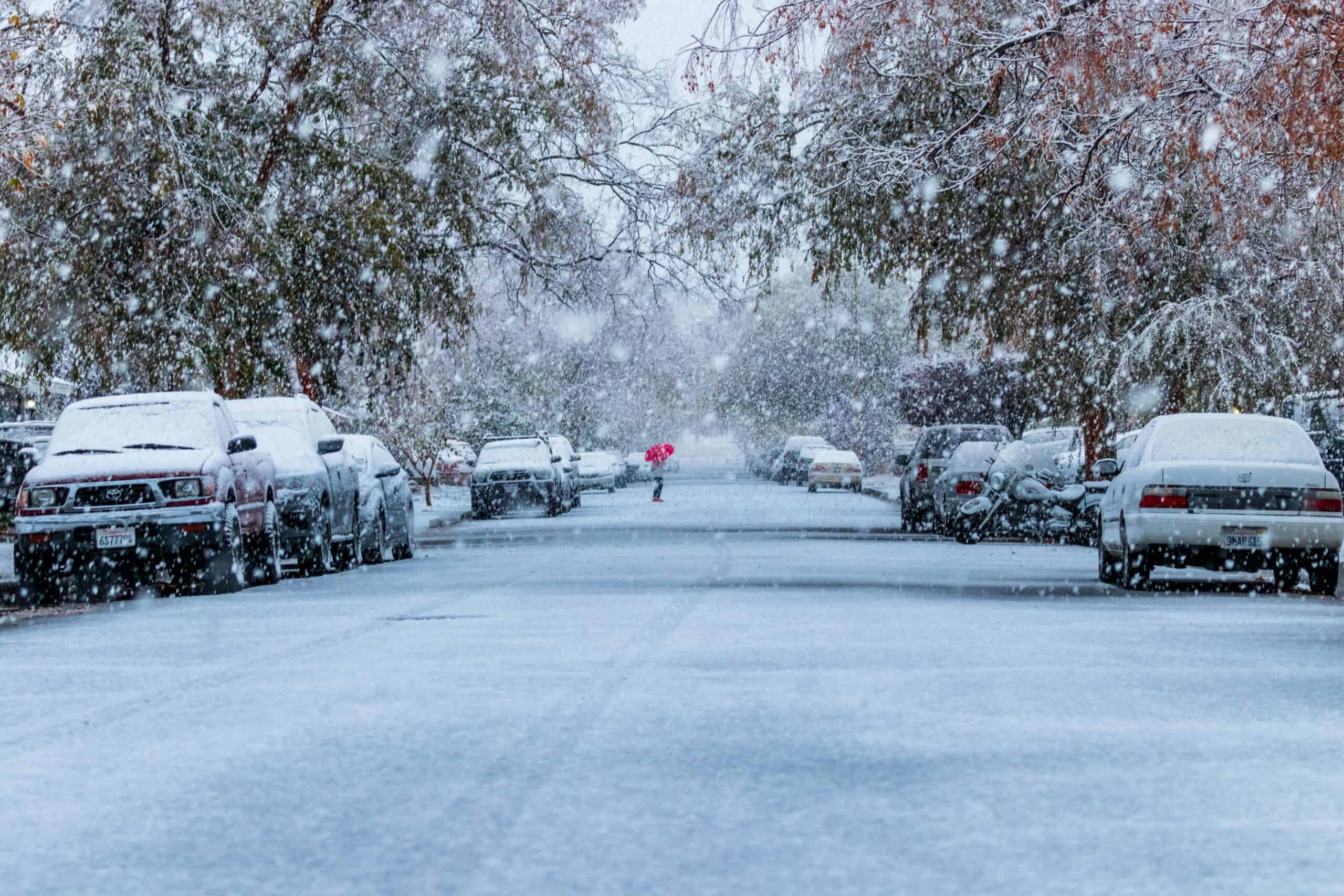
Germany’s Federal Foreign Office updated its U.S. travel and security guidance in late Jan. 2026, layering practical winter-storm warnings with a sharper note about unrest around demonstrations. The tone is not alarmist, but it is direct: conditions can change quickly, flights can collapse across regions, and crowded areas can become unpredictable. The advisory emphasizes staying informed through local reporting, avoiding gatherings where violence could occur, and following instructions from authorities when disruptions hit.
Winter Storm Disruption Is Front And Center
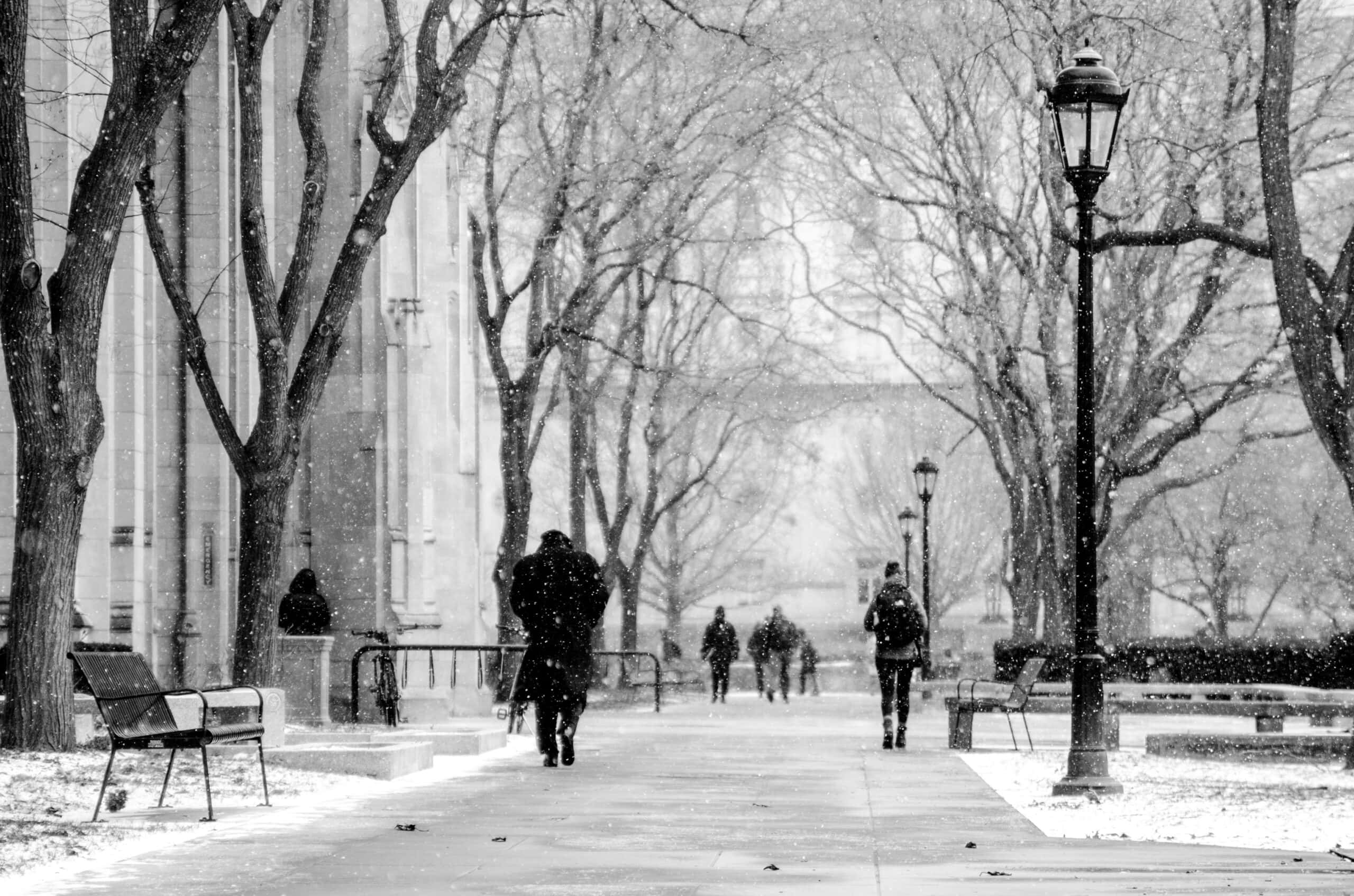
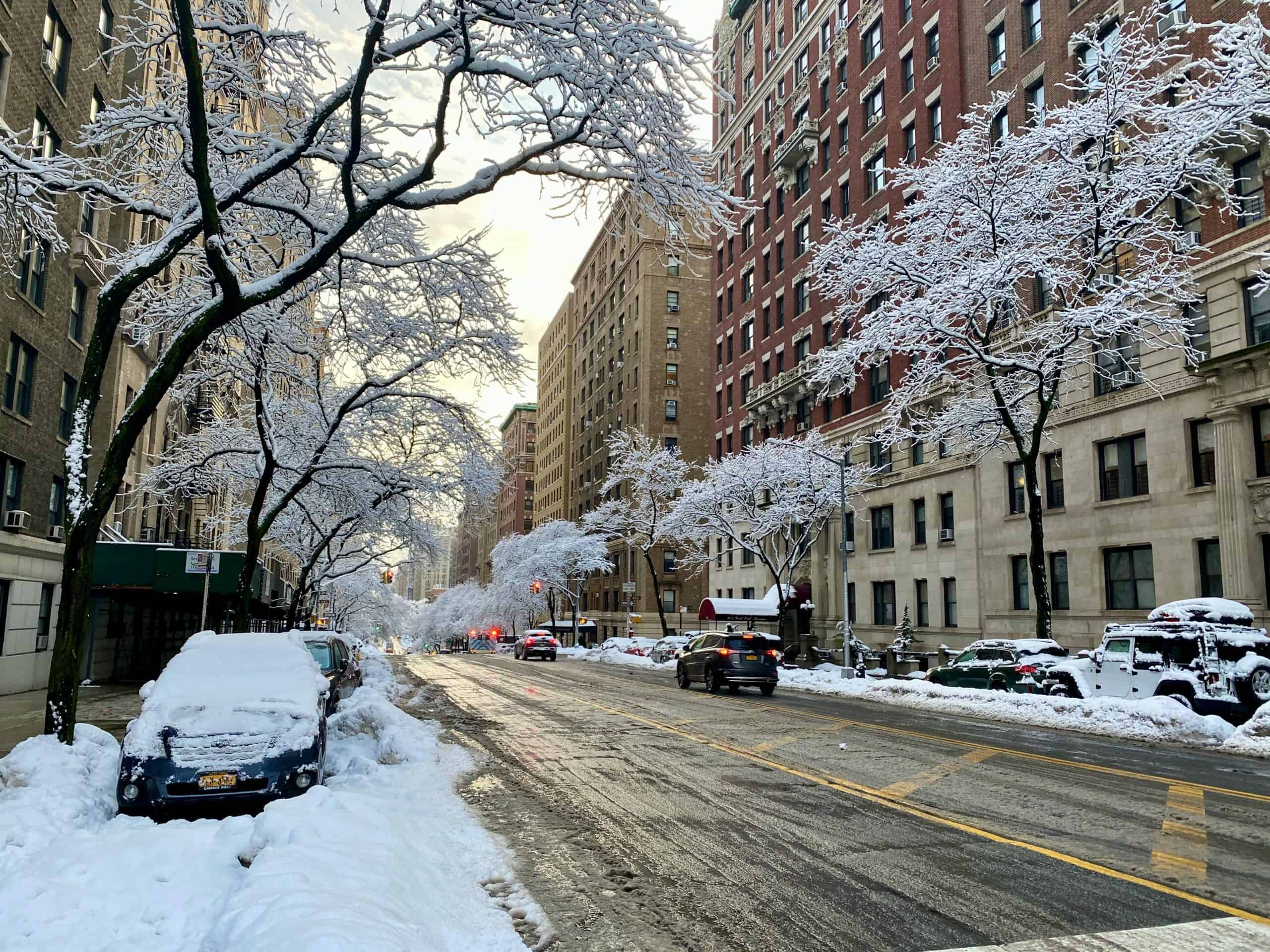
Germany’s updated guidance highlights a severe winter storm affecting wide areas of the U.S., with heavy snow, ice, extreme cold, power outages, and major strain on roads, airports, and local services. It notes widespread flight cancellations and emergency declarations in multiple states, which can ripple into hotel shortages, closed interstates, and temporary supply gaps in harder-hit regions. The takeaway is plain: avoid nonessential movement during storm windows, monitor official alerts closely, and keep winter basics within reach, including water, blankets, phone power, and a plan for shelter if roads shut or fuel runs low.
Demonstrations Are Mentioned As A Concrete Risk
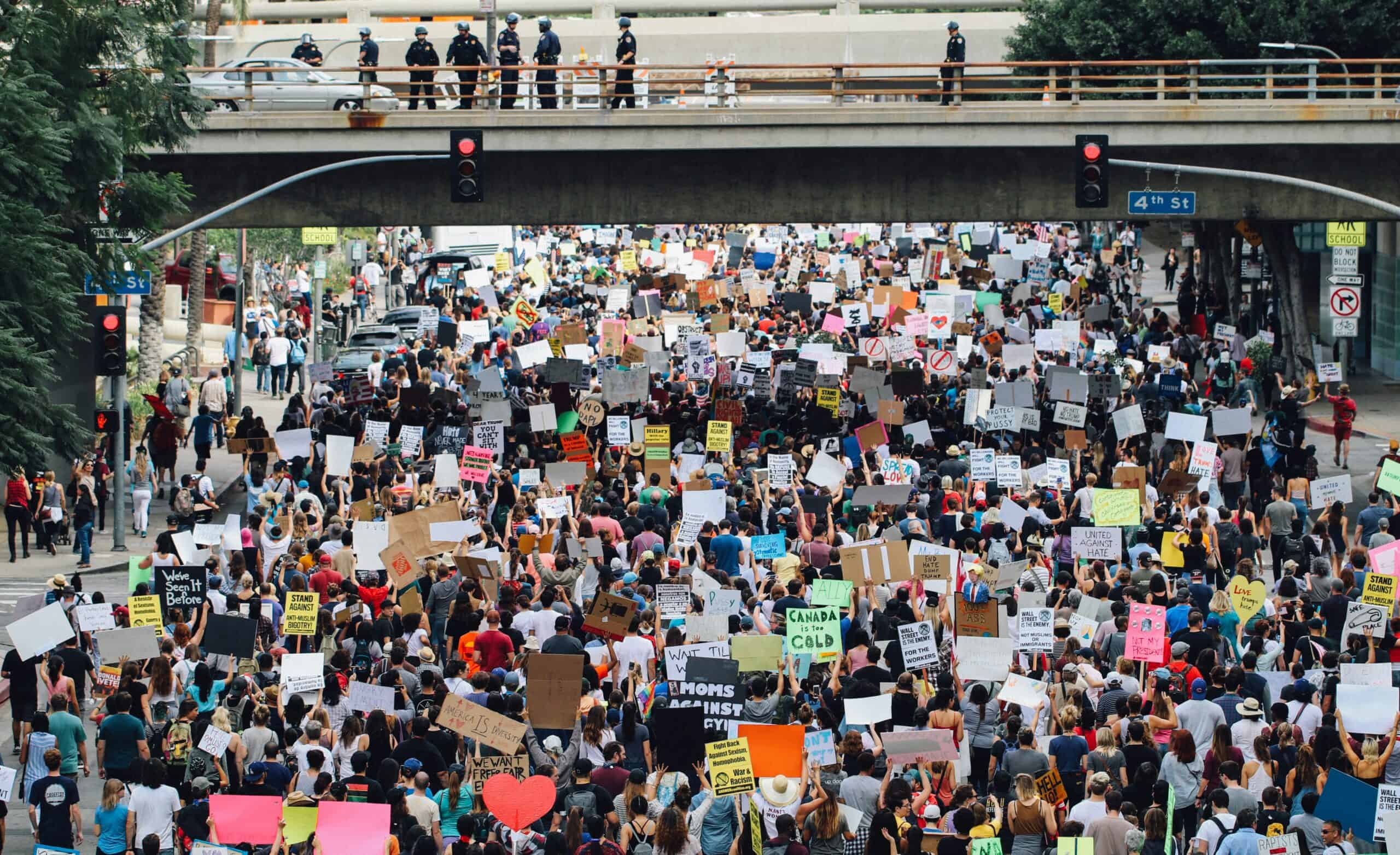
The advisory calls out demonstrations in Minneapolis and other cities, warning they can escalate into violent clashes involving migration and security authorities. It does not label the whole country unsafe, but it treats protest corridors as fast-changing zones where a routine plan can flip into blocked streets, crowd pressure, and sudden police action near government buildings or transit chokepoints. The guidance nudges travelers to steer clear of active routes, keep alternate ways back to lodging, stay off narrow corridors like bridges and underpasses, and keep distance from police lines and federal facilities when gatherings grow or disperse.
Crowd Avoidance Becomes A Safety Rule, Not A Suggestion
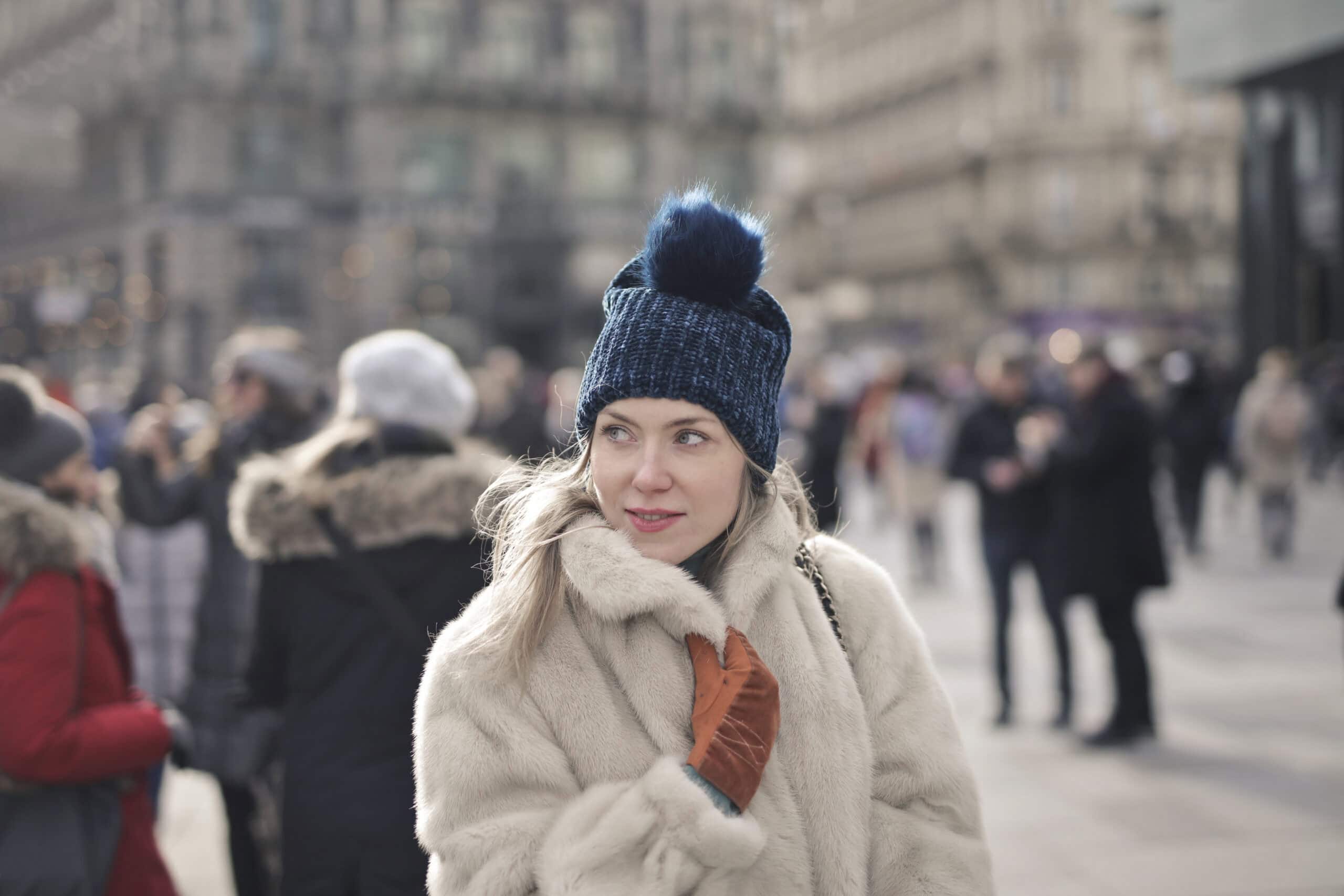
Instead of vague cautions, the guidance explicitly urges staying away from crowds where violence could possibly occur, especially around demonstrations and tense public-order events. Incidents often start at the edges, where late arrivals, rumors, and narrow exits turn small pushes into surges toward police lines, storefronts, or subway stairs, and where confusion spreads faster than instructions. Safer planning favors wide streets, indoor backups away from civic buildings, and quick pivots when sirens, barricades, or swelling groups appear, and it avoids lingering to film heated scenes or follow crowds out of curiosity for a better view.
Local Media Becomes Part Of Trip Planning
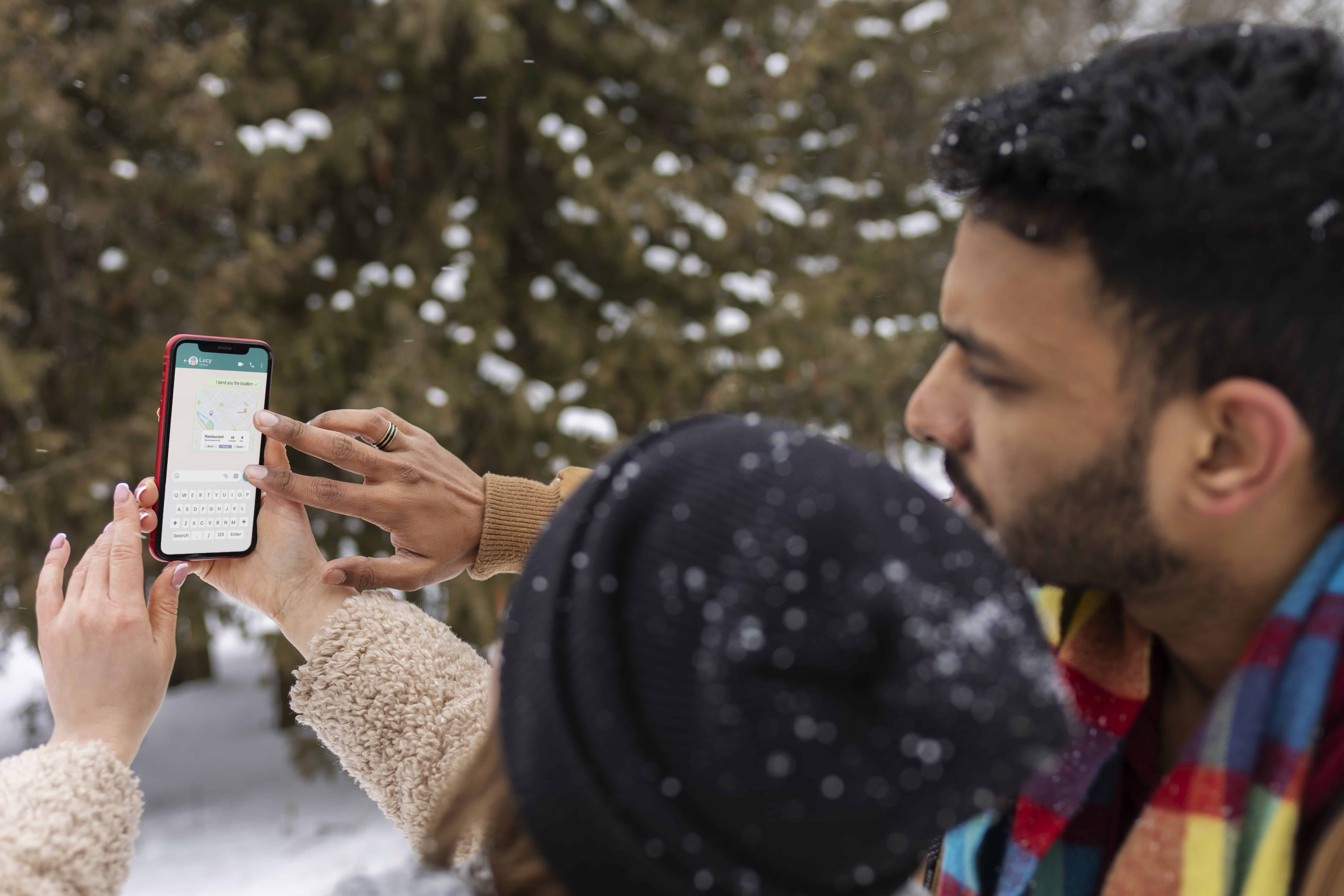
Germany’s Foreign Office urges following local media and weather reports before and during travel, because conditions can shift faster than a printed itinerary. Storm alerts shape what airports, highways, and transit systems can actually deliver, and cancellations can cascade across regions in a single afternoon when ice closes ramps or crews time out. Practical tracking means airline apps, airport advisories, National Weather Service alerts, state transportation updates, road-camera maps, and local reporting that shows storm closures and protest detours before a street corner becomes a dead end, and when county alerts shift at night, unexpectedly.
ID Rules Vary By State, And Enforcement Can Surprise
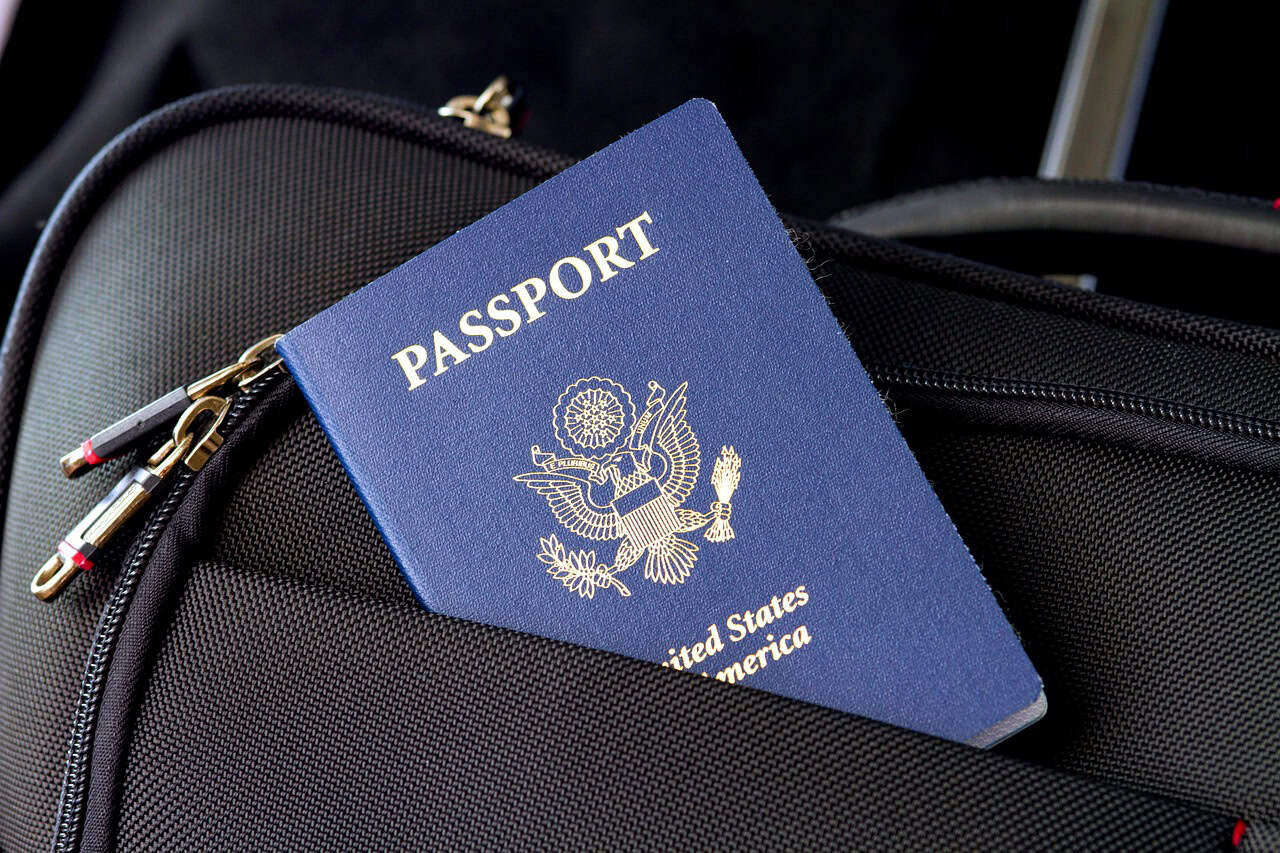
The updated guidance flags identification requirements in several U.S. states and advises taking them seriously. The U.S. may look like one destination on a booking screen, yet it operates as many legal environments, and checks can happen during disruptions, roadside stops, or security screening at venues. Germany’s advice notes that carrying a passport, or a copy with an entry stamp or visa, can be required in some places, so keeping documents accessible, storing backups separately, and saving secure digital copies can prevent a small check from turning into a long delay when hands are cold or stress is high in transit hubs and at events, too.
Air Travel Needs More Buffer Than Normal
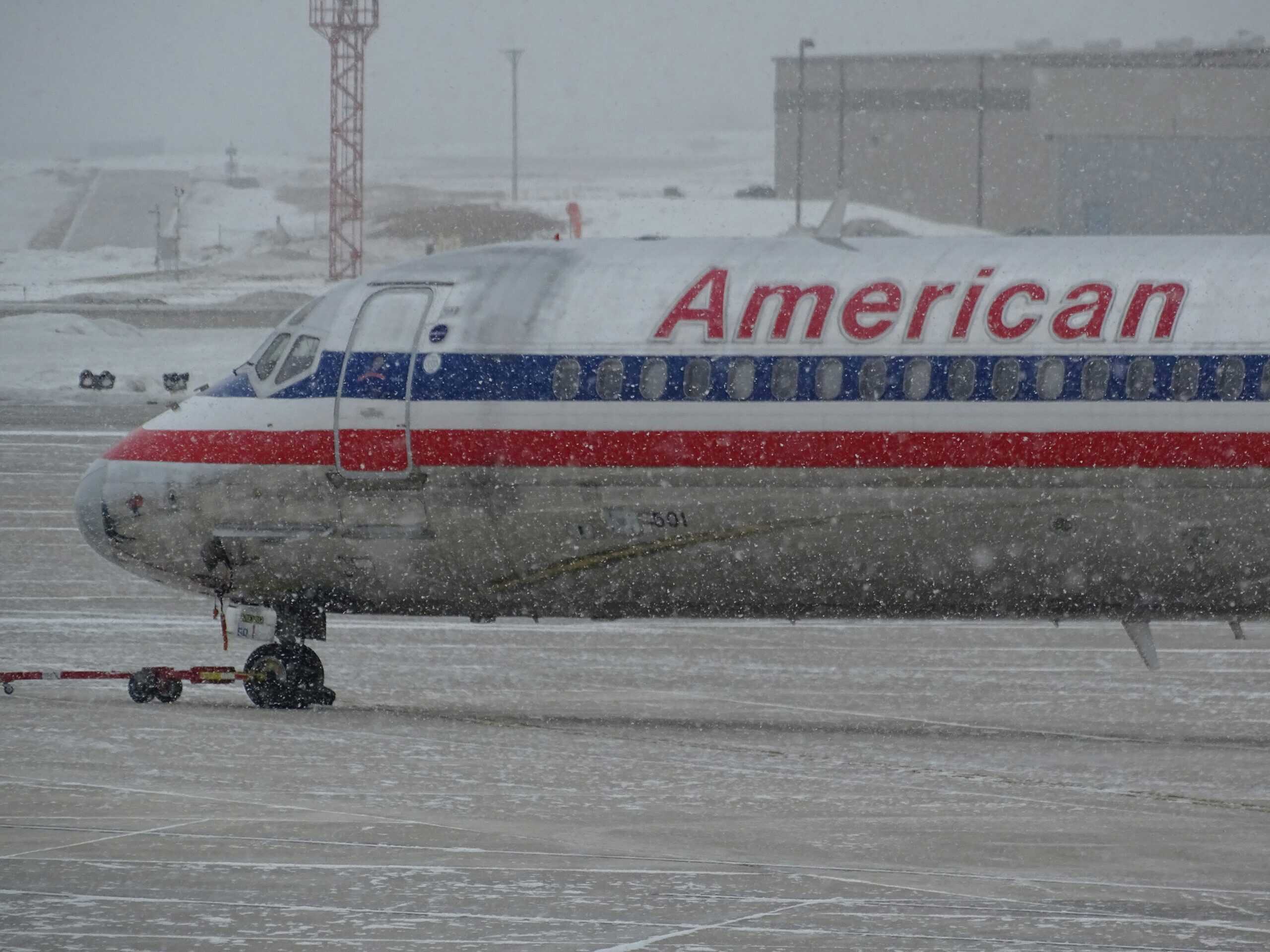
Flight cancellations are presented as a system-level impact of the winter storm, not a minor inconvenience, and that matters for travelers connecting through major hubs. When de-icing slows departures, crews time out, and rebooking lines grow, careful itineraries can unravel into overnight delays far from the original hotel, with rides scarce, baggage delayed, and customer-service queues stretching for hours. The safer pattern is generous buffers, fewer tight connections, flexible bookings, and a ground plan that accounts for road closures, plus travel insurance that covers weather disruption and a willingness to rebook early rather than wait.
Entry Is Not Guaranteed, Even With ESTA Or A Visa
Germany’s U.S. travel advice also stresses that a visa or ESTA approval does not guarantee entry, because the final decision rests with U.S. border authorities. That reminder tends to matter most during periods of tighter enforcement, when screening can feel less predictable and small inconsistencies invite longer interviews or secondary checks. Clear documentation, a consistent travel purpose, and proof of onward travel and lodging can reduce delays, and printed confirmations, invitations, or conference details can help when phone service fails or explanations feel unclear in the moment, along with an address and reliable contact number.
Staying Calm With Authorities Is Explicitly Urged
The guidance tells travelers to keep calm and follow instructions from authorities and local security forces, which becomes crucial when tension is high. Winter storms create roadblocks, emergency routing, and sudden closures, while demonstrations can bring dispersal orders, controlled zones, and crowded transit platforms that leave little room to think. Arguing, pushing through restricted areas, or trying to film confrontations up close can escalate outcomes quickly, so the safest posture is quiet compliance, visible hands, and simple, respectful answers without sarcasm, then stepping back to reassess routes and follow posted detours promptly.
Consular Prep Is Part Of The Safety Plan
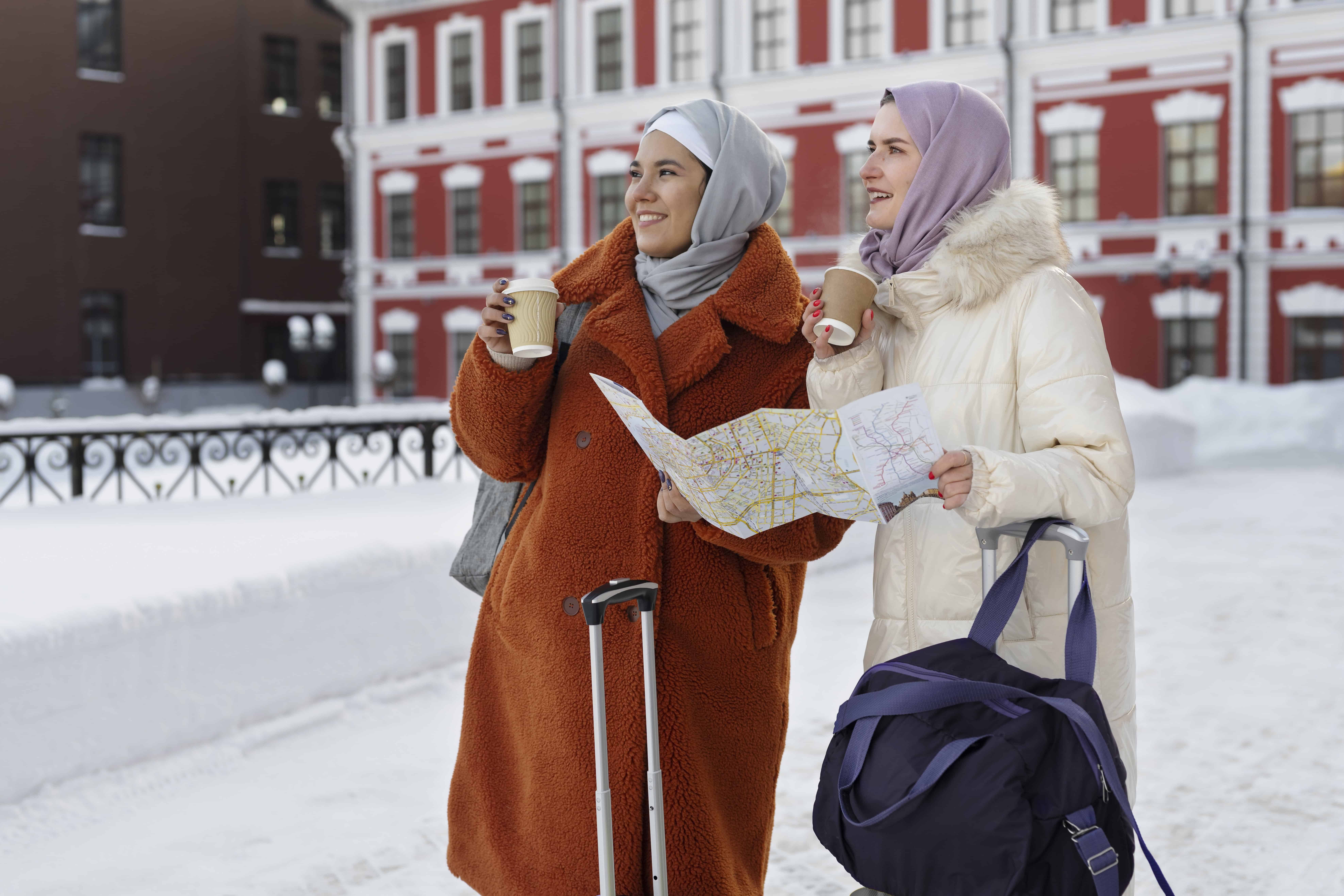
Germany’s travel pages point citizens toward preparation tools such as official updates, crisis registration options, and app-based alerts, signaling that information is often the first protection. In a country as large as the U.S., consular help exists, but it is not a rapid-response service that can override local decisions, erase a legal problem, or guarantee quick access in bad weather. Consulates can help notify family, provide lists of local attorneys, and support communication, yet prevention matters more: document copies, emergency contacts, saved consulate numbers, and a printed card with key details if phones die.
Smarter Routing Keeps The Trip Feeling Normal
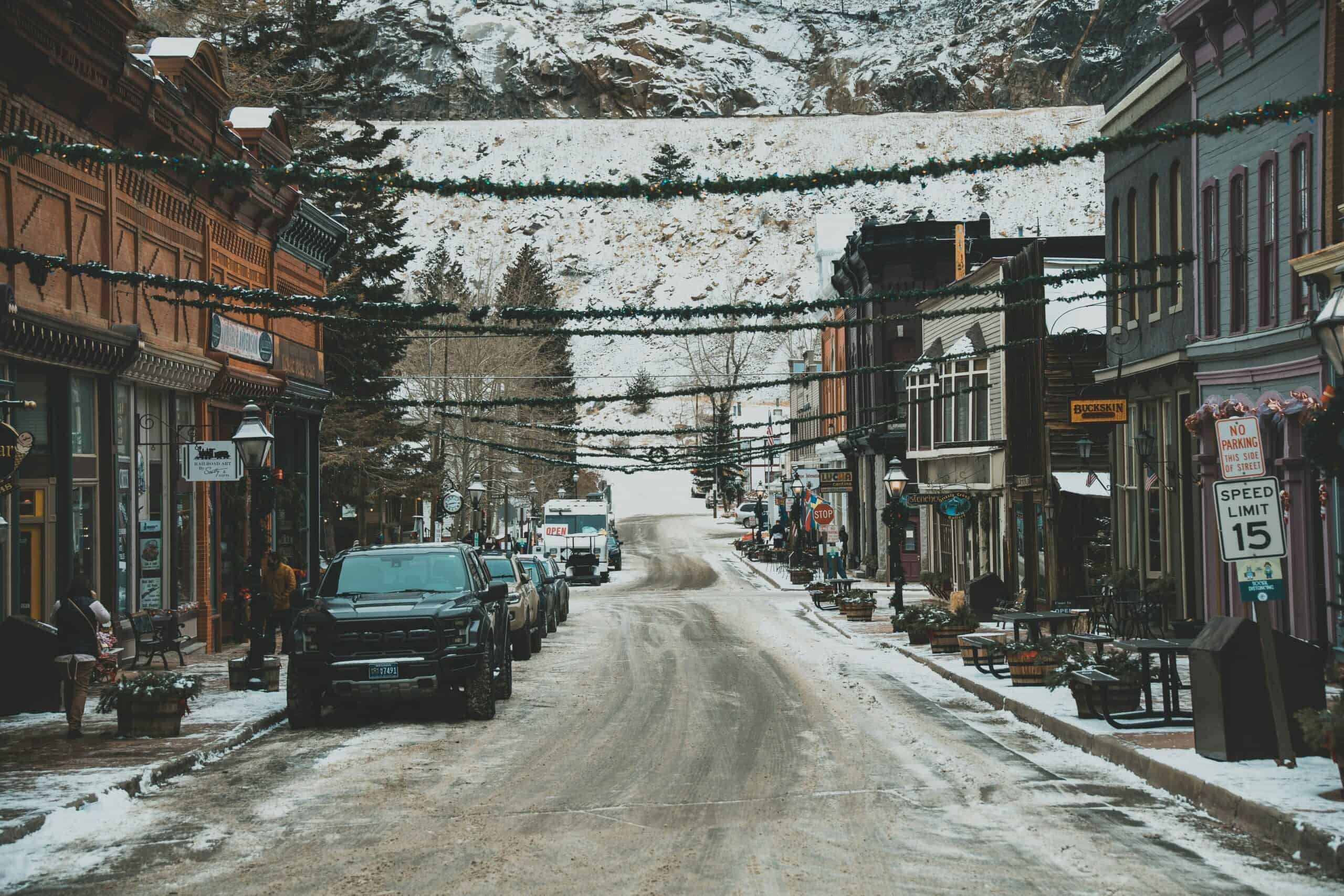
The advisory does not declare the U.S. off-limits; it pushes travelers toward smarter choices when weather and public-order risks rise. Winter can reward that approach, with quieter museums, calmer neighborhoods, and national park scenery that feels unhurried, while flashpoints are easier to skip without feeling deprived. The strongest trips are not fear-driven. They are intentional: choose stable areas, avoid demonstrations, build flexibility around storms, book refundable plans when possible, and keep evenings simple with lodging near transit, early meals, and easy return routes if service shuts down so fatigue never forces risky decisions.