We may earn money or products from the companies mentioned in this post. This means if you click on the link and purchase the item, I will receive a small commission at no extra cost to you ... you're just helping re-supply our family's travel fund.
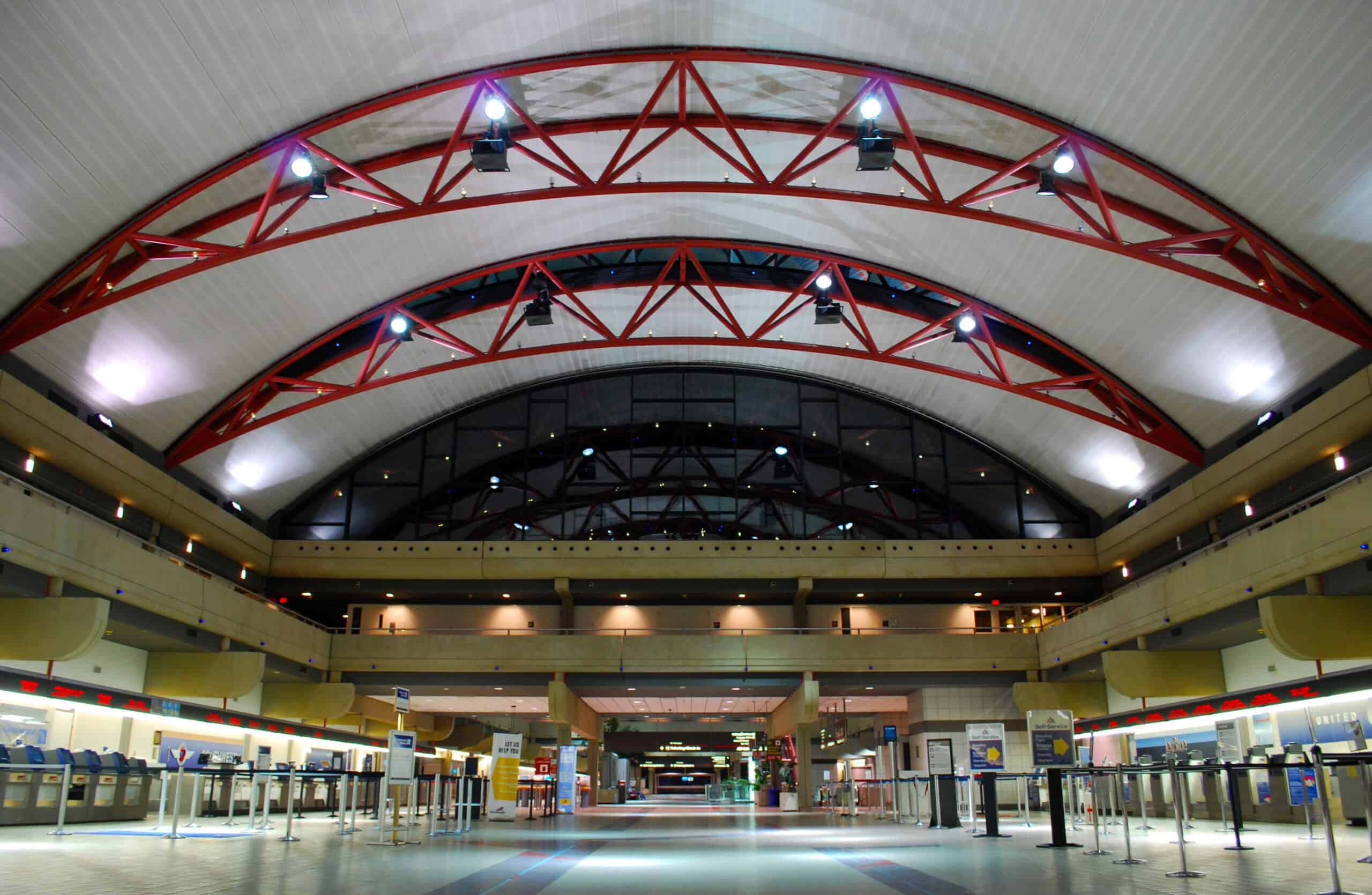
America built a lot of ambitious airports for an era of cheap fuel, regional jets, and sprawling hub networks. Some of those terminals never really found their footing. Others thrived for a while, then watched their main airline walk away, leaving big echoing spaces and quiet departure boards. These airports still matter for local identity and emergency access, but day to day they can feel out of scale with the traffic they see, like stage sets waiting for a cast that no longer arrives.
Williamsport Regional Airport, Pennsylvania
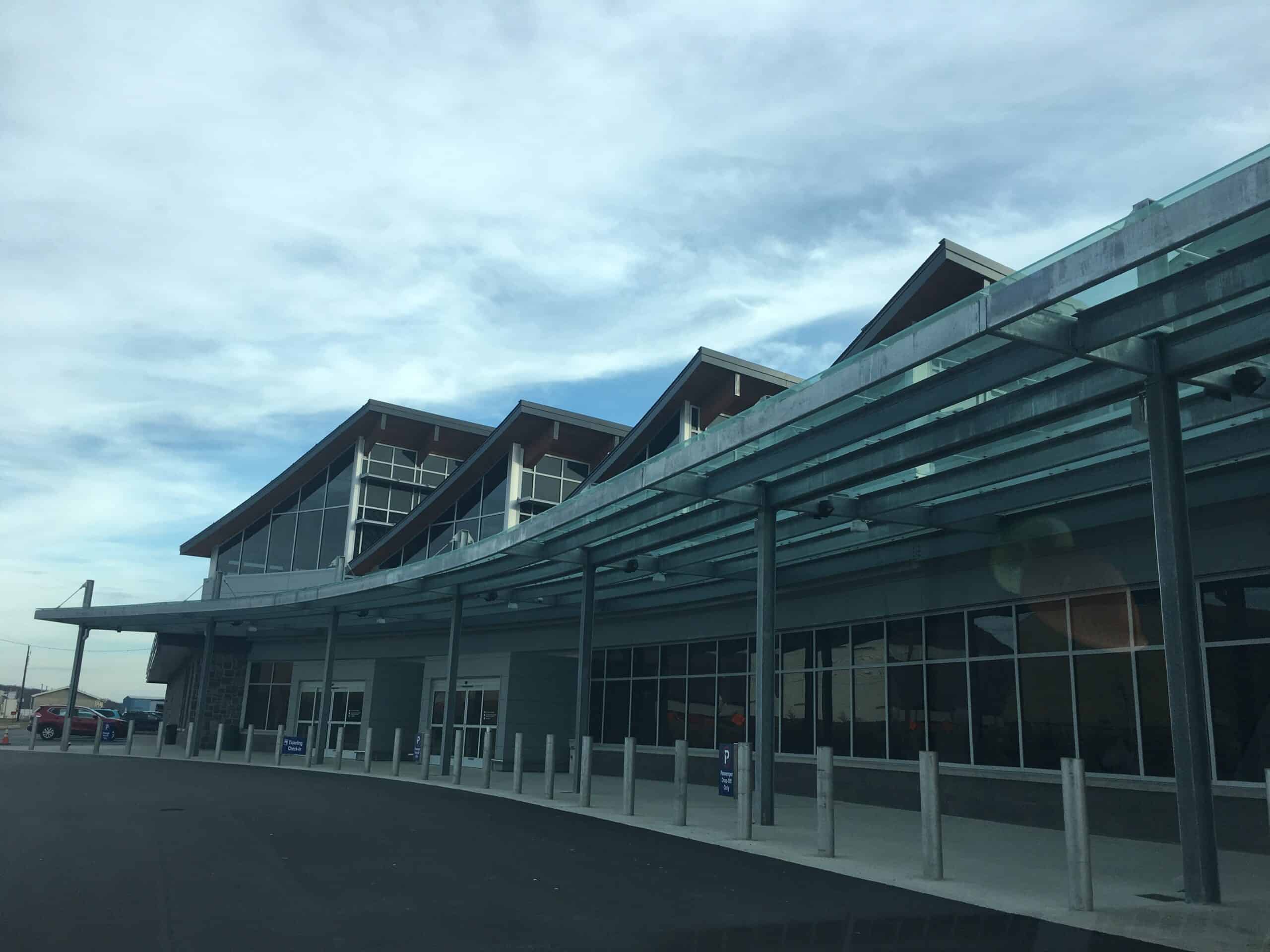
Williamsport once saw steady American Eagle flights linking the Little League World Series host city to big hubs. That ended in 2021, when American pulled service and the last scheduled flights disappeared. Today the terminal, parking lots, and jet bridge sit ready but mostly unused, with only general aviation and charter traffic on the ramp. Local leaders pitch new carriers while residents rely on long drives or rideshares to reach larger airports.
Del Rio International Airport, Texas
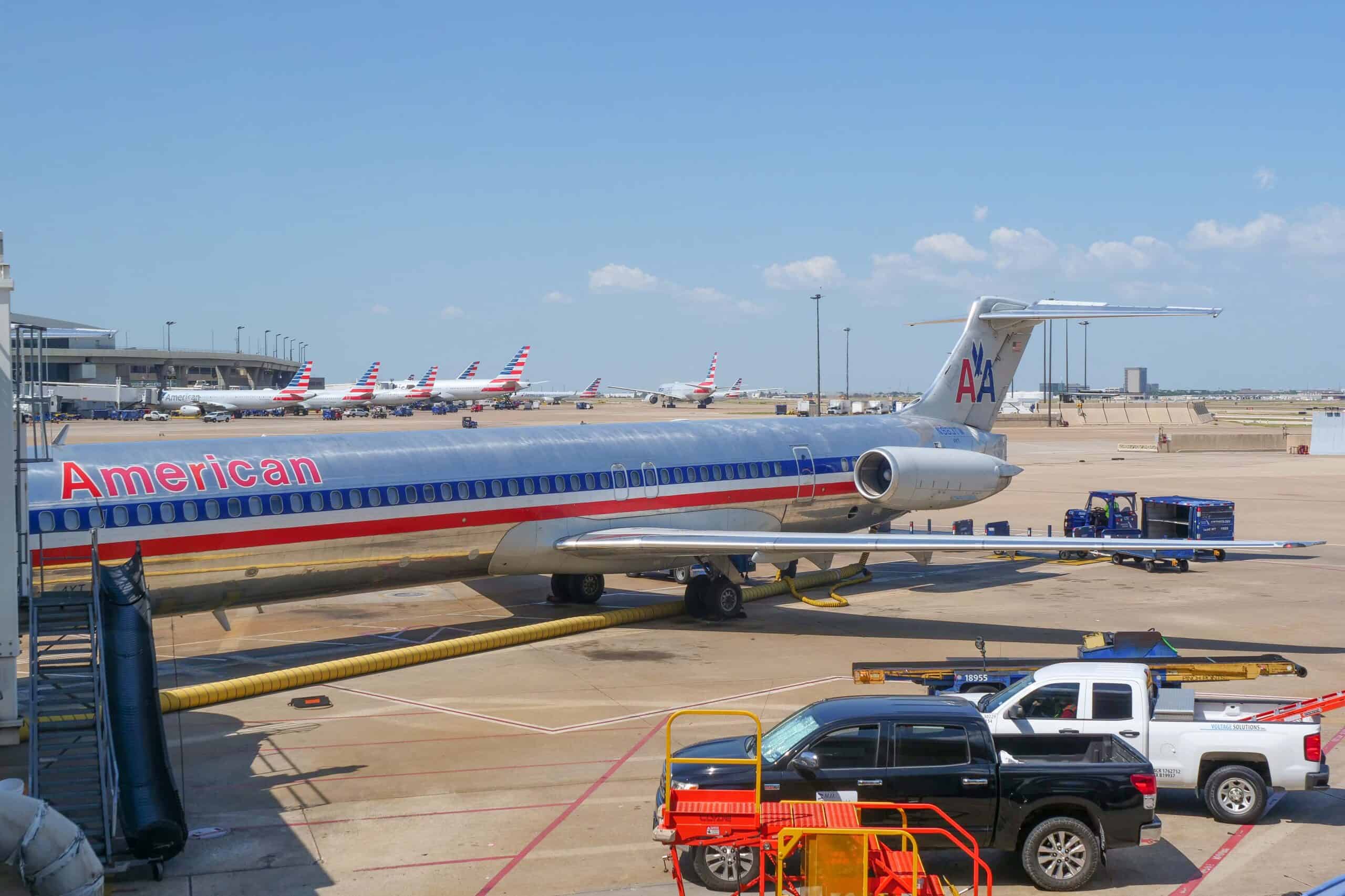
Del Rio’s small terminal was built around a simple rhythm: regional jets shuttling passengers to Dallas and back. That pattern broke in 2022, when American Airlines ended its service and left the community without any scheduled commercial flights. Since then, the airport has leaned on military operations from nearby Laughlin Air Force Base and occasional charters. Inside, the ticket counters and baggage belts still hint at busier days, even as the departure screens stay stubbornly blank.
Coleman A. Young International, Detroit, Michigan

Detroit City Airport once handled brisk commuter and regional traffic for travelers who preferred an in-town field over distant Detroit Metro. After safety and financial concerns, the last airline left in 2000, and scheduled passenger service stopped completely. The long, low-slung terminal now mostly serves as a backdrop for general aviation, flight schools, and city redevelopment plans. Runways remain active, but the building feels like a time capsule from a different era of Midwest air travel.
Cleveland Burke Lakefront Airport, Ohio

Burke Lakefront opened with the confidence that downtown Cleveland would always need a close-in passenger field. Over time, airlines consolidated at Cleveland Hopkins, and scheduled service at Burke quietly faded away. Today it functions as a reliever airport for corporate and private flights, along with public events on the lakefront. Studies now weigh whether acres of prime shoreline runway and terminal space might one day become parkland or mixed-use development instead of a lightly used aviation outpost.
Ely Airport, Nevada

Ely’s remote high-desert airport became a symbol of how far U.S. policy would go to preserve connectivity. Essential Air Service subsidies at times paid thousands of dollars per passenger to keep nearly empty flights operating to Salt Lake City or other hubs. Reports described itineraries where one traveler shared a cabin with multiple crew members, underscoring the mismatch between infrastructure and demand. Service has stopped and restarted over the years, leaving a terminal that often feels more aspirational than active.
Sheridan County Airport, Wyoming
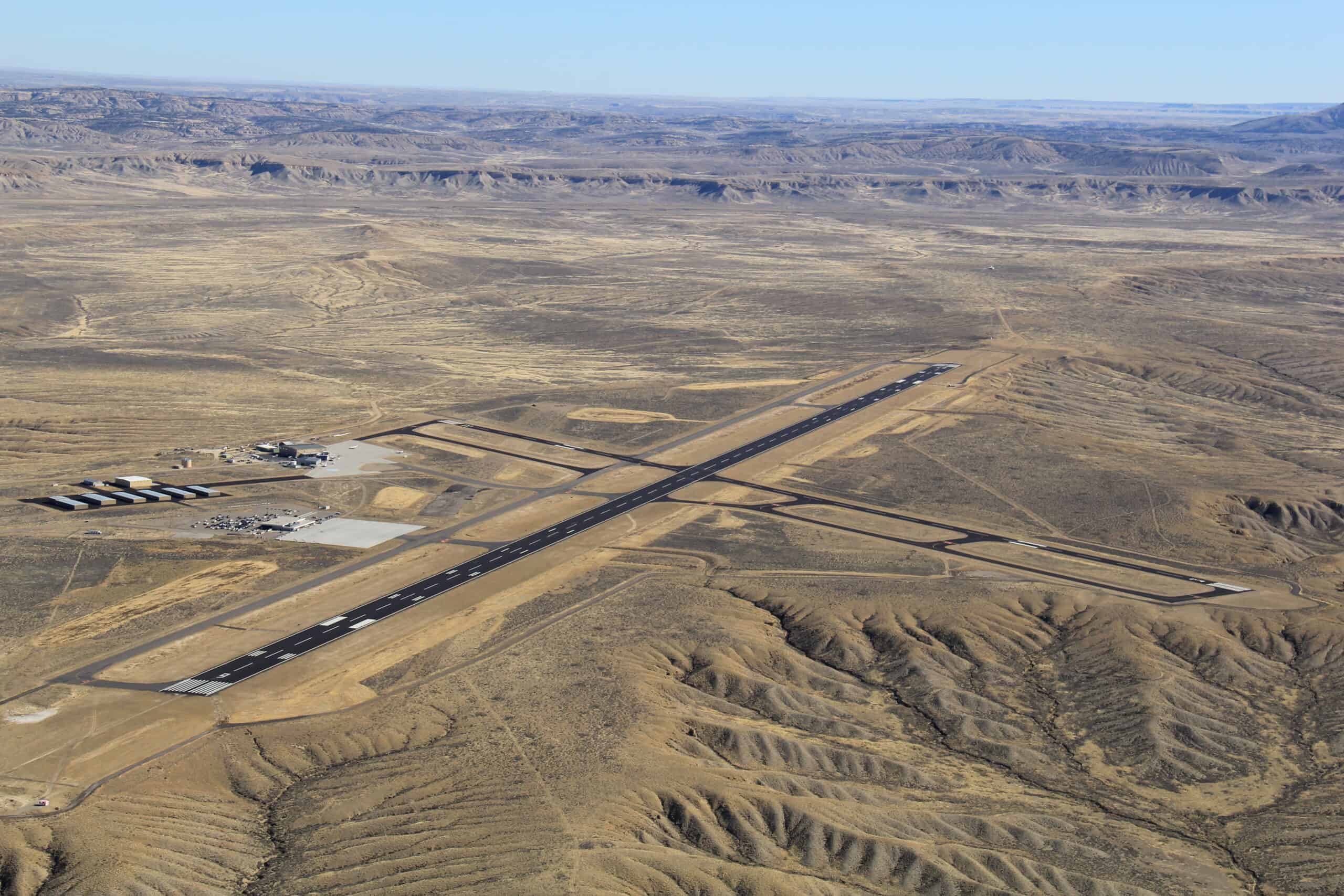
Sheridan once enjoyed small regional jets linking its ranch country and tourism economy with Denver. When airlines cut thin routes in the mid-2010s, the community lost scheduled service and joined a long list of towns suddenly pushed off the national air grid. General aviation and medical flights still use the field, but the commercial terminal, security lanes, and check-in counters see little action. Local officials continue chasing subsidies and carriers, aware that air links can shape whether young residents stay or go.
Pittsburgh International Airport, Pennsylvania
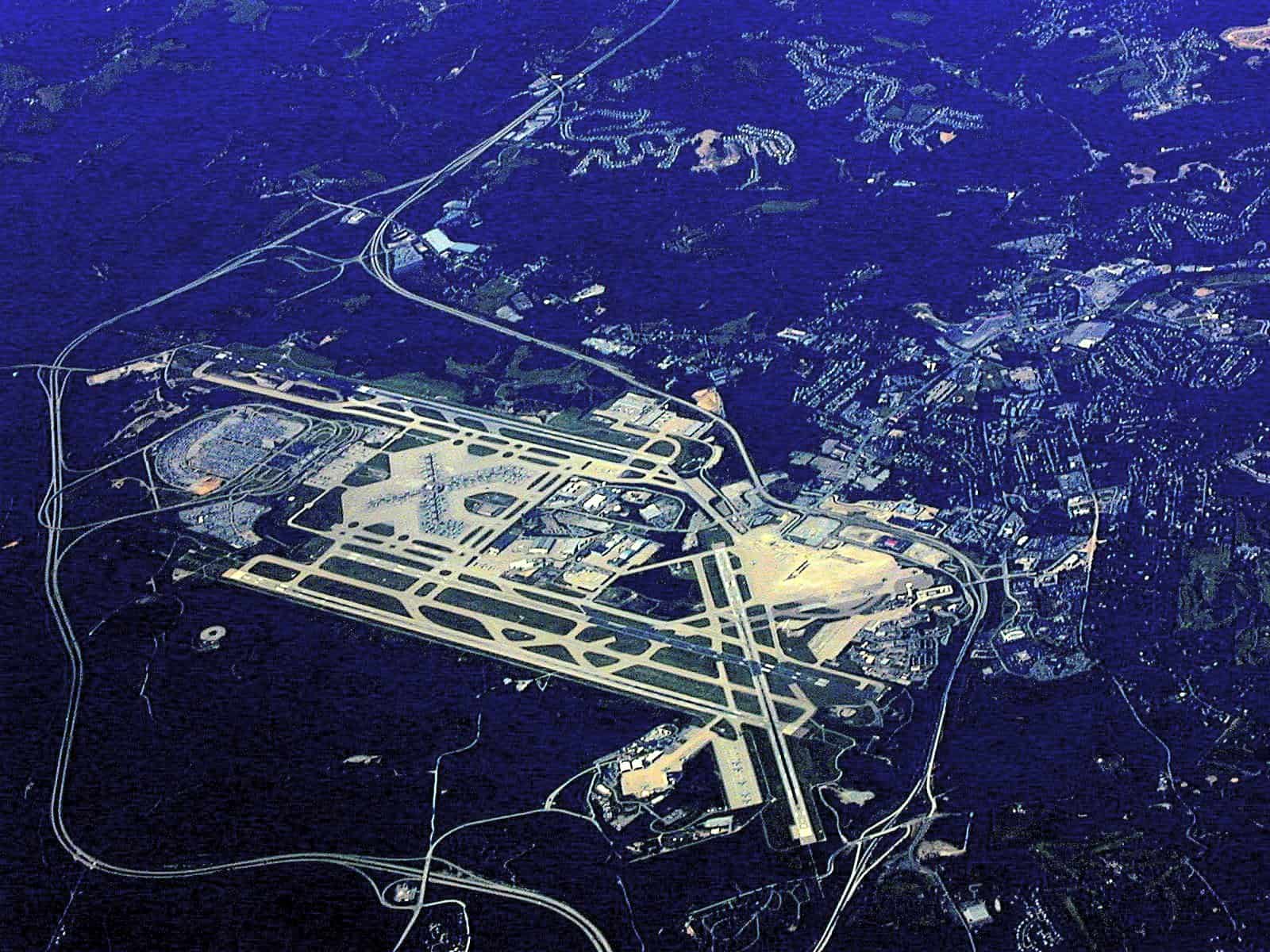
Pittsburgh’s airport was literally designed as a fortress hub for US Airways, with sprawling concourses sized for more than 20 million passengers a year. After the airline’s bankruptcy and gradual pullback, entire wings of gates were sealed off, and the complex felt oversized for a region suddenly relying on local traffic rather than hordes of connecting passengers. A new terminal that opened in 2025 finally right-sized the operation, but the story shows how quickly a bustling hub can be reduced to long, quiet walkways and darkened jet bridges.