We may earn money or products from the companies mentioned in this post. This means if you click on the link and purchase the item, I will receive a small commission at no extra cost to you ... you're just helping re-supply our family's travel fund.
Paris and Rome still sit near the top of Europe’s dream list, and Europe remains the world’s most visited tourism region. But the mood underneath that demand is changing fast. Expedia says 63% of travelers are likely to visit a detour destination on their next trip, while Virtuoso reports that avoiding over-touristed places is now the top sustainability priority among its advisors, even as Paris and Rome remain top city draws. That shift is creating room for quieter regions with stronger local texture, softer pacing, and beauty that does not feel overhandled.
Umbria, Italy
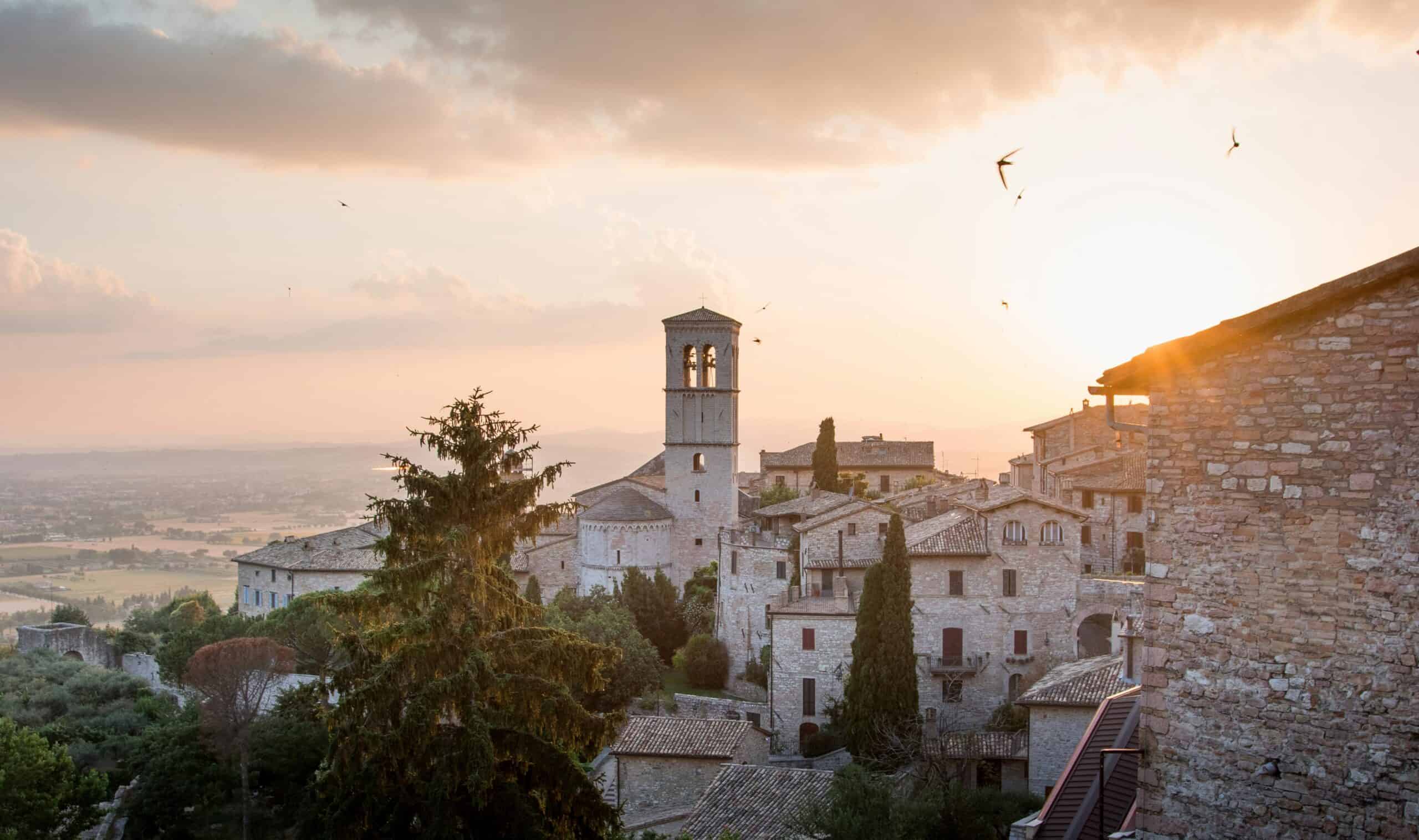
Umbria draws the kind of traveler who wants Italy’s emotional richness without Rome’s relentless volume. The region’s official tourism site frames it through villages, castles, UNESCO sites, parks, ancient history, and art, while current advisor coverage keeps presenting it as a less-crowded alternative to central Italy’s better-known routes. That combination gives Umbria unusual depth: cloisters, hill towns, olive groves, pilgrimage history, and long, unshowy meals that feel rooted in the land rather than staged for an audience. It has grandeur, just not the need to announce it every five minutes.
The Alentejo Coast, Portugal
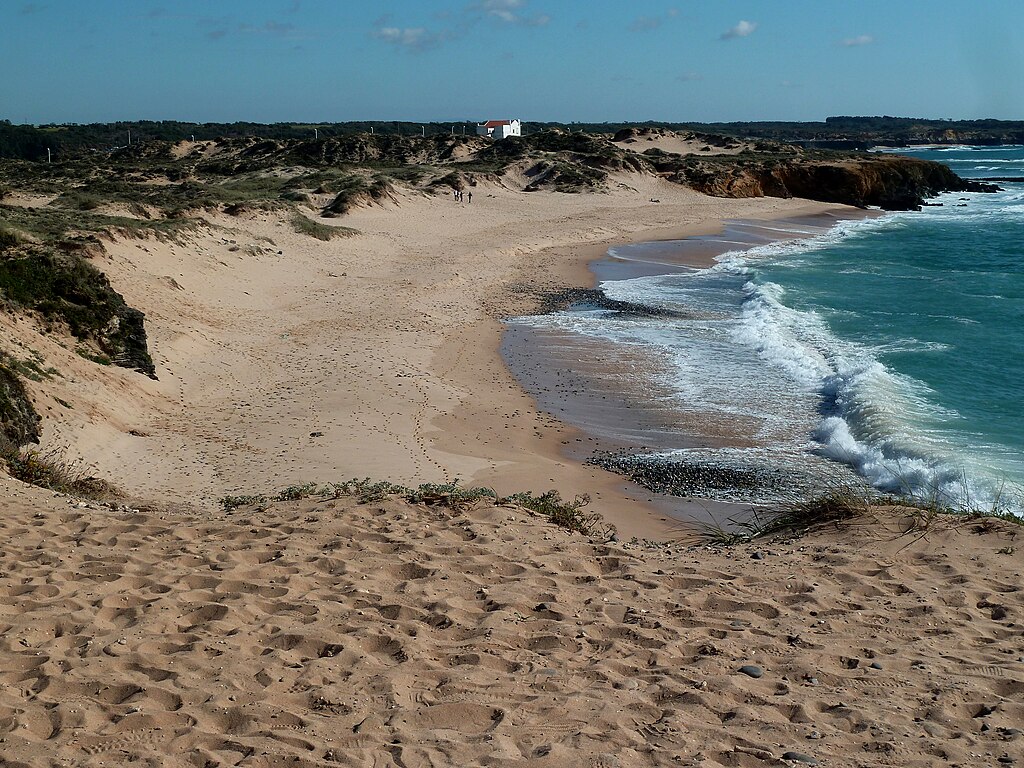
The Alentejo Coast feels like Portugal with the noise dialed down. Officially, Alentejo covers about one-third of the country and remains rural, sparsely populated, and open to the Atlantic, and Condé Nast Traveler’s 2026 Europe picks described its coast as a place of long beaches, cork forests, rice paddies, and villages still shaped by fishing tides rather than flight schedules. That is exactly why it is resonating now. Travelers are not only chasing beauty here. They are chasing relief: space, wind, silence, and a stretch of coast that still feels more lived with than consumed.
Vipava Valley, Slovenia
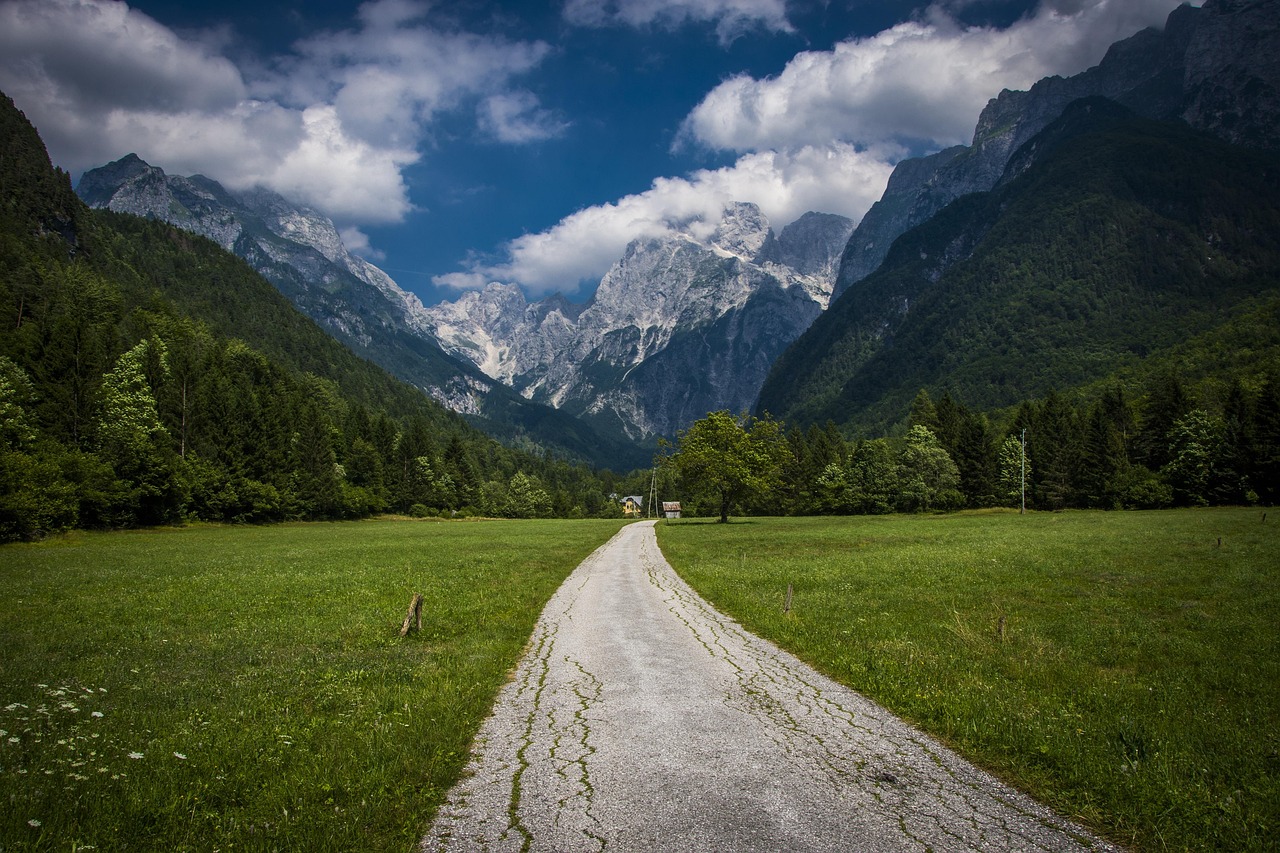
Vipava Valley fits Europe’s new travel mood almost perfectly. Slovenia’s tourism board describes it as a green land of fine culinary treasures, year-round active adventures, and breathtaking nature, and the valley’s own tourism portal notes that Condé Nast Traveler ranked it among Europe’s wonders for 2026, calling it a hidden gem between the Adriatic and the Alps. What draws people is not a single blockbuster sight, but the whole weave of the place: vineyards, indigenous grapes, mountain air, biking roads, and a feeling that one of Europe’s most memorable regions still speaks in a low voice.
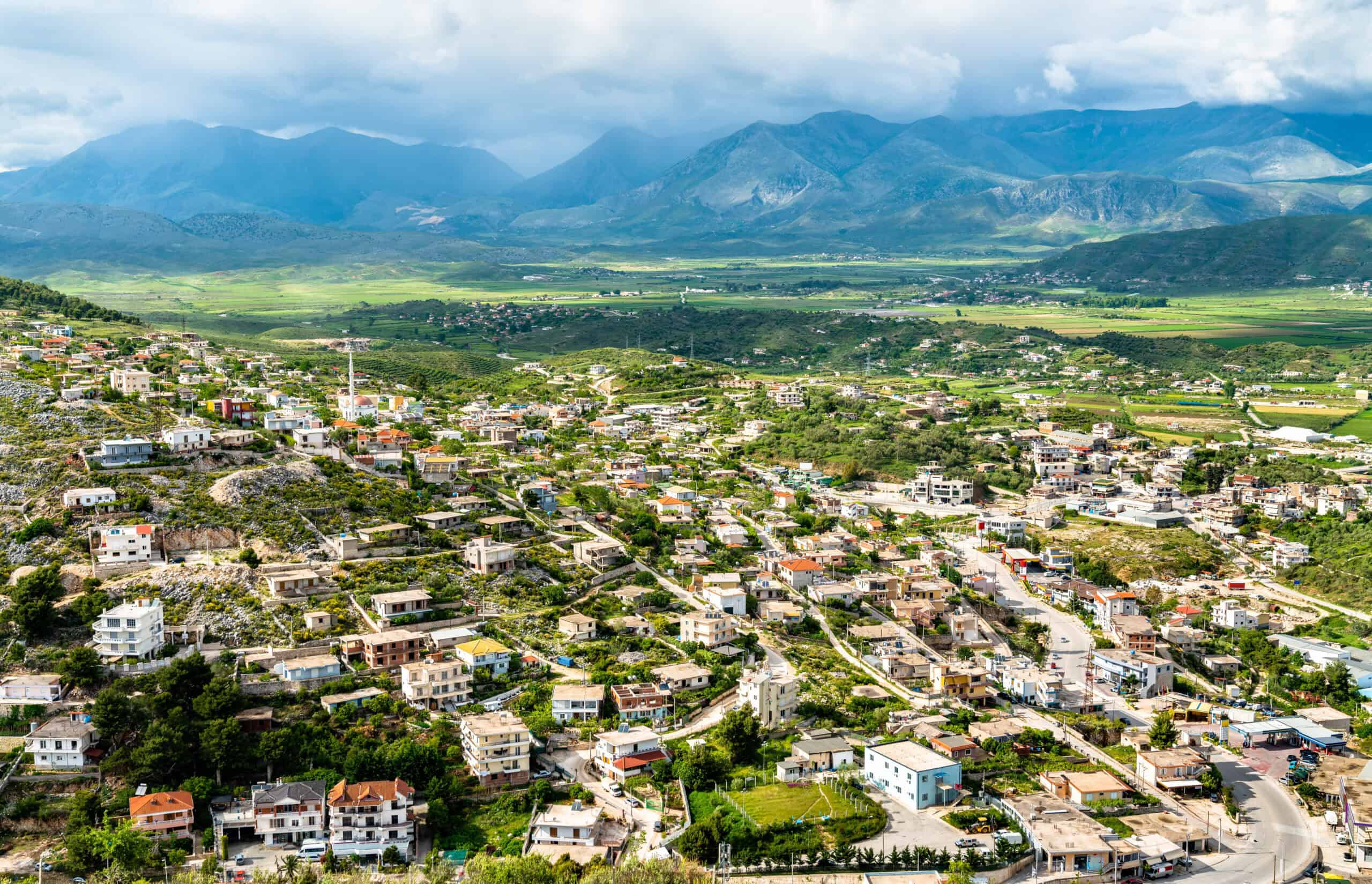
The Albanian Riviera
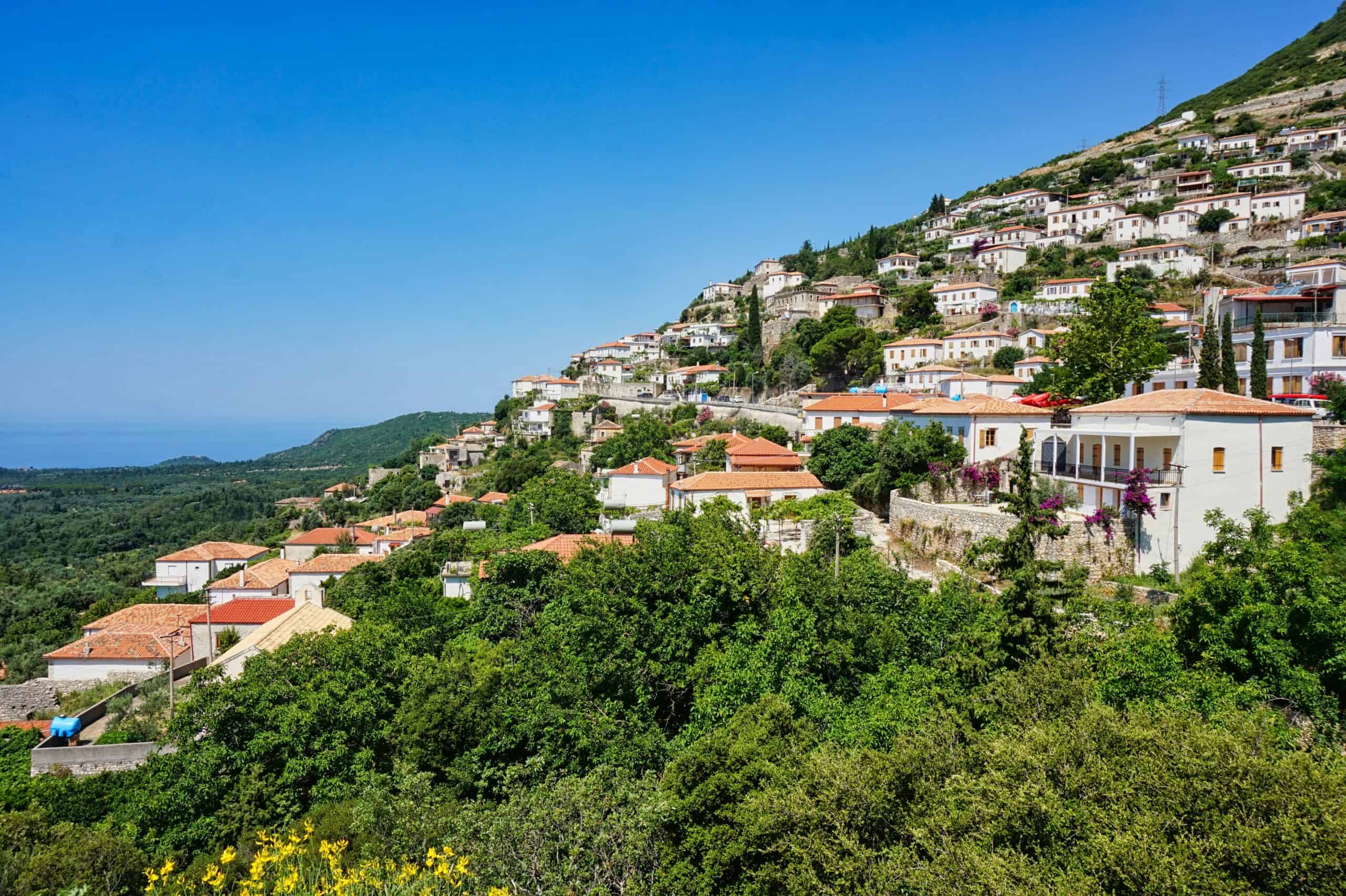
The Albanian Riviera is no longer just a backpacker rumor whispered across ferry docks and hostel kitchens. Virtuoso says Albania’s Riviera is gaining attention as luxury travelers look beyond Europe’s icons, and Albania’s official tourism materials describe a coastal route from Vlora to Saranda and Ksamil where mountains slope into virgin beaches, hidden bays, underwater caves, and villages with a distinctly Mediterranean identity. The appeal is not simply price or novelty. It is the increasingly rare feeling of a coast that still carries both raw beauty and a strong sense of place at the same time.
The Bay of Kotor, Montenegro
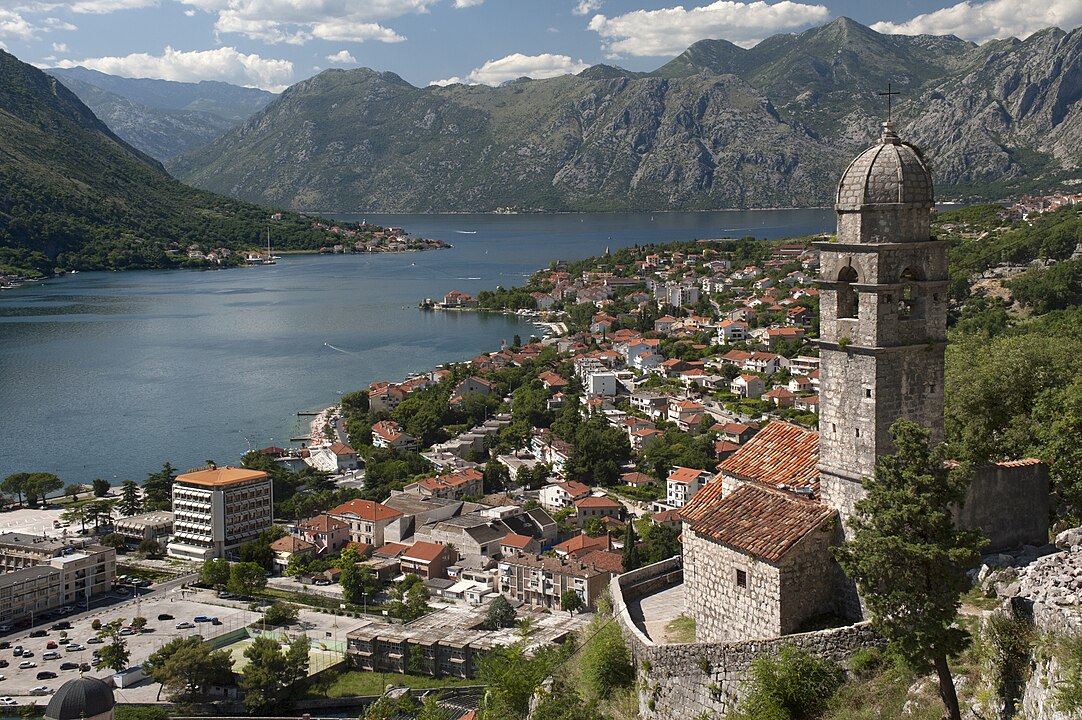
The Bay of Kotor offers the kind of visual drama travelers once chased in Europe’s blockbuster capitals, but in an entirely different emotional register. Virtuoso highlights Montenegro’s intimate Adriatic boutique resorts as a rising draw, while Montenegro’s tourism board describes Boka as one of the world’s most beautiful bays, with yachting, paddleboarding, shellfish farms, old maritime traditions, and stone-walled Kotor itself adding texture to the scenery. Euronews also reports that Montenegro is leaning into a quality-over-quantity model. The result is a place where grandeur still feels proportionate, and beauty has not yet been flattened by overfamiliarity.