We may earn money or products from the companies mentioned in this post. This means if you click on the link and purchase the item, I will receive a small commission at no extra cost to you ... you're just helping re-supply our family's travel fund.

A small slip in tone can travel farther than any passport stamp. In airports, cafés, and hotel lobbies, Americans are often recognized before a flag or accent fully lands, simply by how conversation starts. Most of these signals are not malicious. They are habits shaped by a huge, informal country where friendliness is currency and speed is prized. Still, in places where privacy is tighter and manners are quieter, the same habits can read as warning signs. What follows are seven moments where a voice, not a map, gives everything away.
Volume That Fills the Room

In many countries, conversation stays low in public, even among friends, because space is shared and privacy is prized, so voices tuck themselves between clinking cups and street noise instead of rising above it. When an American voice stays at full strength in a café, on a subway, or in a museum queue, or a phone call goes on speaker, it can read as entitlement, as if the room has been claimed and everyone else has been drafted as an audience. The red flag is not laughter, but the missing instinct to downshift, to lean in, and to let the setting set the volume, especially when locals are whispering and eyes begin to turn toward it, silently.
Small Talk That Turns Too Personal

American friendliness often arrives fast, with bright smiles, quick jokes, and a stream of questions meant as warmth rather than scrutiny. In cultures where trust builds slowly, asking where someone lives, what they earn, how much a hotel costs, or whether a partner is in the picture can feel invasive, like a door being tested for weak locks. The red flag is not curiosity, but the assumption that intimacy is the default setting, even with a clerk, a seatmate, or a stranger holding a menu, and that silence means something is wrong. In many places, quiet is respect, and privacy is a form of politeness that keeps the day smooth for everyone too.
Speed That Feels Like Steamrolling

American conversation can move like traffic on a wide highway: fast, efficient, and built for quick merges, with stories delivered in one long run. In places where pauses are part of courtesy, rapid speech, constant filler words, and talking over a reply, or finishing someone’s sentence, can read as impatience, as if the outcome matters more than the person across the table. The red flag shows up when interruptions get framed as enthusiasm, bargaining starts before greetings are done, and a short silence gets treated like a problem to fix instead of space to think. That shift can sour an exchange that would have been kind with half the speed.
Humor That Lands Like Insult
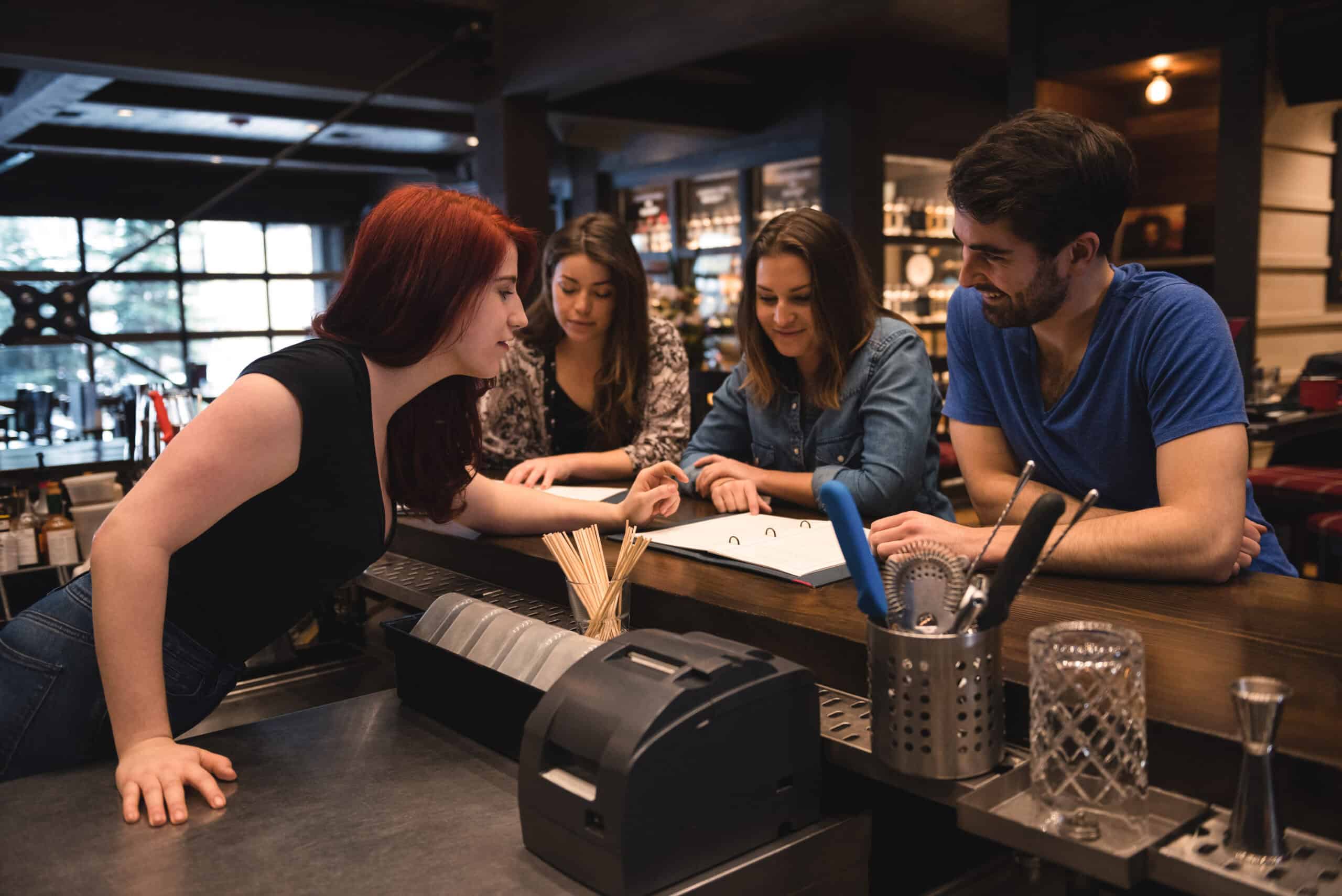
American humor often leans on sarcasm, playful roasting, and exaggeration, delivered with a straight face and fast timing that assumes shared context. Across languages, that style can lose its wink, so a joke about competence, appearance, accents, or national stereotypes can land as a direct insult, especially early in a relationship or in a workplace where status is carefully maintained. The red flag is the quick pivot to comedy before trust exists, then doubling down with louder jokes to force a laugh, followed by surprise when the room stays polite instead of joining in. In many places, warmth arrives first, and humor earns its turn later.
English-First Assumptions
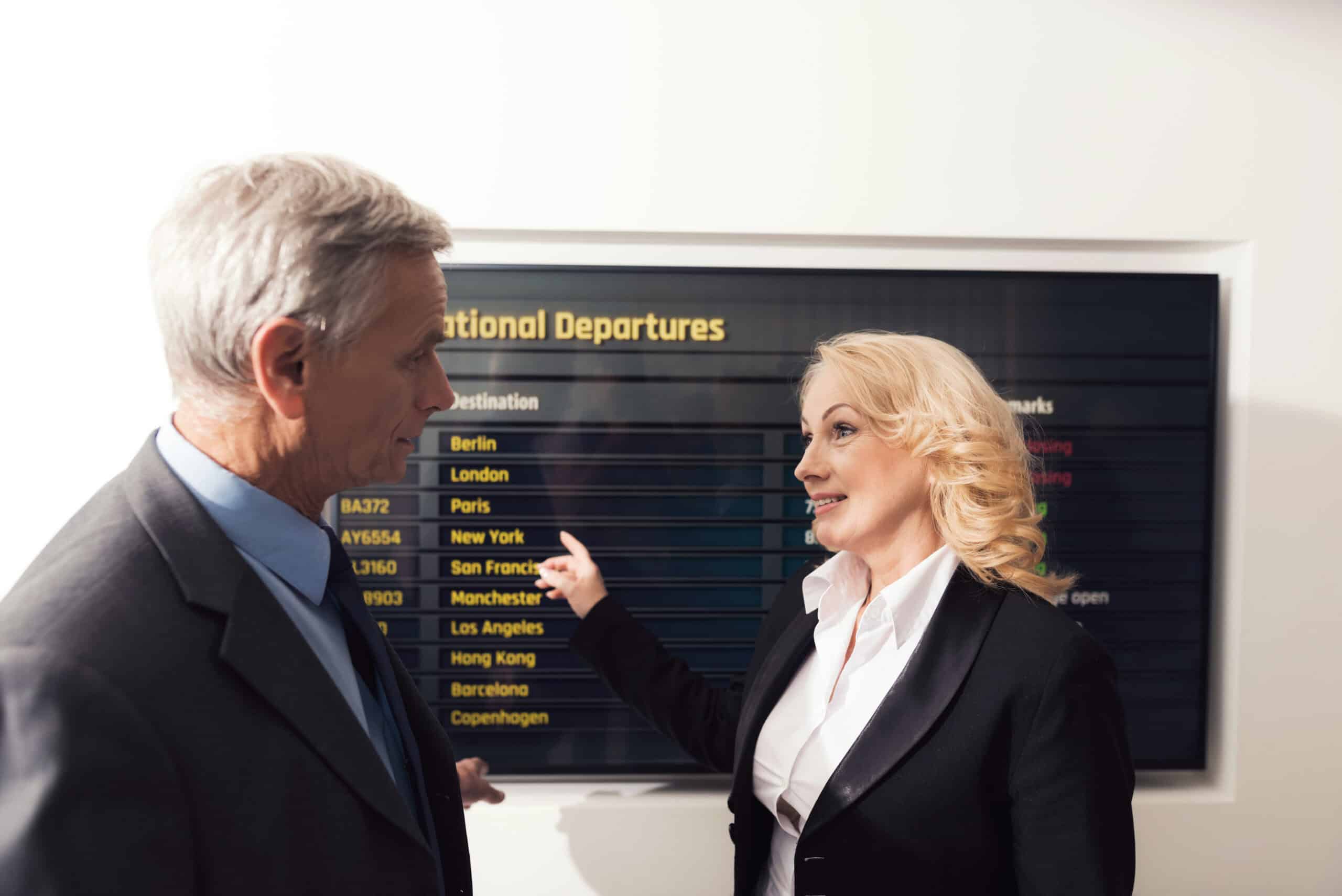
The quickest tell is not an accent, but the expectation that English should work abroad, right away, without much adjustment in tone or speed. When an American repeats the same sentence louder, piles on slang and idioms, or complains that a menu is not in English, it can feel like a status claim, not a request for help, even if the intention is simple frustration after a long day. The red flag softens when a basic greeting is offered, translation tools are used quietly, and patience replaces the impulse to treat language as a test that others should pass because effort signals respect, and respect opens doors faster than volume on many days.
Service Talk That Sounds Like Command

In the United States, customer service is often scripted to feel upbeat and accommodating, so requests can get phrased like confident directives. Abroad, that same tone, especially when paired with first-name familiarity, finger snapping, or a brisk need this now, can sound like hierarchy, not efficiency. The red flag appears when a complaint is delivered as performance, with threats of reviews or demands for a manager, instead of a calm question that gives the other person room to help, and it softens when the voices stay even, the request stays specific, and thanks arrive early, because in many places, respect is the real shortcut anyway.
Certainty That Leaves No Room

Americans are often trained to speak with certainty, to sound decisive, and to sell a point clearly, even in casual conversation with strangers. Abroad, that confidence can read as arrogance when it shows up as constant correcting, loud comparisons to home, or strong opinions about local life, from politics to prices to parenting, after a single afternoon of observation. The red flag is not having preferences, but treating them as universal facts, so the exchange turns into a debate, the local person becomes a representative, and curiosity gets replaced by winning. A softer approach leaves room for stories and the room can feel warmer faster.