We may earn money or products from the companies mentioned in this post. This means if you click on the link and purchase the item, I will receive a small commission at no extra cost to you ... you're just helping re-supply our family's travel fund.

Flight attendants do not pass around one official airport-hotel blacklist, but they do build private no-go lists fast. After enough late shuttles, sleepless layovers, dimly managed hallways, and rooms that never quite feel clean, certain hotel patterns get remembered. What they avoid is rarely about luxury. It is about whether a property protects rest, safety, and predictability after a long duty day. Near airports, those basics can disappear faster than the booking photos suggest, and frequent travelers often learn the same lesson for themselves one restless night at a time.
The Shuttle Hotel That Burns Rest Before Check-In
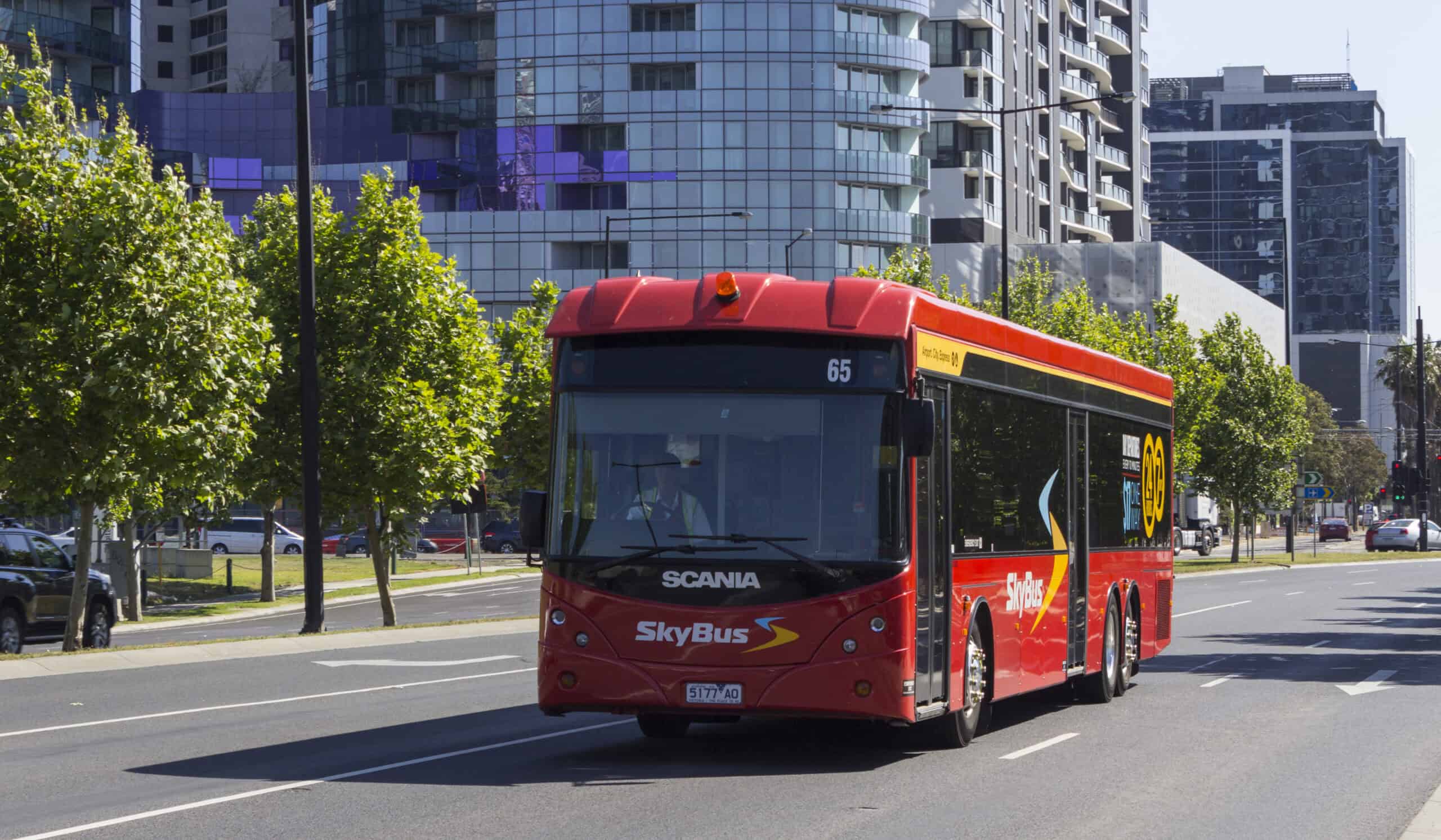
The first hotel to fall out of favor is often the one that treats airport transportation like a suggestion. Crew contracts at American’s flight attendant union specify safe, secure transportation and even non-stop transportation to and from the airport, which says a lot about how costly a missing shuttle can be after midnight. When the van arrives late, skips a terminal, or makes a slow parade of unrelated stops, the room may be acceptable, but the layover has already stopped feeling reliable, and the next report about that property practically writes itself before the crew even sleeps.
The Runway-View Stay With Thin Windows

Airport hotels love to advertise runway views, but crews usually read that as a warning label. IATA’s fatigue guide notes that crew rest hotel areas should minimize noise, and the WHO’s review on environmental noise found that transportation noise affects both measured sleep physiology and self-reported sleep disturbance in adults. A property can have polished floors, good coffee, and fast check-in, yet still earn a quiet blacklist status because every passing departure keeps the body half-awake and turns a scheduled rest period into a drawn-out battle with sound, vibration, and anticipation.
The Renovation Zone Masquerading As a Layover Hotel
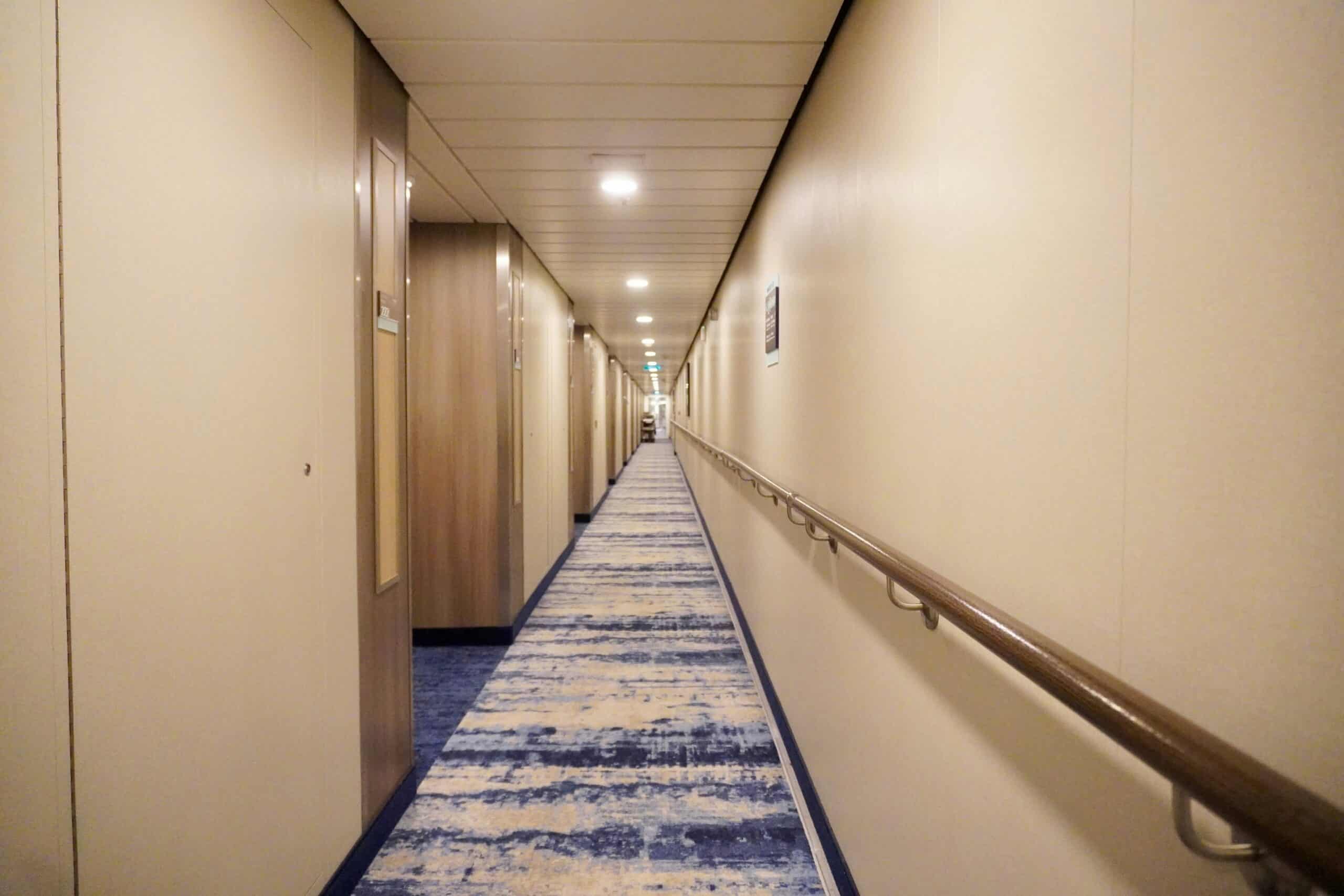
Few things sour a layover faster than a hotel trapped in permanent renovation. Crew accommodation language used by flight attendants explicitly flags problems with current renovation or construction, because drilling at 11 a.m. lands differently when a worker is trying to sleep on an inverted schedule. Fresh carpet and updated lobbies are not the problem. The problem is the hotel that keeps selling the promise of improvement while asking exhausted guests to rest through hammering, hallway plastic, blocked elevators, and the fine gray dust that somehow reaches every floor, ice machine, and pillow edge anyway.
The Bright Room That Never Truly Goes Dark
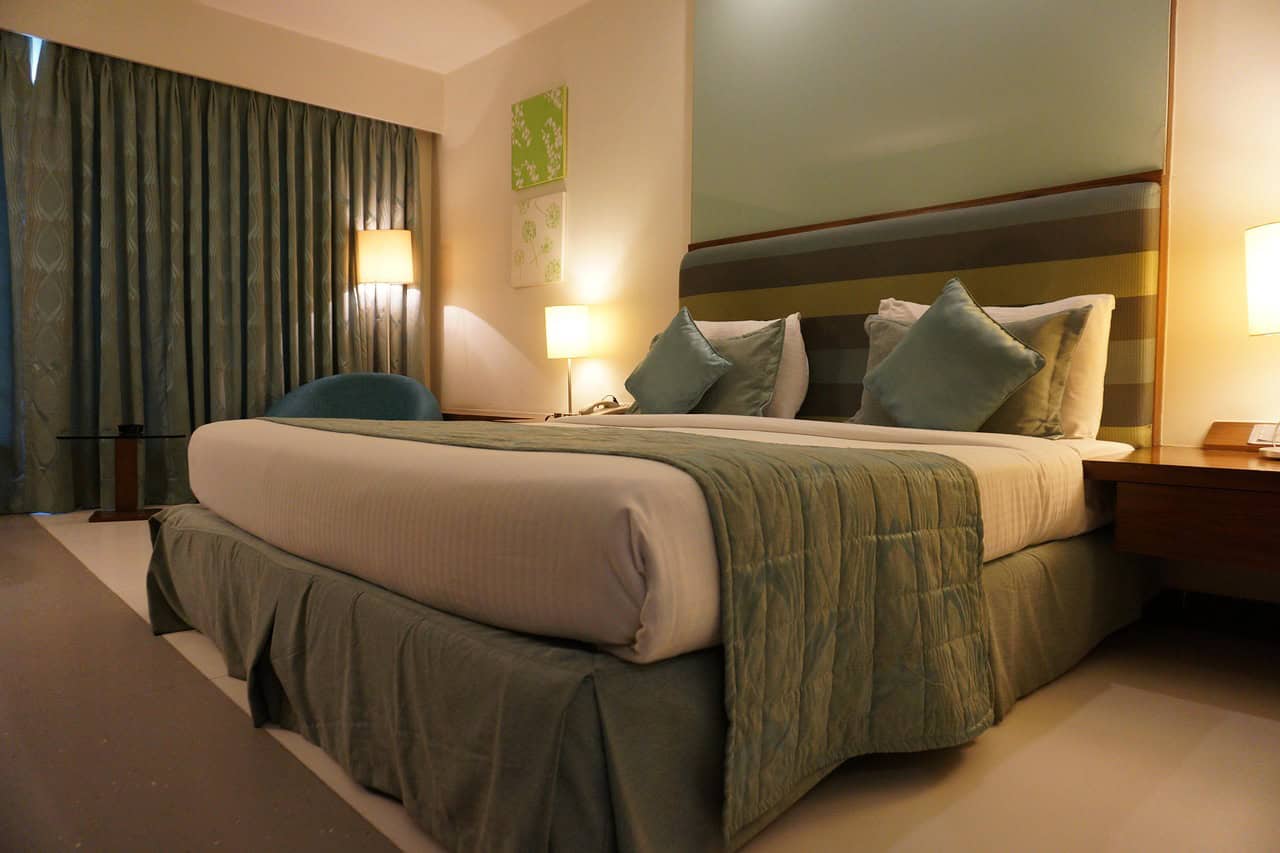
Some airport hotels fail long before the guest notices the mattress. They fail at light control. CDC sleep guidance says a good sleep environment should be very dark and quiet, and specifically notes that light leaking around windows or under doors can interfere with daytime sleep for shift workers. Flight attendants notice the room where parking-lot floodlights punch through thin curtains at noon, because in a job built around irregular hours, weak blackout curtains do not feel like a design flaw. They feel like stolen recovery time dressed up as décor, branding, and a cheerful room refresh.
The Property Where Security Feels Optional
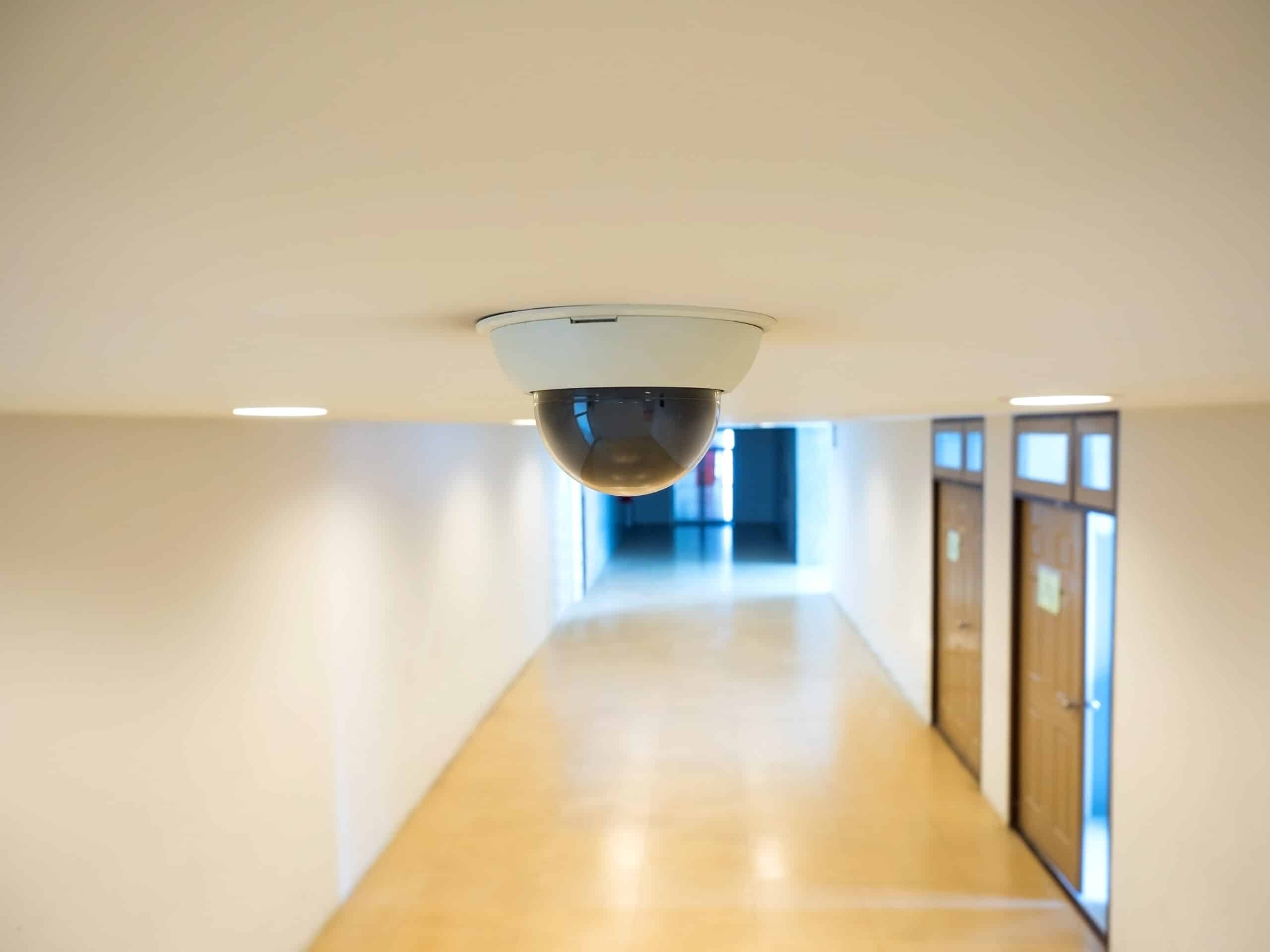
The hotel that feels vaguely unsafe rarely gets a second chance from crews. Union lodging standards call for adequate guest security, and the Association of Flight Attendants advises crew on layovers to use all door and window locks, confirm emergency calling works, and even request a hotel escort when needed. That is why dim side entrances, wandering key-card failures, or a front desk that shrugs at hallway traffic matter so much. A room does not need visible chaos to become a quiet no from people who rely on routine, access control, and a working phone to stay sharp on the next duty day.
The Spotless-Looking Room That Triggers a Bed Bug Check

A pretty room can still trigger immediate suspicion when cleanliness feels cosmetic instead of real. The EPA advises travelers to inspect hotel mattresses, headboards, and luggage racks for bed bugs, and to keep bags off the bed and floor. Flight attendants do not have the luxury of pretending that warning is theoretical. When a property has the kind of wear, clutter, or rushed housekeeping that makes a careful room check feel necessary, it enters memory fast, because one bad overnight can follow a crew member all the way home in a suitcase seam, zipper fold, backpack strap, or coat lining.
The Midnight Check-In That Eats Protected Rest
Crews remember the hotel where check-in somehow becomes a second shift. Flight attendant lodging rules at American call for crew rooms to be immediately available upon arrival, because after a duty day, waiting in a lobby is not a mild inconvenience. It cuts directly into protected rest. A property may look fine in daylight reviews, but if the night desk is understaffed, the keys are not ready, or the agent seems surprised that an airport hotel receives late arrivals, the building starts feeling miscast for the job it was built to do, and tired faces remember that mismatch long after the flight number fades.