We may earn money or products from the companies mentioned in this post. This means if you click on the link and purchase the item, I will receive a small commission at no extra cost to you ... you're just helping re-supply our family's travel fund.
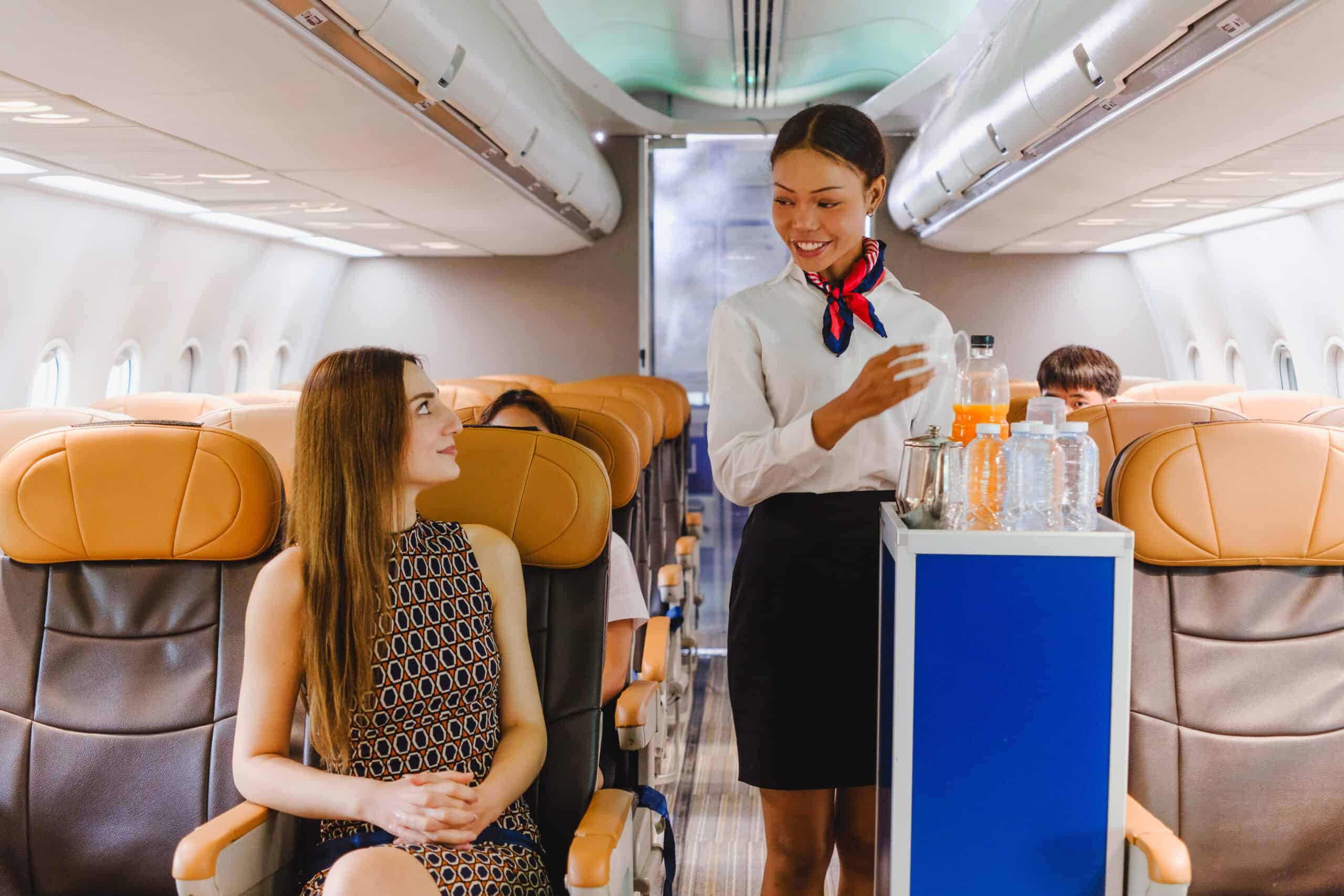
Air travel depends on quiet coordination. Behind the scenes, flight attendants manage safety checks, timing, and service in a tightly controlled environment where small delays quickly add up. Passengers often focus on comfort or routine habits, but certain behaviors create friction that is easy to miss in the moment. These patterns show up on almost every flight, not because people intend to disrupt anything, but because the impact is not always obvious. A little awareness can keep things moving smoothly and make the experience feel calmer for everyone involved.
Ignoring Boarding Instructions
/Freepik
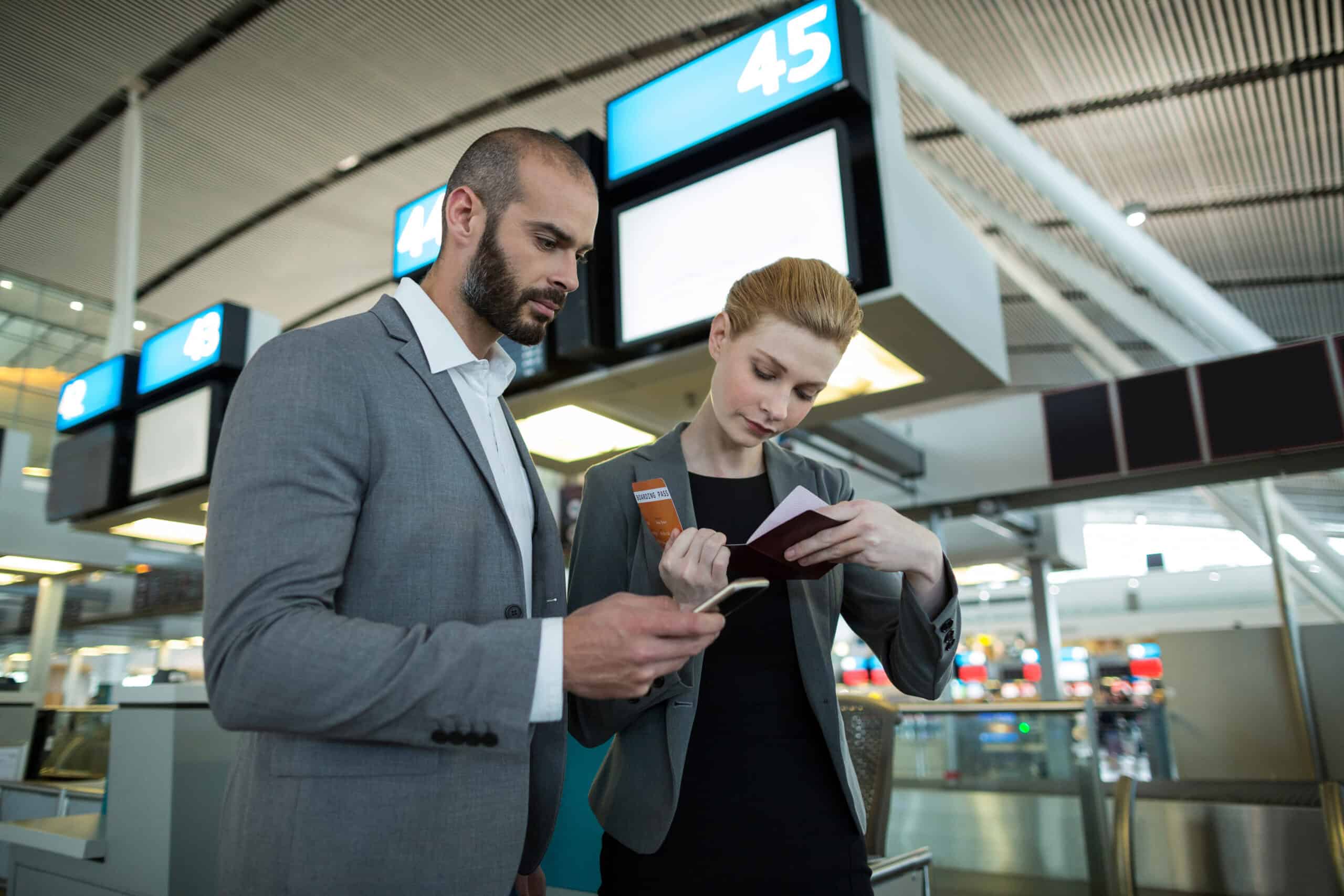
Boarding works best when passengers follow their assigned groups, yet many step forward early or crowd the gate. That breaks the flow and forces flight attendants to redirect people while managing tight timing. Overhead bins fill unevenly, lines slow down, and confusion spreads quickly. What feels like getting ahead often delays the entire process. When passengers move in order, the cabin fills faster and with less stress. A simple pause at the gate helps keep everything on track from the very first step.
Blocking The Aisle While Settling In
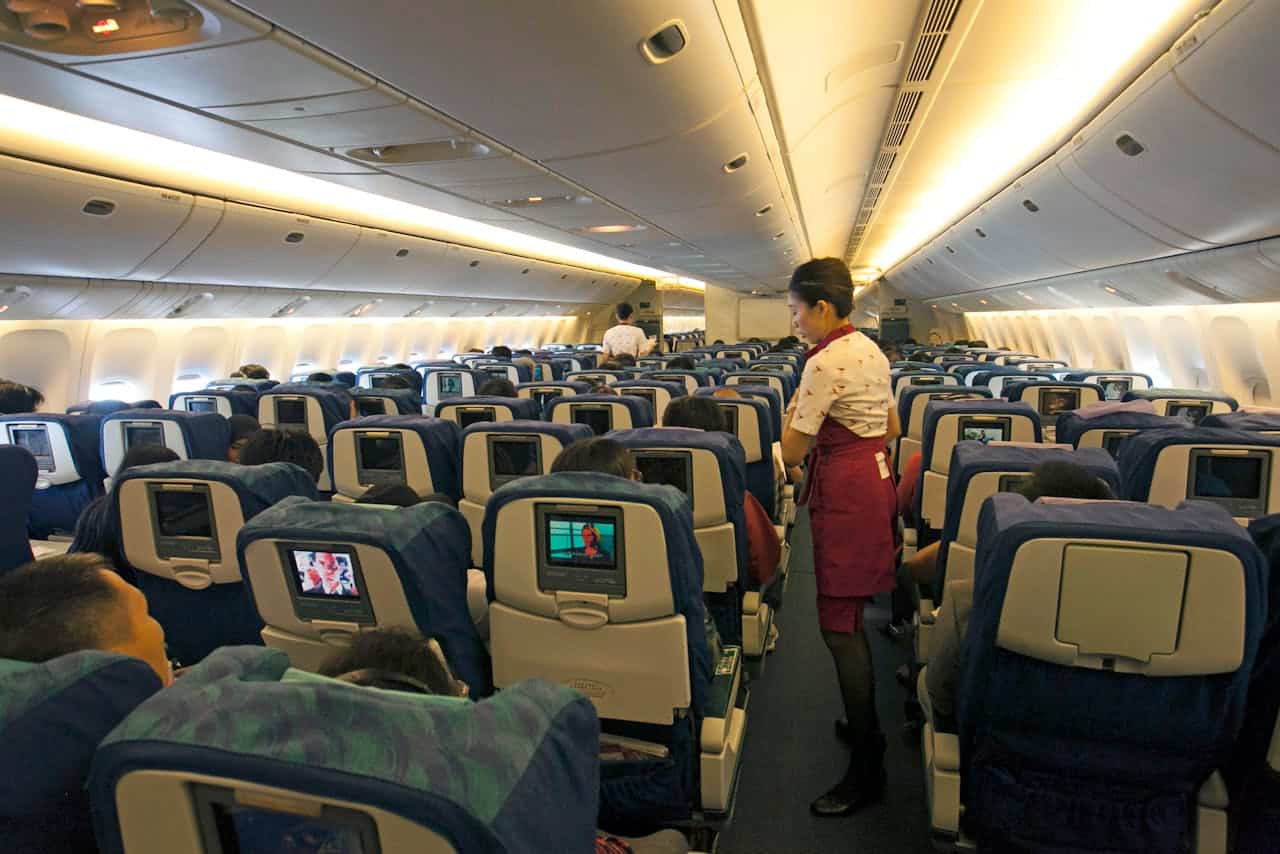
The aisle is a shared path, but it often becomes blocked when passengers stop to arrange bags or adjust their seats. Even a brief pause can hold up dozens of people behind them, creating pressure that builds fast. Flight attendants rely on steady movement during boarding, and any interruption makes their job harder. Stepping aside or staying aware of the flow keeps things moving. A few seconds of consideration can prevent a long line from forming and reduce tension in a crowded space.
Overstuffing Overhead Bins
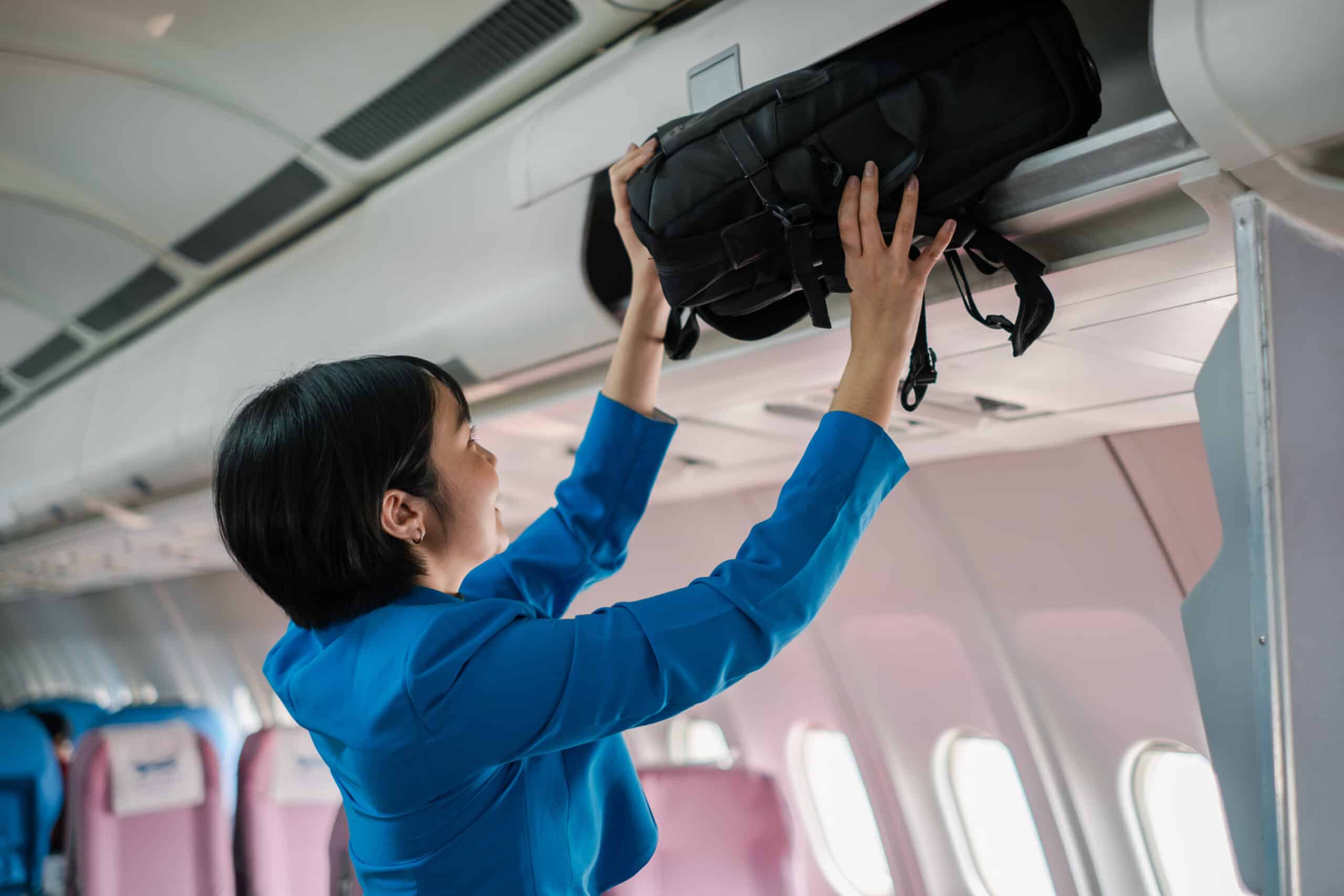
Overhead bins have limited space, yet many travelers try to force oversized bags into them. This leads to delays, damaged luggage, and last-minute rearranging that pulls flight attendants away from other duties. When bins fill unevenly, the crew has to step in and reorganize, which slows boarding for everyone. Packing within size limits and placing bags carefully keeps things simple. Thoughtful use of shared space helps avoid unnecessary stress and keeps the process moving at a steady pace.
Pressing The Call Button Repeatedly
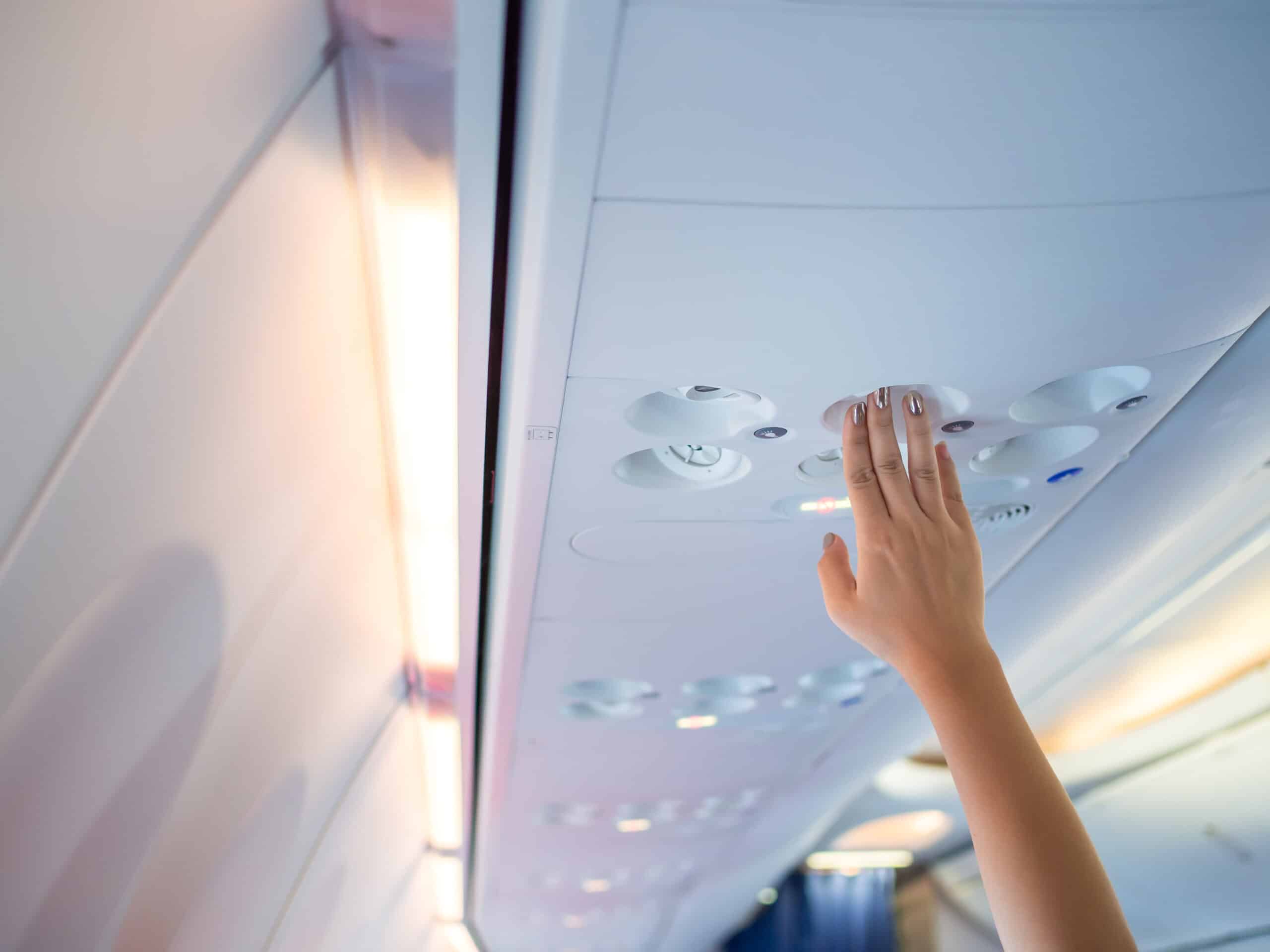
The call button is meant for important needs, but repeated use for minor requests can overwhelm the crew. Each alert requires attention, and too many at once can pull focus away from more urgent situations. Flight attendants move through the cabin in a system, handling requests in order. Interrupting that flow creates pressure and slows service overall. Patience often leads to quicker results, especially when the crew is already working through the cabin with a clear plan.
Ignoring Safety Demonstrations
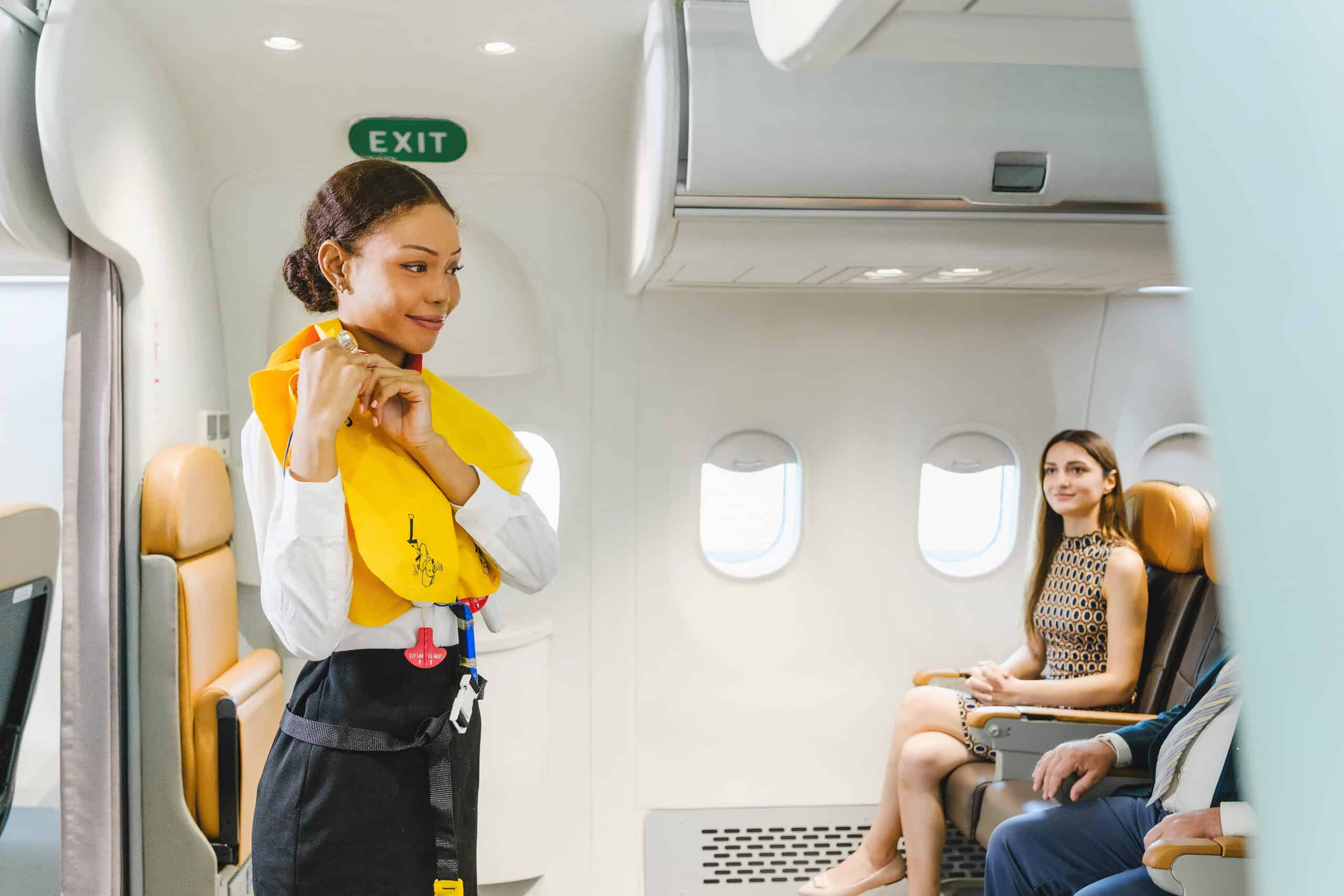
Safety briefings may feel routine, but they remain a key part of the flight. Flight attendants are required to ensure passengers understand basic procedures, even on familiar routes. When attention drifts, it becomes harder for them to confirm that everyone is prepared. These moments are not just formalities; they are built around real situations. A short pause to watch and listen supports the crew’s role and helps maintain a shared sense of awareness across the cabin.
Removing Shoes And Spreading Out
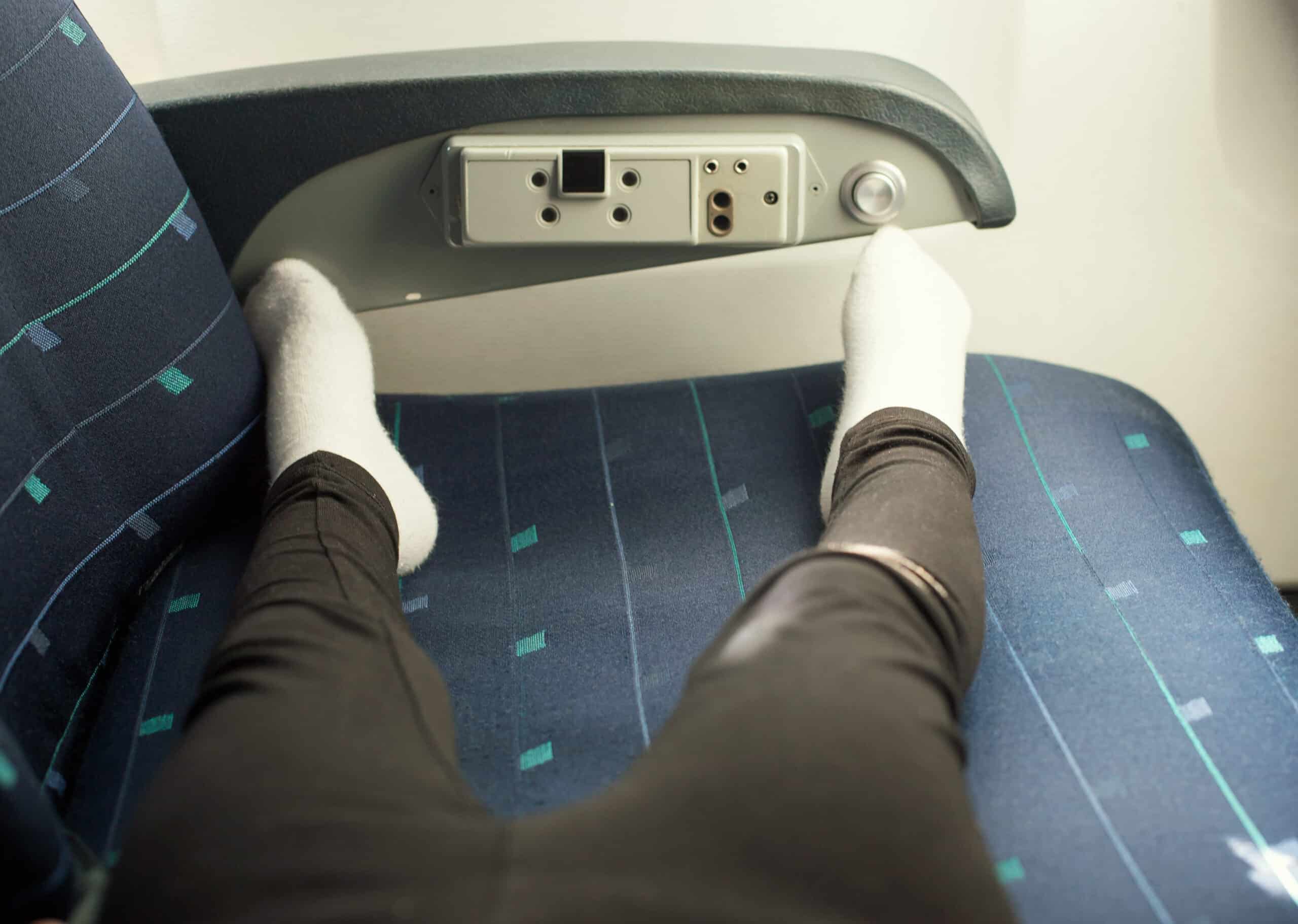
Comfort matters on a flight, but it needs to stay within shared boundaries. Removing shoes or stretching into nearby space can affect others more than expected, especially in close seating. Odors, limited room, and overlapping space quickly become noticeable. Flight attendants often step in when small actions start to affect nearby passengers. Keeping movements contained and respecting shared space helps maintain a calmer environment where everyone can settle in without discomfort.
Standing Up Too Soon After Landing
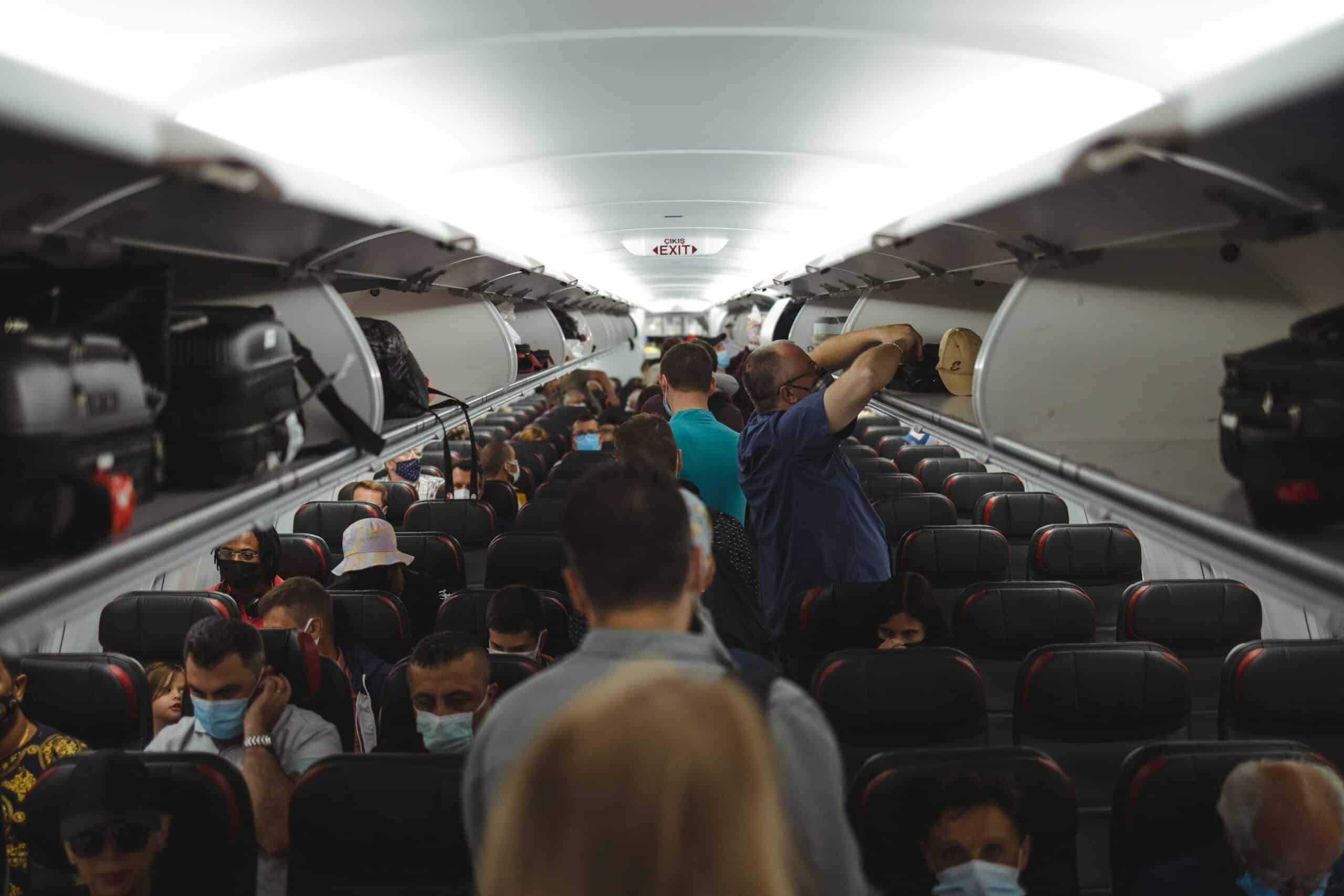
As soon as the plane stops, many passengers stand and reach for their bags before the seatbelt sign turns off. This creates congestion in the aisle and makes it harder for the crew to manage a safe exit. Flight attendants are responsible for keeping movement controlled until it is safe. Waiting a moment keeps the process orderly and reduces the chance of injury. A calm exit helps everyone leave the aircraft more efficiently without unnecessary delays.
Bringing Strong-Smelling Food
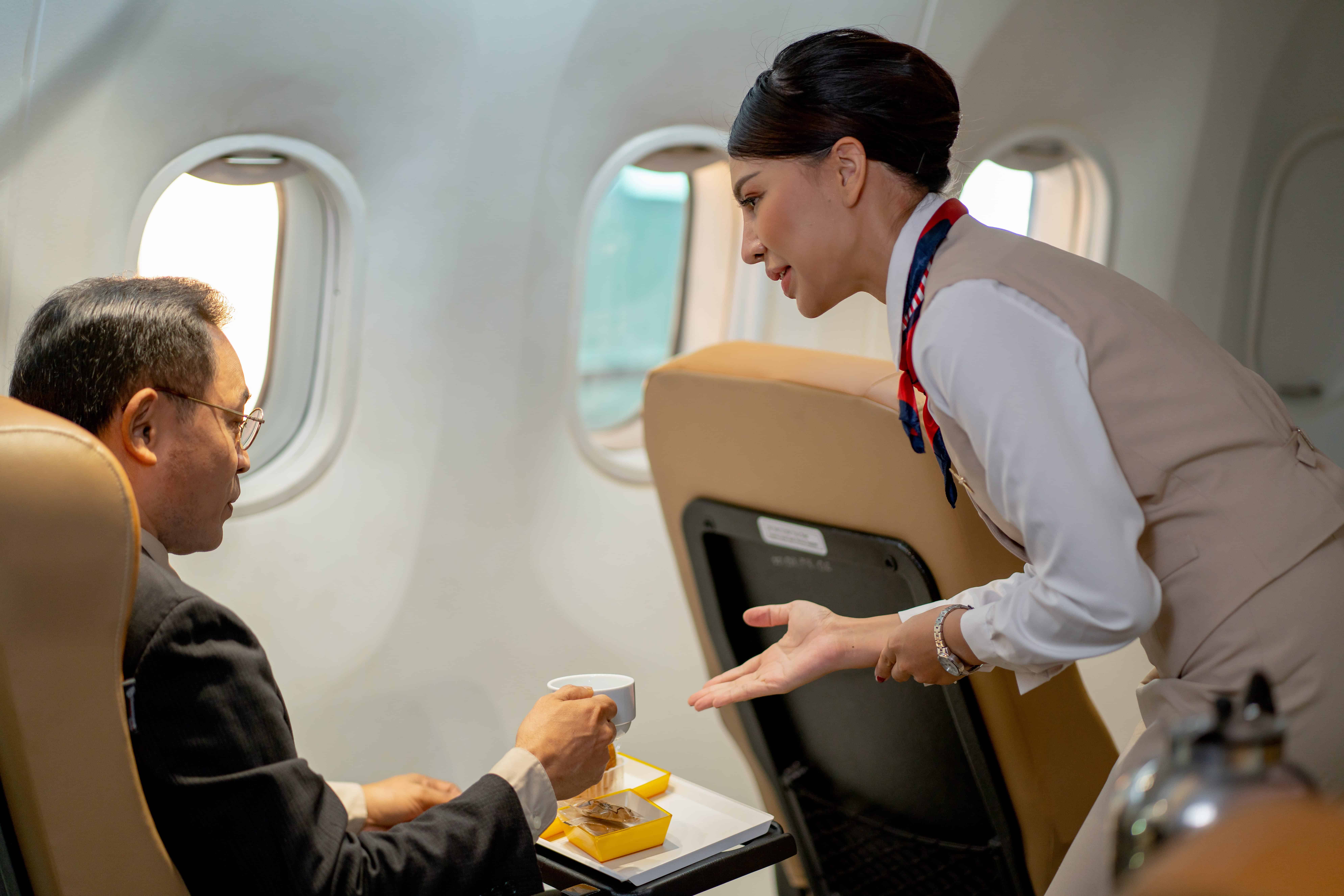
Food is part of travel, but strong smells can quickly fill a closed cabin. What seems normal to one person may feel overwhelming to others sitting nearby. Flight attendants often hear complaints when odors linger during the flight. Choosing neutral options helps maintain a balanced environment where everyone feels comfortable. Small choices like this shape the overall atmosphere more than expected, especially on longer flights where space is limited.
Treating Crew As Personal Assistants
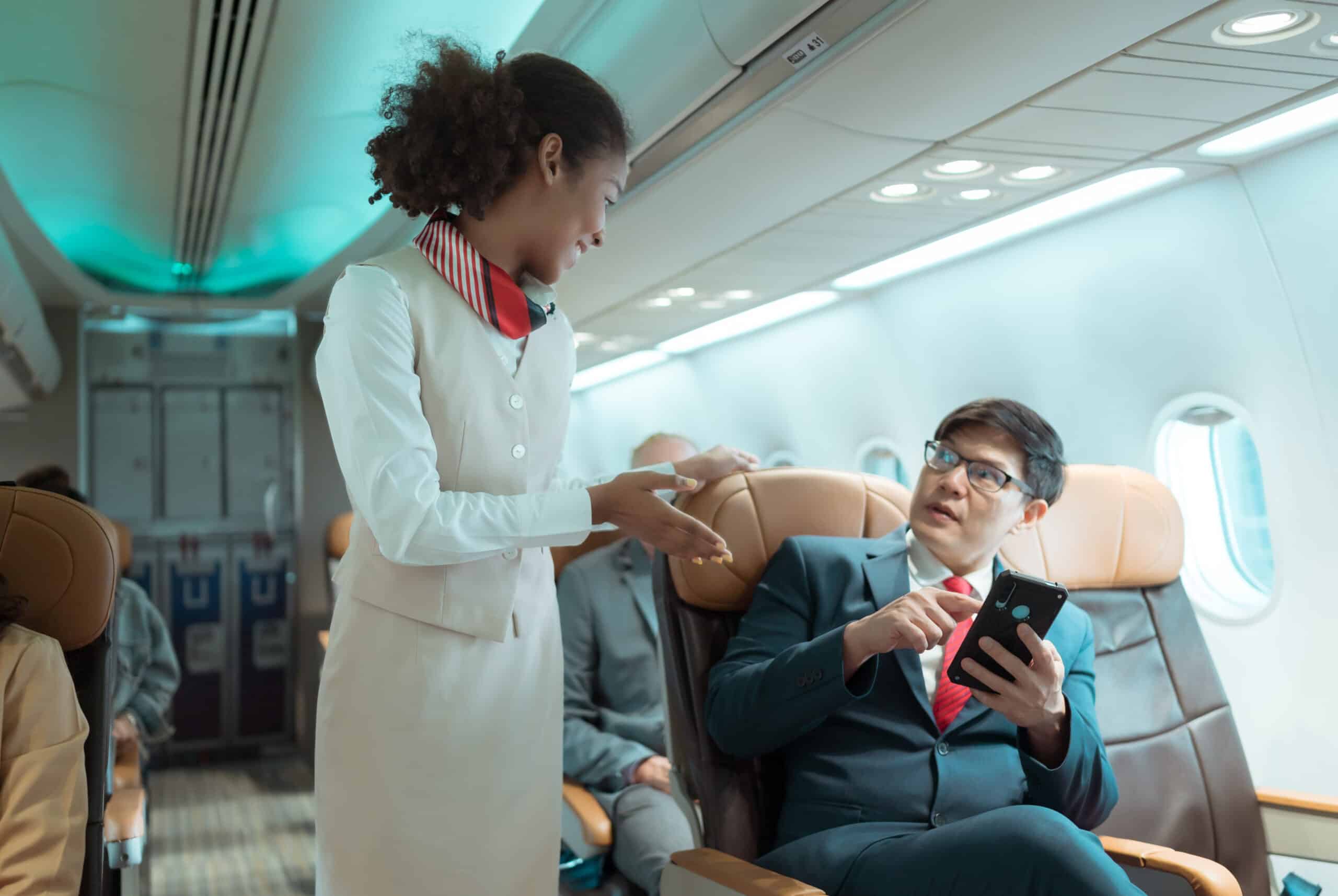
Flight attendants provide service, but their primary responsibility is safety. Treating them as personal assistants or making excessive demands can disrupt their workflow and slow the entire cabin. They manage multiple tasks at once, often under time pressure. Respectful communication and realistic expectations make a clear difference. When passengers cooperate, the crew can focus on both service and safety without unnecessary strain, creating a smoother experience for everyone on board.