Flagstaff Sits at 7,000 Feet and Has Snow Half the Year. That’s Exactly Why It Beats Sedona as a Base for Exploring Northern Arizona.
We may earn money or products from the companies mentioned in this post. This means if you click on the link and purchase the item, I will receive a small commission at no extra cost to you ... you're just helping re-supply our family's travel fund.
Sedona draws roughly three million visitors annually to see its red rock formations, but Flagstaff, just 30 miles north at nearly 7,000 feet elevation, offers a genuinely better home base for exploring the broader northern Arizona region, combining lower lodging costs, cooler summer temperatures, proximity to the Grand Canyon’s South Rim, and a walkable downtown built around Northern Arizona University that Sedona’s more tourist-saturated commercial strip simply doesn’t match.
The comparison matters because most visitors default to booking Sedona lodging without seriously considering that Flagstaff sits close enough to reach Sedona easily as a day trip while also providing considerably easier access to the Grand Canyon, the San Francisco Peaks, and Route 66 attractions that would require a much longer drive from a Sedona home base.
The Elevation Difference That Changes Everything
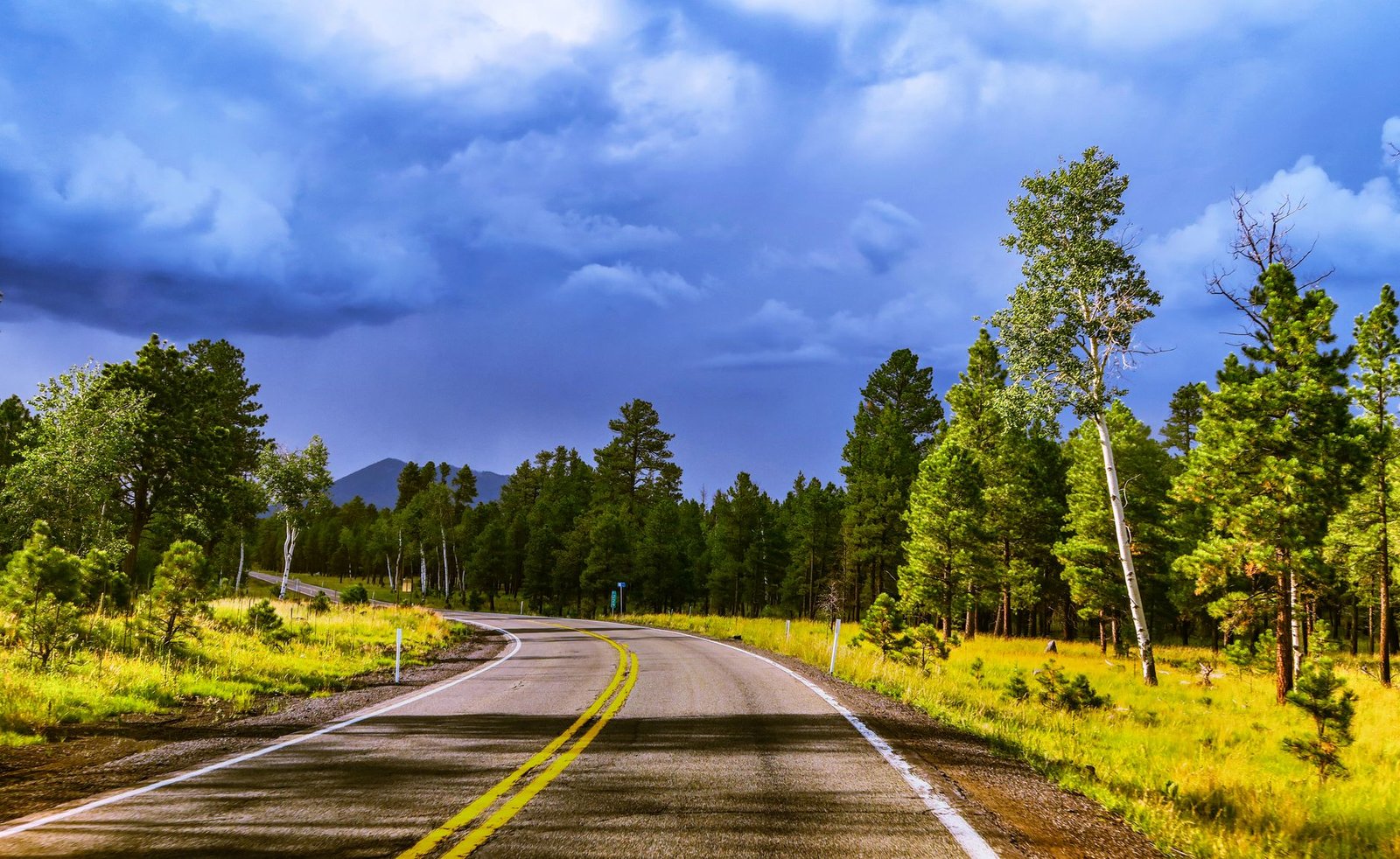
Flagstaff’s nearly 7,000-foot elevation, compared to Sedona’s roughly 4,500 feet, produces a dramatically different climate experience, with Flagstaff seeing regular winter snowfall and summer high temperatures that rarely exceed the mid-80s, while Sedona’s summer heat regularly climbs into the 90s and beyond, a difference that matters considerably for visitors planning outdoor activities during Arizona’s hottest months.
This elevation difference also gives Flagstaff a ponderosa pine forest landscape entirely different from Sedona’s red rock desert scenery, meaning a Flagstaff-based visitor experiences two distinctly different Arizona ecosystems within a single day’s driving radius, an ecological diversity that a Sedona-only visit simply cannot replicate.
Flagstaff’s cooler climate has also made it a historic base for astronomical research, home to Lowell Observatory where Pluto was discovered in 1930, an institution that continues operating public stargazing programs that take advantage of the area’s high elevation and correspondingly clear, dark skies, a specific attraction with no equivalent in Sedona.
Why the Lodging Math Favors Flagstaff So Clearly
Sedona’s hotel and vacation rental pricing runs substantially higher than Flagstaff’s comparable lodging options, driven by the concentrated red rock viewshed premium that Sedona properties command and the town’s deliberate positioning as an upscale wellness and spa tourism destination, while Flagstaff’s lodging market, shaped by its university town economy and Grand Canyon gateway function, offers more moderate pricing across a wider range of budget levels.
- Flagstaff sits roughly 80 miles from the Grand Canyon’s South Rim, a manageable day trip distance that Sedona-based visitors would need considerably longer to cover
- Route 66 runs directly through downtown Flagstaff, adding a historic road trip attraction absent from Sedona entirely
- Northern Arizona University adds a walkable, affordable downtown dining and entertainment scene that operates independent of tourist season pricing
- Flagstaff’s Snowbowl ski area, roughly 15 minutes from downtown, offers winter recreation that Sedona’s lower elevation cannot support
What Sedona Still Does Better
Sedona’s red rock formations, including Cathedral Rock and Bell Rock, remain genuinely unique attractions that require visiting Sedona directly regardless of where a traveler bases their trip, and Sedona’s concentration of hiking trails through those formations offers a specific outdoor experience that Flagstaff’s pine forest terrain, however scenic in its own right, cannot substitute for.
Sedona’s wellness and spa tourism infrastructure, including numerous high-end resorts built specifically around the area’s New Age and vortex tourism reputation, gives it a specific luxury tourism niche that Flagstaff’s more modest, university-town-influenced hospitality sector doesn’t attempt to compete with directly.
How the Day-Trip Math Actually Works
A Flagstaff-based visitor can drive to Sedona in under 45 minutes, spend a full day hiking and sightseeing among the red rocks, and return to more affordable lodging each evening, a pattern that lets visitors experience Sedona’s specific attractions without paying Sedona’s lodging premium for the length of an entire trip.
The reverse trip, a Sedona-based visitor day-tripping to Flagstaff or the Grand Canyon, involves considerably more driving time to reach the Grand Canyon specifically, making the Flagstaff-based strategy more efficient for visitors trying to see multiple northern Arizona attractions within a single trip rather than committing entirely to the red rock experience alone.
Why Most Visitors Still Default to Sedona Anyway
Sedona’s marketing and broader cultural recognition, reinforced by decades of film appearances and a well-established reputation as a premier Arizona tourist destination, means most first-time visitors book Sedona lodging by default without ever seriously researching the Flagstaff alternative, a pattern that travel bloggers and regional tourism writers have increasingly pushed back against as more travelers discover the logistical and financial advantages of the Flagstaff-based approach.
Local tourism officials in Flagstaff have started marketing the city more explicitly as a Grand Canyon and northern Arizona base camp rather than trying to compete directly with Sedona’s red rock brand, a positioning strategy that plays to Flagstaff’s actual geographic and logistical advantages rather than attempting to replicate what Sedona already does distinctively well.
The Grand Canyon Access Advantage in Practical Terms
Visitors planning a trip that includes both Sedona and the Grand Canyon face a real logistical decision about where to base themselves, and the math consistently favors Flagstaff: basing in Sedona and day-tripping to the Grand Canyon involves a drive of roughly two and a half hours each way, consuming the better part of a full day just in transit, while basing in Flagstaff cuts that drive time by more than half, leaving considerably more actual time at the canyon itself rather than on the road getting there and back.
This logistical advantage compounds over a multi-day trip, since a Flagstaff base allows visitors to treat both the Grand Canyon and Sedona as manageable day trips within the same overall stay, while a Sedona base essentially forces a choice between committing an entire day to the longer Grand Canyon round trip or skipping the canyon altogether, a tradeoff that a surprising number of first-time Arizona visitors don’t fully realize until they’re already deep into planning their itinerary and lodging is already booked.
What Local Tourism Data Actually Shows
Flagstaff’s visitor bureau has reported steady growth in overnight stays over the past several years, a trend local officials attribute partly to increased awareness of the base-camp positioning strategy and partly to broader growth in Grand Canyon visitation, which reliably exceeds five million visitors annually and represents a far larger visitor pool than Sedona alone, giving Flagstaff a structural advantage simply by sitting closer to the more heavily visited of the two major attractions.
Whether this shift meaningfully changes the long-established pattern of Sedona-first trip planning remains to be seen, but the practical case for Flagstaff as the smarter logistical choice has become considerably harder to ignore as more travel content creators and regional guides have started making the comparison explicitly rather than treating Sedona as the obvious default choice for anyone visiting northern Arizona.