We may earn money or products from the companies mentioned in this post. This means if you click on the link and purchase the item, I will receive a small commission at no extra cost to you ... you're just helping re-supply our family's travel fund.
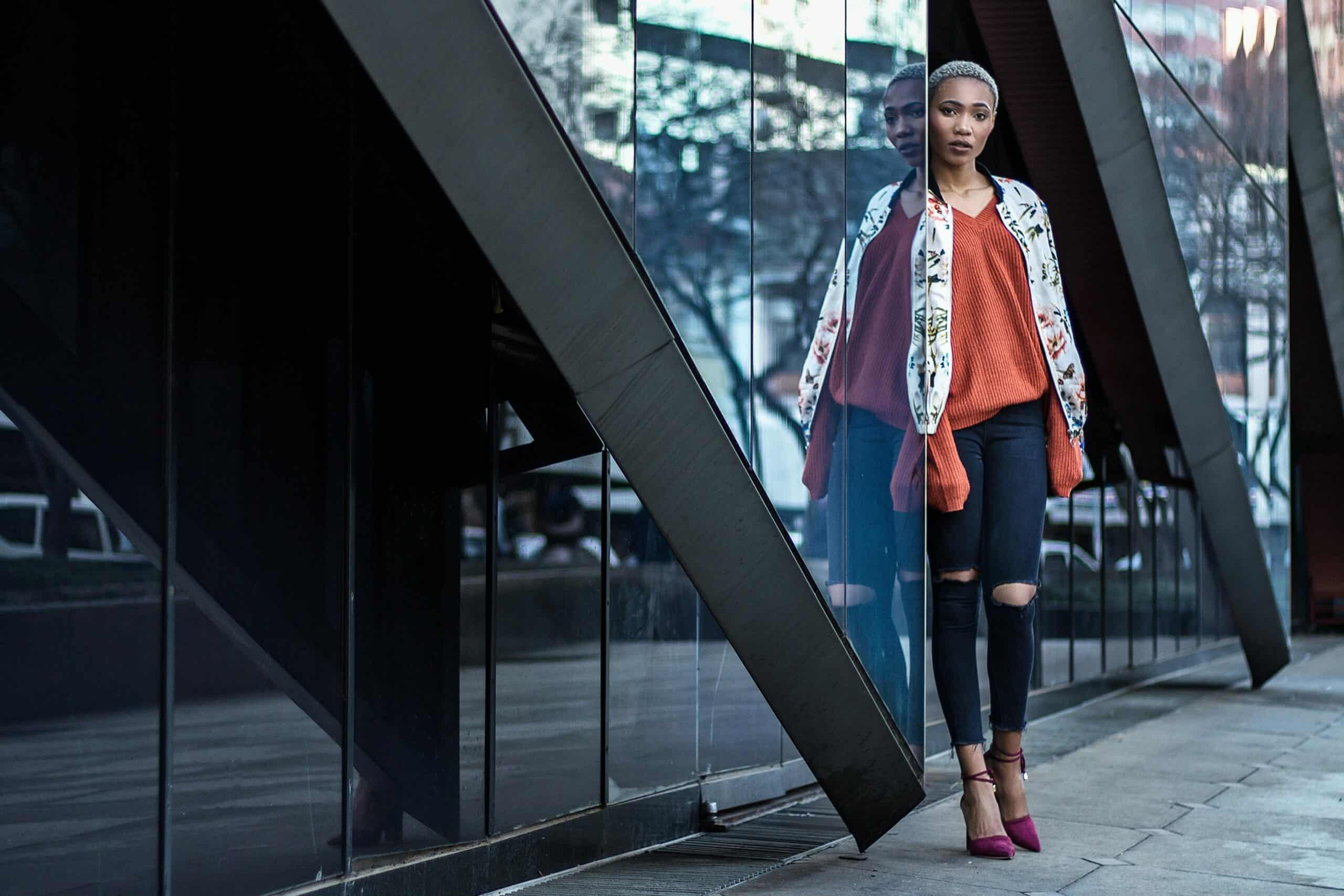
She did not start the trip looking for danger stories. She started with a backpack, a notebook, and a plan to learn cities by walking them. Over time, a pattern formed in a handful of places where small problems piled up fast: pushy interactions, murky transport choices at night, theft pressure in crowds, and streets that felt different after dark. Her experience is personal, not universal, and many travelers feel perfectly fine in these same destinations. Still, her notes are useful because they show how quickly confidence can drop when conditions shift.
Cairo, Egypt, Constant Friction Wore Her Down

Cairo gave her unforgettable history, bold street life, and intense sensory energy, yet daily movement often felt draining. The hardest part was not one headline incident. It was repetition: persistent attention, pressure in tourist zones, and the need to keep recalculating simple choices like crossing a street or finding a taxi after sunset. By evening, decision fatigue set in. She still admired the city’s depth and generosity, but she wrote that safety did not feel like a background condition there. It felt like an active task she had to manage every hour.
Rio De Janeiro, Brazil, A City Of High Highs And Sharp Edges
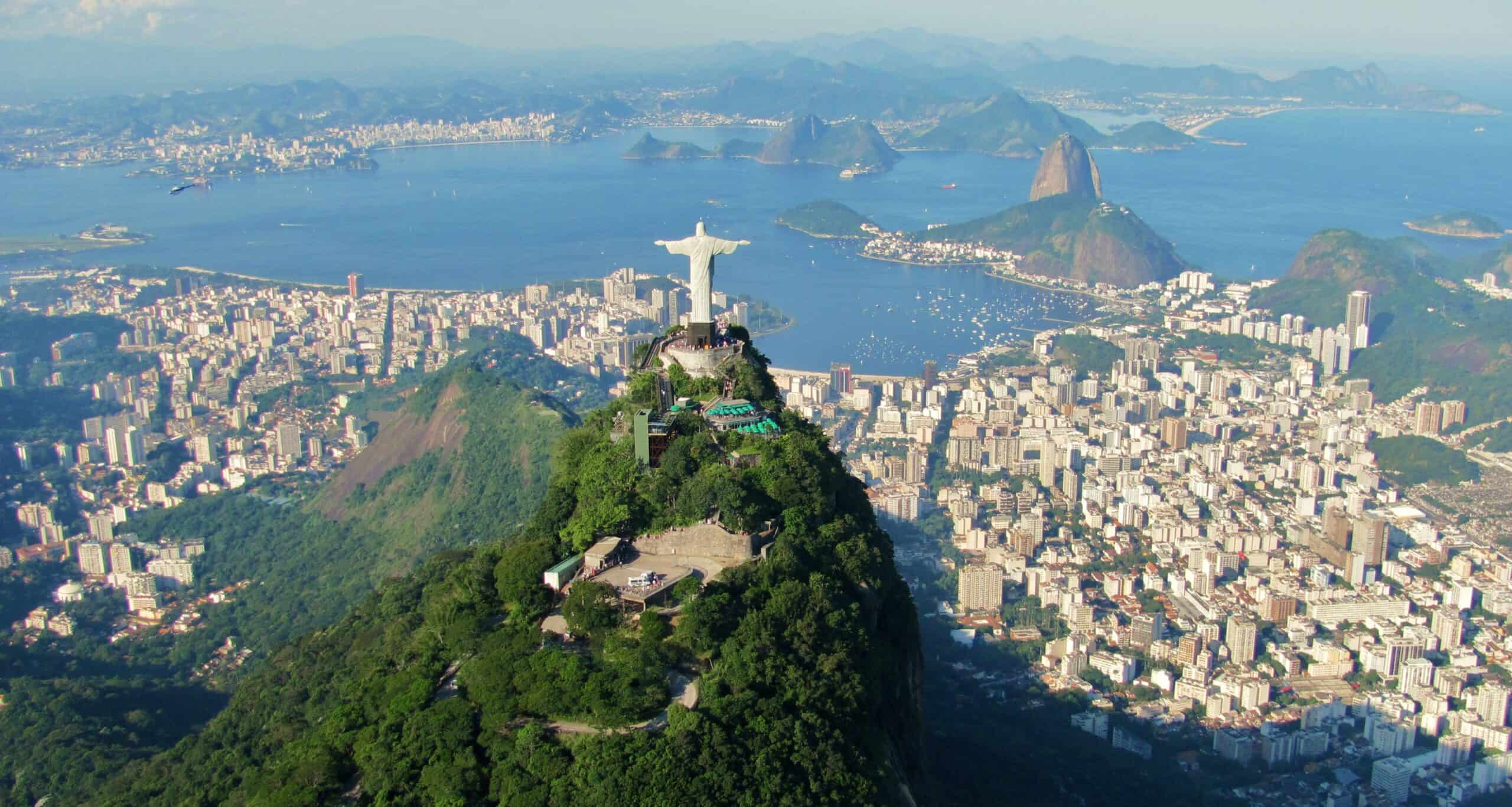
Rio delivered some of her favorite memories, especially along the coast in daylight, where the city felt open, vibrant, and full of rhythm. What shifted her mood was the transition to evening, when transport links, quiet stretches, and phone visibility suddenly felt like risk factors rather than minor details. She became stricter about routes, stopped wearing visible jewelry, and avoided spontaneous detours after dark. None of that erased the city’s beauty. It simply changed how she moved through it, with more structure, less improvisation, and tighter boundaries.
Paris, France, Crowds That Made Theft Feel Close
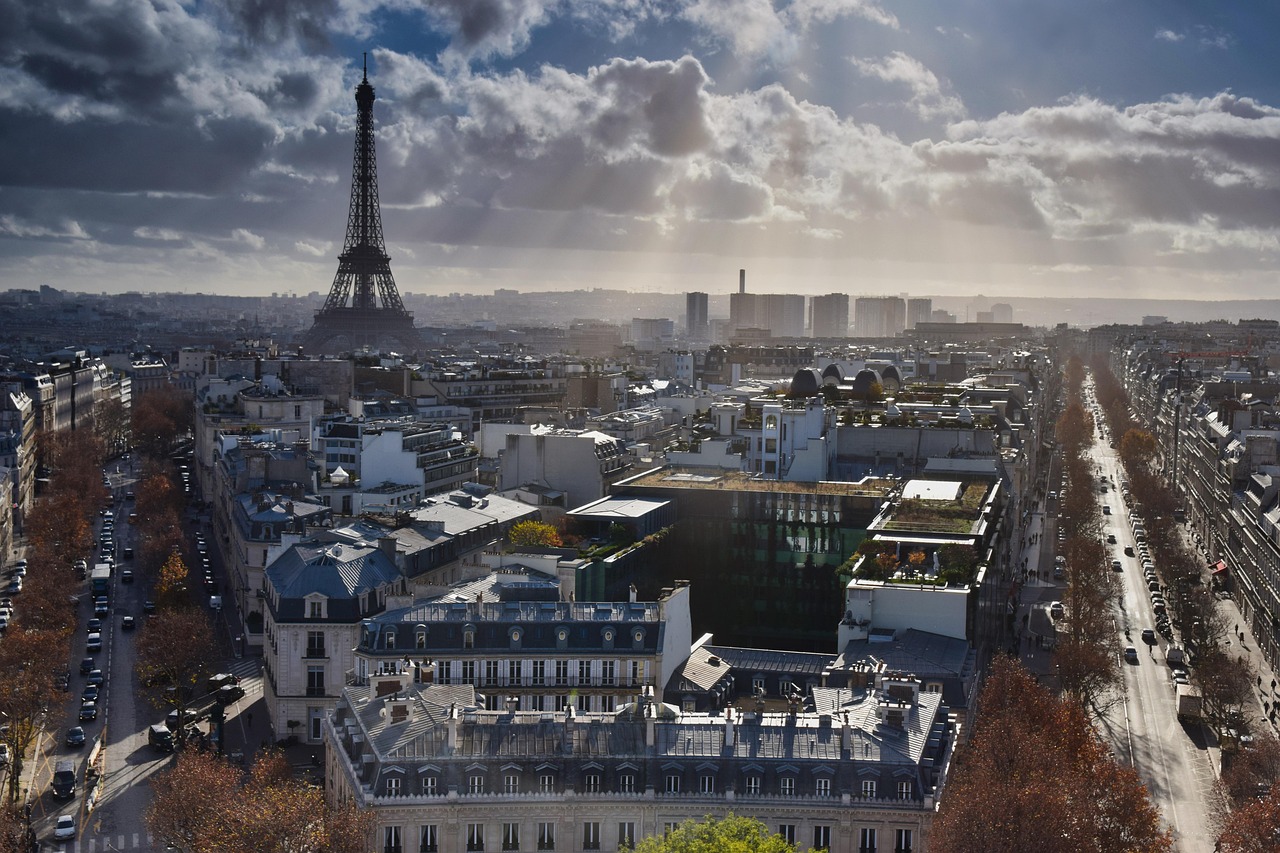
Paris never felt physically chaotic in the way some cities do, but it often felt opportunistic, especially near stations, metro lines, and major attractions. Her stress came from proximity: crowded platforms, sudden jostling, and moments where distraction seemed engineered. She was never violently confronted, yet she still described a constant low-grade vigilance around bags, phones, and route checks. The city remained elegant and rewarding, but she noticed how fast enjoyment dropped when public movement became defensive. In her notes, Paris taught her that unease can be subtle and still exhausting.
Delhi, India, Mental Load Was The Real Challenge
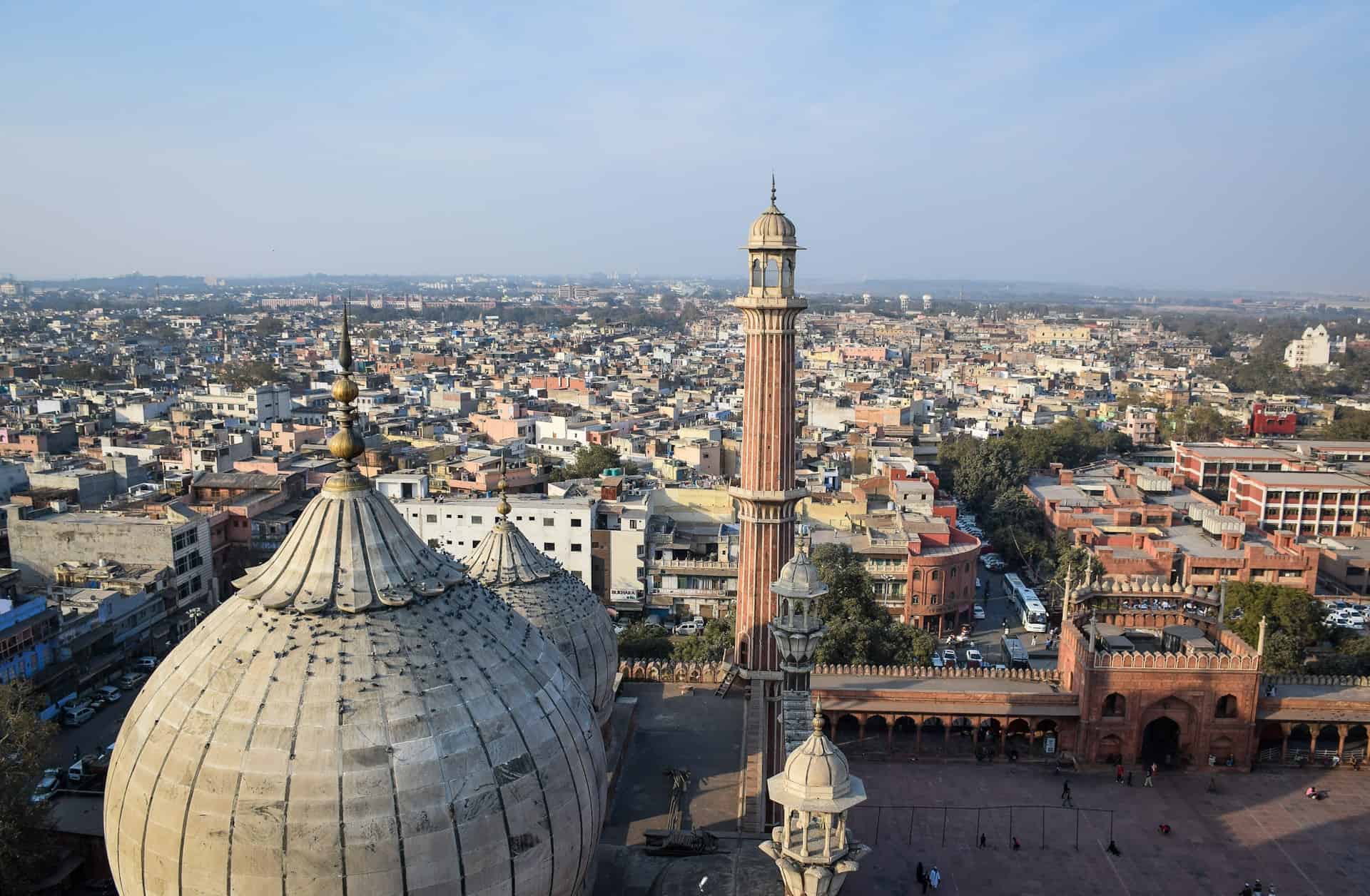
Delhi challenged her less through one dramatic event and more through sustained mental pressure. She described stretches of intrusive attention, unpredictable street dynamics, and transport decisions that looked simple on paper but felt complicated after dark. She also met kindness and real hospitality, which made the contrast sharper rather than softer. The issue was inconsistency: one calm hour followed by one tense block, then another reset. Over several days, that pattern reduced her spontaneity. She planned harder, returned earlier, and treated routine outings like tasks that needed backup options.
Johannesburg, South Africa, Vigilance Became A Daily Habit
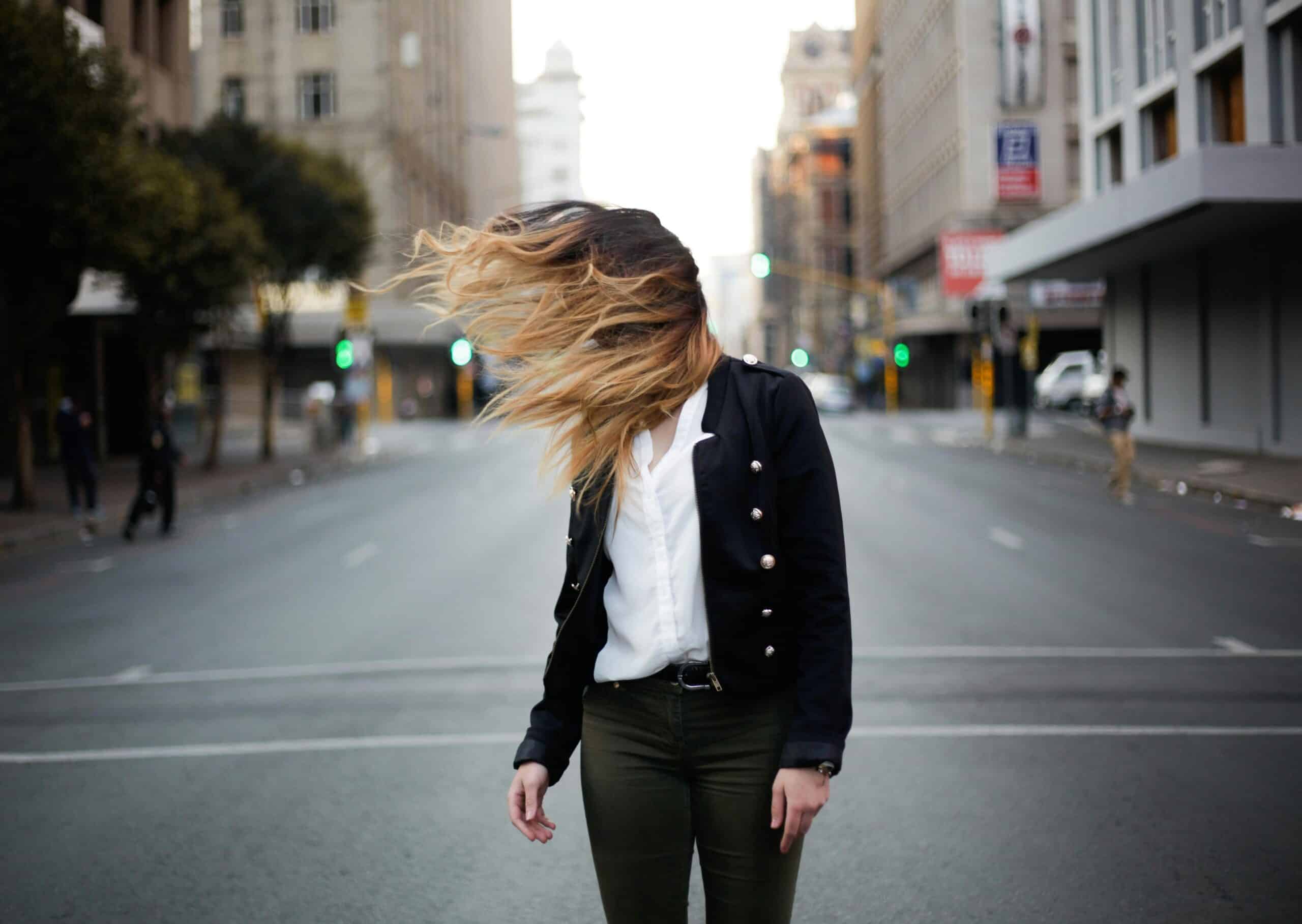
Johannesburg surprised her with creative neighborhoods, strong food culture, and warm conversations, but it also demanded a tighter operating mode from morning onward. She became highly deliberate about where she stayed, how she booked rides, and when she moved between areas, especially in the evening. The stress was not tied to one single district. It came from unpredictability and the feeling that one poor timing choice could escalate quickly. She did not leave with fear. She left with respect, clear habits, and a sharper sense that safety often depends on structure, not confidence.