We may earn money or products from the companies mentioned in this post. This means if you click on the link and purchase the item, I will receive a small commission at no extra cost to you ... you're just helping re-supply our family's travel fund.

A trip can feel carefully built and suddenly fragile when a wallet goes missing in a station, an airport queue, or a crowded square. Travel-security advice tends to agree on one point: money is safest when it is not all riding in the same easy-to-reach place. Seasoned travelers, consumer advocates, and U.S. travel guidance all lean toward a layered approach that keeps daily spending accessible, backup cash hidden, and important documents separated from both. That simple habit can turn a stressful setback into a manageable inconvenience instead of a ruined journey.
Inside A Hidden Money Belt
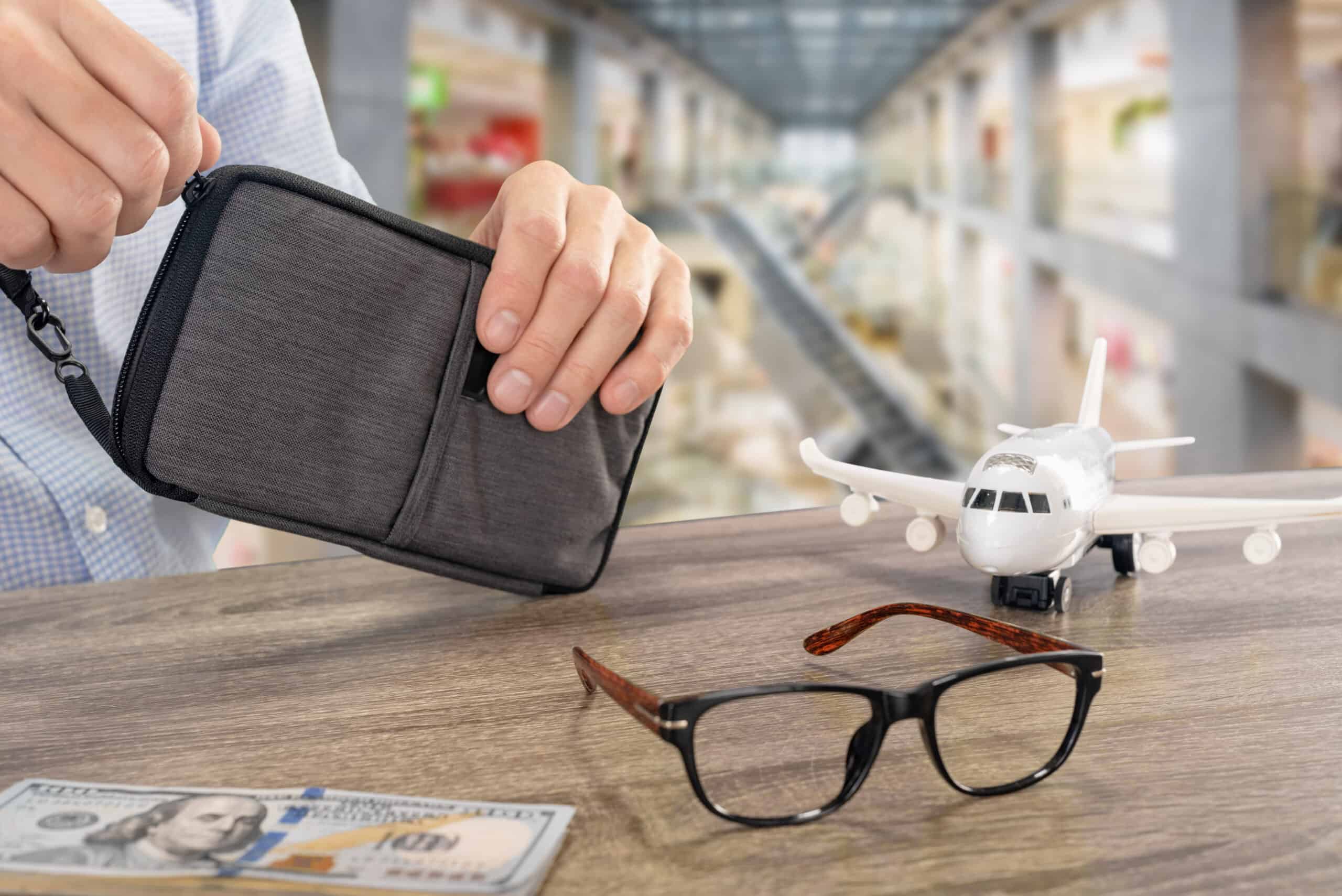
Experts still return to the old-fashioned money belt for a reason: it keeps backup cash and a spare card under clothing, out of sight, and far less exposed to quick hands in transit hubs or tourist-heavy streets. Rick Steves describes it as deep storage rather than an everyday wallet, a place for the items a traveler least wants to lose. The safer habit is to treat that belt like an emergency reserve, checking it in private and leaving only a modest amount of spending money elsewhere during the day. It is less glamorous than a designer travel wallet, but that plainness is part of its strength.
In The Interior Zipper Of A Crossbody Bag
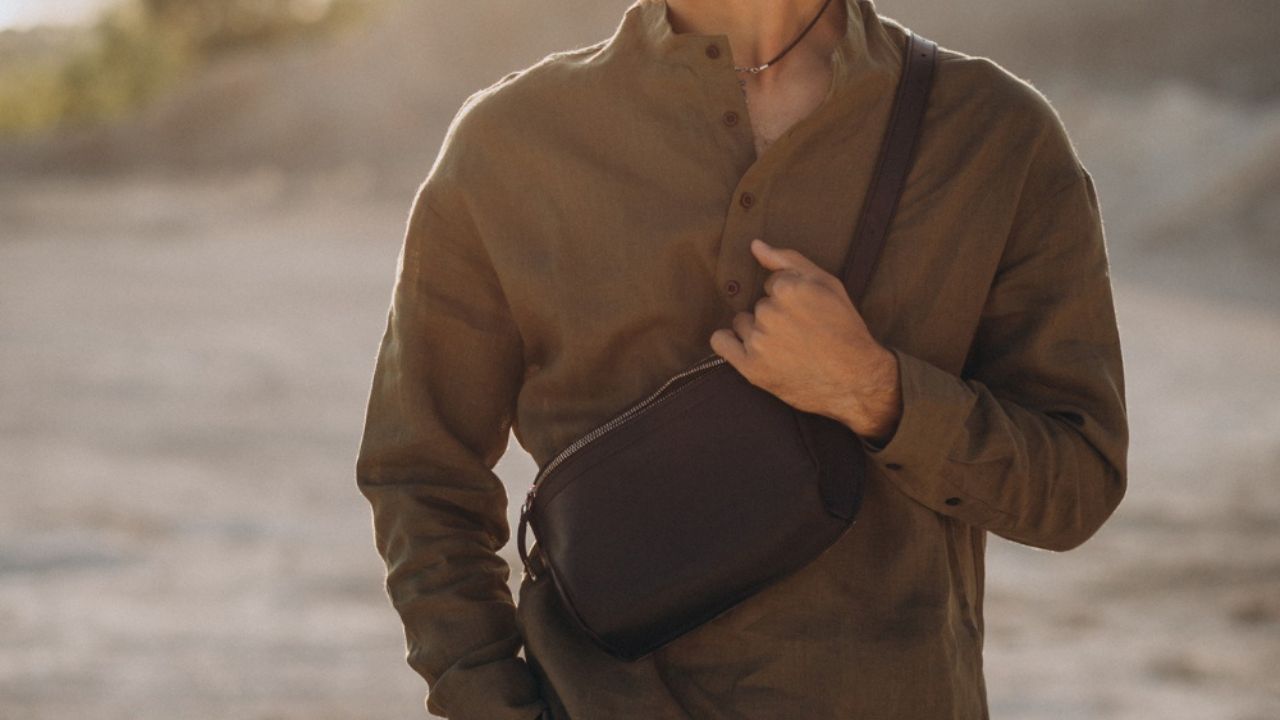
A crossbody bag becomes much safer when it is worn on the chest in crowds and used intelligently inside. AAA advises travelers to shorten the strap, keep the bag in front, and use several zippered compartments, with larger bills and cards tucked into an inner section rather than an outer slip pocket. That setup matters because busy plazas, train platforms, and airport lines reward distraction, and the easiest target is usually the bag that hangs loose at the hip with its valuables sitting near the top. Security often comes down to boring details, and the inner zipper is one of them.
In A Separate Pocket Or Money Pouch
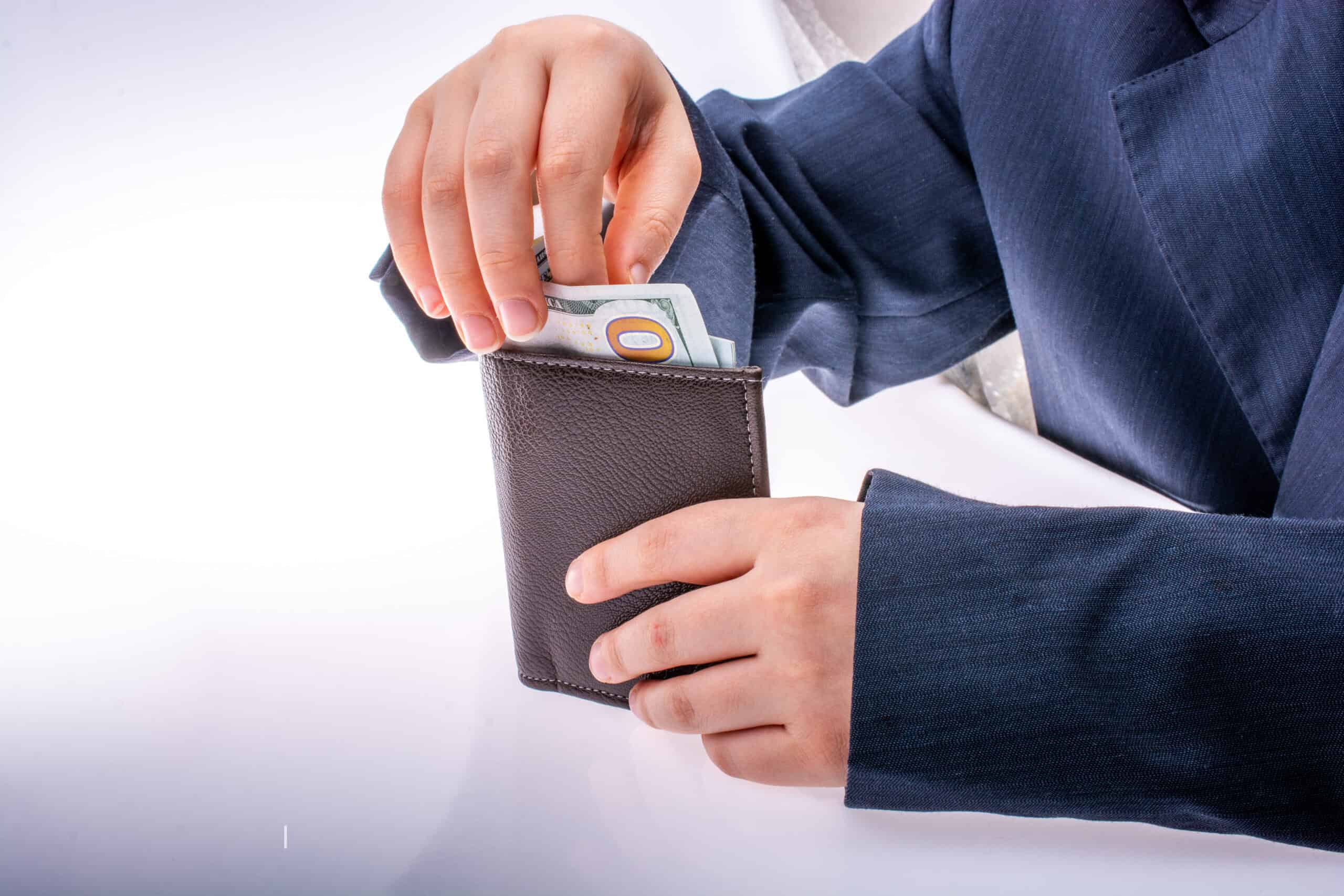
One wallet is convenient, but experts repeatedly warn that convenience is exactly what turns a single mistake into a bigger loss. AARP recommends keeping some money and cards in a purse or wallet and additional funds in a separate pocket or money pouch, with passports carried apart from both on travel days. The logic is simple and effective: if a pickpocket gets one stash, the traveler still has enough left to pay for transport, reach the hotel, or make the next essential call without unraveling the entire trip. Separation, more than secrecy, is what gives that system its resilience.
In The Hotel Safe
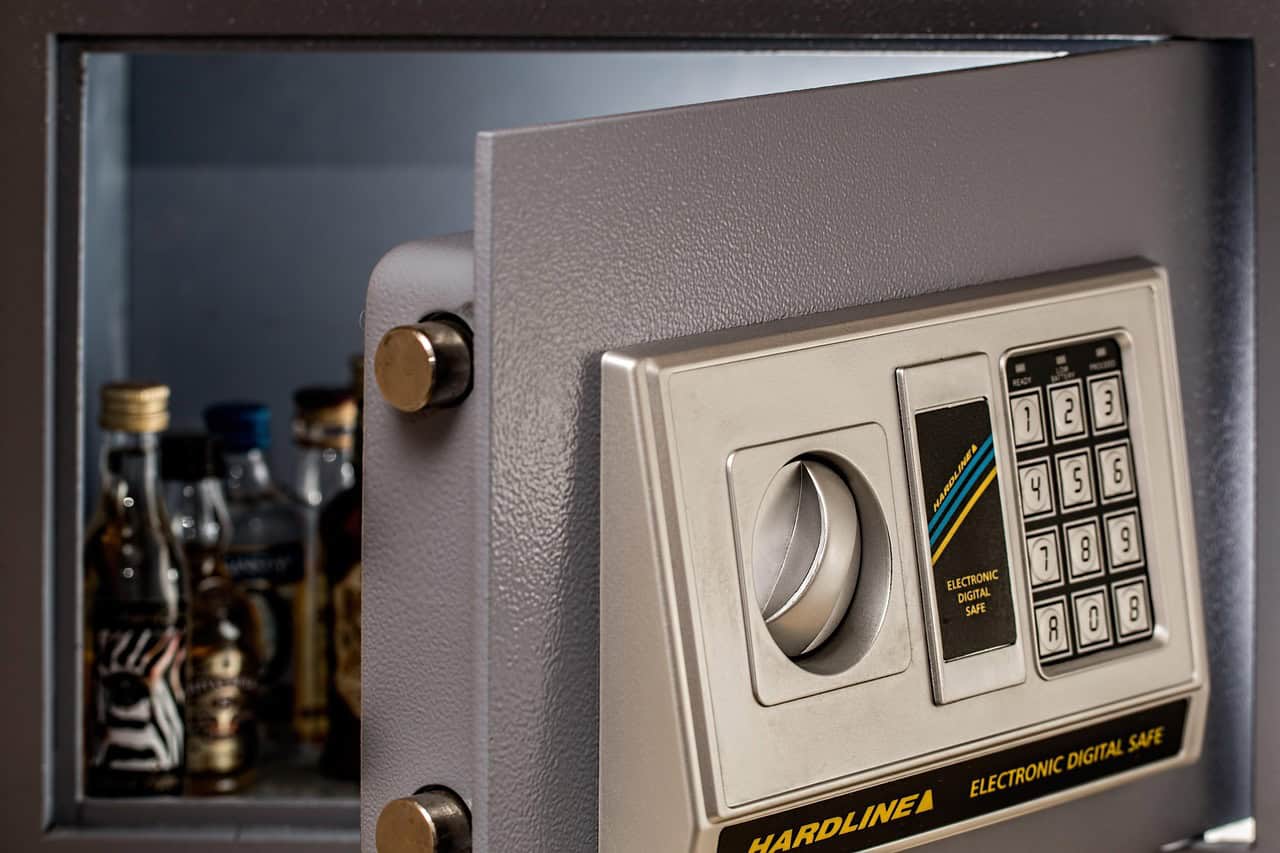
Hotel safes are not perfect, but official U.S. travel guidance still treats them as one of the best places for the cash and documents that do not need to leave the room each morning. State Department guidance for destinations including Argentina, Spain, and Vietnam specifically advises locking passports and other valuables in a hotel safe or another secured location, while carrying copies instead. That approach keeps the real financial damage low if a bag is snatched during sightseeing, dinner, or a rushed transfer between neighborhoods. It also lowers the odds of absent-mindedly flashing every card and bill while paying for something small.
In A Hidden Packing Cube Or Zippered Luggage Compartment
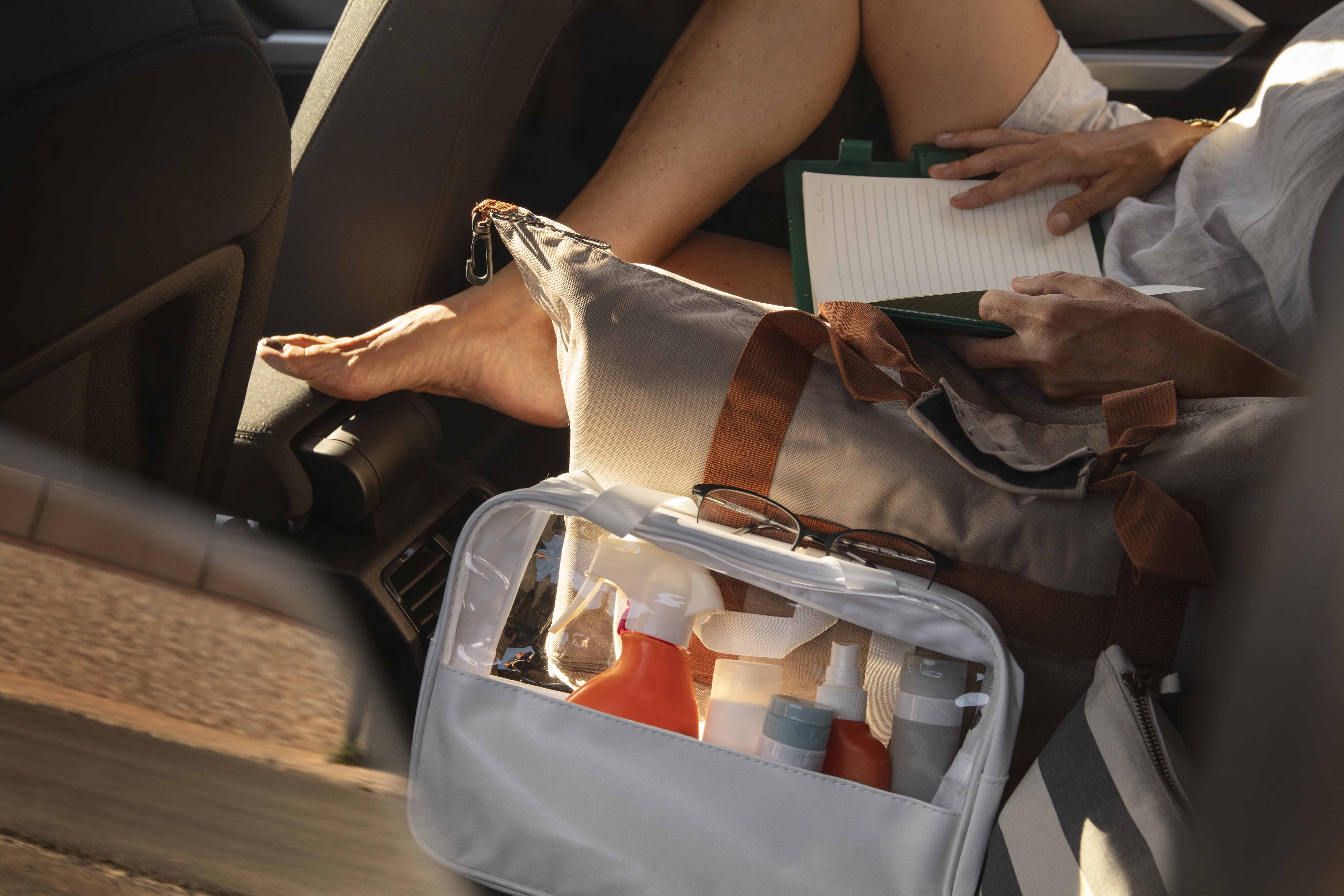
When a room safe is unavailable or a very short stay makes one easy to forget, experienced travelers often build a second layer inside the suitcase itself. AAA notes that extra cash and a passport can be stashed in zippered luggage compartments or hidden packing cubes, especially for overnight stops, and World Nomads similarly recommends spreading money across several inner locations rather than creating one all-or-nothing stash. The key is discretion: the reserve belongs deep inside the bag, not loose in an outer pouch or side pocket. A thief who gets a quick opening should not find the entire trip budget in seconds.
In A Small Day Wallet Or Coin Pouch
alisyda/123rf
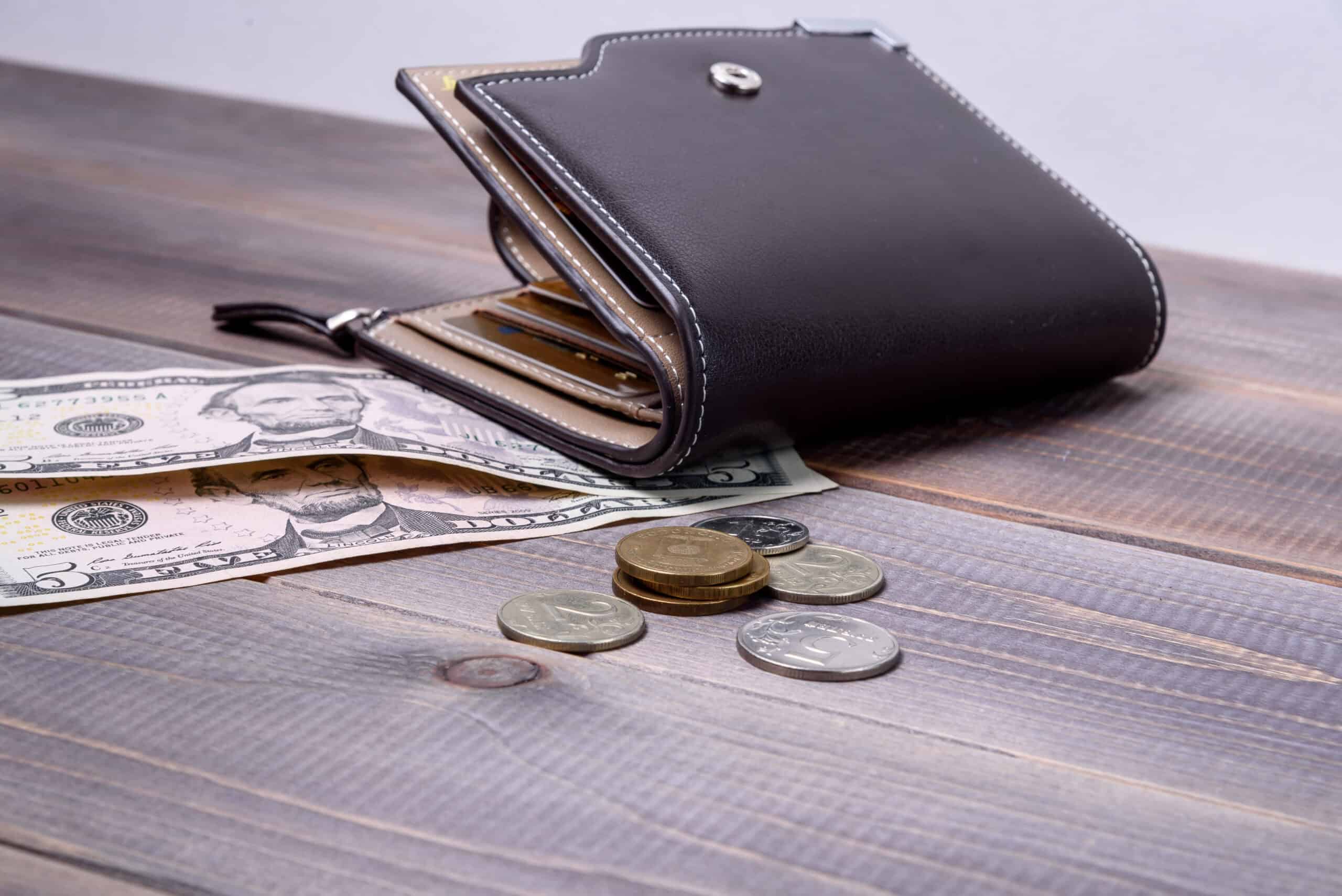
The smartest accessible money is the money meant to be spent that day and nothing more. Rick Steves recommends carrying only a day’s spending cash outside the money belt, while AAA notes that a small coin bag or an easy-access zip pocket can handle the little purchases that come up constantly, from transit tickets to café stops and public restrooms in Europe. Keeping that daily cash separate protects the deeper reserve, reduces how often cards come out in public, and makes every routine payment less revealing to nearby eyes. It also makes small purchases feel ordinary instead of financially exposed.