We may earn money or products from the companies mentioned in this post. This means if you click on the link and purchase the item, I will receive a small commission at no extra cost to you ... you're just helping re-supply our family's travel fund.
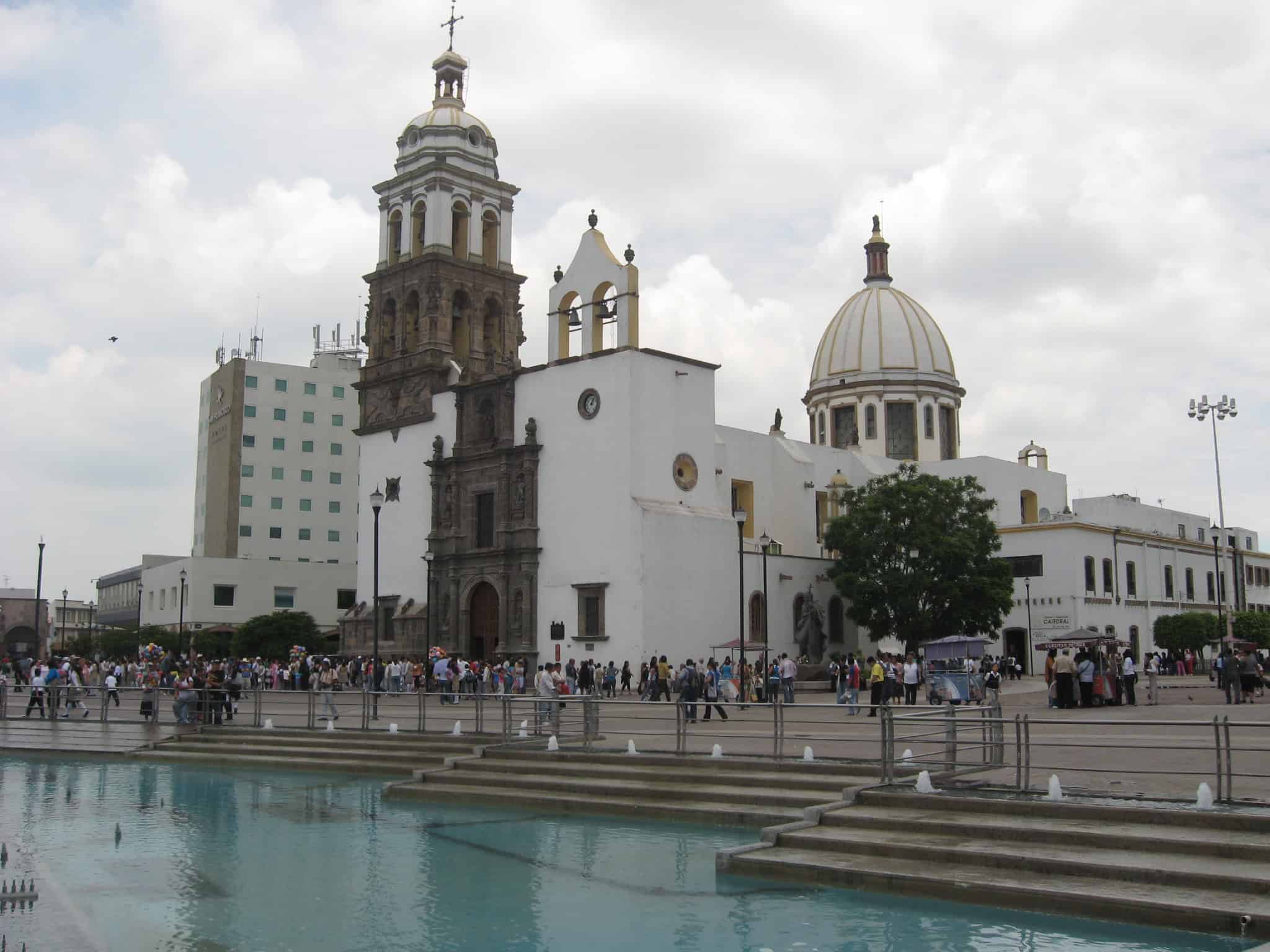
Long-distance travel in Mexico can be unforgettable, but the smartest trips start with honest risk math. Security can vary street by street, yet some cities repeatedly show up in homicide-rate rankings and official caution notices. Pros who plan routes for work treat those signals as a cue to simplify: fewer stops, more daylight driving, and tighter transportation choices. The places below appear in the Citizen Council for Public Security and Criminal Justice’s 2024 global ranking, a snapshot that reflects reported intentional-homicide rates, not the full story of daily life.
Colima, Colima
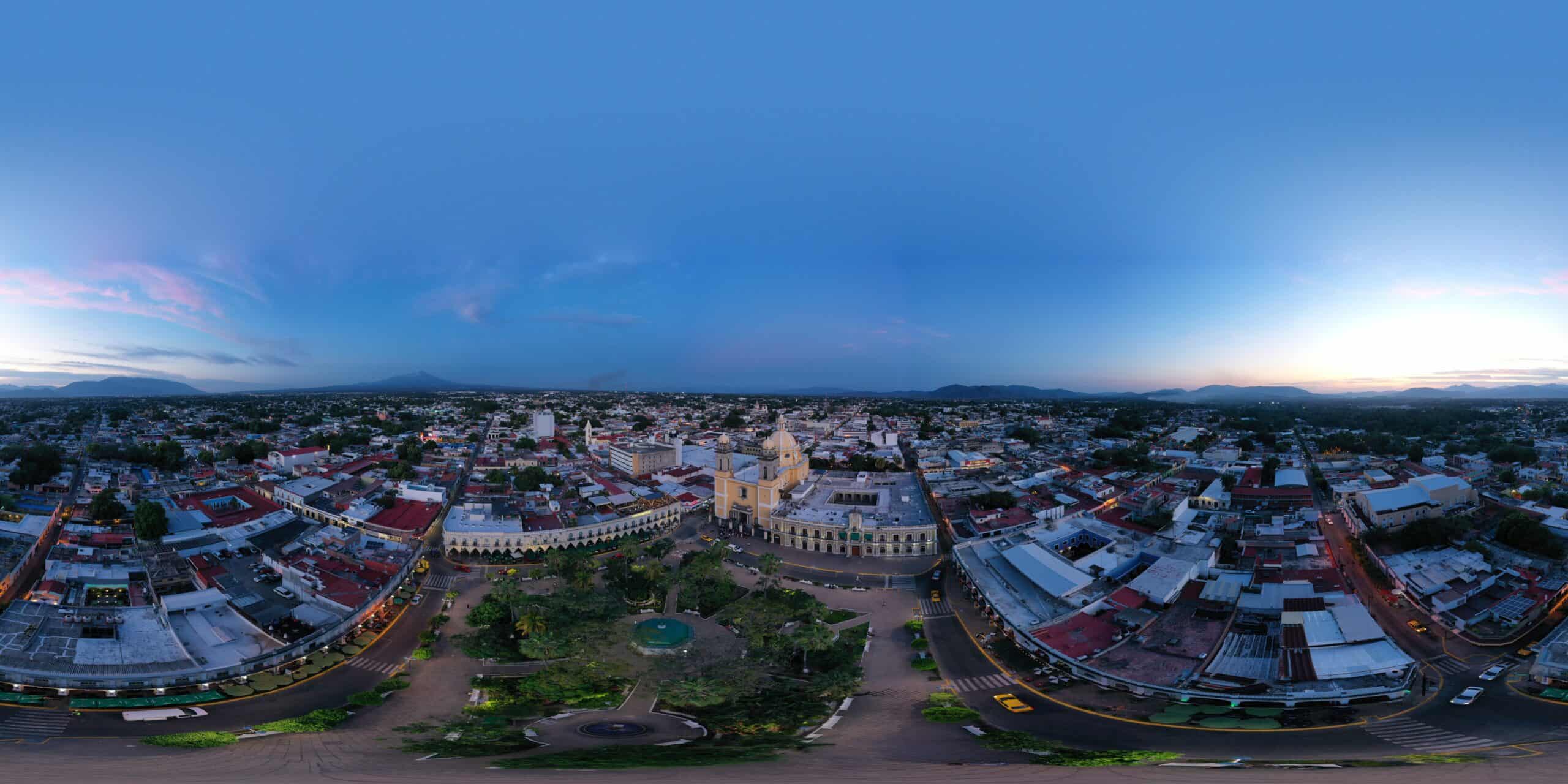
Colima appears near the top of the CCSPJP homicide-rate ranking, a reminder that a small city can feel calm at noon and still carry meaningful risk after sunset. Cautious itineraries keep movement to main corridors, favor daylight arrivals, and lean on hotel-arranged rides and reputable operators instead of curbside offers near stations, clubs, and late-night food rows. Errands get bundled, fuel, cash, and supplies in one predictable loop plans stay flexible for sudden road closures, and updates get checked through official advisories and trusted local contacts, so the night stays quiet and indoors with an early meal and a steady routine too.
Acapulco, Guerrero
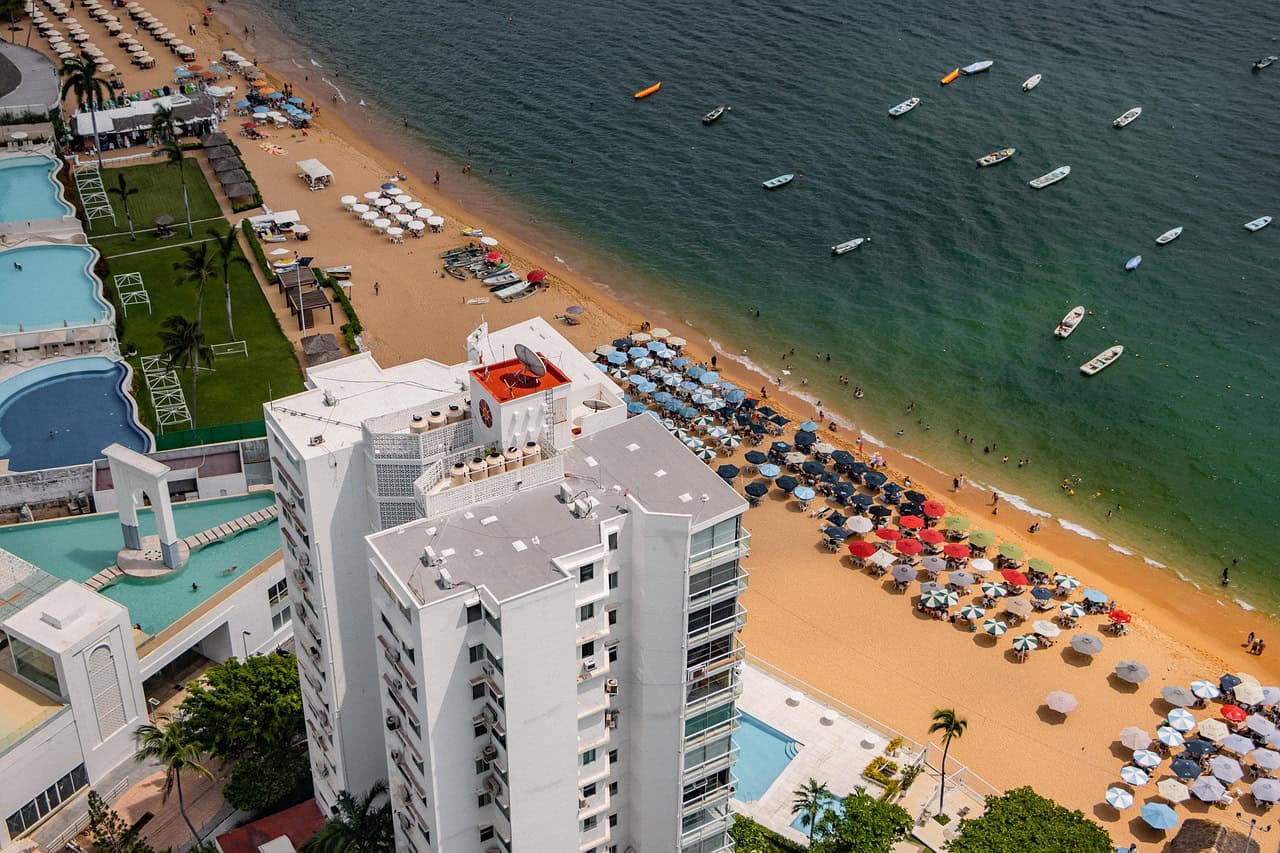
Acapulco’s bay still carries a classic resort image, yet its high placement in the CCSPJP homicide-rate ranking has reshaped how cautious planners schedule time on the ground. Guardrails often include reputable lodging, controlled transfers, and a preference for daylight activities near well-trafficked hotel corridors, not late, unstructured outings that involve unfamiliar streets or hillside roads. When a visit is unavoidable, plans build buffer time for traffic and security shifts, keep routes direct, from airport to hotel, and follow local guidance on areas to skip, so evenings stay simple, early, and restorative for crews, families alike.
Manzanillo, Colima

Manzanillo is a working port, and the CCSPJP homicide-rate ranking underscores how busy logistics corridors can coexist with elevated safety concerns. Plans that pass through usually minimize street time, favor daylight arrivals, and rely on hotel dispatch or vetted drivers, not curbside pickups near terminals, bars, or informal taxi lines. Schedules stay calm and exact, with confirmed addresses, pre-loaded offline maps, and one planned loop for fuel, meals, and supplies, because wandering for a scenic detour, or a late dinner can turn a simple transfer into time spent in unfamiliar zones when traffic thins and conditions shift fast at night.
Tijuana, Baja California
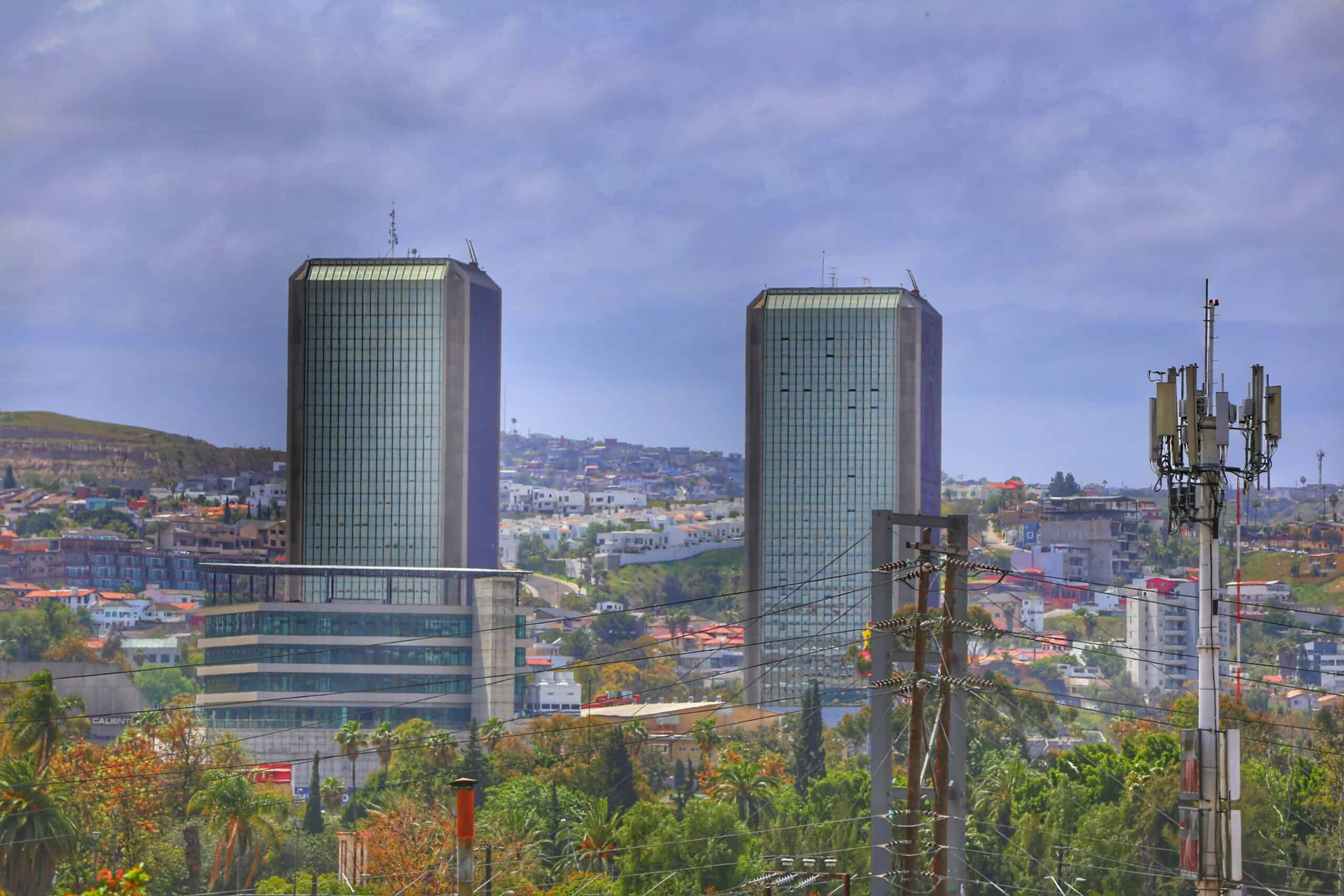
Tijuana sits beside one of the world’s busiest border regions, and its CCSPJP ranking placement has made timing and routing a serious conversation for many travelers. Crossings and pickups are often scheduled for daylight, with direct routes to lodging, fewer discretionary stops, and transport arranged through reputable services, rather than improvised street hails. Even experienced road crews treat the city as a deliberate transit point, checking current advisories, keeping documents secure, and avoiding isolated areas when traffic thins, because calm streets can feel deceptively empty and choosing well-lit, busy venues for quick meals only.
Ciudad Obregón, Sonora
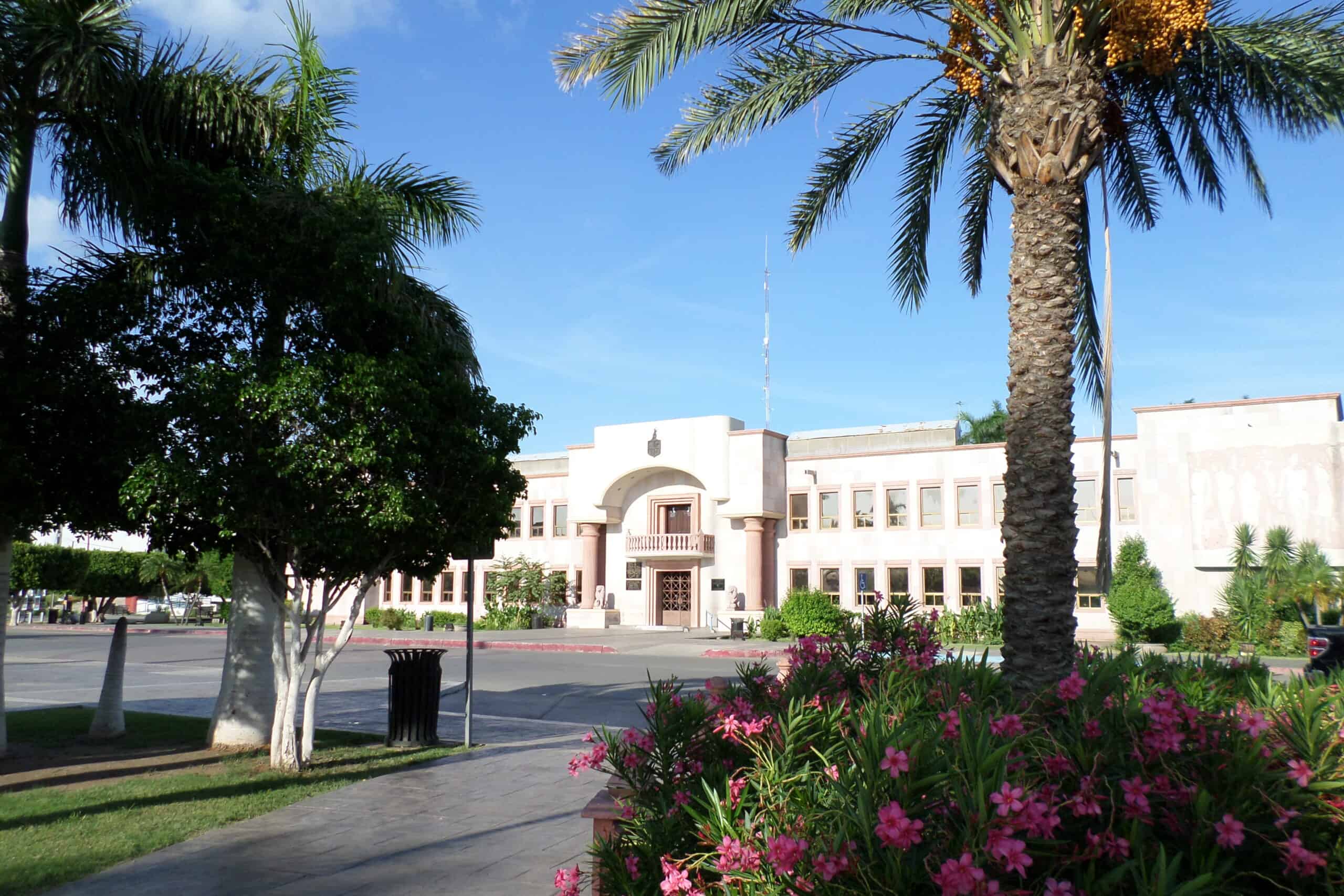
Ciudad Obregón ranks high in the CCSPJP homicide-rate figures, and its position matters because it sits on routes people use even when tourism is not the goal. Caution-minded itineraries emphasize daylight driving, pre-booked rooms, and time spent near known commercial districts, not wandering to locate fuel, ATMs, or a late dinner in unfamiliar streets. When passage is necessary, the approach stays efficient, with one planned stop, an early check-in, and clear communication among travelers and hosts, because late arrivals, phone battery surprises, and last-minute detours can compound stress, and exposure quickly even on calm weekday morning.
Celaya, Guanajuato
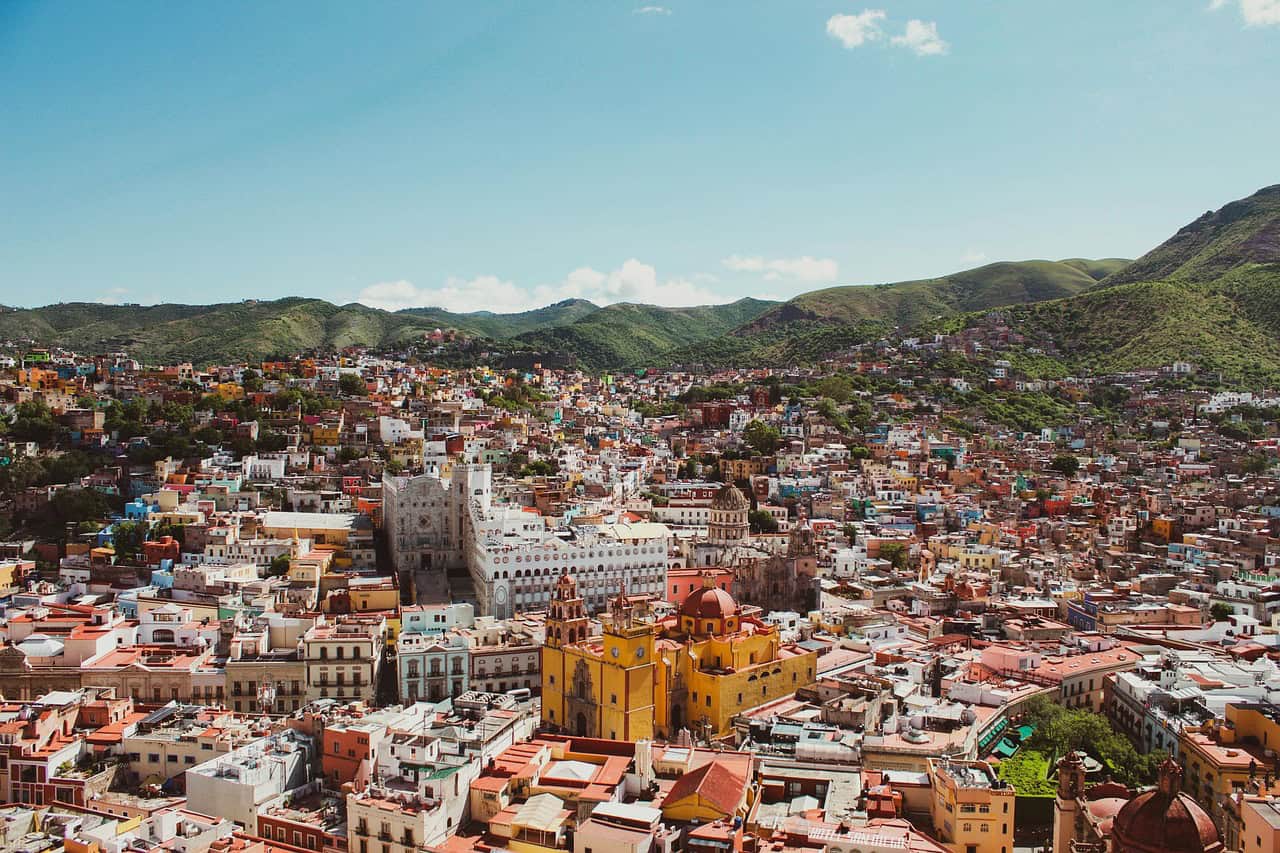
Celaya appears among Mexico’s high-rate cities in the CCSPJP homicide-rate ranking, and that reality has shaped how teams schedule meetings and transfers across Guanajuato. The standard playbook favors secure lodging, short point-to-point movement, confirmed addresses, and fewer late errands, even when the streets look calm in the late afternoon. For people passing through by car, the simplest route with fewer stops often wins, with fuel, meals, and cash handled in busy, well-lit corridors, because efficiency leaves less room for confusion, wrong turns, and exposure to unpredictable situations during a trip that feels long tiring, and rushed.
Zamora, Michoacán
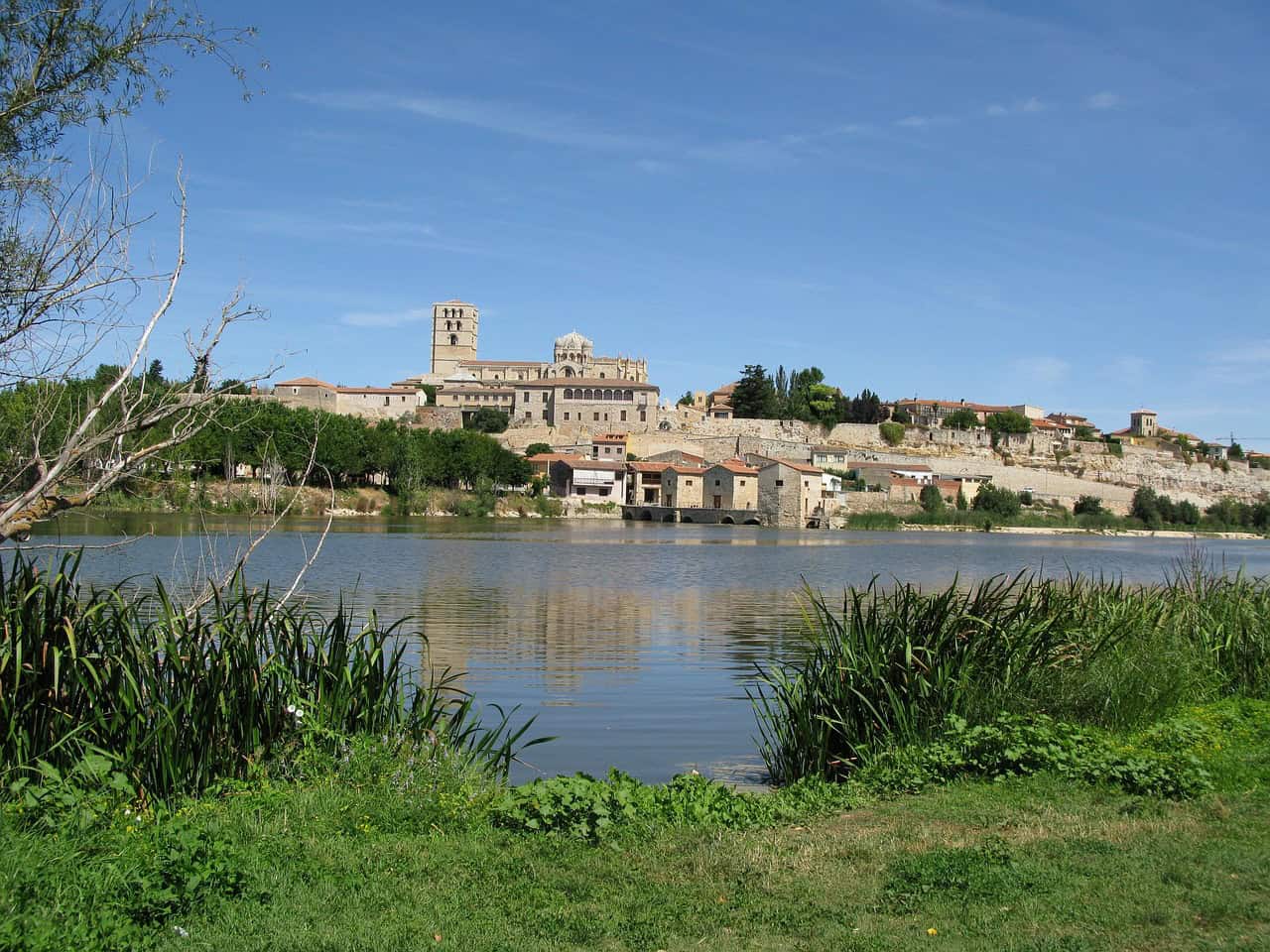
Zamora is flagged in the CCSPJP homicide-rate ranking, and its presence there nudges many planners to treat the city as a purposeful stop, not a casual overnight. Itineraries often rely on daylight travel windows, verified addresses, and transport arranged through trusted contacts, avoiding rural connectors, and back roads that can feel isolated once evening arrives. The structure may feel strict, yet it prevents the stress spiral of getting lost, stopping to ask directions, and lingering in unfamiliar places, and it keeps the day anchored to busy corridors where help and services are visible even when schedules slip or weather slows traffic.
Cuernavaca, Morelos
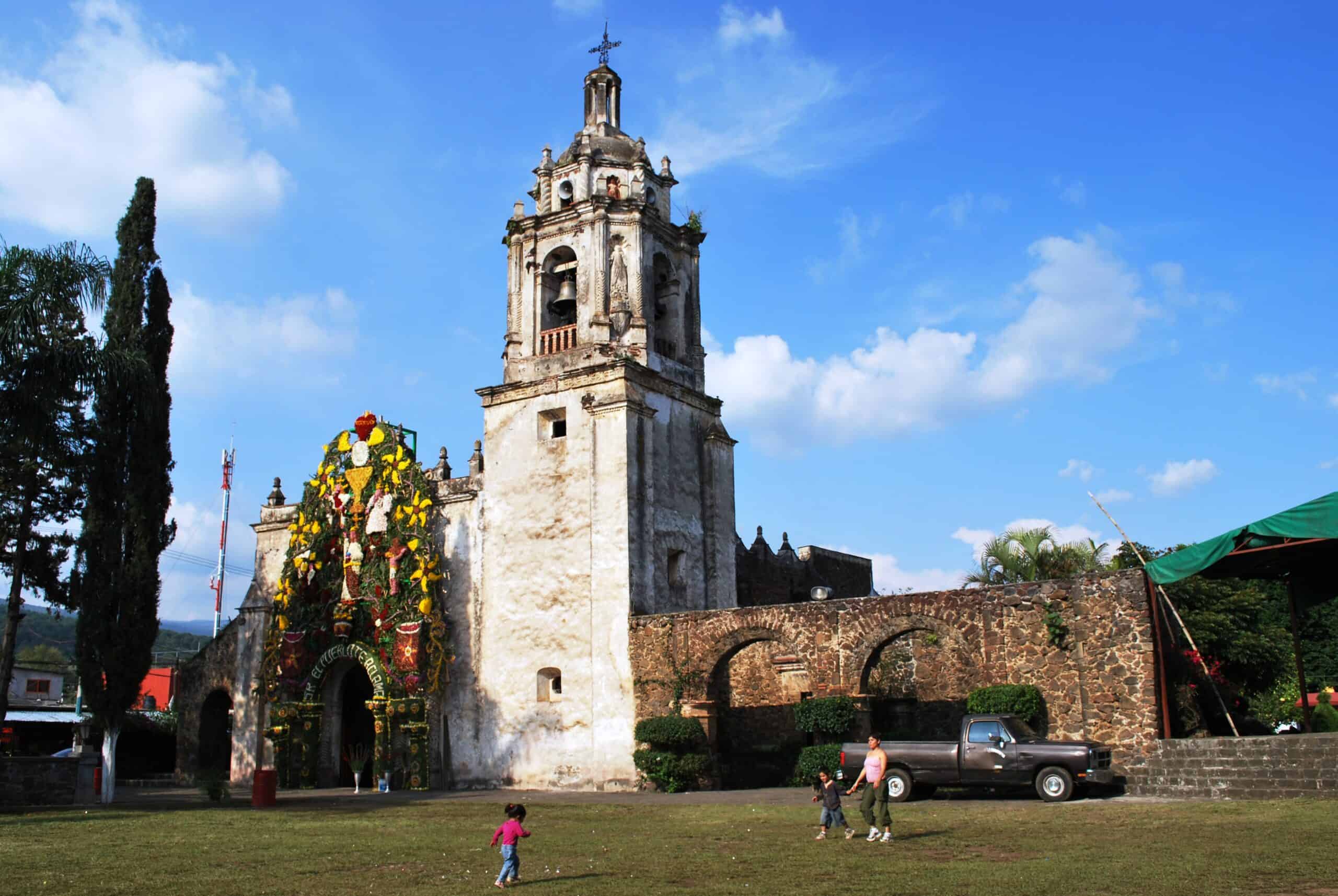
Cuernavaca has long been framed as a quick getaway city, which is why its appearance in the CCSPJP homicide-rate ranking can surprise people planning a short escape. Caution-first schedules keep movements tight, choose reputable lodging, or established day venues, and avoid late drives that turn scenic routes into liabilities, especially on the way in and out of the metro area. The city still offers gardens and museums, but trips that proceed often run like a clean itinerary, fixed pickups, a set dining plan, and an early return, so there is less pressure to improvise when traffic, weather, or local conditions shift unexpectedly at dusk, too.
Ciudad Juárez, Chihuahua
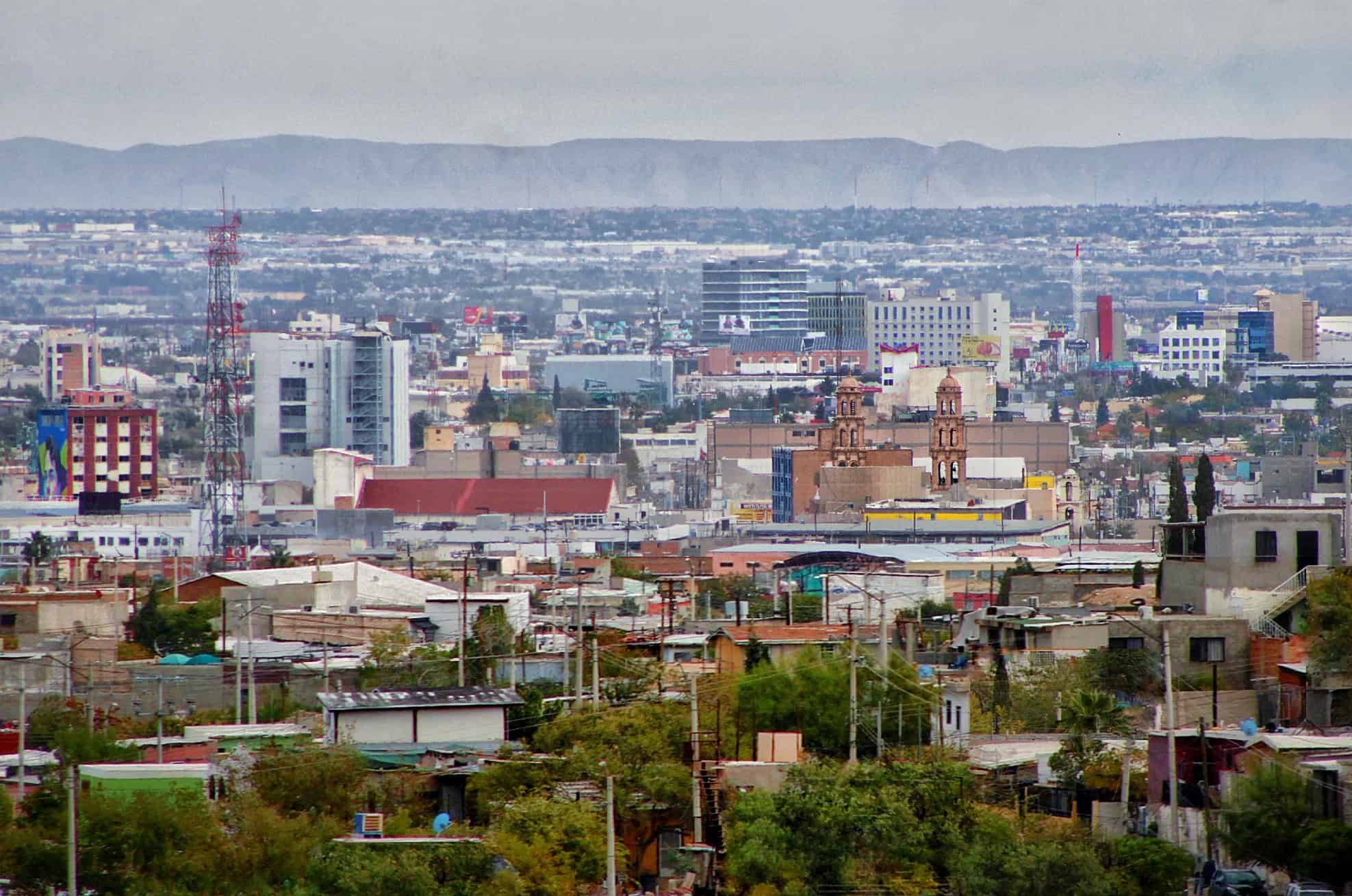
Ciudad Juárez is a major border city, and its placement in the CCSPJP homicide-rate ranking underlines that constant cross-border motion does not equal personal safety. Travel planners often time crossings for daylight, keep transportation pre-arranged, and avoid nighttime segments on peripheral roads, sticking to direct routes between official appointments, consulates, and lodging. Small choices get made with intention, choosing busy, well-lit venues for meals, keeping stops brief, and skipping isolated side streets, because a city built around movement, can still reward careful planning and calm routines over spontaneity in practice, often.
Culiacán, Sinaloa
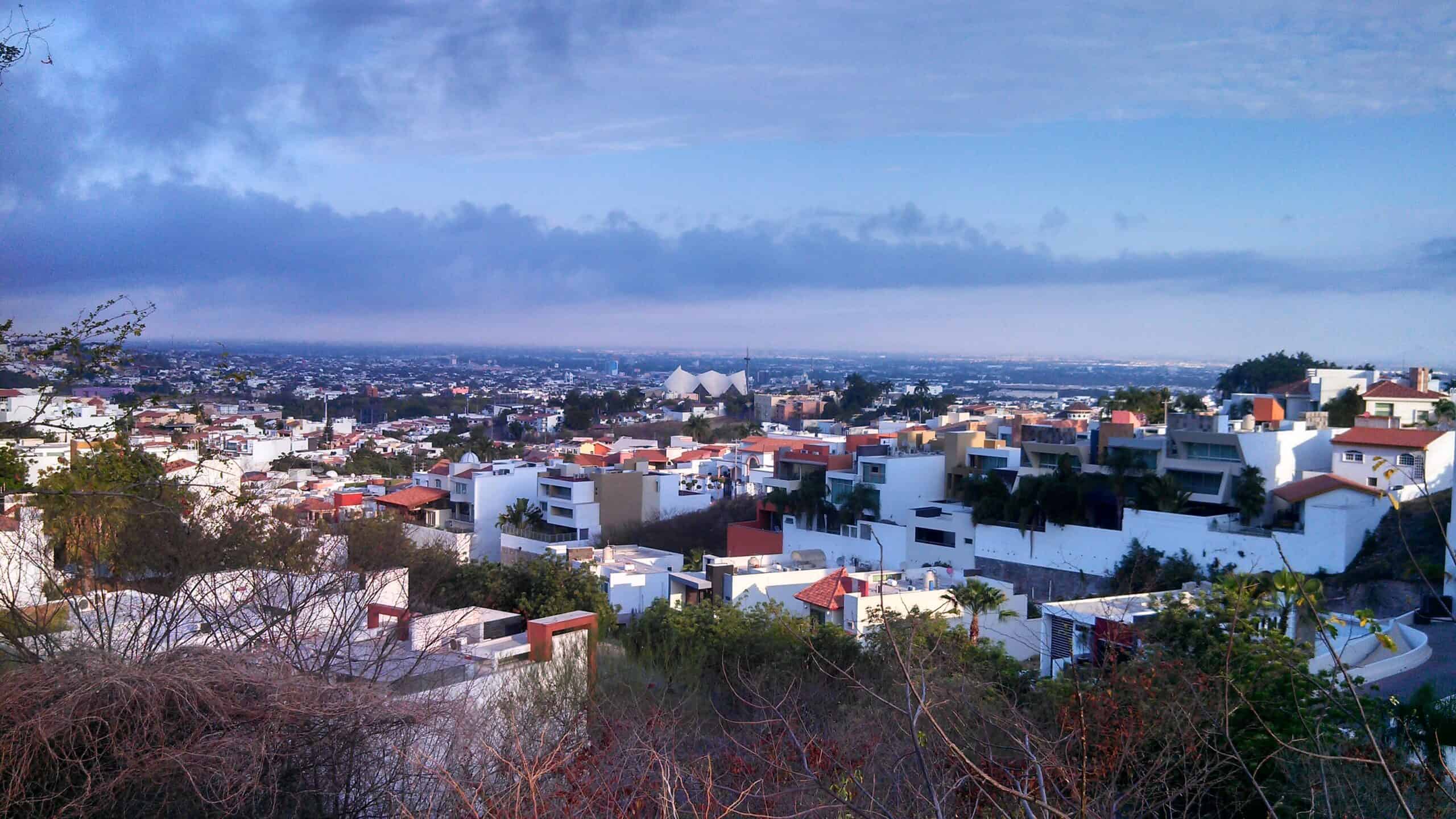
Culiacán’s inclusion in the CCSPJP homicide-rate ranking reflects sustained security challenges, and it has pushed many itineraries toward strict, daytime-only movement. Plans keep routes close to primary corridors, rely on vetted drivers, and avoid last-minute changes that require searching for new addresses, switching hotels, or taking unfamiliar shortcuts when traffic builds. When travel cannot be postponed, the tone stays focused and professional, with fewer discretionary stops, a clear plan for delays, and an early return to lodging, while advisories and local contacts, guide real-time decisions so the day does not drift into late hours.
Uruapan, Michoacán
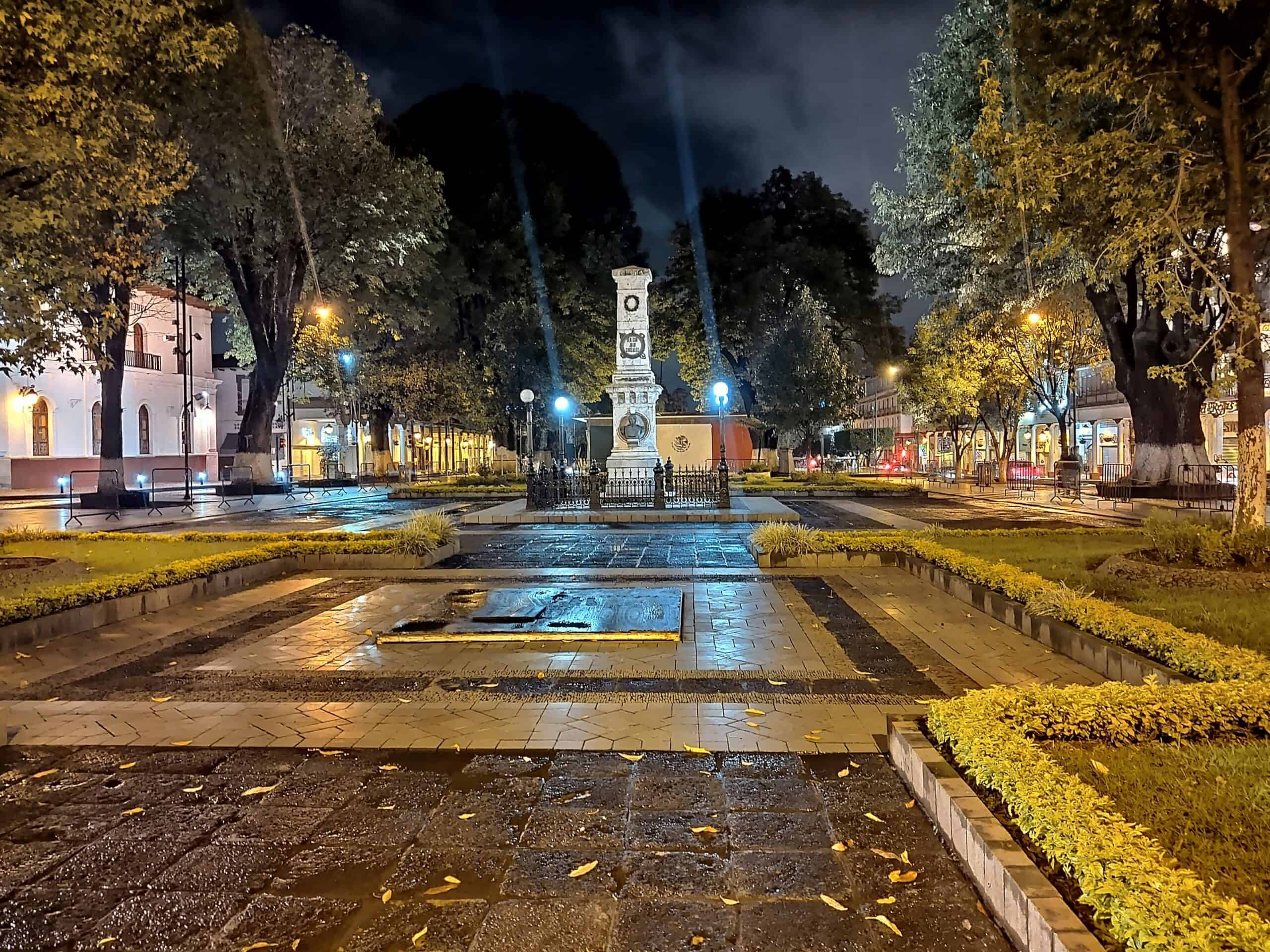
Uruapan is known for agriculture and nearby landscapes, but its inclusion in the CCSPJP homicide-rate ranking shifts attention toward practical risk management. Trips that cannot be rerouted keep itineraries simple, choose early arrivals, and avoid wandering outside planned routes, using main corridors and reputable transport instead of exploring for shortcuts or scenic drives. A secure hotel, minimal road time, and low-profile routines, often matter more than squeezing in one extra stop, and errands get bundled, because safety tends to rely on margin, predictability, and clear plans, not speed when daylight fades, and fatigue starts to bite.
Irapuato, Guanajuato
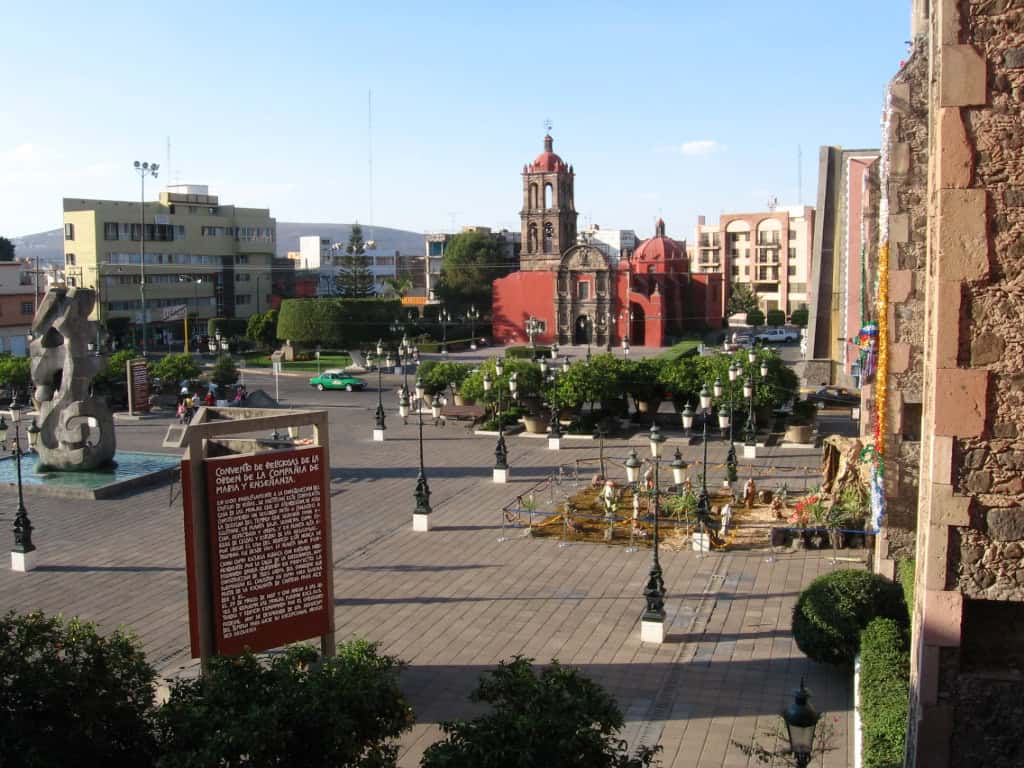
Irapuato appears in the CCSPJP homicide-rate ranking, and that alone is enough for many planners to rethink casual stops while crossing central Mexico. When movement is necessary, the safer pattern is direct transportation, daylight timing, and activity kept near reliable services, not side roads, informal markets, or late-night errands that increase exposure. The goal is a travel day that stays boring, with fuel, meals, and lodging handled in one planned sequence, maps saved offline, and updates checked through advisories, and trusted contacts, because surprise detours are what turn routine transfers into tense situations on tight schedules.
Chihuahua, Chihuahua
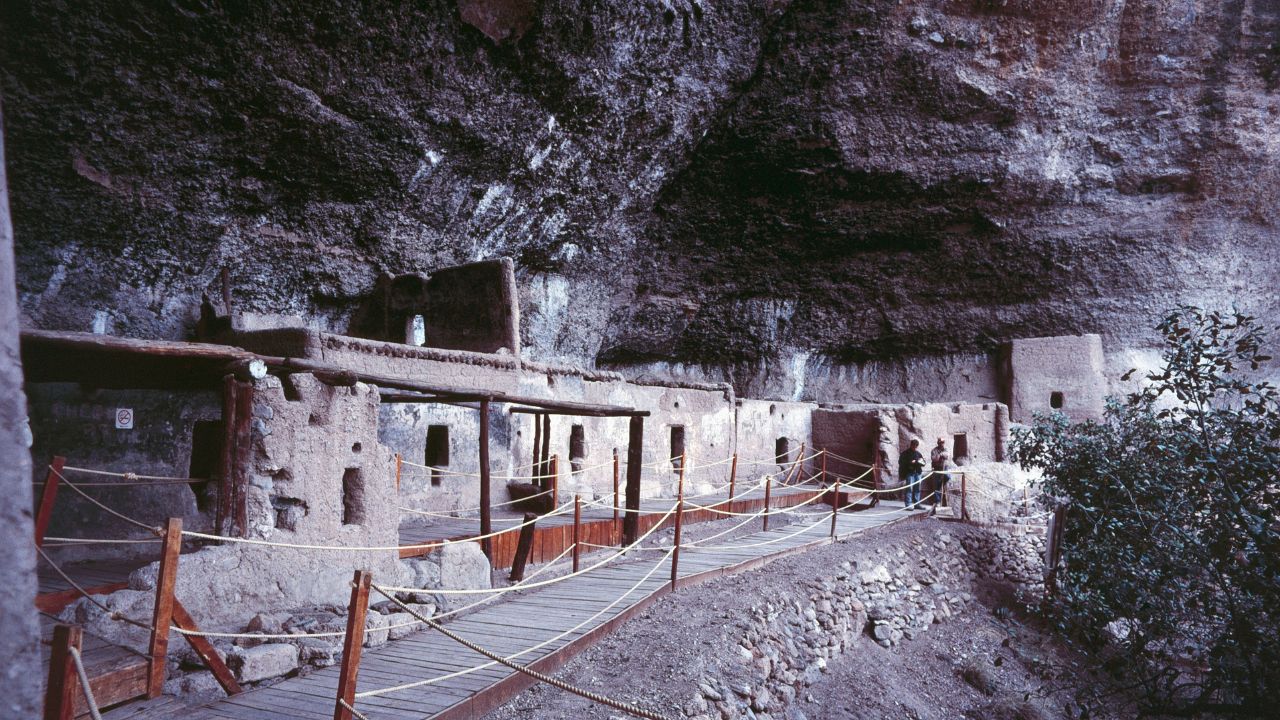
Chihuahua appears in the CCSPJP homicide-rate ranking at a lower position than several cities, but it still signals higher risk than many other large urban centers. Careful plans lean on reputable hotels, clear pickup points, and daylight errands that reduce late returns, with attention to well-lit parking, busy entrances, and minimal time spent waiting outside. For travelers continuing onward, meals, fuel, and rest often get handled in one predictable loop near active corridors, then the route continues, without extras, because fewer stops, and less improvisation, mean fewer chances for confusion and exposure when fatigue starts to creep in.
Chilpancingo, Guerrero
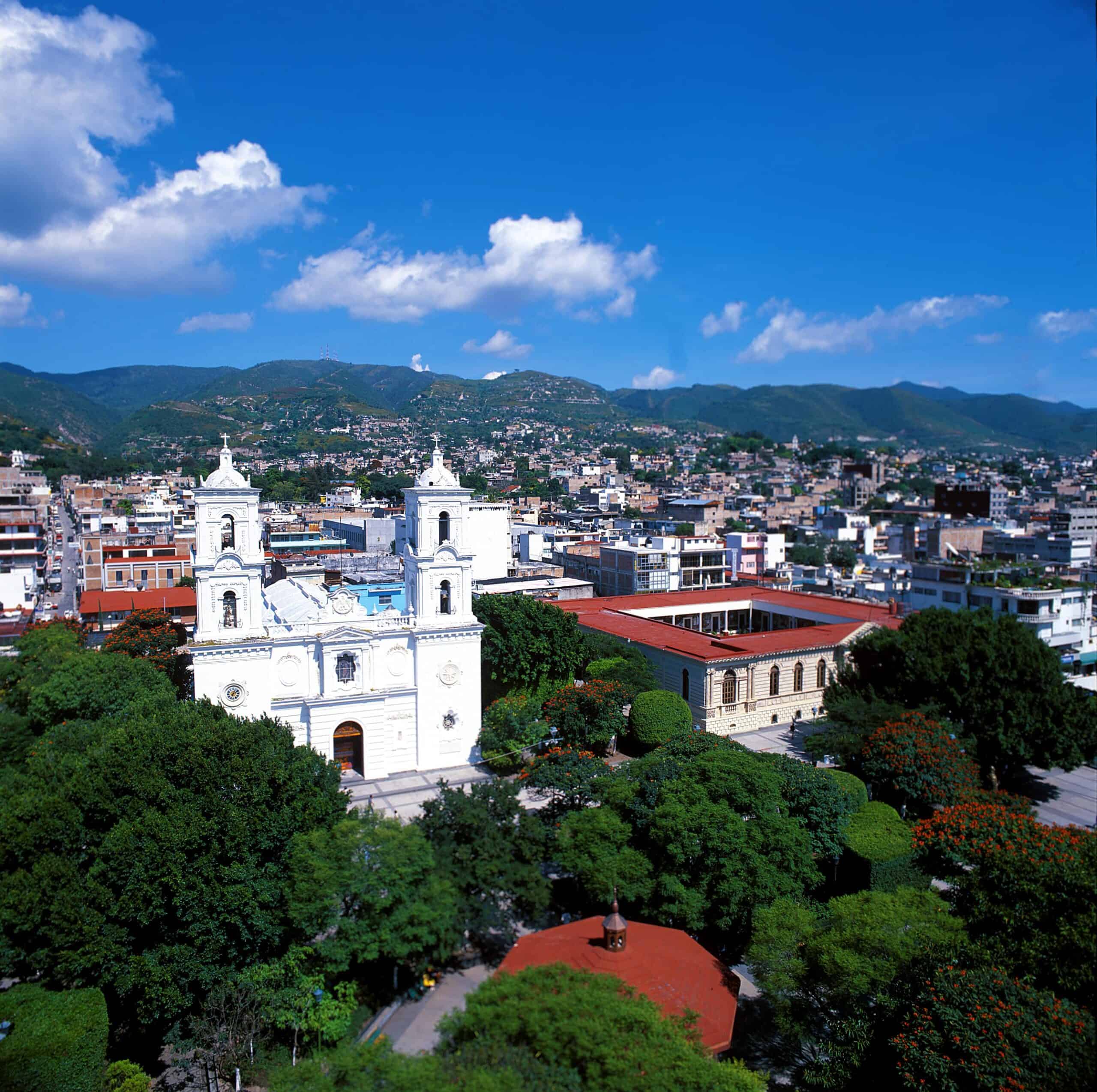
Chilpancingo’s presence in the CCSPJP homicide-rate ranking is a cue many travelers use to avoid treating it as a casual rest point on Guerrero road routes. Plans reduce time in transit around the area, rely on daylight-only driving, and keep refueling and meals tightly planned in busy corridors, avoiding quiet pull-offs, and last-minute searches for lodging. When a stop is unavoidable, it stays short and purposeful, with confirmed addresses, reliable transport, and quick departures guided by advisories and local contacts, because lingering increases uncertainty and the chance of unwanted attention, especially as daylight fades on back roads.
Zacatecas, Zacatecas
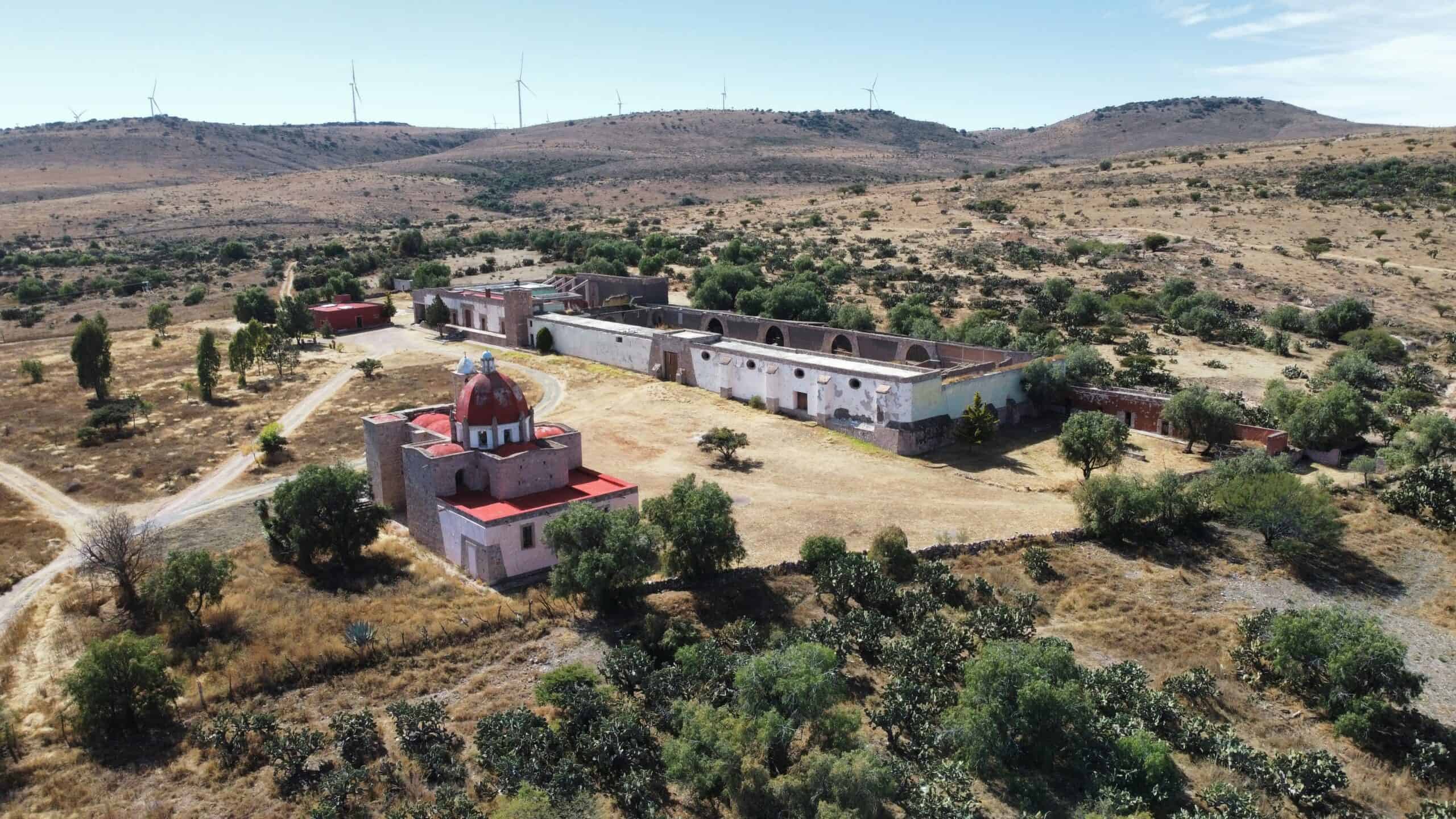
Zacatecas is celebrated for its colonial center and hilltop views, yet its listing in the CCSPJP homicide-rate ranking has shifted some itineraries toward caution-first planning. Trips that proceed, often choose reputable lodging, limit nighttime movement, and keep transportation arranged, especially when leaving the historic core for outer neighborhoods or scenic overlooks reached by quiet roads. With structure, daylight culture can still shine, but schedules favor early dinners, direct routes, bundled errands, and a steady return indoors, because the safest travel days are the ones with fewer surprises and less improvisation after long day.