We may earn money or products from the companies mentioned in this post. This means if you click on the link and purchase the item, I will receive a small commission at no extra cost to you ... you're just helping re-supply our family's travel fund.

Mexico remains one of the world’s most culturally vibrant and geographically diverse countries, drawing millions of visitors each year. Yet security experts, travel analysts, and crime researchers continue to flag certain urban areas where violent crime rates significantly exceed national and global averages. These warnings are typically based on homicide statistics per 100,000 residents, cartel activity patterns, and government security advisories.
The cities below are not uniformly unsafe in every neighborhood, but each has recorded sustained violence levels that place them on international watch lists. Understanding the numbers, context, and local conditions can help travelers and observers make informed decisions.
1. Culiacán, Sinaloa
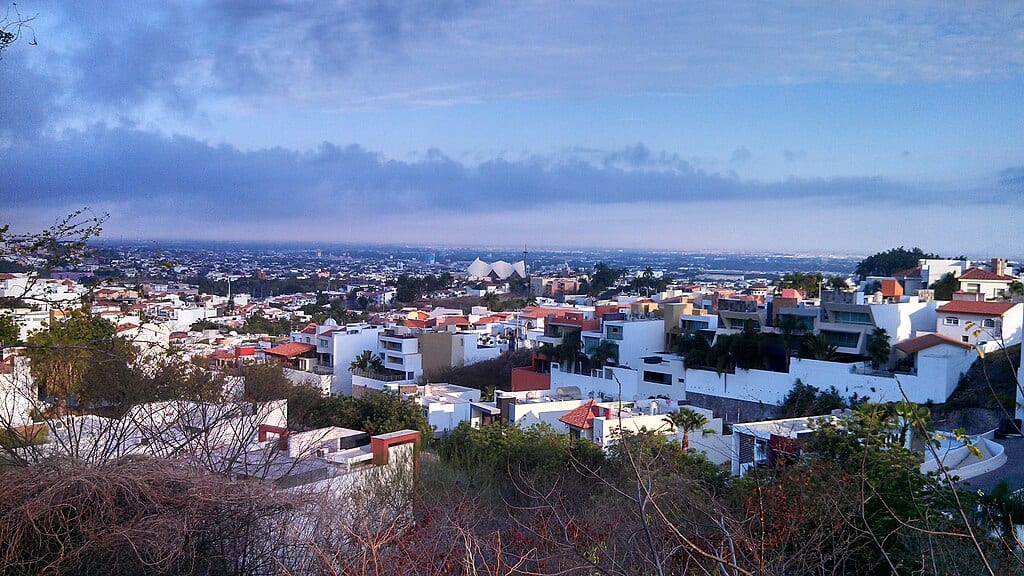
Culiacán, the capital of Sinaloa, is widely recognized as a historic center of organized crime activity. With a metropolitan population near 1 million, it has periodically recorded homicide rates exceeding 60 per 100,000 residents in recent reporting cycles. Security incidents have included coordinated armed clashes and road blockades during cartel confrontations.
Despite modern shopping districts and universities, violence here often stems from internal criminal disputes rather than random street crime. Authorities maintain a visible security presence, yet periodic flare-ups have disrupted transportation and business operations. Visitors are generally advised to avoid nonessential travel, particularly after dark or outside central commercial zones.
2. Ciudad Obregón, Sonora
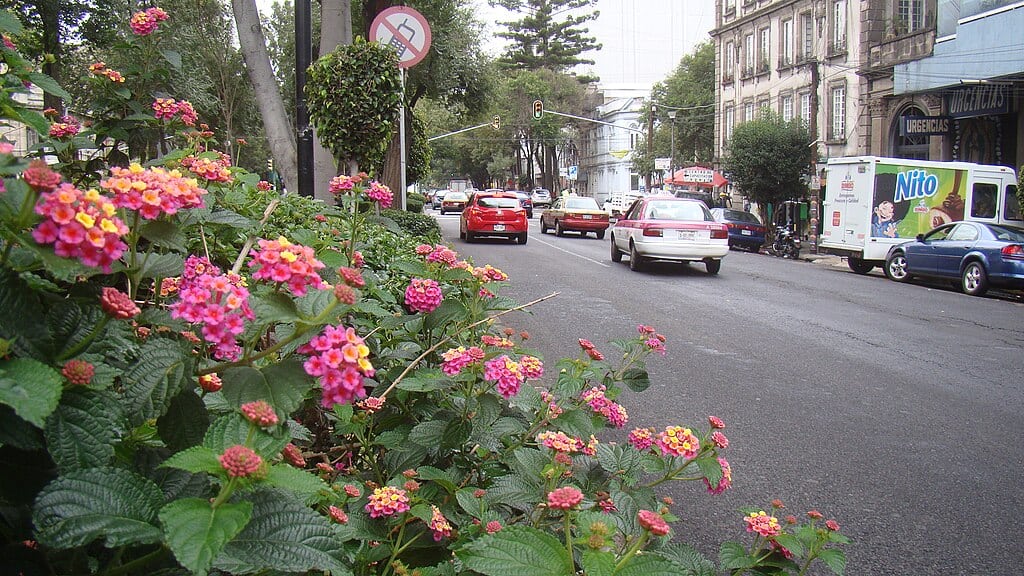
Ciudad Obregón, home to roughly 450,000 residents, has repeatedly appeared in global violence indexes. In recent years, homicide rates have hovered near or above 80 per 100,000 inhabitants, placing it among the highest in Mexico. Much of the violence is linked to territorial disputes between organized groups operating along trafficking corridors.
The city remains an agricultural and industrial hub, but shootings and targeted killings have strained local security resources. Public spaces operate normally during the day, though experts caution against unnecessary nighttime movement. Business travelers are encouraged to coordinate closely with local contacts and remain within well-secured districts.
3. Manzanillo, Colima

Manzanillo is a Pacific port city with about 160,000 residents and one of Mexico’s busiest cargo terminals. Its strategic maritime position has contributed to escalating cartel competition. In some reporting periods, the homicide rate has exceeded 90 per 100,000 people—remarkably high for a city of its size.
Tourism along the waterfront continues, yet criminal incidents have occurred beyond resort enclaves. Analysts attribute much of the violence to disputes over port access and smuggling routes. Travelers are advised to remain within established hotel areas and avoid unfamiliar neighborhoods, particularly in peripheral districts.
4. Zamora, Michoacán

Zamora, with a population just over 200,000, has experienced severe spikes in lethal violence, at times surpassing 100 homicides per 100,000 residents. Agricultural wealth and regional trade routes have drawn organized criminal rivalry into the area.
While daytime commerce remains active, targeted attacks and armed confrontations have raised alarm among security observers. Authorities have deployed federal forces intermittently, though stability has fluctuated year to year. Experts recommend heightened awareness, limited movement after sunset, and avoidance of isolated roadways connecting rural zones.
5. Tijuana, Baja California
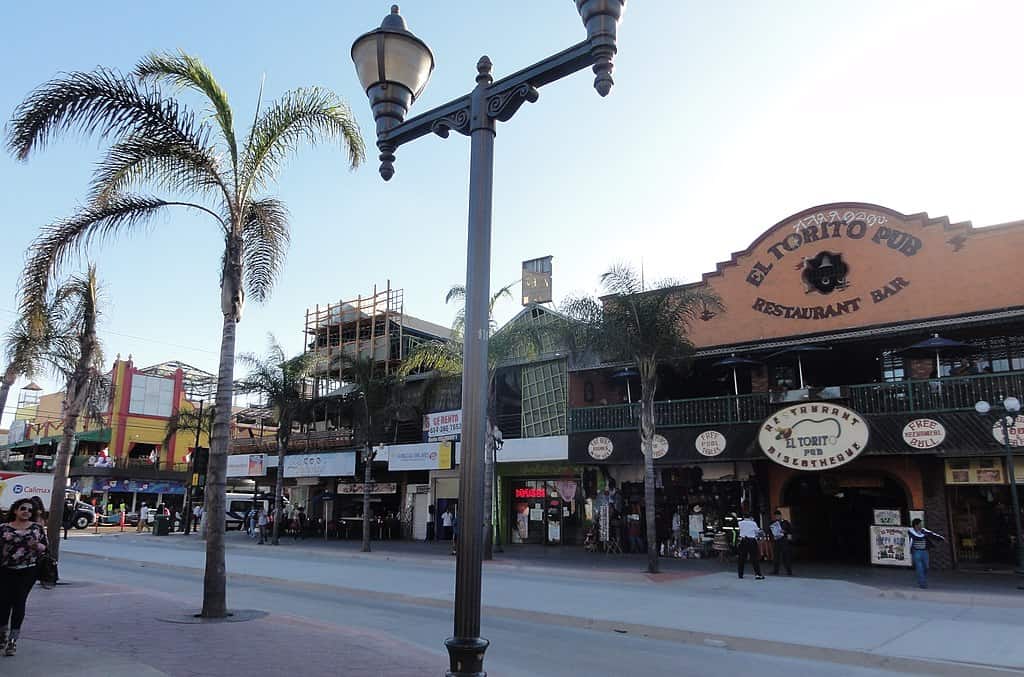
Bordering the United States, Tijuana houses nearly 2 million residents and processes thousands of cross-border movements daily. The city has frequently reported homicide rates above 70 per 100,000 people in recent cycles. Its proximity to international transit routes has made it a focal point for trafficking disputes.
Commercial districts and medical tourism zones remain active, yet peripheral neighborhoods have seen concentrated violence. Authorities patrol heavily in downtown and tourist corridors. Security professionals advise visitors to use registered transportation, avoid nightlife outside known districts, and monitor official updates closely.
6. Acapulco, Guerrero

Acapulco, once a glamorous Pacific resort of nearly 800,000 residents, has struggled with persistent violence for over a decade. Recent figures have placed homicide levels between 65 and 90 per 100,000 inhabitants, depending on the year. Organized crime fragmentation has intensified local instability.
Major hotel zones operate with increased security, but outlying communities report higher risk. Economic challenges and storm-related disruptions have further complicated public safety. Travelers are typically urged to remain within secured resort areas and coordinate transportation through established providers only.
7. Ciudad Juárez, Chihuahua
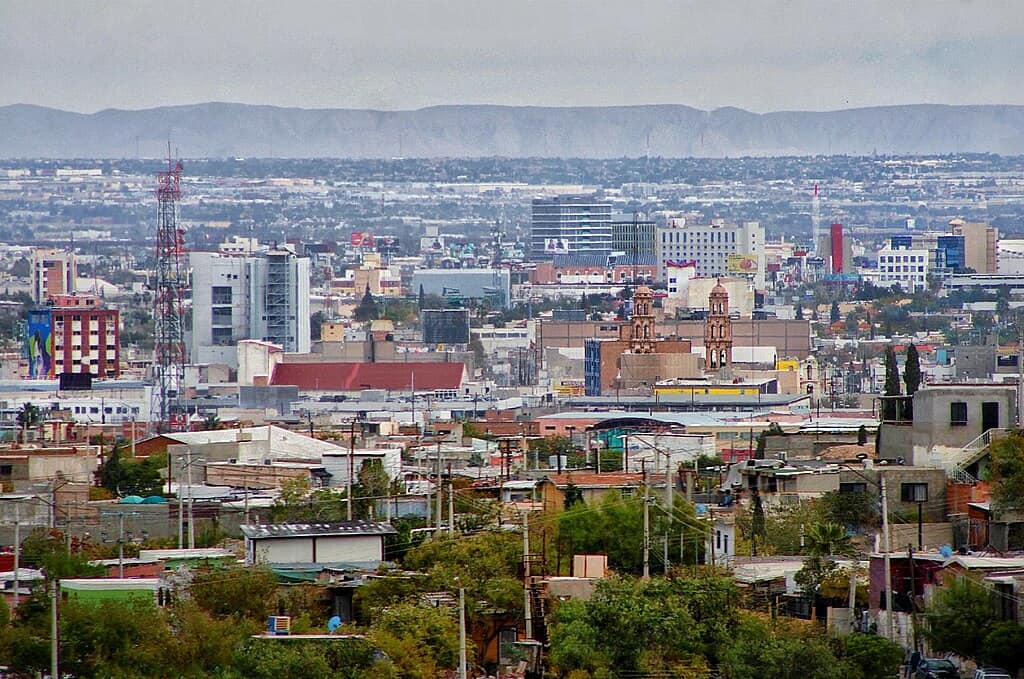
Ciudad Juárez, population approximately 1.5 million, gained global attention during earlier cartel wars and continues to report elevated homicide statistics, often around 60 per 100,000 residents. Border trade remains strong, yet sporadic violence persists in certain districts.
Industrial parks and manufacturing plants operate under structured security systems. Most incidents involve targeted criminal conflicts rather than random assaults. Nevertheless, experts caution against travel into unfamiliar residential zones and recommend maintaining updated local security briefings.
8. Irapuato, Guanajuato
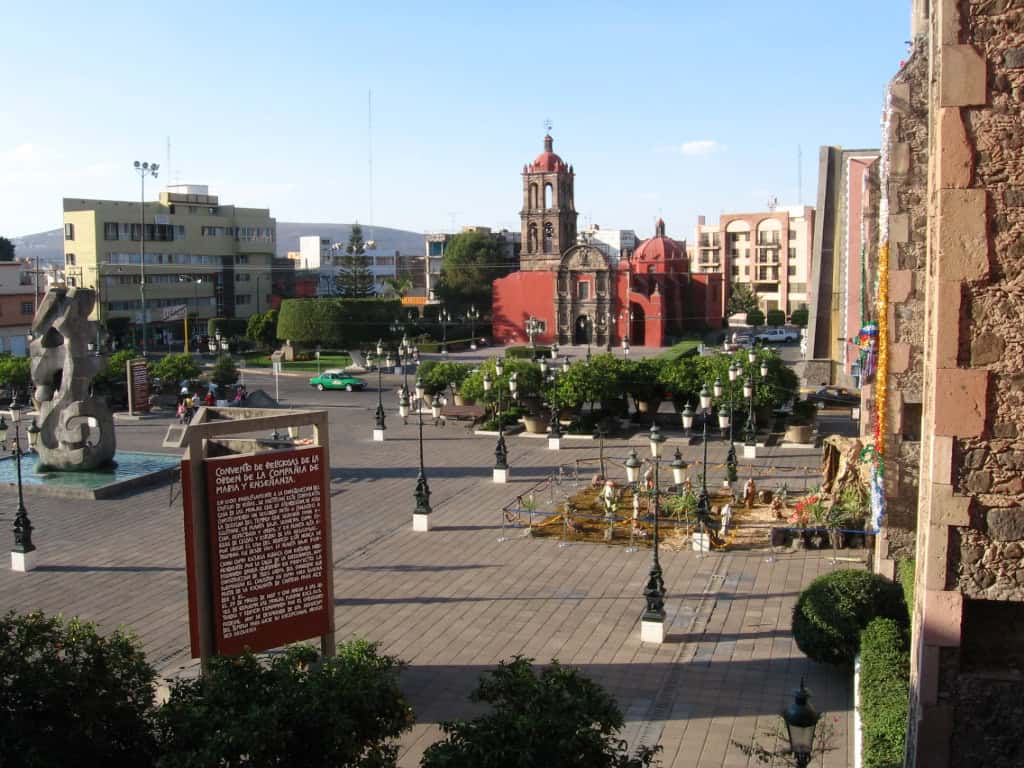
Irapuato, home to roughly 600,000 residents, has faced rising violence tied to fuel-theft networks and organized rivalries. In some years, homicide figures have approached 70 per 100,000 inhabitants. Industrial growth has not shielded the city from regional instability.
Public plazas remain active during daylight, though nighttime incidents have increased concern. Federal security deployments have rotated through high-risk sectors. Analysts suggest limiting nonessential travel and using vetted transportation services for business visits.
9. Uruapan, Michoacán
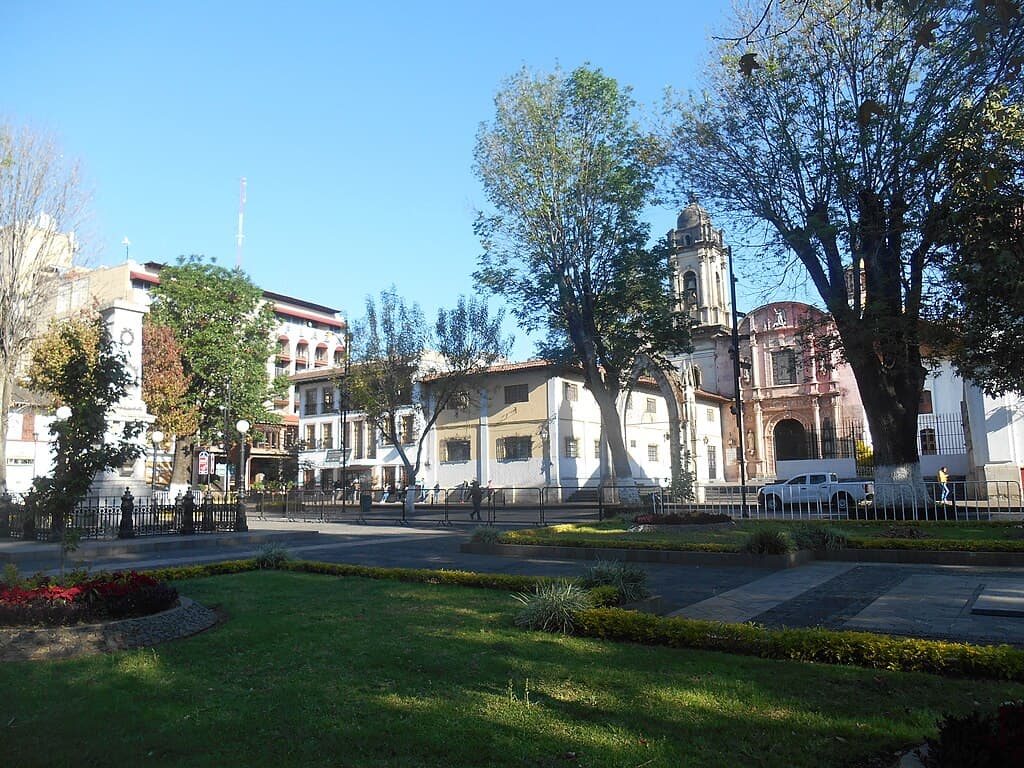
Uruapan, population near 350,000, has periodically reported homicide levels above 75 per 100,000 residents. Known for avocado exports, the city has become strategically important to criminal organizations seeking revenue control.
Violence is often concentrated in specific neighborhoods rather than commercial centers. Authorities conduct patrols and checkpoints on major highways. Visitors are encouraged to avoid rural outskirts and remain informed through official advisories before planning extended stays.
10. Celaya, Guanajuato
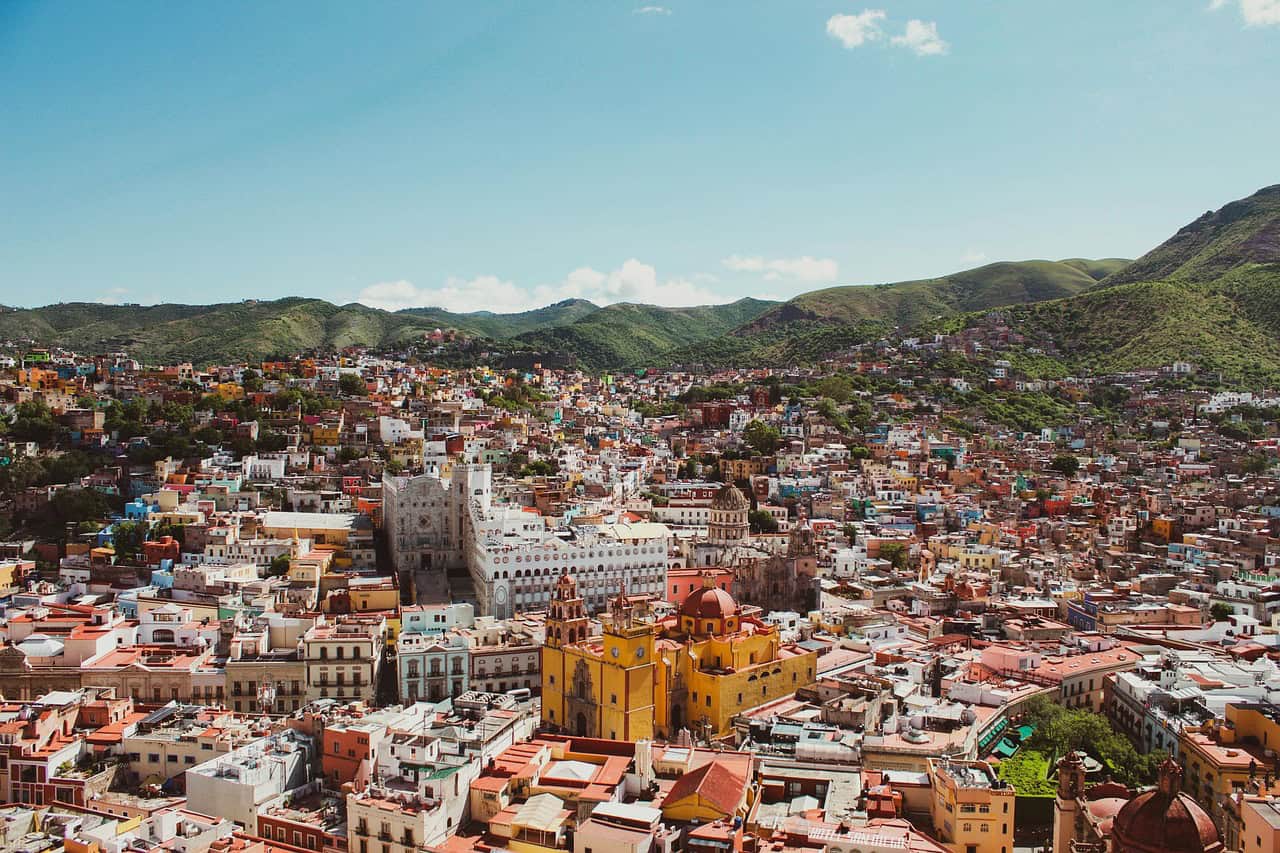
Celaya’s population of approximately 520,000 has witnessed significant security challenges, with homicide rates sometimes exceeding 80 per 100,000 residents. Competition over regional trafficking routes has driven much of the instability.
While central business areas function normally, sporadic armed attacks have targeted particular sectors. Government forces have increased patrols, though fluctuations continue. Experts advise travelers to conduct risk assessments and avoid unnecessary late-night movement.
11. Cancún, Quintana Roo

Cancún, a city of roughly 900,000 residents, welcomes millions of tourists annually. While the Hotel Zone remains heavily protected, the broader municipality has recorded homicide rates occasionally surpassing 50 per 100,000 people. Criminal disputes outside resort corridors have raised caution.
Most visitor activity remains incident-free within secured beachfront districts. However, incidents have occurred in peripheral residential neighborhoods. Authorities maintain surveillance in tourism zones, and experts recommend staying within regulated hotel and transport systems.
12. Reynosa, Tamaulipas
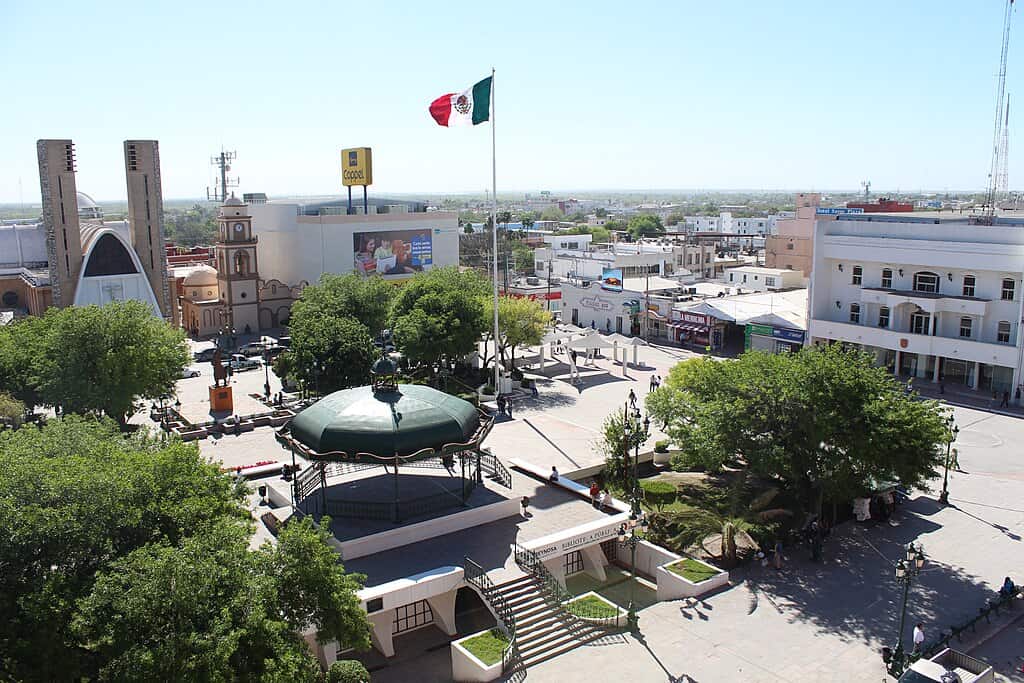
Reynosa, bordering Texas with about 700,000 residents, has long been associated with organized crime competition. Homicide levels have varied but have reached approximately 60 per 100,000 inhabitants in peak periods. Cross-border trafficking routes contribute to recurring instability.
Industrial operations continue, yet sporadic firefights have disrupted daily routines. Security forces maintain checkpoints on major roads. Analysts typically advise postponing nonessential travel and remaining attentive to official state-level advisories.
13. Chihuahua City, Chihuahua

Chihuahua City, population near 900,000, serves as a regional administrative center yet has recorded homicide rates fluctuating around 45 to 55 per 100,000 residents in recent years. While lower than some border counterparts, the figures remain high by global standards.
Commercial life remains active, and government presence is visible. Still, targeted criminal incidents persist in certain districts. Travelers are encouraged to rely on reputable lodging, avoid poorly lit areas at night, and consult up-to-date security guidance.
14. Colima City, Colima
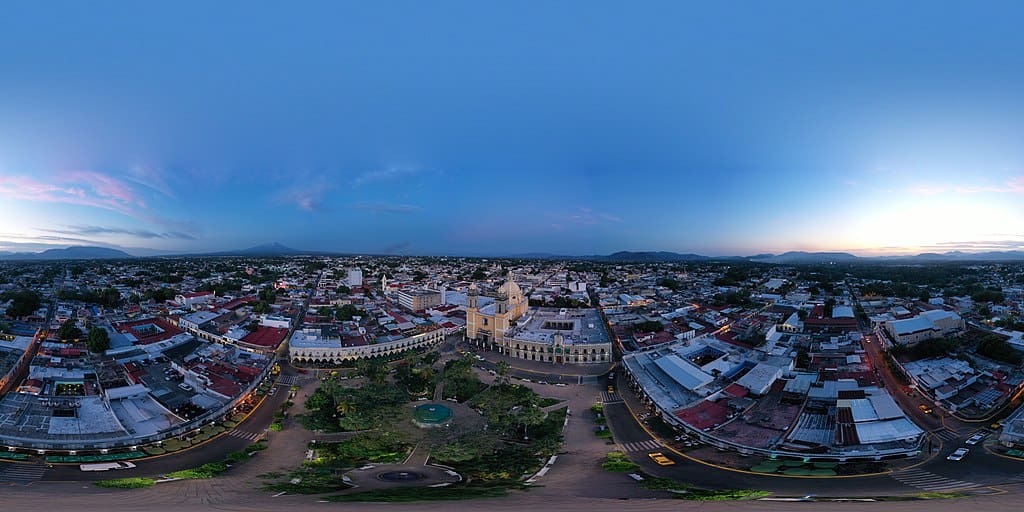
Colima City, with just under 200,000 residents, has faced strikingly high per-capita homicide levels, occasionally surpassing 110 per 100,000 inhabitants—among the highest recorded nationally. Its proximity to strategic trade routes has intensified criminal competition.
Though compact and historically peaceful, recent volatility has drawn international attention. Security deployments have increased, but periodic violence continues. Experts recommend postponing leisure travel and remaining within secured accommodations if visits are unavoidable