We may earn money or products from the companies mentioned in this post. This means if you click on the link and purchase the item, I will receive a small commission at no extra cost to you ... you're just helping re-supply our family's travel fund.
Some places don’t just impress you, they stay with you long after you return home. These destinations combine history, scale, biodiversity, and raw beauty in ways few others can. From mountaintop ruins to underwater kingdoms, each location below offers measurable grandeur and deeply personal moments. If you’re building a true lifetime travel list, these five belong at the very top.
1. Machu Picchu
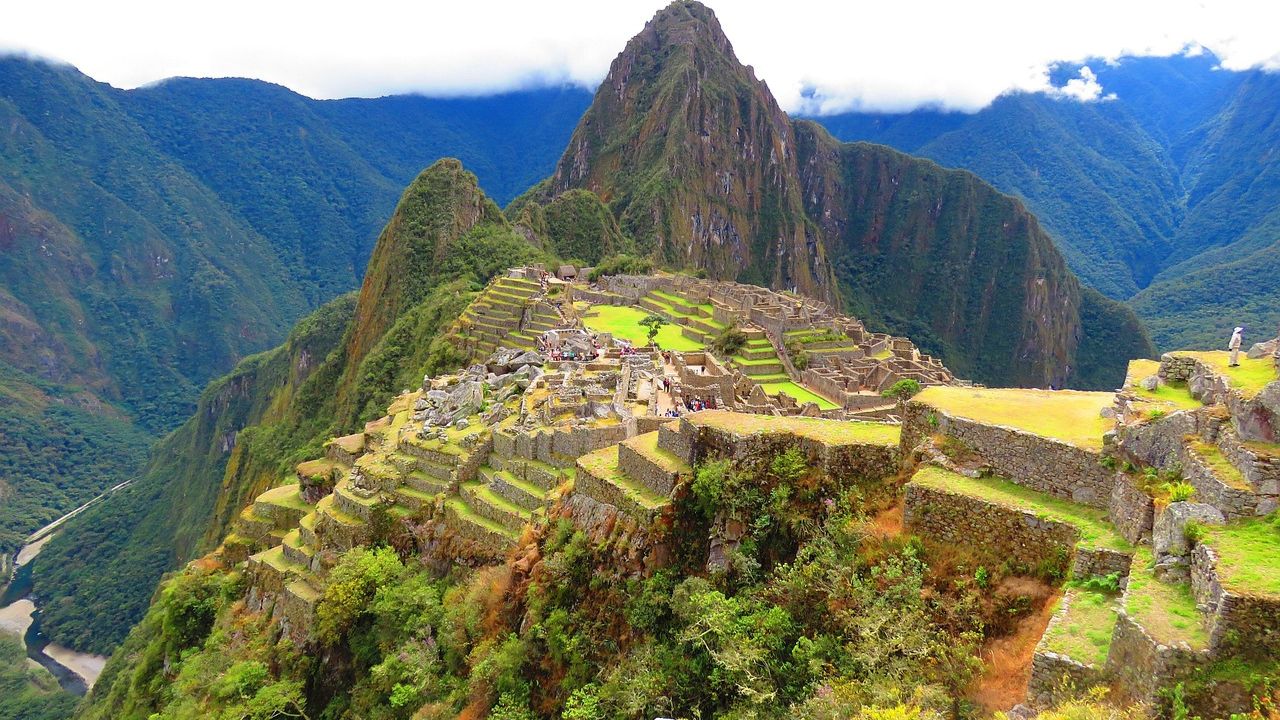
Perched at 2,430 meters above sea level in Peru’s Andes, Machu Picchu remains one of the most astonishing archaeological sites on Earth. Built in the 15th century under Inca ruler Pachacuti, the citadel features more than 150 structures, including temples, terraces, and ceremonial spaces precisely cut from granite without mortar. The complex stretches roughly 13 square kilometers, blending seamlessly with steep green peaks. Around 1.5 million visitors arrive annually, many hiking the 43-kilometer Inca Trail. The site’s advanced drainage system and astronomical alignment reveal a civilization far ahead of its time.
2. Great Barrier Reef
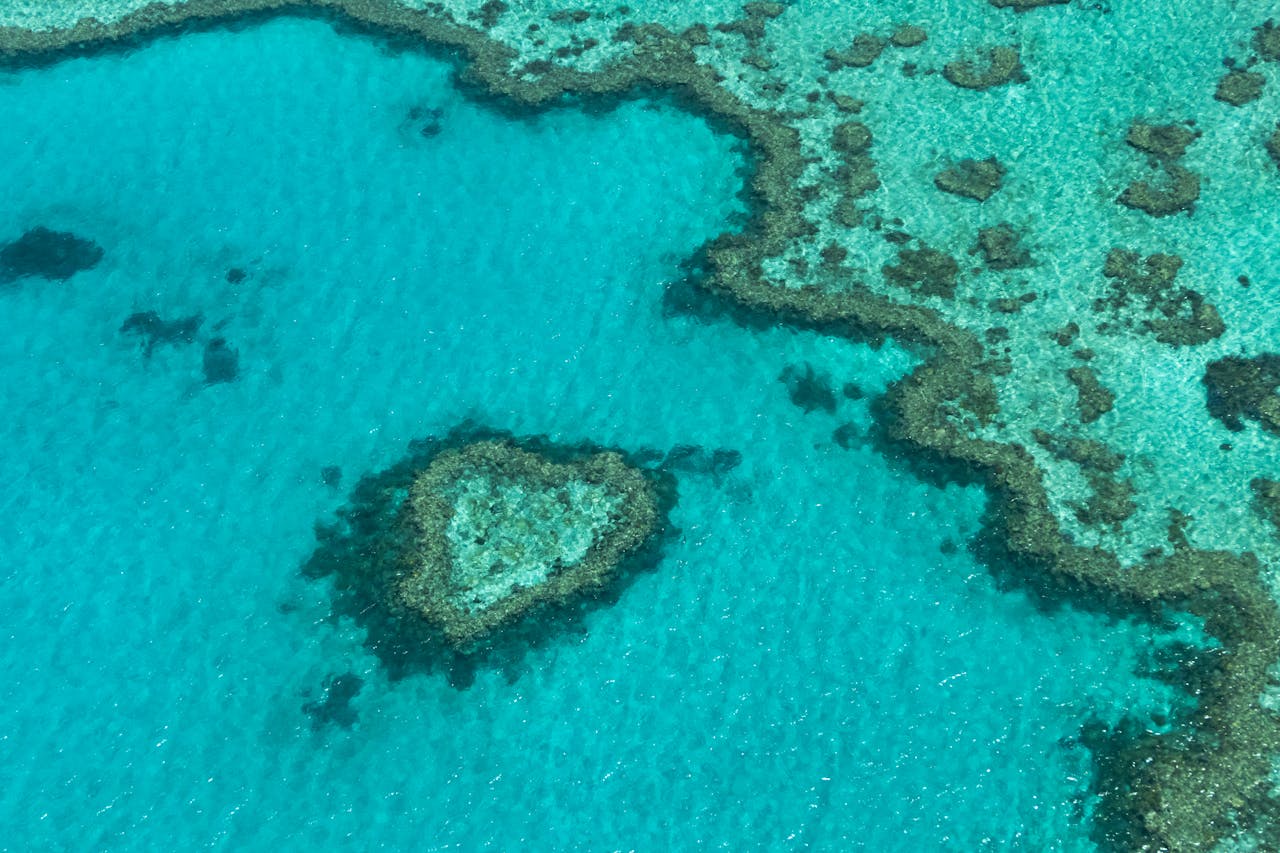
Spanning approximately 344,400 square kilometers along Australia’s northeast coast, the Great Barrier Reef is the planet’s largest coral ecosystem. It consists of nearly 3,000 individual reefs and about 900 islands, supporting over 1,500 fish species and 400 types of coral. Some reef structures date back 8,000 years, forming a living network visible from space. Water temperatures average between 23°C and 29°C, ideal for snorkeling and diving. Tourism contributes billions annually to Australia’s economy, yet conservation remains crucial as climate change continues to challenge this fragile marine wonder.
3. Petra
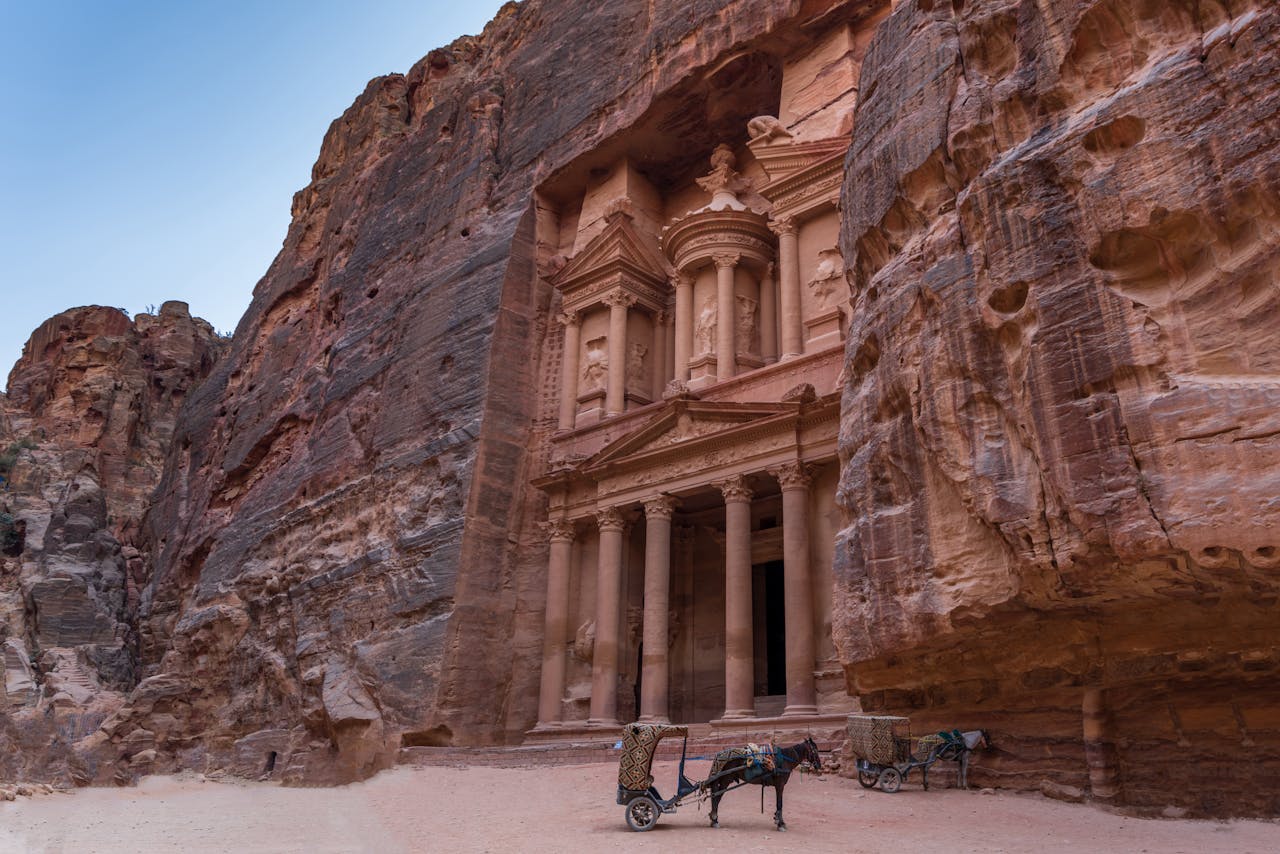
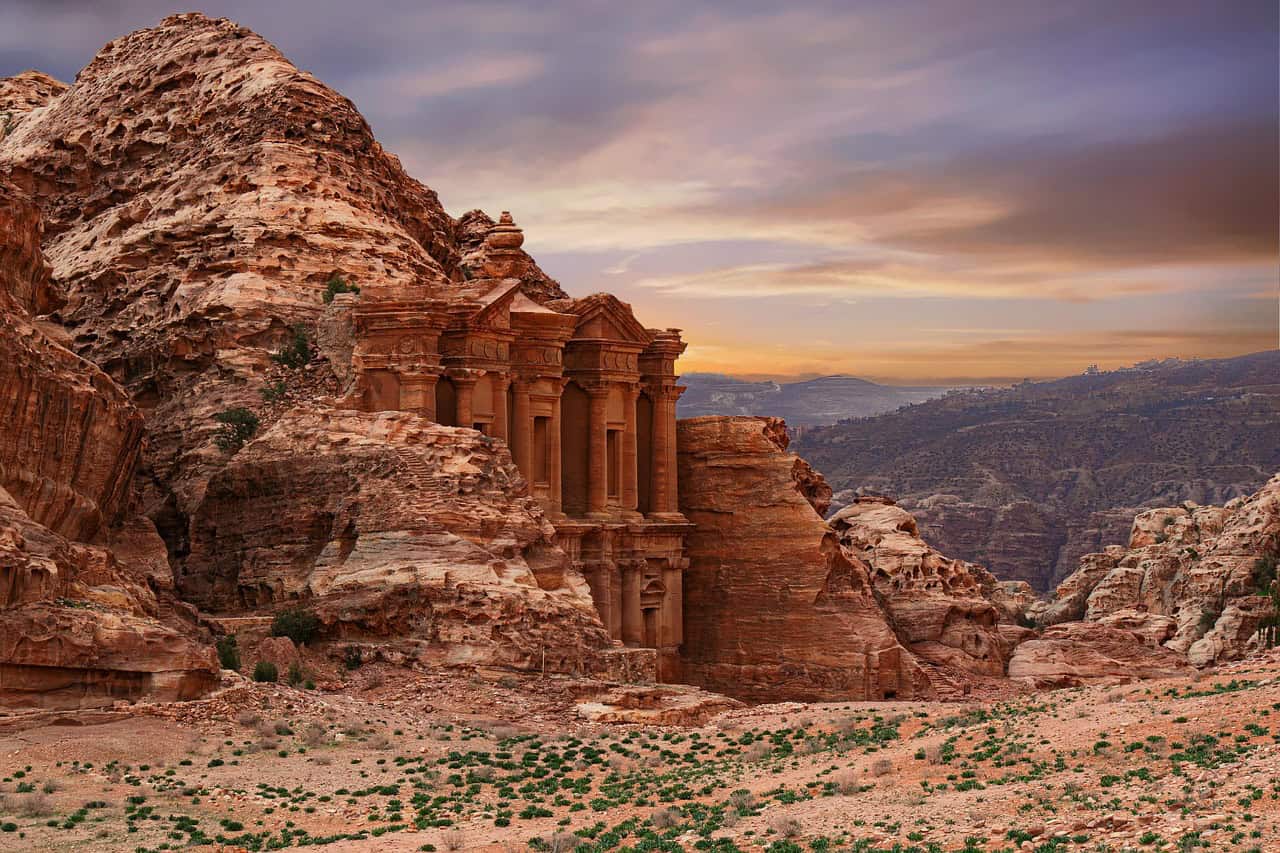
Hidden within southern Jordan’s desert canyons, Petra dates back to around the 4th century BCE and once thrived as a major trade hub. The approach through the narrow Siq gorge stretches 1.2 kilometers before revealing Al-Khazneh, the 40-meter-tall Treasury carved directly into rose-colored sandstone. The broader archaeological park covers roughly 264 square kilometers and includes tombs, temples, and a 50-meter-high Monastery. At its height, Petra supported nearly 30,000 residents. Today, it draws over one million visitors yearly, captivated by its engineering brilliance and dramatic desert setting.
4. Santorini
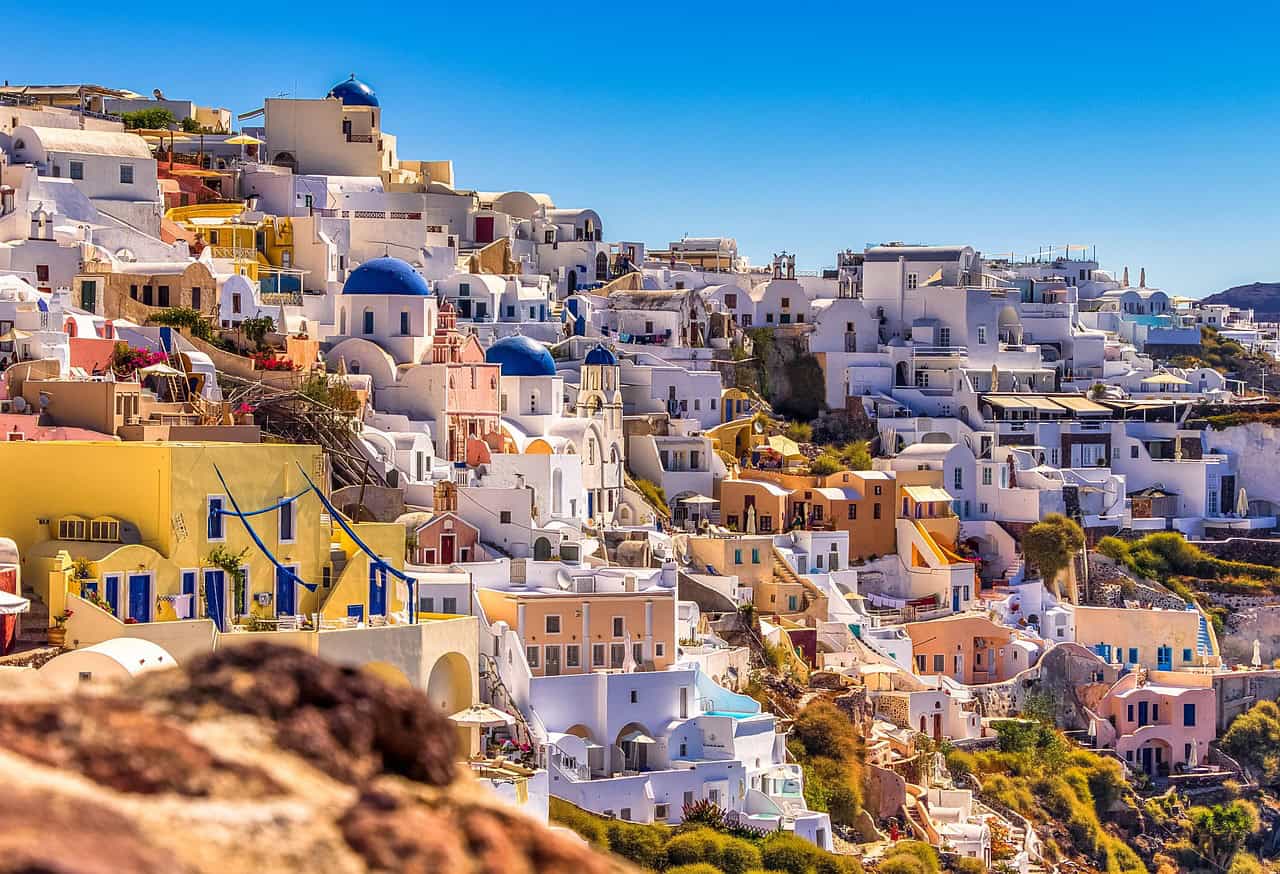
Formed by a powerful volcanic eruption around 1600 BCE, Santorini rises dramatically above the Aegean Sea. Its crescent-shaped caldera cliffs tower nearly 300 meters above the water, framing whitewashed villages like Oia and Fira. The island spans about 76 square kilometers and welcomes roughly 2 million visitors annually. Beyond postcard sunsets, Santorini offers archaeological treasures such as Akrotiri, a Bronze Age settlement preserved in volcanic ash. Beaches here range from red and black volcanic sands to crystal-clear coves, blending geological drama with relaxed Mediterranean charm.
5. Serengeti National Park
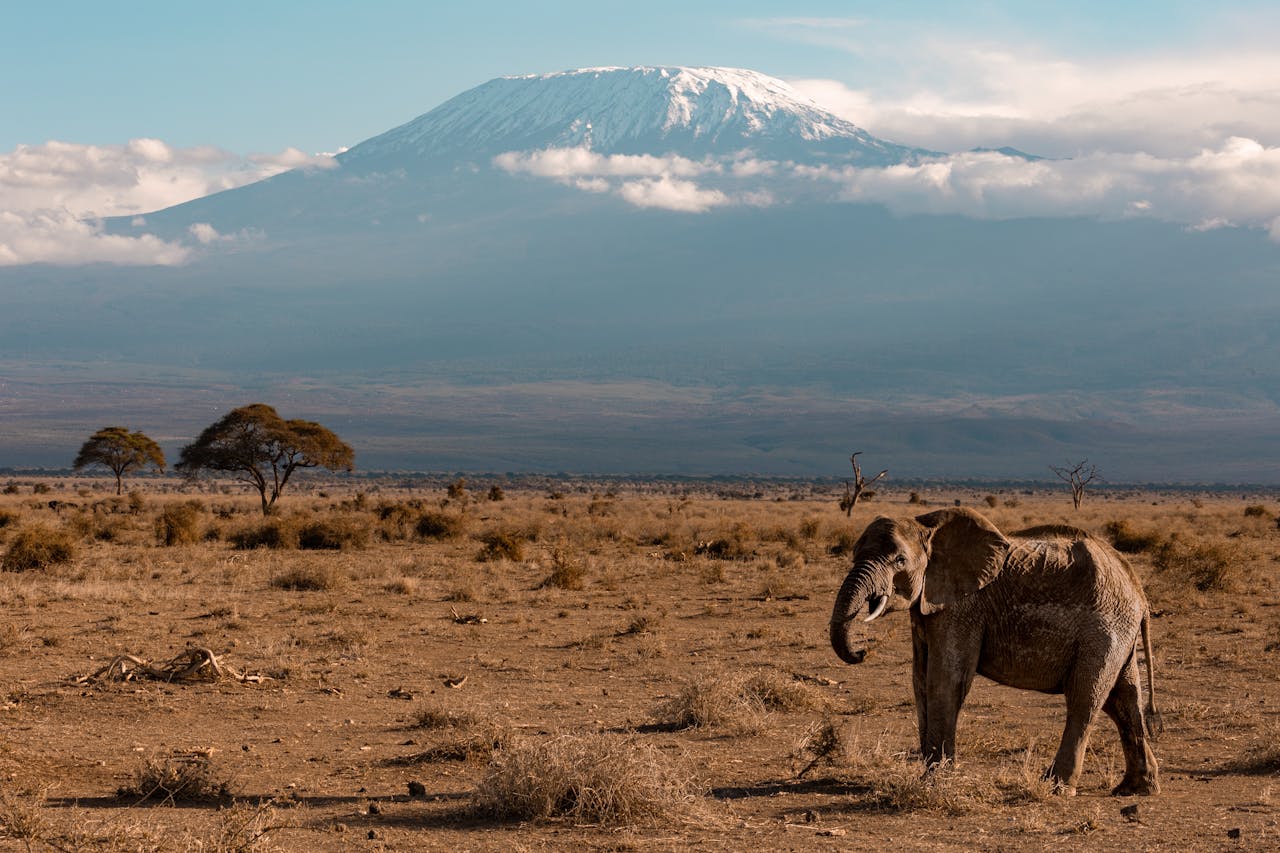
Covering nearly 14,750 square kilometers in northern Tanzania, Serengeti National Park protects one of the world’s richest wildlife ecosystems. The annual Great Migration sees over 1.5 million wildebeest and 200,000 zebras traverse its plains in search of grazing land. Lions, cheetahs, elephants, and more than 500 bird species thrive within this vast savannah. Established in 1951, the park remains central to African conservation efforts. Game drives at dawn and dusk reveal landscapes stretching endlessly beneath golden skies, offering raw encounters that feel both humbling and unforgettable.