We may earn money or products from the companies mentioned in this post. This means if you click on the link and purchase the item, I will receive a small commission at no extra cost to you ... you're just helping re-supply our family's travel fund.
Hilltop towns reveal why geography and memory belong together. Built for defense, visibility, and survival, they now offer something travelers rarely find in flat urban grids: layered perspective. Streets climb toward old walls, church towers mark the skyline, and every overlook reminds visitors that these places were shaped by necessity before beauty became their calling card. The best hill settlements are not frozen museum pieces. They are still inhabited, still textured by daily life, and still deeply tied to land. These eight destinations capture that rare mix of atmosphere, history, and emotional pull.
San Gimignano, Italy
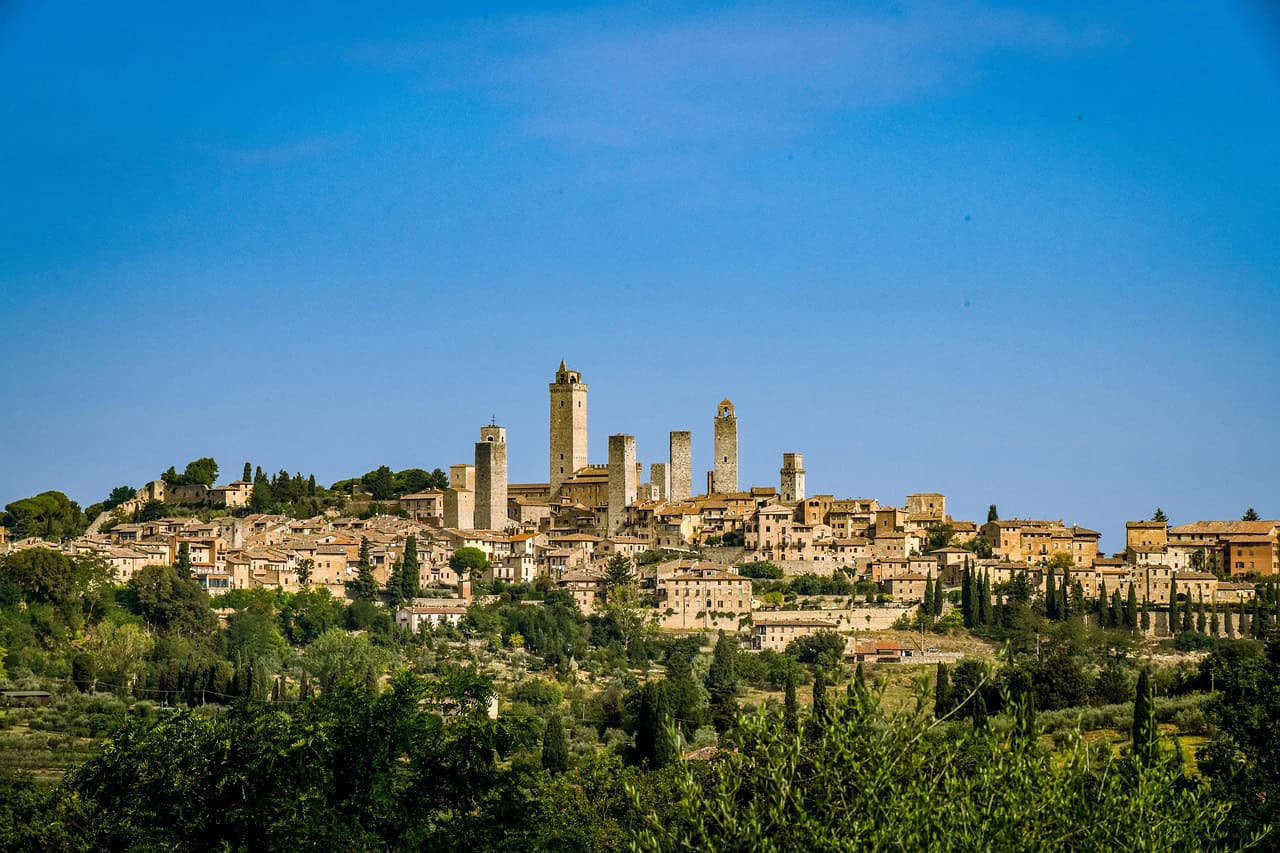
San Gimignano rises above Tuscany with a skyline that feels almost improbable, a cluster of medieval towers that still defines the town’s identity centuries later. Inside the walls, lanes narrow and widen in a steady rhythm, revealing brick facades, civic buildings, and small squares where local life continues beyond tourism hours. Views from the edges open onto vineyards and olive groves, grounding the town in the agricultural landscape that sustained it. What makes San Gimignano memorable is coherence. Architecture, terrain, and scale still speak the same language, and the result feels timeless without feeling artificial.
Èze, France
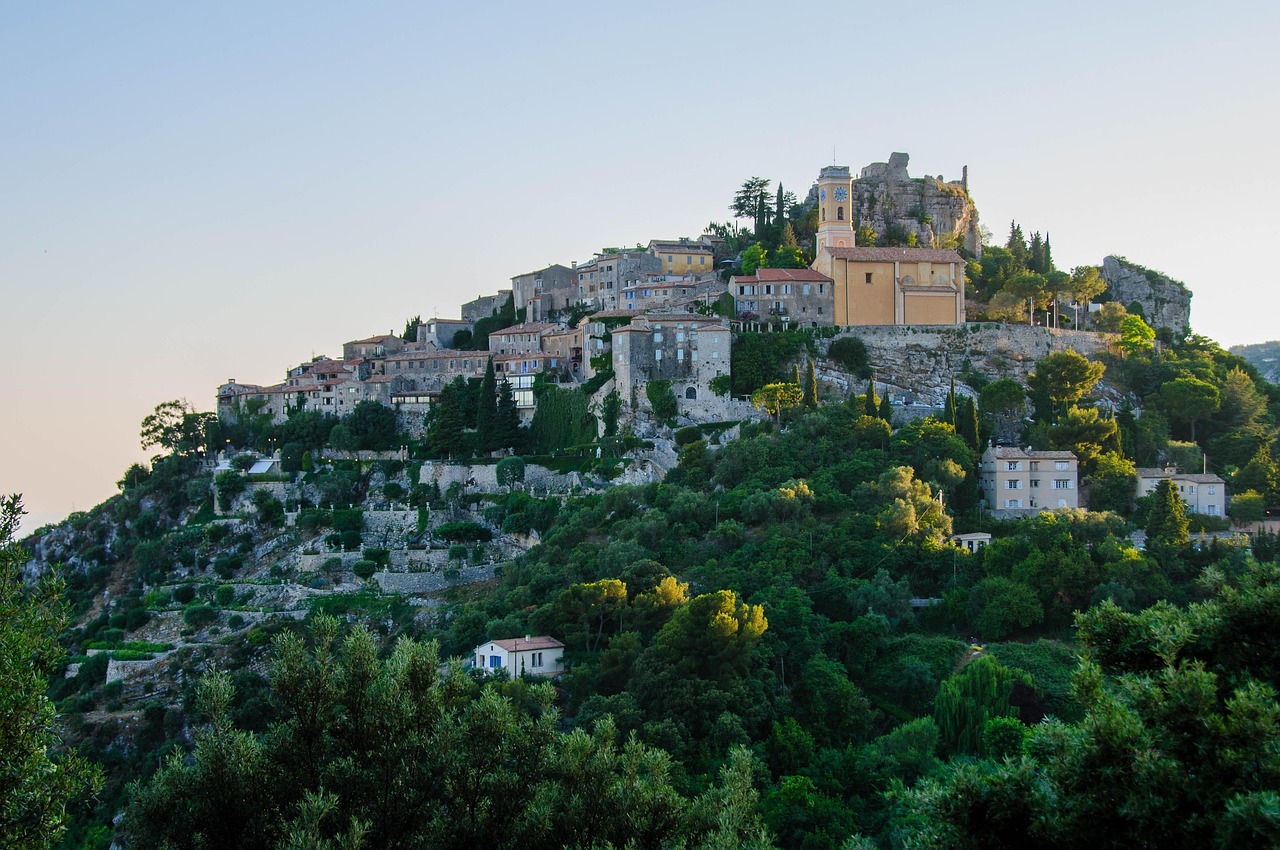
Èze sits high above the Mediterranean, and its elevation gives the village a dramatic clarity from the first steps uphill. Stone lanes twist between old houses, then suddenly open to sweeping sea views that feel expansive yet intimate at the same time. The village is compact, but it never feels cramped, because terraces, gardens, and lookout points break the climb into quiet visual pauses. Light is a major character here, bright and crisp by day, softer and more cinematic near sunset. Èze’s appeal lies in tension: narrow passages and endless horizon, both held in perfect balance.
Rocamadour, France
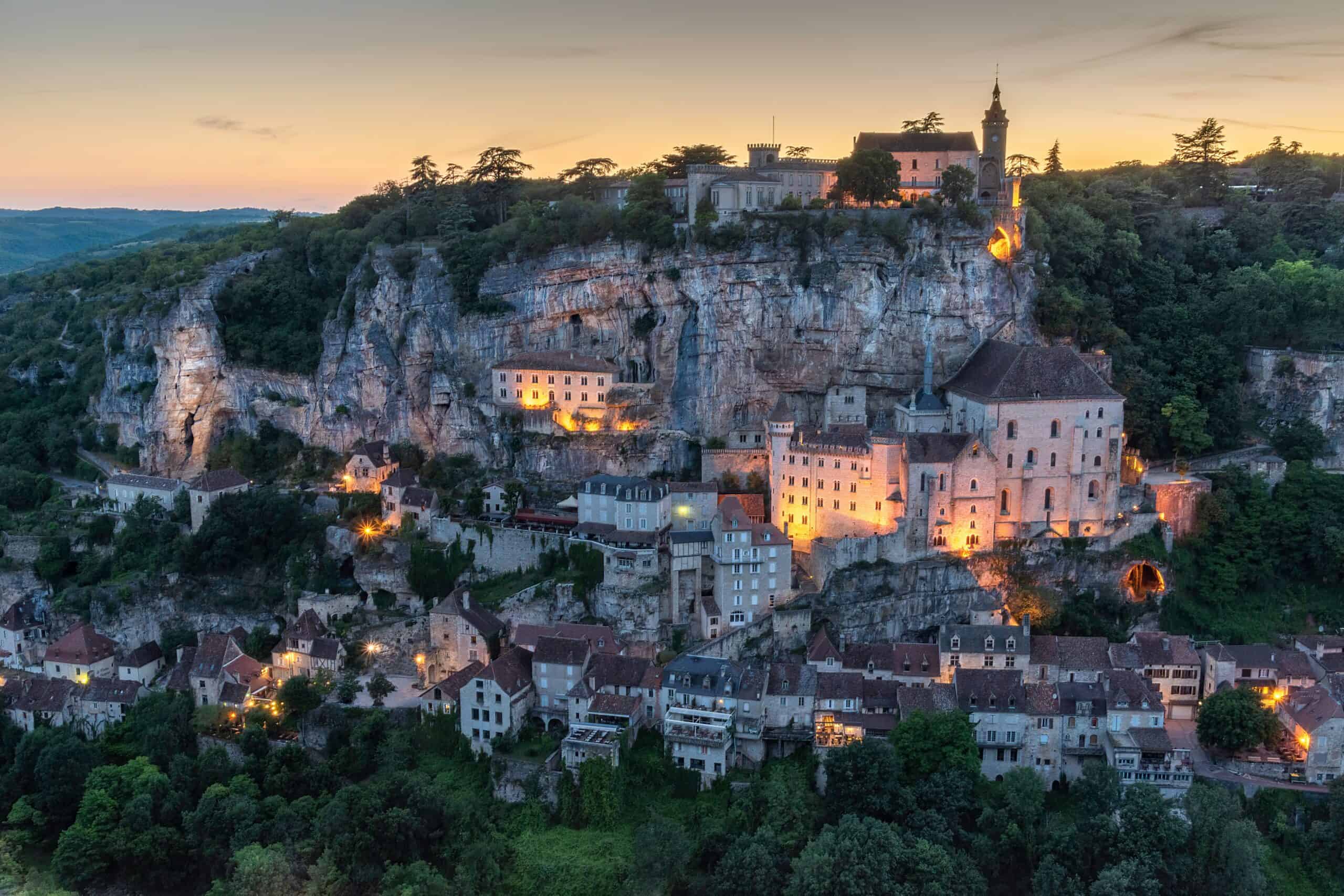
le Sixième Rêve/Unsplash
Rocamadour looks as if it was carved into the cliff by intention and faith in equal measure. Built in tiers above a canyon, the town combines religious heritage, defensive design, and steep topography in a layout that feels both fragile and enduring. From below, its stacked profile is unforgettable. Up close, stairways, chapels, and stone passages reveal a lived settlement that still carries pilgrimage energy. The architecture does not sit beside the landscape. It fuses with it. That physical integration gives Rocamadour unusual emotional weight, where geology and devotion remain visibly intertwined.
Ronda, Spain
Alex/Unsplash
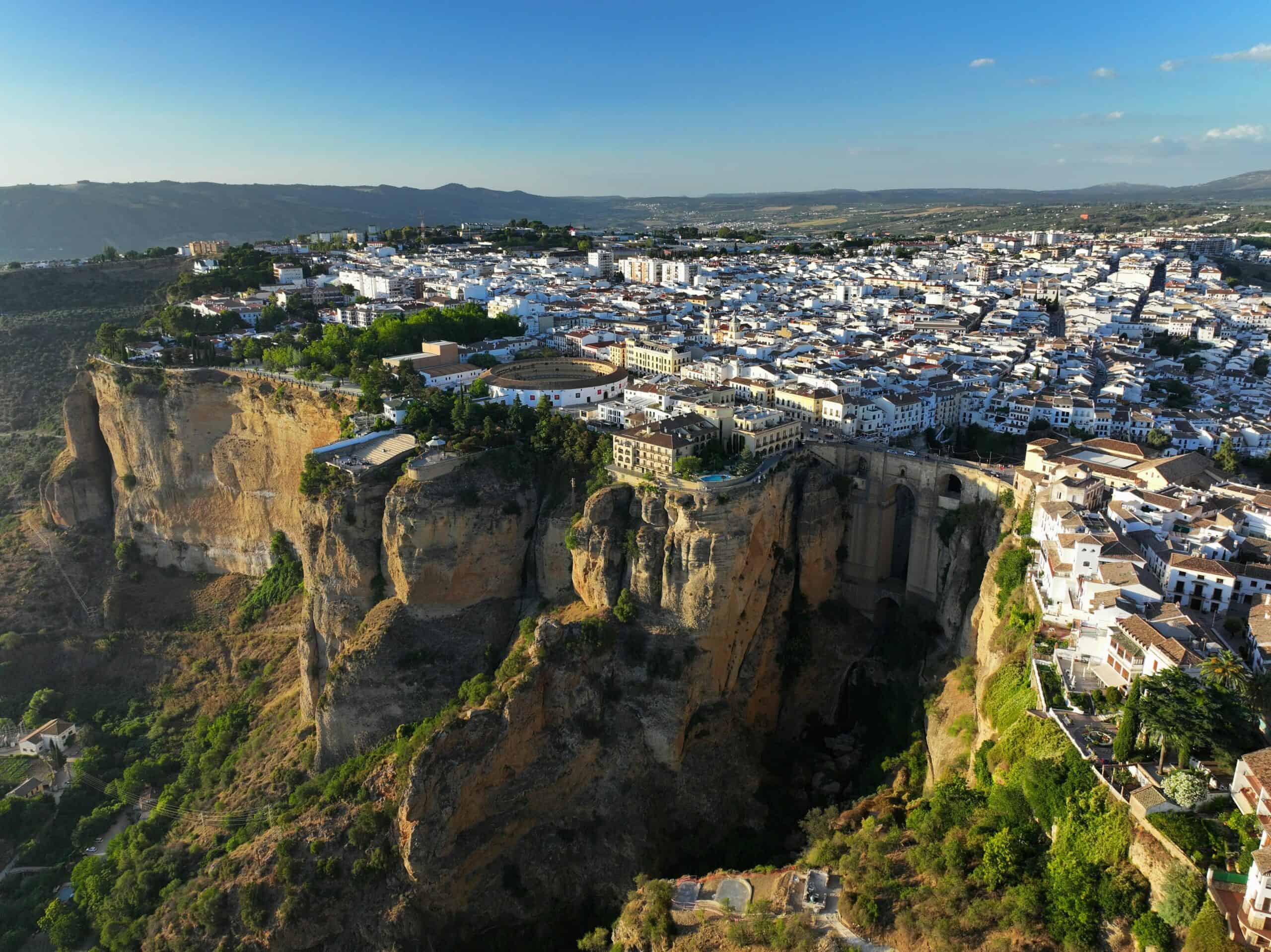
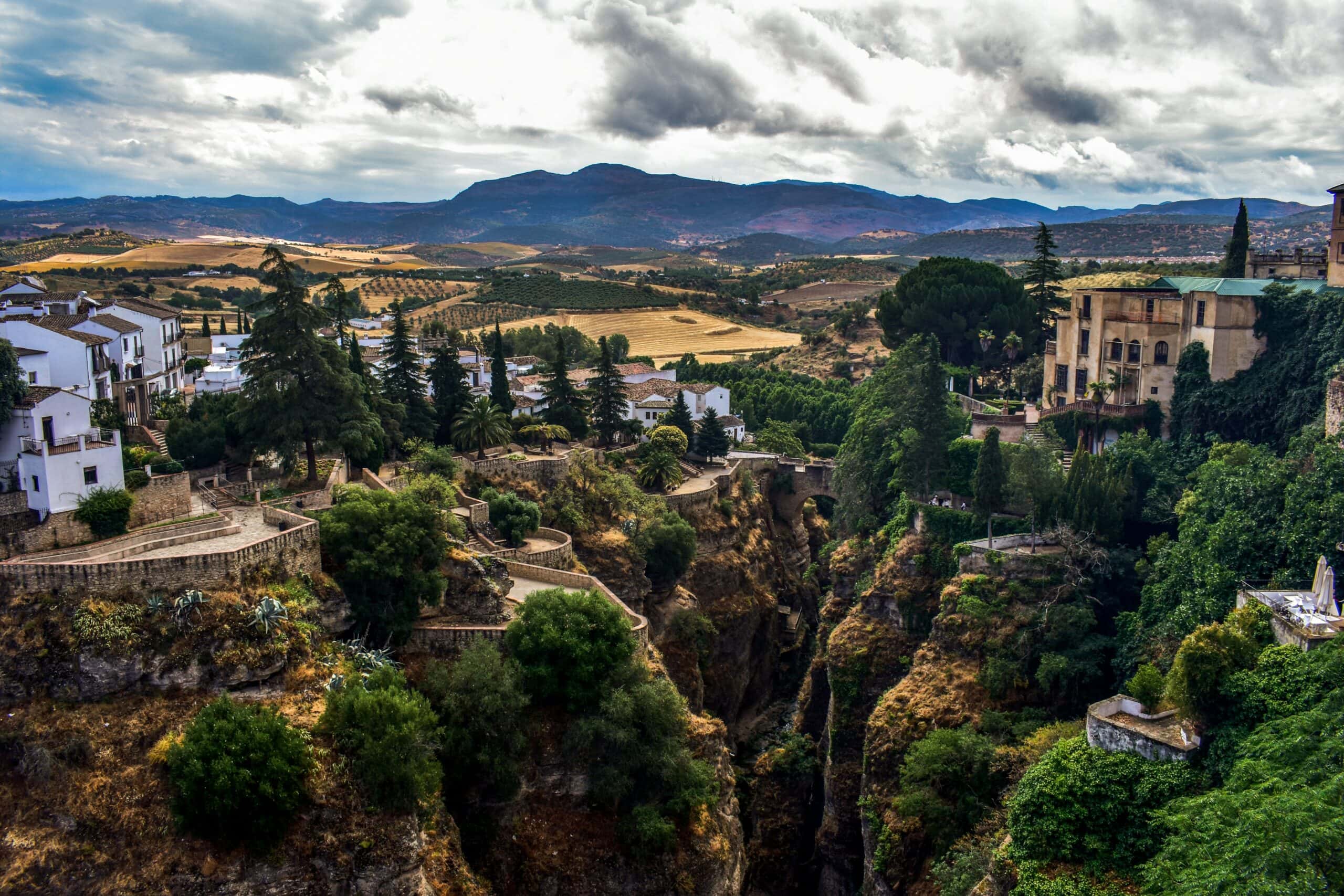
Ronda commands attention through contrast. Whitewashed buildings and calm plazas sit beside a deep gorge, with the Puente Nuevo bridge connecting both sides in one of Europe’s most dramatic urban scenes. The city’s hilltop position creates constant visual shifts, narrow streets open to sudden drop-offs, then fold back into quiet residential corners and shaded cafés. Ronda works because it is more than one viewpoint. Its beauty unfolds through movement, from cliff edges to old-town lanes, where engineering, history, and landscape repeatedly overlap. It feels bold, but never loud, and that restraint makes it linger.
Piran, Slovenia
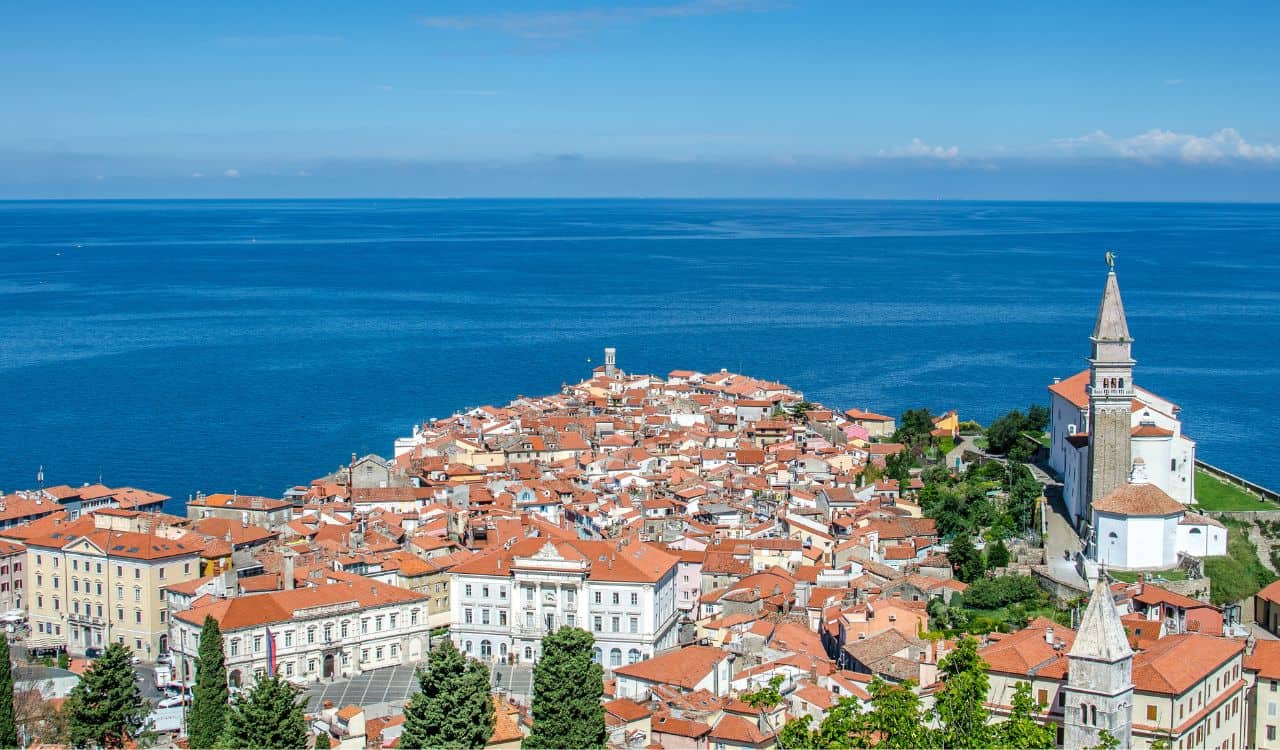
Piran offers a softer version of hilltop drama, where elevation meets the Adriatic in a compact, walkable town with Venetian-era character. From the church hill, red roofs fan toward the sea, and the whole settlement reads like a carefully composed map of maritime history. Down below, tight lanes and small squares keep daily life close and legible, with cafés, harbor activity, and local routines shaping the atmosphere. Piran’s strength is balance. It feels elegant without being polished to sterility, historic without stiffness, and coastal without losing the intimacy that makes hill towns special.
Civita Di Bagnoregio, Italy
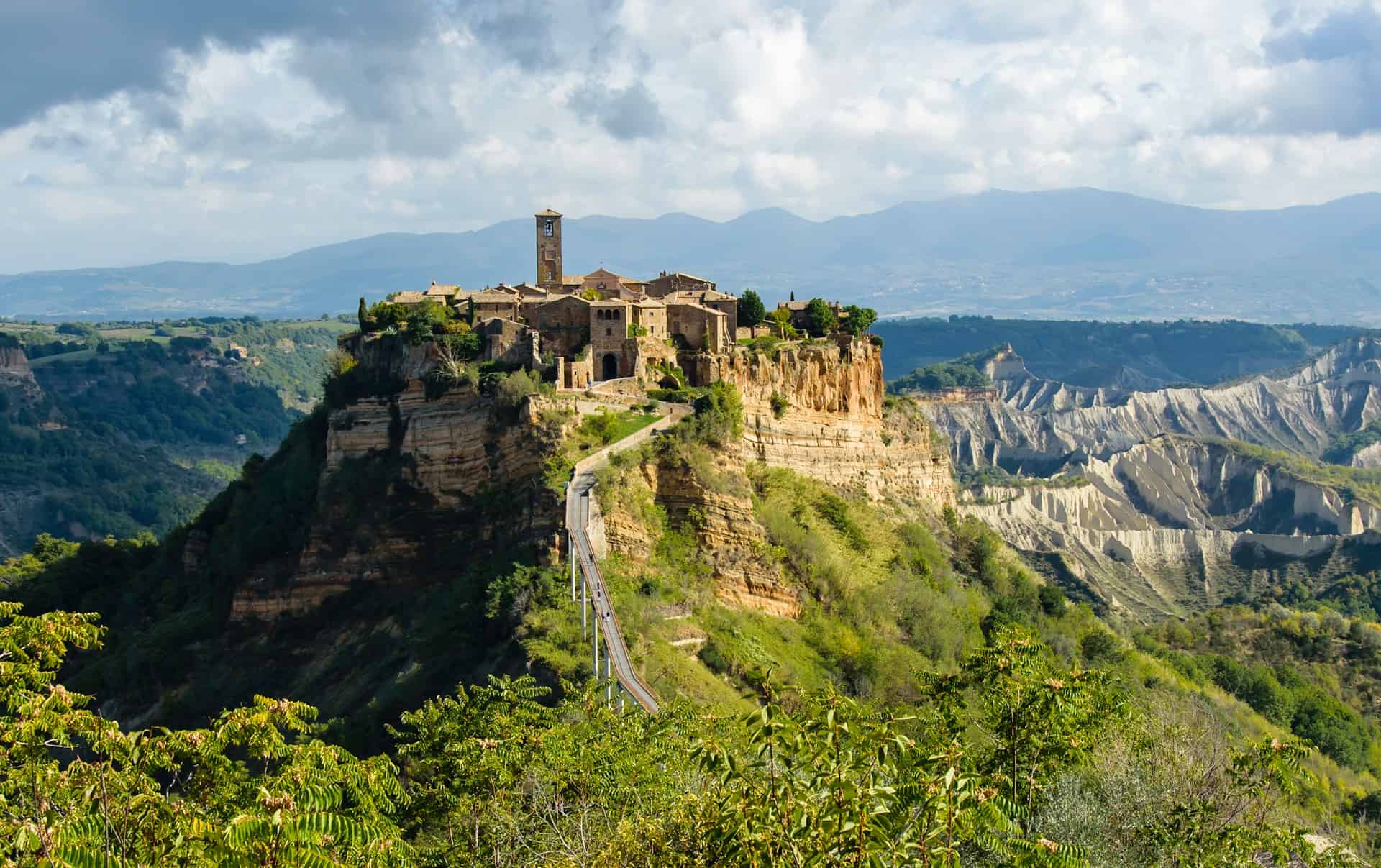
Civita di Bagnoregio feels suspended between endurance and erosion. Reached by a long pedestrian bridge, the village stands on a fragile plateau where geology is not background, it is the central story. Inside, stone houses, flowered balconies, and quiet alleys create a mood of stillness, yet the surrounding valleys remind visitors how exposed the site remains. Civita is beautiful, but its beauty carries urgency. Every wall and pathway suggests persistence against time and terrain. That emotional tension, between vulnerability and continuity, gives the town a rare depth few places can match.
Monemvasia, Greece
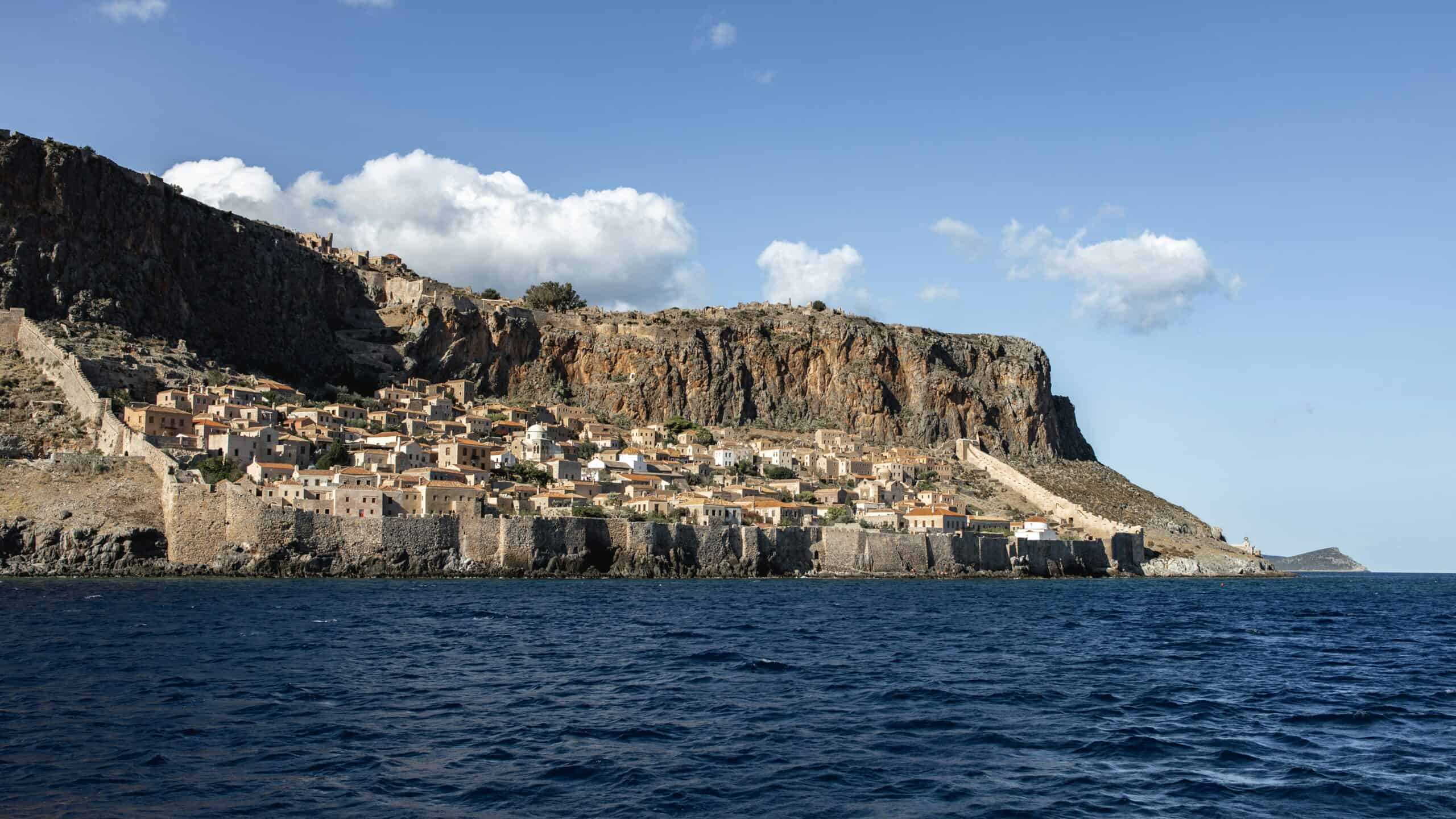
Monemvasia rises from a massive rock linked to the mainland by a narrow causeway, creating the feeling of entering a separate world. Within its fortified boundaries, stone lanes, Byzantine churches, and sea-facing walls hold centuries of layered history in a tight, walkable frame. The climb toward upper sections is steep but rewarding, with broad Aegean views and a stronger sense of the settlement’s strategic purpose. Monemvasia’s beauty comes from unity. Fortification, village life, and coastline remain inseparable, so the place feels complete rather than curated, a living form shaped by rock and water.
Óbidos, Portugal
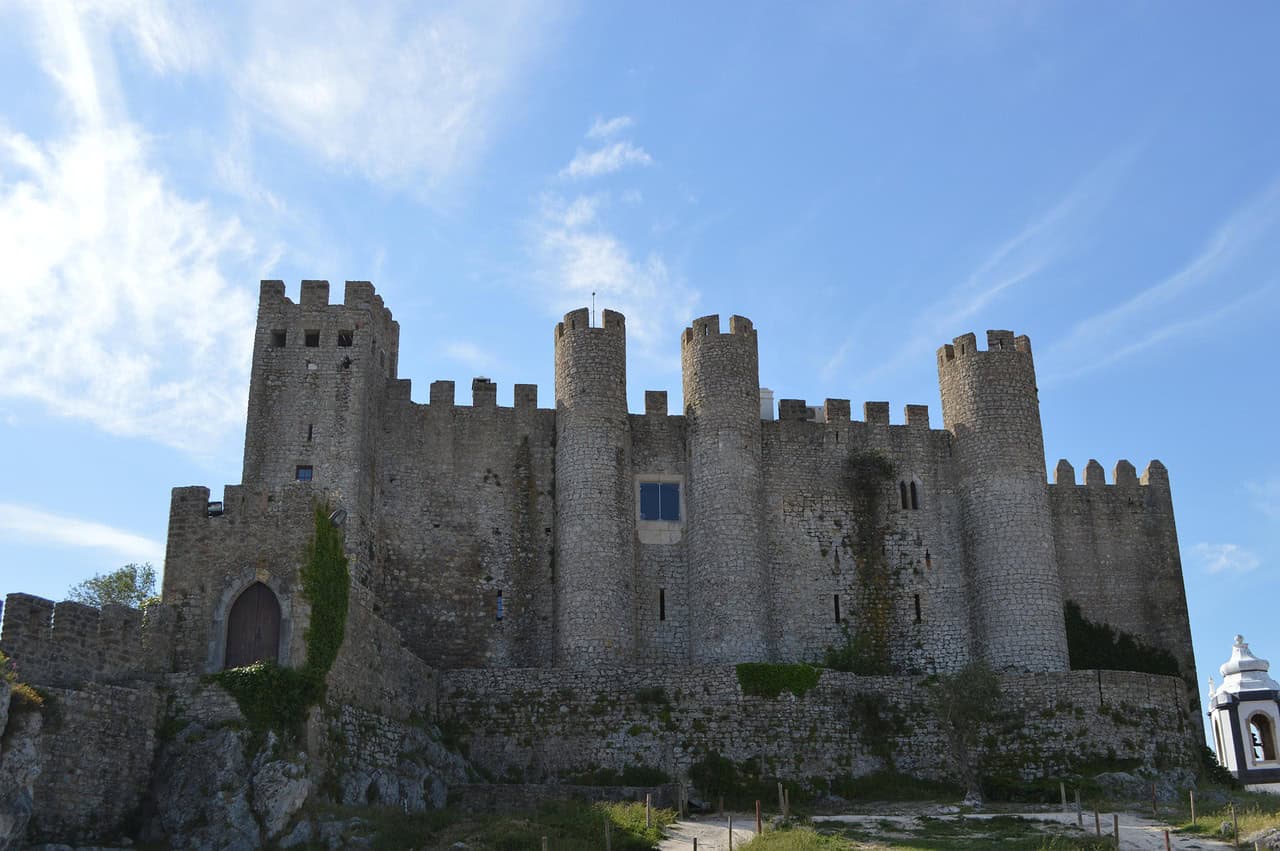
Óbidos captures the charm of a classic Iberian hill town without losing its local pulse. Whitewashed homes, painted trims, and tiled details line narrow streets inside medieval walls that still define the town’s form. Walking the perimeter reveals rolling countryside on all sides, while inner lanes lead to small squares, churches, and workshops that keep the center active throughout the day. Nothing here feels oversized, and that proportion is part of the appeal. Óbidos invites slow attention, where craftsmanship, scale, and setting combine into a village that feels both graceful and grounded.