We may earn money or products from the companies mentioned in this post. This means if you click on the link and purchase the item, I will receive a small commission at no extra cost to you ... you're just helping re-supply our family's travel fund.

For LGBTQ+ travelers, most trips are defined by ordinary joys: a late coffee, a museum queue, a shared taxi, a sunset photo. Yet in a small number of countries, the legal and social landscape can turn routine moments into real exposure, especially where same-sex intimacy is criminalized or gender expression is policed. The goal is not fear, but clarity. These destinations reflect where laws, enforcement patterns, and social stigma can carry severe consequences, and where extra caution and up-to-date guidance matter most.
Afghanistan, Sharia Enforcement And Vanishing Safe Space
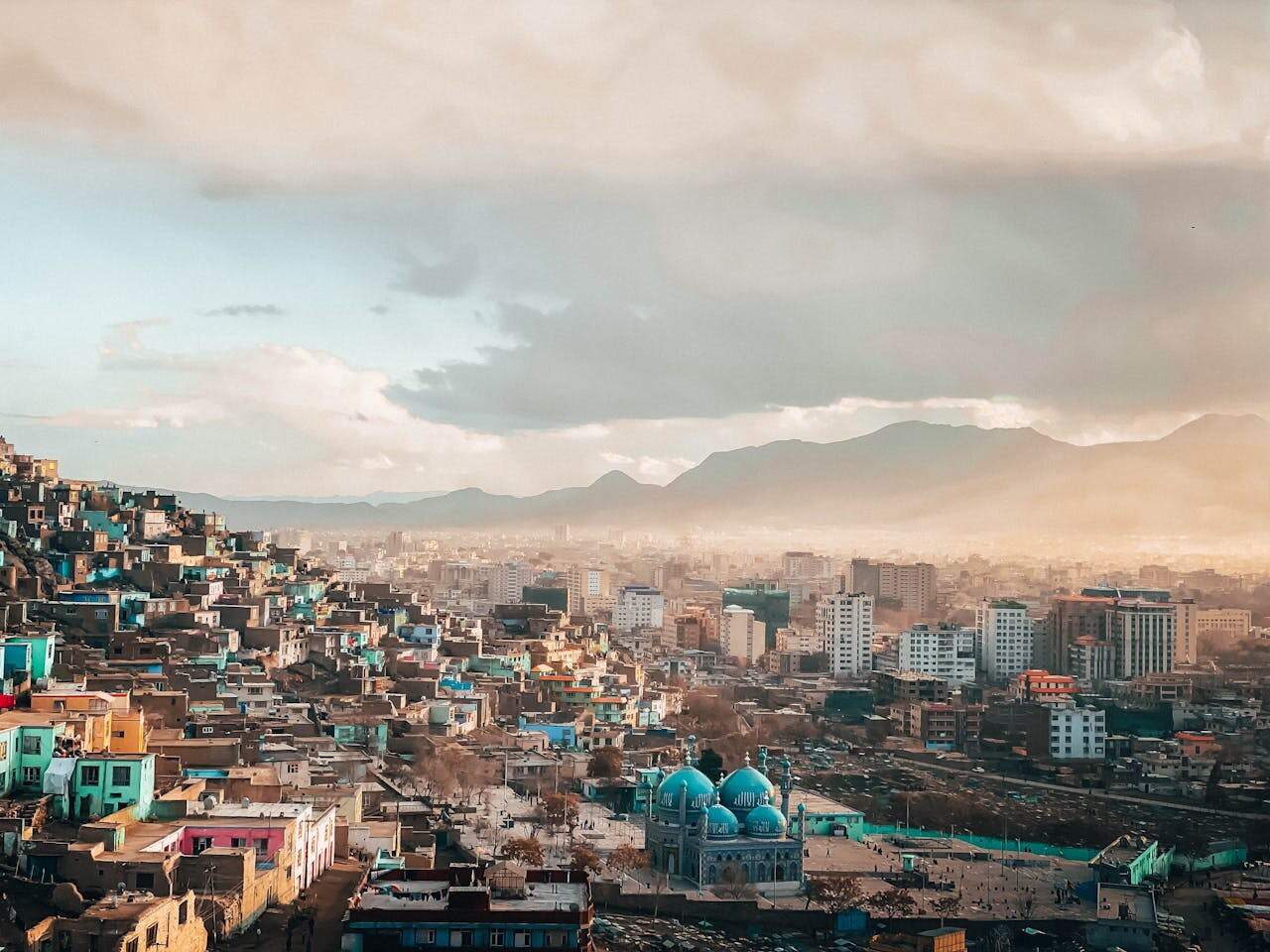
Afghanistan criminalizes same-sex sexual activity, and Human Dignity Trust notes the maximum penalty can be death under Sharia law. In practice, risk is shaped by checkpoints, hotel registration, family networks, and chance that a message, photo, or rumor becomes evidence, especially for anyone read as gender-nonconforming. When travel is unavoidable, organizers favor only known drivers and lodging, keep plans tight, boring, and brief, limit digital traces, travel light, too, set up redundant contacts through employers, embassies, or trusted intermediaries so help is reachable if questioning, detention, extortion, or forced disclosure begins.
Source: Human Dignity Trust.
Iran, Laws With A Maximum Penalty Of Death
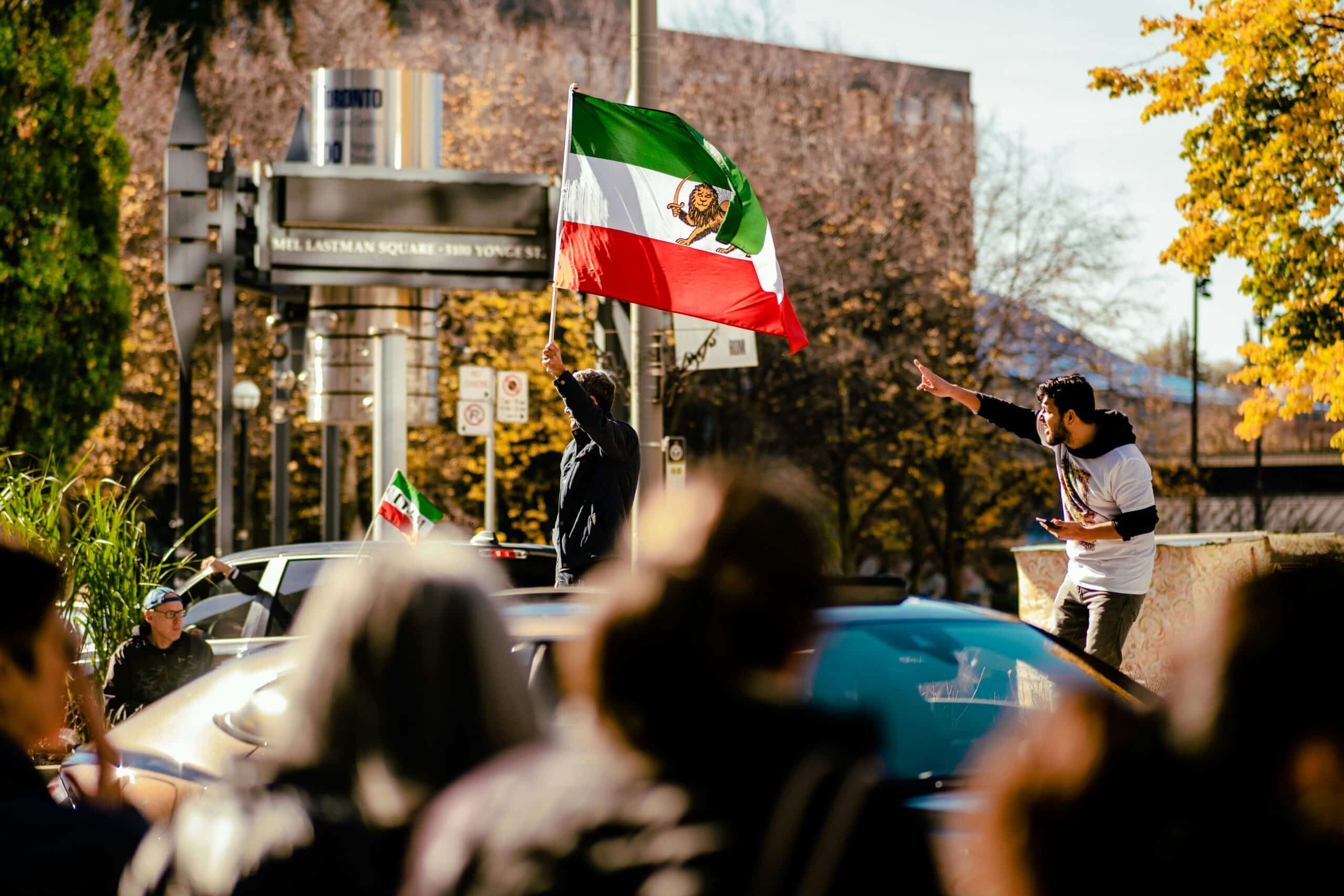
Iran criminalizes same-sex sexual activity between men and between women, and Human Dignity Trust lists a maximum penalty of death, with evidence of enforcement in recent years. That mix of law and practice can turn routine friction, such as a phone search, a roommate question, or a hotel clerk’s suspicion, into something that feels consequential within minutes. Lower-risk travel tends to keep domestic movement limited, avoid public discussions of identity, keep devices and social media stripped down, and rely on clear consular channels plus trusted intermediaries if harassment, detention, blackmail, or coercion begins day or night, quickly.
Source: Human Dignity Trust.
Saudi Arabia, Severe Penalties And Broad Discretion
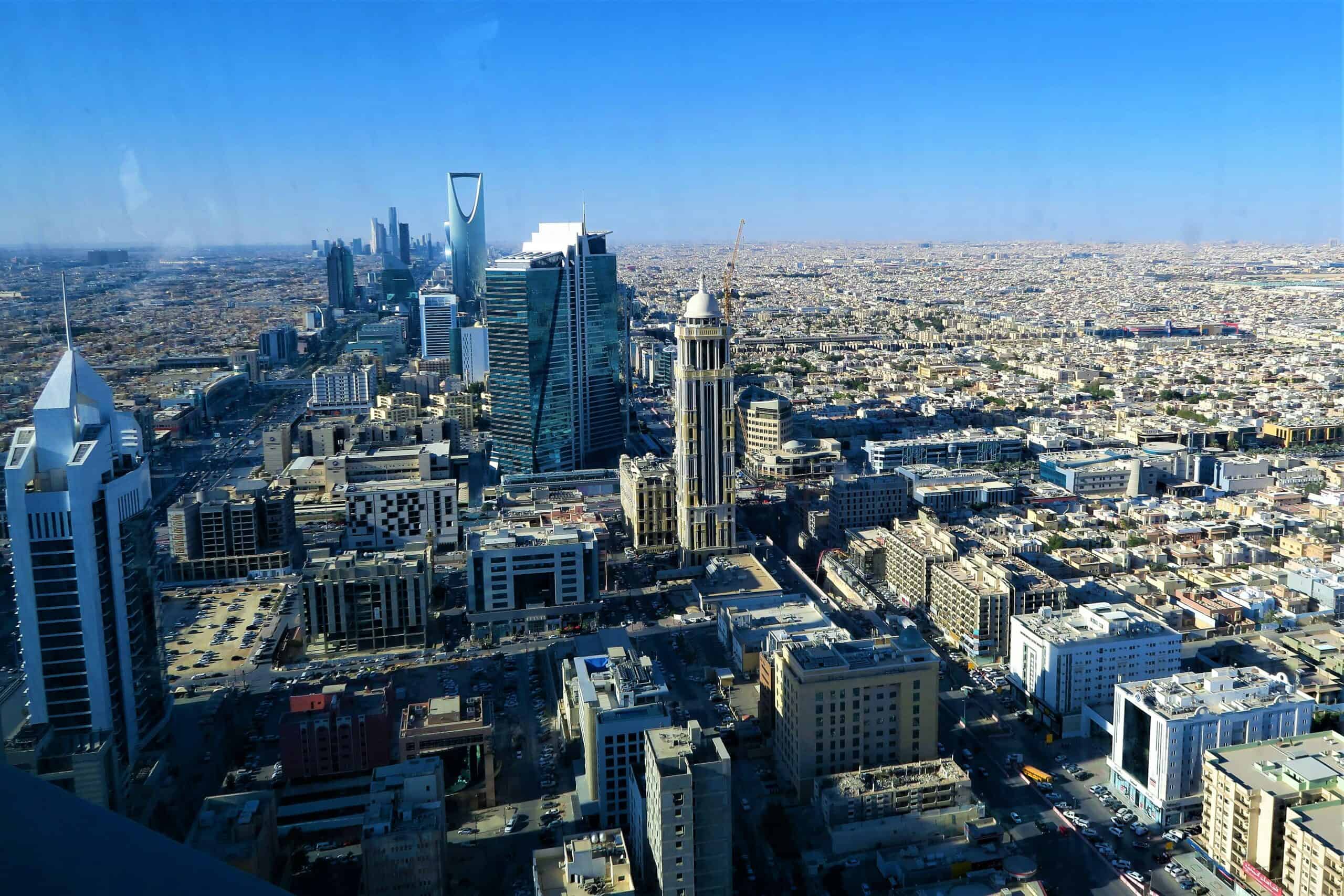
Saudi Arabia criminalizes same-sex sexual activity, and Human Dignity Trust notes a maximum penalty of death, while also criminalizing trans gender expression. The risk is not only statute book, but the opacity: enforcement can hinge on a complaint, an online post, a photo, or a misunderstanding that spirals in a system with broad discretion, especially during heightened security periods in transit hubs. Trips are often planned around low-profile lodging, modest public presentation, conservative digital footprints, and a clear chain of contacts so support is reachable if questioning, surveillance, detention, or local pressure starts to build.
Yemen, Conflict, Fragmented Control, And Capital Punishment
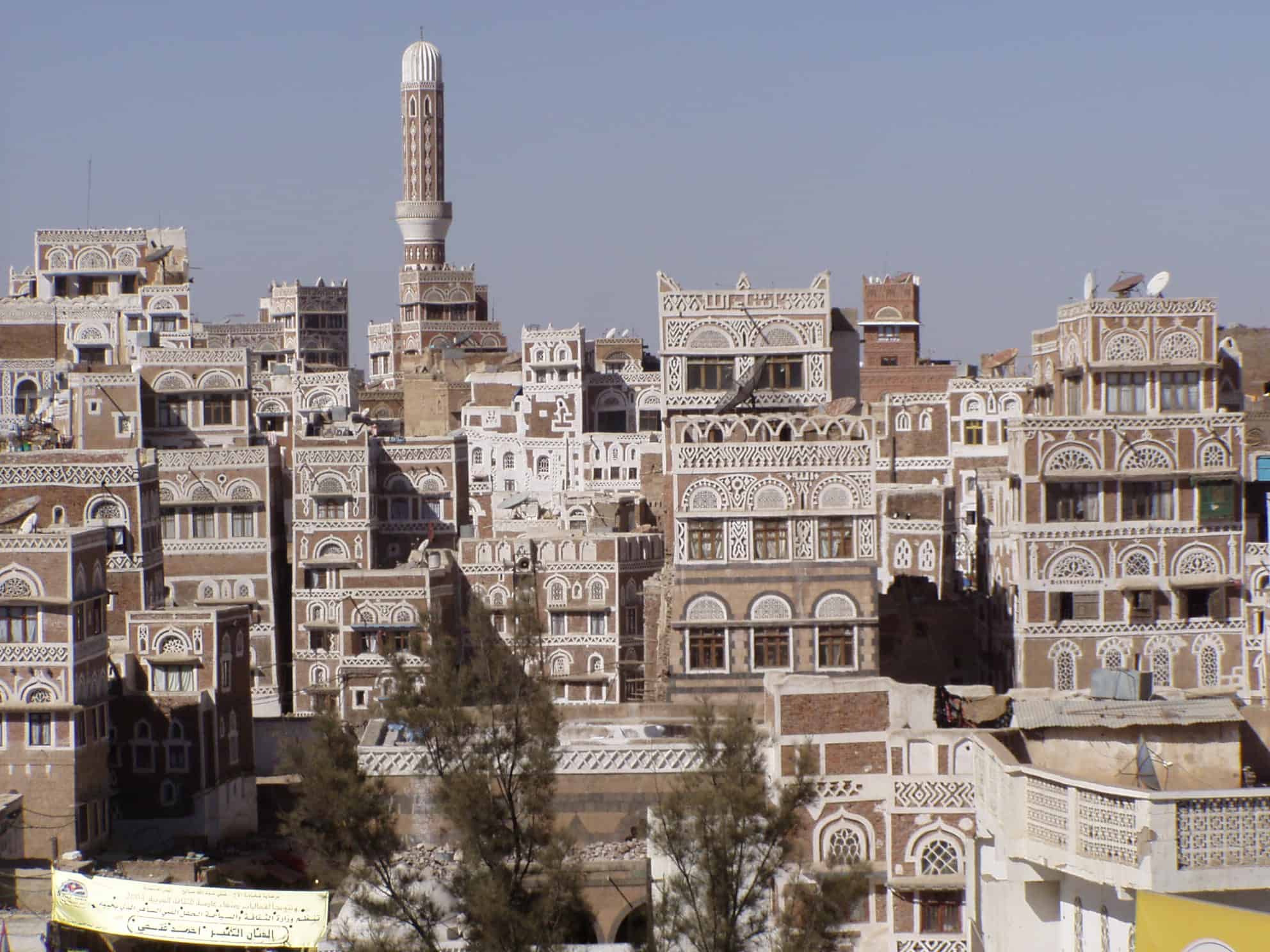
Yemen’s civil war adds volatility to already harsh laws, and Human Dignity Trust reports that same-sex sexual activity is criminalized and can carry a maximum penalty of death by stoning. With fragmented control, shifting front lines and frequent checkpoints, even a small misunderstanding can become a long ordeal, with limited access to lawyers, medical care, cash or safe transport. When travel is unavoidable, organizers keep movement minimal, lean on trusted intermediaries, avoid unnecessary identity questions, carry redundant contacts and transport options, and prioritize departure plans because conditions can flip quickly with no warning.
Somalia, Criminalization With A Maximum Death Penalty
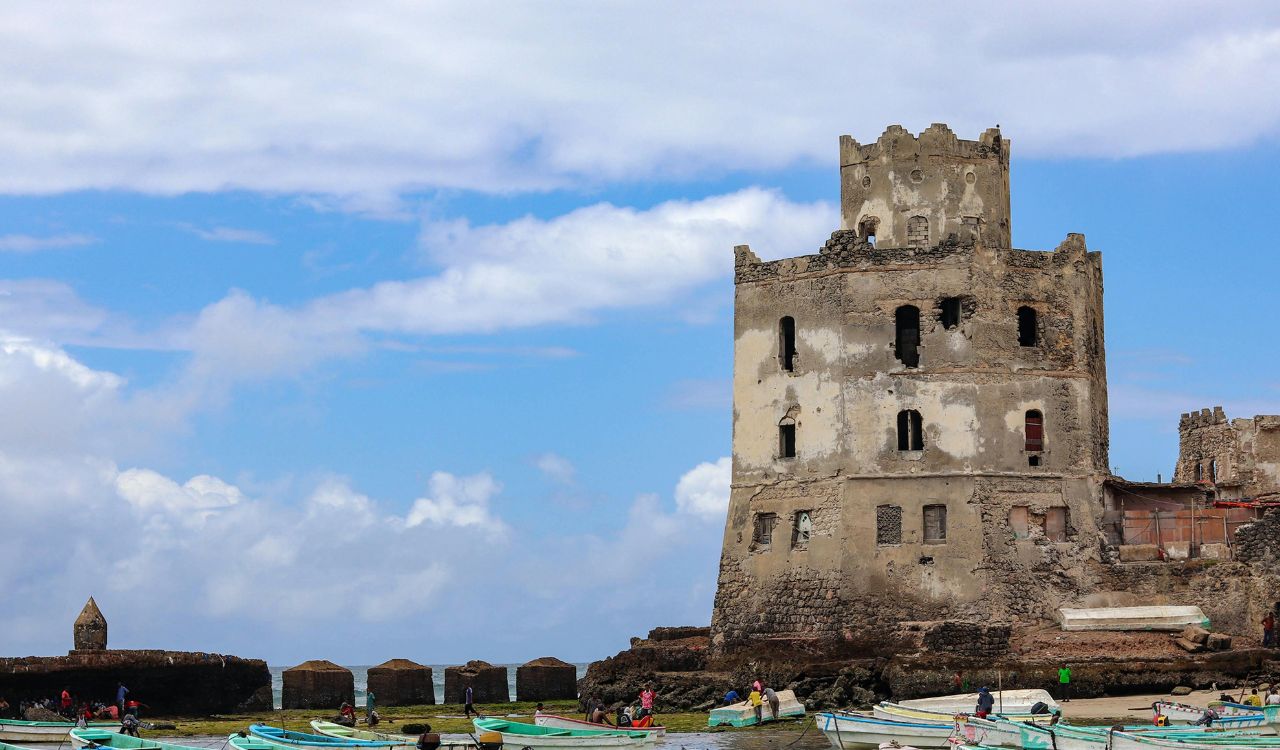
Somalia criminalizes same-sex sexual activity, and Human Dignity Trust lists a maximum penalty of death, with evidence that the law has been enforced in recent years. Outside formal courts, stigma and rumor can be dangerous on their own, especially where community surveillance is intense and a single accusation can trigger threats or detention. Trips that must happen are usually built on controlled logistics: vetted drivers, discreet lodging arrangements, limited nightlife, and local contacts who can interpret checkpoints, defuse attention, and secure safe transport if problems surface before situations harden and exits shrink fast in hours.
Nigeria, Sharia States And A Patchwork Of Risk

Nigeria criminalizes same-sex sexual activity nationwide and Human Dignity Trust notes that the maximum penalty can include death by stoning in some jurisdictions, alongside evidence of enforcement. Because the legal landscape varies by state and policing culture, the same situation can be ignored in one city and punished in another, sometimes through extortion, raids, or public shaming. Risk management often means predictable routes, conservative public behavior, careful handling of phones and photos, and flexible backups for lodging and transport if local conditions turn hostile or rumors spread often for reasons that stay unclear later on.
Source: Human Dignity Trust.
Uganda, Anti-Homosexuality Act And Escalating Enforcement
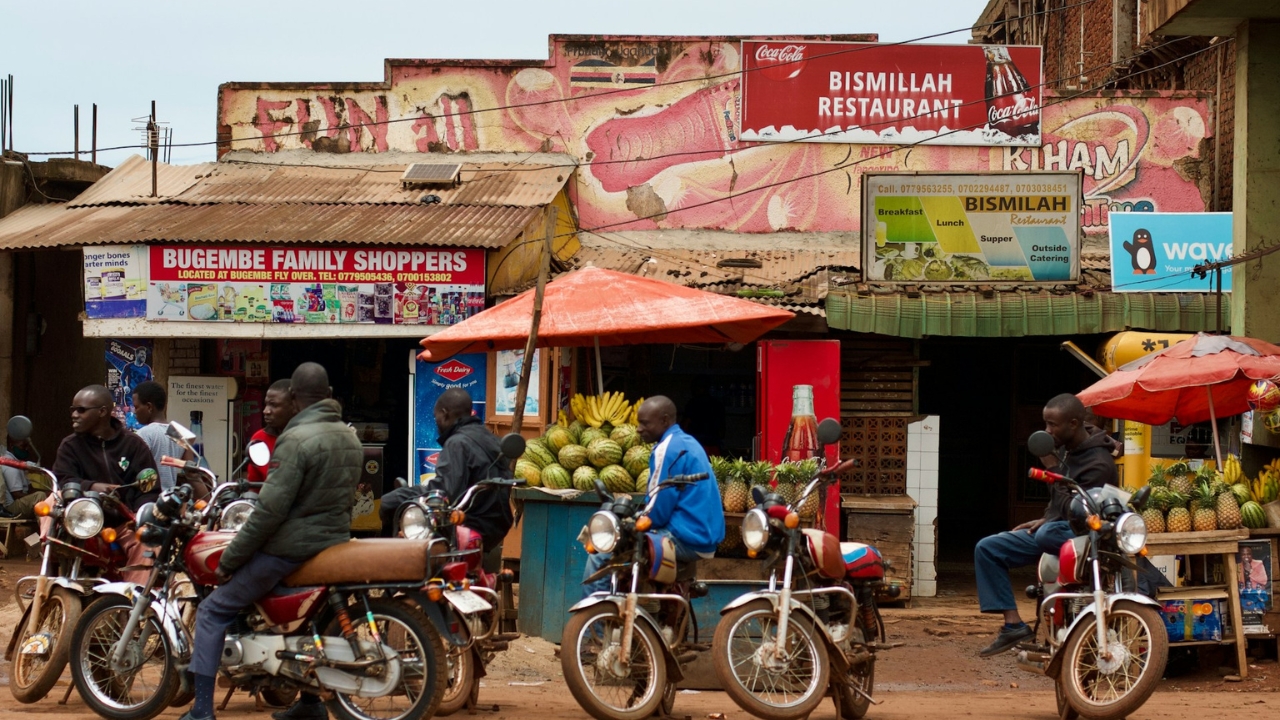
Uganda’s 2023 Anti-Homosexuality Act escalated penalties, and Reuters and AP report that it can expose people to the death penalty in certain cases; the Constitutional Court upheld most of the law in April 2024. Human Rights Watch describes a climate where raids, evictions, and forced disclosure can follow even small accusations, and fear spreads fast through workplaces, rentals, and healthcare settings. Many itineraries shift toward postponement, short stays with trusted hosts, pared-back digital footprints, and emergency contacts that can quickly activate legal support if detention, extortion, or public outing occurs in a single afternoon.
Brunei, Sharia Penal Code And Severe Sentences On Paper
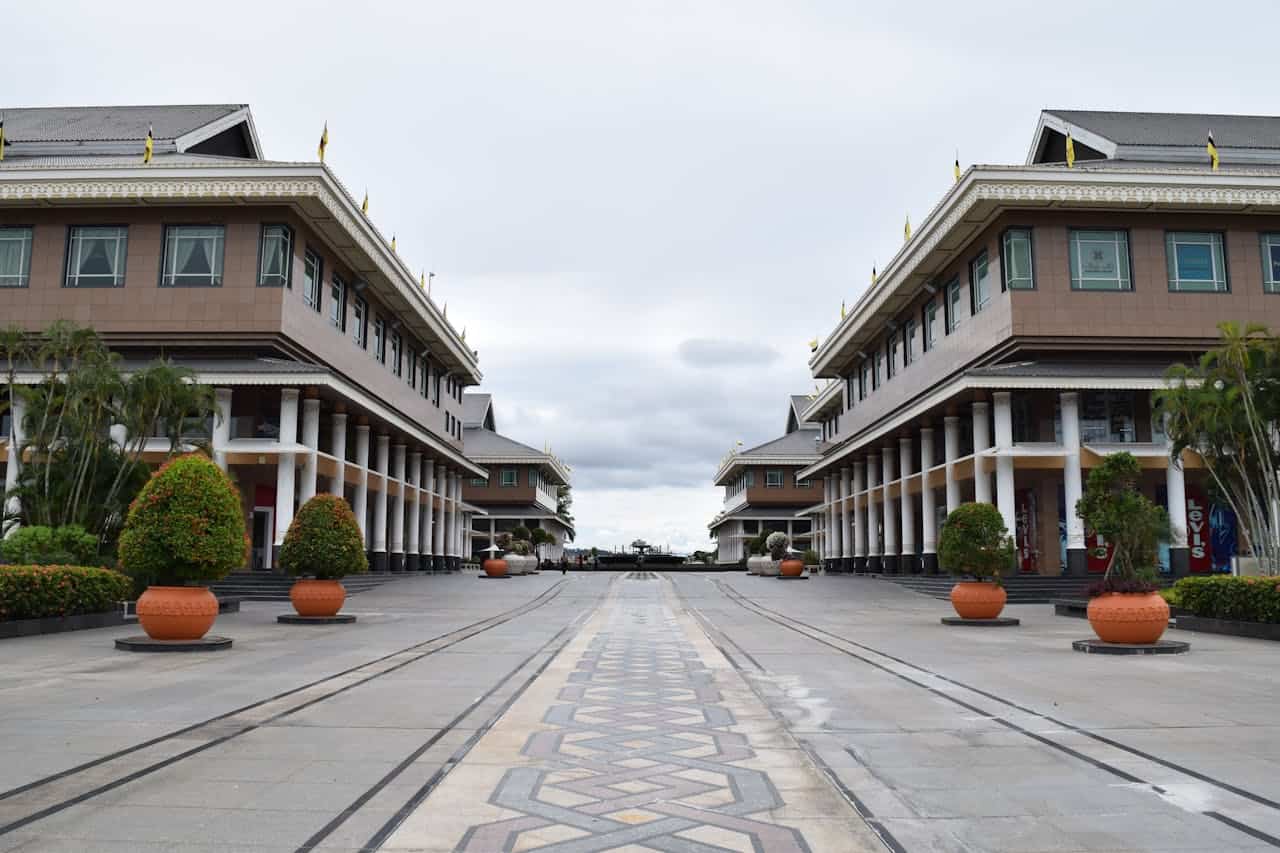
Brunei’s legal framework mixes older criminal provisions with a Sharia-based penal code system, and human rights reporting describes severe punishments on paper, including death by stoning for some offenses. Human Dignity Trust notes that same-sex sexual activity remains criminalized, and the existence of harsh penalties can amplify the power of complaints, quiet threats, and social pressure. Even with a long history without executions, travelers can feel the chilling effect in hotels, workplaces, and public spaces, so plans often emphasize privacy, discreet lodging, and avoiding situations that invite scrutiny across short layovers as well.