We may earn money or products from the companies mentioned in this post. This means if you click on the link and purchase the item, I will receive a small commission at no extra cost to you ... you're just helping re-supply our family's travel fund.

Hospitality is hard to measure, yet travelers recognize it instantly: a welcome that feels personal, a meal offered without fuss, help given before it is asked for. In the most hospitable places, kindness is not performance. It is a social habit, reinforced by language, ritual, and pride in hosting well. These eight countries are often praised for that feeling, each in its own way, from tea poured with ceremony to greetings that treat strangers like future friends. Even brief encounters can carry that warmth, and the memory tends to outlast the scenery.
Japan

Japan’s hospitality is often described through omotenashi, a mindset of wholehearted care rooted in traditions like the tea ceremony and refined through everyday service culture. Hosts aim to anticipate needs quietly, from slippers aligned at a ryokan to a station attendant’s precise guidance, so attention feels present without hovering or forcing conversation. The overall effect is calm and considerate, where details reduce friction, small courtesies feel sincere, and travelers often leave feeling looked after in a way that is subtle, consistent, and reassuring across shops, trains, inns, museums, and even crowded city streets at peak hour.
Greece

Greece carries an old word for hospitality: philoxenia, widely understood as friendship toward the stranger and generosity without suspicion. It shows up in small, steady gestures, an extra plate set down, directions offered with patience, a host insisting a guest taste what is best today, even when the kitchen is closing or the table is full. In villages and islands alike, the welcome is rarely formal; it is conversational and human, with warmth delivered through food, laughter, and practical help, then a parting wave and one more recommendation, as if the visitor has been folded into the table for the evening, not treated like a passing transaction.
India

India’s welcoming culture is often summed up in the phrase Atithidevo Bhava, meaning the guest is akin to God and deserving of sincere care. In practice it can look like relentless generosity: tea offered before questions, families rearranging a meal so a newcomer is served first, shopkeepers walking someone to the right lane instead of pointing. The warmth varies by region and personality, yet the hosting instinct is widely recognizable, and many travelers remember the people as vividly as the monuments, because help often arrives with pride, humor, and an insistence that a guest leave better than they arrived, no matter how small the need.
New Zealand

New Zealanders often point to manaakitanga, a Māori concept describing warm, respectful care for visitors and an effort to uphold the dignity of others. It shows in practical kindness: clear guidance, relaxed conversation, and a host’s instinct to include someone in local context rather than keep them at arm’s length, whether in a shop, on a trail, or at a family table. Across the country, the tone tends to be unforced, with friendliness that feels grounded and steady, plus a quiet readiness to help with timing, weather, and logistics without making a visitor feel indebted, judged, or out of place, and that steadiness reads as genuine.
Ireland
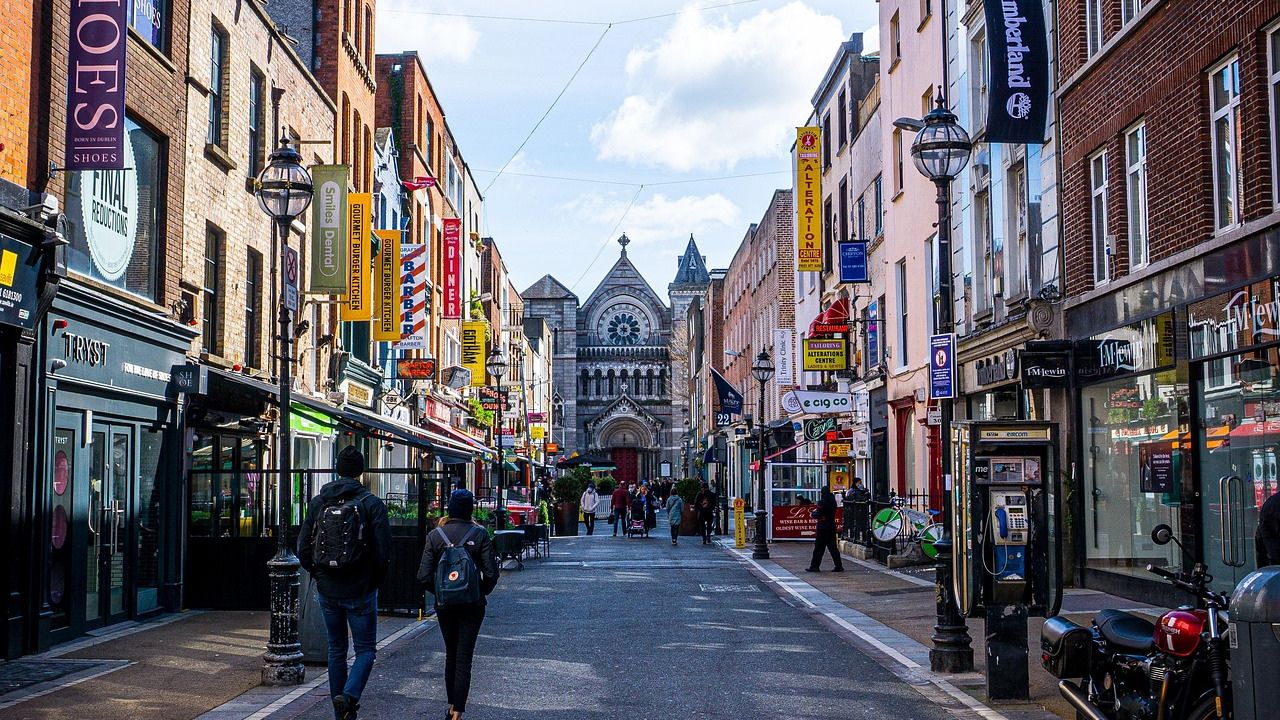
Ireland’s welcome is famously captured in the phrase céad míle fáilte, often translated as a hundred thousand welcomes and treated as a real cultural ideal. The hospitality is less ceremonial than conversational, built on humor, storytelling, and a knack for turning small talk into connection within minutes, even in ordinary places like bus stops and corner shops. In pubs, guesthouses, and village streets, strangers are often treated like neighbors for the evening, and advice arrives freely, from weather warnings to the best time for live music, with an ease that makes a place feel instantly less unfamiliar and more like home for the duration of a trip.
Georgia
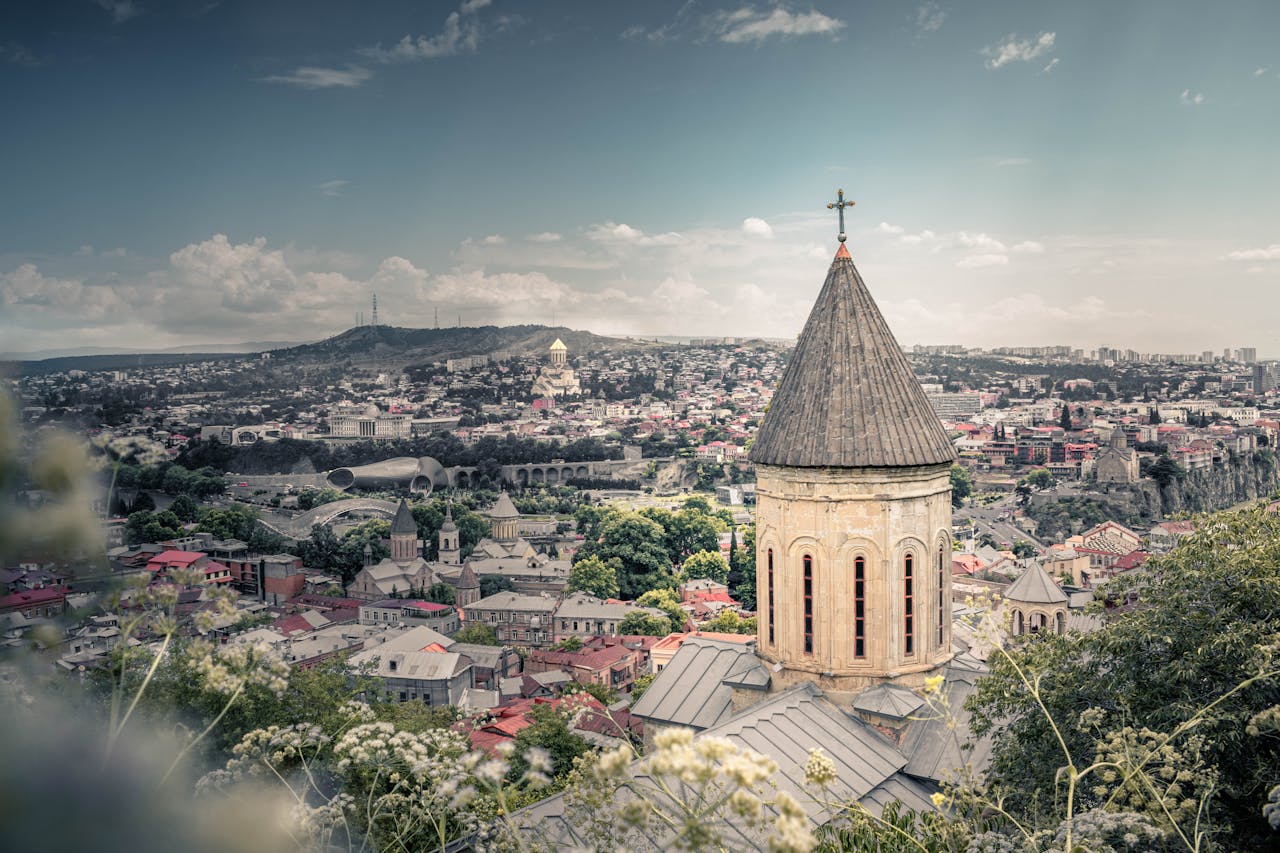
Georgia’s hosting culture is often framed by a proverb: every guest is a gift from God, a belief that turns welcome into a point of honor. Meals can become feasts, and the supra, a traditional table gathering, treats hospitality as an art, with toasts, shared dishes, and constant attention to a guest’s comfort, pace, and plate. The mood can be exuberant, yet it is also protective, as if the host’s reputation depends on sending a visitor onward well fed, safe, and carrying a warm memory of conversation, music, and generosity, with extra snacks packed for the road and a promise to return someday, because the welcome makes distance feel smaller.
Morocco

Moroccan hospitality is inseparable from mint tea, a ritual often described as the most refined expression of welcome and conviviality. The tea is not merely served; it is prepared with attention, poured with height, and offered as a way to slow the moment and make space for conversation, even with a stranger who just stepped in from the street. In homes, riads, and small shops, that first glass often shifts the tone from transaction to relationship, where time is made for a guest, questions are answered patiently, and courtesy feels woven into everyday life, craft, and the pace of the afternoon, with bread and olives appearing as if by habit.
Jordan
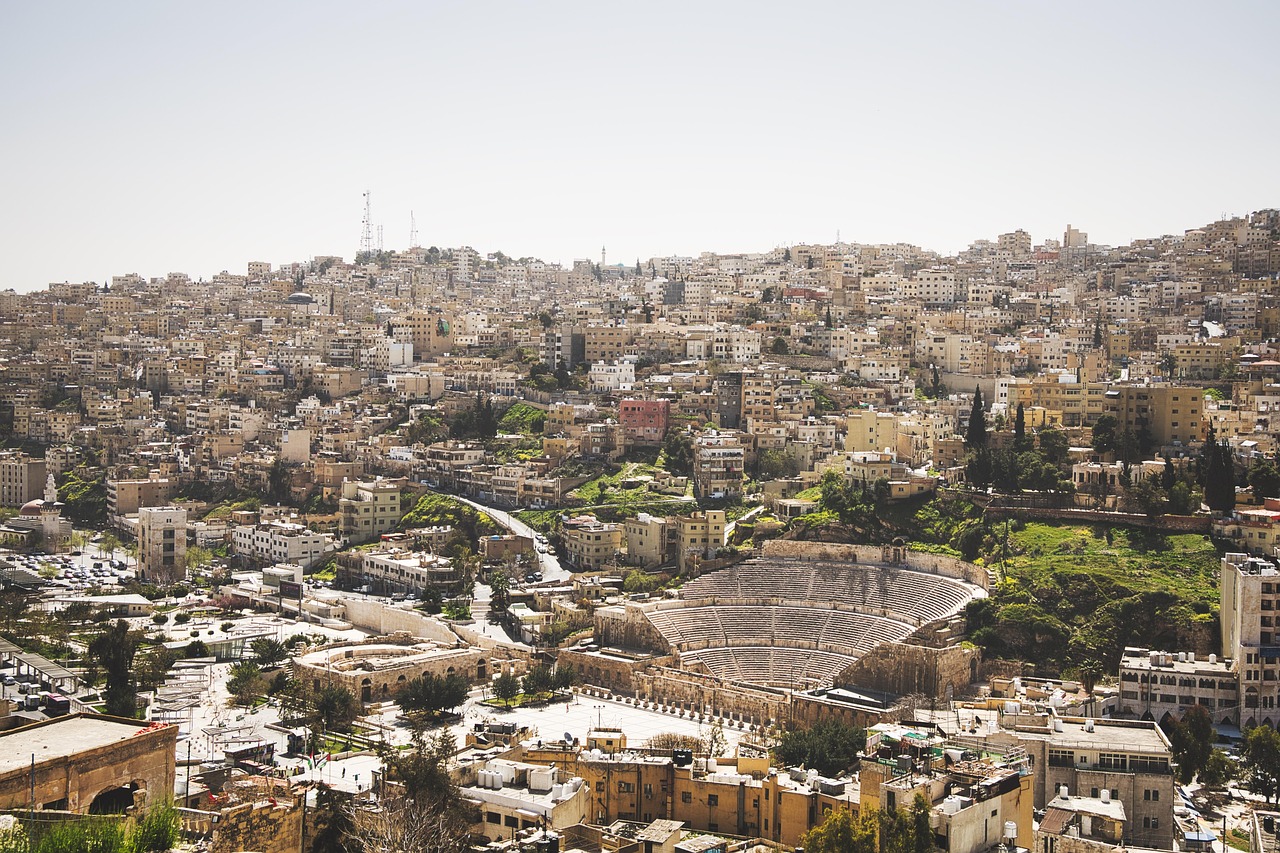
In Jordan, hospitality often begins with Arabic coffee, a daily ritual recognized as a symbol of generosity in Arab societies and a formal way of honoring a guest. Served in small cups with clear etiquette, it communicates respect, peace, and attentiveness, turning arrival into a shared moment rather than a quick exchange, whether in a home, a shop, or a desert camp. Beyond the ritual, travelers often note how quickly practical help appears, from directions to small acts of care in markets and taxis, and how hosting feels like a point of pride anchored in tradition, not a performance or a sales pitch, even during ordinary errands. As well.