We may earn money or products from the companies mentioned in this post. This means if you click on the link and purchase the item, I will receive a small commission at no extra cost to you ... you're just helping re-supply our family's travel fund.
Privacy-heavy travelers often picture risk as pickpockets and lost luggage, yet the quieter threat is how easily a trip becomes a profile. Many destinations now weave identification into everyday basics: SIM cards, hotel check-ins, transit gates, and payment apps. Some cities pair that paper trail with dense camera networks or biometric screening, trading anonymity for speed, security, and convenience. For anyone who feels calmer when personal data stays minimal, the wrong stop can turn exploration into a constant calculation about what is being logged, scanned, or remembered.
Mainland China’s Megacities
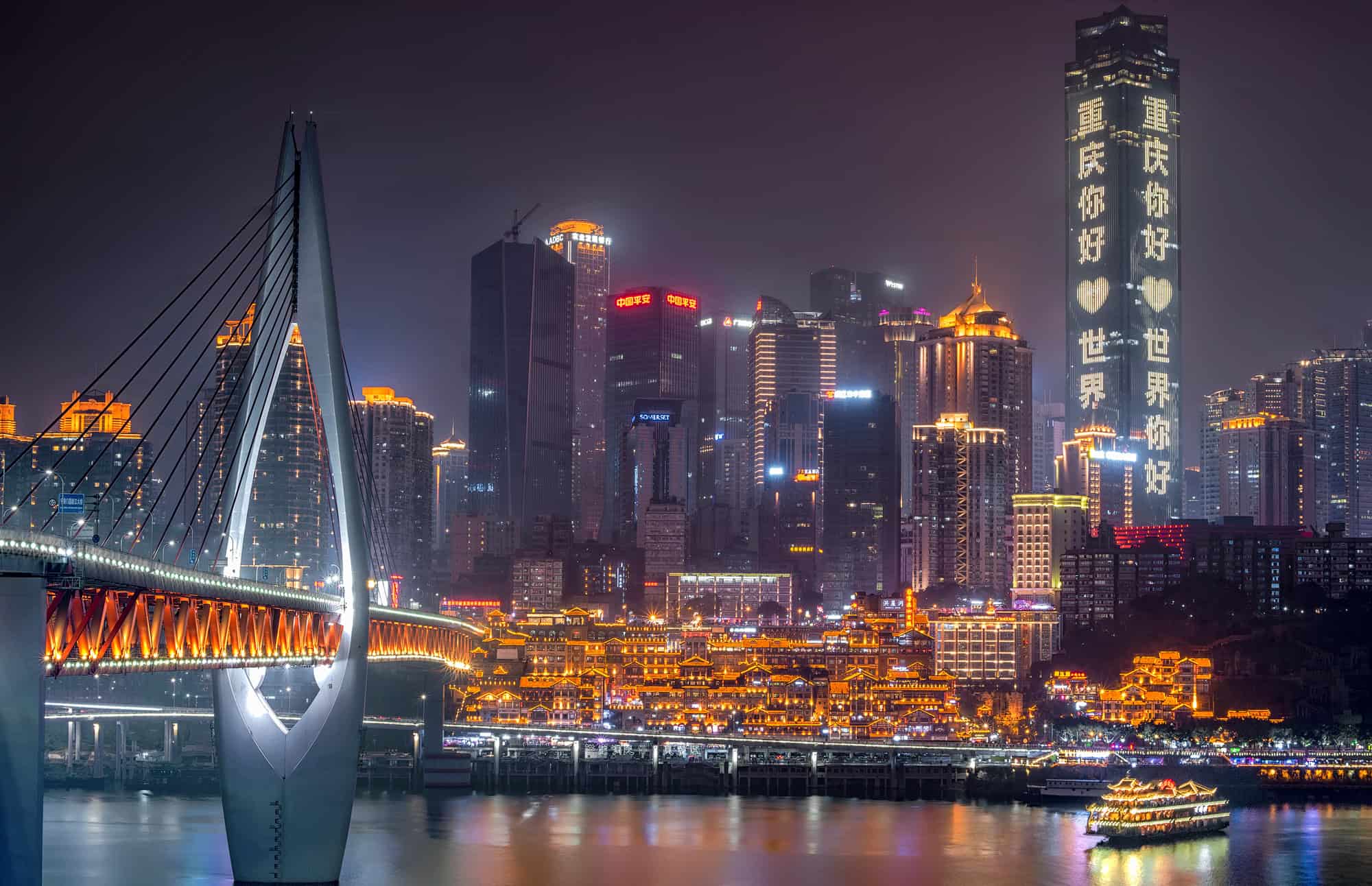
In mainland China’s biggest cities, routine errands run through IDs, phone numbers, and camera-backed access control at metros, offices, and some public venues, with passport details often collected at check-in desks. Buying a local SIM commonly requires a passport at an operator branch, and many services expect real-name-linked mobile numbers to open accounts, access Wi-Fi portals, or restore access after a lockout. Add dense street surveillance and cashless, app-first payments, and the trip can feel frictionless, but it also produces a tidy, time-stamped trail that is difficult to shed, even for everyday rides and food orders at night, too.
Hong Kong
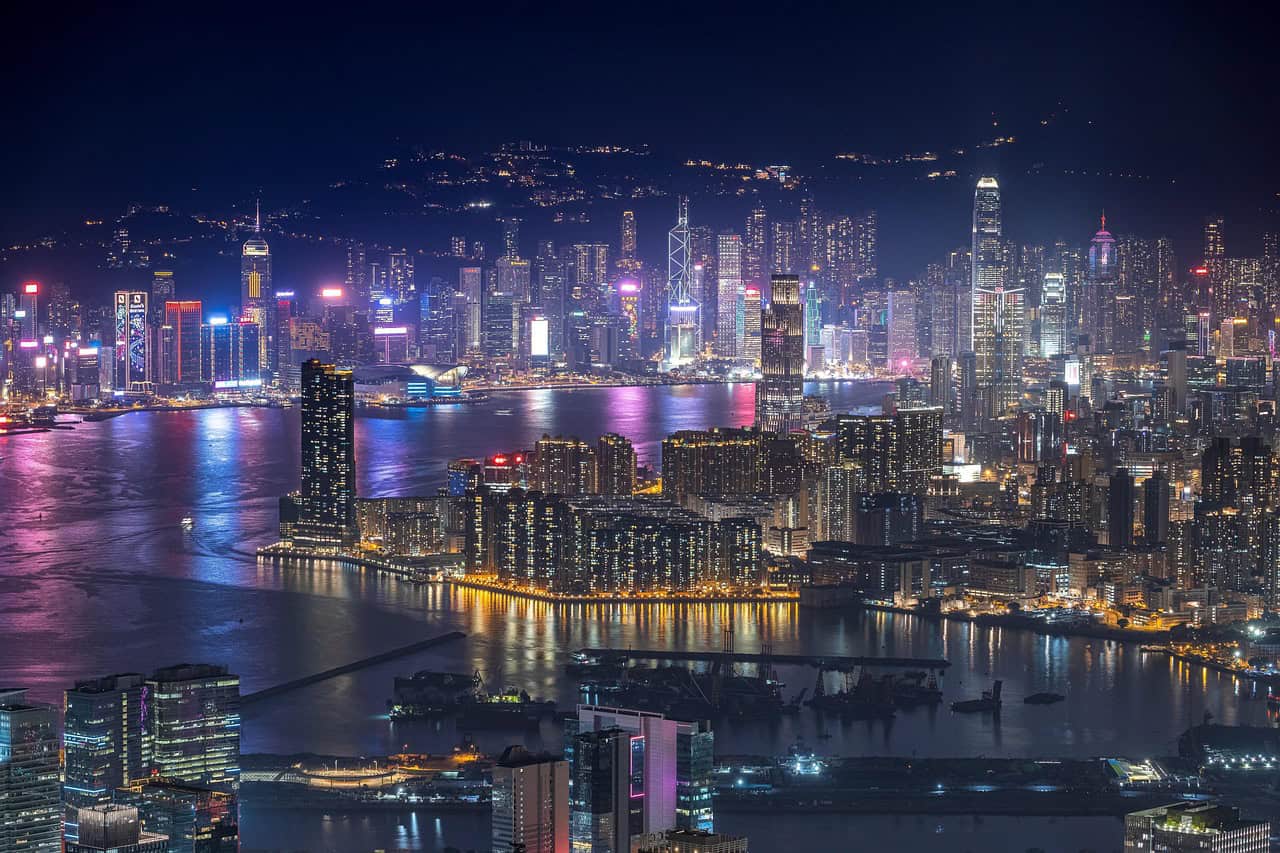
Hong Kong’s pace rewards phones that stay connected, but connectivity comes with paperwork and traceability. Under the Real-name Registration Programme, SIM users must register identifying details with a telecom provider, and visitors can use passports as acceptable ID, turning a quick purchase into a documented record tied to a phone number. Add dense cameras across MTR stations, ferry piers, and shopping corridors, plus routine ID checks at many points of service, and the city feels orderly and bright, yet privacy-focused travelers may find the constant verification harder to ignore than the skyline, especially after a lost phone or resets.
London, England
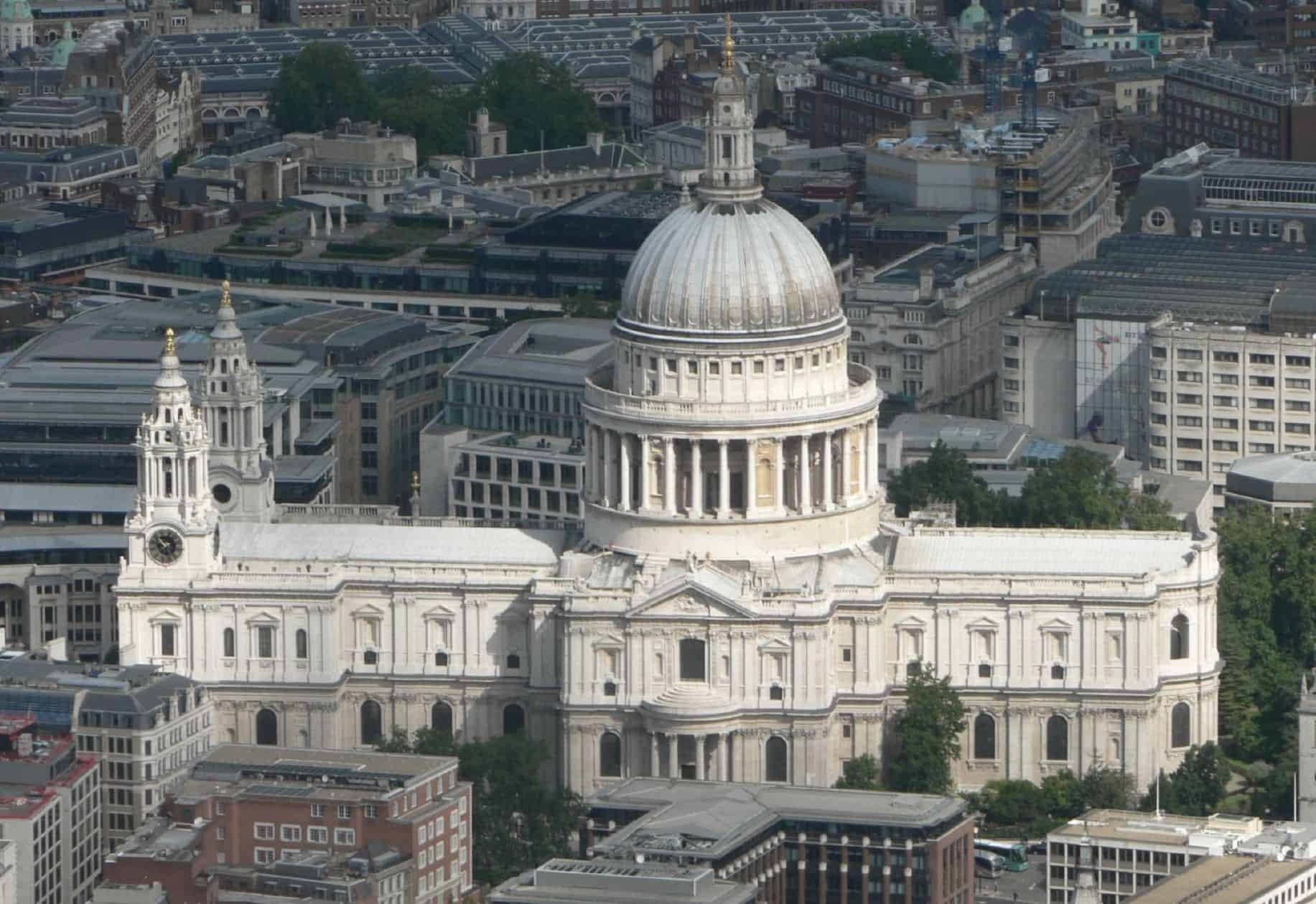
London is famous for museums and markets, but it is also built for observation, with public and private cameras layered into everyday movement from stations to high streets. Local councils have been expanding CCTV, with reported spending of £30.4 million in the year ending April 2024, a 25% annual jump, and upgrades that add AI features to spot behavior patterns, while some areas trial live facial recognition for policing. For travelers who treat anonymity as a travel essential, the city’s comfort comes with the feeling that a quiet walk, a late Tube ride, and a quick errand are all easier to record than to disappear from across a long stay..
Singapore

Singapore’s quiet streets and polished transit are part of an explicit safety bargain, and cameras are a visible piece of it, especially in public housing corridors, lifts, and linkways. The police camera network launched in 2012 and has installed more than 90,000 cameras in housing estates, neighborhood centers, hawker areas, multi-storey car parks, and transport nodes, with footage often aiding investigations. For privacy-focused travelers, the city’s order can feel less like background security and more like an always-on system that rarely looks away during quick commutes, casual meals, and late arrivals in rain or shine, quietly, nonstop.
Dubai, United Arab Emirates
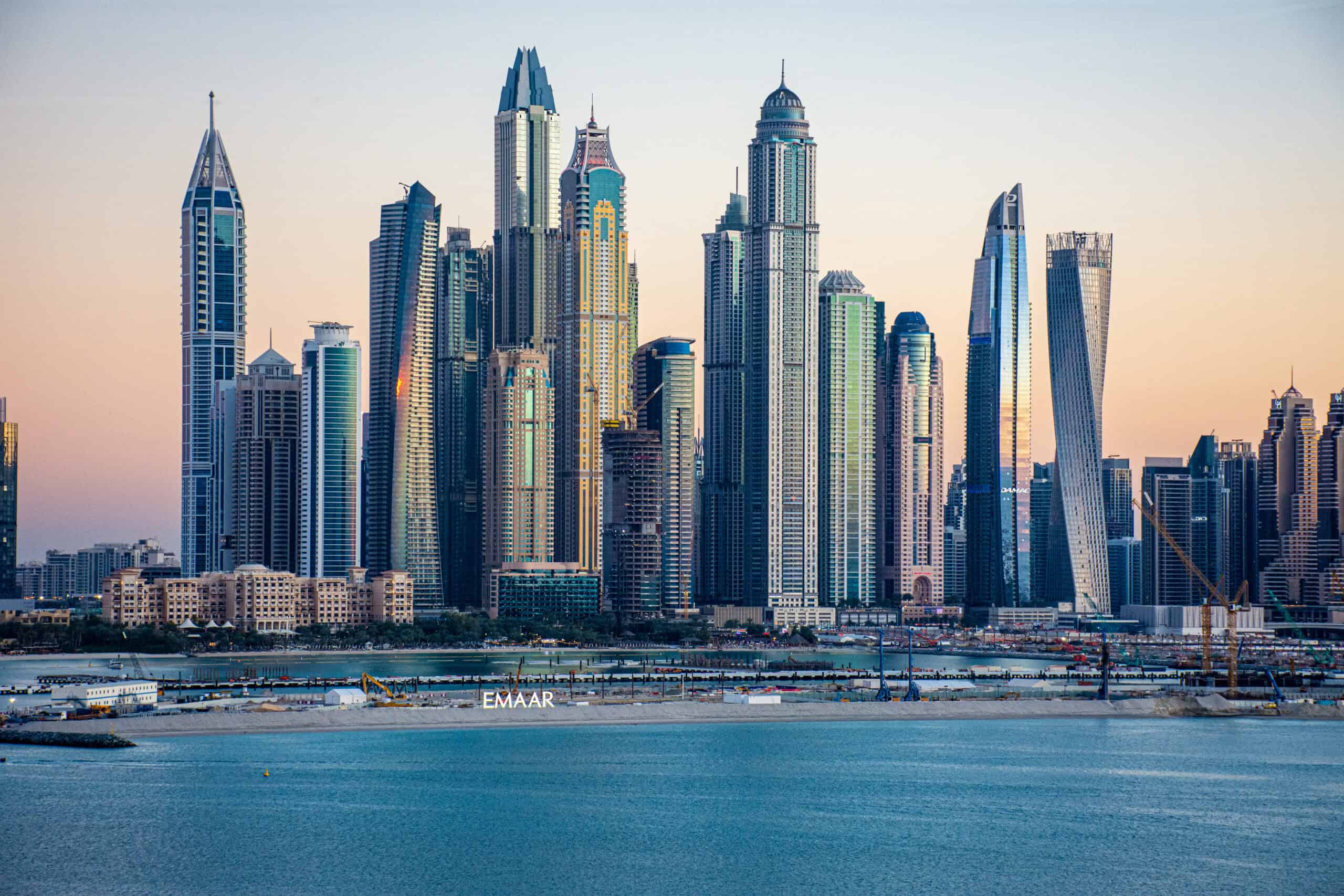
Dubai often feels futuristic, yet its digital landscape is tightly governed, and the rules reach beyond obvious fraud or hacking into speech, privacy, and reputation. Federal Decree-Law No 34 of 2021 sets penalties for cybercrimes and allows competent authorities to issue access blocking orders for unlawful online content, which can make casual posting, filming, or sharing heated commentary feel higher-stakes than expected. With hotel registrations, SIM purchases, and many public Wi-Fi logins, tied to passport or Emirates ID data, the city’s speed and polish can clash with travelers who prefer to keep identity details off the grid now at all.
Riyadh and Jeddah, Saudi Arabia
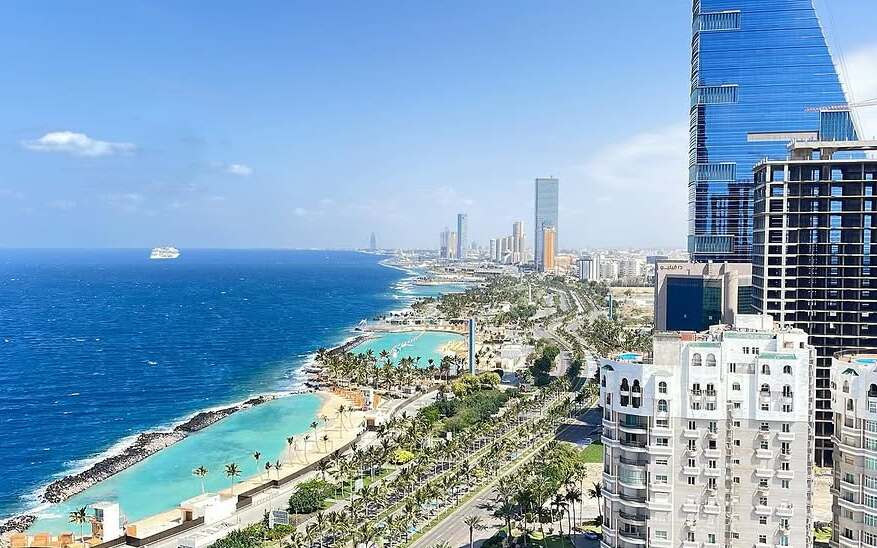
Saudi Arabia’s big cities move quickly, but the online environment can feel unusually strict for travelers who treat privacy and expression as linked. The Anti-Cyber Crime Law criminalizes acts such as defamation and inflicting damage through information technology, with penalties that can include imprisonment and fines, and prosecutors periodically warn that digital posts still count as actionable conduct. Add ID-forward services, routine hotel and SIM verification, and extensive public monitoring, and the trip can feel orderly and safer, yet not especially anonymous for anyone trying to stay untracked even on short business stopover, there.
Doha, Qatar
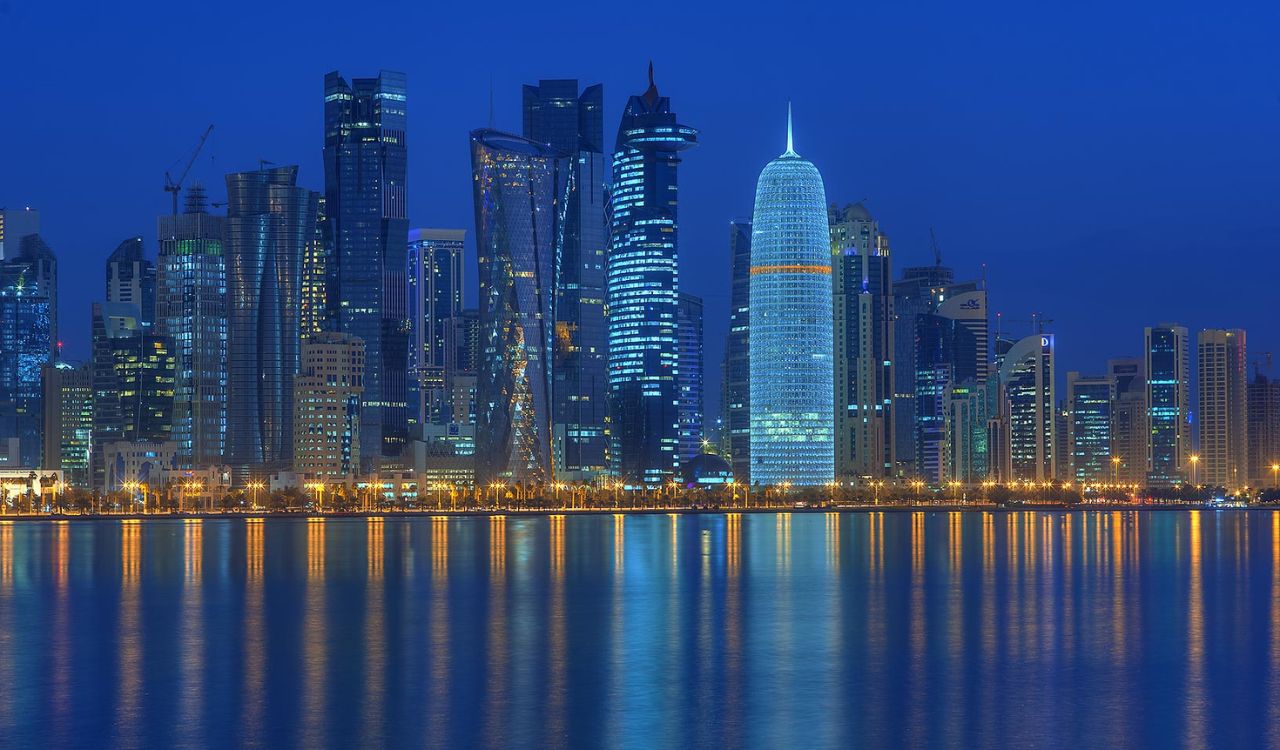
Doha’s modern skyline can read as relaxed, yet privacy and public recording are treated with unusual seriousness in law, and enforcement can surprise visitors who post casually. A 2025 amendment added penalties for filming or photographing people without consent under Qatar’s cybercrime framework, including the possibility of up to one year in prison and fines up to QR100,000, which reshapes what feels like ordinary travel documentation. Beyond photos, connectivity tends to run through verified accounts, hotel registrations, and networks, so privacy-minded travelers may feel watched even while rules claim to defend personal boundaries at all.
Moscow, Russia
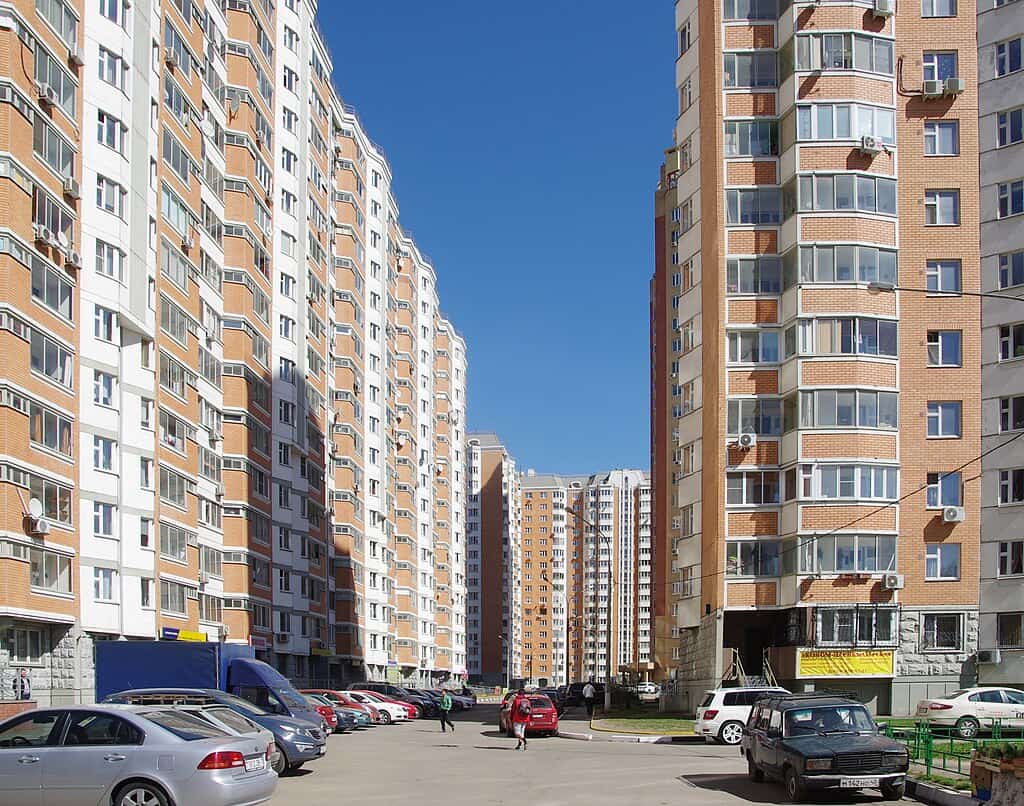
Moscow’s grandeur comes with a communications landscape designed for monitoring as a normal state function, not an exceptional tool, and the digital perimeter can feel tauter. Russia’s lawful interception system, commonly referred to as SORM, requires providers to install equipment that enables security services to access communications traffic directly, which can leave visitors feeling that calls, metadata, and online sessions are easier to reach than to shield. Public Wi-Fi, transit apps, and SIM service pull travelers toward logins, so privacy-focused travel can feel like a constant exercise in caution, even during navigation for visitors.
Mexico City, Mexico
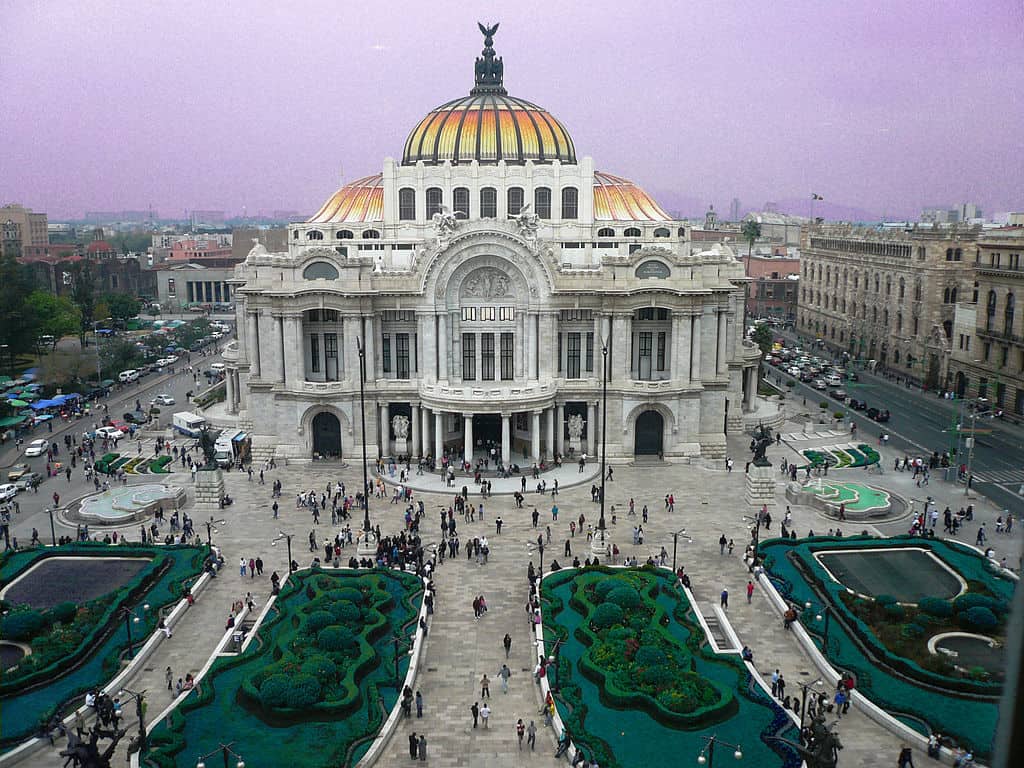
Mexico City pulses with street life, but it is also one of the most watched urban spaces in the Americas, and the monitoring is not subtle. By 2025, the city’s government-run system operated more than 83,000 public cameras managed through the C5 command center, spread across thousands of camera poles that often include alerts and emergency buttons alongside lenses. For privacy-first travelers, the energy is unforgettable, yet the sense of being recorded across plazas, subway entrances, and busy markets can follow every outing, turning even a simple food stop into a data point that can be pulled up later, stitched together, and replayed often.
Major U.S. International Airports
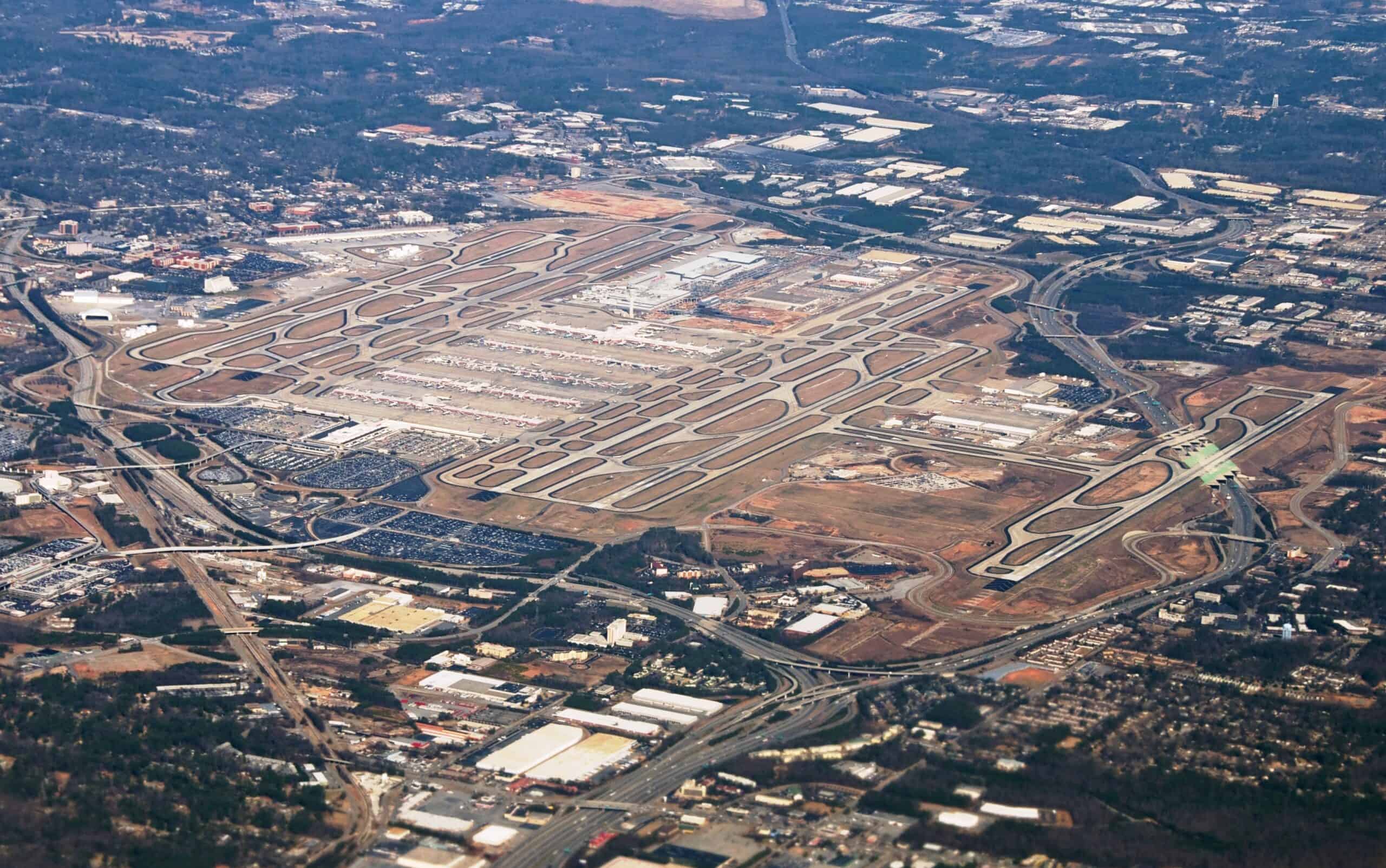
Major US airports can be the least private part of an otherwise low-profile trip because identity is treated as a data problem solved fast and at scale. CBP says biometric facial comparison is used to process travelers at 238 airports, and TSA’s expanding touchless identity lanes lean on facial scans linked to passport photos, with agencies noting participation can be declined, yet the default keeps moving toward biometrics. For travelers who want fewer images stored, matched or shared across systems, the terminal can feel like a place where anonymity ends early, before the boarding pass is scanned and the gate door closes, just very quietly.