We may earn money or products from the companies mentioned in this post. This means if you click on the link and purchase the item, I will receive a small commission at no extra cost to you ... you're just helping re-supply our family's travel fund.

Travel dreams don’t always match travel reality. While millions of Americans explore the world each year, certain destinations repeatedly appear in post-trip regret discussions. The reasons are rarely about beauty or history. Instead, expectations clash with crowds, climate extremes, inflated costs, or logistical stress. Below are the first 10 countries often mentioned in traveler regret conversations, written with context, balance, and practical data so you can plan smarter rather than cancel blindly.
1. Morocco
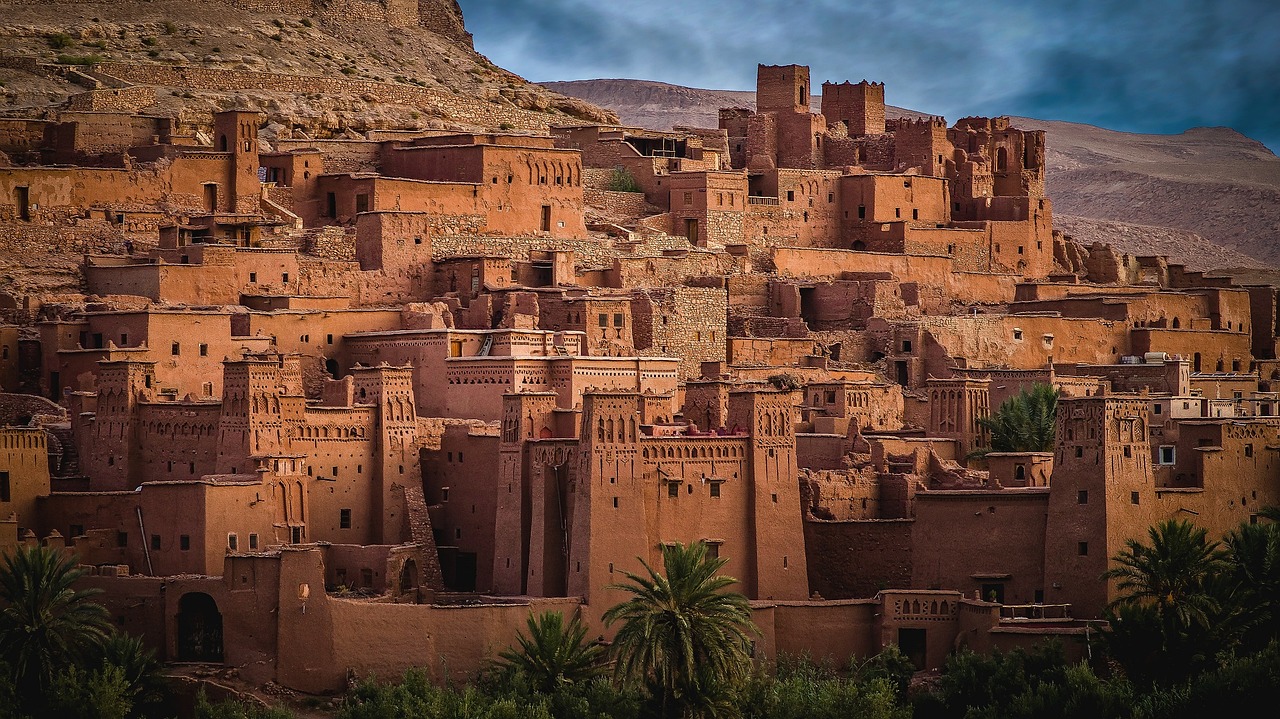
Morocco attracts nearly 14 million visitors annually, drawn to the maze-like medinas of Marrakech and the Sahara’s golden dunes. Yet many Americans describe feeling drained by persistent street vendors and unsolicited guides.
In peak summer, temperatures can surpass 100°F, intensifying the already high-energy atmosphere. While riads and desert camps are memorable, travelers unprepared for constant bargaining and sensory overload often say the trip felt more exhausting than enchanting.
2. Egypt
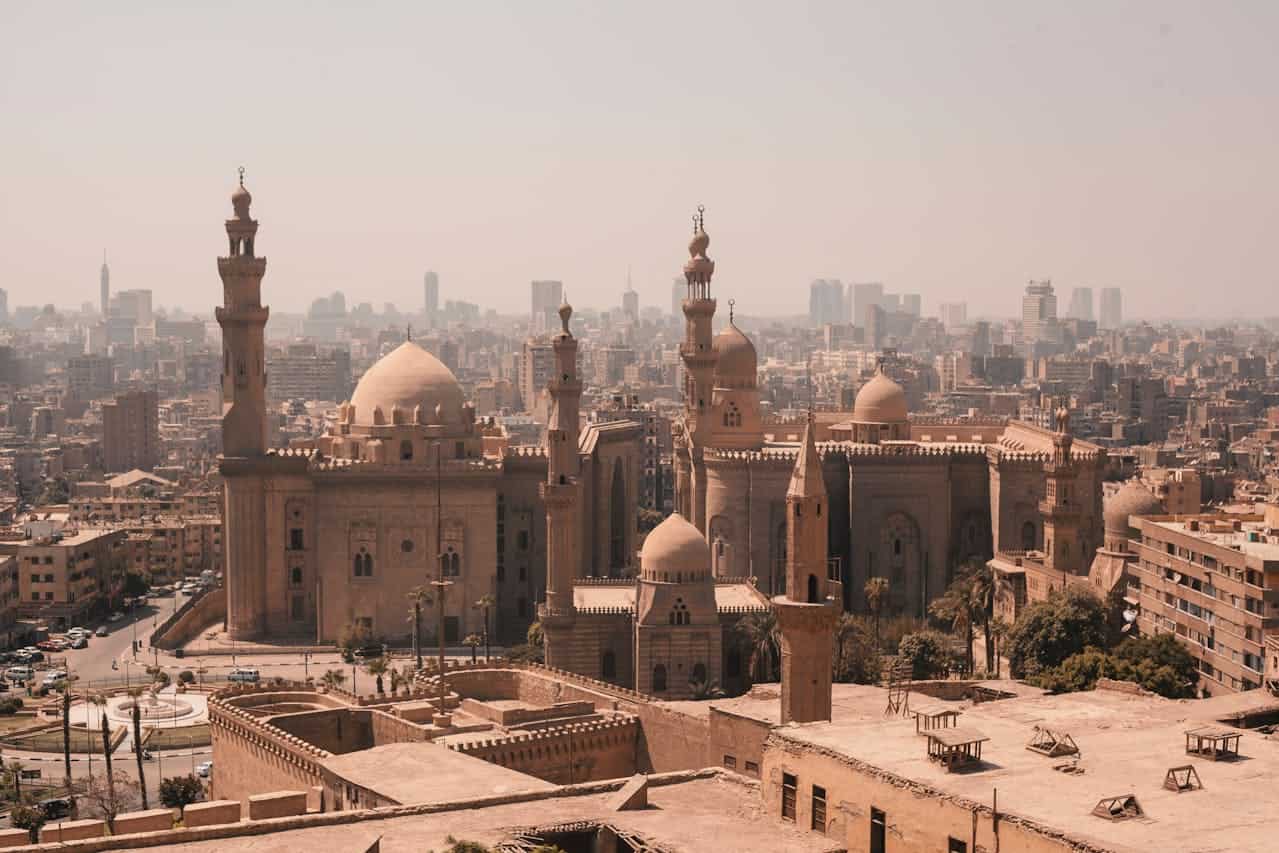
With more than 15 million tourists yearly and landmarks like the Great Pyramid of Giza, Egypt promises awe on a grand scale. However, some visitors report relentless sales tactics near temples and cruise ports.
Cairo’s July heat frequently exceeds 104°F, and tipping expectations arise multiple times daily. Although the Nile and ancient ruins are extraordinary, travelers expecting quiet reflection sometimes regret not scheduling slower days between major sites.
3. United Arab Emirates
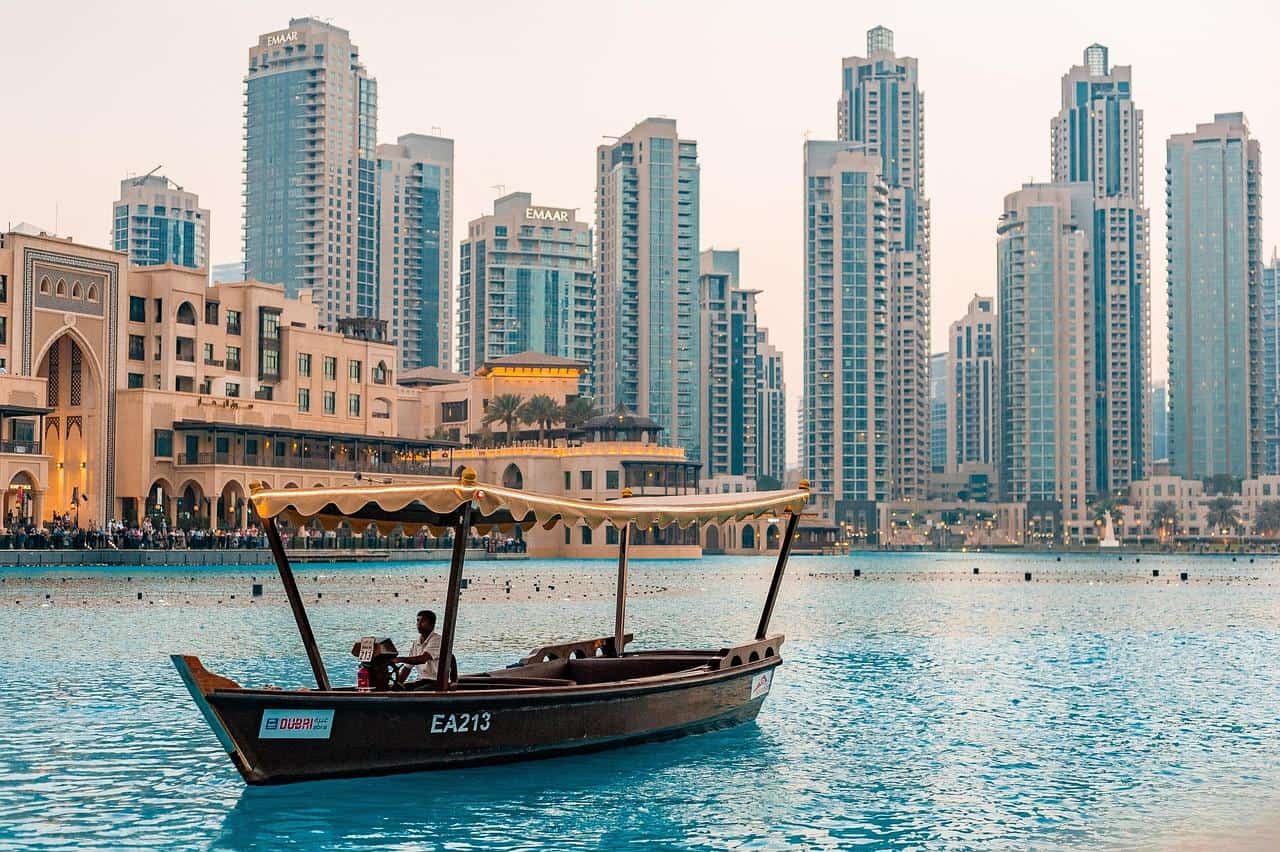
The United Arab Emirates welcomes roughly 24 million visitors each year, many heading to Dubai for skyscrapers and luxury resorts. Still, some Americans describe the experience as visually impressive but culturally distant.
Summer humidity can push perceived temperatures above 110°F. Daily spending easily reaches $250 to $400 per person. For travelers seeking history and street life over malls and mega-attractions, expectations occasionally outweigh reality.
4. Mexico
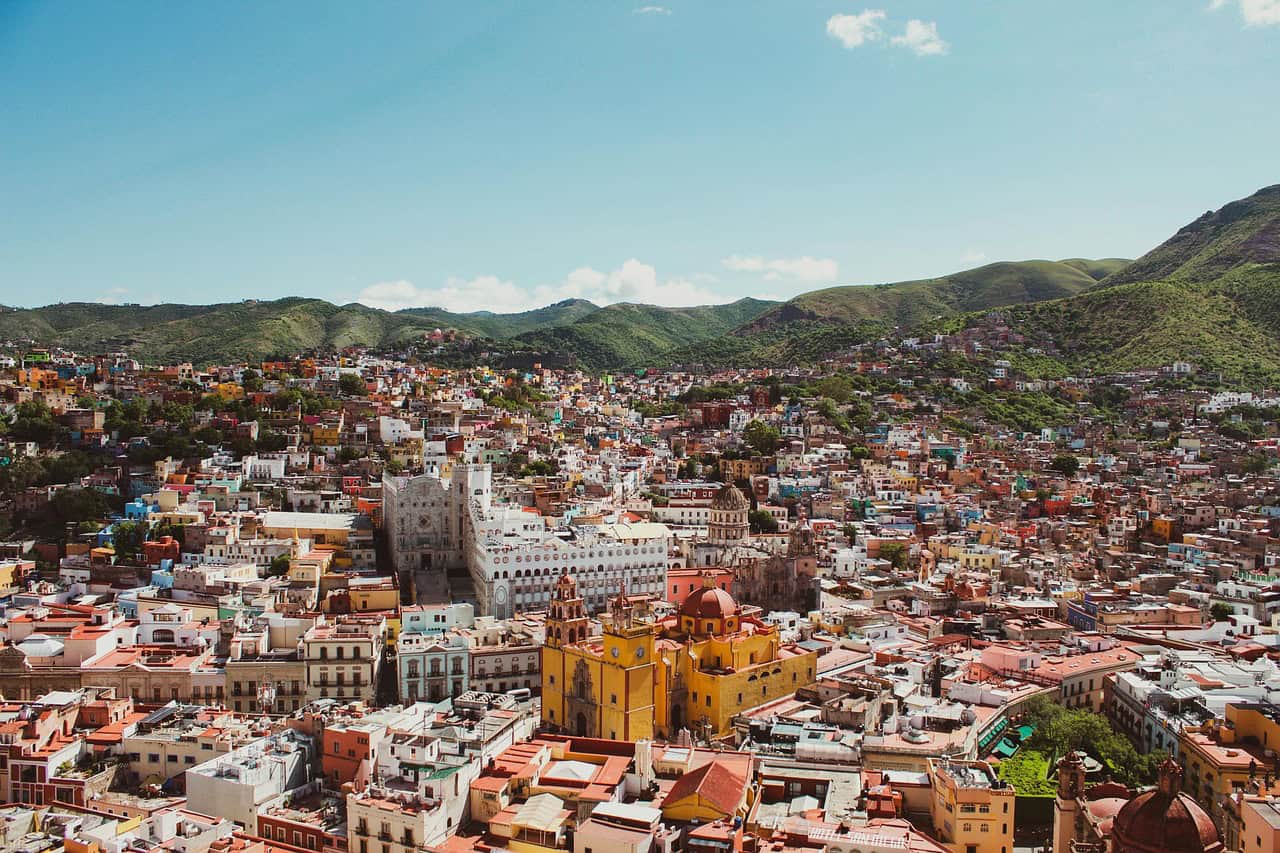
Mexico draws more than 38 million international visitors annually, especially to resort hubs like Cancún. Many Americans enjoy the convenience, yet others say all-inclusive zones feel detached from local culture.
Beach corridors can see occupancy rates above 80% in winter, driving up prices. Travelers hoping for authentic village life sometimes find themselves spending most of their time inside hotel compounds, leading to mixed feelings afterward.
5. Dominican Republic
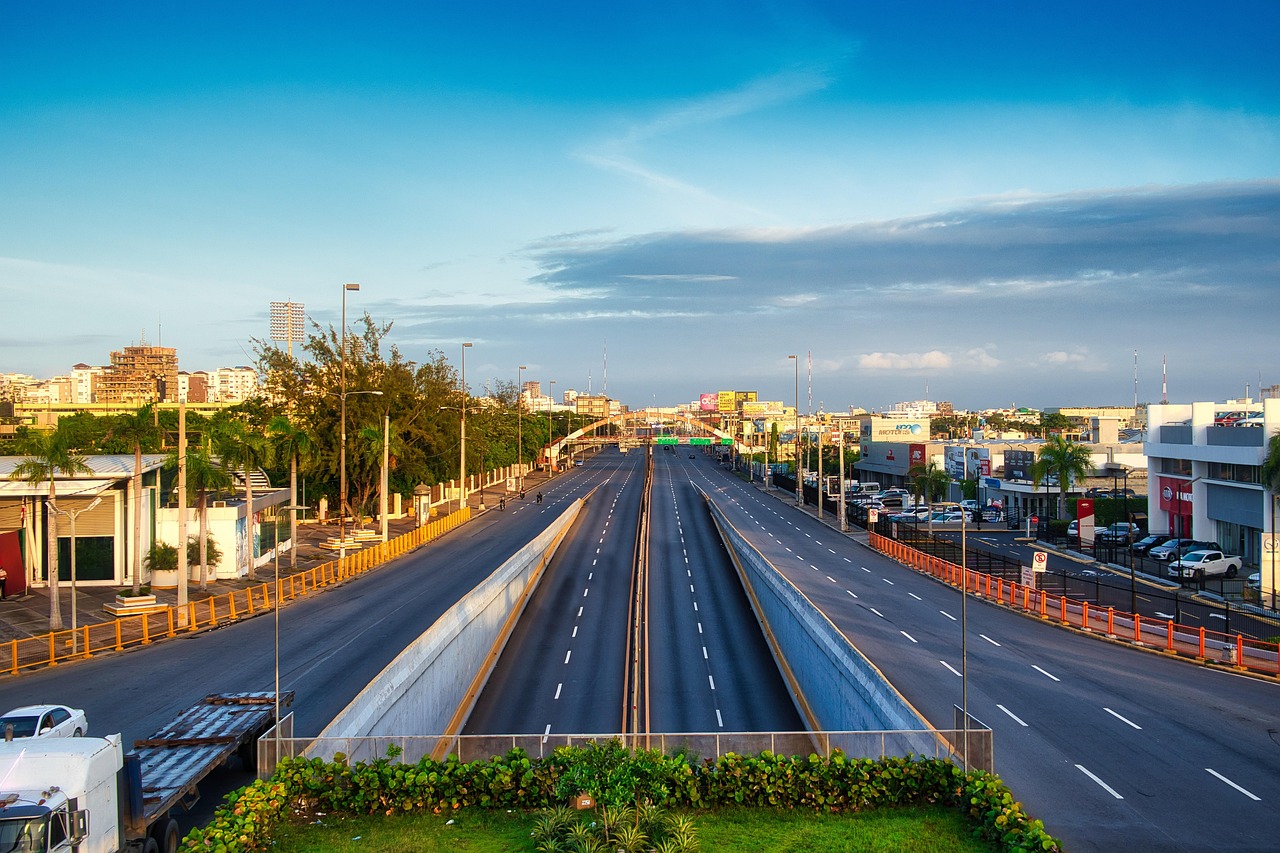
The Dominican Republic hosts over 7 million tourists each year, with Punta Cana leading arrivals. Resort packages often cost under $1,500 for a week, making it appealingly accessible.
Still, some Americans report limited experiences beyond the hotel gates. Organized excursions can feel rushed, and repetitive buffet dining grows monotonous. Those expecting vibrant cultural immersion sometimes regret not exploring more diverse Caribbean destinations.
6. France

France receives nearly 90 million visitors annually, and Paris remains a top draw. However, long queues at major museums can exceed 2 hours during summer.
Hotel rates frequently surpass $300 per night in central districts. While architecture and cuisine are exceptional, travelers who underestimate crowds or language differences sometimes leave feeling the romance they imagined was overshadowed by logistical stress.
7. Italy
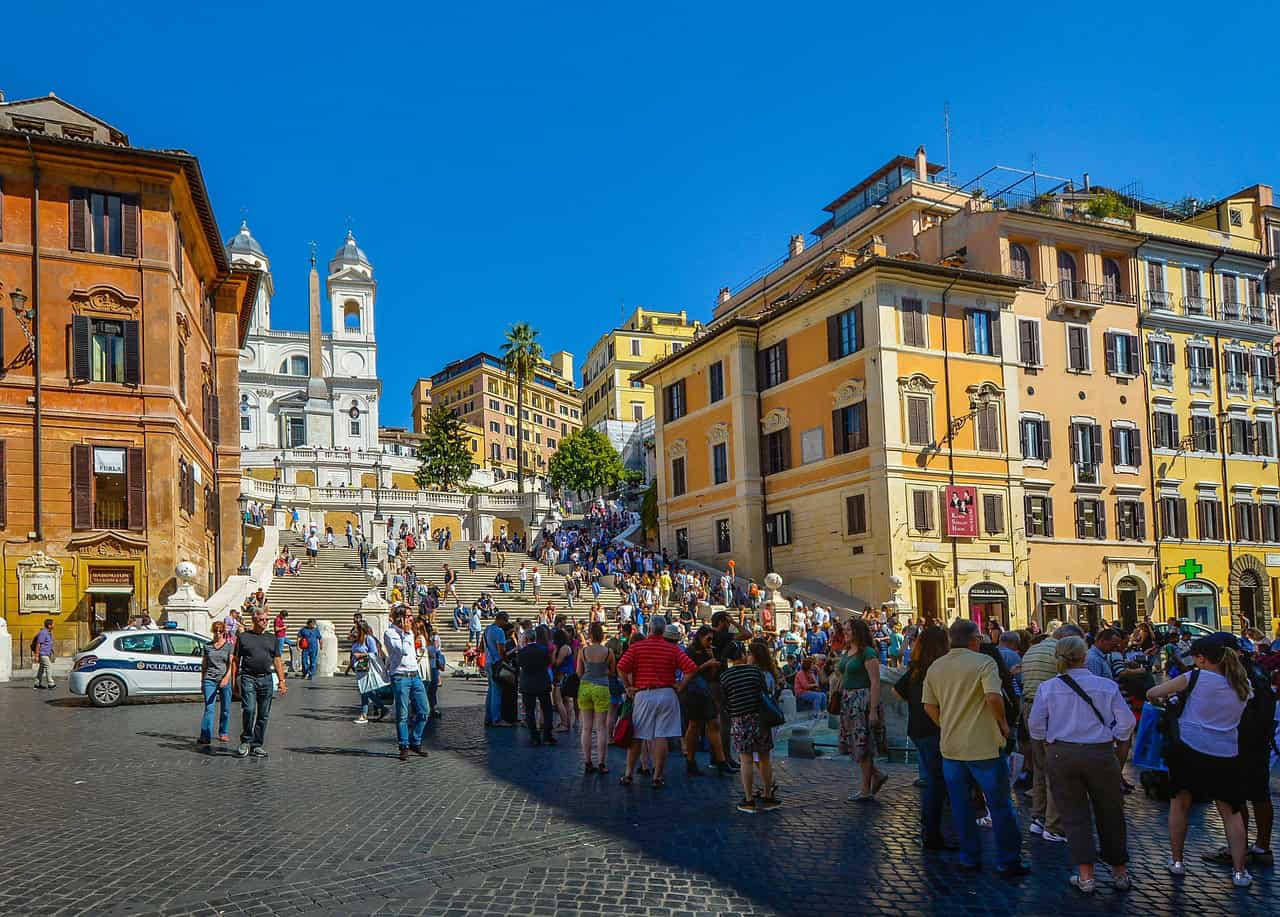
Italy welcomes over 60 million tourists yearly, with Rome and Venice often overwhelmed during peak season. In July and August, temperatures regularly reach 95°F.
Timed entry tickets for landmarks sell out days in advance. Americans attempting to see three major cities in five days frequently report fatigue. When rushed, even world-class art and cuisine can blur together rather than inspire.
8. Thailand
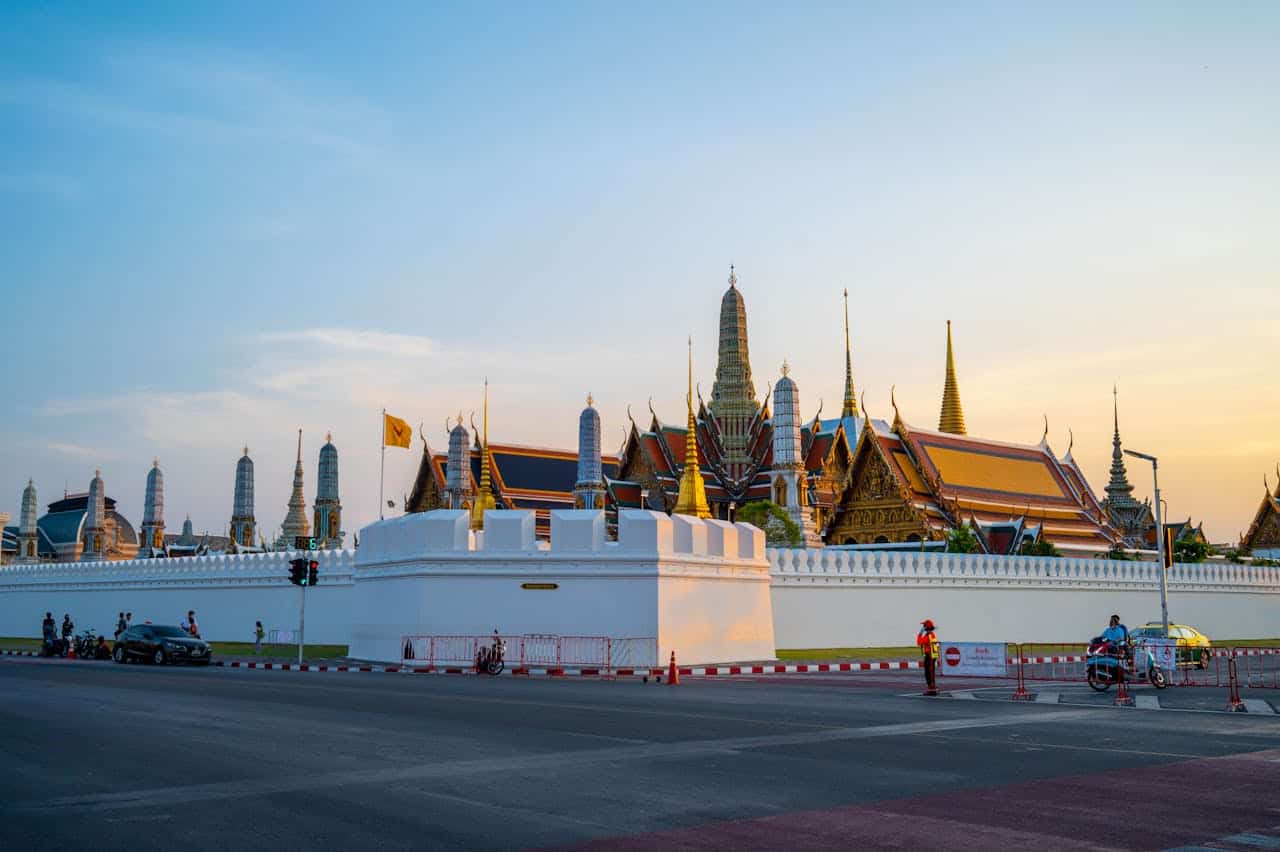
Thailand attracts roughly 28 million international visitors annually, especially to islands like Phuket. Flights from the U.S. often exceed 18 hours, adding early exhaustion.
Beach towns known for nightlife can feel heavily commercialized, with excursion packages aggressively marketed. While costs average just $50 to $100 per day locally, travelers expecting untouched tranquility sometimes find crowds and party scenes dominating prime areas.
9. Indonesia
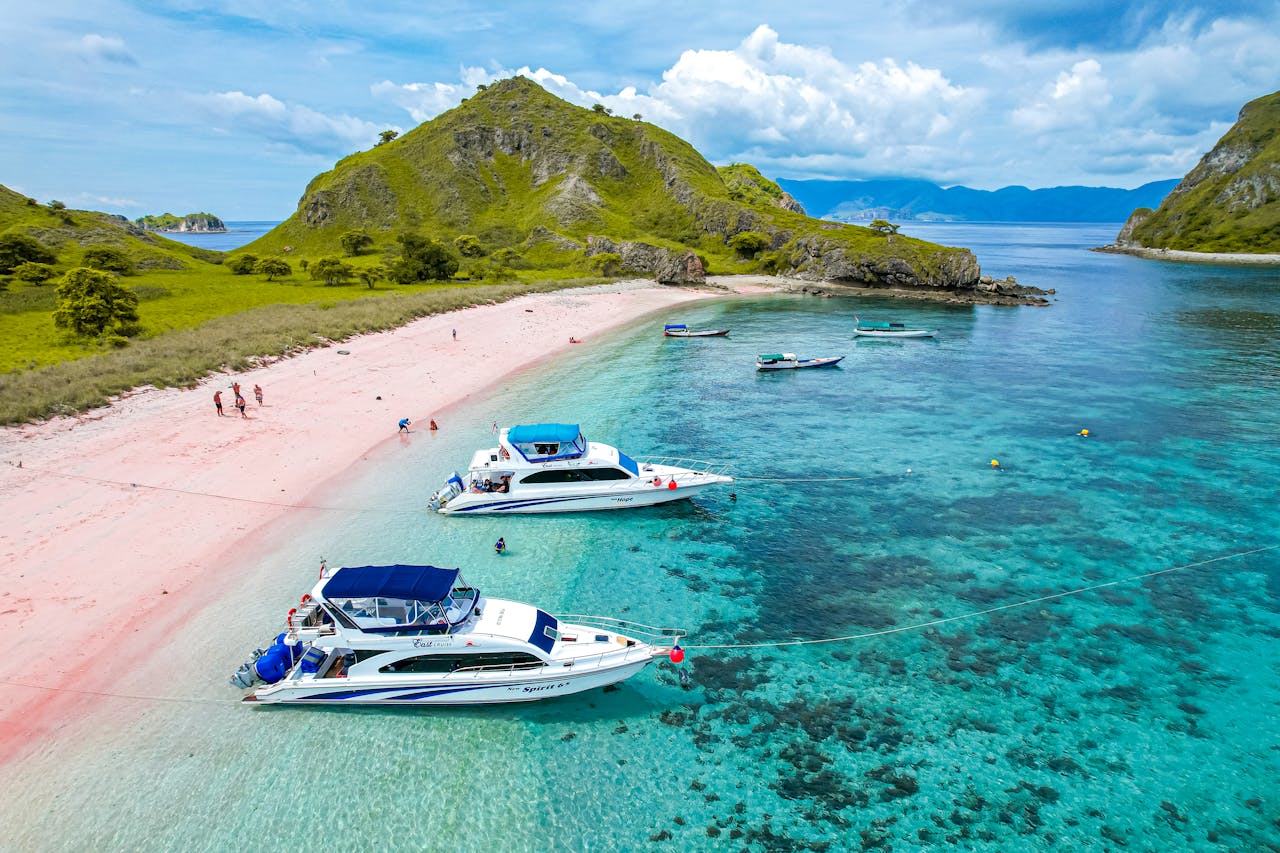
Indonesia sees more than 16 million visitors yearly, many flocking to Ubud and Bali’s southern beaches. Social media often shapes unrealistic expectations.
Traffic congestion can turn a 10-mile drive into a 90-minute crawl. Popular temples require timed entry, and overtourism has intensified since 2023. Visitors seeking seclusion sometimes regret not venturing beyond heavily photographed hotspots.
10. Japan
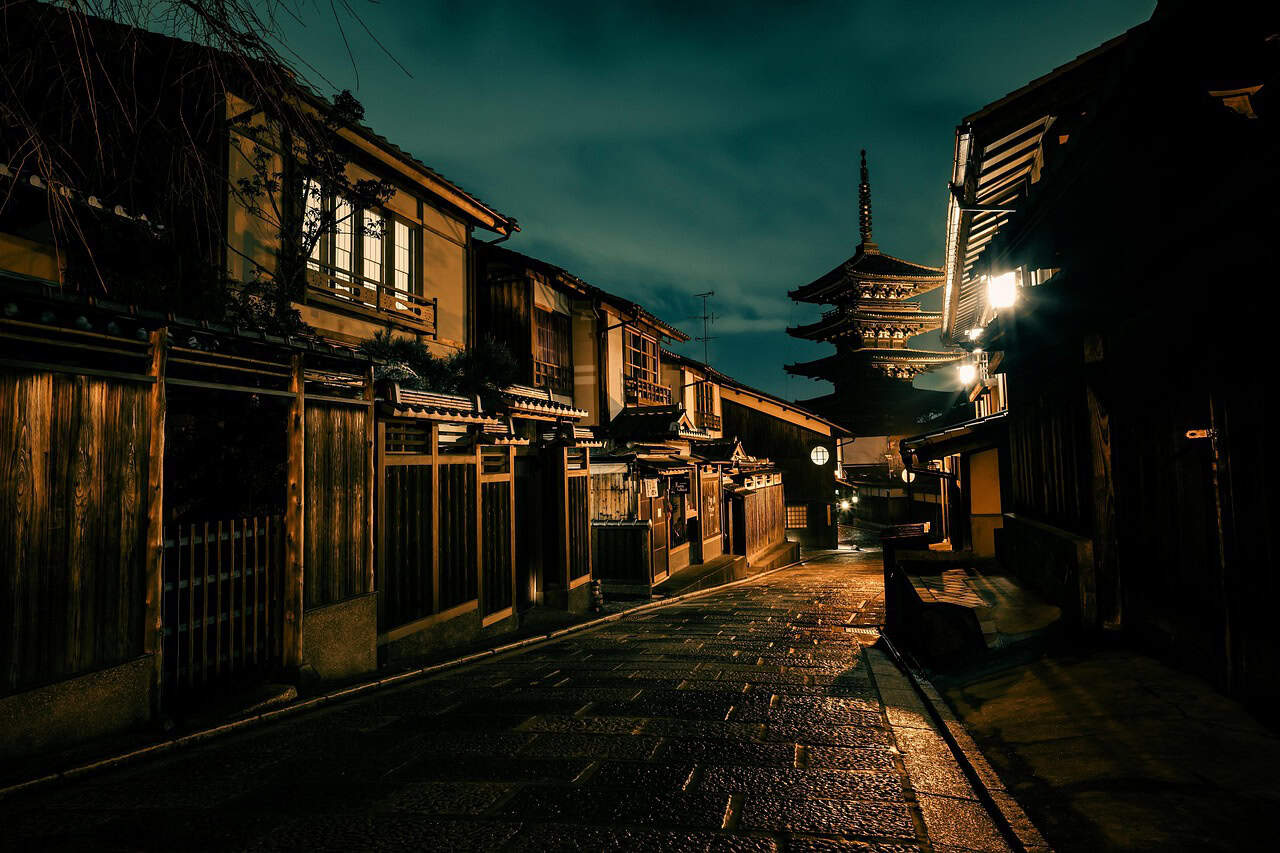
Japan welcomed over 25 million tourists in recent peak years, with Tokyo ranking among the busiest urban centers globally. Subway systems, though efficient, can feel intimidating to first-time visitors.
Cherry blossom season pushes hotel rates up by 40% or more. Americans who schedule overly tight itineraries across multiple cities often feel rushed. Without slower exploration, cultural nuance can be missed amid constant movement.
11. India
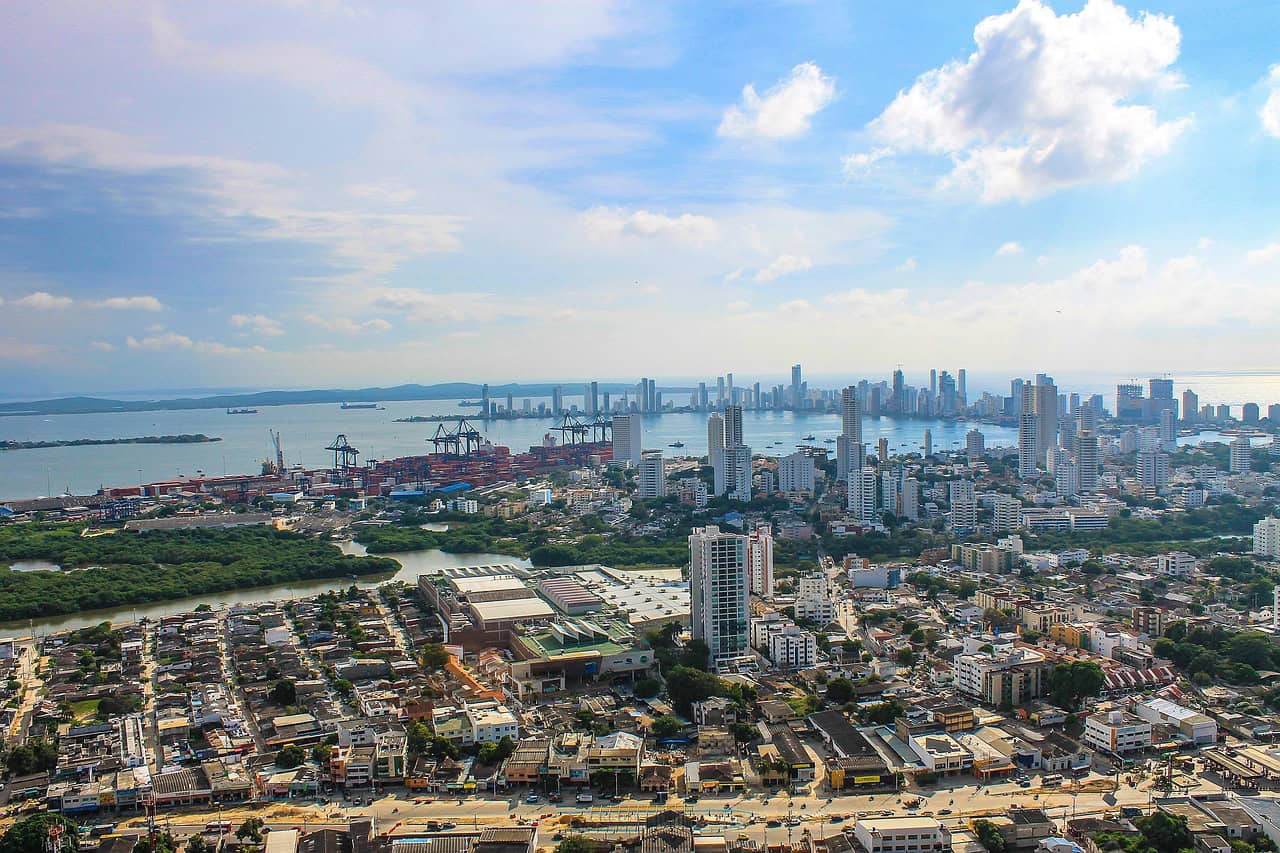
India receives over 10 million international visitors annually, many drawn to landmarks like the Taj Mahal. While breathtaking, peak days can see more than 40,000 visitors passing through.
Urban centers such as Delhi frequently record summer highs above 105°F, and traffic congestion significantly slows travel plans. Some Americans describe sensory overload from noise, crowds, and constant activity. Without pacing carefully, first-time visitors sometimes leave feeling physically and mentally exhausted.
12. Peru
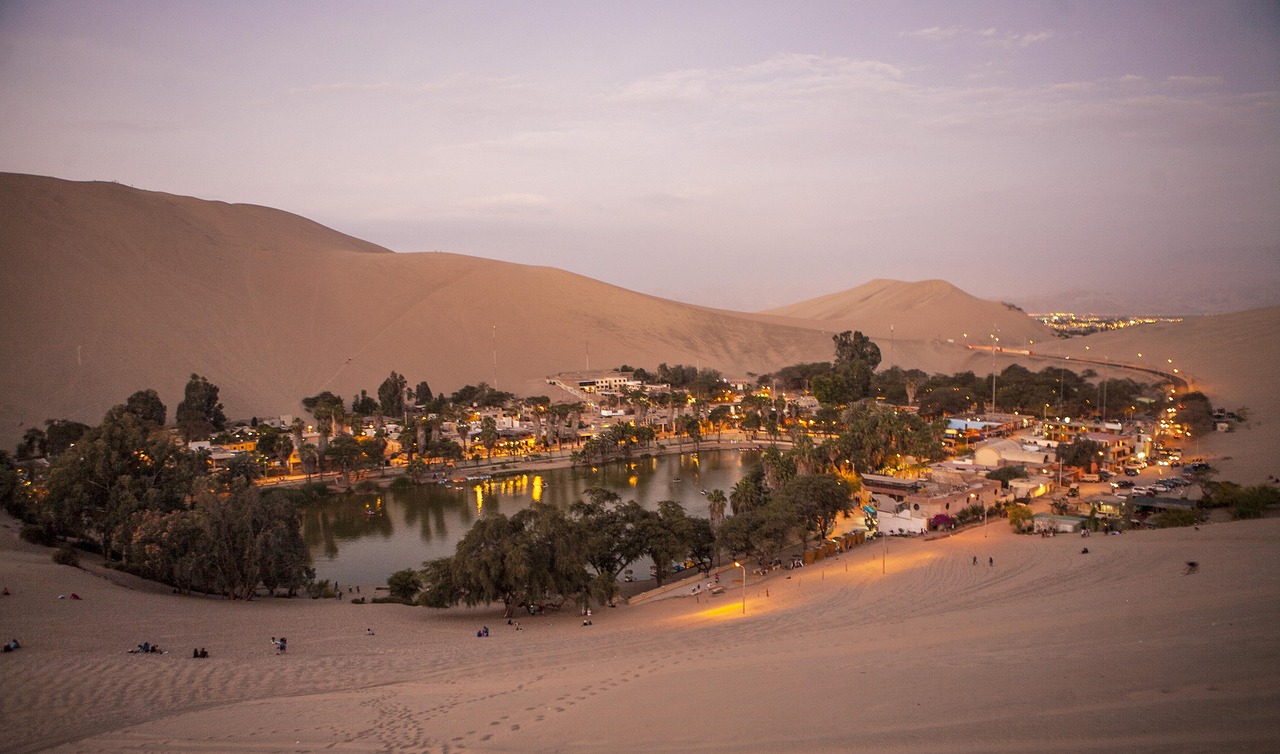
Peru attracts roughly 4 million tourists yearly, largely because of Machu Picchu. Daily entry is capped at about 4,000 visitors, requiring advance reservations weeks ahead.
Cusco sits at 11,152 feet above sea level, and altitude sickness affects many newcomers. Tight itineraries combining Lima, Sacred Valley, and trekking often create fatigue. Travelers who underestimate logistics sometimes regret not allocating more recovery days.
13. China

China has hosted more than 60 million international visitors in strong tourism years, with icons like the Great Wall of China spanning over 13,000 miles. The scale alone can overwhelm first-time travelers.
Language barriers remain significant outside major cities, and digital payment systems dominate daily transactions. Visa procedures and internal distances require careful coordination. Americans attempting to compress multiple regions into one short trip often report logistical stress.
14. Greece
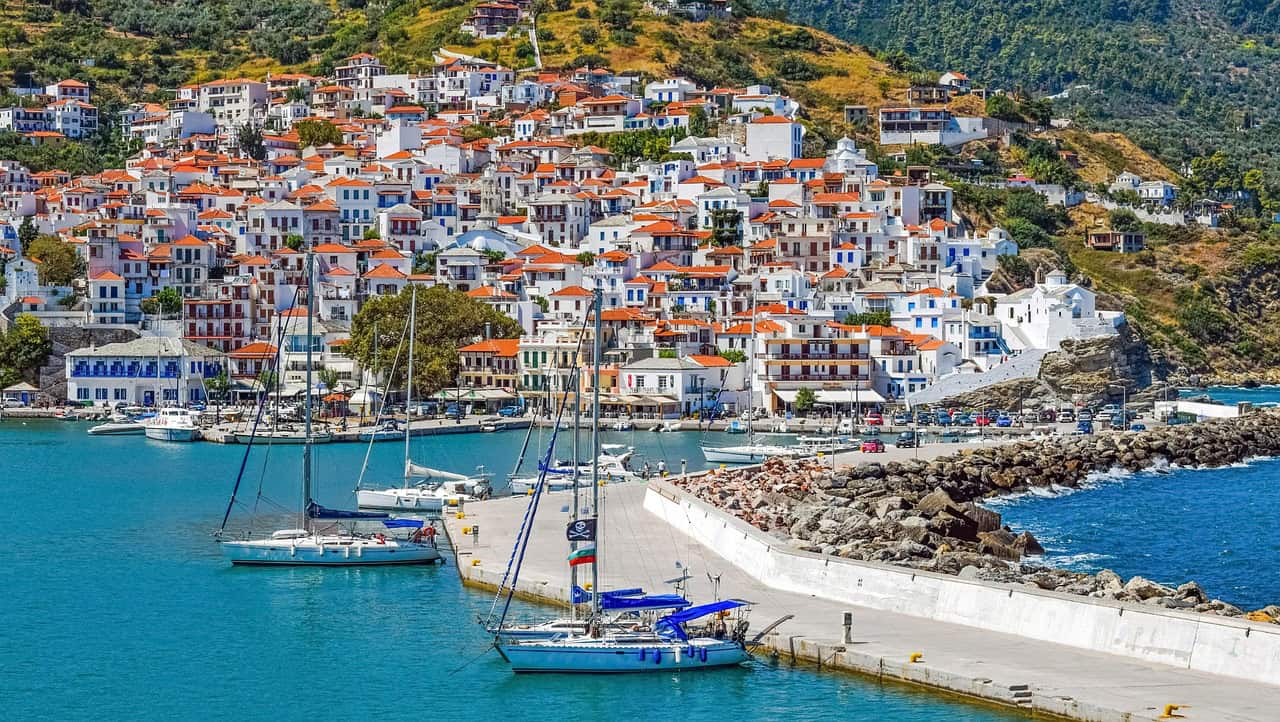
Greece welcomes over 30 million visitors annually, many heading to Santorini. In peak summer months, cruise ships can bring more than 15,000 passengers daily to the island.
Hotel prices frequently double between May and August, with mid-range rooms exceeding $350 per night. Narrow pathways and limited infrastructure amplify crowding. Travelers expecting quiet sunsets sometimes feel disappointed by the sheer volume of visitors.
15. Spain
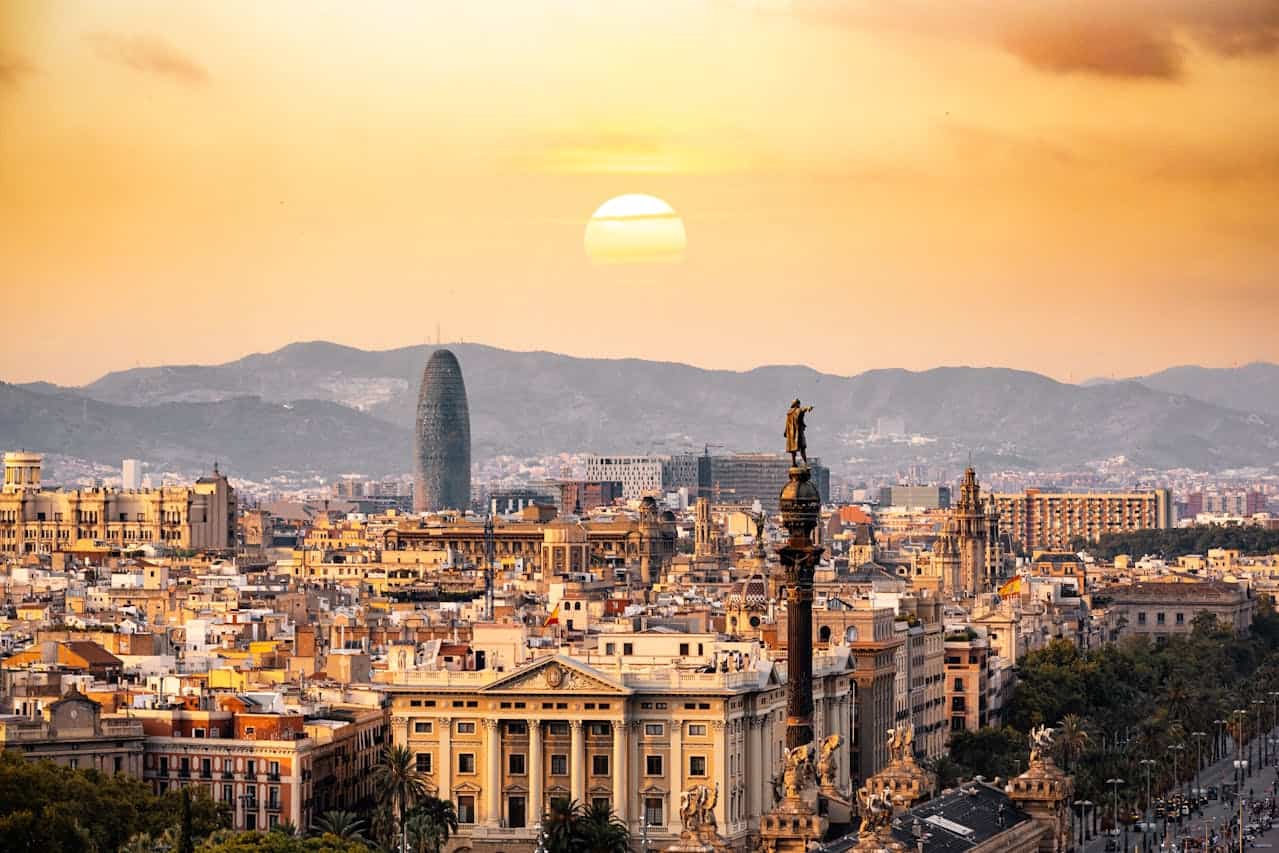
Spain attracts around 85 million international tourists yearly, with Barcelona among the most visited urban hubs. Summer temperatures often climb past 95°F, especially inland.
Popular neighborhoods experience overtourism pressures, and restaurant reservations can require booking days in advance. While culture and cuisine shine, Americans visiting during peak July periods sometimes regret not choosing shoulder seasons for a calmer experience.
16. Jamaica
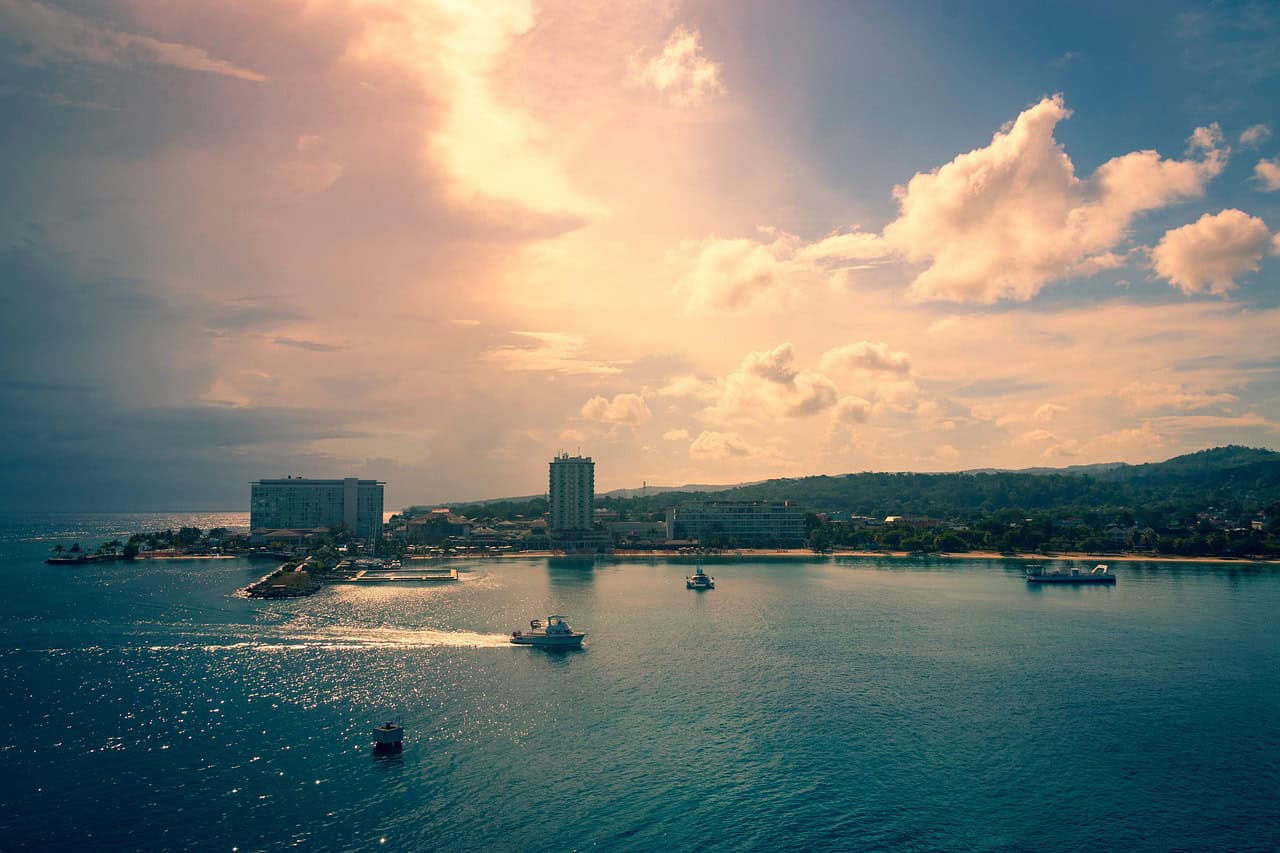
Jamaica hosts approximately 4 million visitors annually, many staying in Montego Bay and Negril. All-inclusive packages average $1,200 to $2,000 per week from the U.S.
Some travelers report limited interaction beyond resort properties, and organized excursions can feel standardized. While beaches and music culture are vibrant, Americans seeking deeper exploration sometimes wish they had ventured further beyond hotel compounds.