We may earn money or products from the companies mentioned in this post. This means if you click on the link and purchase the item, I will receive a small commission at no extra cost to you ... you're just helping re-supply our family's travel fund.
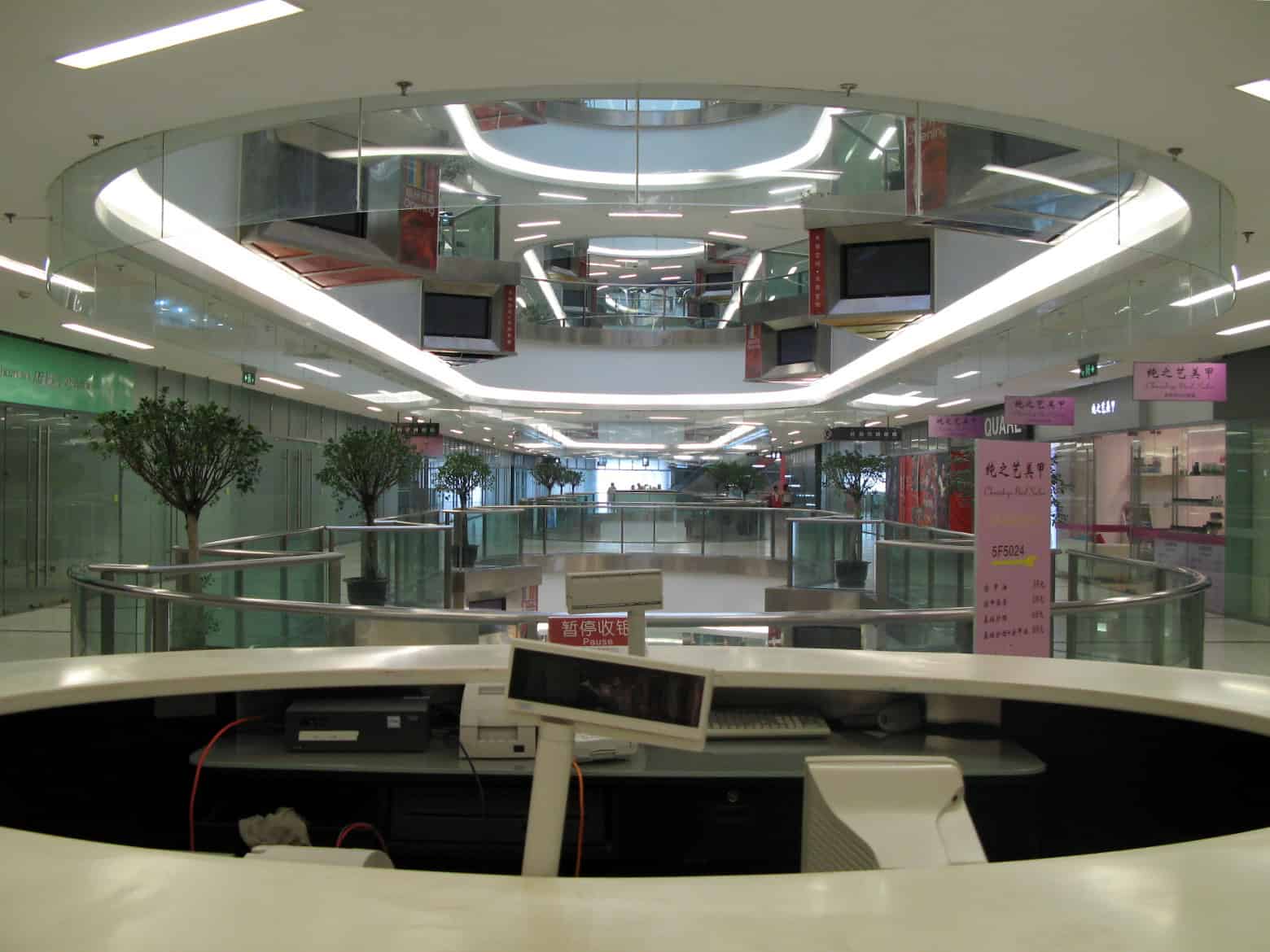
For years, dead malls stood as symbols of retail collapse, empty corridors, shuttered anchors, and parking lots no one needed. Now many are returning, but not as the public gathering spaces people remember. Across many cities, former malls are being rebuilt into housing blocks, logistics facilities, medical campuses, and tightly managed mixed-use zones. The comeback looks like progress on paper. On the ground, it raises harder questions about traffic, affordability, access, surveillance, and whether these new spaces still serve communities or mainly serve systems.
The Decline Was Real, But The Land Never Lost Value
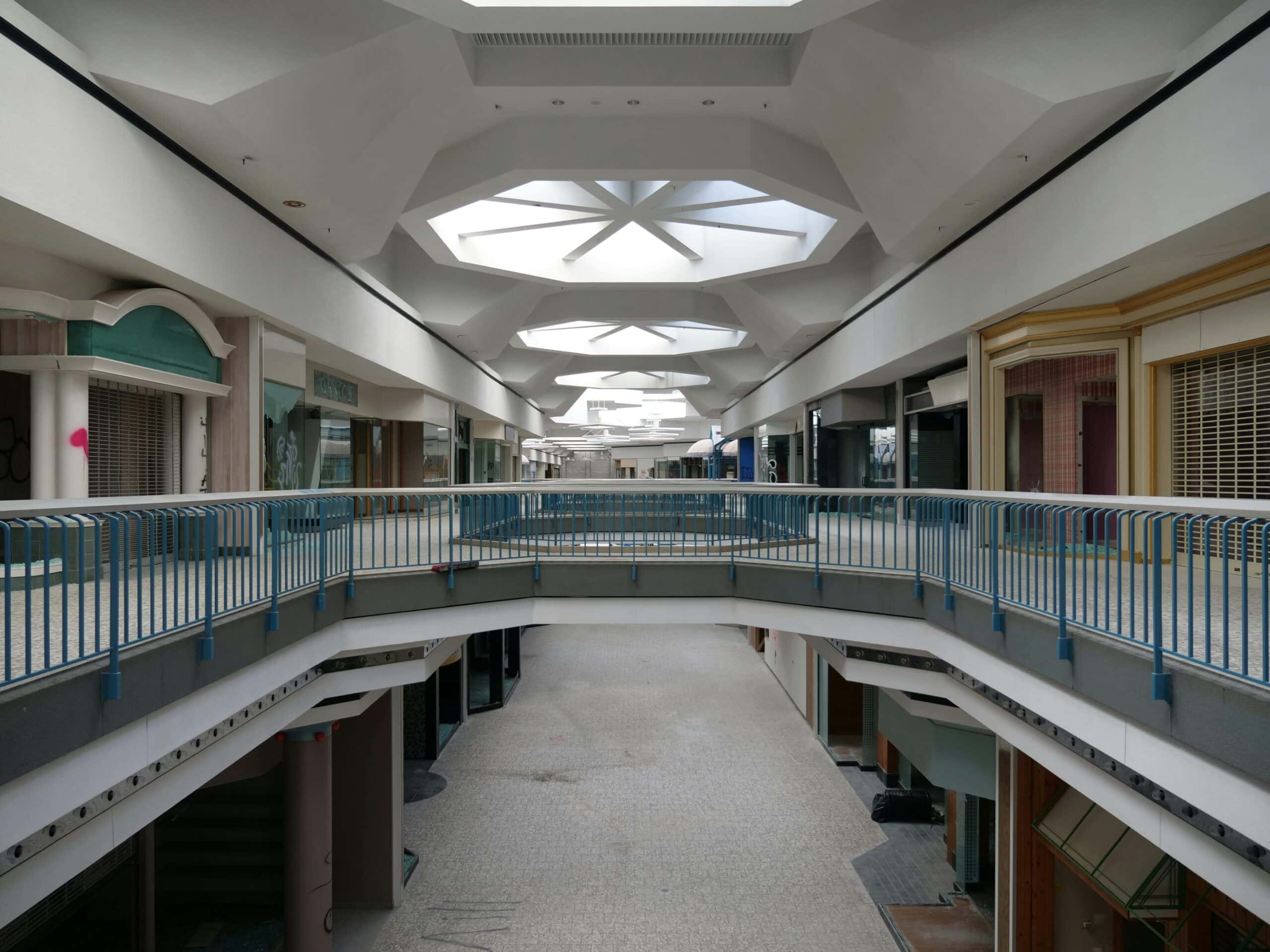
Traditional enclosed malls lost momentum as online shopping, changing habits, and oversupply weakened older retail formats. Yet even failed malls sat on highly strategic land, large parcels near highways, utilities, and established neighborhoods. That combination made them too valuable to abandon for long. What disappeared was not the asset, but the old use case. Developers saw opportunity in scale and location, not nostalgia. The result is a new phase where underperforming retail shells are treated as redevelopment platforms rather than retail failures waiting to be demolished.
Why Developers Keep Choosing Former Mall Sites
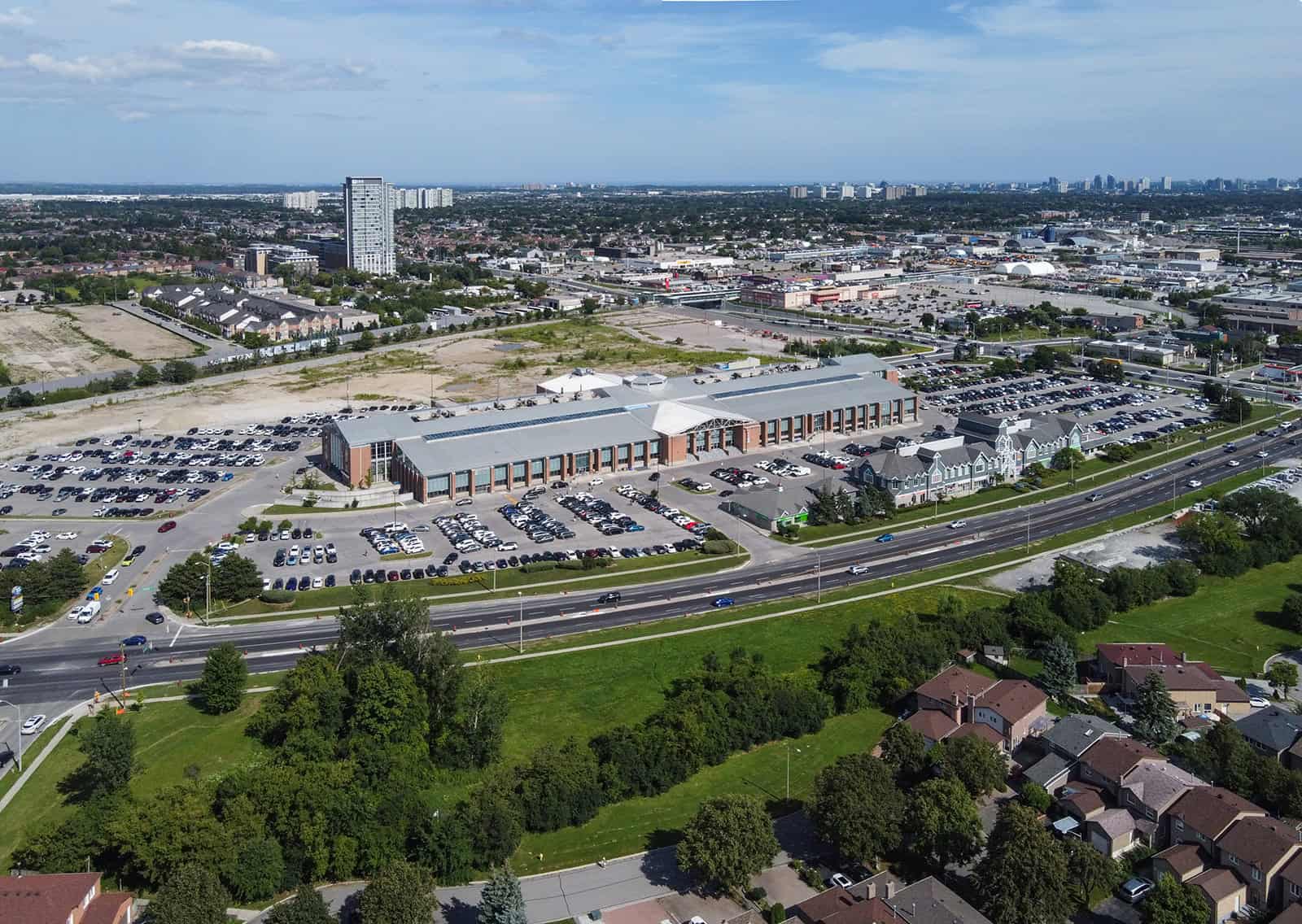
Redeveloping a mall can be faster and cheaper than starting from raw land. The roads already exist, the utility connections are in place, and zoning frameworks are often easier to modify than approve from scratch. That makes these properties unusually attractive in markets where entitlement timelines are long and construction costs are high. A dead mall also allows multiple revenue streams inside one footprint, apartments, clinics, offices, storage, even schools. From an investment perspective, the format is flexible. From a community perspective, that flexibility can be both an advantage and a risk.
Housing Conversions Help, But Not Always The Way People Expect
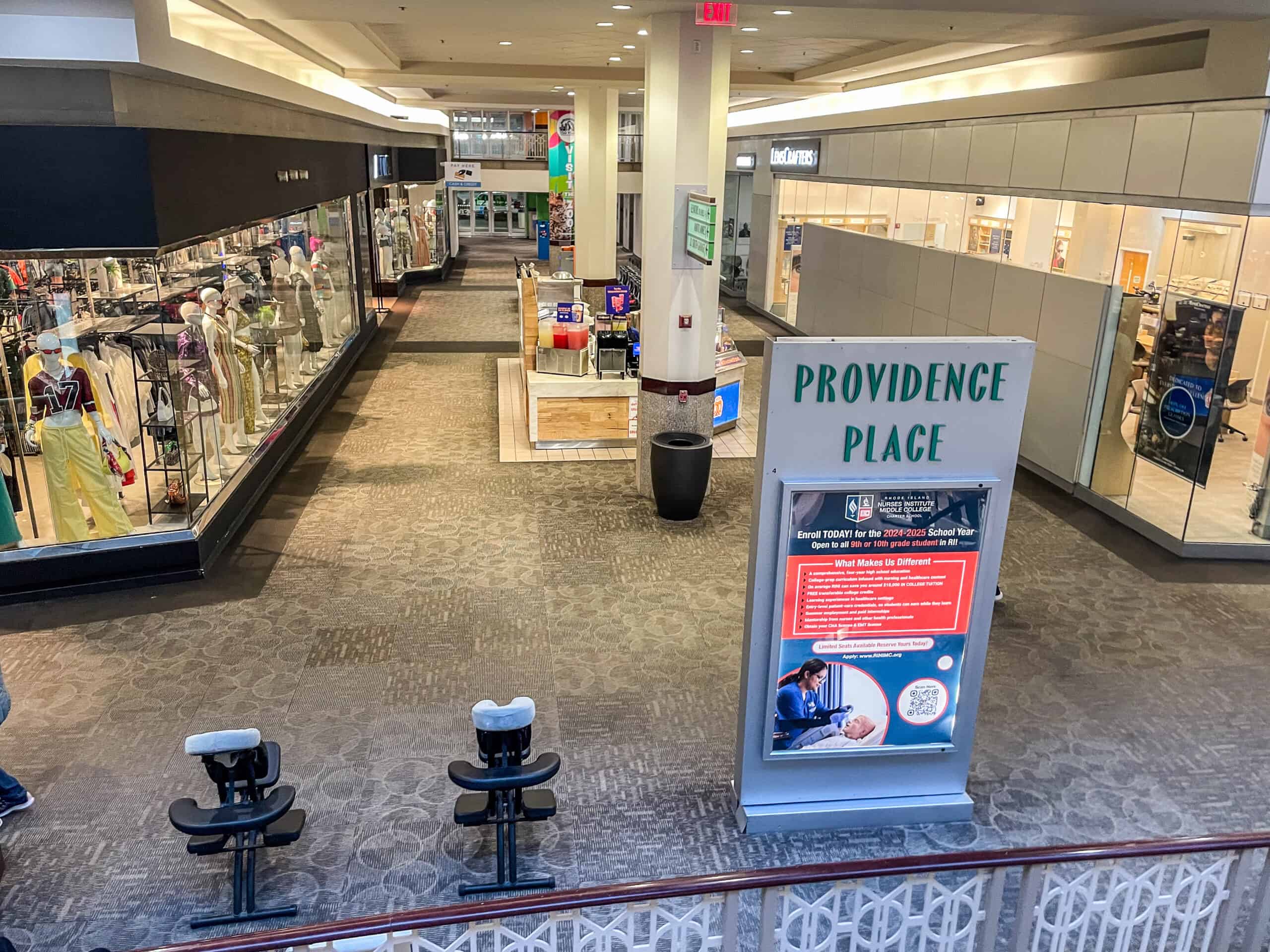
Turning mall parcels into housing sounds like a clear win, and in some places it does add needed units. The catch is who those units are priced for. Many conversions lean toward premium mixed-use products, with rents that do little for households already squeezed by local costs. Even when new homes arrive, they can strain schools, roads, and utilities if infrastructure upgrades lag behind occupancy. So the conversation is no longer just build or do not build. It is build for whom, at what price, and with what long-term support systems in place.
Logistics Reuse Changes Neighborhood Life Fast
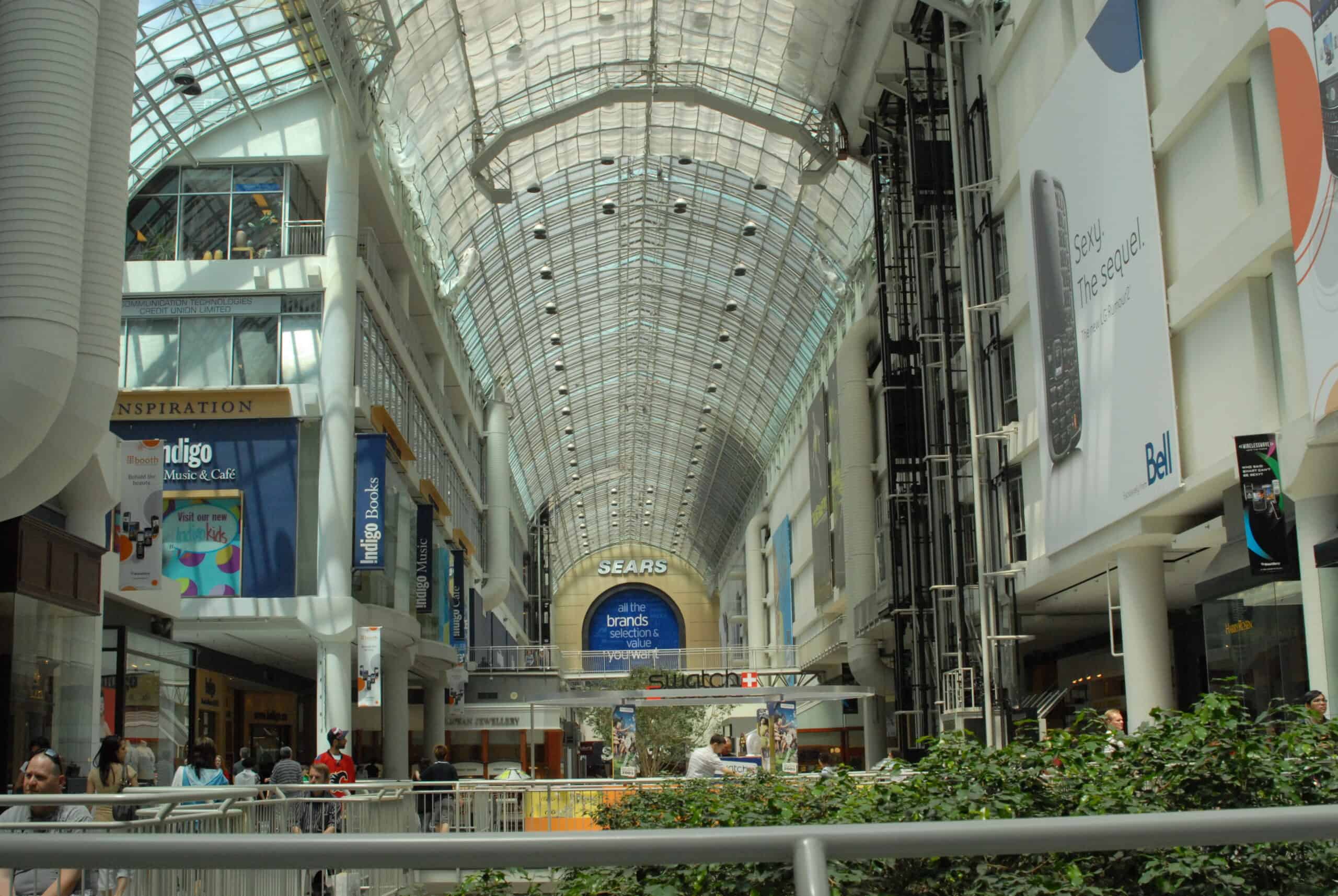
One of the most controversial mall pivots is logistics use, especially last-mile distribution. A site once designed for weekend shopping can become a high-frequency operations hub with trucks, loading activity, and late-hour movement. That shift can boost local tax revenue and reduce delivery times, but it can also raise concerns around noise, air quality, and street safety in nearby residential zones. For many communities, the issue is not whether logistics is legitimate. It is whether impacts are fairly managed, monitored, and mitigated before operations begin at full scale.
The Social Function Of Malls Is Hard To Replace
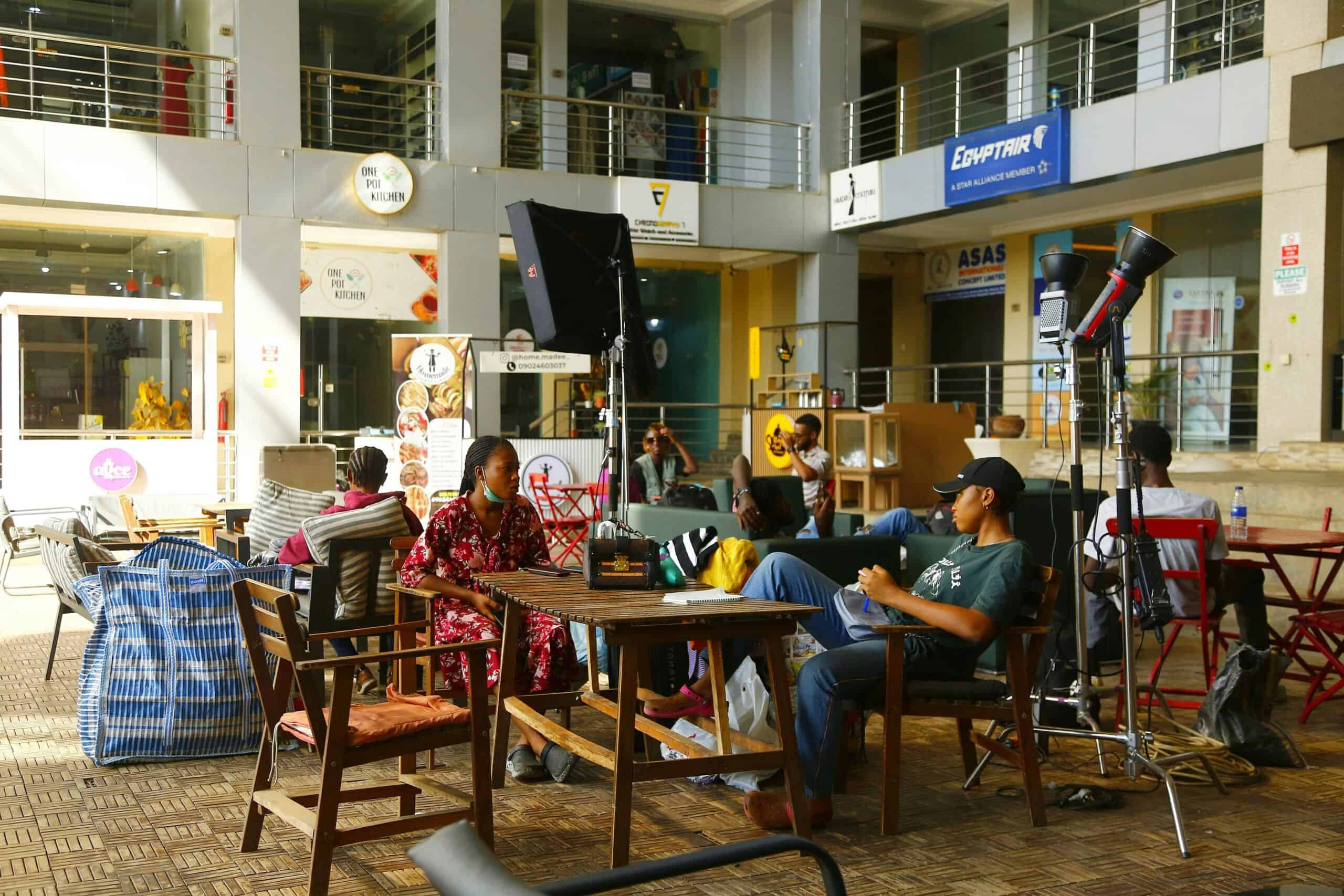
Old malls were imperfect, but they offered informal public life, climate-controlled walking, casual meeting space, and low-pressure time for people across age groups. Many new redevelopments are efficient, curated, and commercially optimized, but less socially open. Access can feel more conditional, and spontaneous use can shrink when every zone is programmed for specific transactions. Communities do not just lose stores when malls close. They lose familiar third places. That social gap is rarely captured in financial models, yet it often shapes how residents judge whether a redevelopment truly improved local life.