We may earn money or products from the companies mentioned in this post. This means if you click on the link and purchase the item, I will receive a small commission at no extra cost to you ... you're just helping re-supply our family's travel fund.
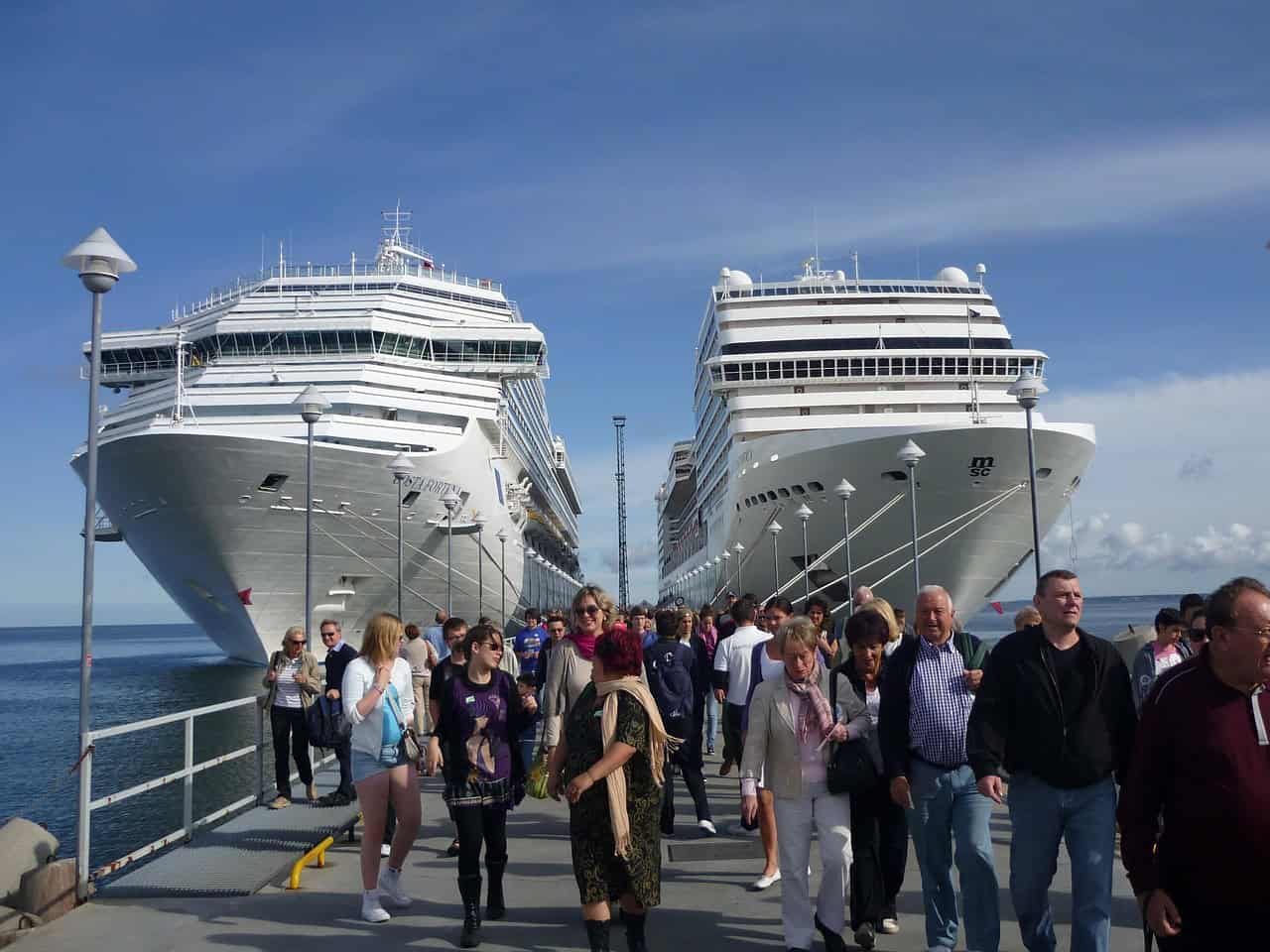
Caribbean cruise tourism has long been marketed as a win-win: ships bring thousands of visitors, and islands benefit from instant economic activity. But in recent years, that balance has started to fracture. Across several popular ports, residents have pushed back against overcrowding, environmental strain, and limited local benefit. In response, cruise lines have quietly begun removing certain destinations from itineraries altogether. What’s happening isn’t a collapse of cruising, but a recalibration, one driven by community pressure, policy changes, and the sheer math of too many people arriving at once.
1. George Town, Grand Cayman
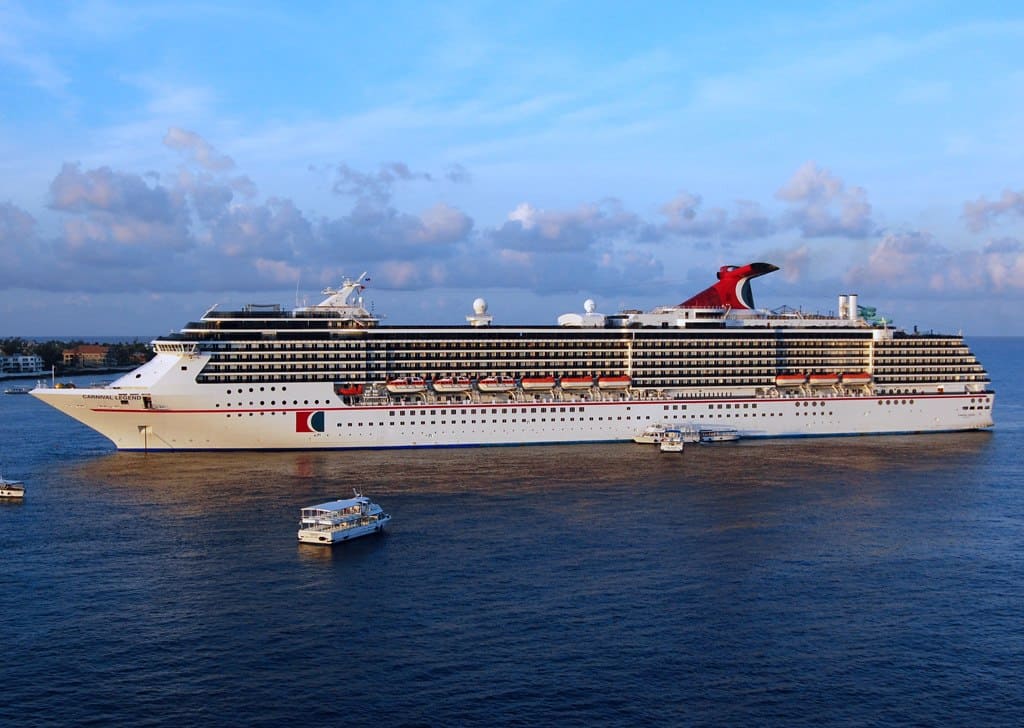
George Town has become a flashpoint in the cruise debate after residents voted against a proposed cruise pier expansion. The island currently relies on tender boats, which can slow operations and cap daily capacity. On peak days, as many as 5 ships and 22,000 passengers attempted to disembark into a town of roughly 34,000 residents. Locals argued this volume strained roads, beaches, and marine life while generating limited long-term value. Following the referendum, several cruise lines reduced scheduled calls, favoring ports with fixed berths. The uncertainty alone has made George Town a riskier stop in tightly timed Caribbean routes.
2. Kralendijk, Bonaire
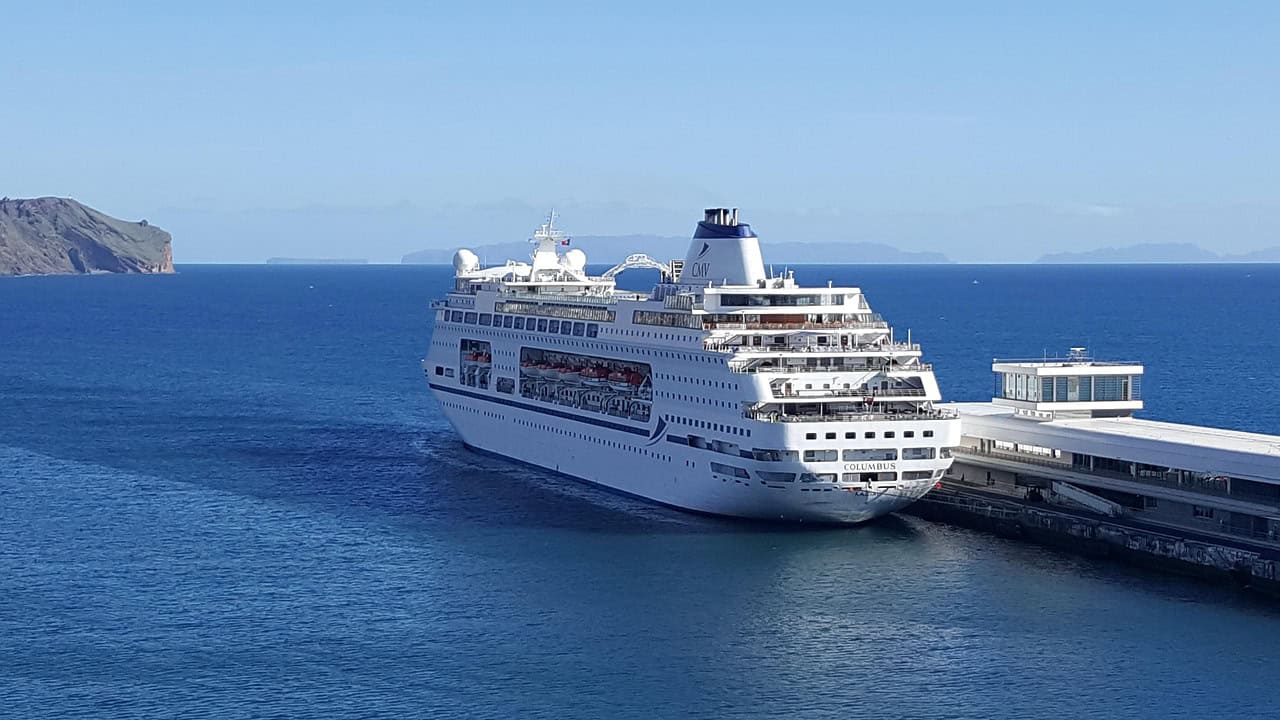
Bonaire’s backlash stems largely from environmental math. The island hosts over 350 protected marine species, and officials linked reef degradation to cruise surges. In response, authorities capped arrivals to one large cruise ship per day, typically around 3,000–3,500 passengers. Prior to limits, Bonaire often saw 2–3 ships daily, doubling foot traffic in its compact capital. Cruise lines facing scheduling conflicts increasingly drop the port rather than reshuffle itineraries. While stay-over tourism contributes roughly 70% of local tourism revenue, cruise visitors account for far less, strengthening political support for restrictions despite lost port fees.
3. Bridgetown, Barbados
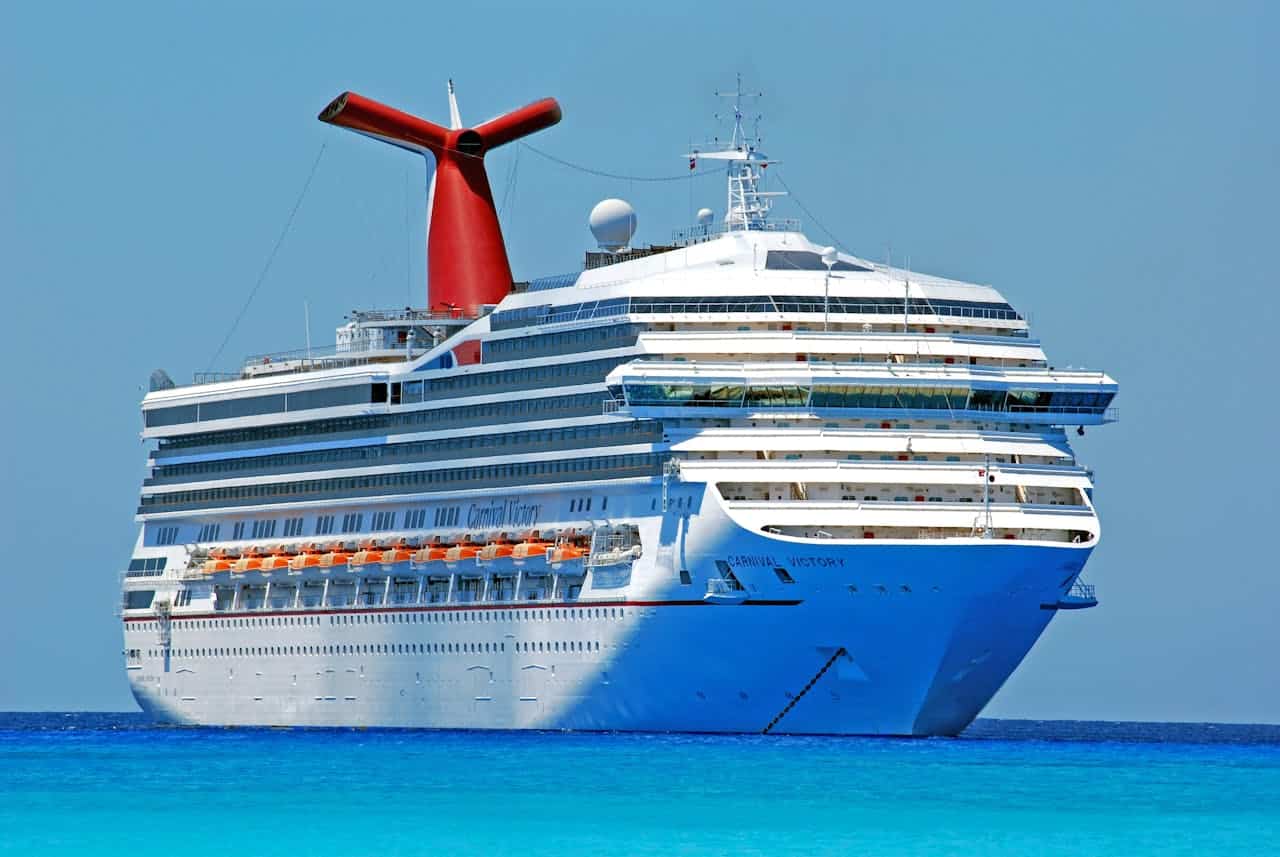
Bridgetown has invested heavily in port upgrades, yet local frustration continues to grow. On high-traffic days, cruise arrivals can exceed 10,000 passengers, flooding beaches and historic districts within hours. Residents have cited traffic delays averaging 40–60 minutes during ship days, compared to 15 minutes normally. Barbados tourism data shows cruise visitors spend roughly $85 per person, versus $185 from overnight guests. As public pressure mounts, authorities have discussed tighter scheduling windows. Anticipating future limits, some cruise operators have preemptively swapped Bridgetown for private ports or less regulated islands to maintain predictable turnaround times.
4. Castries, St. Lucia
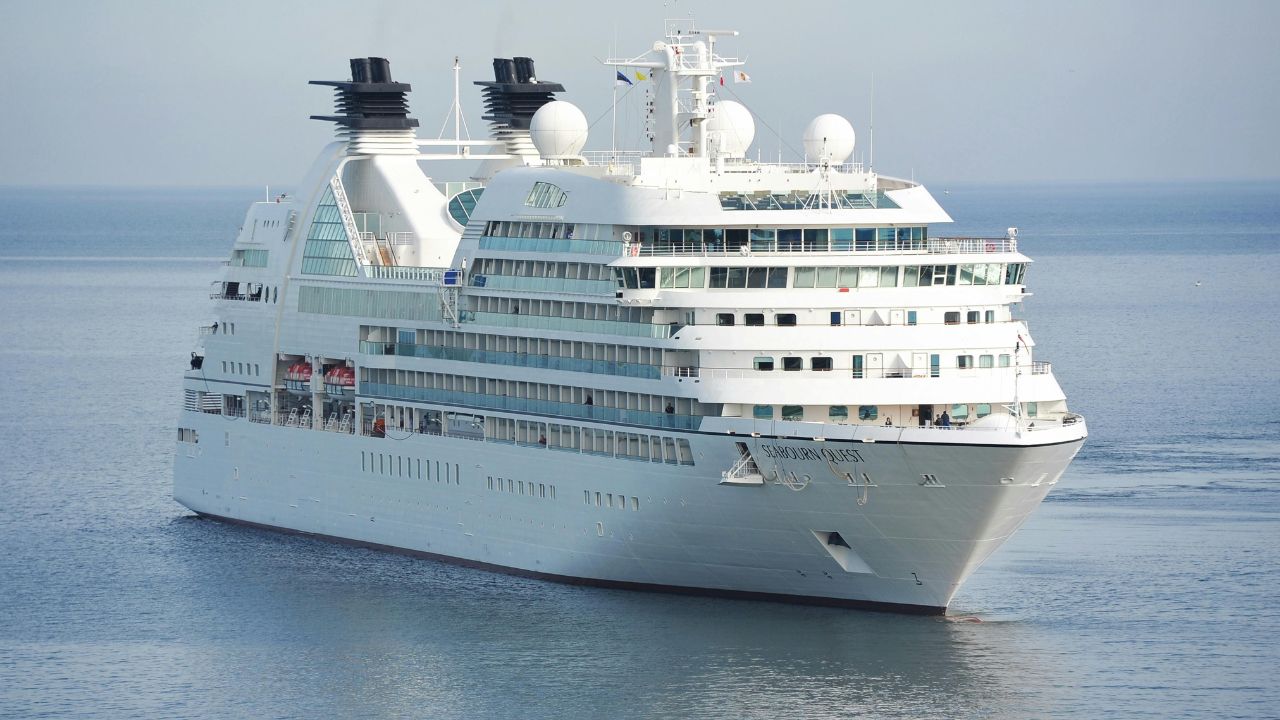
Castries sits between steep terrain and a narrow harbor, leaving little room for crowd absorption. When 3 ships dock simultaneously, more than 8,000 passengers can enter the city in under two hours. Local businesses benefit unevenly, with tour operators capturing most revenue while congestion affects daily life. Environmental groups have also flagged air quality issues, noting sulfur emissions spikes of up to 20% on heavy cruise days. In response, port officials began prioritizing smaller vessels and spacing arrivals. Cruise lines operating mega-ships increasingly bypass Castries, citing limited berth flexibility and rising operational friction.
5. Cozumel, Mexico
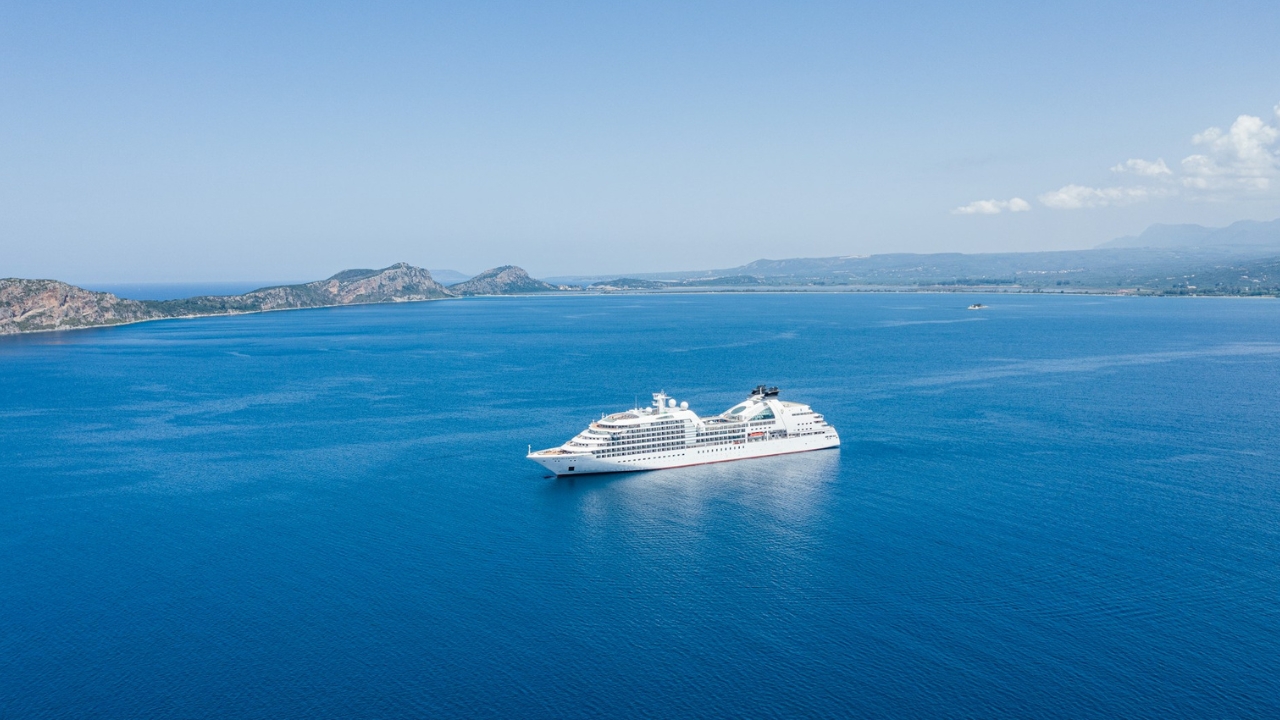
Cozumel remains one of the Caribbean’s busiest cruise hubs, but backlash has grown louder. The island can receive up to 20,000 cruise passengers in a single day, compared to a resident population near 90,000. Protests intensified after new pier construction near coral reefs, with marine surveys estimating reef loss of 15–20% in affected zones. While Cozumel hasn’t imposed strict caps, public opposition has made expansion politically sensitive. Some cruise brands now rotate Cozumel less frequently, substituting private destinations to avoid controversy and ensure smoother guest experiences.