We may earn money or products from the companies mentioned in this post. This means if you click on the link and purchase the item, I will receive a small commission at no extra cost to you ... you're just helping re-supply our family's travel fund.
Cruise routes are built on timing, safety, and smooth shore operations. A port can still be beautiful and still become difficult when unrest, weather disruption, crowd pressure, or sudden policy changes keep affecting the same call. That is the shift now visible across parts of the Caribbean. Lines are not walking away from the region, but they are making harder choices about reliability and guest experience. These five ports show where operational friction is rising, and why itinerary planners are increasingly choosing predictability over tradition.
Labadee, Haiti
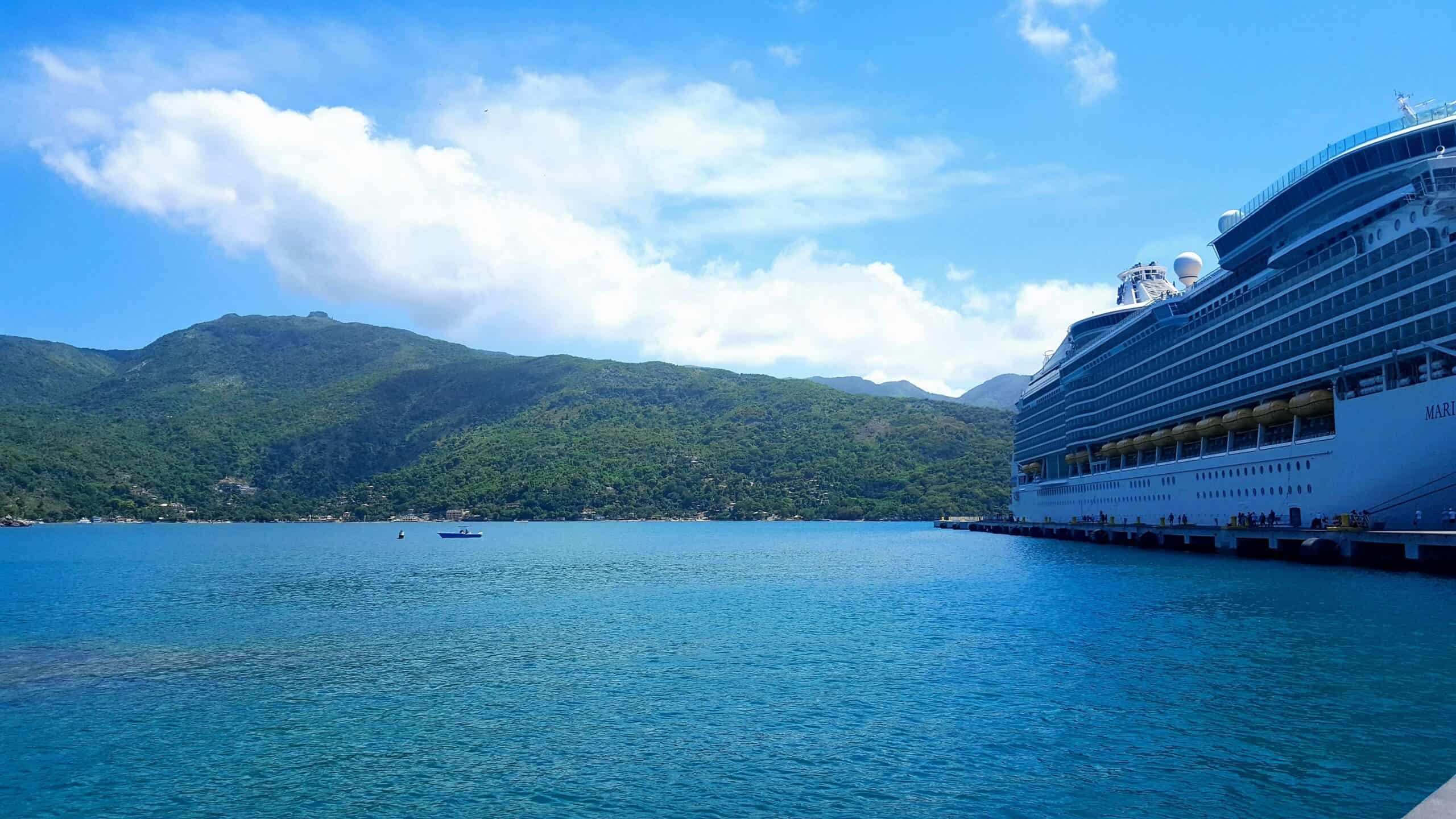
Labadee has become the clearest case of a Caribbean call losing operational confidence. Royal Caribbean has repeatedly extended its pause and canceled Labadee visits through 2026, reflecting how regional instability can override destination popularity. Even though Labadee is a private resort-style stop, itinerary teams still evaluate the wider security picture, evacuation planning, and insurance implications before confirming a return. When uncertainty keeps triggering substitutions, the math changes quickly. For planners, a consistently replaceable port eventually stops being a dependable one.
Nassau, Bahamas
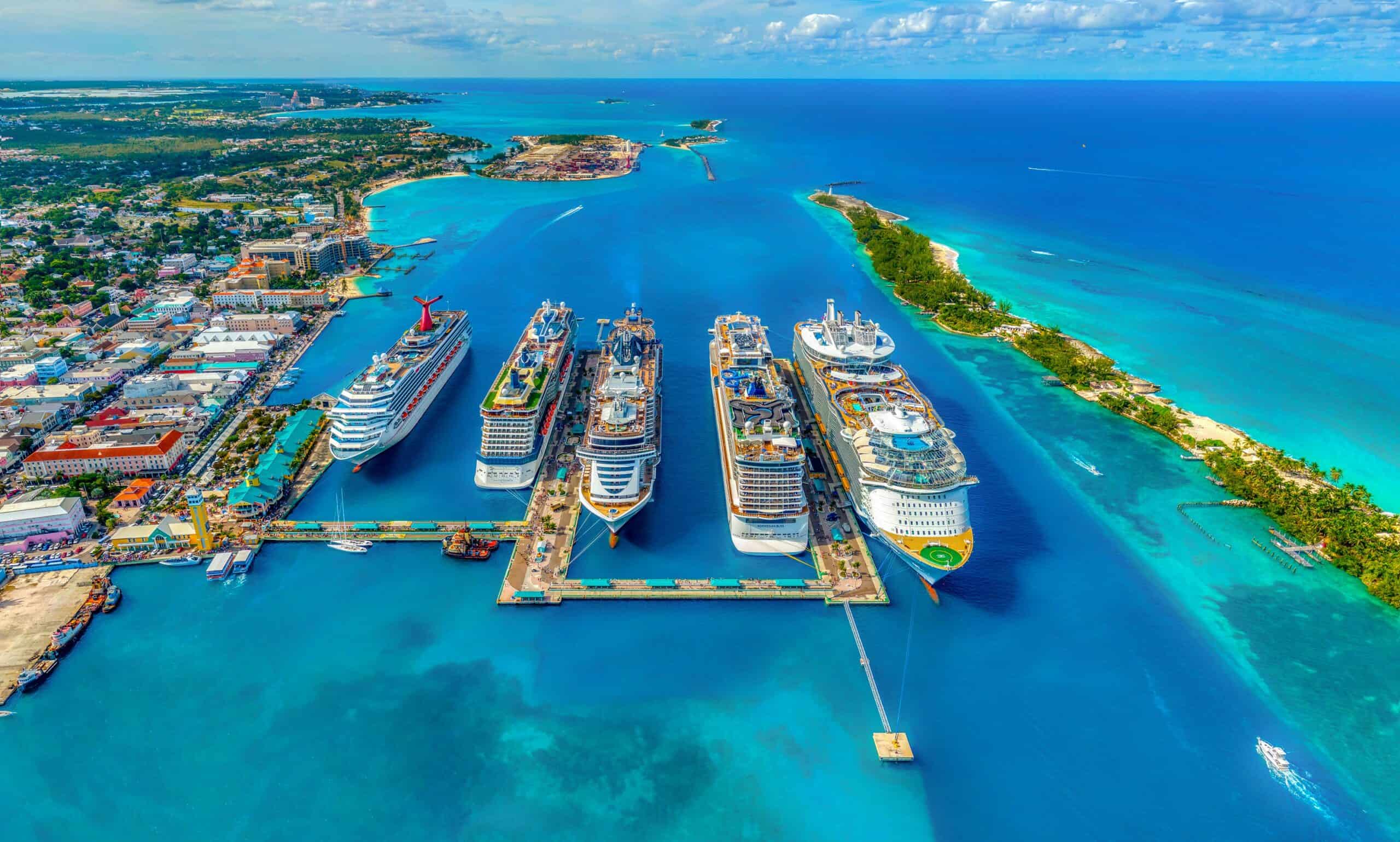
Nassau remains a marquee stop, but record passenger volume is creating a different kind of strain. With millions of cruise visitors and heavy multi-ship days, shore traffic can become crowded enough to erode the relaxed island feel people expect. Excursion staging, taxi movement, and attraction access all tighten when too many arrivals overlap in the same hours. Cruise lines still value Nassau’s infrastructure and location, yet planners now have to ask a practical question: does a high-demand stop still deliver quality time ashore when crowding keeps rising year over year?
Cozumel, Mexico
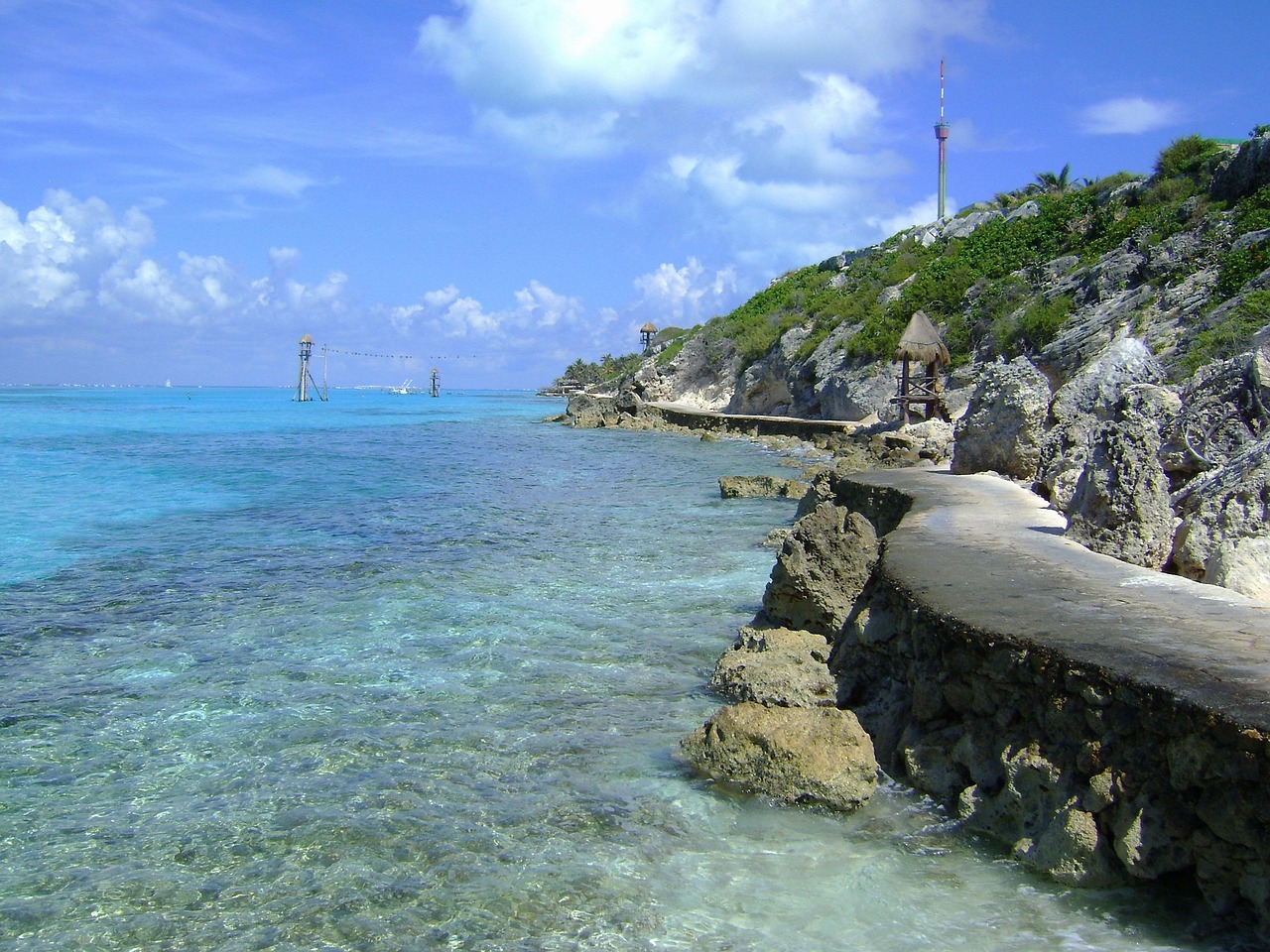
Cozumel is still a giant in Caribbean cruise planning, but policy volatility has made it harder to treat as a simple plug-and-play call. Mexico’s debate over new cruise passenger fees signaled that port economics can shift quickly, even in established markets. For itinerary teams working years ahead, sudden cost changes complicate pricing, route balance, and onboard revenue assumptions tied to shore days. Cozumel remains attractive, but when fee frameworks feel unstable, lines start modeling alternatives where long-term forecasting is easier and margin pressure is lower.
George Town, Grand Cayman
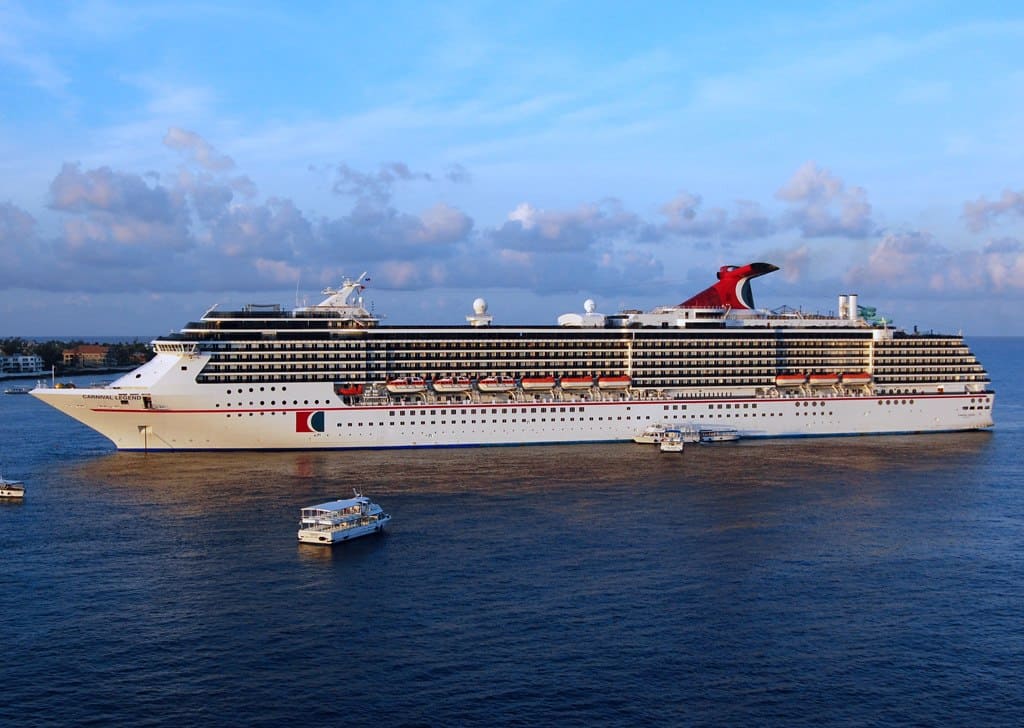
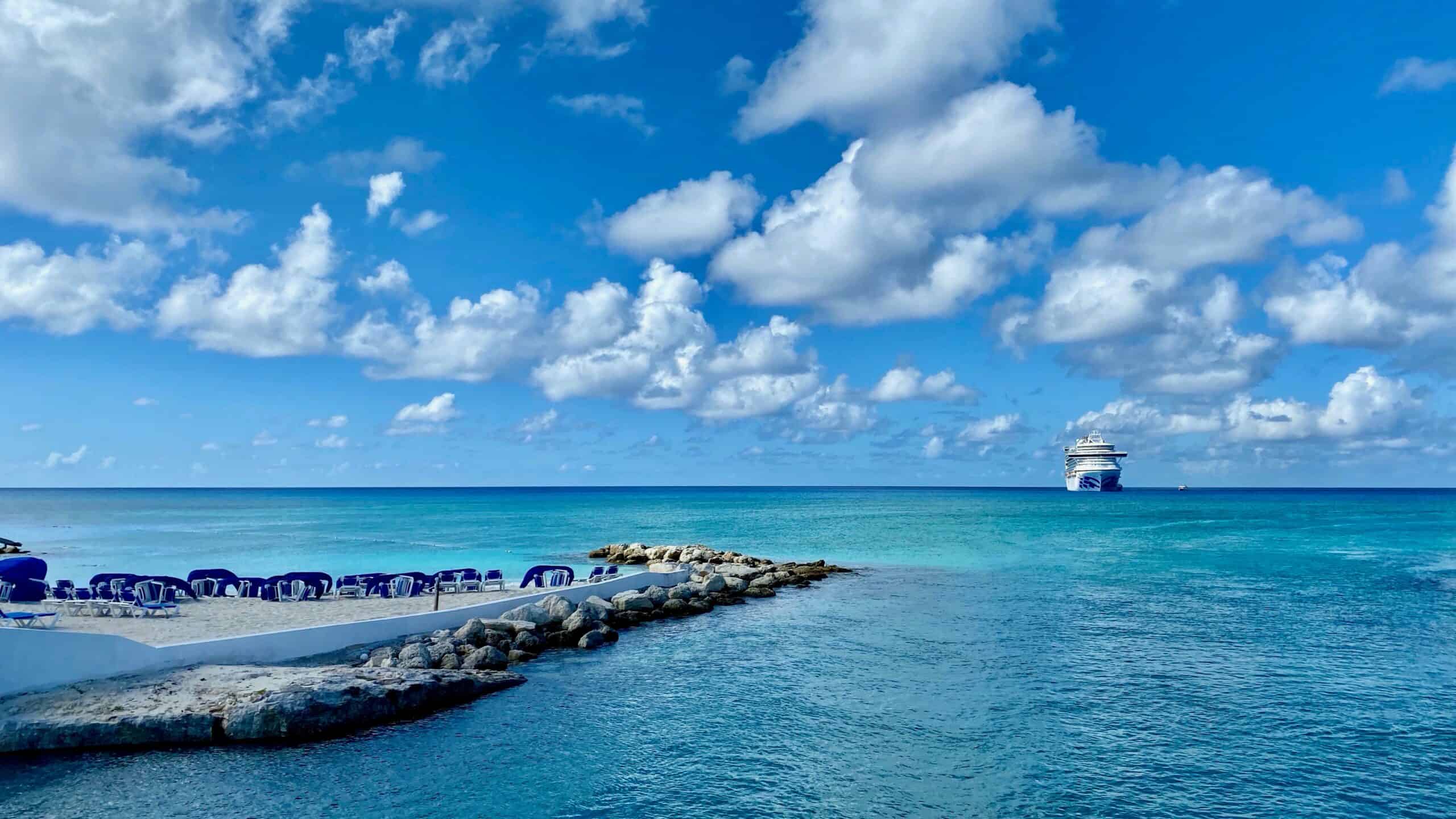
Grand Cayman is widely loved, but tender operations leave it exposed to sea conditions in ways pier-based ports are not. When swells rise, disembarkation can slow dramatically or be canceled, turning a highlight stop into a missed day at short notice. That uncertainty matters more than many travelers realize, because repeated tender disruption affects excursion refunds, staffing flow, and guest trust across entire itineraries. Cruise lines still schedule George Town often, but reliability planning now includes stronger backup options and tighter seasonal caution than in the past.
Ocho Rios And Falmouth, Jamaica
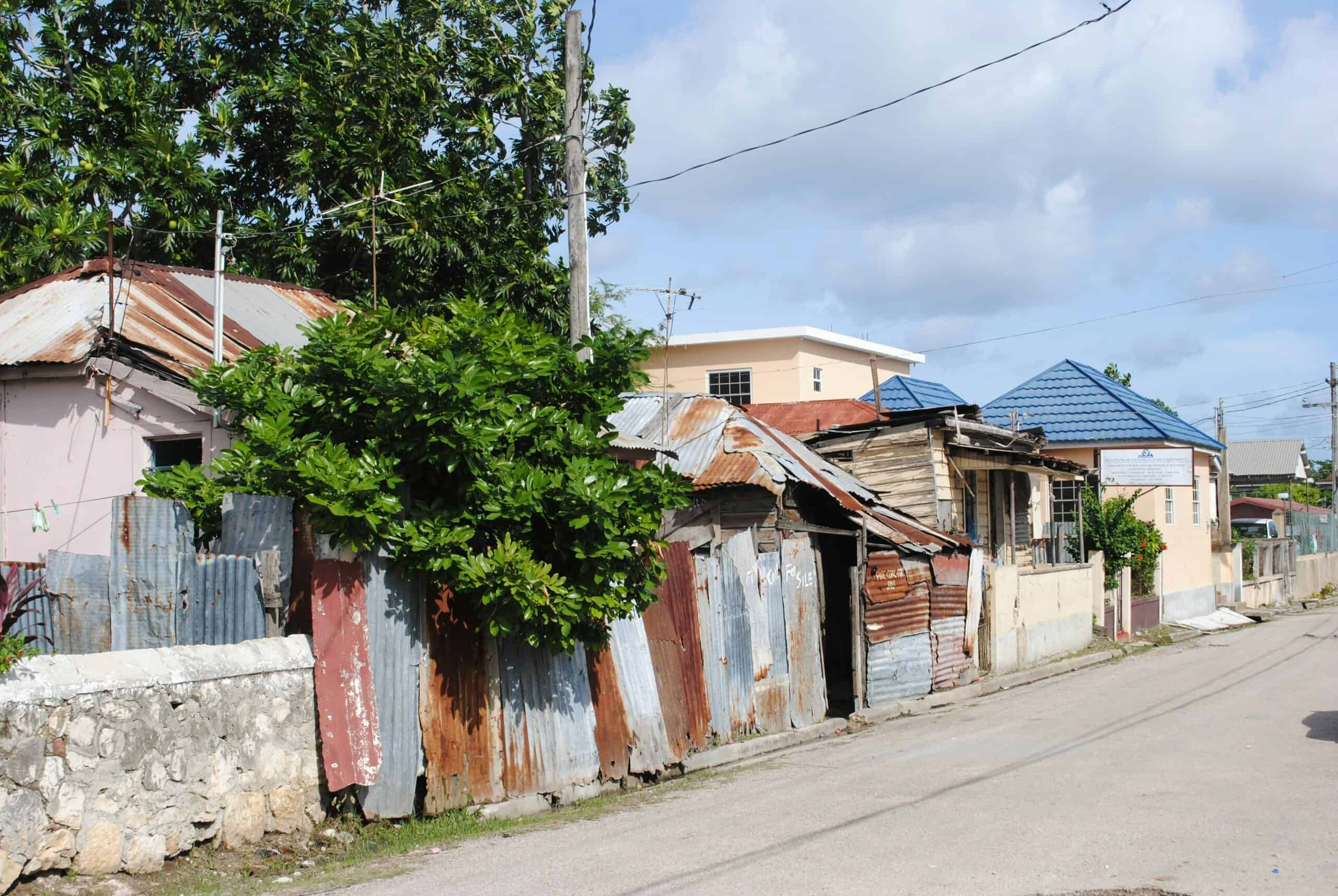
Jamaica’s ports continue to draw strong demand, yet security perception has become a tougher variable for itinerary planners. Official advisories still note elevated crime concerns at the national level, even while major tourist areas are managed more tightly and cruise excursions often run smoothly. That contrast creates a messaging challenge: on-ground operations may function well, but traveler confidence can still be shaped by headlines before departure. Lines are responding with more controlled shore programs, stricter partner screening, and careful communication to reduce uncertainty on port days.