We may earn money or products from the companies mentioned in this post. This means if you click on the link and purchase the item, I will receive a small commission at no extra cost to you ... you're just helping re-supply our family's travel fund.
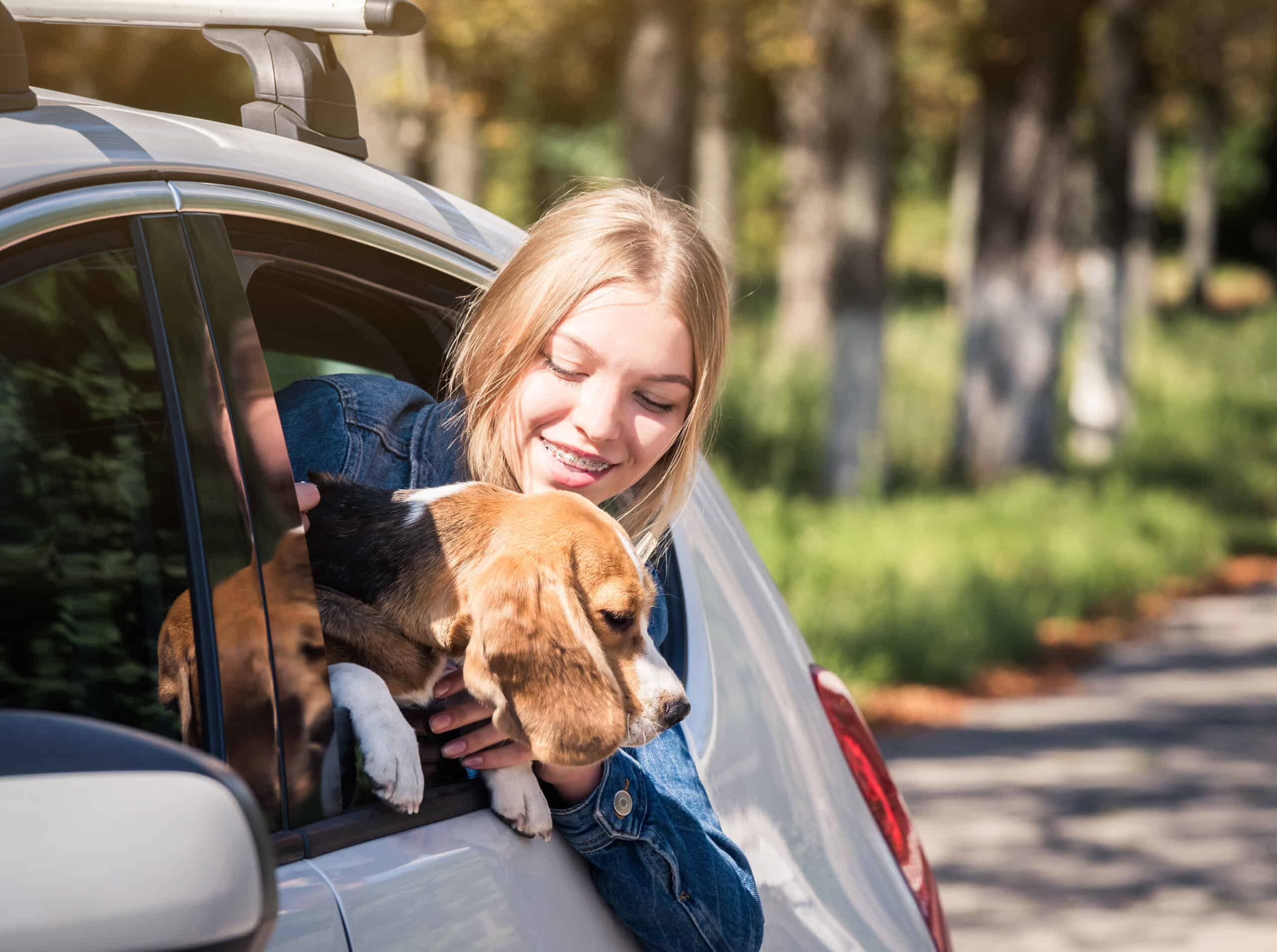
Moving a pet from one state to another once felt as simple as loading a crate into the backseat. By 2026, that picture is getting messier. Lawmakers, wildlife agencies, and public-health officials are tightening rules around animals that can spread disease, escape into local ecosystems, or pose safety risks. Some of those changes target commercial trafficking, but the language often sweeps up everyday owners as well. The result is a patchwork of regulations where a beloved companion can quietly become contraband at the state line.
Rabies,Vector Pets Facing Hard State Borders
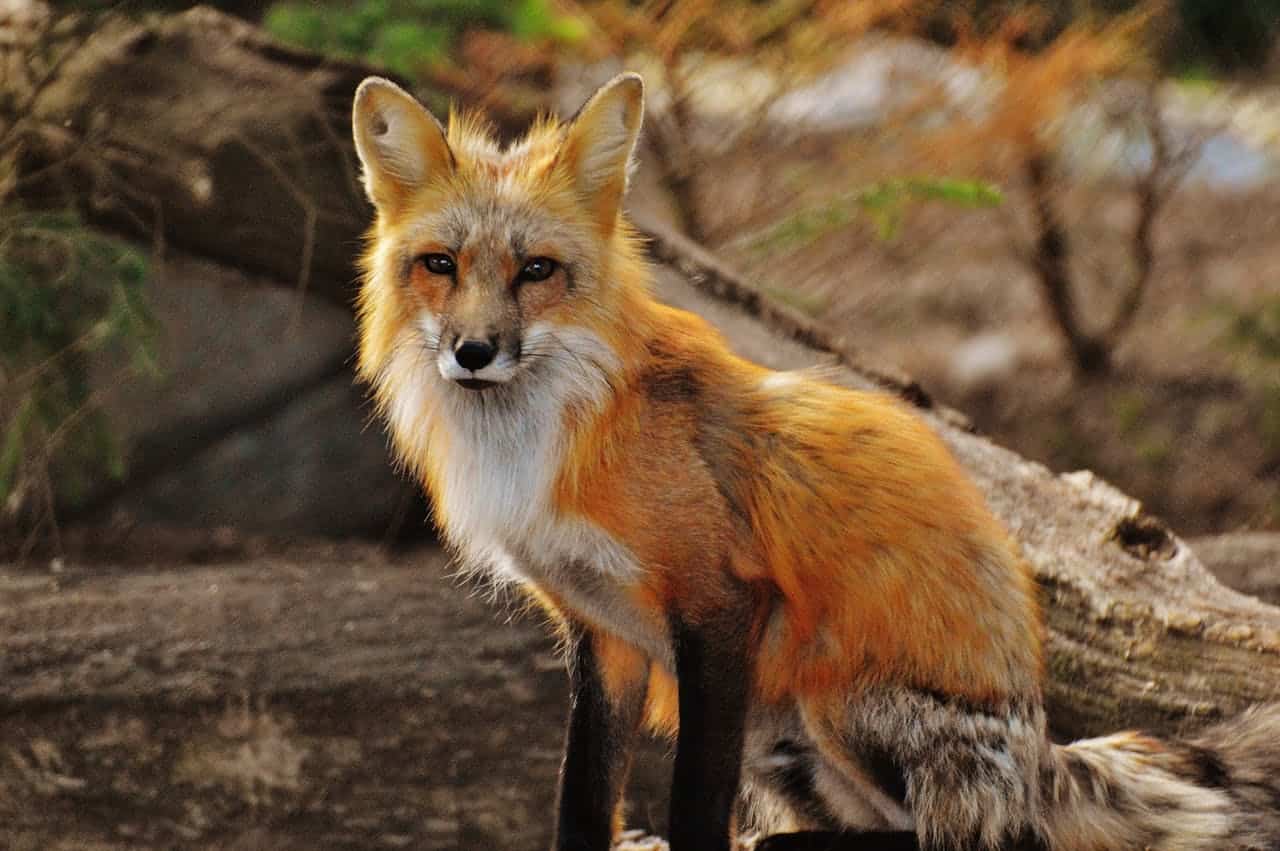
Raccoons, skunks, foxes, and certain bats have always sat in a high-risk rabies category, but 2026 updates in several states lean even harder into outright bans on transporting them as pets. Public-health officials worry that one infected animal moved across borders can seed long chains of exposure. New rules tighten quarantine requirements and, in some cases, make permits nearly impossible for private owners to obtain. A road trip that once seemed quirky now carries seizure or euthanasia risk at inspection stops.
Large Constrictor Snakes Treated As Contraband
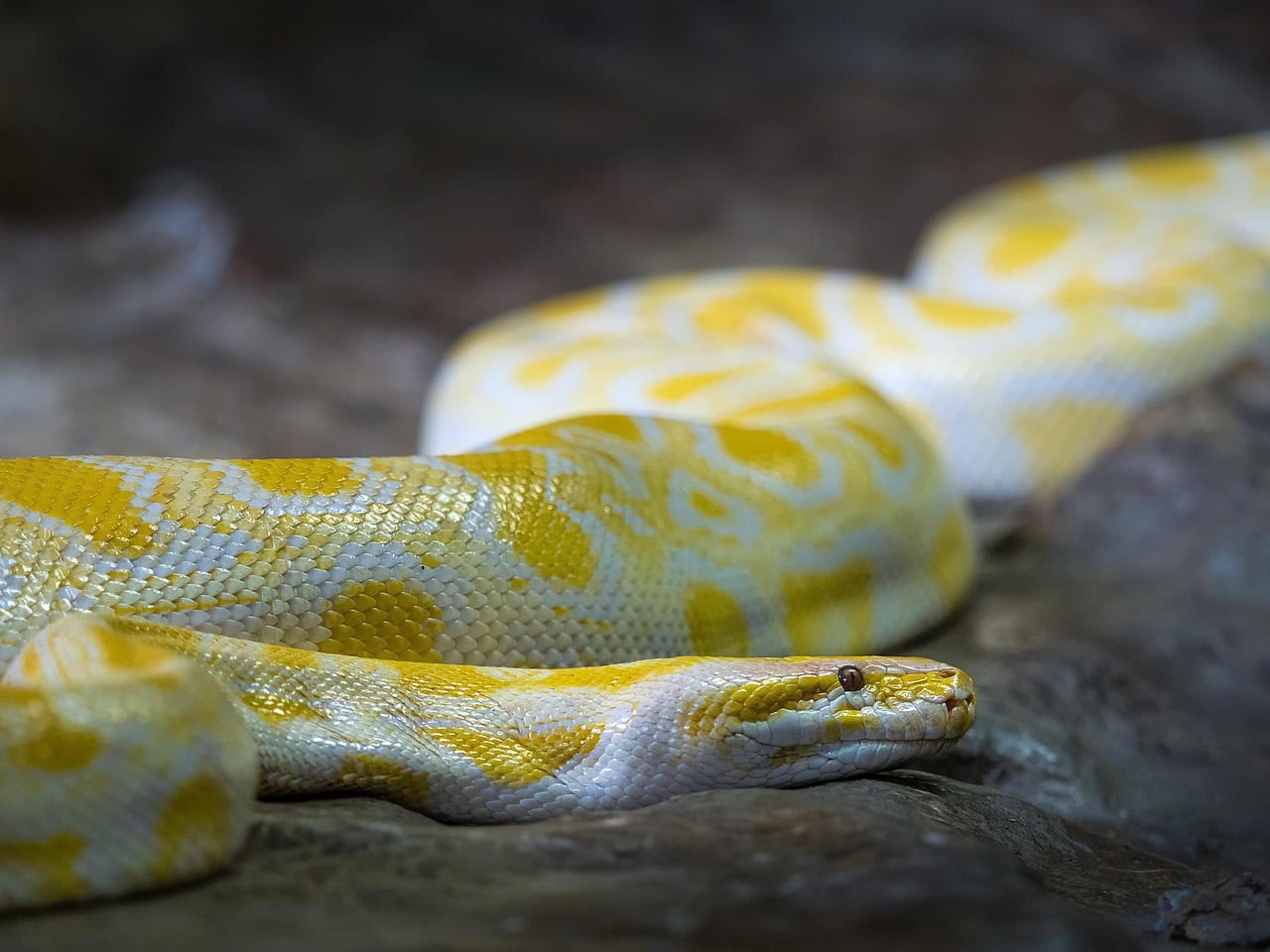
Big constrictors like Burmese pythons and certain anacondas have become symbols of invasive-species nightmares in warm states. By 2026, more jurisdictions are aligning with federal invasive-species lists and making it illegal to bring these snakes in without specialized permits, even when they are already in captivity. Authorities argue that escaped or abandoned reptiles can devastate native wildlife. For snake enthusiasts, transporting an animal between perfectly legal home states may still be blocked if the route crosses a jurisdiction that bans possession or transit.
Pet Pigs And “Mini” Swine Caught In Livestock Rules
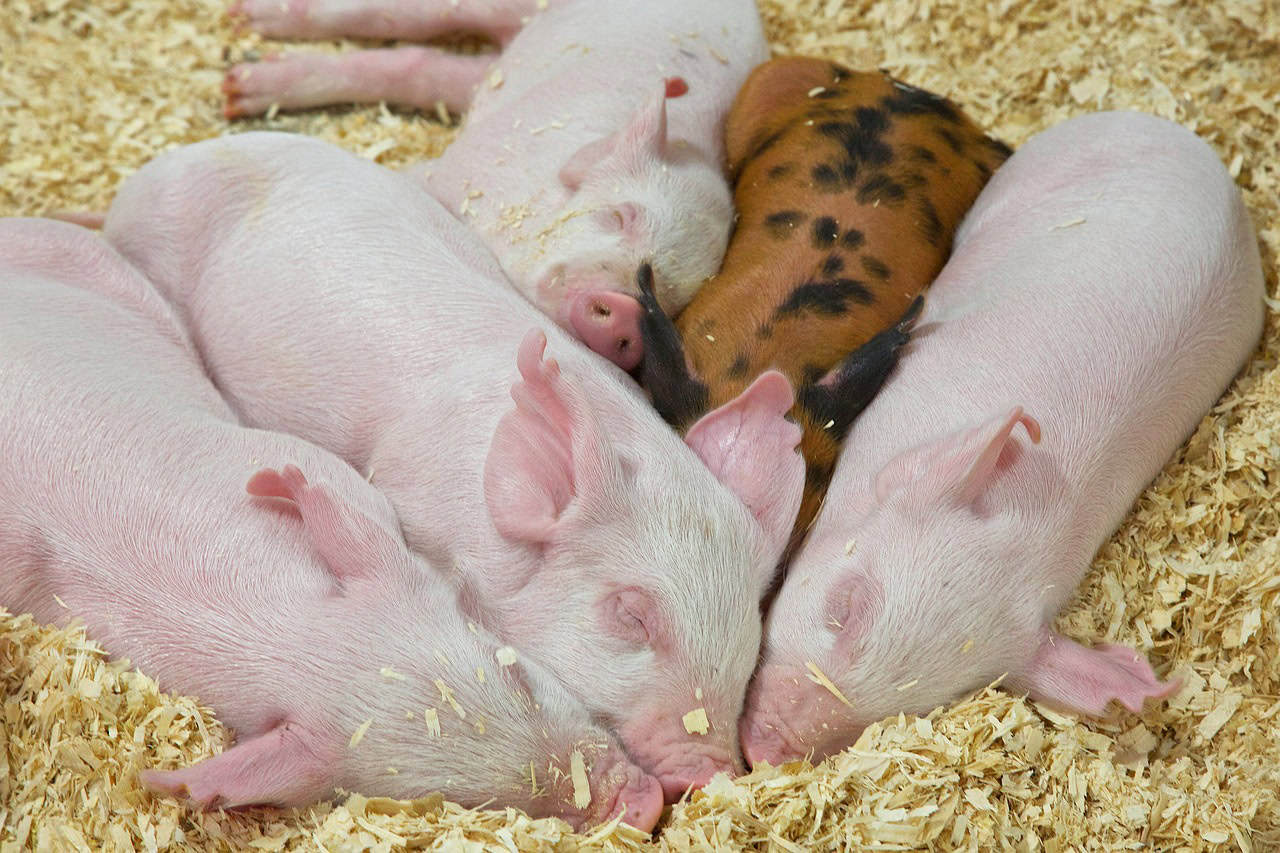
Teacup and potbellied pigs often live like dogs in suburban homes, but animal-health agencies still view them as swine with all the associated disease concerns. New 2026 rules in some regions fold pet pigs into stricter livestock movement laws, especially where African swine fever and other outbreaks worry producers. That can mean mandatory health certificates, pre-approved routes, or outright bans on interstate moves without agricultural clearance. Families who treat a pig as a companion may discover it is legally closer to a small farm.
Exotic Cats And Foxes Restricted As Wildlife
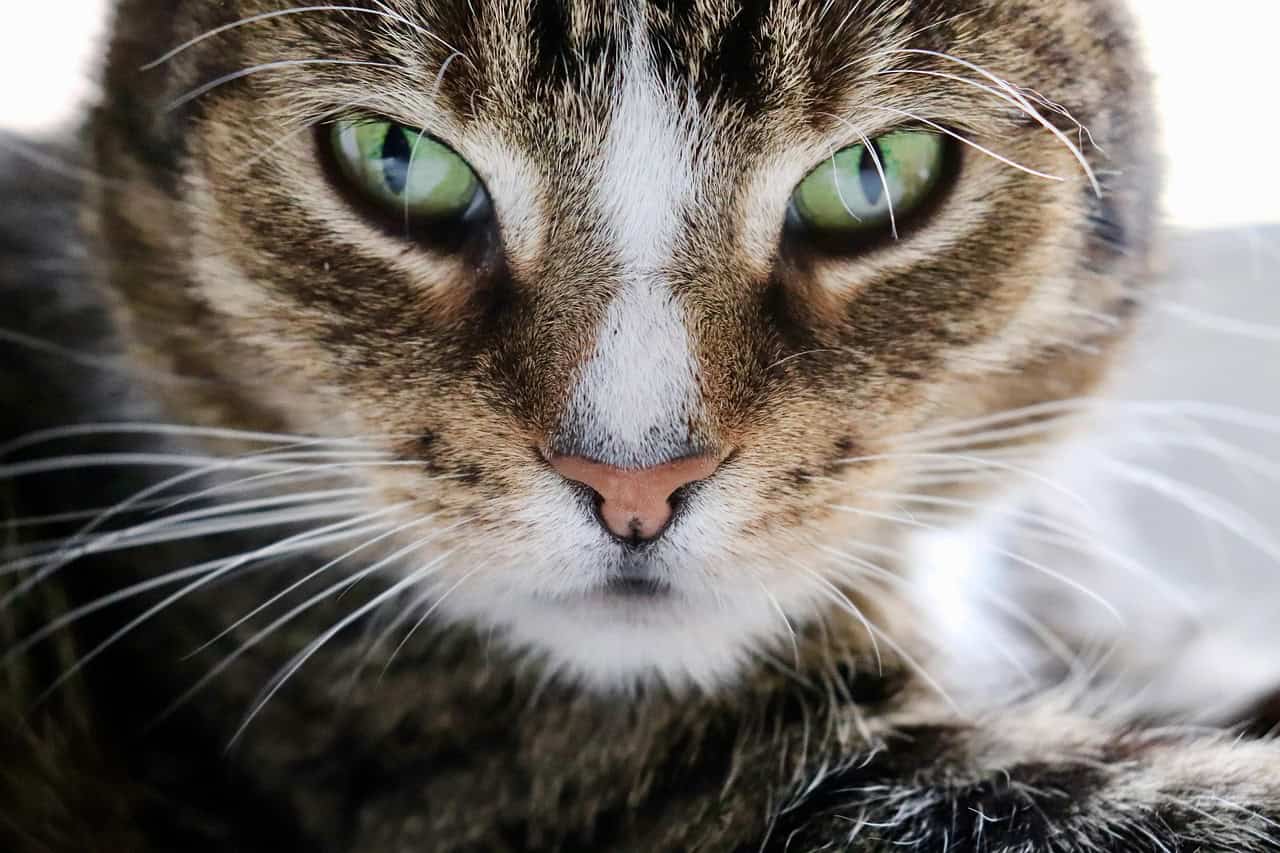
Servals, caracals, fennec foxes, and similar exotics occupy a gray zone between domestic pets and wildlife. As more states revisit their dangerous-animal codes for 2026, several are closing loopholes that once allowed these species to travel under generic “pet” language. Transporting them across state lines without proof of sanctuary status, zoo permits, or rehabilitation credentials can cross into illegal wildlife trafficking. Owners who once relied on a friendly veterinarian’s note now face a matrix of permits that differ dramatically from state to state.
High-Risk Rodents After Disease Scares

Prairie dogs, Gambian pouched rats, and certain other rodents gained notoriety in past disease outbreaks, and public-health memory is long. Updated 2026 rules in some states revive or strengthen bans on importing these species as pets, even when captive-bred. Crossing borders with them may trigger confiscation, mandatory quarantine, or fines if paperwork does not match new standards. Officials frame the changes as low-cost insurance against rare but serious zoonotic events; hobbyists see entire niches of the exotic-pet world pushed into legal limbo.
Pet Birds In The Shadow Of Avian Flu
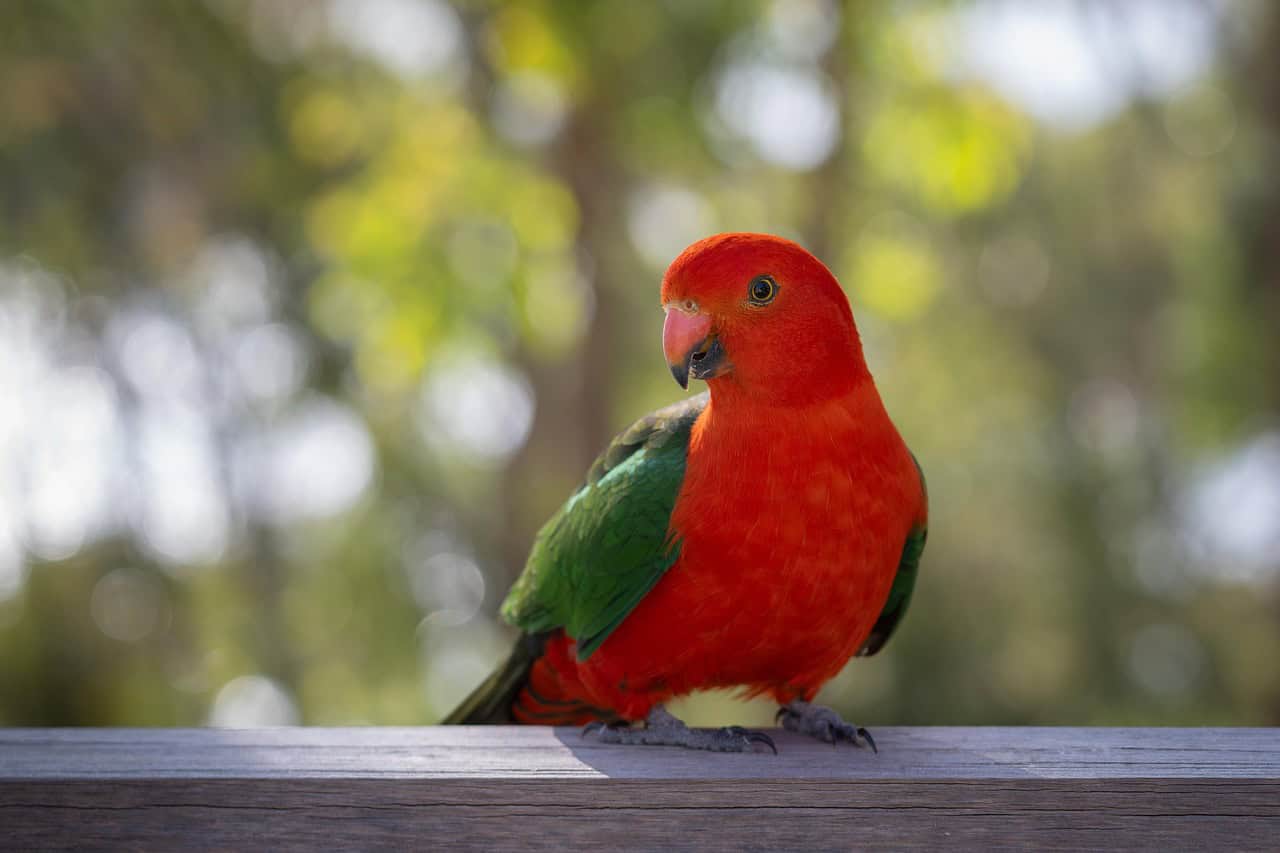
Parrots, backyard chickens, and other pet birds now live under the same cloud that hangs over commercial flocks: recurrent avian-influenza scares. By 2026, several states expand emergency rules into standing regulations that restrict movement of certain bird species from high-risk zones. Interstate transport can require recent veterinary certifications, testing, and pre-approved destinations, with penalties for informal sales or casual road moves. Families with small companion birds may discover that a simple relocation triggers procedures designed for full-scale poultry operations.
Hybrid Wolves And Coydogs In The Crosshairs
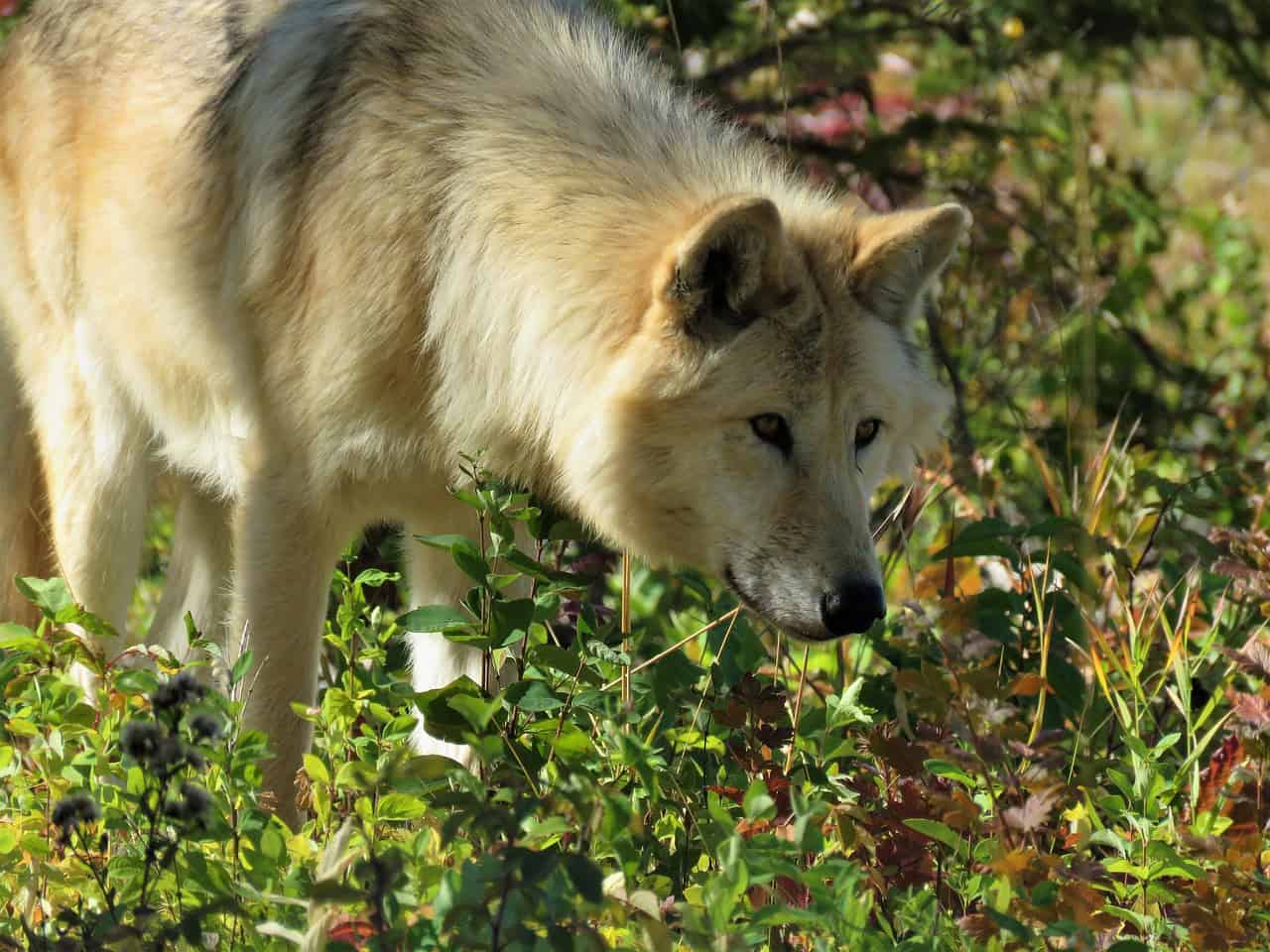
Wolf-dog hybrids and coyote-dog crosses have long occupied a controversial space in state law. Some jurisdictions treat them as dogs, others as wildlife, and still others ban them outright. New 2026 revisions in a handful of states tighten definitions and explicitly outlaw transporting hybrids across borders without specialized permits or sanctuary documentation. Enforcement typically surfaces after a bite incident or traffic stop rather than routine checks. Even so, owners driving across multiple states can find that an animal is a legal pet at departure and contraband at arrival.
Invasive Fish And Aquatic Pets In Transit Crackdowns
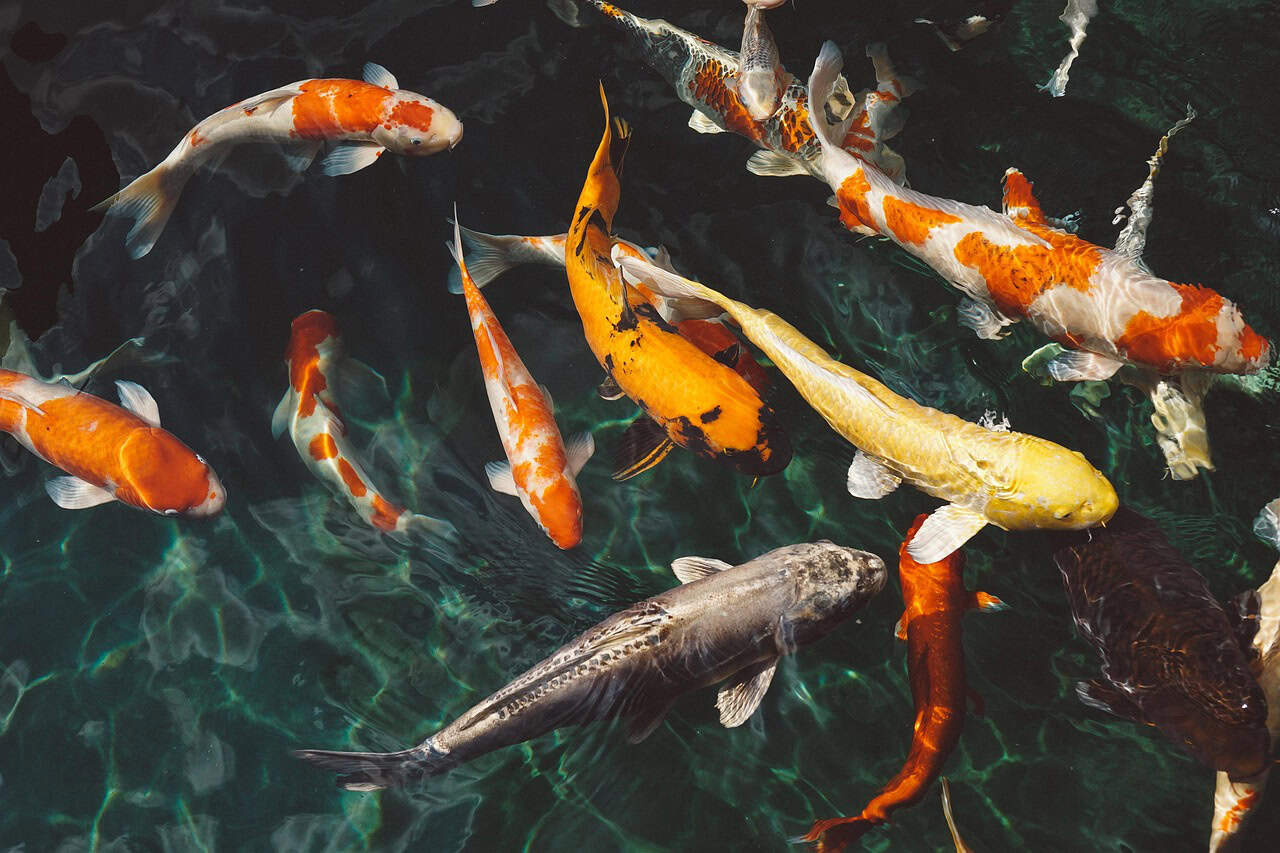
Koi, certain carp, snakeheads, and aquarium favorites that carry invasive hitchhikers now face tougher movement controls, especially into states battling damaged waterways. 2026 regulations extend beyond commercial importers to include private owners hauling tanks, pond stock, or bait. Transporting specific species across state lines without authorization can count as releasing invasive wildlife, even when the fish never leave a vehicle. Boating communities and hobbyists are urged to treat paperwork, clean equipment, and route planning as seriously as they treat food and fuel.