We may earn money or products from the companies mentioned in this post. This means if you click on the link and purchase the item, I will receive a small commission at no extra cost to you ... you're just helping re-supply our family's travel fund.
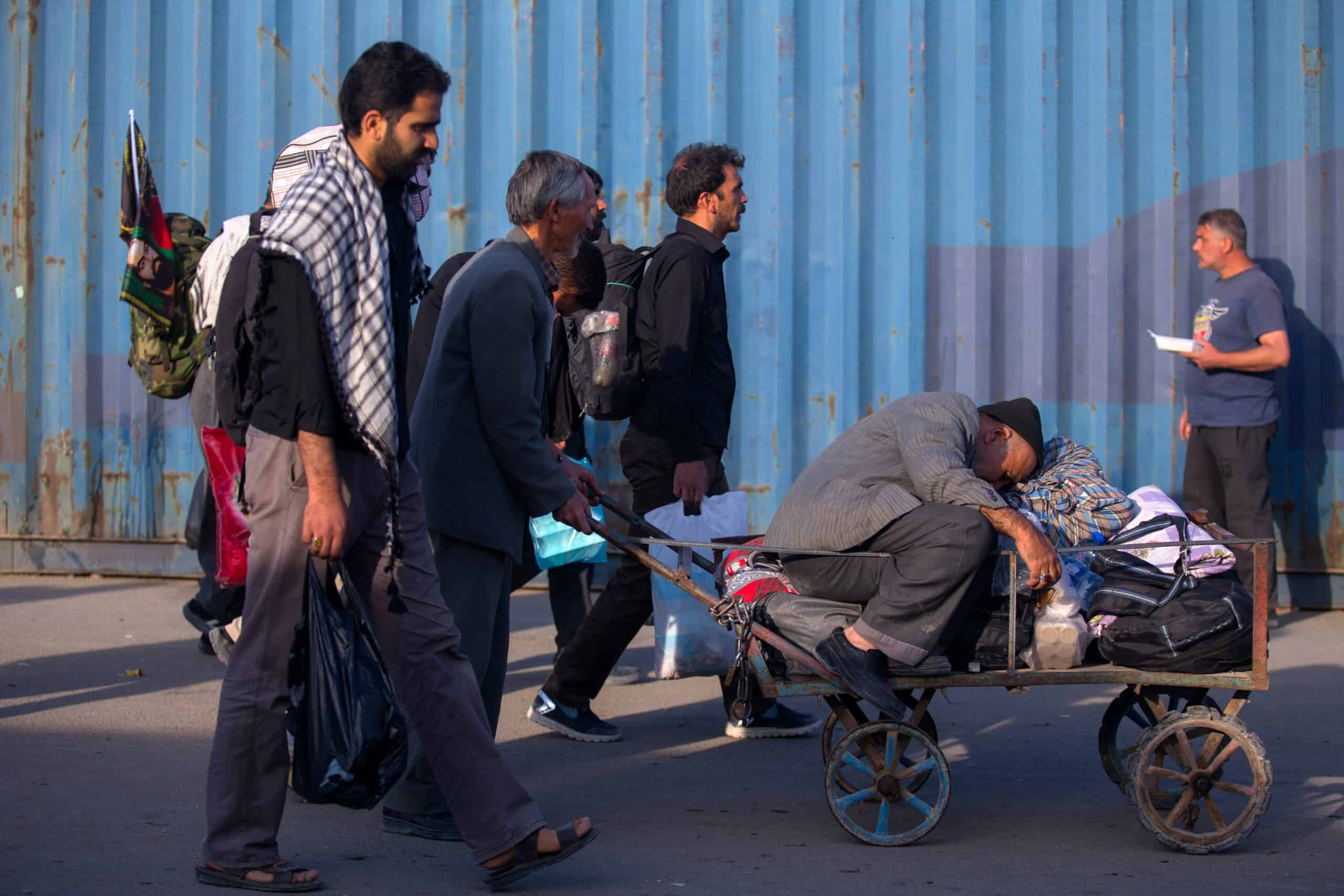
Global travel patterns have shifted in recent years, shaped not just by curiosity but by caution. As conflicts and instability affect certain regions, travelers are quietly redirecting their plans toward destinations that offer a stronger sense of safety and continuity. These countries are not defined by luxury alone, but by stability, infrastructure, and the ability to move without constant concern. What emerges is a map shaped by changing realities, where comfort and security now carry as much weight as culture and scenery.
Portugal

Portugal has become a steady choice for travelers seeking calm without sacrificing character. Its cities balance history and modern life, while coastal towns offer space and slower rhythms. The country’s infrastructure is reliable, and movement between regions feels straightforward. Beyond safety, there is a sense of ease that shapes daily travel, from public transport to local interactions. This combination has positioned Portugal as a place where visitors can settle into the experience without constantly adjusting to uncertainty.
Japan
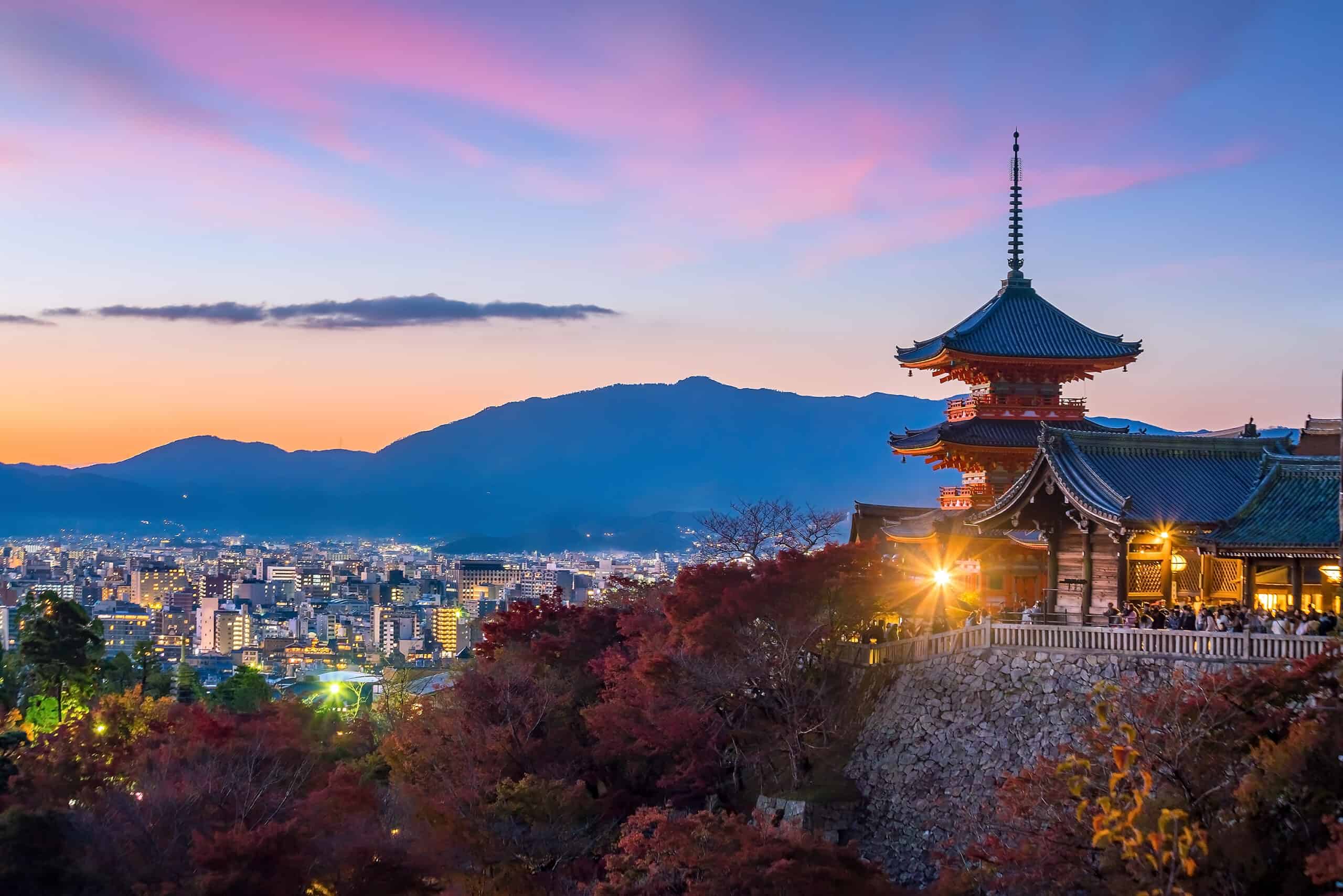
Japan stands out for its consistency, where systems function with precision and daily life follows a clear structure. Public transport runs on time, cities remain clean, and cultural norms create a shared sense of order. Travelers often find comfort in how predictable the environment feels, even in large urban spaces. Beyond that, the country offers depth through tradition, food, and seasonal change. The balance between efficiency and cultural richness makes it a strong alternative for those seeking stability.
Canada
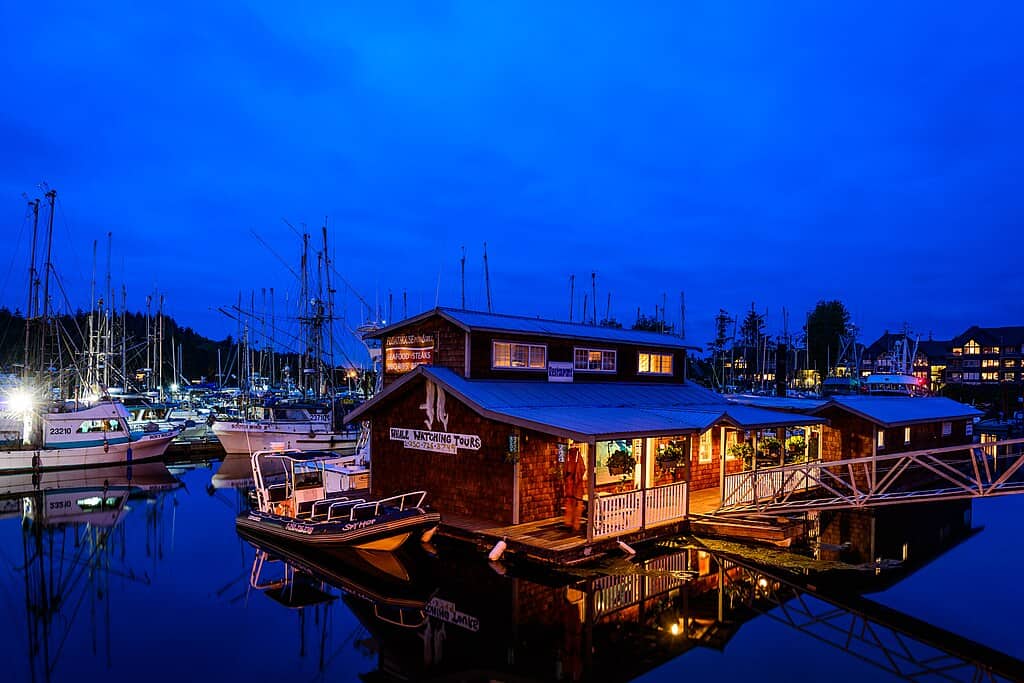
Canada offers both space and structure, with cities that feel organized and landscapes that stretch far beyond urban centers. Its reputation for safety and accessibility continues to draw travelers looking for a quieter pace. Movement between regions is supported by clear systems, and cultural familiarity helps ease the transition for many visitors. Whether in major cities or smaller towns, the overall environment feels steady, allowing travel to unfold without the friction seen in more volatile regions.
New Zealand
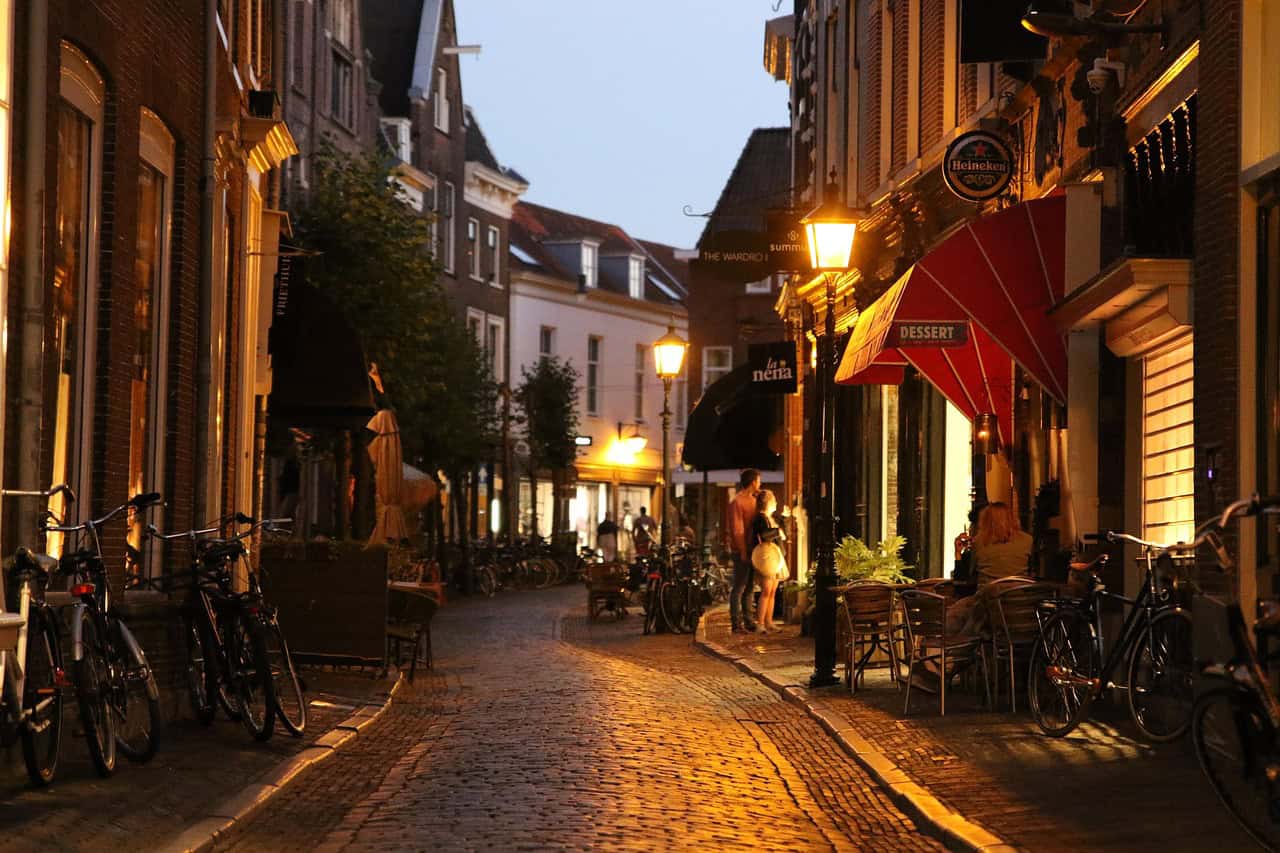
New Zealand provides a sense of distance that feels intentional rather than isolating. Its landscapes shift quickly from mountains to coastlines, offering space that feels open and unpressured. The country’s smaller population and well-managed systems contribute to a calm travel environment. Daily interactions tend to feel straightforward, and infrastructure supports both independent and guided travel. This balance of natural beauty and stability has made it a consistent choice for those seeking clarity in uncertain times.
Iceland
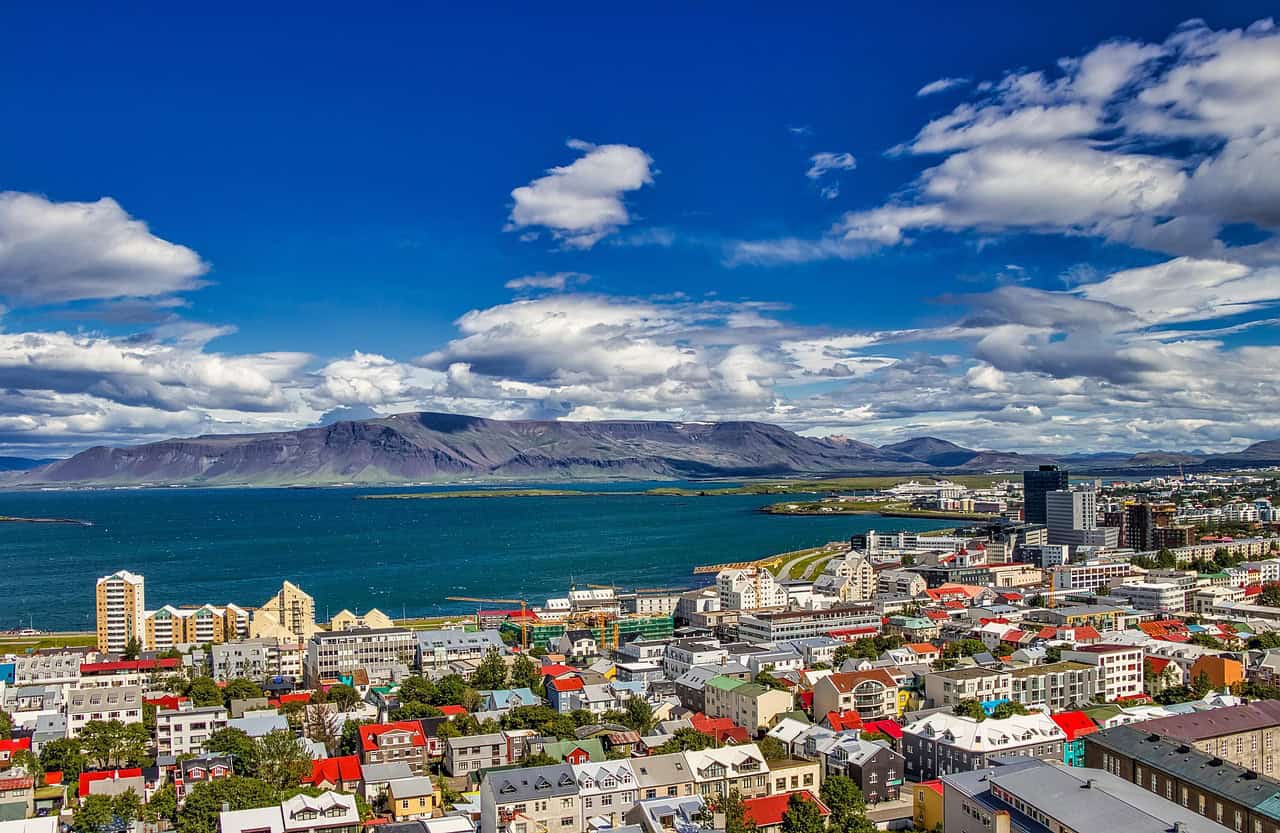
Iceland has gained attention for its dramatic landscapes, but its appeal goes beyond scenery. The country offers a strong sense of safety, supported by a small population and clear systems. Travel feels structured, with well-marked routes and reliable services even in remote areas. Weather can be unpredictable, yet the overall environment remains controlled and manageable. This combination allows visitors to explore striking terrain without the added pressure of navigating unstable conditions.
Singapore
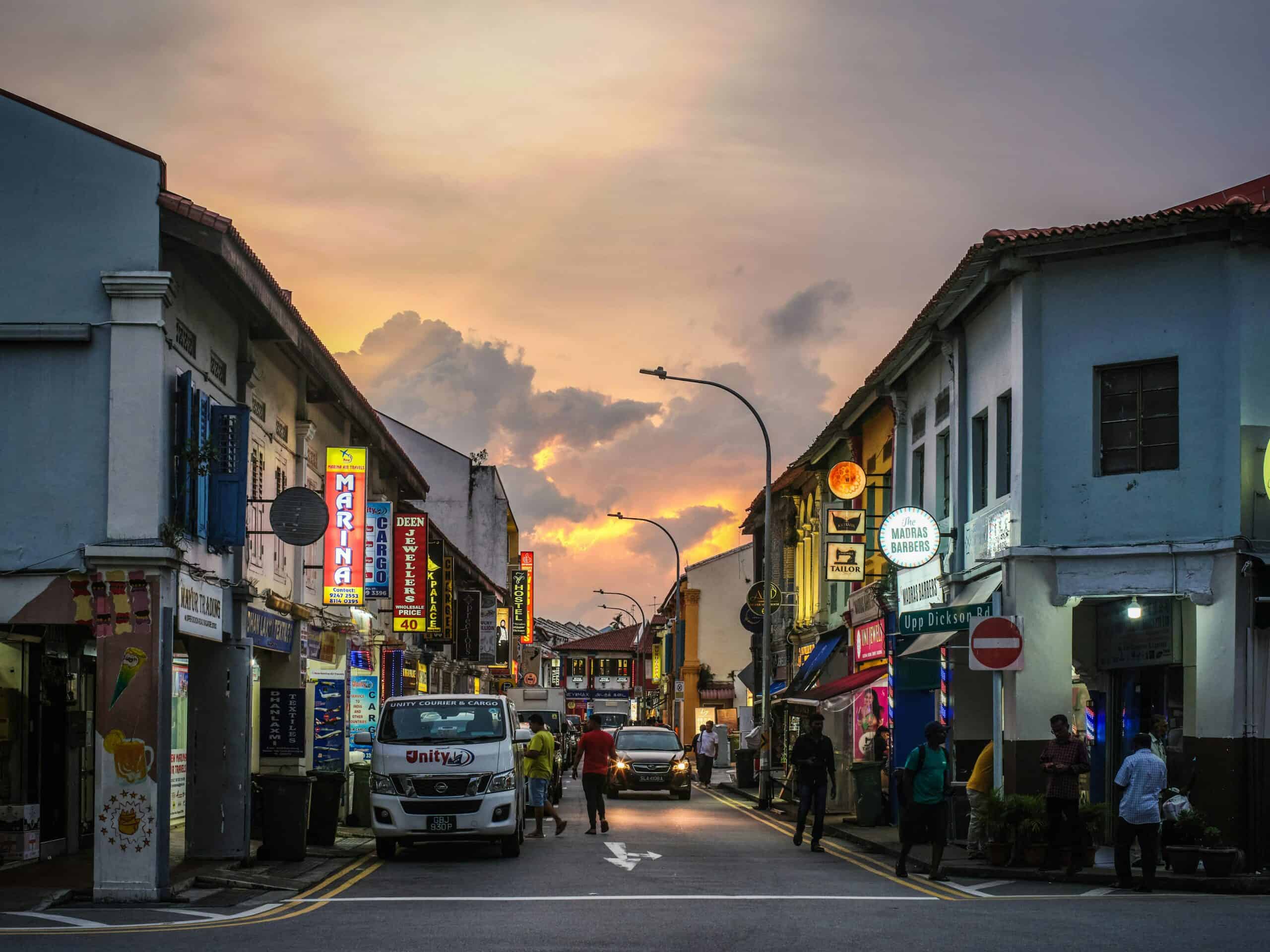
Singapore presents a tightly organized environment where rules and systems create a consistent sense of order. The city-state is known for its cleanliness, efficient transport, and clear expectations around behavior. Travelers often find comfort in how easy it is to navigate, even on a first visit. Cultural diversity adds depth, with neighborhoods reflecting different traditions within a structured setting. The result is a destination that feels both dynamic and controlled, offering stability without sacrificing interest.
Switzerland
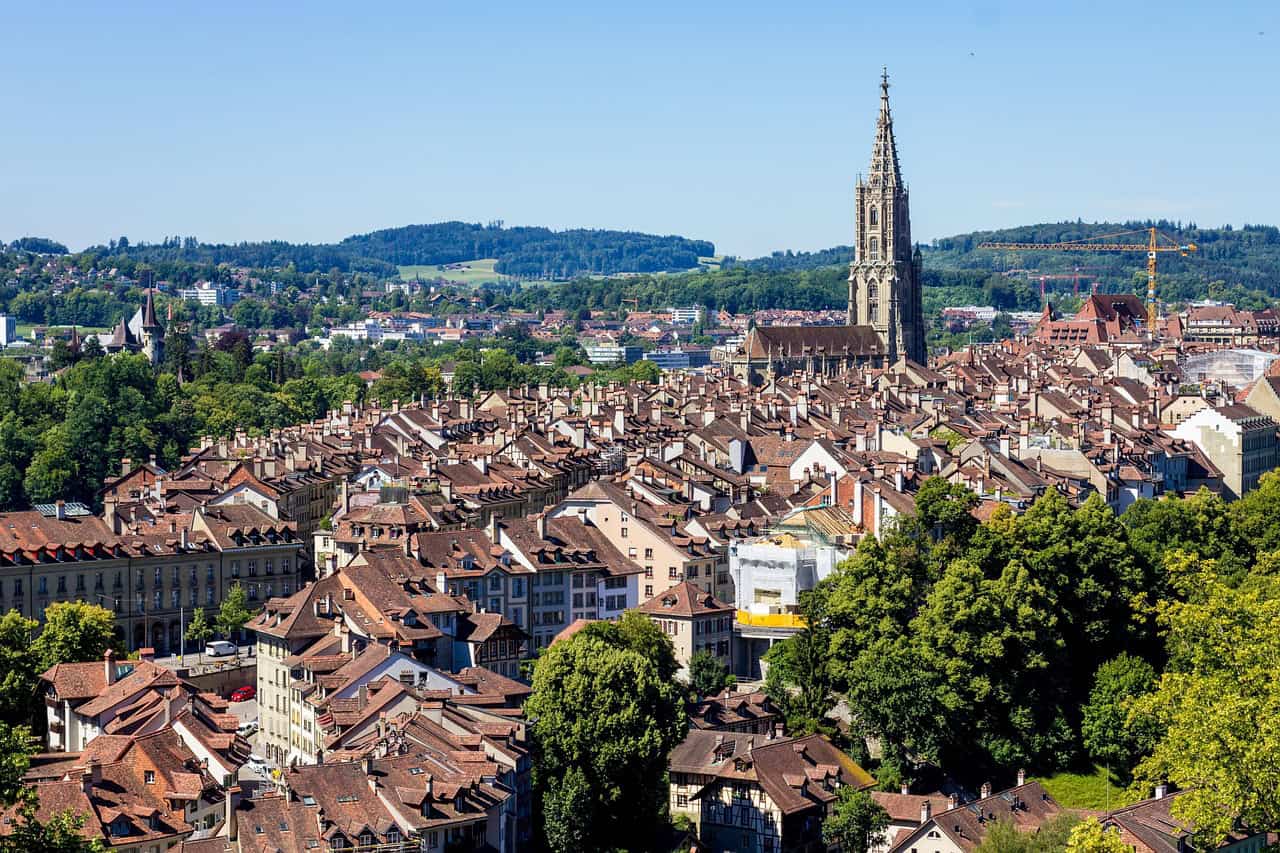
Switzerland offers a balance of natural beauty and precision that shapes how travel unfolds. Trains connect cities and rural areas with reliability, making movement simple and predictable. The country’s emphasis on order and maintenance creates an environment where details are carefully managed. Beyond logistics, the landscape adds a quiet sense of calm, from alpine villages to clear lakes. This combination makes Switzerland a place where travel feels steady, even when the world beyond it feels uncertain.
Chile
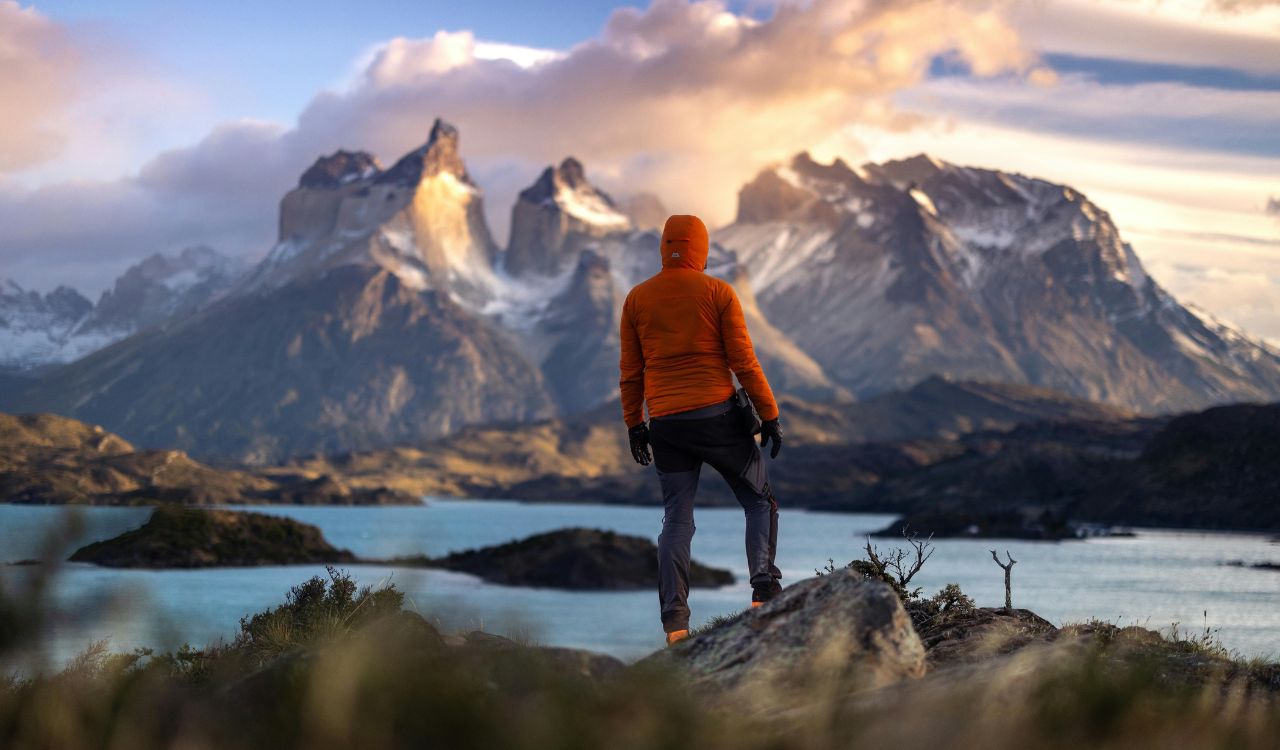
Chile stretches along the edge of South America, offering a wide range of landscapes within a relatively stable framework. From the Atacama Desert to the southern fjords, the country provides variety without constant disruption. Urban centers like Santiago maintain structure, while remote areas remain accessible through organized routes. Though not without its challenges, Chile has developed a reputation for relative stability in the region, making it an appealing option for travelers seeking balance.
United Arab Emirates
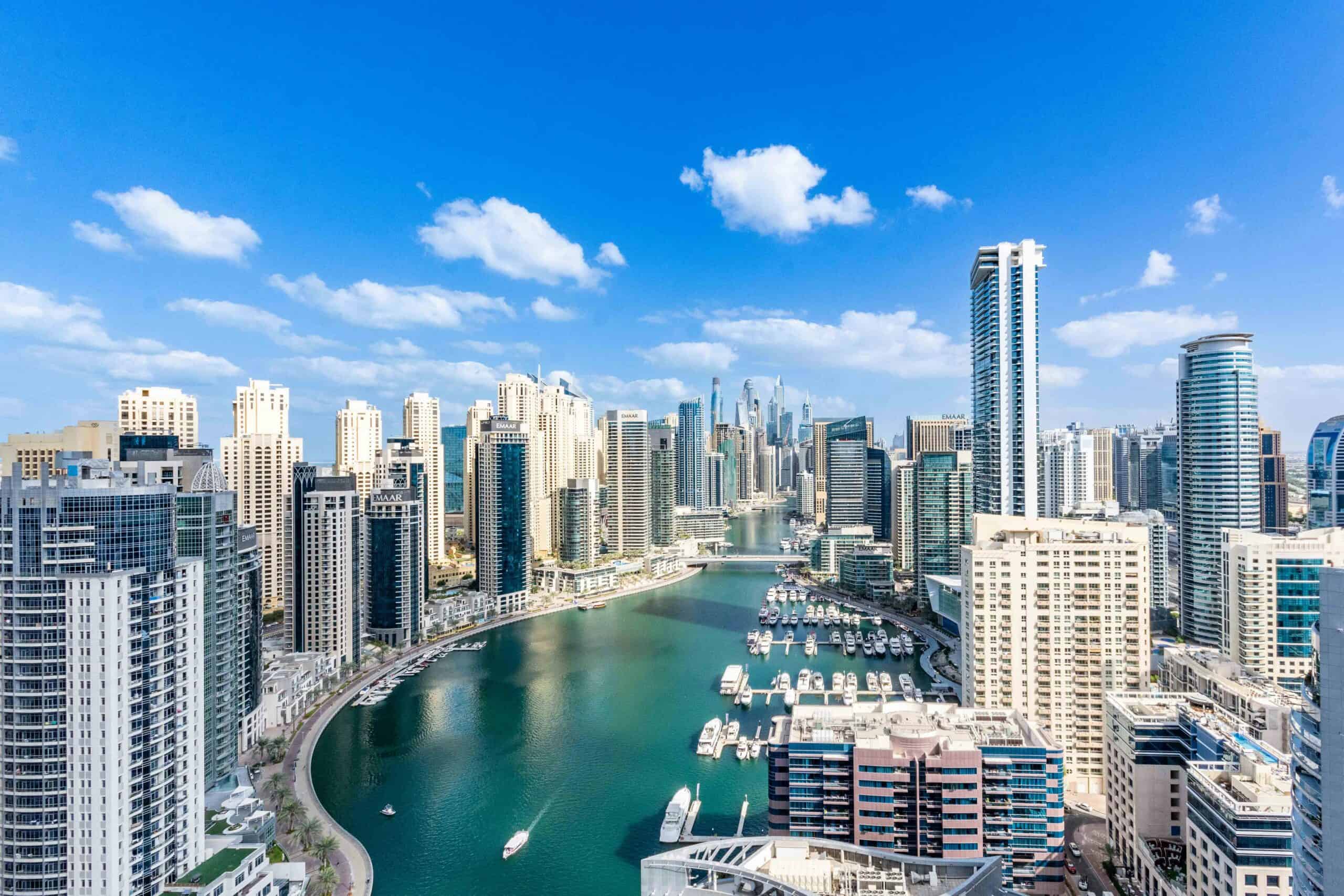
The United Arab Emirates offers a controlled travel environment shaped by strong infrastructure and clear regulations. Cities like Dubai and Abu Dhabi operate with efficiency, providing reliable services and modern facilities. Travelers often note the sense of order, particularly in public spaces and transport systems. While cultural norms require awareness, the overall experience remains structured and predictable. This clarity has made it a consistent choice for those prioritizing stability alongside modern comfort.
Norway
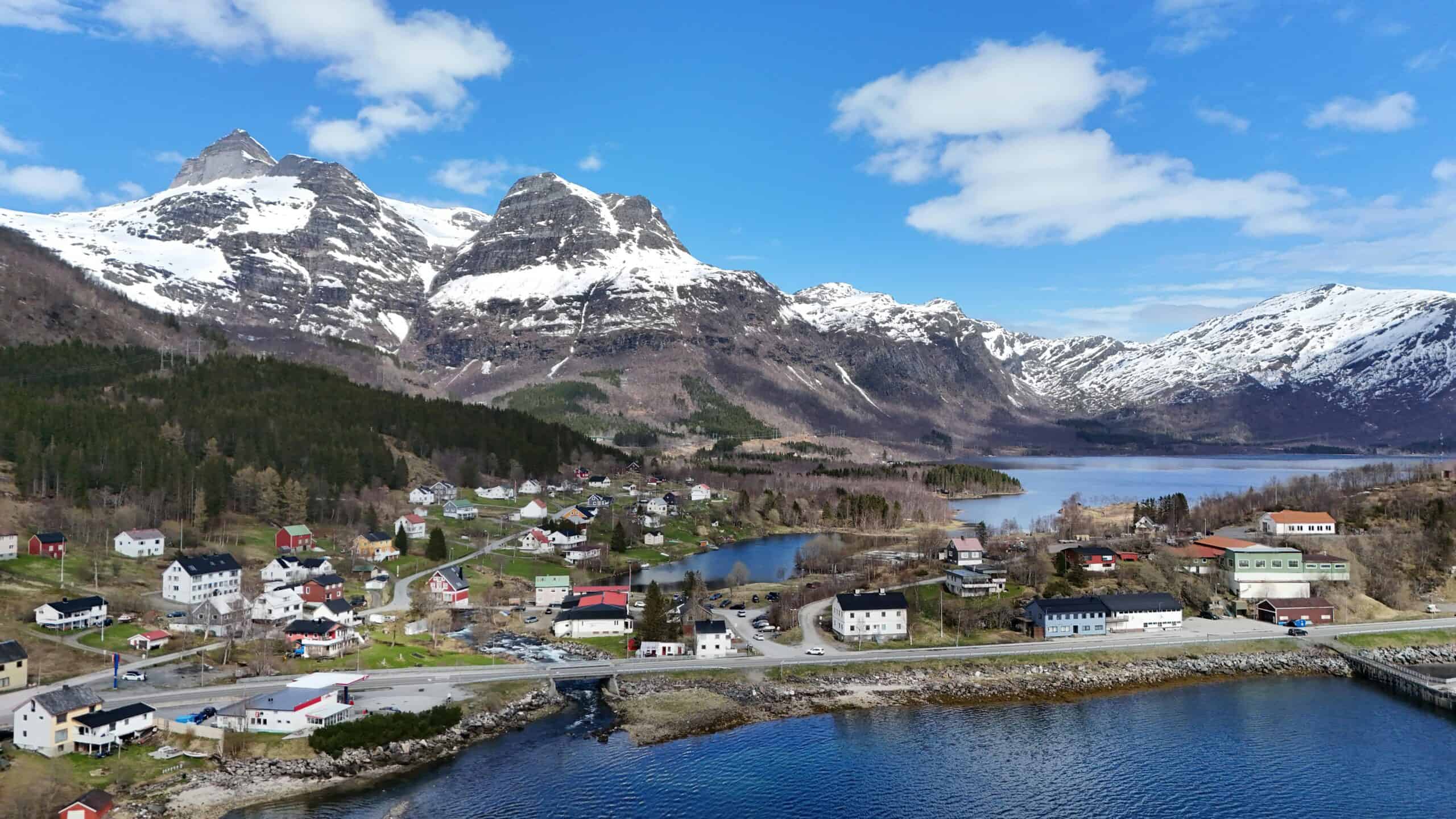
Norway brings together natural scale and social stability in a way that feels balanced and intentional. Its cities operate with quiet efficiency, while remote areas remain accessible through well-maintained systems. The pace of life feels measured, shaped by both environment and culture. Travelers often find that movement through the country feels calm, with fewer unexpected disruptions. This sense of steadiness, paired with striking landscapes, makes Norway a reliable option in changing global conditions.