Colorado’s Western Slope Has the Scenery of Aspen at One-Fifth the Price. Here’s What You’d Be Giving Up
We may earn money or products from the companies mentioned in this post. This means if you click on the link and purchase the item, I will receive a small commission at no extra cost to you ... you're just helping re-supply our family's travel fund.
Aspen charges $350 for a ski day pass. Telluride is $200+. Vail is $250. The Colorado ski corridor has priced out everyone except high earners and people burning points, and the towns around those resorts are similarly expensive for lodging and food. Meanwhile, 90 minutes west of all of that, the Western Slope of Colorado sits at the same elevation with the same mountains, better weather, and prices that reflect a different economy entirely.
What the Western Slope Actually Is
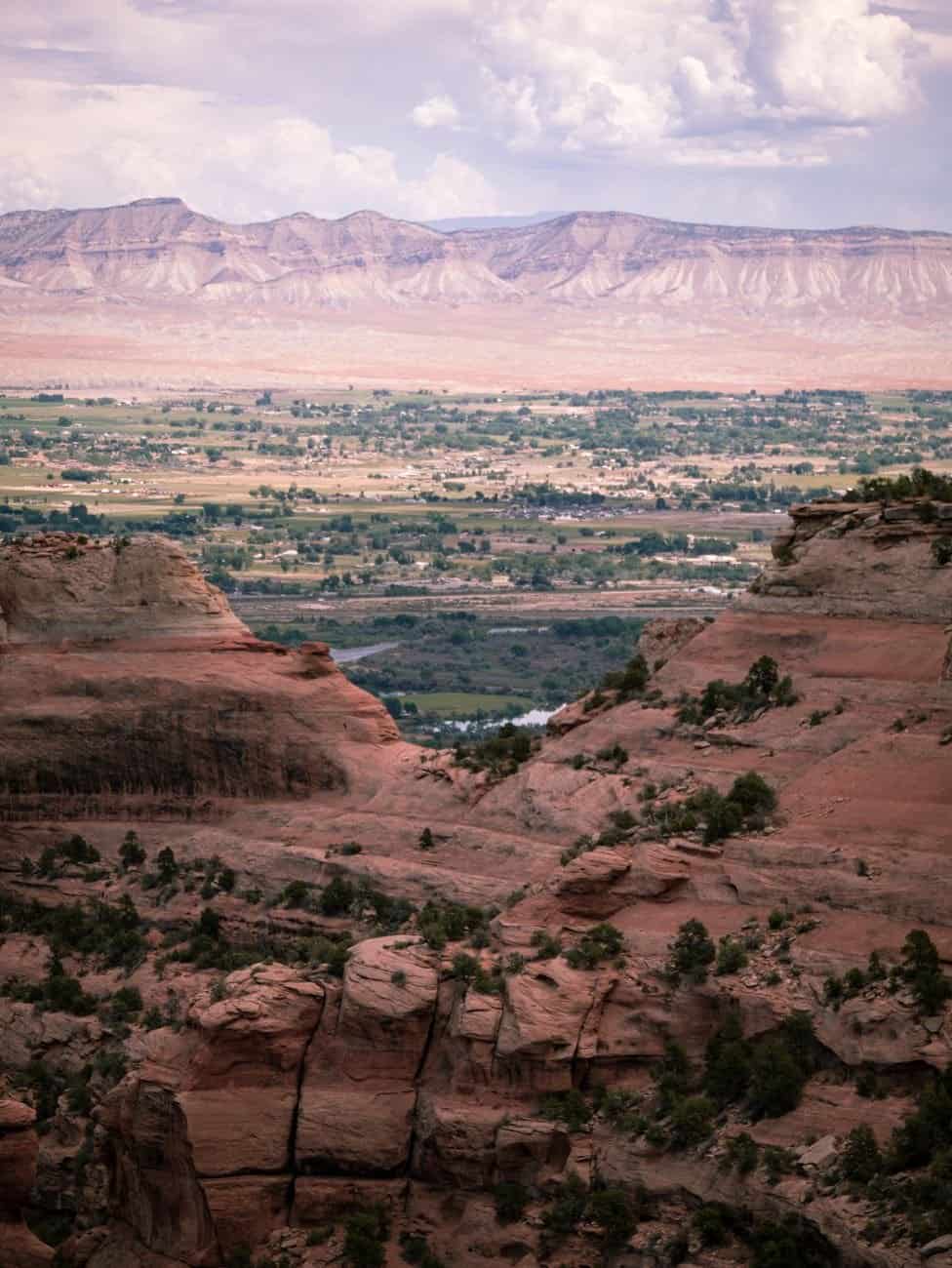
The Western Slope refers to the Colorado Plateau and river valleys west of the Continental Divide — primarily Montrose, Delta, Paonia, Cedaredge, and Grand Junction. The landscape is completely different from the front range: instead of ski resort corridors, you have high desert mesa country, fruit orchard valleys (the North Fork Valley is a legitimate wine and fruit region), Black Canyon of the Gunnison National Park, and the Colorado National Monument — all of which see a fraction of the visitors that Rocky Mountain National Park or the Vail Valley receive.
Black Canyon of the Gunnison: The Park That Most Colorado Visitors Miss
Black Canyon of the Gunnison National Park is one of the most dramatic landscapes in Colorado and one of the most undervisited national parks in the lower 48. The Gunnison River has cut a gorge 2,700 feet deep through dark Precambrian rock so narrow that some sections see only 33 minutes of direct sunlight per day. The rim roads provide views that are legitimately vertiginous. The park receives about 450,000 visitors annually — compared to Rocky Mountain NP’s 4.5 million. The difference in experience is proportional.
The Cost Comparison: Western Slope vs. Front Range / Ski Corridor
Accommodation comparison (per night):
- Montrose, CO (gateway to Black Canyon): $90–$140
- Grand Junction: $100–$155
- Aspen: $350–$900+
- Vail: $250–$600
- Boulder: $200–$320
Dining cost comparison:
- Nice dinner for two in Montrose or Grand Junction: $65–$90
- Nice dinner for two in Aspen: $180–$280
What You’re Actually Giving Up on the Western Slope
Honesty matters here. The Western Slope doesn’t have the destination ski resorts — the groomed terrain, the ski-in/ski-out lodging, the après-ski culture — that draw skiers to Aspen and Vail specifically. The dining scene, while good for its size, doesn’t match what a concentration of wealthy resort visitors supports. And the airport situation in Grand Junction (Grand Junction Regional) has fewer connections than Denver, so getting there from the East Coast often requires a Denver connection.
What you’re not giving up: the scenery, the canyon country, the national park quality, the North Fork Valley orchards and wineries, or the general magnitude of the Colorado outdoors. The Western Slope is the right choice for travelers specifically drawn to canyon/desert Colorado rather than ski resort Colorado — and those two things are more different than most people from outside the state realize. If Black Canyon, Colorado National Monument, and high-altitude orchard country sound interesting, the Western Slope delivers them at prices that make a week there cost less than two nights in Aspen.
Colorado’s Western Slope Wine Country
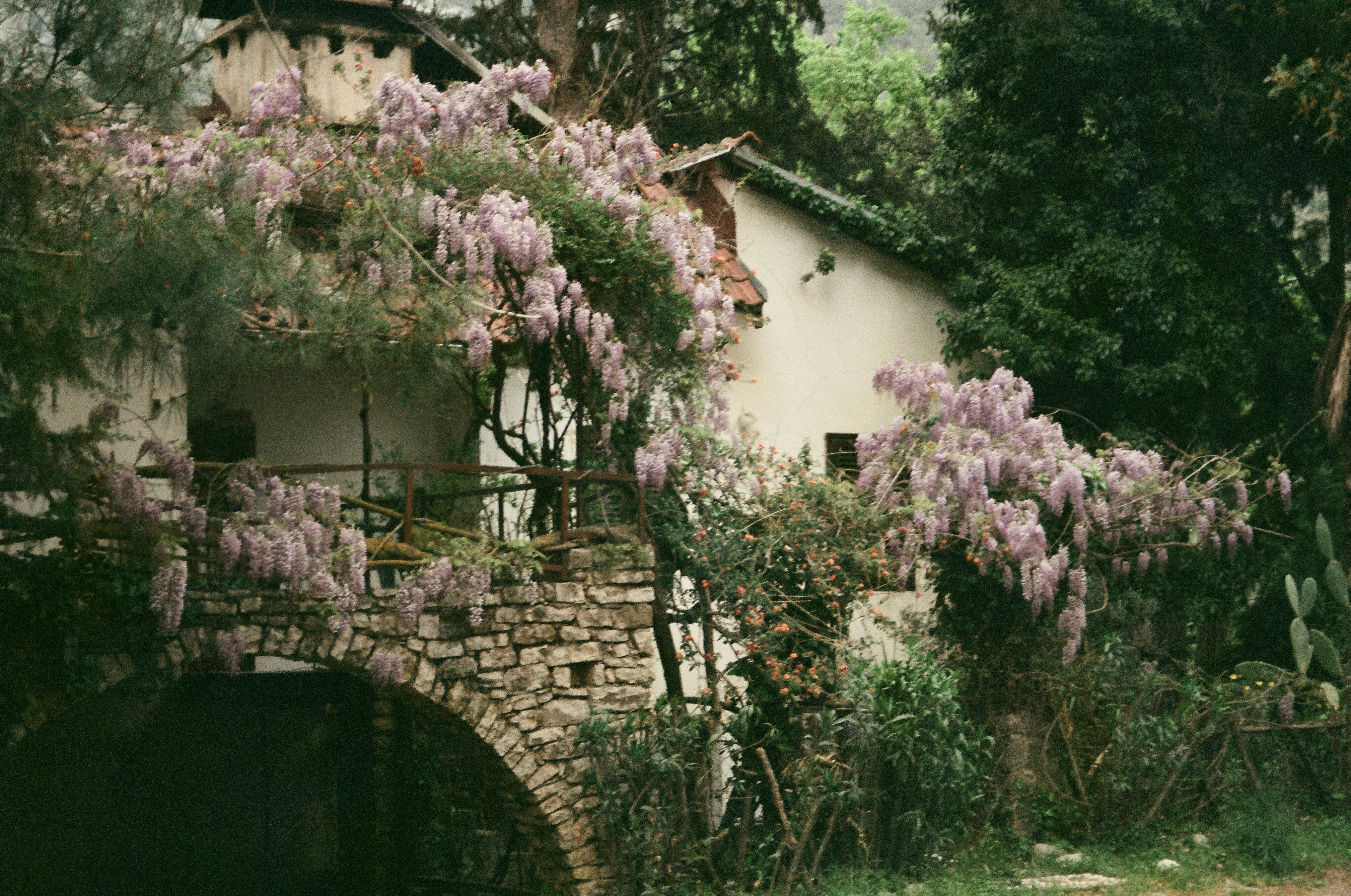
The Grand Valley wine region around Grand Junction — centered on the wine-growing corridor along CO-141 near Palisade — produces Cabernet Franc, Merlot, Syrah, and Riesling at a quality level that’s been documented seriously by Colorado wine press since the late 2000s. The terroir is distinctive: 6,000 acres of mesa-top vineyards at 4,600 feet elevation, with intense summer sun and cool nights that extend the growing season and develop complexity. Bookcliff Vineyards, Two Rivers Winery, and Colterris are the most established producers; the Palisade area hosts a Peach Festival in August (the Grand Valley peaches are legitimate) and a Wine Festival in September that draws regional visitors.
Moab is 75 miles south of Grand Junction — a 1.5-hour drive on US-191. The Western Slope wine trail and Moab’s Arches and Canyonlands access are natural travel companions for a Moab trip that includes a wine country detour. Grand Junction hotel prices ($110–$150/night) are significantly below Moab ($180–$280/night), making Grand Junction a viable base for cost-sensitive Moab visitors who are willing to drive the 75-mile corridor. The combination of Colorado Western Slope wine, Colorado National Monument (the Grand Junction equivalent of Arches, with different geology), and easy Moab access makes Grand Junction one of the more overlooked multi-purpose bases in the Mountain West.