Colorado Springs Has the Air Force Academy, Pikes Peak, and a Housing Market That Catches Newcomers Off Guard
We may earn money or products from the companies mentioned in this post. This means if you click on the link and purchase the item, I will receive a small commission at no extra cost to you ... you're just helping re-supply our family's travel fund.
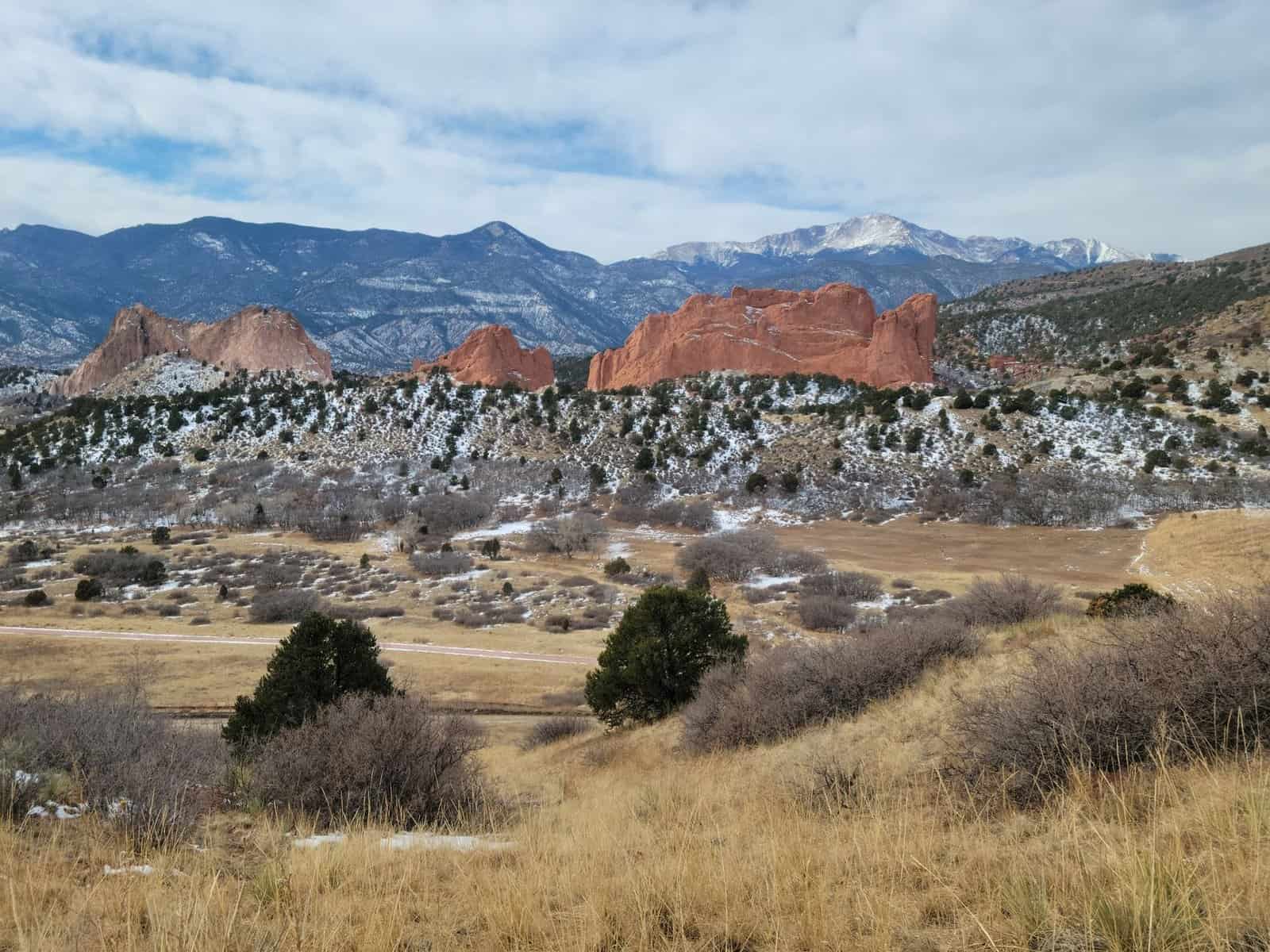
Colorado Springs sits at the base of Pikes Peak in one of the most dramatic natural settings of any mid-size American city, with the Front Range of the Rocky Mountains visible from essentially everywhere in town. It has the Air Force Academy, a significant and growing tech sector, Garden of the Gods as a free city park, and a reputation as one of the most outdoor-recreation-oriented cities in Colorado. It also has a growth rate that has pushed housing prices to levels that consistently surprise people who moved there specifically because Denver had become too expensive.
The Colorado Springs Reality Behind the Rankings
Colorado Springs’ median home price crossed $450,000 in recent years — it was under $250,000 in 2015. The city absorbed significant population from Denver as remote workers and young families sought more space and lower prices, and it’s now experiencing its own affordability pressure. The pattern is familiar: an affordable alternative to an expensive city grows until it becomes the expensive city that people use as the reason to move to the next affordable alternative.
What Colorado Springs Gets Right
- Garden of the Gods: Free, dramatic, extraordinary — 300-foot red sandstone formations within the city limits, one of the most visited free natural attractions in the country
- Pikes Peak: 14,115 feet and accessible by either the Cog Railway or a paved toll road — one of the few 14ers that almost anyone can summit without technical climbing
- Proximity to Denver: 70 miles on I-25, meaning Denver’s airport and urban amenities are accessible without paying Denver prices
- Military presence: Five major military installations provide economic stability and a large employed population that stabilizes the local economy during downturns
- Colorado sunshine: 300 days per year, and at 6,000 feet elevation the sun is intense — genuinely outdoor-lifestyle enabling
The Traffic and Sprawl Issue
Colorado Springs is car-dependent to an extreme that surprises people coming from cities with any transit infrastructure. The city sprawls south and east across the Front Range with minimal public transportation. I-25 through Colorado Springs is a consistent bottleneck. The Powers Boulevard corridor on the east side — the city’s main commercial strip — has the traffic patterns of a much larger metro area. People who moved from walkable urban environments frequently mention the car dependency as their biggest adjustment challenge.
What Colorado Springs Offers Visitors
As a destination rather than a place to live, Colorado Springs is genuinely excellent. The combination of Garden of the Gods, the Pikes Peak summit, the Cave of the Winds cavern tour, and Cheyenne Mountain State Park provides several days of legitimate outdoor activity. The Air Force Academy grounds are open to visitors and the chapel — a striking modernist structure completed in 1963 — is one of the most architecturally significant buildings in Colorado. Olympic and Paralympic athletes train at the US Olympic and Paralympic Training Center, which offers public tours.
Colorado Springs has the bones of a great city and a natural environment that most places can’t match. The growth pressures it’s managing are real — and for visitors, they translate primarily to traffic and hotel prices that have risen with the city’s profile. The outdoor access is as good as advertised. The quality of life equation for residents is more complicated than the marketing suggests.