Chattanooga’s Climbing Scene Is World-Class and the City Is 2 Hours From Atlanta. Here’s Why Climbers Keep It Quiet
We may earn money or products from the companies mentioned in this post. This means if you click on the link and purchase the item, I will receive a small commission at no extra cost to you ... you're just helping re-supply our family's travel fund.
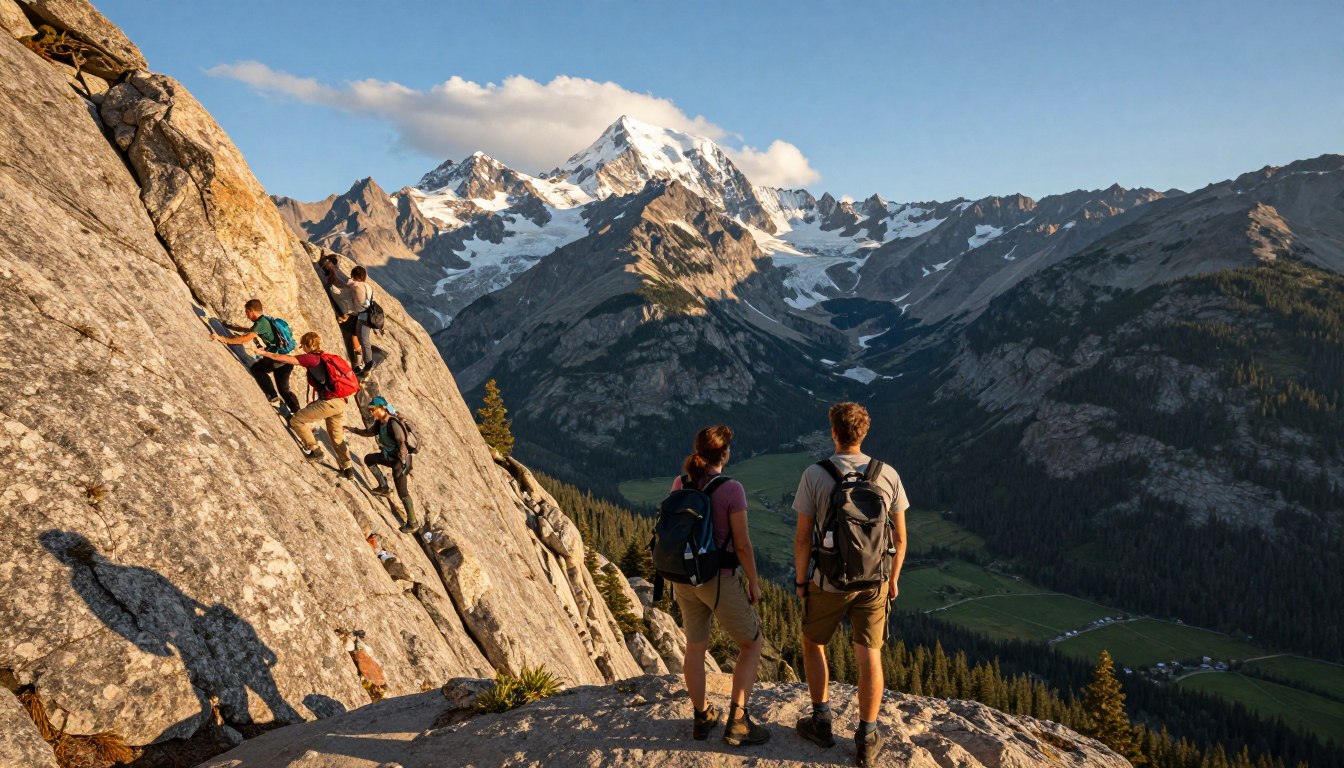
Chattanooga, Tennessee sits in a topographic situation that produces an unusual concentration of sandstone cliff lines within 30–45 minutes of downtown: Lookout Mountain and the Tennessee River Gorge to the west, Sunset Rock and the Cravens House crags on the mountain itself, and the Dade County formations just over the Georgia state line. The result is a climbing destination that draws people from Atlanta, Nashville, Charlotte, and beyond specifically for climbing, staying in a city with excellent food and affordable accommodation.
Why Chattanooga Is the Southeast’s Most Underrated Climbing Destination
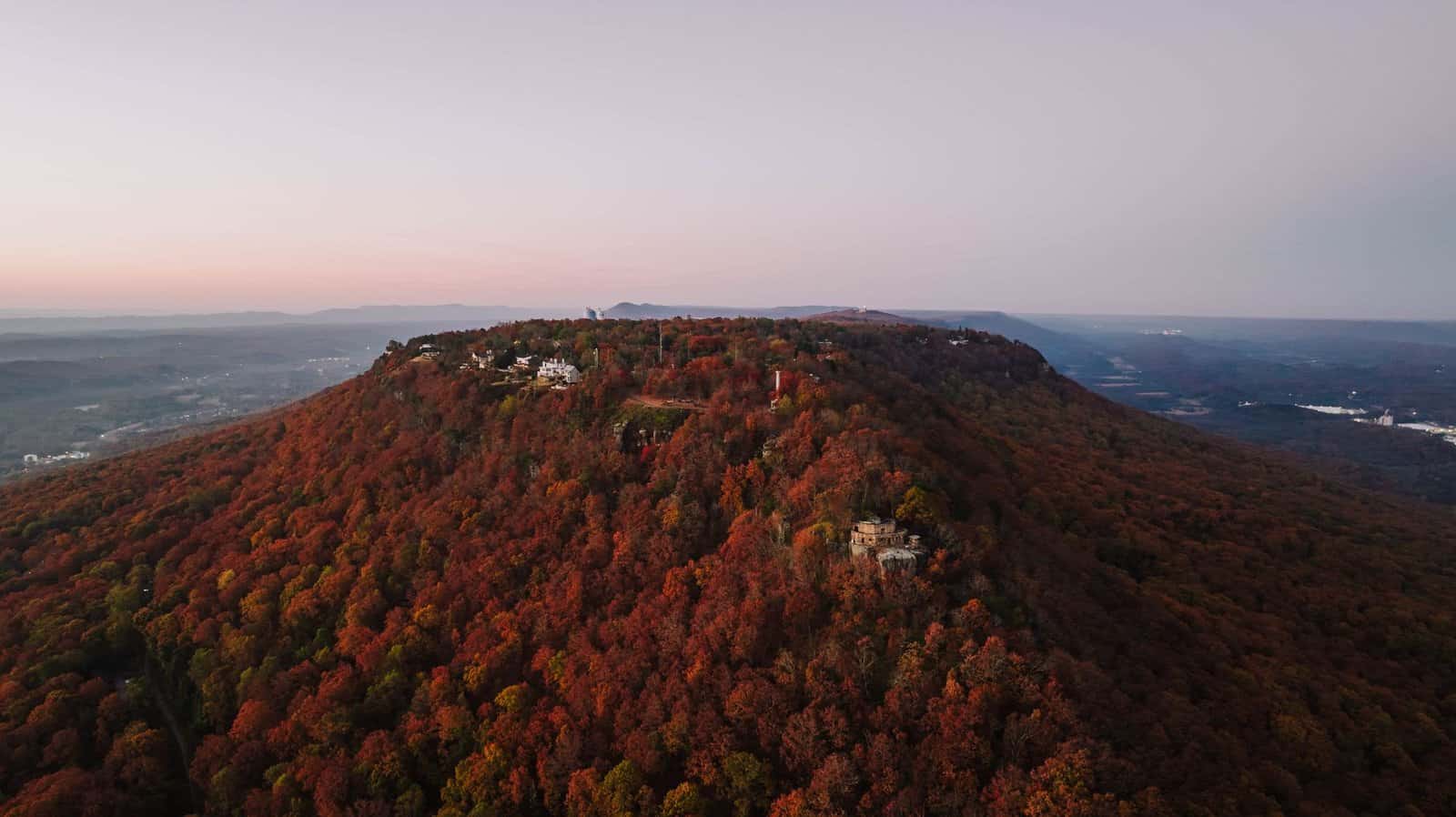
The Tennessee River Gorge — a 26-mile canyon west of Chattanooga where the river cuts through the Cumberland Plateau — has cliff faces that rise 200–300 feet from the canyon floor. The sandstone is coarse and featured, producing technical climbing routes that reward precision footwork. The area around Foster Falls, about 50 miles northwest, is one of the most developed sport climbing areas in the Southeast with over 200 documented routes. Cumberland Plateau climbing extends across a huge swath of southern Tennessee and is accessible from Chattanooga as a day trip in several directions.
Why Climbers Keep It Relatively Quiet
The climbing community has a strong norm against over-publicizing access to crags that are on private land or managed through fragile access agreements. Several of the best areas around Chattanooga have access that depends on positive relationships with landowners who could withdraw permission — a situation familiar from climbing access management across the country. The American Alpine Club and the Southeast Climbers Coalition manage access to the most sensitive areas. The practical message for visiting climbers: use the official guidebooks (the local climbing shop, High Point Climbing and Fitness, is the reliable source), respect posted access notices, and do not share specific location information for areas without public access.
For the non-climbing visitor, the Tennessee River Gorge is accessible by boat tours that operate from Chattanooga, providing a view of the same cliff faces that the climbing community uses for different reasons — and that view, from the river level looking up at canyon walls rising several hundred feet, is worth an afternoon regardless of whether you’ve ever touched rock.