Chattanooga Spent 15 Years Rebuilding From Nothing. The City That Exists Now Is Almost Unrecognizable
We may earn money or products from the companies mentioned in this post. This means if you click on the link and purchase the item, I will receive a small commission at no extra cost to you ... you're just helping re-supply our family's travel fund.
In the early 1980s, Chattanooga, Tennessee was officially declared the most polluted city in the United States by the EPA. The river was toxic. The downtown was hollowed out. The economy was collapsing as manufacturing left. What happened over the next forty years is one of the most complete urban turnarounds in American history — and most travelers still haven’t fully caught up to what Chattanooga is now.
What Chattanooga Used to Be
The decline was real and severe. A city of 170,000 that had been a manufacturing and railroad hub lost its economic base over two decades. By the mid-1980s, the Tennessee Riverfront was industrial waste. The downtown core had been largely abandoned. Crime was high and the population was falling.
What saved it wasn’t a single grand gesture — it was twenty years of incremental decisions that compounded. Riverfront cleanup. A world-class aquarium that opened in 1992 and drew 1.3 million visitors in its first year. An investment in the Tennessee Riverwalk. And then, critically, a decision to build a fiber-optic network that gave Chattanooga the fastest municipal internet in the United States by 2010 — which attracted tech companies and startups at a scale nobody expected.
What Chattanooga Is Now — And Why It’s One of the Best Mid-Size Cities in America
The Tennessee Aquarium is still excellent, but it’s not the centerpiece anymore. Chattanooga’s outdoor recreation infrastructure has become nationally recognized. The Lookout Mountain area, accessible by the Incline Railway, offers hiking on the Cumberland Trail with views that stretch into seven states on clear days. Rock City, Cloudland Canyon, and the surrounding trails bring serious outdoor recreation within 30 minutes of downtown.
What to actually do in Chattanooga in 2026:
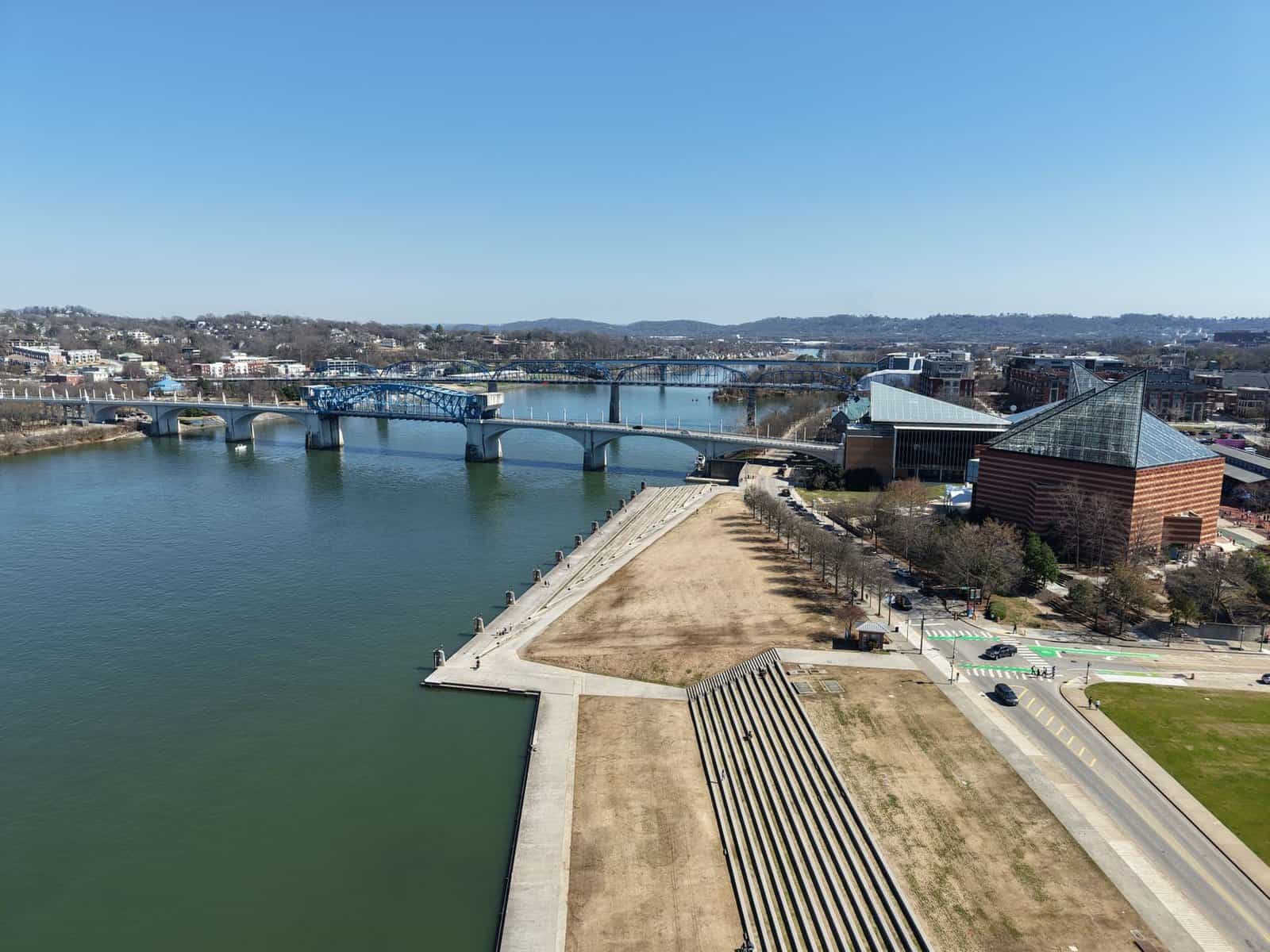
- The Tennessee Riverwalk: 16 miles of trail along the river, free, with views of the walking bridge
- Lookout Mountain: the Incline Railway, Point Park, Rock City — half a day minimum
- The Southside neighborhood: best restaurants, breweries, and coffee shops in the city
- The Tennessee Aquarium: still excellent, particularly the river ecosystem exhibits
- Cloudland Canyon State Park in nearby Georgia: an hour south, genuinely spectacular
The Cost Breakdown: What a Weekend in Chattanooga Actually Costs
Accommodation:
- Riverfront hotel: $150–$220/night
- Downtown boutique options: $130–$190/night
- Budget-tier chain hotels (5–10 minutes from downtown): $85–$120/night
Dining:
- Nice dinner for two in the Southside: $75–$110
- Craft brewery meal (food + drinks): $30–$50 for two
- Tennessee Aquarium general admission: $35 adult
Chattanooga runs noticeably cheaper than comparable cities that get more national attention — Nashville, Asheville, Savannah. A weekend trip for two can come in under $600 all-in if you’re not going to white-tablecloth restaurants every night.
Why Chattanooga Is Still Under-Visited Relative to What It Offers
The gap between what Chattanooga offers and how well-known it is remains significant. Nashville gets the attention because of the music and bachelorette party economy. Chattanooga gets far fewer visitors despite having better outdoor access, lower costs, and a comparable food scene. That gap may close — the city keeps showing up in “underrated” travel lists, and at some point those lists stop being wrong.
But for now, Chattanooga is the kind of city that rewards travelers who show up before the crowd does. The infrastructure is there. The experience is there. The price is right. It earned that reputation honestly, starting from a genuinely terrible baseline, and what it built should get far more credit than it does.
Chattanooga’s Second Act
Chattanooga’s revitalization started with the Tennessee Aquarium in 1992 — a 130,000-square-foot freshwater and ocean aquarium on the Tennessee River that became the catalyst for a downtown renewal that’s been studied by urban planners as a model for mid-sized industrial city reinvention. The riverfront development that followed over the next 30 years created the 21st Century Waterfront park, the pedestrian Walnut Street Bridge (one of the longest pedestrian bridges in the world), and the Hunter Museum of American Art on the river bluffs. The Chattanooga metropolitan area’s outdoor recreation economy — Lookout Mountain, the Tennessee River Gorge, the Prentice Cooper State Forest with 80+ miles of trail — gives the city the same outdoor-recreation-to-city-amenities ratio that Asheville and Knoxville have built their reputations on.
The Electric Bike Share program in Chattanooga was the first large-scale bike share in a US city and remains one of the most-used per capita. The city’s investment in the riverfront trail system — which connects downtown to the Tennessee River Gorge and the Chickamauga Dam — makes Chattanooga accessible by bike in a way that most mid-sized Southern cities are not. Hotel prices average $140–$190/night in the downtown riverfront area, and the combination of the Aquarium, the outdoor access, and the walkable riverfront makes a Chattanooga weekend competitive with Asheville for quality-to-cost ratio — without Asheville’s post-flood uncertainty and with lower prices.