Charleston, South Carolina Was Affordable for Renters Until About 3 Years Ago. Here’s What Changed
We may earn money or products from the companies mentioned in this post. This means if you click on the link and purchase the item, I will receive a small commission at no extra cost to you ... you're just helping re-supply our family's travel fund.
Charleston, South Carolina spent years as a Southern gem with prices that rewarded people who paid attention. The antebellum architecture, the food scene, the beaches within 20 miles — and rent that didn’t punish you for wanting to live near it all. That rental market shifted sharply between 2020 and 2023, and the Charleston that exists in 2026 is meaningfully more expensive than the one that appeared in travel pieces written five years ago. Here’s the full picture.
What the Current Numbers Show
The median home price in Charleston proper crossed $550,000 in 2025. The surrounding suburbs — Mount Pleasant, North Charleston, West Ashley — run $400,000–$500,000 for median pricing, still elevated but more accessible than the peninsula. Two-bedroom apartment rent on the peninsula averages $2,400–$3,000/month. Comparable quality in North Charleston averages $1,700–$2,200. Short-term rental proliferation in the historic district has tightened the long-term rental market significantly — the same forces at work in Savannah and New Orleans have hit Charleston with comparable intensity.
South Carolina’s tax structure remains relatively favorable — no estate tax, property taxes lower than most comparable coastal states, and a flat individual income tax rate reduced to 6.4% as of 2024 with further reductions legislated. These factors make Charleston’s gross housing cost less severe than a pure comparison to Massachusetts or California coastal markets, but the gap has narrowed.
What Charleston Offers That Justifies the Premium for Many People
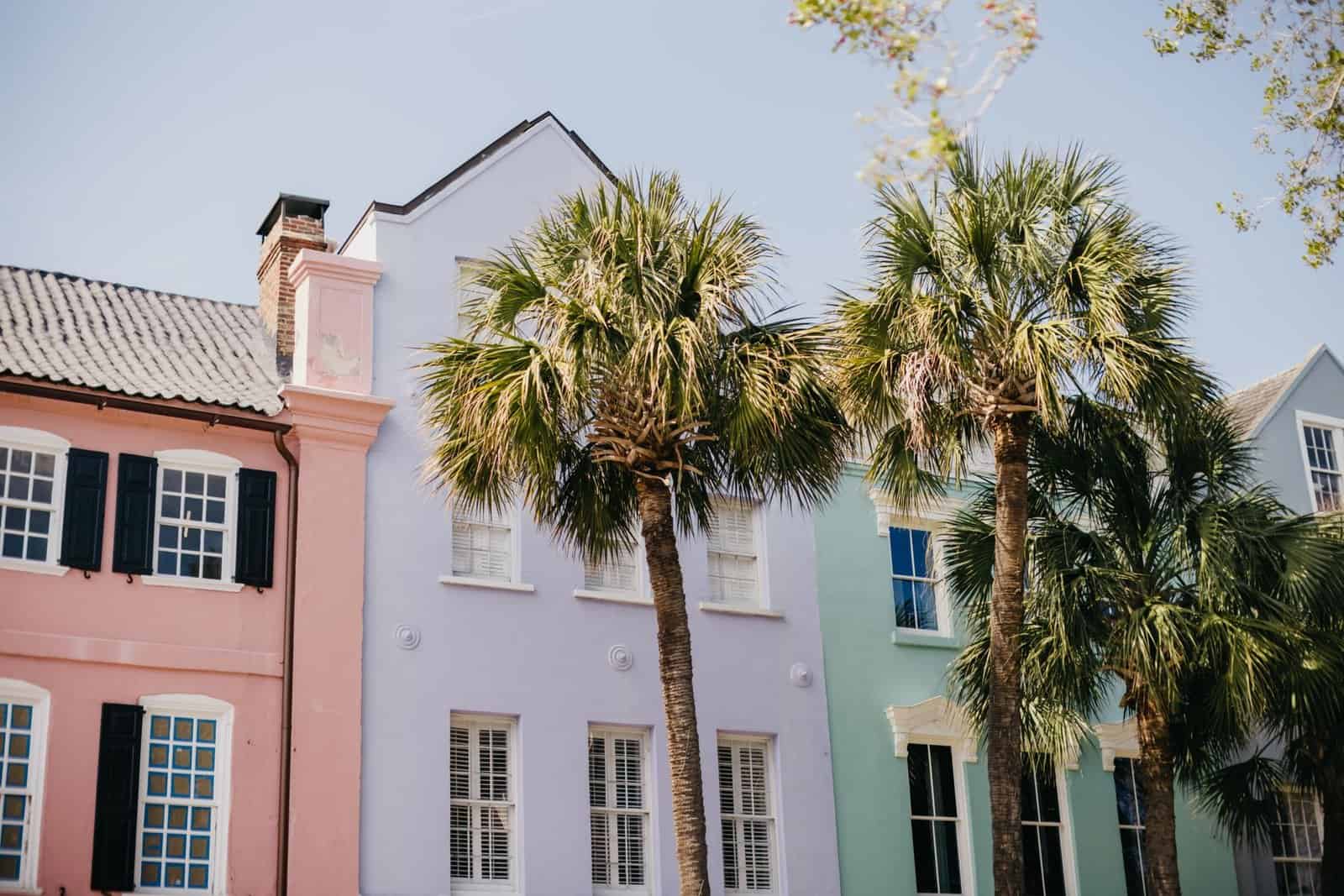
The historic peninsula of Charleston is one of the most architecturally intact antebellum American cities remaining. Rainbow Row, the pastel-painted Georgian townhouses on East Bay Street, is not a recreation or a renovation — these are original 18th-century buildings that survived the Civil War, Hurricane Hugo, and two and a half centuries of coastal weather. Walking the French Quarter and South of Broad neighborhoods is a historical experience that Savannah’s comparable streets rival but don’t duplicate.
The food scene maintains a national reputation built over twenty years of serious cooking. Husk, Peninsula Grill, The Ordinary (for seafood), and a new generation of chefs who’ve trained in New York and San Francisco and chosen Charleston for the lifestyle have built a restaurant landscape that Condé Nast, Bon Appétit, and Food & Wine continue to cover regularly. The low-country culinary tradition — shrimp and grits, she-crab soup, benne wafer cheese straws — grounds the contemporary cooking in a specific place-based identity that’s not replicated anywhere else.
Charleston as a Visitor Destination in 2026
A Charleston weekend in 2026:
- Hotel in the historic district: $250–$400/night, peak season
- Inn of the Anson, Zero George, Dewberry: $300–$500/night, the premium tier
- November–February: 25–35% below peak season rates
- Nice dinner for two: $100–$160 at destination restaurants
- Folly Beach (20 minutes): free beach access, casual restaurant budget of $30–$50/person
Charleston belongs on the short list of American cities that justify returning more than once. The first visit covers the historical architecture and the marquee restaurants. The second visit reaches the smaller neighborhood restaurants, the Gibbes Museum of Art, the Charleston Museum (the oldest in America), and the beaches at Sullivan’s Island and Isle of Palms. Neither visit fully covers what the city has, which is its own kind of recommendation.
Charleston’s Neighborhoods Beyond the Historic District
The neighborhoods that most visitors never reach: Avondale, on Savannah Highway across the Ashley River (20 minutes from downtown), has the independent restaurant strip that Charleston residents use when they want to eat well without navigating tourist parking. West Ashley’s Avondale corridor, with Closed for Business, Harold’s Cabin, and the Tattooed Moose, represents the local dining culture at a price point 25–30% below the historic district. Johns Island, 20 minutes west, has Wadmalaw Island’s Charleston Tea Plantation (the only commercial tea farm in the United States) and Angel Oak Park — where a live oak tree believed to be 400–500 years old stands with a canopy that covers 17,200 square feet.
The ACE Basin — 350,000 acres of tidal salt marsh, cypress swamp, and coastal forest at the confluence of the Ashepoo, Combahee, and Edisto rivers, 60 miles south of Charleston — is the largest undeveloped estuary on the East Coast north of the Everglades. Kayaking the ACE Basin through a licensed outfitter from Beaufort or Edisto Beach is the most direct access to what South Carolina’s lowcountry looked like before development. The ACE Basin’s bird populations — roseate spoonbills, wood storks, painted buntings — are the reason birders drive specifically to the lowcountry.