We may earn money or products from the companies mentioned in this post. This means if you click on the link and purchase the item, I will receive a small commission at no extra cost to you ... you're just helping re-supply our family's travel fund.
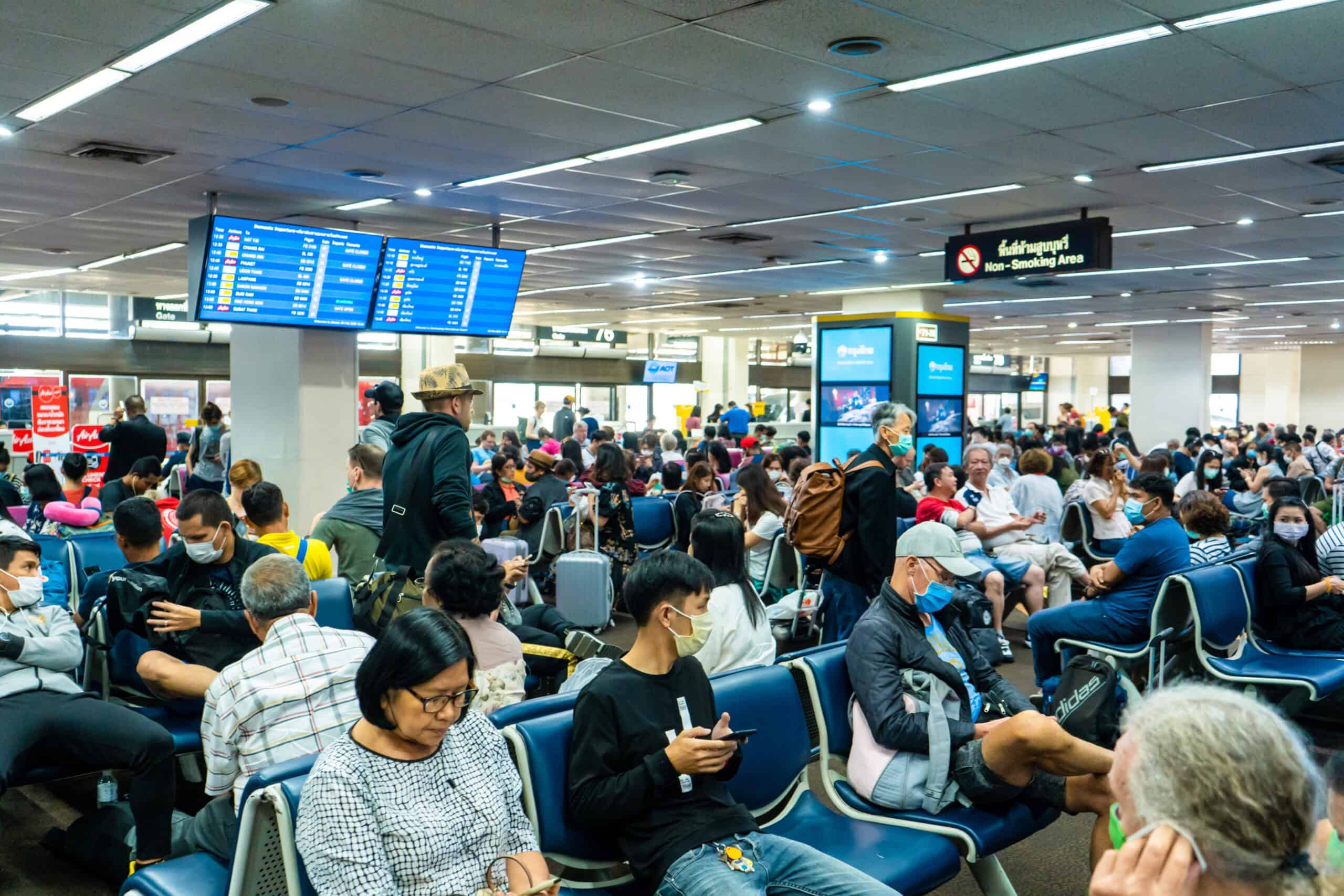
Air travel often runs on precision, but when disruption hits, it spreads quickly through every layer of the journey. In Oslo, a wave of flight cancellations has left thousands of travelers caught in uncertainty, with terminals filling faster than systems can respond. What begins as a delay soon turns into a chain reaction, affecting schedules, connections, and plans far beyond the airport itself. In moments like these, the human side of travel comes into focus, where patience, communication, and resilience shape how the experience unfolds.
Sudden Wave Of Flight Cancellations
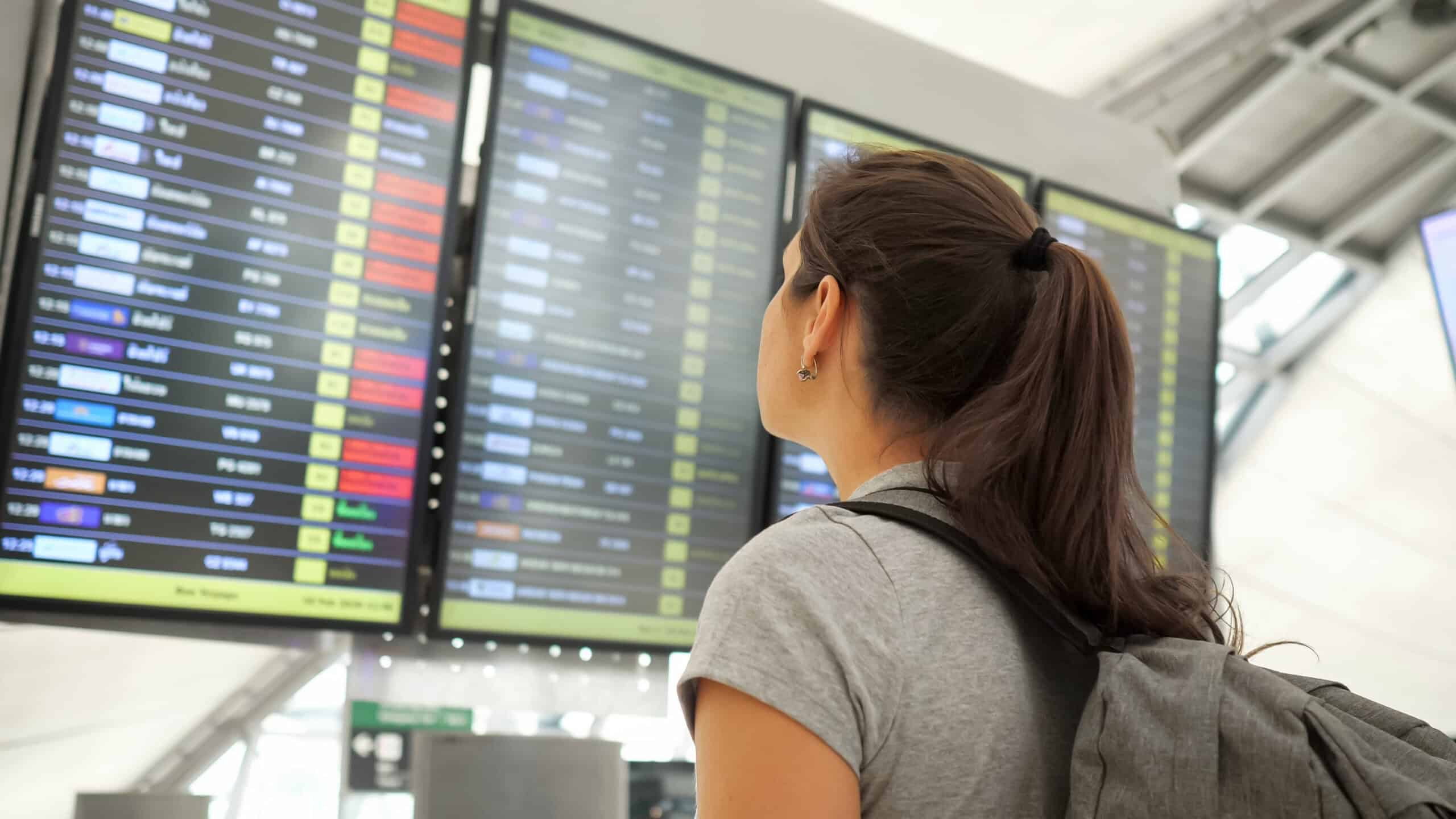
The disruption began with a sudden cluster of cancellations that quickly escalated beyond isolated incidents. Flights were grounded within hours, leaving passengers with little time to adjust or prepare. Information moved unevenly, and many travelers learned of changes only after arriving at the airport. What started as a manageable delay turned into a widespread halt, affecting both domestic and international routes. The speed of the breakdown left little room for recovery, setting the tone for the hours that followed.
Crowded Terminals And Long Queues
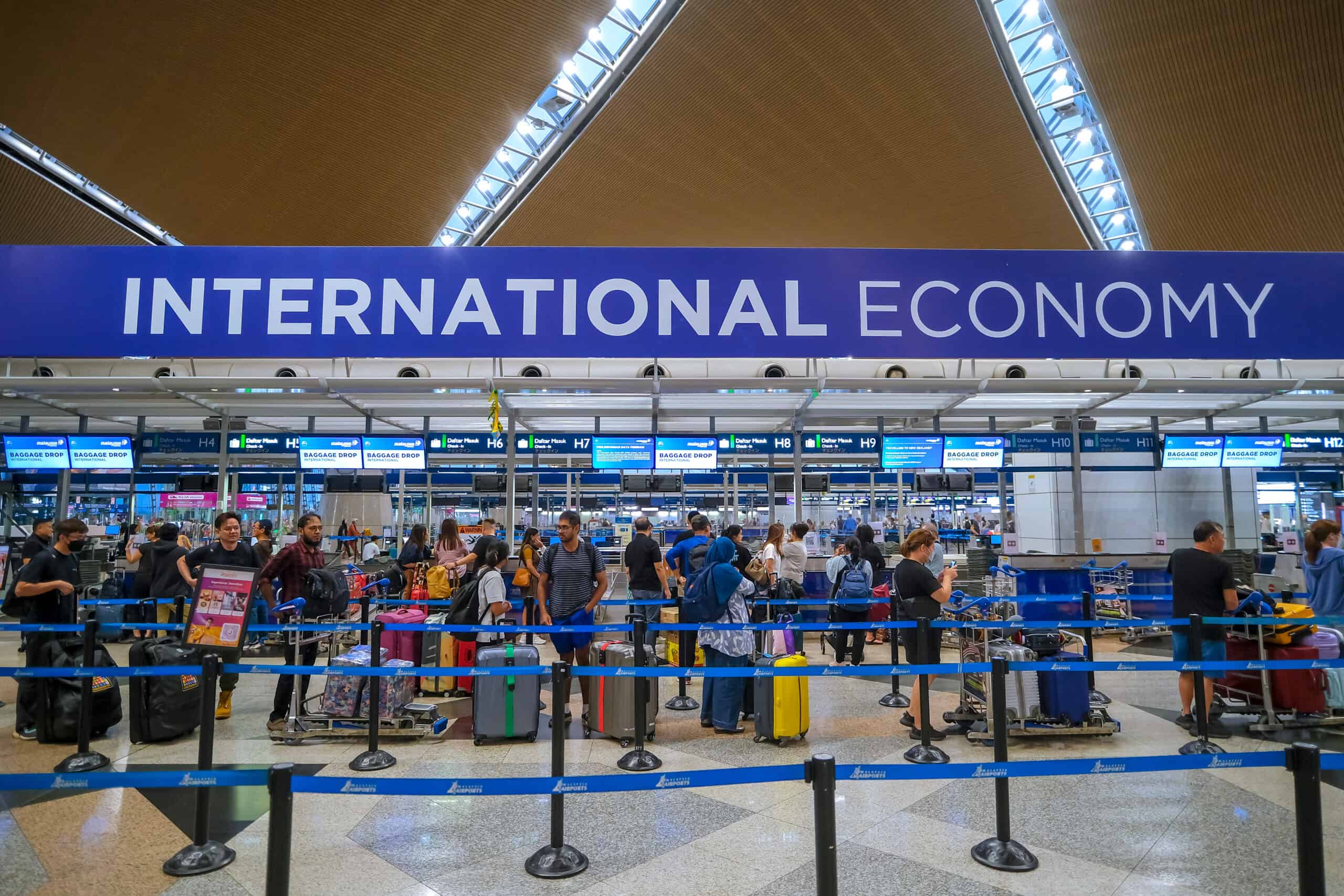
As cancellations increased, airport terminals filled with stranded passengers searching for answers. Lines stretched across check-in counters and service desks, with wait times growing longer by the hour. Movement slowed as space became limited, creating an atmosphere that felt tense but controlled. Travelers stood with luggage in hand, watching departure boards shift constantly. The physical strain of waiting began to match the emotional weight of uncertainty, turning routine travel into something far more demanding.
Limited Information And Communication Gaps
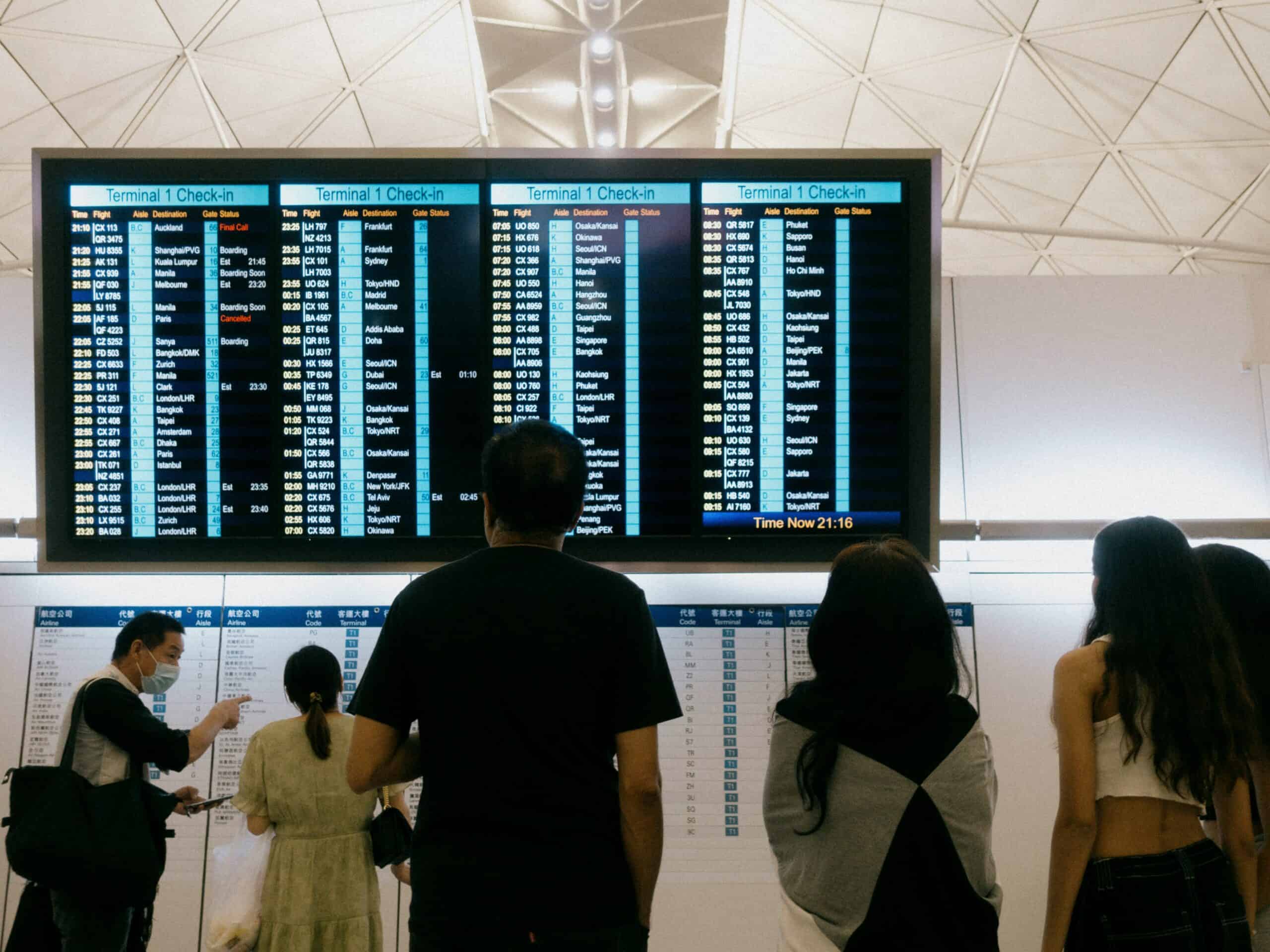
Clear communication became one of the biggest challenges as the situation developed. Updates arrived inconsistently, leaving many unsure of their next steps. Screens displayed changes that did not always match announcements, adding to the confusion. Travelers moved between desks and gates, trying to piece together reliable information. The lack of clarity extended the disruption, making it harder to plan or adapt. In that space, uncertainty became one of the most difficult parts to manage.
Struggles With Rebooking Flights

Rebooking quickly became a complex process as available seats disappeared. Airlines worked to accommodate passengers, but demand far exceeded capacity. Many found themselves placed on waiting lists or redirected through longer, less direct routes. The process required patience, often involving multiple attempts and long conversations. Each confirmed seat felt like progress, yet the path to securing one was rarely simple. It turned what should have been a straightforward adjustment into a prolonged effort.
Hotels Reaching Full Capacity

With delays stretching into overnight stays, nearby hotels filled rapidly. Travelers searched for available rooms, often finding limited or no options close to the airport. Some were forced to travel further into the city, adding another layer of coordination. Others chose to remain in the terminal, waiting for updates rather than risking missed changes. The shortage of accommodation highlighted how quickly infrastructure can be stretched when disruption affects large numbers at once.
Families And Children Facing Added Stress
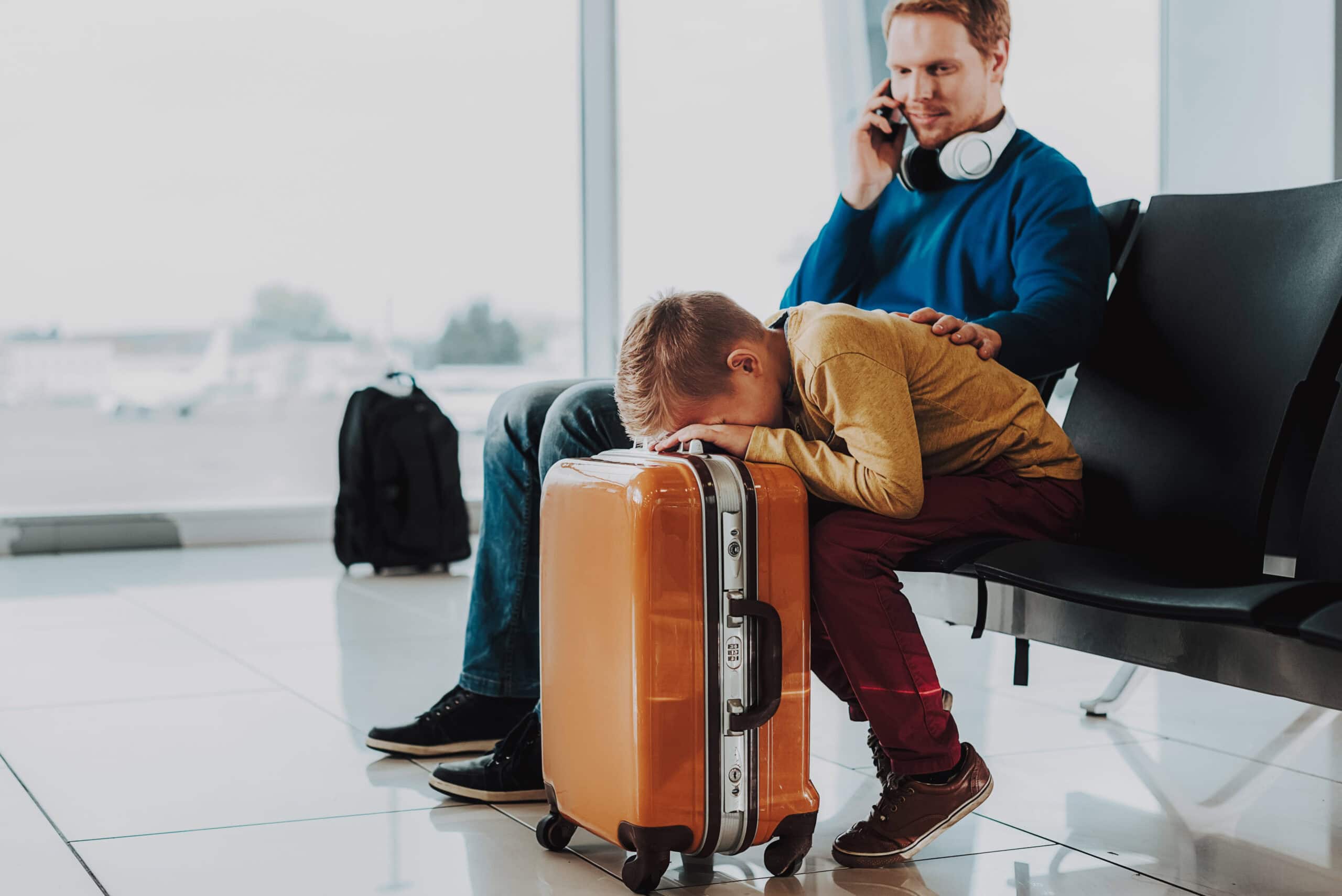
For families traveling with children, the disruption carried additional challenges. Managing long waits, limited space, and changing plans required constant attention. Children grew restless in crowded environments, while parents worked to keep routines intact. The emotional weight of uncertainty felt heavier in these moments, where comfort and stability were harder to maintain. Even small delays took on greater impact, shaping the experience in ways that extended beyond simple inconvenience.
Airline Staff Working Under Pressure
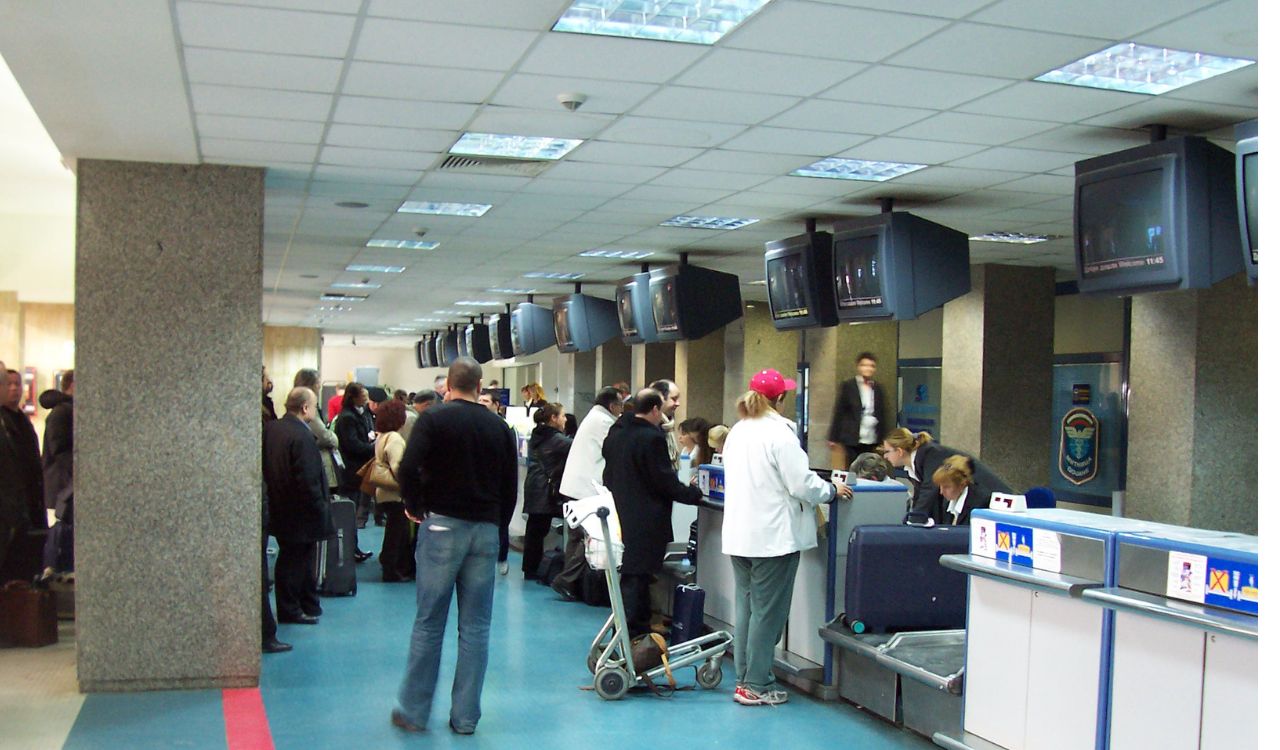
Airline and airport staff moved continuously through the disruption, handling questions, complaints, and logistical challenges. The pace was steady and demanding, with little time between interactions. Each conversation required clarity and patience, even as conditions shifted. Staff worked to restore order where possible, often without immediate solutions. Their presence helped maintain a sense of structure, even as the situation remained fluid and unresolved for many travelers.