We may earn money or products from the companies mentioned in this post. This means if you click on the link and purchase the item, I will receive a small commission at no extra cost to you ... you're just helping re-supply our family's travel fund.
Summer route launches usually signal momentum, but this season opened with a sharp pause. A Canadian airline dropped all U.S. flights for summer 2026, turning a familiar cross-border pattern into a moment of industry-wide reflection. Behind the decision sat more than one pressure point: softer demand, tighter cost discipline, and a network already reduced to its final U.S. links. What looked sudden to travelers had been building for months inside planning rooms, where every aircraft hour was measured against uncertain bookings and shrinking room for error.
Announcement That Shocked Summer Planning
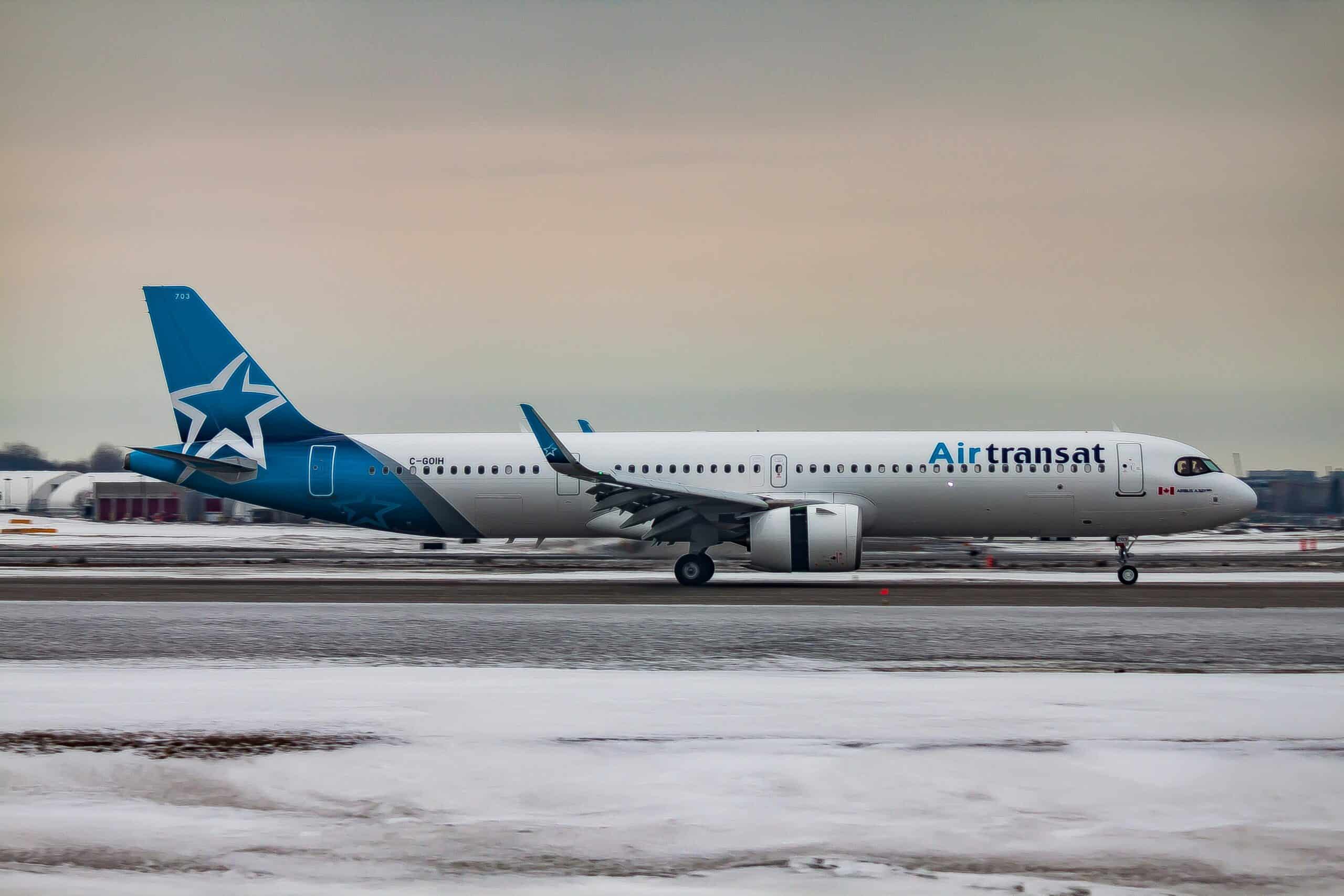
Air Transat opened the summer planning cycle with a decisive break: no U.S. flights for the entire 2026 season. The company framed the move as resource management, not spectacle, and tied it to a stricter focus on route efficiency. By then, its cross-border map had already narrowed to a small Florida footprint, so the final step came as a strategic conclusion rather than a sudden pivot. For travelers, it felt abrupt. For network planners, it reflected months of hard arithmetic on demand, crew use, aircraft hours, and risk, with little margin left for sentiment. The numbers had the last word.
Why The U.S. Network Was Vulnerable
The U.S. program was already lean before the cancellation, which made it harder to absorb any booking slowdown. A wide network can spread risk across many cities, but a narrow one asks each route to carry heavy financial weight. When operating costs stay firm and demand softens, even recognizable destinations can fail to meet performance thresholds. That imbalance left little room for error, and it pushed decision makers toward consolidation, because protecting fleet productivity mattered more than preserving symbolic map presence in an uncertain summer. Pressure accumulated faster than schedules could adapt.
Demand Signals Kept Softening
Cross-border demand had been losing momentum for months, and the pattern looked persistent rather than temporary. Leisure trips from Canada to the U.S. showed visible strain as households reassessed discretionary spending, while inbound flows did not fully offset the dip. Airlines track these shifts closely because weak shoulder demand often predicts weaker summer results. By schedule finalization, the trend line suggested caution, so maintaining the same U.S. footprint would likely have meant chasing volume at lower yields, tighter turnaround assumptions, and higher operational stress.
Currency Pressure Changed Family Math

Exchange rates quietly reshape travel behavior long before headlines catch up. When the U.S. dollar strengthens against the Canadian dollar, airfare is only one part of the squeeze; hotels, meals, transport, and attraction tickets all become relatively costlier. Families then compare familiar U.S. itineraries against alternatives with better value per day. That recalculation reduced booking certainty in key corridors, and uncertain demand is exactly what airlines avoid when they are assigning limited aircraft time across competing seasonal markets with different risk profiles. Costs kept rising each month.
Florida Routes Could Not Carry The Season
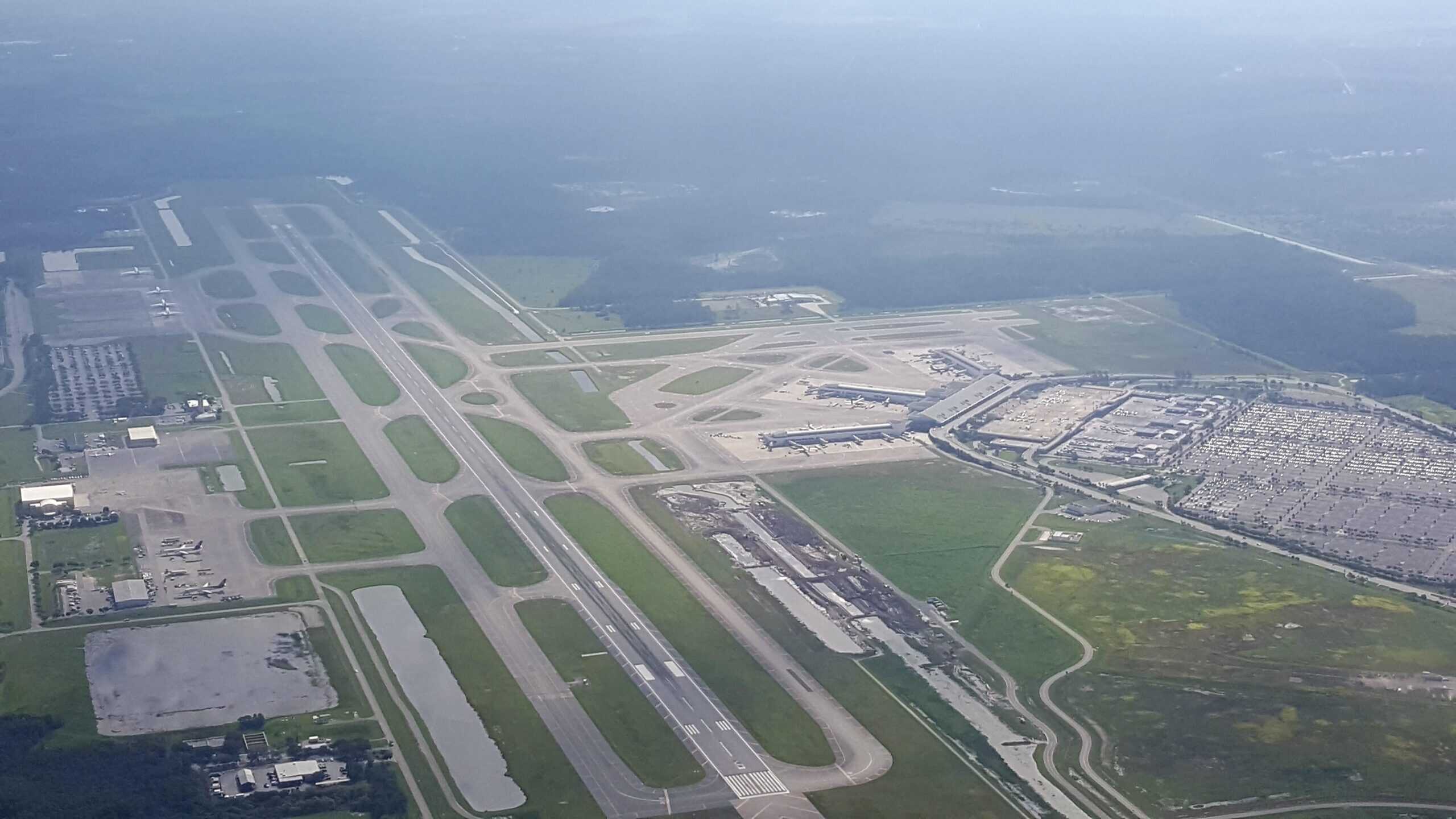
Fort Lauderdale and Orlando had become the last U.S. anchors on the carrier’s schedule, but even strong leisure names could not guarantee summer resilience. Florida demand from Canada often performs better in colder months, while warm-season economics can thin out quickly when budgets tighten. The spring wind-down signaled controlled retreat, not market abandonment, and it kept options open for winter reassessment. In practical terms, the move reduced exposure to weak loads, unstable yields, and inefficient rotations at a moment when discipline mattered most across the network. Recovery still looked uncertain.
What Destinations Lose When Seats Disappear

A removed route affects far more than departure boards. It cuts visitor spending across hotels, restaurants, attractions, ground transport, and the seasonal staffing built around predictable arrivals. Cities that depend on Canadian leisure traffic can feel the impact quickly, especially when international demand helps smooth occupancy in volatile months. Once capacity drops, higher fares and fewer timings can further suppress demand, creating a feedback loop that burdens local tourism businesses long after a single schedule update is announced to the public. The economic aftershock can last well beyond summer.
Airlines Are Redirecting Capacity Elsewhere
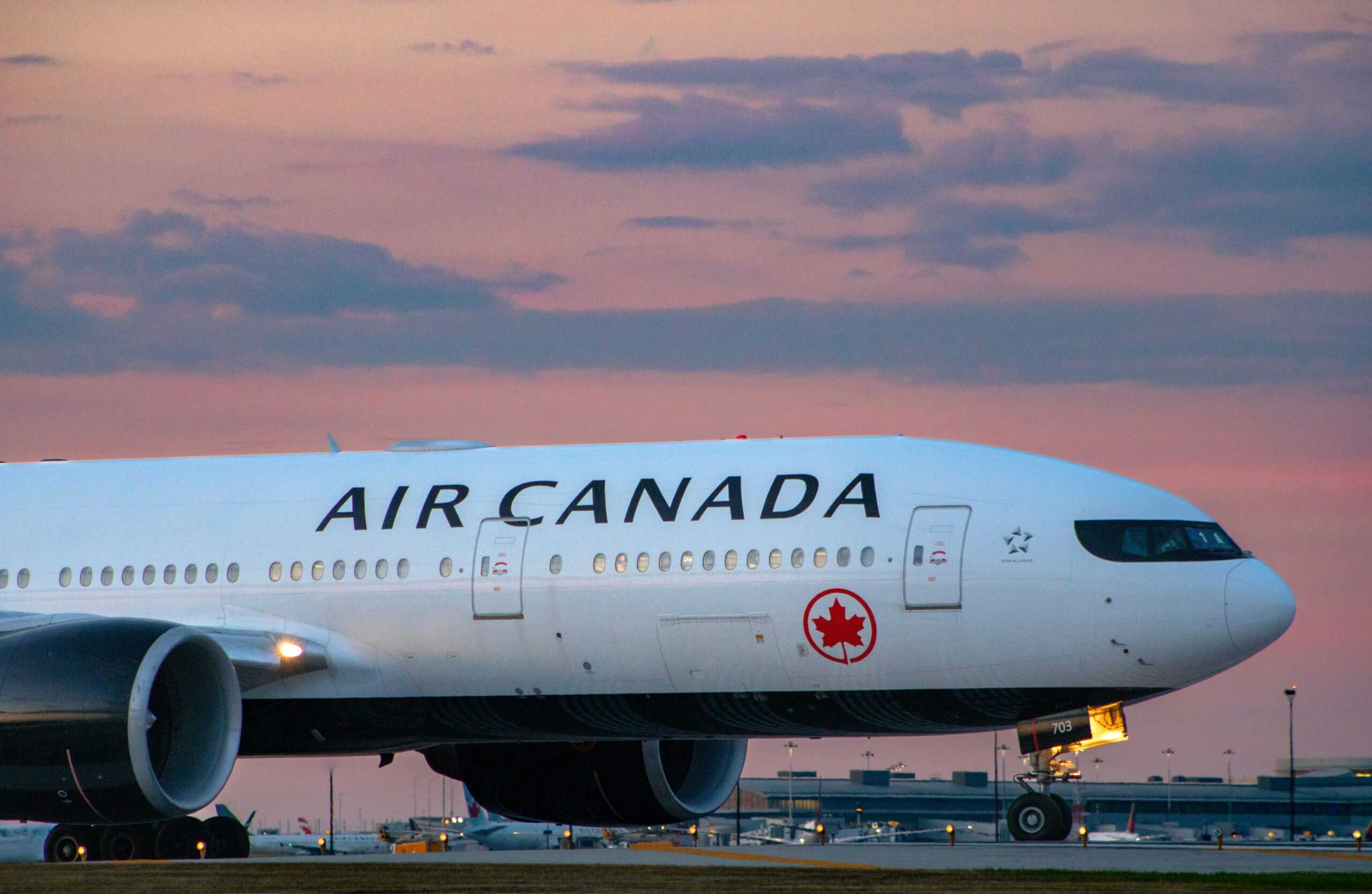
The current shift is not a retreat from travel demand itself, but a relocation of aircraft toward stronger corridors. As U.S. bookings softened, carriers prioritized regions where conversion looked steadier and revenue visibility was clearer across the season. That is why route cuts and growth can happen simultaneously inside the same network strategy. Airlines treat aircraft as movable assets, and disciplined operators deploy them where demand is durable, margins are healthier, and planning assumptions are less likely to unravel in peak summer weeks. Allocation discipline now drives competitive strength.
What This Means For The Next Winter Decision

Summer suspension does not guarantee permanent exit, but it raises the evidence required for a return. Winter planning will likely hinge on booking pace, currency movement, and whether travelers again see U.S. trips as solid value. If those signals improve, selective restoration remains possible. If they remain weak, capacity may stay pointed at markets with stronger conversion and steadier yields. For now, the message is straightforward: flexibility is no longer optional, and route maps are being built around confidence, not nostalgia, in a highly reactive demand cycle. Caution now sits at the core of planning.