Burlington, Vermont’s Housing Market Went From Affordable to Brutal in 5 Years — Here’s the Full Picture
We may earn money or products from the companies mentioned in this post. This means if you click on the link and purchase the item, I will receive a small commission at no extra cost to you ... you're just helping re-supply our family's travel fund.
Burlington, Vermont has a population of 45,000, a median home price that crossed $500,000 in 2024, and a tight housing market that shows no sign of softening. For a city its size in a rural state, the numbers are striking. Understanding why requires understanding what Burlington actually is — and why so many people want to live in a city that genuinely has no room for them.
Why Burlington’s Housing Market Is This Tight
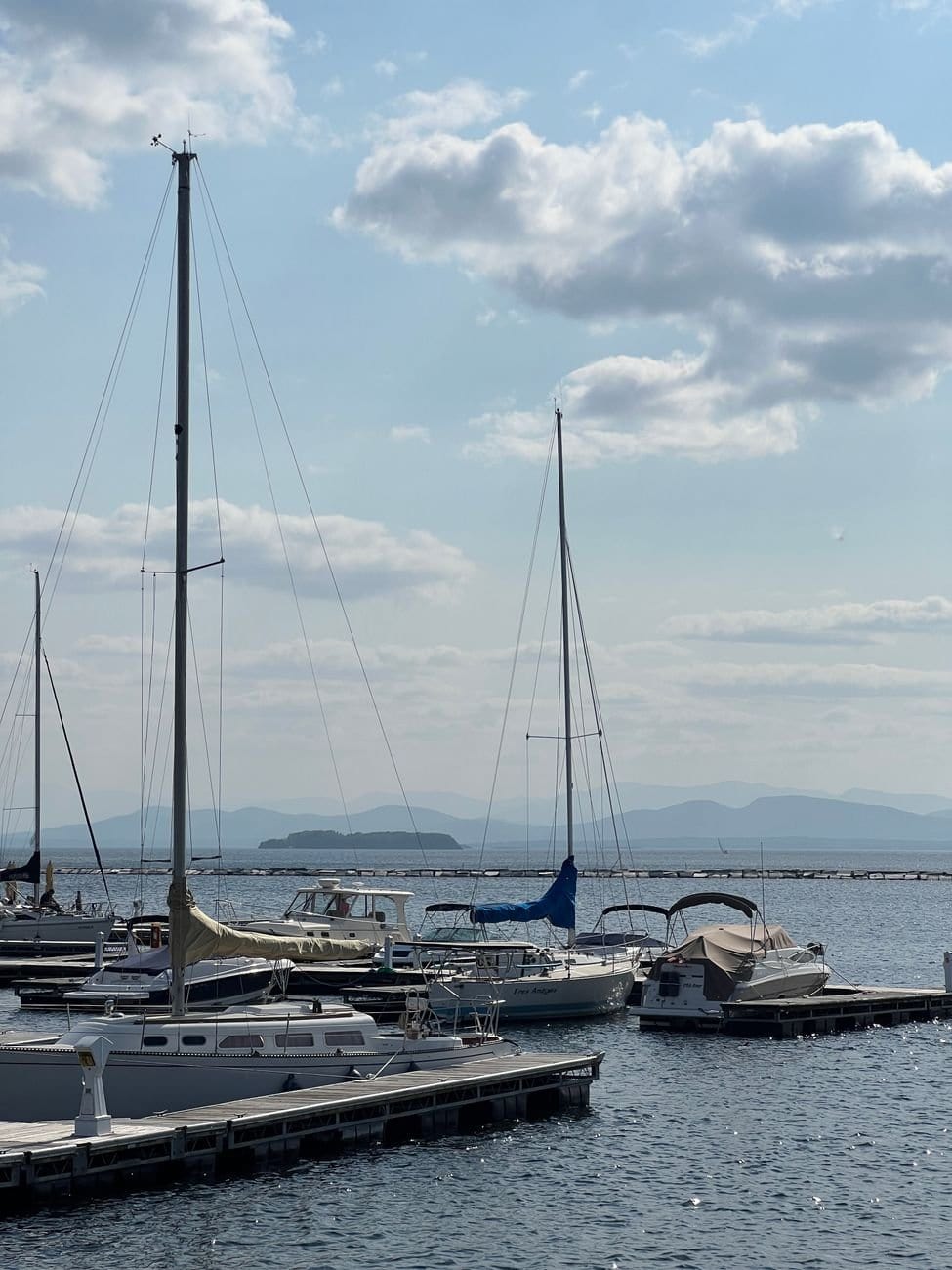
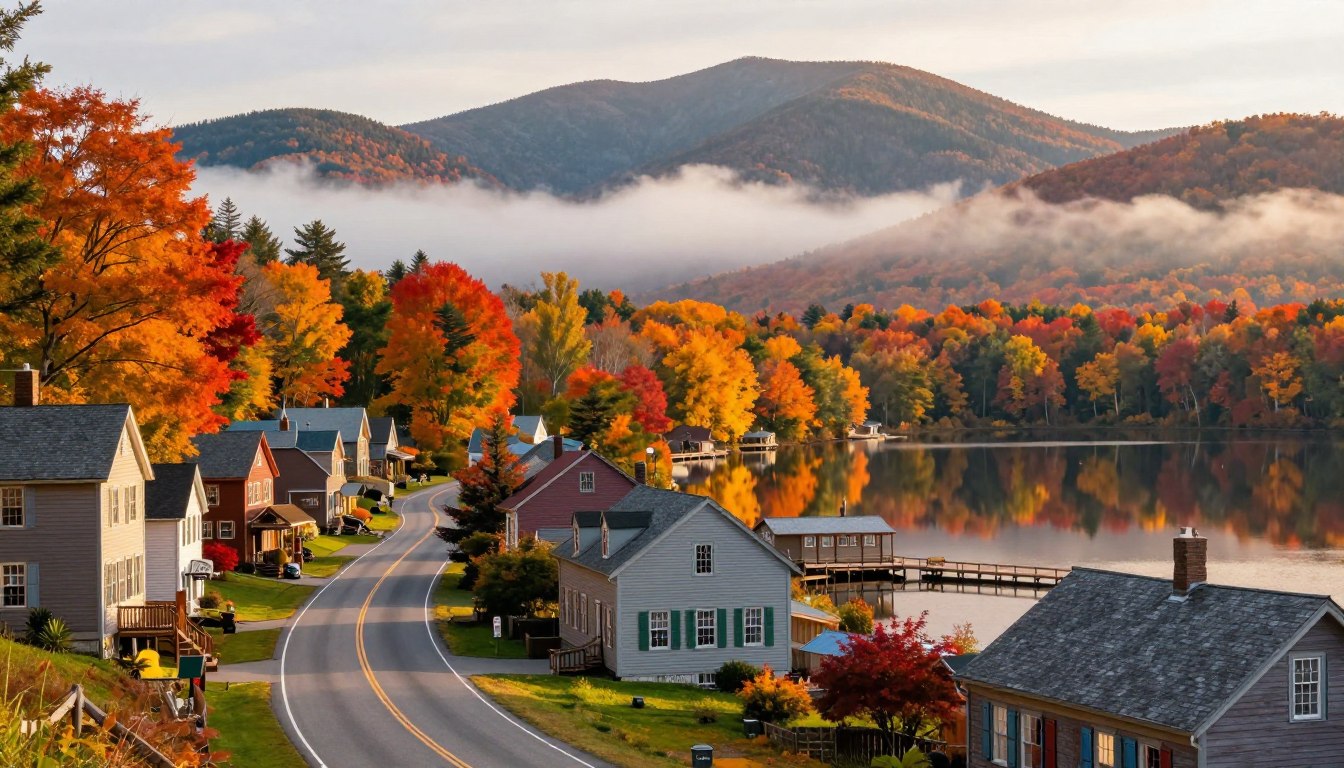
Burlington is Vermont’s largest city — which is a different thing than being a large city. It anchors the northwestern corner of the state on Lake Champlain with the Adirondacks visible across the water and the Green Mountains behind it. The University of Vermont and Burlington medical center together employ and attract a population that skews educated and well-compensated. The city is geographically constrained — surrounded by suburban Chittenden County municipalities that prevent outward expansion.
Vermont’s Act 250 land use regulations make new development slow and expensive, limiting housing supply growth. Remote workers from Boston and New York discovered Burlington during the pandemic and found a walkable, amenity-rich small city with outdoor access, a real food and arts scene, and prices that were, briefly, lower than what they’d been paying. That price signal brought demand without a corresponding supply response, and prices moved sharply.
What Burlington Costs to Live In Now
Housing:
- Median home price (2026): approximately $520,000
- Homes under $400,000 exist but are competitive, often in need of work
- Two-bedroom apartment rent: $1,800–$2,400/month in the city
- South Burlington and Williston: lower prices, car-dependent, less character
Other living costs:
- Vermont has the second-highest property tax rate in New England
- Vermont income tax is progressive with top rates above 8%
- Groceries and dining run 10–15% above national average
- Heating costs: high — Vermont winters are severe and natural gas/oil heat is standard
What Burlington Offers That Justifies the Premium for Some
Church Street Marketplace is one of the most genuinely functional pedestrian retail corridors in a small American city — lined with independent businesses, restaurants, and street vendors in warmer months. The Burlington Farmers Market runs Saturday mornings through October and is one of the best in New England. The waterfront on Lake Champlain has a bike path, parks, and views that are legitimately beautiful. Stowe is 40 minutes east. The Montreal border is 90 minutes north, giving Burlington a mild French Canadian cultural influence and convenient access to a major international city.
The outdoor access is the core of the pitch. Skiing at Stowe, Sugarbush, and Mad River Glen is within 1–2 hours. Fall hiking in the Green Mountains starts at city limits. Lake Champlain kayaking from Burlington’s waterfront is accessible all summer. For someone whose life is organized around outdoor seasons, Burlington’s geographic position is nearly ideal.
The Honest Case for Visiting vs. Moving
As a destination: Burlington in fall foliage season (late September through mid-October) is worth a weekend. Church Street, the waterfront, the food scene, a day trip to Stowe — it all delivers. Hotels run $180–$280/night during foliage season; book at least a month ahead. As a place to move: the math works only for people bringing higher-than-local salaries, and Vermont’s tax burden makes that calculation less favorable than it appears. People who move to Burlington and stay tend to have either been there before (UVM alumni returning) or have a specific draw — the medical center, remote tech work, or a quality-of-life set that treats outdoor access as the primary currency.
Burlington’s Position in Vermont
Burlington’s position as Vermont’s largest city (population 45,000 — the smallest ‘largest city’ of any US state) means it functions as the cultural capital of a state that has no other urban center. The Church Street Marketplace pedestrian mall, the Burlington waterfront on Lake Champlain, and the ECHO Leahy Center for Lake Champlain science museum anchor the downtown experience. Lake Champlain in July and August is a sailing and kayaking resource; in February, the Frozen Assets festival celebrates the lake’s ice culture. The University of Vermont and Champlain College ensure year-round demographic energy.
Vermont’s housing market has experienced the most dramatic compression in New England post-pandemic. Burlington median home prices crossed $500,000 in 2023 for the first time — a market that was $280,000 in 2018 — as remote workers from Boston and New York moved in attracted by Vermont’s quality of life, school systems, and outdoor access. The Champlain Islands to the north of Burlington provide a specific rural Vermont landscape of lake views, apple orchards, and working farms that photographers and cyclists use as a standard weekend circuit. For visitors, Burlington is a 2-night destination: the waterfront and Church Street on day one, a bike ride on the Island Line Trail (which crosses Lake Champlain on a former railroad causeway) on day two, and a final dinner at one of the restaurants that have made Burlington one of the better dining cities in northern New England.