We may earn money or products from the companies mentioned in this post. This means if you click on the link and purchase the item, I will receive a small commission at no extra cost to you ... you're just helping re-supply our family's travel fund.
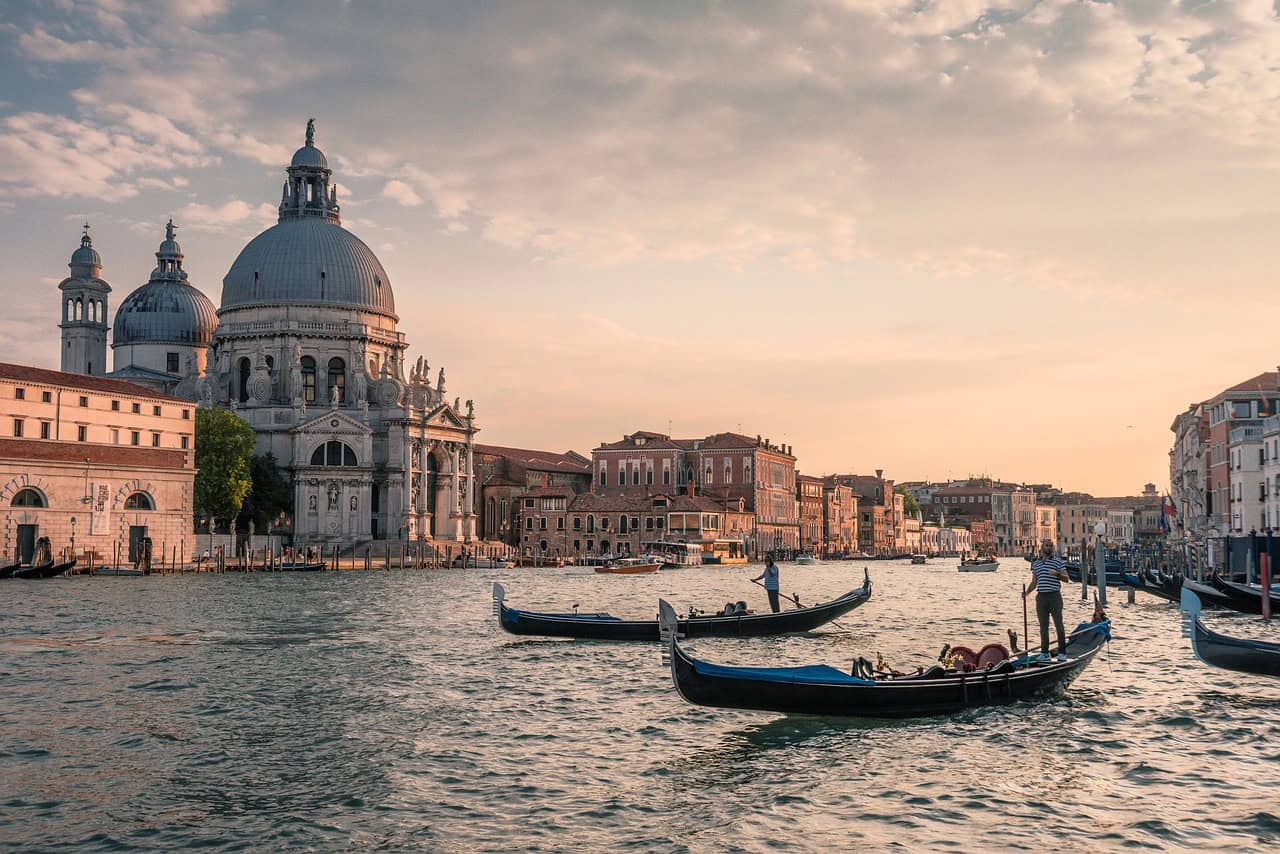
Some bucket-list moments fade slowly, then suddenly feel out of reach. Climate pressure reshapes reefs, glaciers, and sea ice. Overtourism adds caps, fees, and timed circuits that turn wandering into a scheduled route. Safety, conservation, and infrastructure push destinations to tighten access, sometimes overnight. None of this means travel is over. It means the most iconic experiences are becoming more conditional, more regulated, and more fragile. The smart approach is awareness: understanding what is changing, why it is changing, and what kind of trip still respects the place.
A Spontaneous Venice Day Trip With No Booking
/123rf
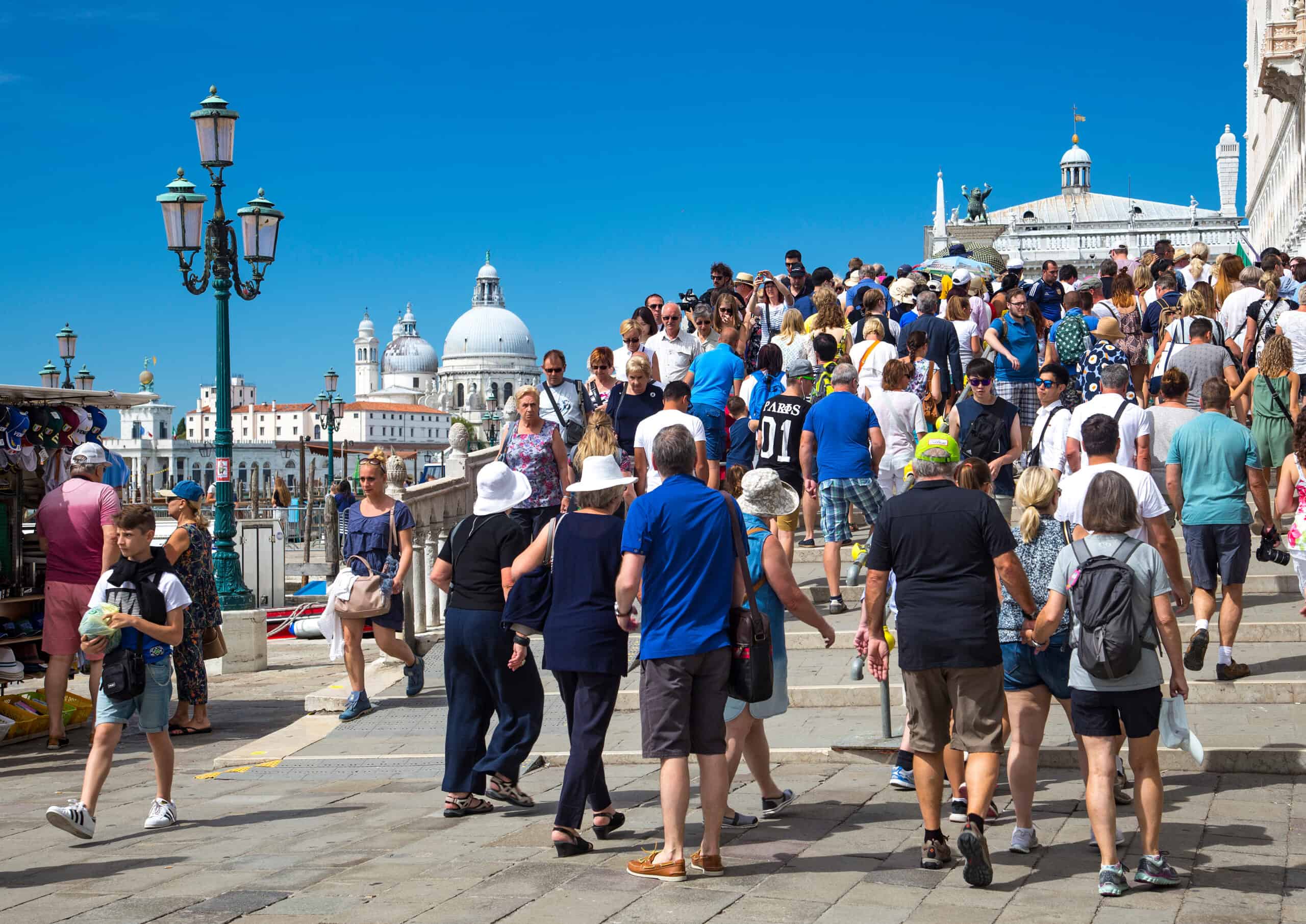
Venice is turning spontaneity into a booking exercise. The city’s access fee for day-trippers requires an online reservation and a QR code on selected peak days, with the charge doubling for last-minute arrivals, and in 2025 it ran on 54 high-demand days between April and July. Overnight guests are exempt, but day visitors must plan ahead to avoid hassle. That changes the old rhythm of stepping off the train, drifting through alleys, and leaving when the light feels right.
Roaming Machu Picchu Freely for As Long as the Mood Allows
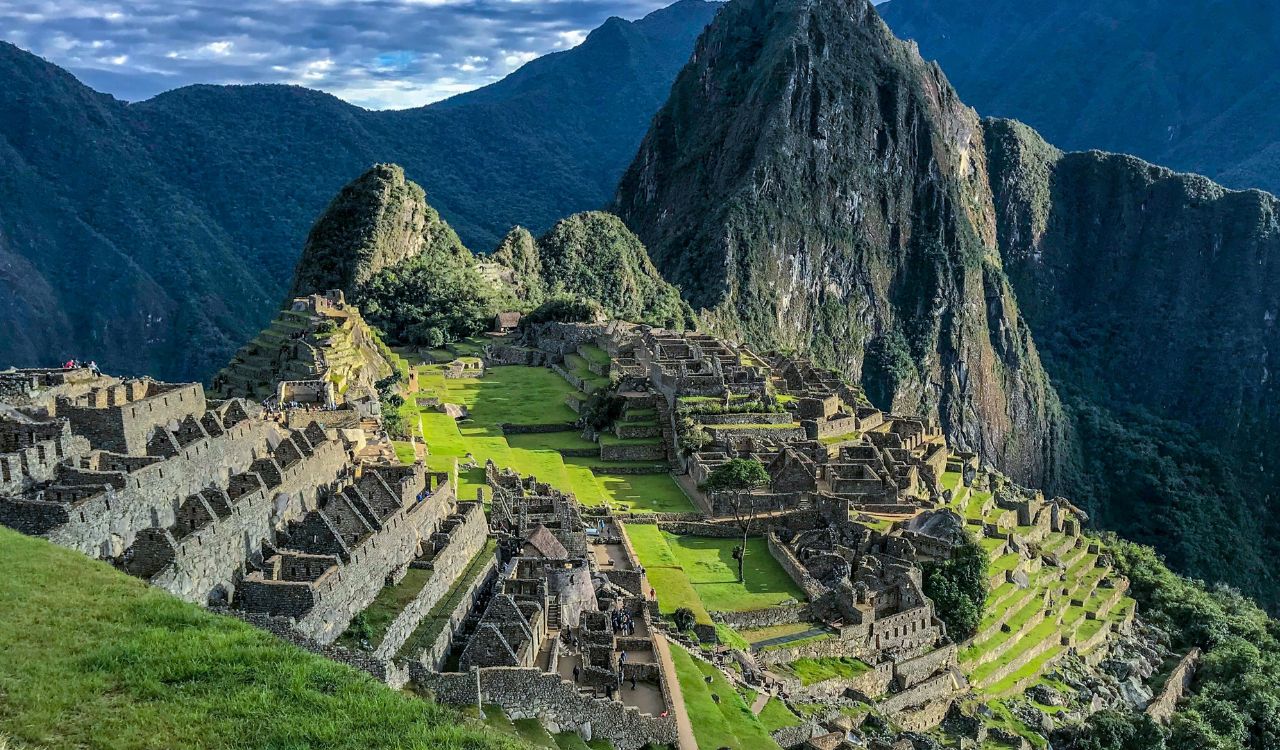
Machu Picchu has shifted from free wandering to managed circuits. Reporting in 2024 described a new ticket system built around timed entry and specific routes, designed to reduce wear and crowding, which means the citadel is no longer a place for open-ended exploration. Some circuits limit time inside to about 2.5 hours, and re-entry is not allowed once a visitor exits. Tickets are sold through Peru’s official state platform managed by the Ministry of Culture, so the “show up and figure it out” era keeps shrinking.
A Santorini Cruise Day That Feels Effortless and Uncapped
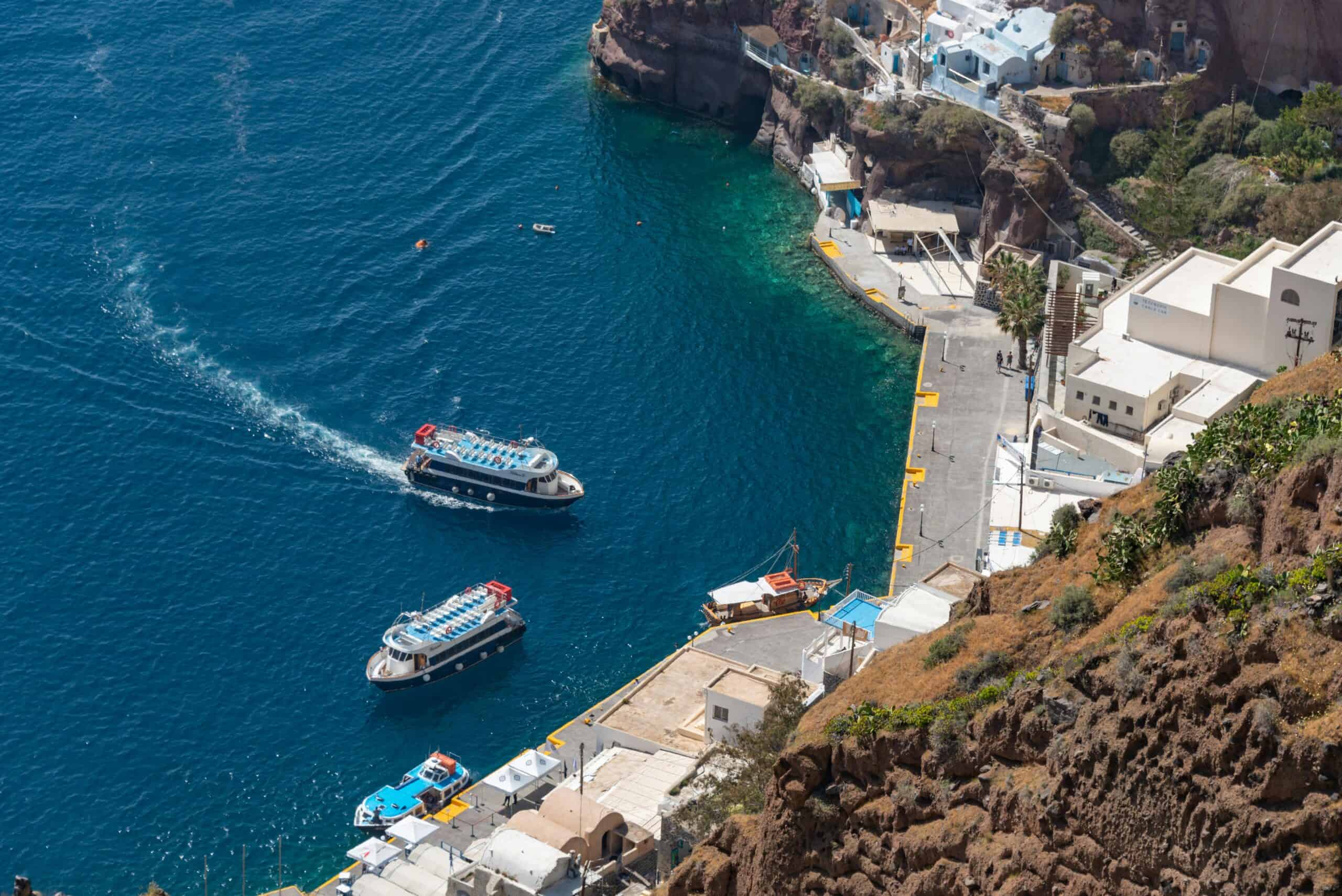
Santorini’s famous midday crush is now being managed like a capacity problem, because it is one. The island’s port authority set a maximum of 8,000 cruise passengers per day for both 2025 and 2026, formalizing what used to be a free-for-all into a controlled flow. That cap changes the bucket-list fantasy of stepping off a ship into an unhurried, cinematic Oia afternoon, since berth timing, tender queues, and shore time are increasingly optimized around crowd control. A visit can still be wonderful, but the easy, unlimited version is being deliberately phased out.
Seeing the Great Barrier Reef in Peak Coral Condition
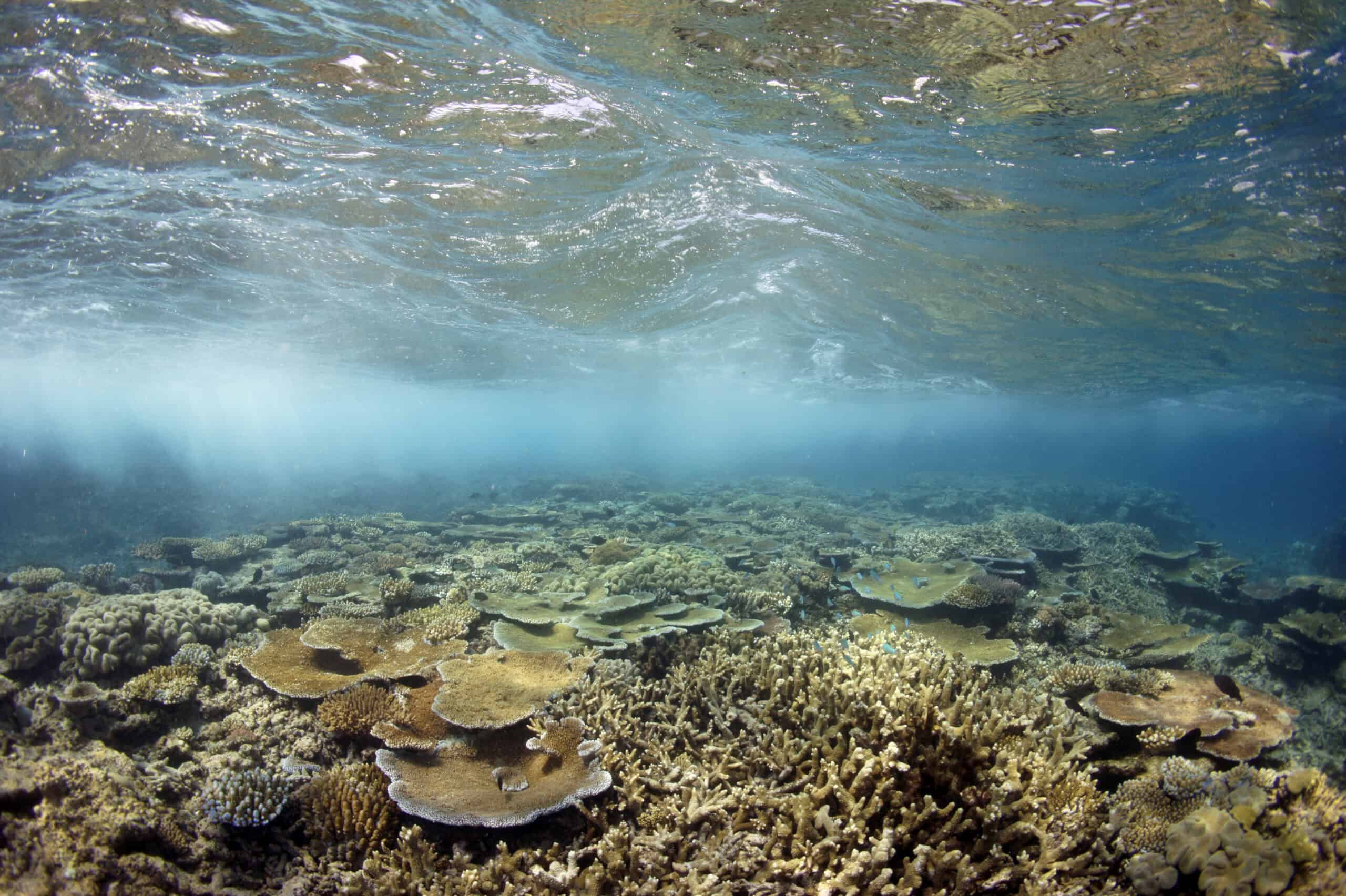
The reef experience is not disappearing overnight, but it is becoming less predictable, and that is the heartbreak. AIMS reported sharp coral declines after heat stress, and Reuters described record drops in coral cover following the 2024 mass bleaching event, the kind of damage that changes what divers and snorkelers see even when water looks calm from the boat. Bleaching does not erase the reef in one season, but repeated events compress recovery time and make “once-in-a-lifetime color” a moving target. Some sites rebound, others shift to algae and rubble, and the window for reliable brilliance narrows.
Walking Past Glacier National Park’s Remaining Ice
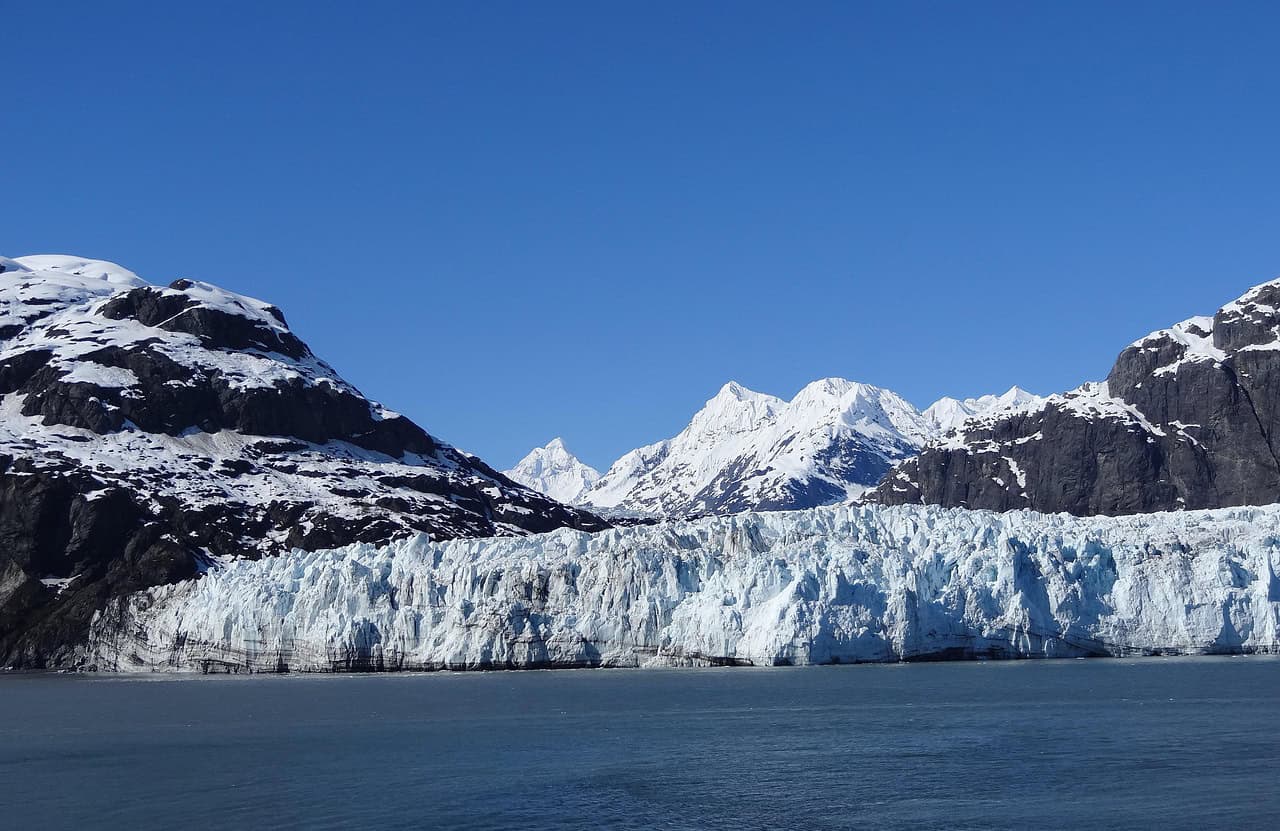
Glacier National Park’s namesake is becoming a time-limited feature rather than a given. The park warns that if current warming persists, scientists predict its glaciers could be gone by 2030, and USGS projections describe continued loss through the century. That changes the feel of classic bucket-list hikes that promise ice-blue meltwater and lingering snowfields as permanent scenery. The mountains remain, but the specific experience of standing beside active alpine glaciers in the Lower 48 is turning into a “soon” story, not a “someday” story, and the difference matters.
Touring Iceland’s Ice Caves as a Casual Winter Excursion
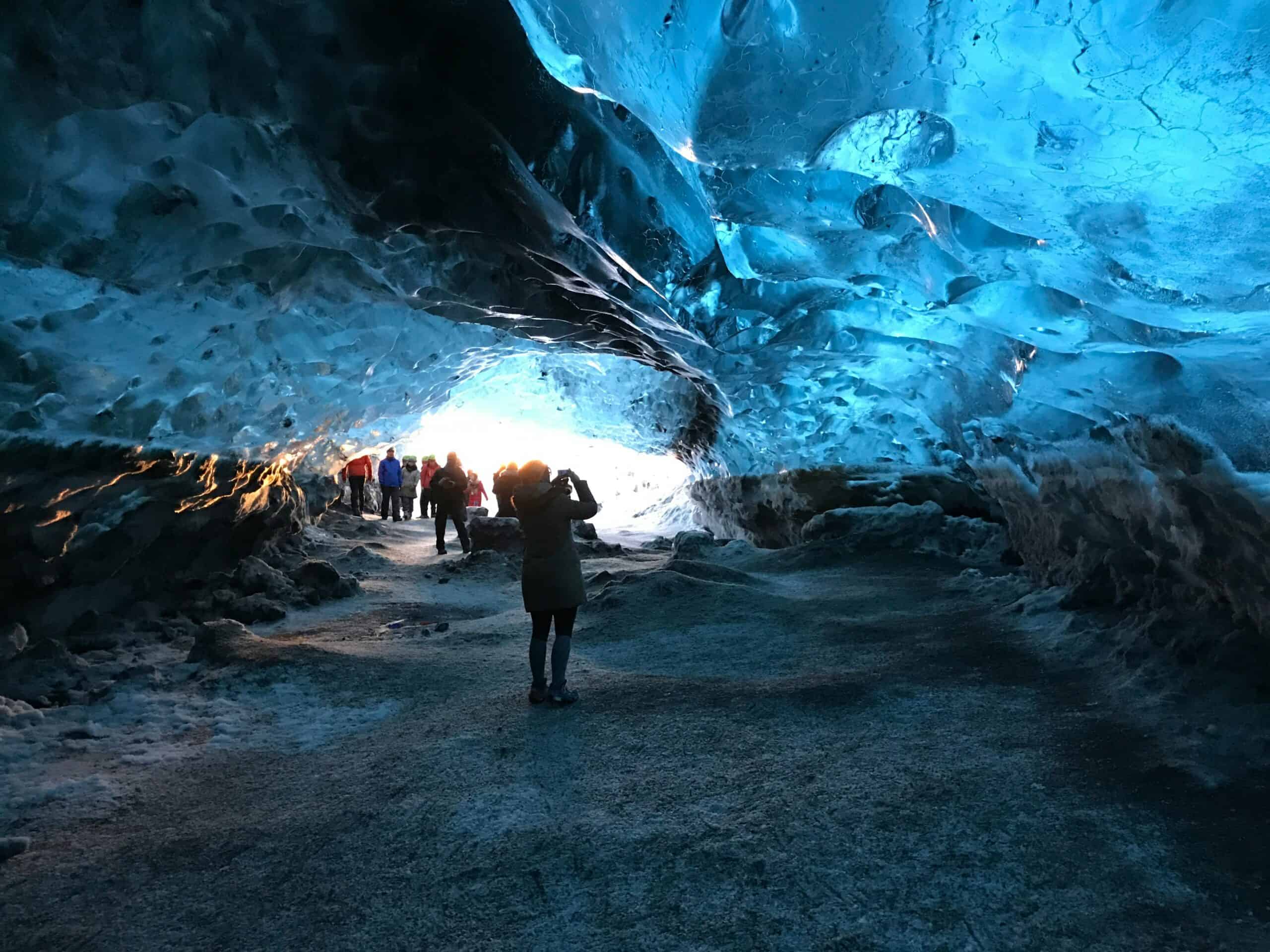
Ice caves have always been conditional, but warming and safety concerns are making “easy adventure” harder to justify. In Aug. 2024, a natural ice cave collapsed on the Vatnajokull glacier area during a tour, killing a visitor, and follow-up reporting raised sharper questions about timing tours in warm conditions and how quickly ice stability can change. As glaciers shrink and melt patterns become less predictable, operators and authorities face stronger pressure to restrict access, tighten weather windows, and cancel more often. The caves may still exist, but the casual, widely marketed version is being squeezed by risk and reality.
A Reliable Polar Bear Viewing Season in the Hudson Bay Region
Polar bear viewing depends on sea ice timing, and sea ice is losing reliability. In March 2025, Arctic sea ice hit a record-low winter peak in the satellite record, and research continues to connect longer ice-free periods with stress on polar bear populations. For destinations built around a predictable fall season, a shorter or shifting window changes everything: fewer prime days, tighter crowding into the remaining weeks, and more variability in where bears are seen. The experience may still be possible, but the old certainty of seasonality is eroding, and that is what makes it feel fragile.
The Maldives as the Classic Overwater Dream, Uncomplicated
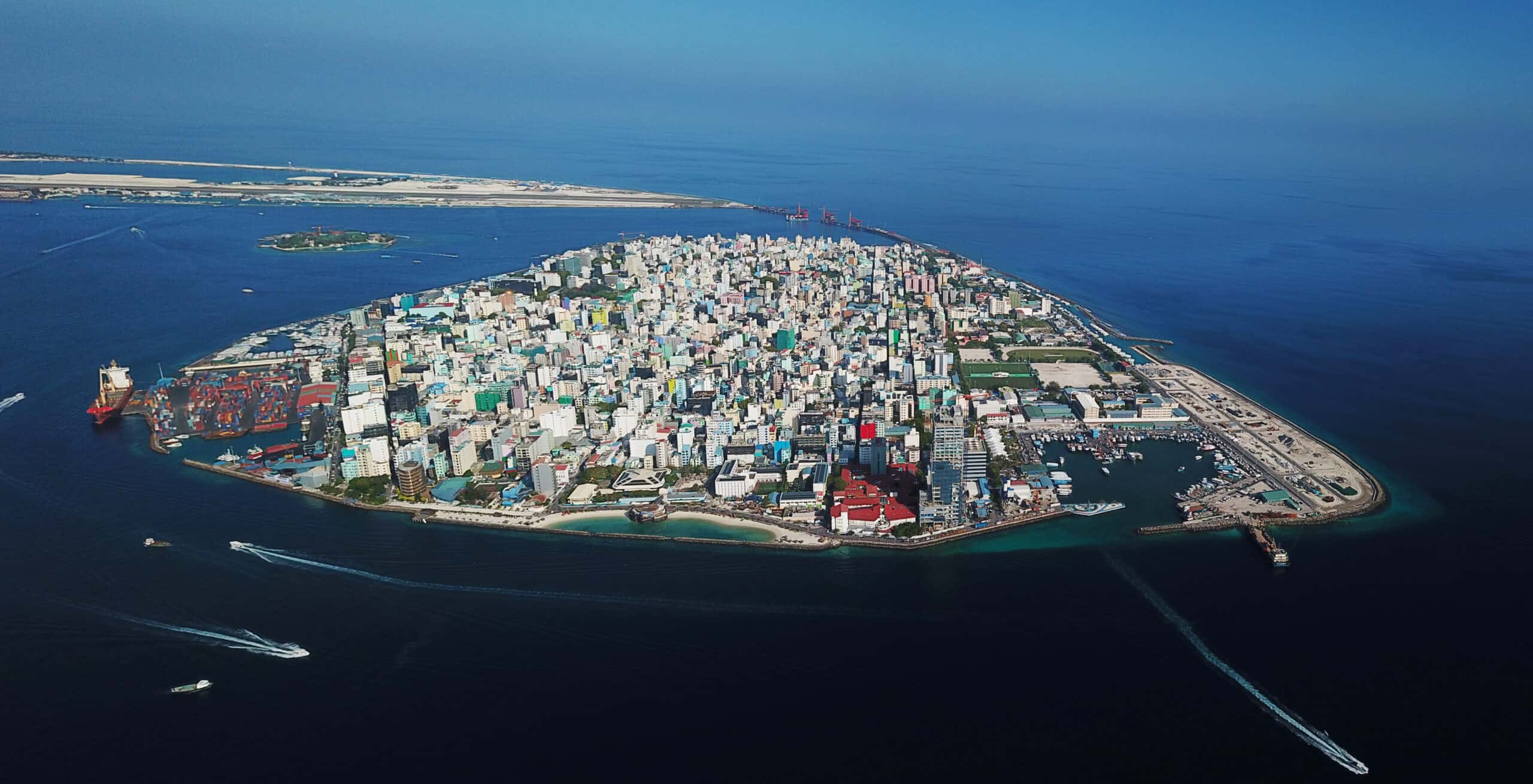
The Maldives is still stunning, but the long-term math is unforgiving. The World Bank warns that sea-level rise and coastal flooding threaten assets and require urgent adaptation, while IPCC assessments detail escalating risk for low-lying islands as sea levels rise and extremes intensify. That does not mean every trip is doomed. It means the dream is increasingly paired with erosion, flooding, reef stress, and expensive protection measures that shape where resorts can build, how beaches hold, and what “stable paradise” even means. The bucket-list version that assumes permanence is the part that is slipping.
Gorilla Trekking Without Months of Planning and High Cost

Gorilla trekking is designed to be limited, and that limitation is the point. Rwanda’s official tourism site notes only 96 permits are available each day, a structure meant to protect gorillas and reduce pressure on habitat. Scarcity, conservation rules, and rising demand mean the experience increasingly requires long lead times, higher budgets, and less flexibility in dates. The trek itself can remain profound, but the casual “add it to the itinerary” version is fading, replaced by a more exclusive model that many travelers simply cannot access on short notice.
Coral Snorkeling That Feels Like a Guaranteed Win
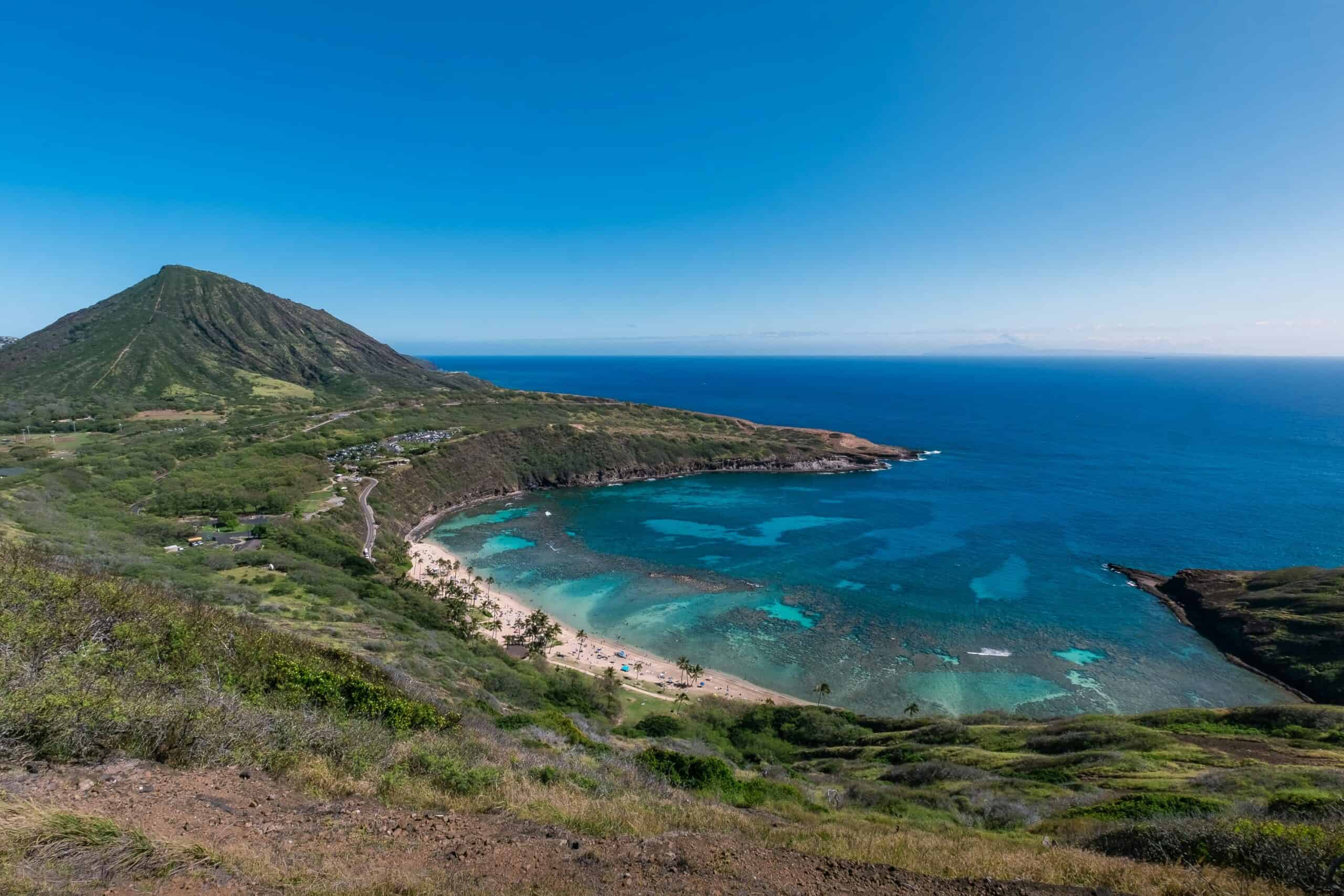
Reef travel is becoming a gamble in more places than people realize, because bleaching is now global, not regional. Reporting tied the ongoing mass bleaching crisis to extreme ocean heat, affecting major reef systems across multiple oceans and shrinking the list of dependable refuges. For travelers, that means a classic bucket-list promise, vivid coral gardens on demand, is harder to guarantee by season alone. Operators adapt with smarter site selection and education, but nature is setting tougher terms. The future likely holds more “some days are incredible” and fewer “every day is incredible.”