Frequent Flyers Are Ruthless About Their Wallet. Here’s Exactly What They Keep — and What They Cancel
We may earn money or products from the companies mentioned in this post. This means if you click on the link and purchase the item, I will receive a small commission at no extra cost to you ... you're just helping re-supply our family's travel fund.
How Frequent Travelers Actually Think About Credit Cards
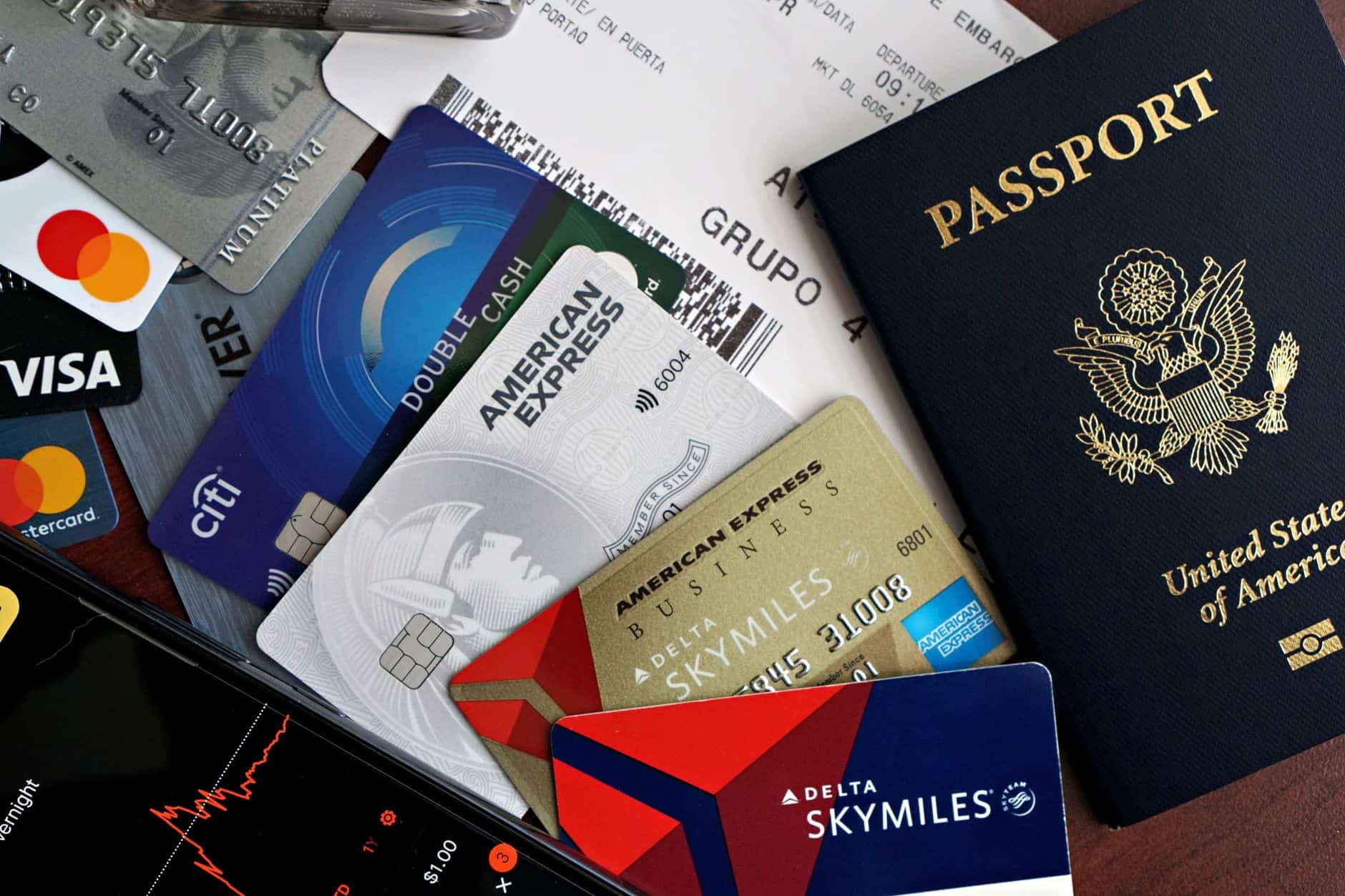
Before the cards: the framework.
- Annual fee cards only make sense when the benefits you actually use exceed the fee — not the theoretical maximum benefits, but the ones you will actually redeem
- Sign-up bonuses are the single highest-value moment in a card’s life. The opportunity cost of not capturing a good sign-up bonus is significant.
- Carrying a balance erases all rewards value instantly and permanently. These cards only work for people who pay in full monthly.
- The optimal card setup is usually 2–4 cards that cover different spending categories and offer different transfer partners — not a single card that claims to do everything
The Premium Cards That Justify Their High Annual Fees

- American Express Platinum ($695/year) — The card that divides the travel community most sharply. The fee is genuinely high. But the credits, when used, reduce the effective fee significantly: $200 airline fee credit, $200 Uber Cash, $240 digital entertainment credit, $189 CLEAR credit, $100 Global Entry credit, $300 Equinox credit (less useful), $100 Saks credit. Used fully: $695 fee offset by $1,200+ in credits. The Centurion Lounge access and Priority Pass add genuine value for airport time. The Amex Membership Rewards transfer partners (ANA, Avianca, Flying Blue) are the best in the industry for international business class.
- Chase Sapphire Reserve ($550/year) — The $300 annual travel credit applies to any travel purchase automatically, bringing effective fee to $250. 3x on travel and dining, excellent transfer partners (Hyatt at 1:1 is the most valuable), Priority Pass lounge access, and Trip Delay Insurance that has saved cardholders thousands of dollars. The best all-around premium travel card for people who don’t want to maximize the Amex credit ecosystem.
- Capital One Venture X ($395/year) — The most underrated premium travel card. $300 annual travel credit through Capital One Travel (easy to use), 10,000 bonus miles on anniversary (worth $100+), Priority Pass and Capital One Lounge access, and a growing list of transfer partners. Effective annual fee after credits: around $0. The most justifiable premium card for travelers who don’t want to actively manage a credit ecosystem.
The Mid-Tier Cards That Are the Real Workhorses
- Chase Sapphire Preferred ($95/year) — 3x on dining and online grocery, 2x on travel, 1x elsewhere. The sign-up bonus (typically 60,000 points) alone is worth $750–$1,200 in travel value. The best starter card in the points universe and the best mid-tier card for people who want flexibility without premium-card complexity.
- American Express Gold ($325/year, effectively $85 after credits) — 4x on restaurants and U.S. supermarkets, 3x on flights. The $240 in annual dining credits ($120 Grubhub/Seamless, $120 Dunkin’) reduce the effective fee. The best card for everyday food spending in existence. The Amex Gold and a no-annual-fee Chase Freedom Unlimited together cover most spending categories at high earn rates.
- Citi Strata Premier ($95/year) — 3x on hotels, air, supermarkets, restaurants, and gas. The most broadly applicable earning structure of any mid-tier card. ThankYou points transfer to Turkish Miles&Smiles (the cheapest Star Alliance business class redemption path available) and Air France/KLM Flying Blue (which runs monthly discount promotions).
- Chase Freedom Flex (no annual fee) — 5% rotating quarterly categories, 3% on dining and drugstores, 1% elsewhere. When paired with a Sapphire card, the Freedom Flex points transfer to airline and hotel programs at full value. The best no-annual-fee card for maximizing the Chase ecosystem.
The Airline-Specific Cards Worth Having

Not every airline card is worth carrying. These ones are:
- Southwest Rapid Rewards Priority ($149/year) — If you fly Southwest at all, this card is nearly self-justifying: $75 annual Southwest travel credit, 7,500 anniversary bonus points (worth ~$100), and 4 upgraded boardings per year (~$60). The Companion Pass benefit — available by earning 135,000 qualifying points in a calendar year — is the most valuable benefit in the airline card world when the math works out.
- United Explorer ($95/year) — First checked bag free (for cardholder and one companion), 2 United Club one-time passes per year (~$100 value), and priority boarding. Break-even is essentially one round-trip with a checked bag per year. Worth it for moderate United flyers.
- Delta Gold SkyMiles ($150/year) — First checked bag free, priority boarding, 20% discount on in-flight purchases. For moderate Delta flyers, the checked bag savings alone justify the fee on 1–2 round trips per year.
- Alaska Airlines Visa Signature ($95/year) — Alaska’s superior partner network (American, British Airways, Finnair, Japan Airlines) plus a Companion Fare benefit (a companion flies for $99 + taxes on the cardholder’s purchased fare) that can be worth $300–$800 depending on the route.
The Hotel Cards That Unlock Real Value

- World of Hyatt Card ($95/year) — Free night at a Category 1-4 Hyatt property on your anniversary (worth $100–$250), 5 Tier Qualifying Nights toward status, and Discoverist status. The free night certificate alone justifies the annual fee. Transfer Chase points to Hyatt at 1:1 for best-in-class hotel redemption value.
- Hilton Surpass Amex ($150/year) — Hilton Gold status automatically (second guest gets breakfast at most properties, a benefit worth $30–$50 per stay), 12x points at Hilton properties, and a Free Night Award after $15,000 in annual spending. For moderate Hilton travelers, Gold status alone provides consistently measurable value.
- Marriott Bonvoy Boundless ($95/year) — 1 free night certificate annually (worth up to 35,000 Bonvoy points — redeemable at many good hotels). Silver Elite status automatically. 3x at Marriott properties. The Marriott footprint is the largest in the world; the certificate is almost always usable.
The Cards Frequent Travelers Cancelled After Year One
These cards have high-profile marketing but poor actual value.
- Most co-branded retail store cards — Store credit cards with travel-adjacent branding deliver poor earn rates on non-store spending and limited transfer flexibility. The sign-up bonus is usually the only real value.
- Bank of America Premium Rewards ($95/year) — Simple cash-back structure with no transfer partners. Fine for people who don’t want to manage a points ecosystem. Not appropriate for anyone who wants to maximize travel value.
- The Hilton Honors Amex (no annual fee) — The free version of the Hilton card earns points at a poor effective rate relative to the Surpass. The Surpass is worth paying for; the free version isn’t worth carrying.
- Any airline card from an airline you fly less than 4 times per year — Annual fees on airline-specific cards rarely justify themselves for occasional flyers. Use transferable points currencies instead.
- Cards with credits that require using specific portals — Several cards offer credits only when booking through the issuer’s travel portal, which typically delivers worse rates than booking directly. Credits that require behavioral changes to capture are credits that often go unclaimed.
How to Build the Right Travel Card Combination

The optimal setup for most frequent travelers:
- Foundation card (pick one) — Chase Sapphire Preferred ($95) or Capital One Venture X ($395 with $300 credit). These provide the primary transferable points currency and travel protections.
- High-earn everyday card — Amex Gold for 4x on restaurants and grocery. This is the best return on the spending most people do most often.
- No-fee catch-all — Chase Freedom Unlimited for 1.5x on everything not covered by another card. The non-bonus spending adds up over a year.
- Hotel card (if you have a preference) — Hyatt Card if you value premium hotel stays at great redemption rates. Hilton Surpass if you travel frequently and value breakfast.
- Airline card (only for your primary carrier) — One airline card for the airline you fly most, if the bag fee savings and status benefits justify the fee.
Total annual fees on this setup: roughly $380–$440. Annual value generated for a moderate frequent traveler: well over $2,000 when sign-up bonuses, credits, and redemption value are included.
The card your parents used to earn cash back at the grocery store is not the wrong choice. It’s just leaving a significant amount of travel value on the table every single year.