We may earn money or products from the companies mentioned in this post. This means if you click on the link and purchase the item, I will receive a small commission at no extra cost to you ... you're just helping re-supply our family's travel fund.
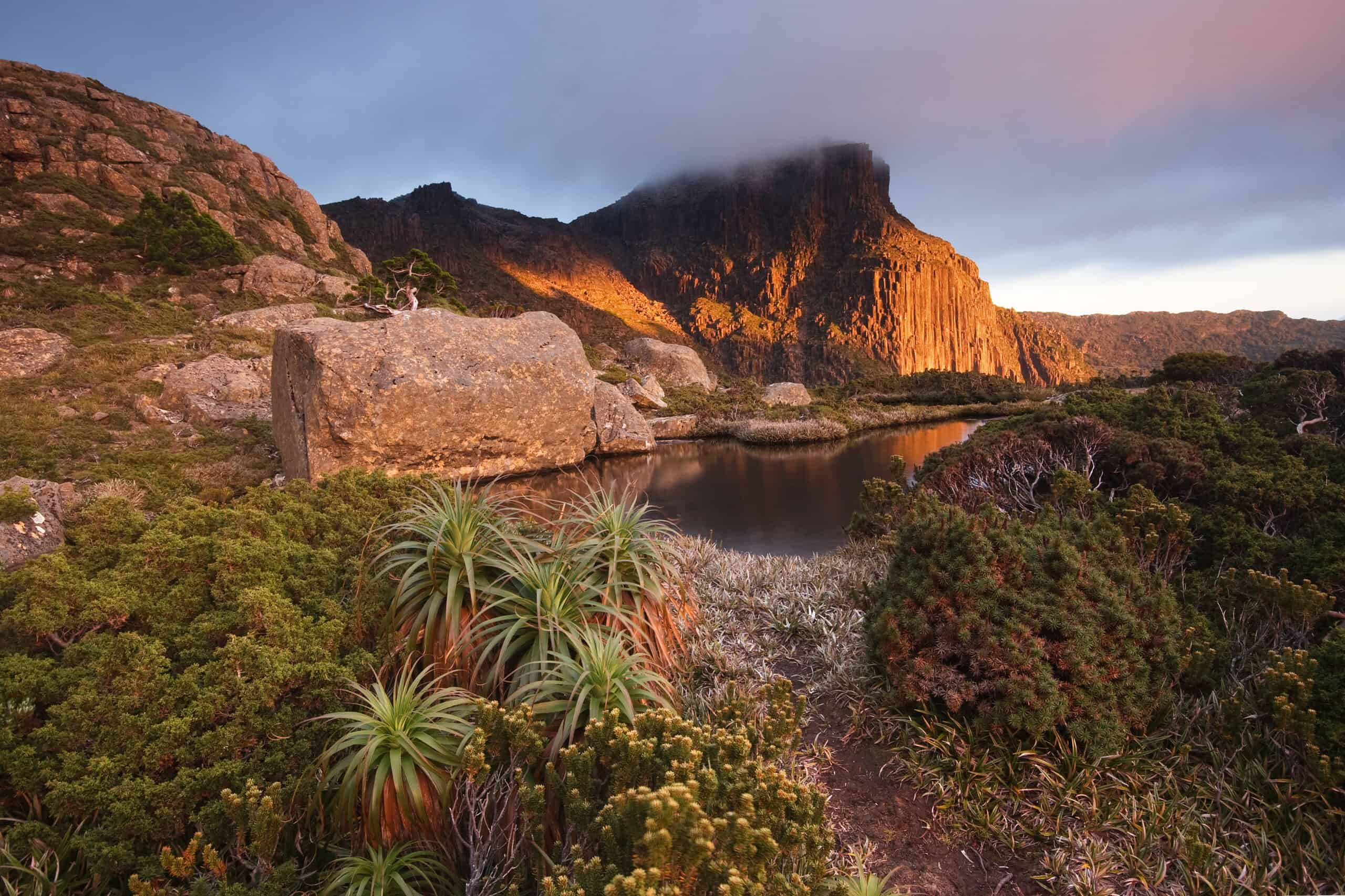
Remote Australia’s coastline rewards people who arrive prepared and leave lightly. The best ocean camps are rarely polished; they are wind-scoured headlands, coral lagoons, and long beaches where supplies run thin and the night sky feels close. Living off the ocean works only when it stays legal, seasonal, and respectful of Country, with licenses, bag limits, and no-take zones taken seriously. Weather, tides, and wildlife set the rules, especially in the north, where heat and crocodile country demand discipline. The places below balance beauty with reality: access routes, permits, and conditions that shape each stay.
Ningaloo Coast, Western Australia
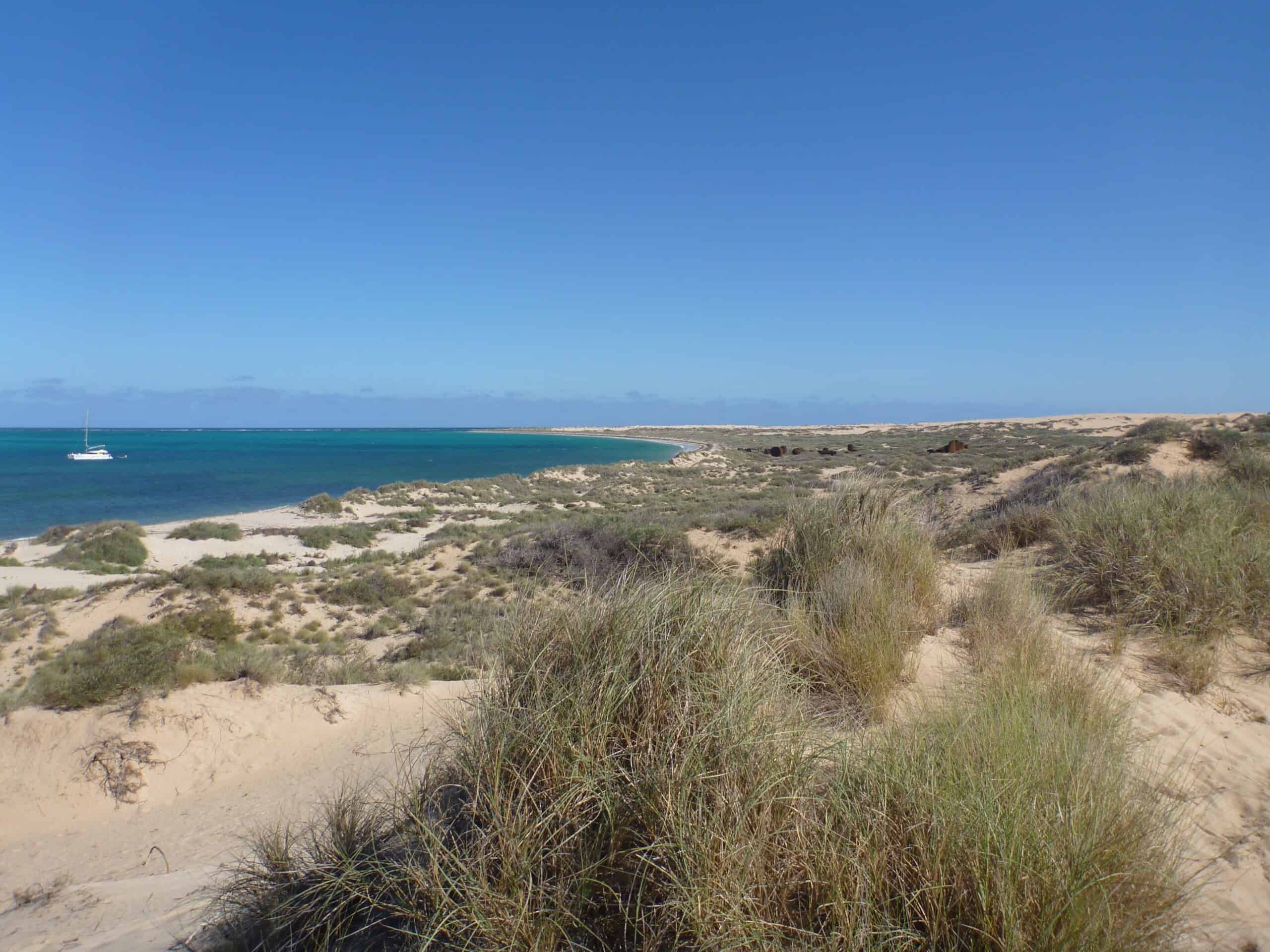
Cape Range’s beach camps sit close to a fringing reef, so mornings often start with clear shallows and a wind check, not a shop run. The real discipline is zoning and timing: Ningaloo Marine Park includes sanctuary areas where fishing is not permitted, and many bays limit fires, generators, and numbers to protect dunes and turtle beaches. It is the rare remote camp where coral and convenience overlap, but it rewards those who book properly, carry water, pack out every crumb, and treat the reef like a neighbor, not a pantry or souvenir rack, accepting that its best gift is clarity, not calories, in season too.
Steep Point, Edel Land, Western Australia
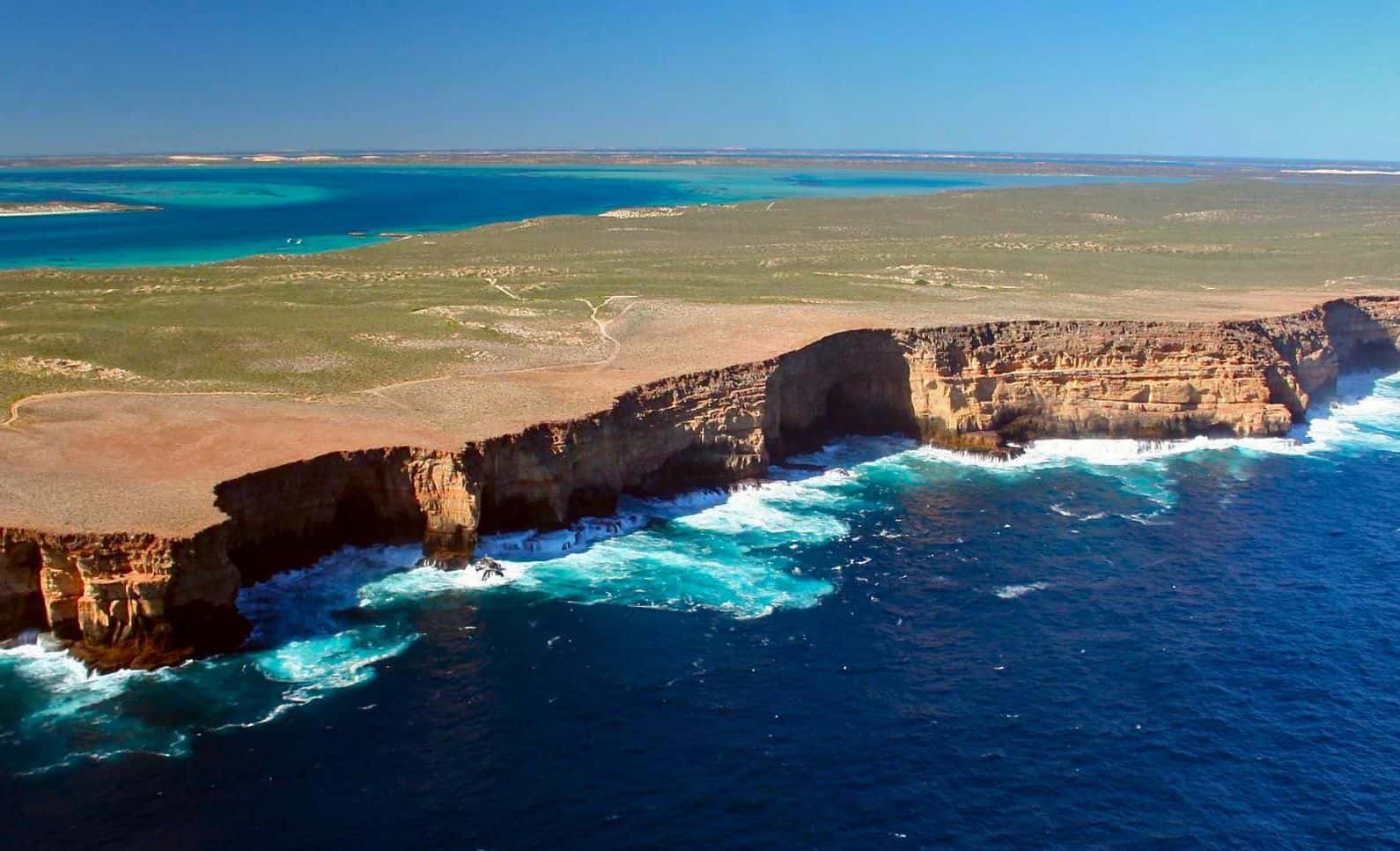
Steep Point feels like the edge of a chart, with dunes, cliffs, and a horizon that never seems to end. Access and camping are managed, and high-clearance 4WD is required for the soft tracks, which keeps the crowd thin and the nights quiet, but also makes self-recovery gear, tire care, and spare fuel feel essential, because help can be hours away on corrugated tracks. The ocean here is generous but rough, so living off it is less about bravado and more about reading swell, fishing only where legal, and keeping a conservative buffer from the cliff edge when wind and spray rise, especially after dark or in haze.
Dampier Peninsula, Western Australia
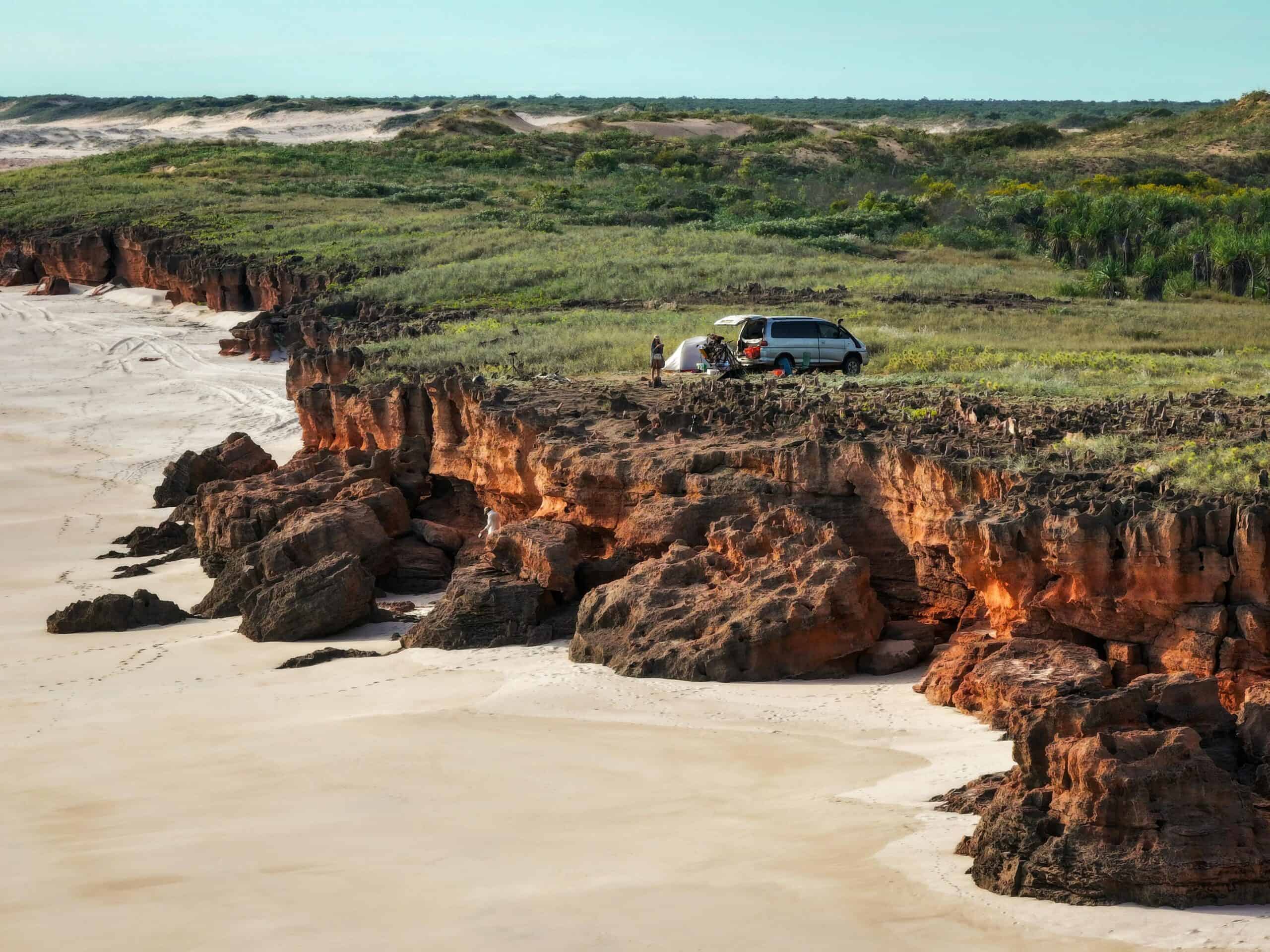
The Dampier Peninsula delivers red pindan cliffs and turquoise water plus a deeper reality: much of the coast sits on Aboriginal land, so access often depends on community rules, permits, and current operations. Kooljaman at Cape Leveque, a wilderness camp, ceased trading indefinitely in 2021, a reminder that remote infrastructure can change overnight and plans must stay flexible. The smarter rhythm here is to confirm what is open, follow local guidance, and keep ocean meals within regulations, so the trip supports fragile places and resists the urge to take more than is needed.
Cobourg Peninsula, Northern Territory
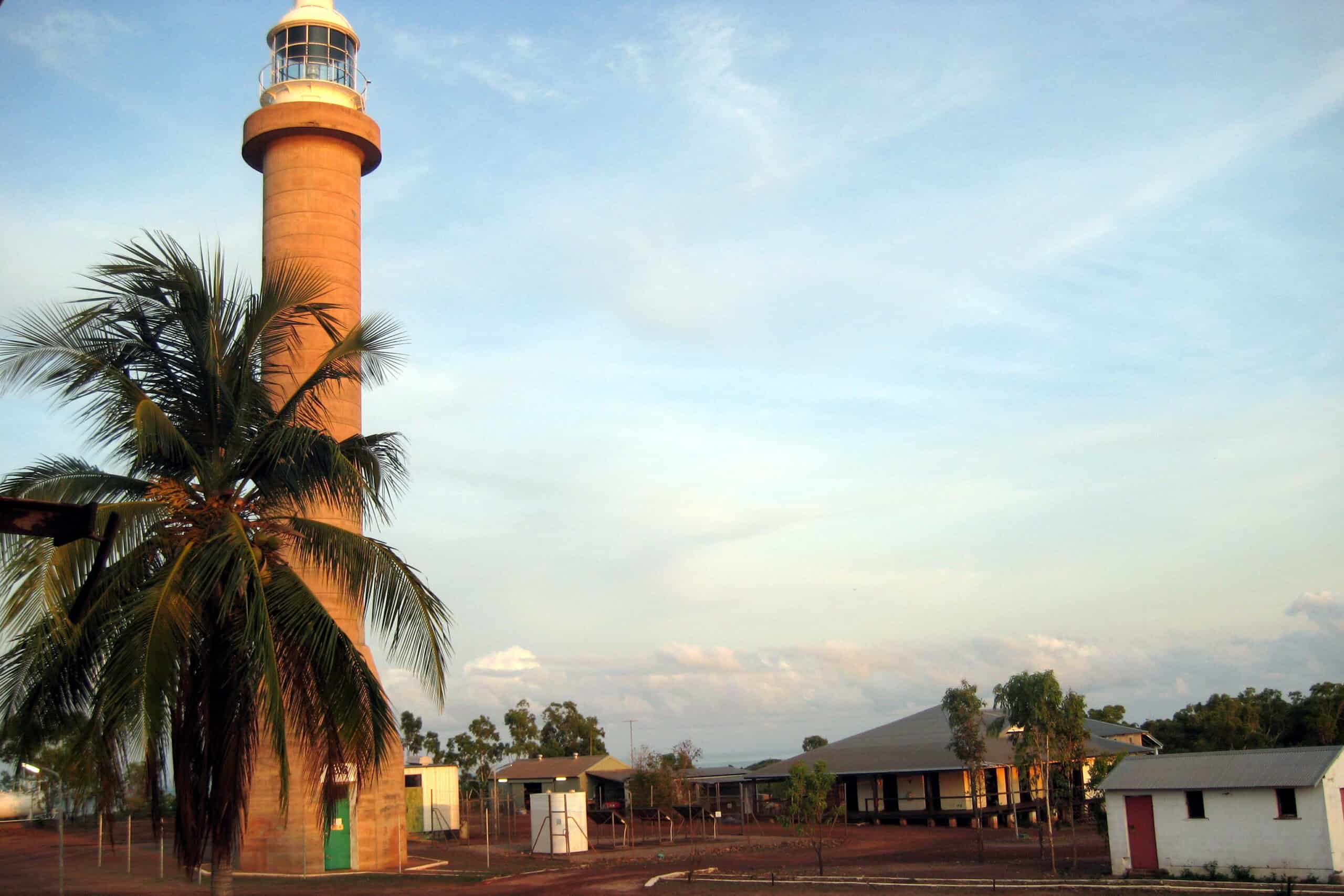
Cobourg Peninsula’s beaches and reefs feel untouched, but the gatekeeping is deliberate: permits are required for overnight stays in Garig Gunak Barlu National Park, and travel intersects with Arnhem Land permissions through Northern Land Council. The distance keeps the water clean and the nights intense, with tropical weather, tides, and crocodile country setting firm boundaries around camps and shorelines. Fishing and boating are part of the draw, yet success is administrative and practical: permits secured well ahead, communications planned, and a quiet respect for Country that keeps the experience welcome.
Chilli Beach, Kutini-Payamu Iron Range National Park, Queensland
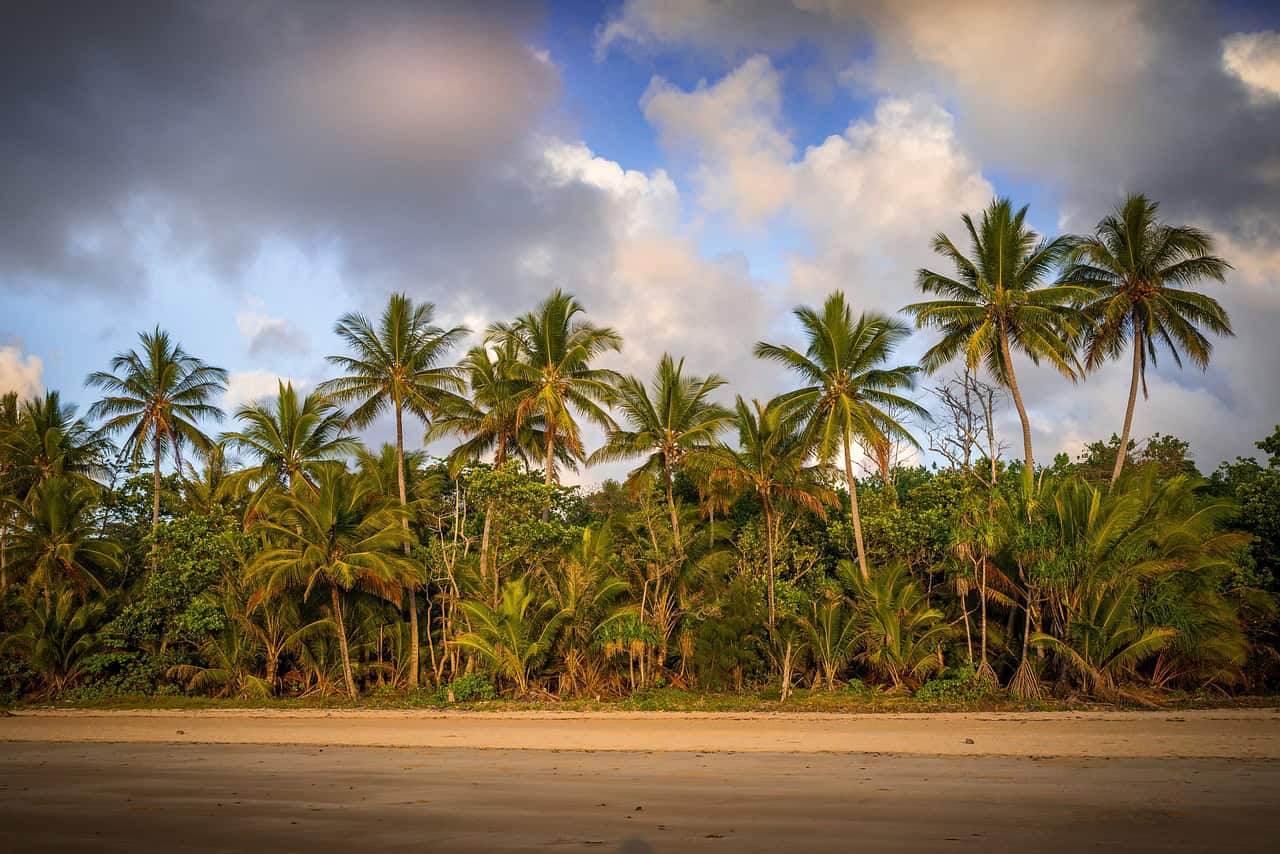
Chilli Beach pairs coconut palms with Cape York wind, a place where the campsite sits behind dunes and the ocean does most of the talking. All camping must be booked in advance, and mobile coverage is limited, which turns preparation into the main comfort item, from water to spares to a tide chart and a plan for sudden weather that can turn driving and fishing windows into nothing. The beach can fish well at the right tide, but the lasting memory is usually the scale: long sand, big sky, and a sense of being far from everything, as long as supplies and safety are treated as non-negotiable details, even in sun.
Cape Arid National Park, Western Australia
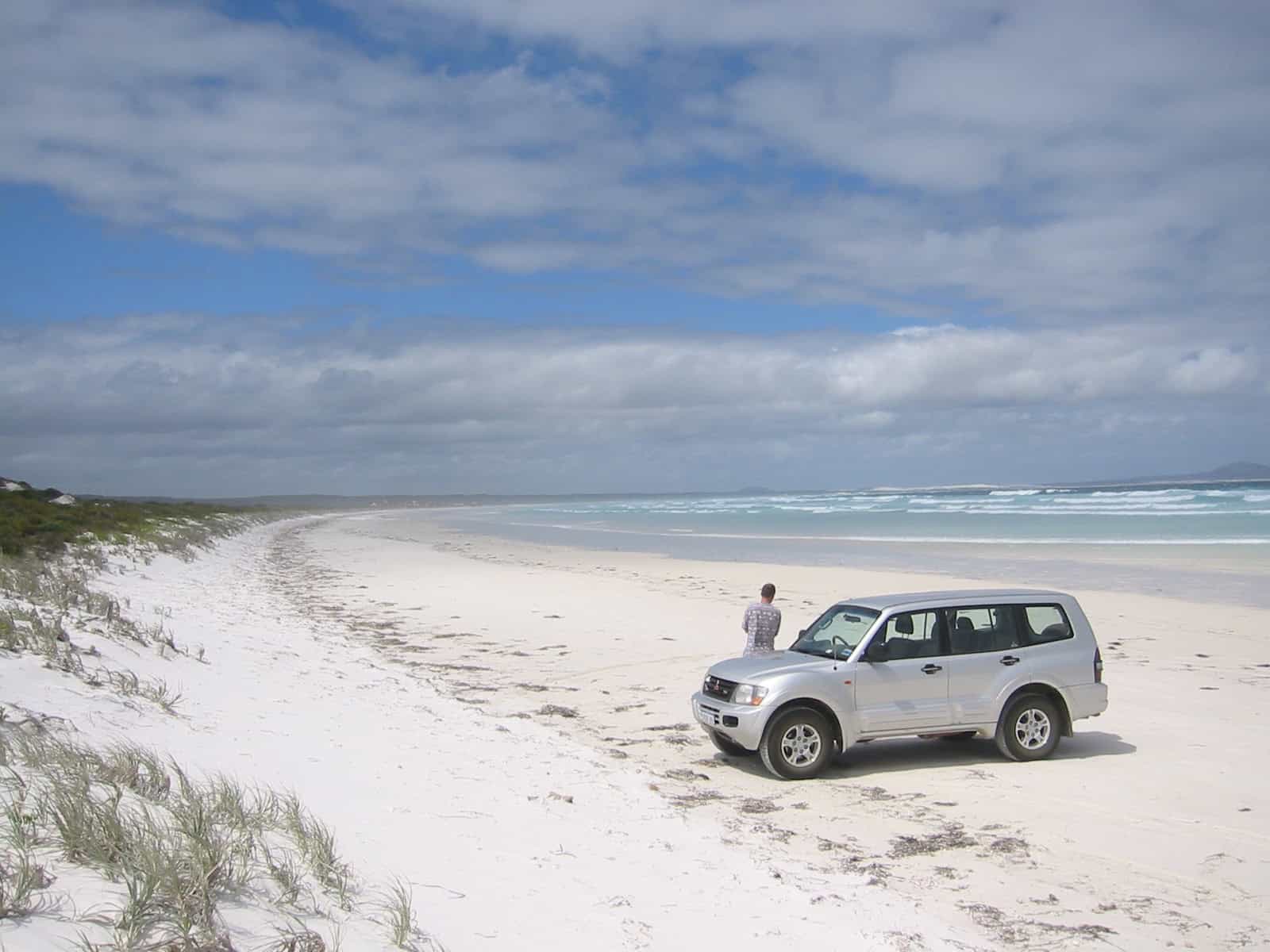
Cape Arid’s Thomas River area is remote without being unreal, with unsealed roads into campgrounds and long stretches of empty coastline beyond. DBCA guidance emphasizes that there is no water provided and cooking should rely on portable gas stoves, so self-sufficiency is built into the rules from the first kilometer. Ocean living here means simple beach fishing where allowed, cautious beach access, and a hard habit of carrying out every scrap, because the wind will otherwise spread it across a landscape that still feels unclaimed, and stray rubbish can travel for miles between dunes and banksia in heavy wind.
Southwest National Park and the South Coast Track, Tasmania
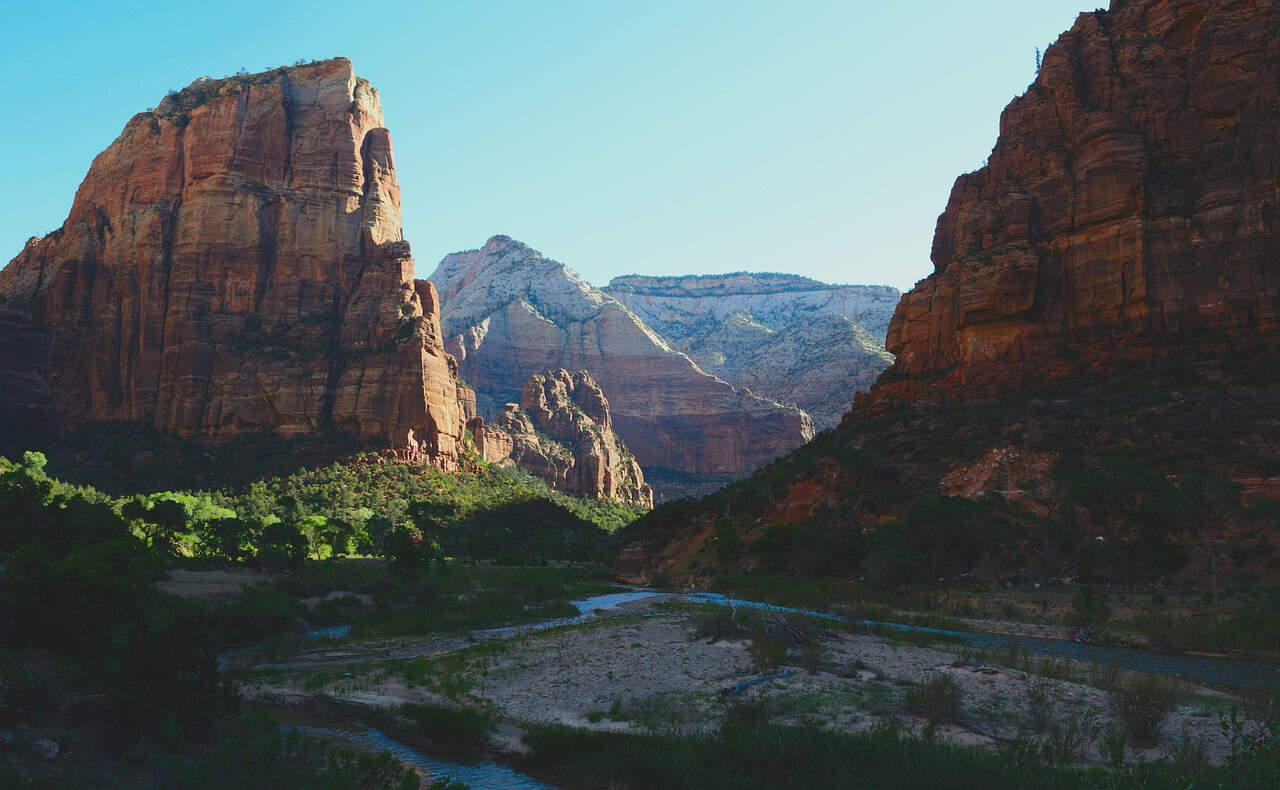
Tasmania’s South Coast Track runs along a wild southern shoreline for 85 km, where rain, mud, and surf make comfort feel earned rather than expected. The trip is less a beach holiday than a moving camp, shaped by rivers to wade, headlands to skirt, and weather that can turn a calm morning into whitecaps by noon. Ocean living comes in small, responsible moments, not harvesting: steady meals carried in, safe water plans, and a parks-pass, fuel-stove mindset that respects fire risk, so the coast stays raw for the next party, and the sea remains a backdrop for endurance rather than a resource under pressure often.
Nullarbor, South Australia
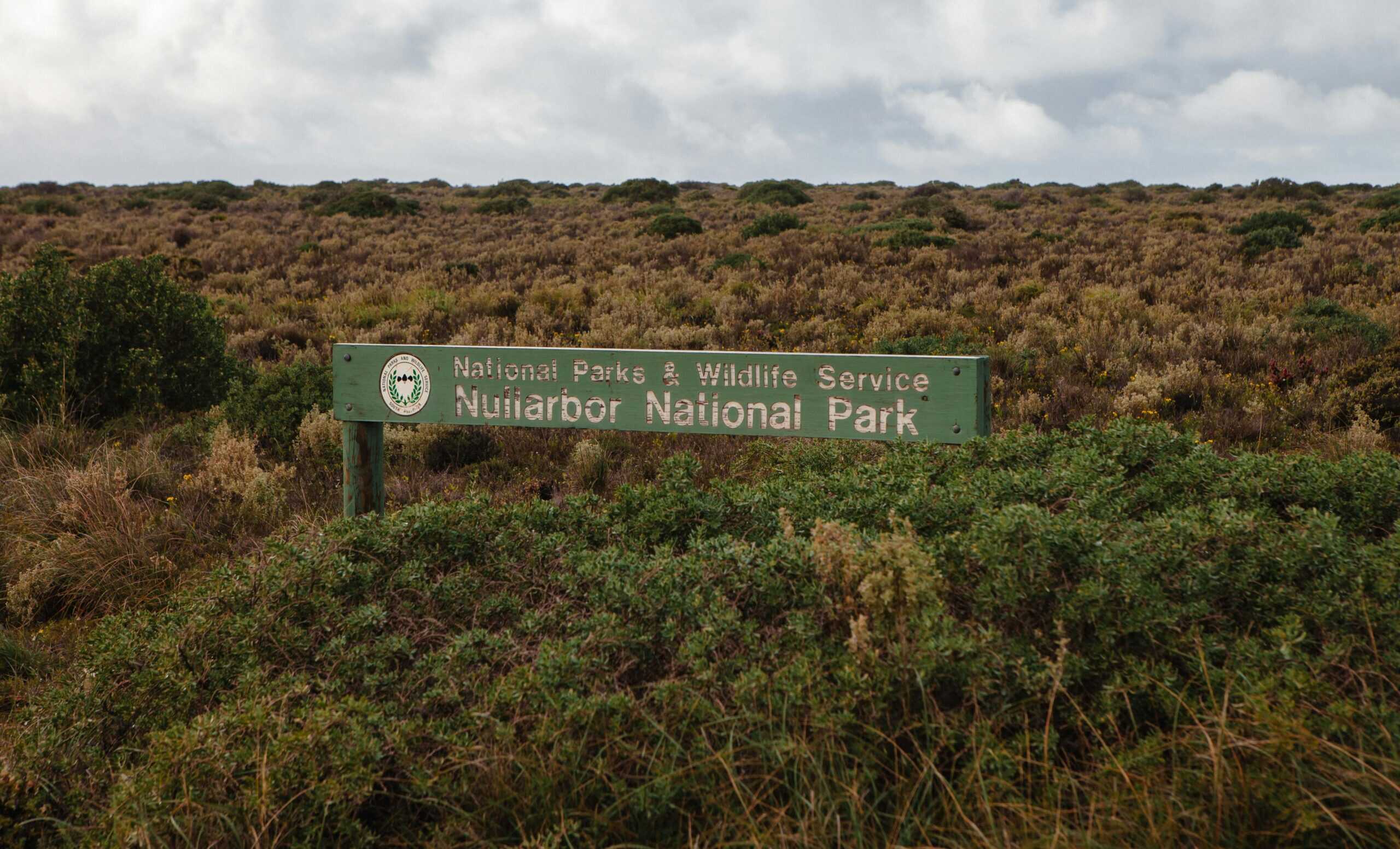
The Nullarbor’s Bunda Cliffs deliver some of the continent’s most dramatic ocean views, but the rules match the danger. Camping along the cliff line is not permitted in the Nullarbor Wilderness Protection Area because the edge is unstable and collapses into the sea, so overnight plans must stay in approved places. It is still an ocean experience, just a different one: daylight at the lookouts, careful driving in vast emptiness, and evenings at legal camps where the wind carries the Great Australian Bight without tempting sleep on the brink, where a single misstep, or a crumbling edge, can turn into emergency.
Cape Range Station and Coral Bay Alternatives, Western Australia
When national park bays book out station stays around the Ningaloo coast can offer a different remote comfort: fewer facilities, more space, and a clearer sense of living within limits. Many sites ban campfires and require waste to be carried out, so the day’s routine becomes shade, salt, and careful logistics rather than nightly flames and leftover ash. This option suits travelers who want reef access and simple shore time, while keeping fishing and foraging within local rules and leaving the coast quieter than it was found, with simple habits like sealed bins, dune care, and low light that protect wildlife.