Berea College Hasn’t Charged Tuition Since 1892. Here’s How That Shaped the Kentucky Town Visitors See Today
We may earn money or products from the companies mentioned in this post. This means if you click on the link and purchase the item, I will receive a small commission at no extra cost to you ... you're just helping re-supply our family's travel fund.
Berea College has not charged a student tuition since 1892. That single decision, made by its trustees in a one-line board vote, explains much of what you see when you visit Berea Kentucky today. The college admits academically promising students with limited money, covers tuition for every one of them, and requires each student to work on campus.
Here is how that shaped the town: student labor runs places visitors use, including the college-owned Boone Tavern hotel and restaurant. Student craft programs helped turn Berea into a center for handmade work, and the state now recognizes it as Kentucky’s folk arts and crafts capital. The college’s forest gives the town its signature hike. You are seeing a college town built around work, not just classes.
How a Tuition-Free College Shaped Berea
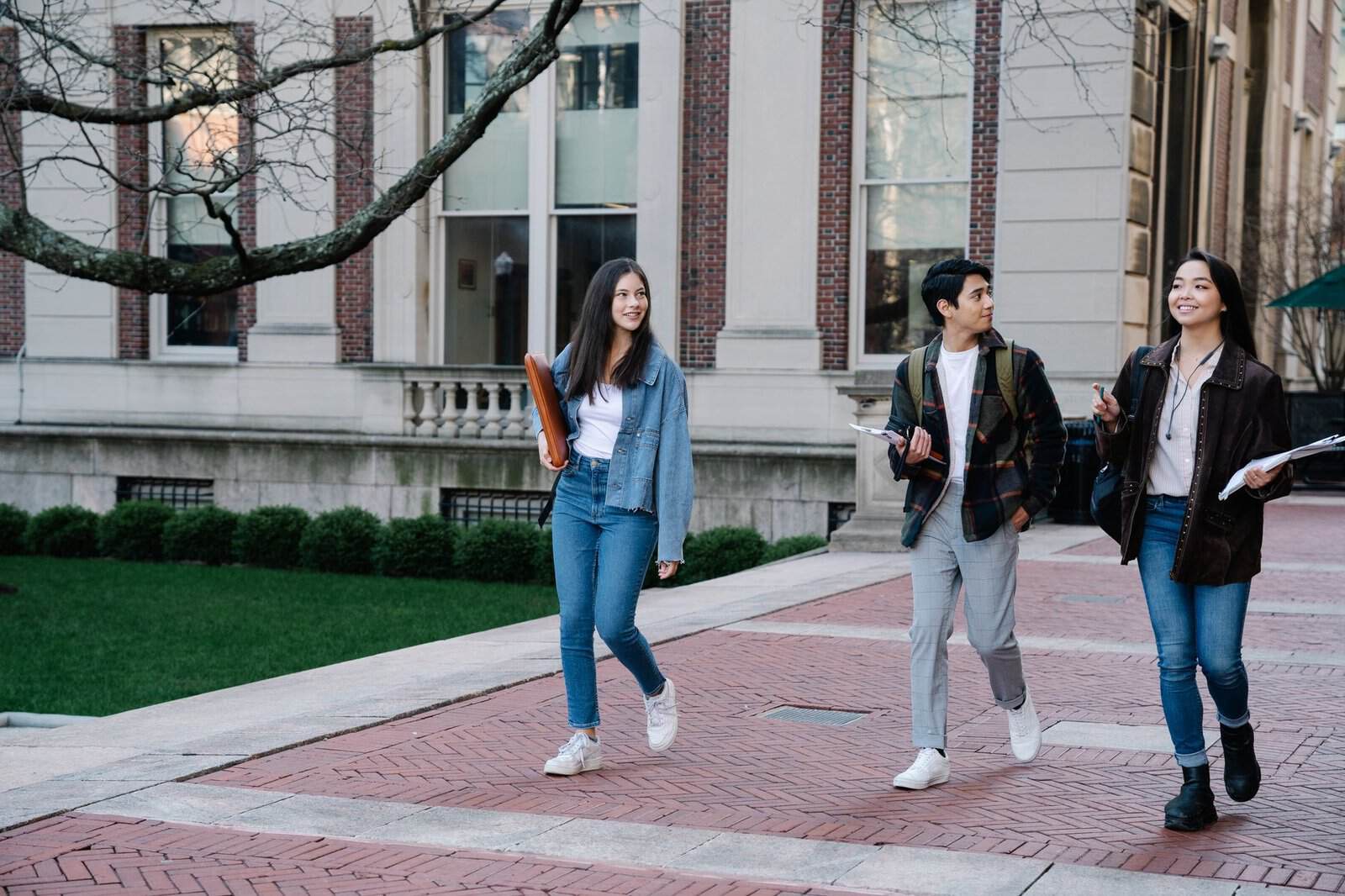
Berea College was founded in 1855 by abolitionists and became the first interracial, coeducational college in the South. In 1892, the trustees abolished tuition. The college says no student has paid tuition since, making it the oldest continuously tuition-free college in the country.
The money comes mainly from an endowment built over more than a century, plus grants and donations. The college has said that charging even a small amount of tuition would change its identity. In 2026 it went further, announcing that starting in fall 2027 it will cover tuition, housing, food, and fees for all students without loans.
What matters for a visitor is the labor program. Berea is a federally recognized work college. Students work at least 10 hours a week in campus jobs. Those jobs are not only in offices. They are in kitchens, hotel lobbies, craft studios, and forests, which is why you meet students almost everywhere you go.
Boone Tavern: A Historic Hotel Staffed by Students
Boone Tavern sits across from the campus on the town square. The college built it in 1909 to house guests, and it still owns and runs it. Students work alongside professional staff at the front desk, in the dining room, and behind the scenes.
Staying here or eating in the restaurant is the most direct way to see the college model at work. The building is a classic Southern hotel with columns and a wide porch. The dining room has long served traditional Kentucky dishes, and spoonbread has been associated with the place for generations.
If you want a holiday trip, Boone Tavern and the downtown area decorate for the season, and the walk between the hotel, campus, and shops is short.
Student Crafts and the Folk Arts Capital Title
Berea College’s student craft program dates to the 1890s. Early on, it helped students earn their way while preserving Appalachian skills like weaving, woodworking, and broom making. Over time, the program grew into a recognizable brand. Students still make brooms, woven goods, ceramics, and wood pieces sold through the college.
That tradition drew independent artists to town. Berea now has studios, galleries, and shops clustered in two main areas:
- College Square, near the campus and Boone Tavern, with shops and the college’s own craft outlets.
- Old Town Artisan Village, near the old train depot, where working artists sell from their studios.
The state’s recognition of Berea as the folk arts and crafts capital of Kentucky reflects that density. You can watch artists work, buy pieces directly from makers, and visit during seasonal studio events.
The Kentucky Artisan Center at Berea
Just off Interstate 75, the Kentucky Artisan Center at Berea showcases work from artists across the state. It is a state-run center with exhibits, a shop, and a cafe. Many travelers stop here without ever going into town, which is a mistake.
Use it as a starting point. Pick up maps, see a broad range of Kentucky crafts, and then drive a few minutes into Berea to meet the makers. The center is also an easy rest stop if you are driving the I-75 corridor between Lexington and Knoxville during holiday travel.
The Pinnacles and the Berea College Forest
Berea College owns and manages a large forest east of town. Its best-known trail system is at the Indian Fort Mountain area, where hikers climb to rocky overlooks called the Pinnacles. East Pinnacle and West Pinnacle give wide views over the Cumberland Plateau foothills and the farmland toward Berea.
Late fall is a good time for this hike. The leaves are down, so the views open up, and the climb feels easier in cool air. The main climbs are short but steep. Wear shoes with grip, since rock outcrops get slick when wet.
The forest is part of the college’s teaching and conservation work, and students help with forestry and trail work. It is one more place where the labor program touches a visitor’s day.
What Berea Is Like in November and December
Late fall in Berea is quiet in the best way. Students are on campus until the semester ends, which keeps the town lively. Downtown shops lean into holiday shopping, and many artists keep extended hours before Christmas.
A few tips for timing:
- Visit before Thanksgiving or in the first two weeks of December if you want students on campus and shops fully open.
- Check Boone Tavern availability early for holiday weekends.
- Look for seasonal craft events, which often run in late fall.
- Expect quieter campus activity during winter break in late December.
Berea is about 40 miles south of Lexington on I-75, which makes it an easy day trip or overnight from central Kentucky.
Why This Town Feels Different
Many college towns revolve around sports, nightlife, or a sprawling campus. Berea revolves around work and craft. The students you meet at the front desk or in a studio are earning their education. That gives the town a pace and a seriousness that visitors notice even if they do not know the history.
It also explains why the town feels approachable. Prices at the craft shops range widely, from small handmade items to serious art. The hotel is historic but not stiff. The trails are free. Berea is a place built on the idea that education should not depend on money, and that idea shows up in the details of an ordinary visit.
Berea’s Labor Program by the Numbers
The scale of the model is easier to grasp with a few figures. The college enrolls roughly 1,400 to 1,500 students, and nearly all of them live on campus. Students work 10 to 15 hours a week in assigned jobs. The college says the large majority of its students qualify for federal Pell Grants, which go to students with financial need.
The endowment that pays for all of this is valued at well over a billion dollars, built over more than a century of gifts. Those resources are why a small town in Madison County can support a hotel, a craft operation, and a forest staffed partly by students.
For visitors, the takeaway is simple. When a student checks you in at Boone Tavern or rings up a broom in the craft shop, that job is part of how they pay for school.
The College’s Early History in Plain Terms
Berea College was founded in 1855 by John G. Fee, an abolitionist minister, on land supported by Cassius M. Clay, a Kentucky politician who opposed slavery. The school taught Black and white students together, which made it a target in a slave state.
In 1904, Kentucky passed the Day Law, which banned integrated education and was aimed squarely at Berea. The college fought the law all the way to the U.S. Supreme Court and lost. It then helped found the Lincoln Institute, a separate school for Black students in Shelby County. Berea reopened to Black students in 1950, after the law was amended.
You can learn more on campus, where historical markers and college exhibits explain this history. It adds weight to the town’s story. Berea’s commitment to access did not start with free tuition. It started with who was allowed in the classroom.
Where to Eat and Shop Beyond the Square
Berea’s food scene is small but steady. Beyond Boone Tavern, you will find cafes and casual restaurants near College Square and along Chestnut Street, plus a few spots in Old Town. Southern breakfast, sandwiches, and coffee are easy to find. Dinner options thin out on Sunday evenings, so plan ahead if you arrive late in the weekend.
For shopping, think in three tiers:
- Small, affordable pieces like hand-thrown mugs, woven dishcloths, and student-made brooms, often in the tens of dollars.
- Mid-range work like quilts, pottery sets, and woodwork, which can run into the hundreds.
- Serious art and custom furniture from established makers, priced accordingly.
Many artists ship purchases, which helps if you are flying. Ask before you buy a large piece. Holiday shoppers often find Berea a better alternative to malls, since nearly everything in town is made by someone you can meet.
Planning a Visit to Berea Kentucky
A simple itinerary covers the essentials:
- Morning hike to the Pinnacles while the air is cool.
- Lunch at Boone Tavern.
- Afternoon walk through College Square and Old Town Artisan Village.
- A stop at the Kentucky Artisan Center on the way out of town.
Stay overnight if you can. Evening on the square, with the campus lit up and the shops closing for the day, is when Berea feels most like itself. It is a small town with a big idea, and you can see that idea at work in almost every building you walk into.