Bemidji’s 26-Foot Paul Bunyan Is Only the Start — Here’s Why This Minnesota Town Deserves More Than a Quick Stop
We may earn money or products from the companies mentioned in this post. This means if you click on the link and purchase the item, I will receive a small commission at no extra cost to you ... you're just helping re-supply our family's travel fund.
Bemidji, Minnesota is easier to misread when it is reduced to its most marketable image. The useful number is a 26-foot Paul Bunyan statue, roughly 15,000 residents, and headwaters about 30 miles away at Itasca State Park. That figure does not settle the story, but it puts a boundary around it. Lake Bemidji, Bemidji State University, tribal communities, health care, forestry history, and regional shopping give the town a broader role than its roadside folklore suggests. For a traveler, that means the place has a daily logic before anyone arrives with a camera, a reservation, or an opinion about what it ought to be.
The number behind the picture
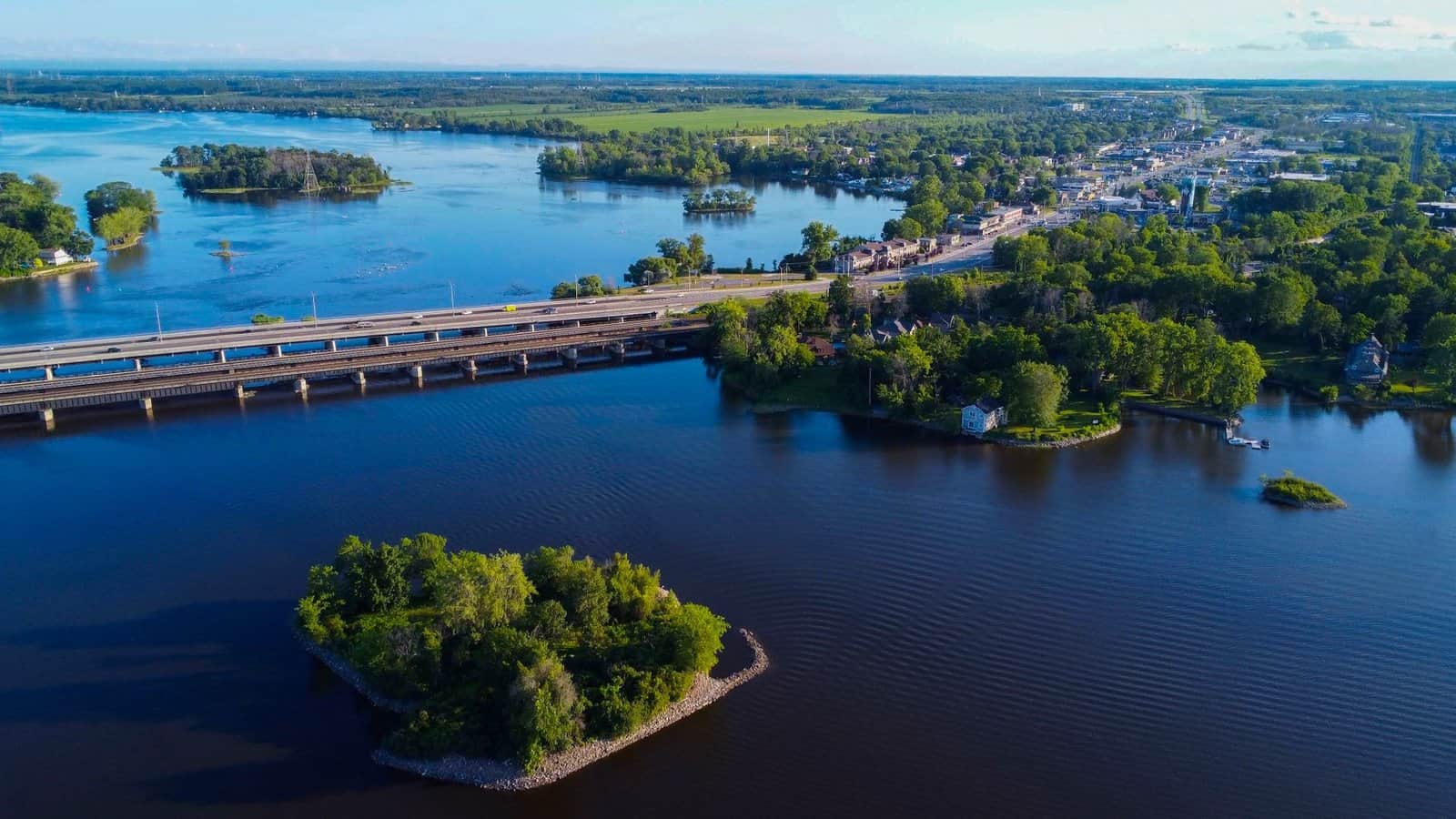
The headline version is tempting because it is efficient: point to one attraction, one neighborhood, one dramatic change, and call the place explained. But the durable version is more complicated. Visitors often pair the statue with a drive to the Mississippi headwaters, yet the working week also includes campus schedules, winter road conditions, fishing seasons, and serving a large rural catchment. A better visit begins with that pressure rather than treating it as background noise. It affects where people live, how they get to work, what stays open, and which stories get repeated.
Numbers are useful only when they meet a street. In Bemidji, Minnesota, the visible landscape carries evidence of the larger system—housing signs, parking lots, bus stops, loading docks, school traffic, menus, and the hours when people are actually outside. The value of Bemidji is its scale: wilderness is close enough for an afternoon, while the town still has a hospital, schools, restaurants, and the ordinary frictions of northern Minnesota life. This is why a short stay can be revealing without pretending to be comprehensive: small observations become meaningful when they are connected to the conditions that produce them.
For visitors, the question is not whether growth, change, or distance is good in the abstract. It is who bears the cost and who receives the benefit. A new amenity may be genuinely enjoyable while also changing a block’s rent or a worker’s commute. A lower price may represent welcome breathing room while also reflecting fewer services or fewer choices. Bemidji, Minnesota rewards travelers who can hold those two truths together.
What a regular day makes visible
Start with the unglamorous infrastructure. Notice the grocery store, the public library, the transit stop, the ordinary coffee counter, and the route that workers use after dark. These are not detours from the destination. They are the mechanisms that tell a visitor whether a town or neighborhood functions for people who are not there for a weekend. The answer will usually be more interesting than the brochure.
That approach also changes how money is spent. Rather than chasing every branded experience, leave time for a lunch at a long-running local place, a public waterfront or park, and a main street at an ordinary hour. Ask staff about the rhythm of the year, not just where to take a photo. The point is not to demand personal testimony from strangers; it is to see the place as a set of relationships, schedules, and tradeoffs.
- Check the place at a weekday hour, not only at its busiest or prettiest moment.
- Build a spending plan that includes ordinary meals and local transportation.
- Read a public-history marker, local paper, or museum label before forming a conclusion.
- Leave room in the itinerary for an unscheduled walk through a lived-in commercial district.
The strongest reaction to Bemidji, Minnesota is not a verdict of love or disappointment. It is recognition. A traveler can enjoy what is beautiful and still notice who is missing from the picture. They can appreciate a changed district and still ask what existed before. That is a more demanding form of travel, but it produces a memory with enough detail to remain useful after the return home.
Context matters because no destination exists alone. Bemidji, Minnesota is connected to a region by roads, jobs, family ties, public institutions, and patterns of migration that a two-night itinerary may never show. Looking at that regional relationship prevents a common travel error: assuming that the center of visitor activity is the entire local economy. It rarely is. The people who keep a place running often live, shop, and make decisions well beyond the postcard boundary.
The travel choice that follows
Slow the pace at least once. Take a route that is not designed as an attraction, sit long enough to notice who comes and goes, and compare the morning version of a district with its evening version. This is not about performing authenticity or searching for an imagined past. It is about giving the destination the ordinary time it needs to reveal itself. The most telling detail may be a bus transfer, a school crossing, or a cashier greeting a regular customer by name.
Recognition has limits. Visitors do not become residents because they have read a few facts or spent an afternoon asking questions. The goal is simpler: make fewer careless assumptions, give local complexity the dignity it deserves, and understand that a memorable trip can include uncertainty. A place does not owe a traveler an uncomplicated story. In fact, the friction between what looks easy and what is actually lived is often the most valuable part of paying attention.
There is no requirement to turn a trip into a policy seminar. The practical payoff is simple: a visitor makes better choices when they understand the forces around them. They choose lodging with clearer eyes, budget more realistically, treat workers with more patience, and avoid mistaking a polished surface for the whole place. A 26-foot Paul Bunyan statue, roughly 15,000 residents, and headwaters about 30 miles away at Itasca State Park is a starting fact, not a final answer.
Bemidji, Minnesota deserves a reaction because it resists the easy one. Its appeal and its tensions are operating at the same time. Spend enough time to see the regular cadence, keep the numbers in view, and let the destination be more complicated than its sales pitch. That is how a place becomes memorable without being turned into somebody else’s myth.