We may earn money or products from the companies mentioned in this post. This means if you click on the link and purchase the item, I will receive a small commission at no extra cost to you ... you're just helping re-supply our family's travel fund.
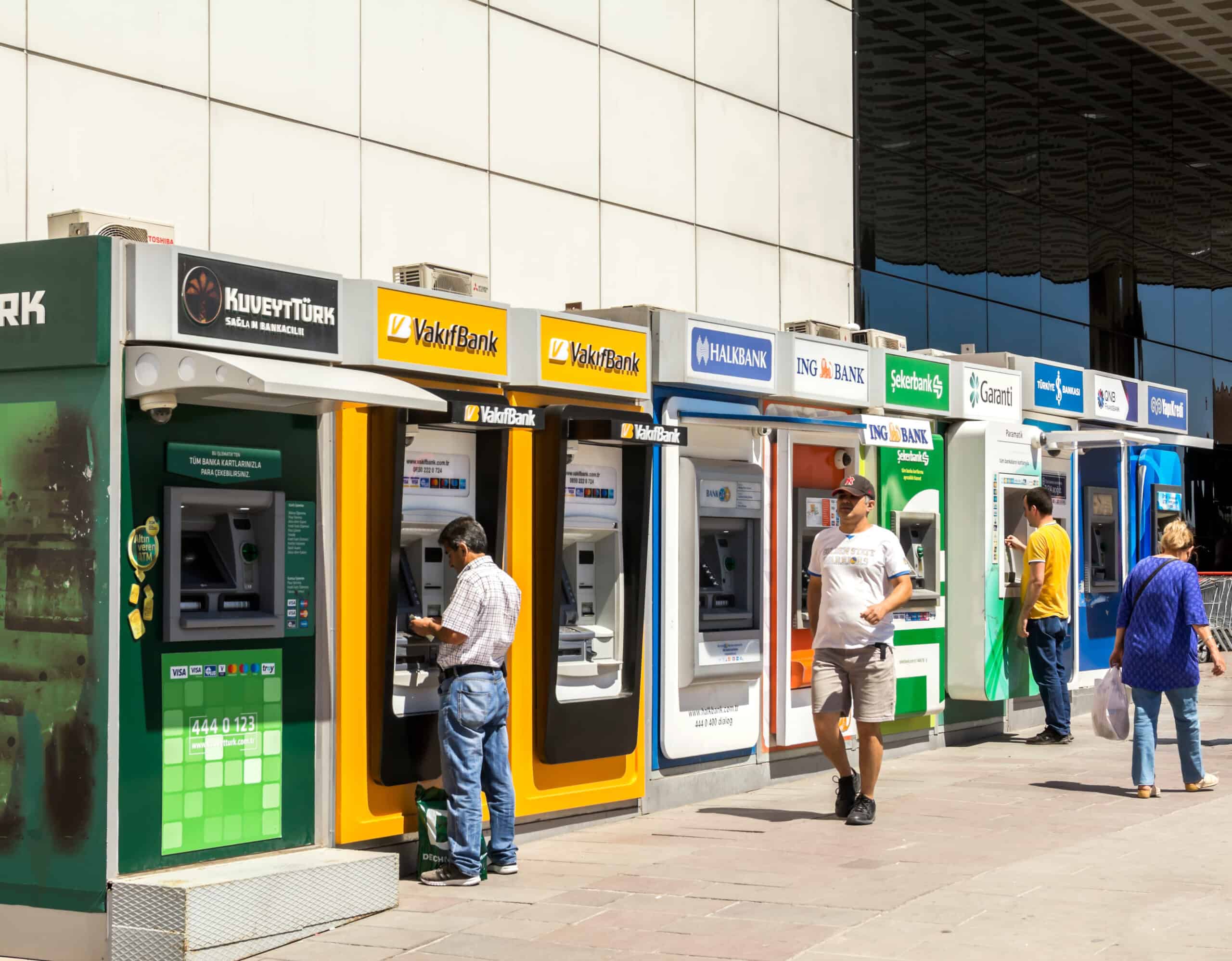
International trips rarely get blown up by one dramatic financial mistake. More often, the money slips away in small, rushed moments: a poorly chosen ATM, a screen prompt accepted too quickly, a balance check that seemed harmless, or a withdrawal made in the wrong currency. Consumer guidance from the CFPB, Visa, and major banks shows how easily those choices can trigger foreign transaction fees, operator surcharges, weak exchange rates, or outright fraud exposure. What feels convenient in an airport corridor can quietly become one of the most expensive minutes of the trip.
Choosing Dollars Instead Of Local Currency
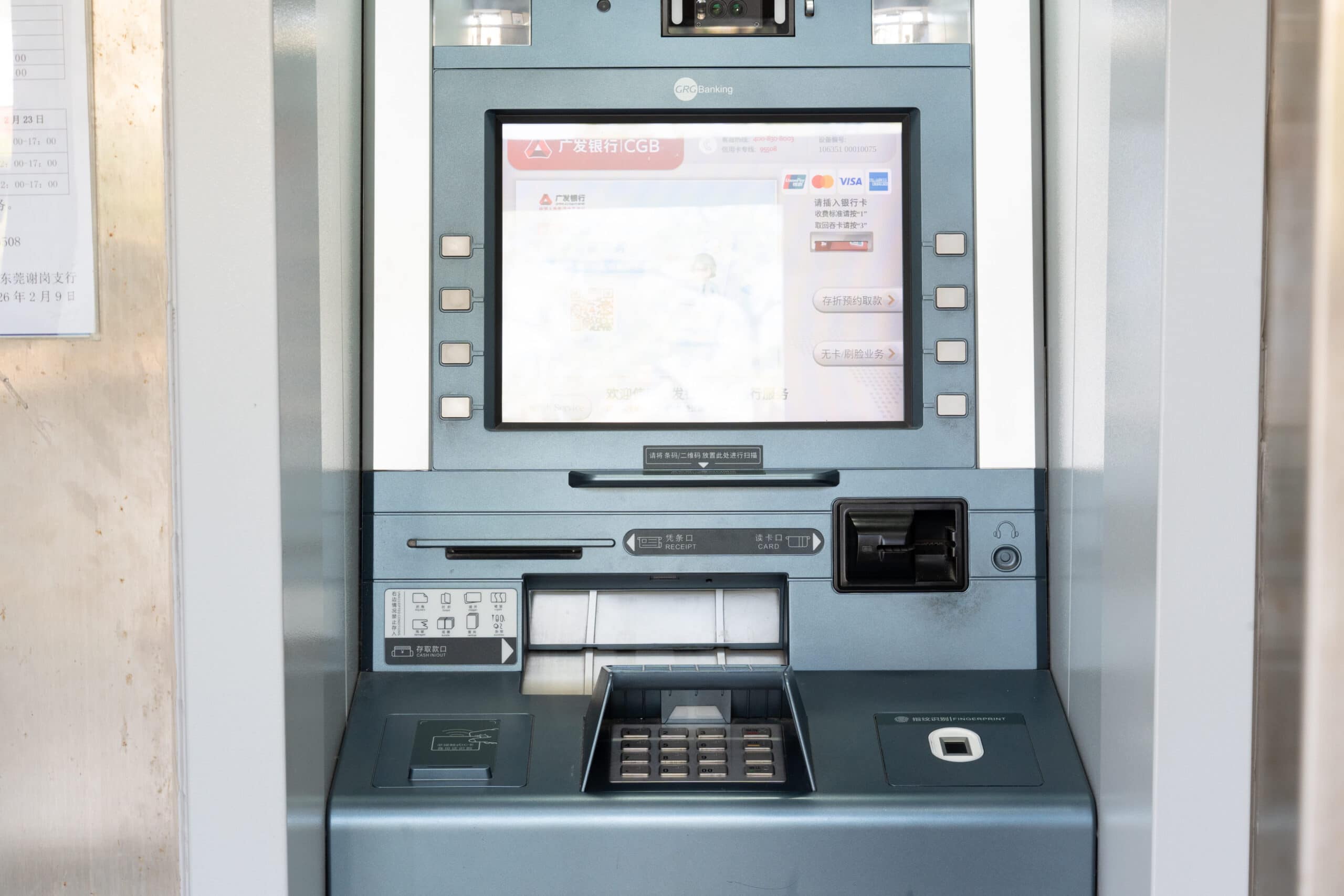
One of the costliest habits abroad happens when a traveler sees a familiar option on the ATM screen and taps U.S. dollars instead of the local currency. Visa says dynamic currency conversion often includes an exchange rate plus added fees or markup, and its travel guidance recommends declining the conversion and choosing local currency to avoid that markup. The screen can make the dollar option feel safer because the total looks easy to understand, but that convenience often hides the more expensive rate, which is exactly why experienced bank staff keep warning people not to let the machine do the math on its own terms.
Making Too Many Small Withdrawals
Another expensive pattern is breaking cash needs into a string of small withdrawals instead of planning for one or two larger ones. Chase discloses a $5 fee per withdrawal at non-Chase ATMs outside the U.S., with ATM owner surcharges still applying and a foreign exchange rate adjustment potentially added as well. Bank of America separately notes a 3% international transaction fee on foreign-currency ATM withdrawals and urges customers to find partner ATMs to avoid its non-Bank of America $5 usage fee. When those charges repeat across several days, the account starts leaking money in a way that barely registers until the statement arrives home.
Using The First Airport Or Tourist-Zone ATM In Sight
The first ATM after landing often feels like the easiest one to trust, which is part of why it can become such a costly choice. Bank of America explicitly advises travelers to use international partner ATMs to avoid extra usage fees, while the FBI warns that ATMs in tourist areas are popular targets of skimmers and recommends using inside locations when possible. That means the airport machine or the brightly lit tourist-strip kiosk may carry a double penalty: higher fees on the front end and a higher fraud risk behind the scenes. Convenience, in those moments, can be the most expensive feature on the screen.
Checking Balances At Foreign ATMs Instead Of In An App
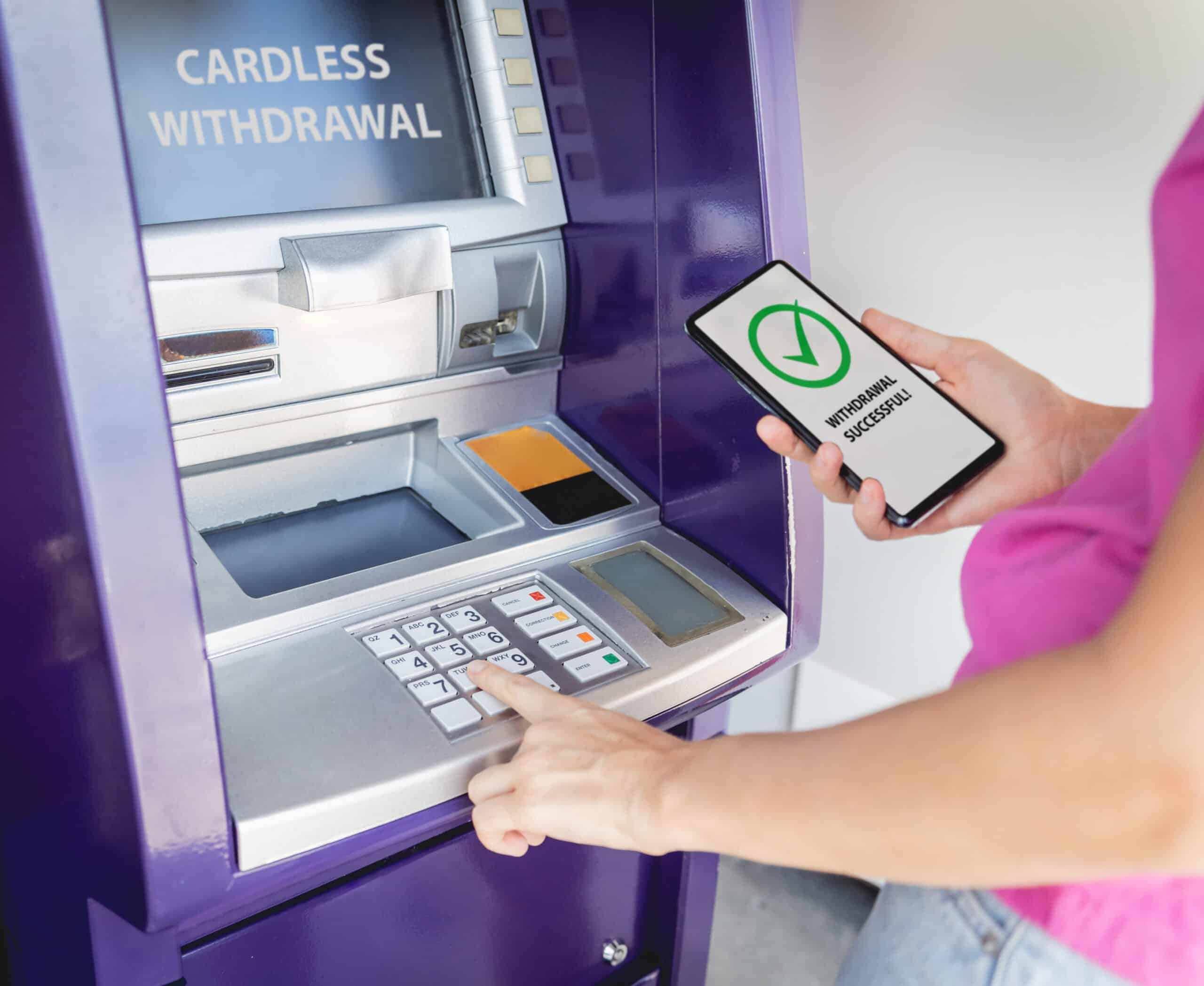
Some travelers treat overseas ATMs like mini account dashboards, but even a quick balance check can cost money. The CFPB notes that balance inquiry fees are a common card fee, and Wells Fargo says it may charge a fee for each inquiry or transaction made at a non-Wells Fargo ATM, while the ATM operator or network may add another fee too. That makes a harmless-seeming habit more expensive than it looks. A person trying to stay careful with spending can end up paying simply for reassurance, especially when a bank app or text alert could have delivered the same information without another machine in the middle.
Ignoring Signs Of Tampering And Typing A PIN In The Open
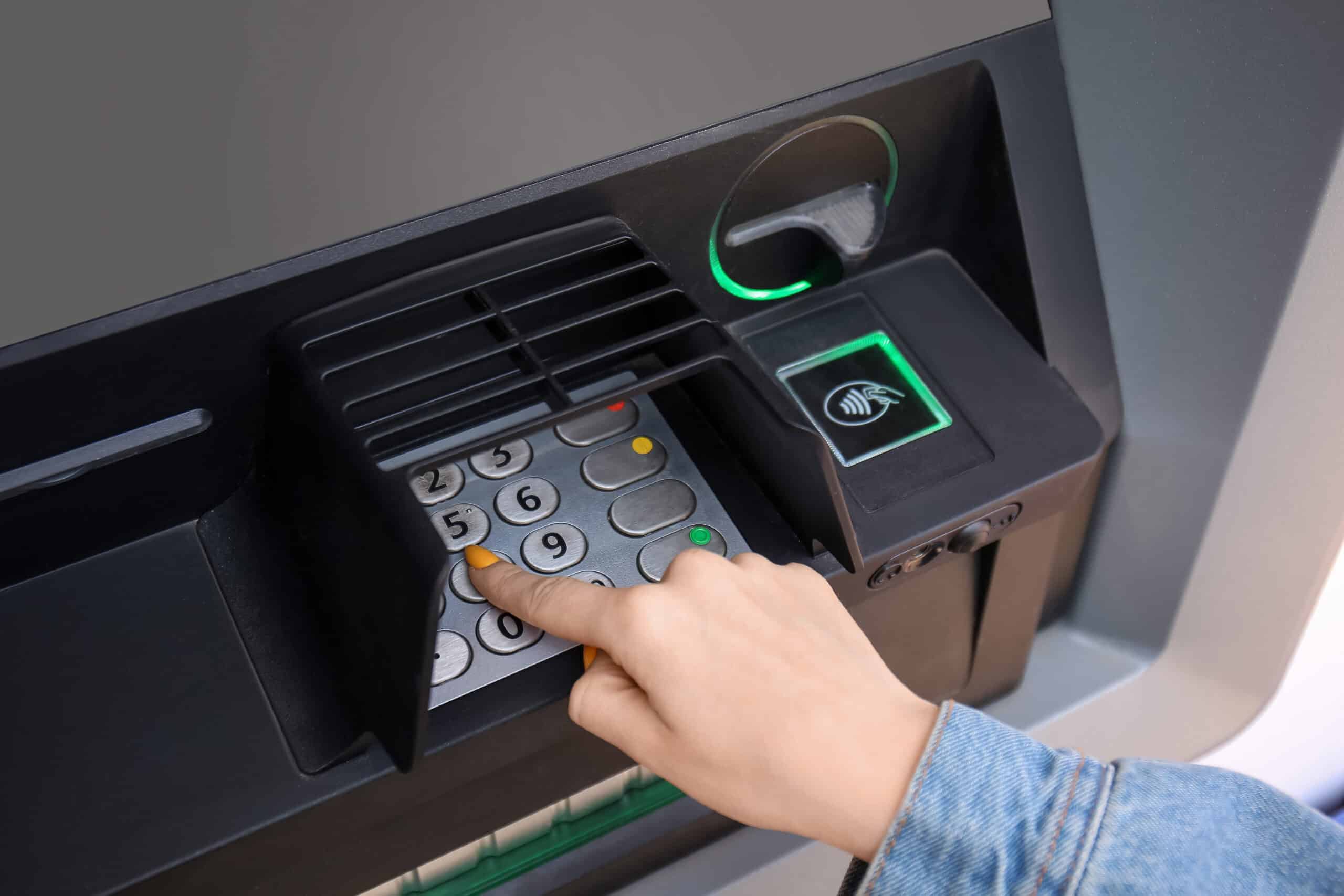
The most damaging ATM habit is not a fee mistake at all. It is acting too casually at a compromised machine. The FDIC says fake faceplates, card-reader overlays, and PIN-capture devices can sit on working ATMs, and advises people to watch for loose wires, uneven seams, or keypads that look wrong. The FBI adds that travelers should shield the keypad with a hand and be especially careful in tourist areas. One skimmed card can drain far more than a bad exchange rate ever could, which is why fraud teams care so much about behavior at the machine itself, not just the line items that show up later.