We may earn money or products from the companies mentioned in this post. This means if you click on the link and purchase the item, I will receive a small commission at no extra cost to you ... you're just helping re-supply our family's travel fund.
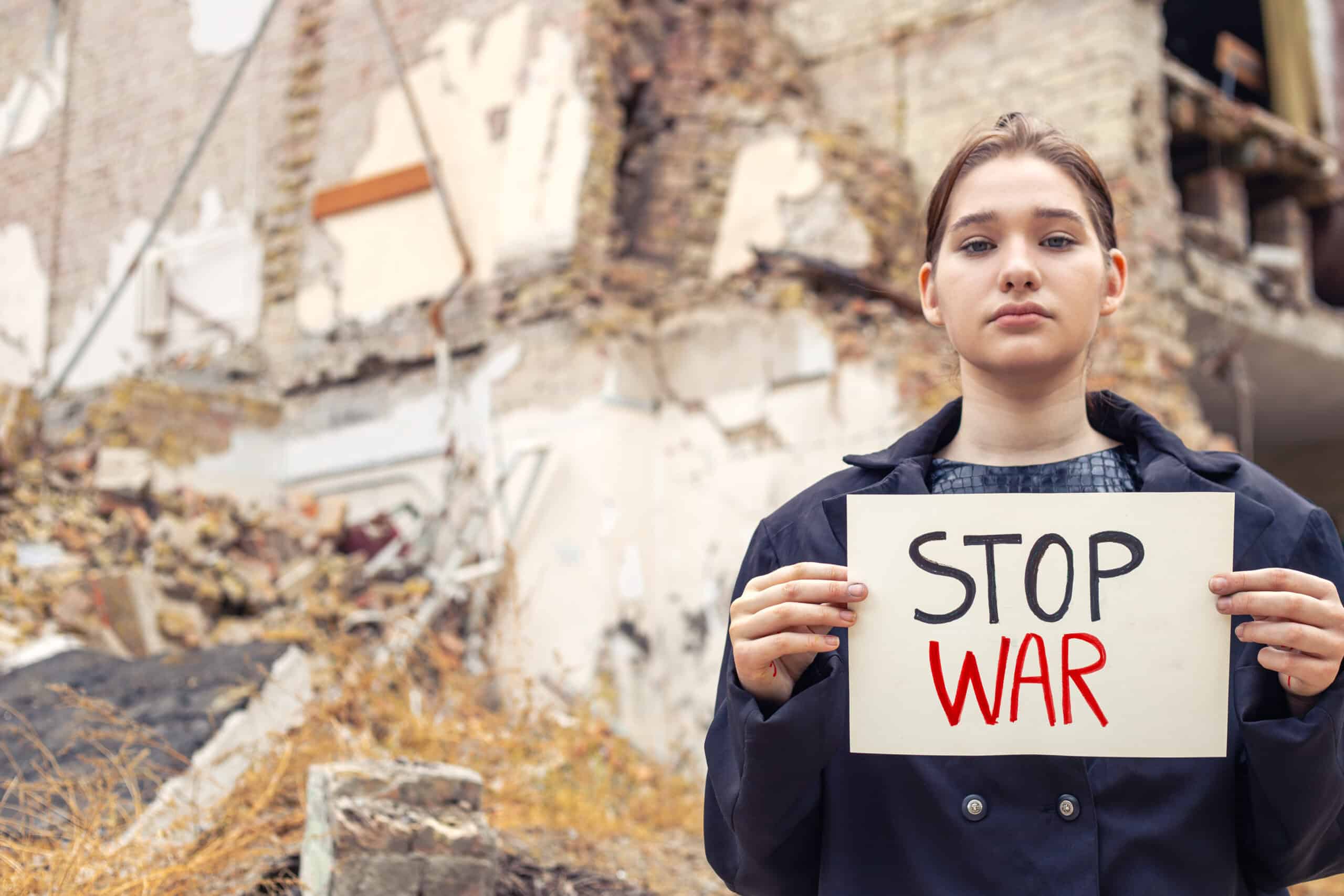
A world war is not predictable, but travel disruption is often the first signal when tensions spike worldwide. Flights reroute, insurance clauses tighten, and ordinary logistics begin to feel fragile. In any large-scale conflict between major powers, certain countries would face faster shockwaves because of geography, alliances, military infrastructure, or strategic industry. These seven places are not singled out for drama, but for how quickly daily life could be reshaped by mobilization, cyber strain, airspace limits, and supply chain breaks.
Poland
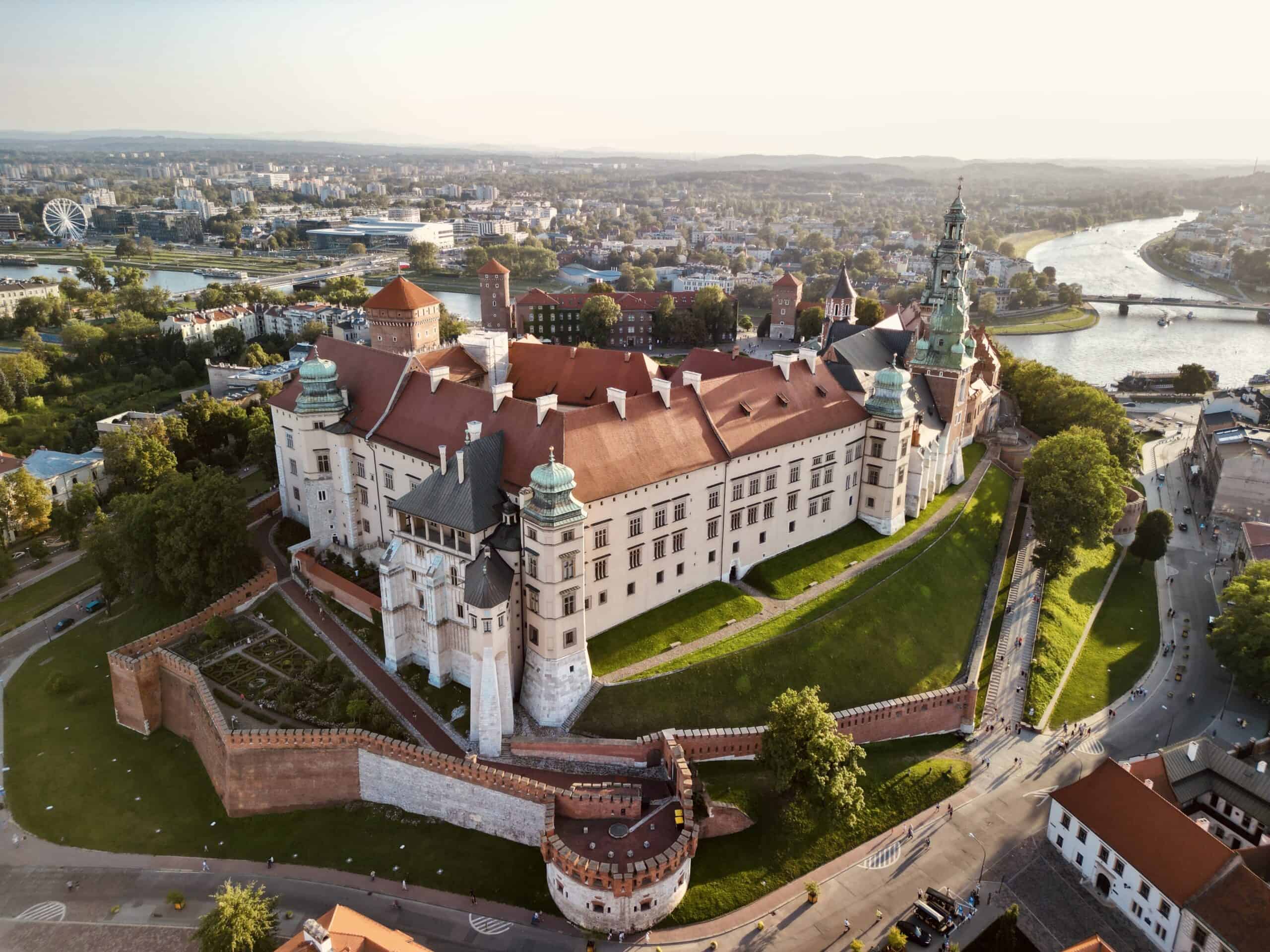
Poland sits on NATO’s eastern edge, close to Europe’s most sensitive military corridors, so any wider conflict could tighten borders with little notice and raise security levels nationwide. Even without fighting on its soil, rail lines, fuel depots, ports, and major airports could be redirected toward exercises, convoy traffic, and emergency logistics, while cyberattacks and disinformation strain daily routines. Tourism would feel the ripple first, as hotel capacity shifts for humanitarian arrivals, airspace rules change midweek, and checkpoints multiply around hubs like Warsaw, Gdańsk, and Kraków, leaving plans vulnerable to sudden reroutes.
Germany
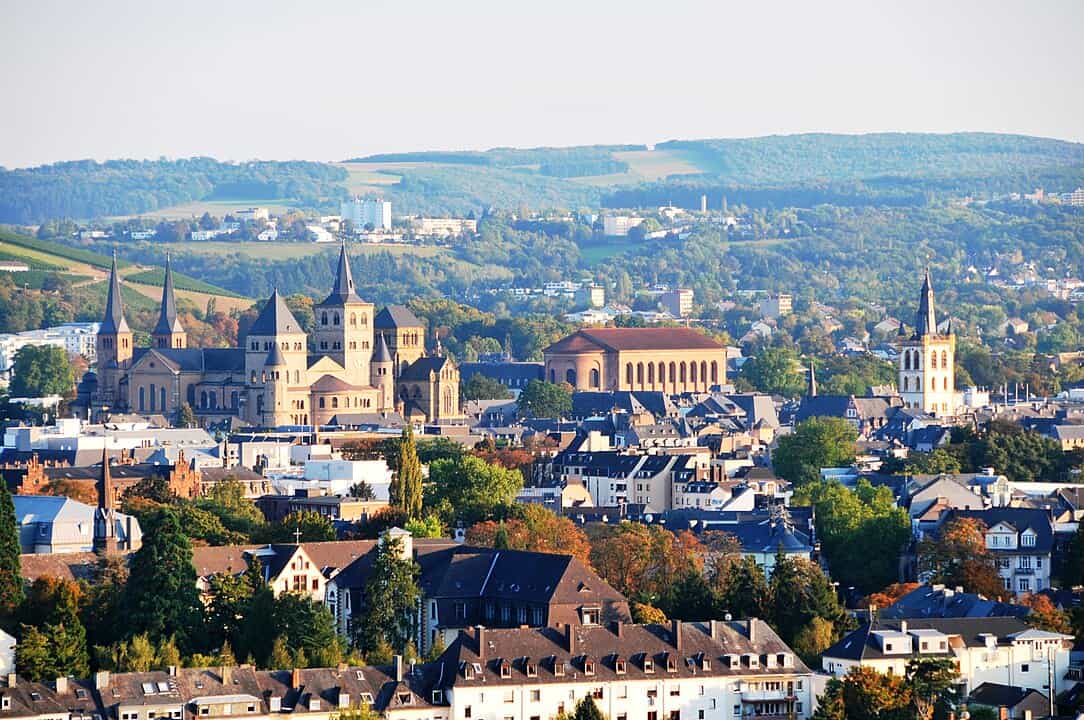
Germany is a central transit and logistics heart for Europe, and it hosts major military command and airlift infrastructure that becomes vital in crises. In a major escalation, rail networks, highways, ports, and airports could see priority shifts for security movement, while cyber pressure targets banks, hospitals, and power grids that keep daily life steady and predictable. Even far from front lines, the mood could change quickly with stricter public events, fuel volatility, heavier police presence, and flight disruptions around hubs like Frankfurt and Munich, where schedules usually run like clockwork, and delays cascade outward, in hours.
United Kingdom
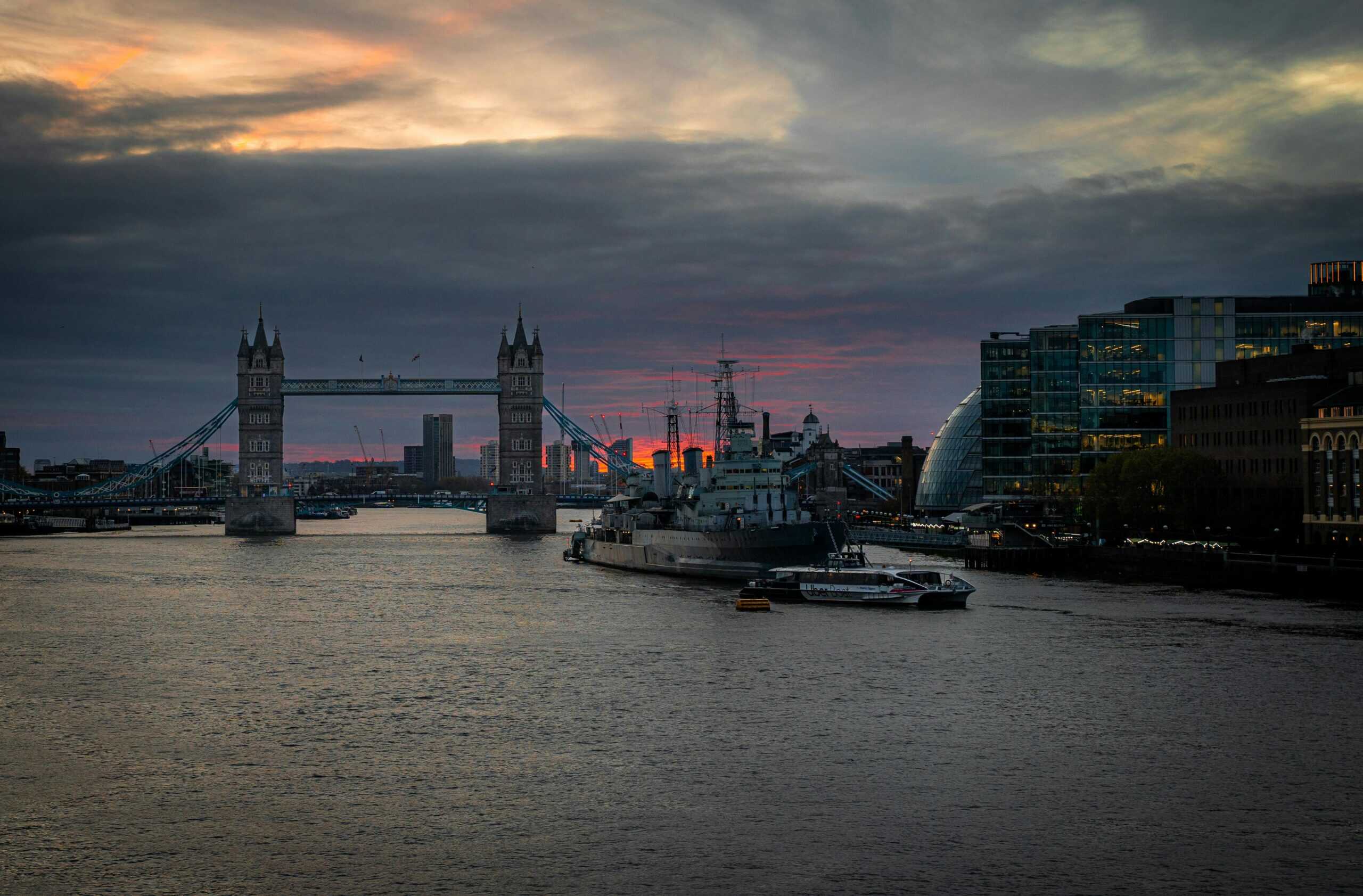
The United Kingdom is tightly woven into transatlantic defense planning, and its airfields, ports, and intelligence networks often matter early in any wider confrontation. That visibility can bring indirect strain: heightened security around transport, sharper cyber threats to finance and infrastructure, and pressure on undersea cables and satellites that keep the country connected. Even when daily life looks normal, uncertainty can show up in flight reroutes, limited airspace access near bases, and sudden advisories that reshape plans for London, Scotland, and coastal cities built around open skies and smooth ferries across the Channel, too.
Japan
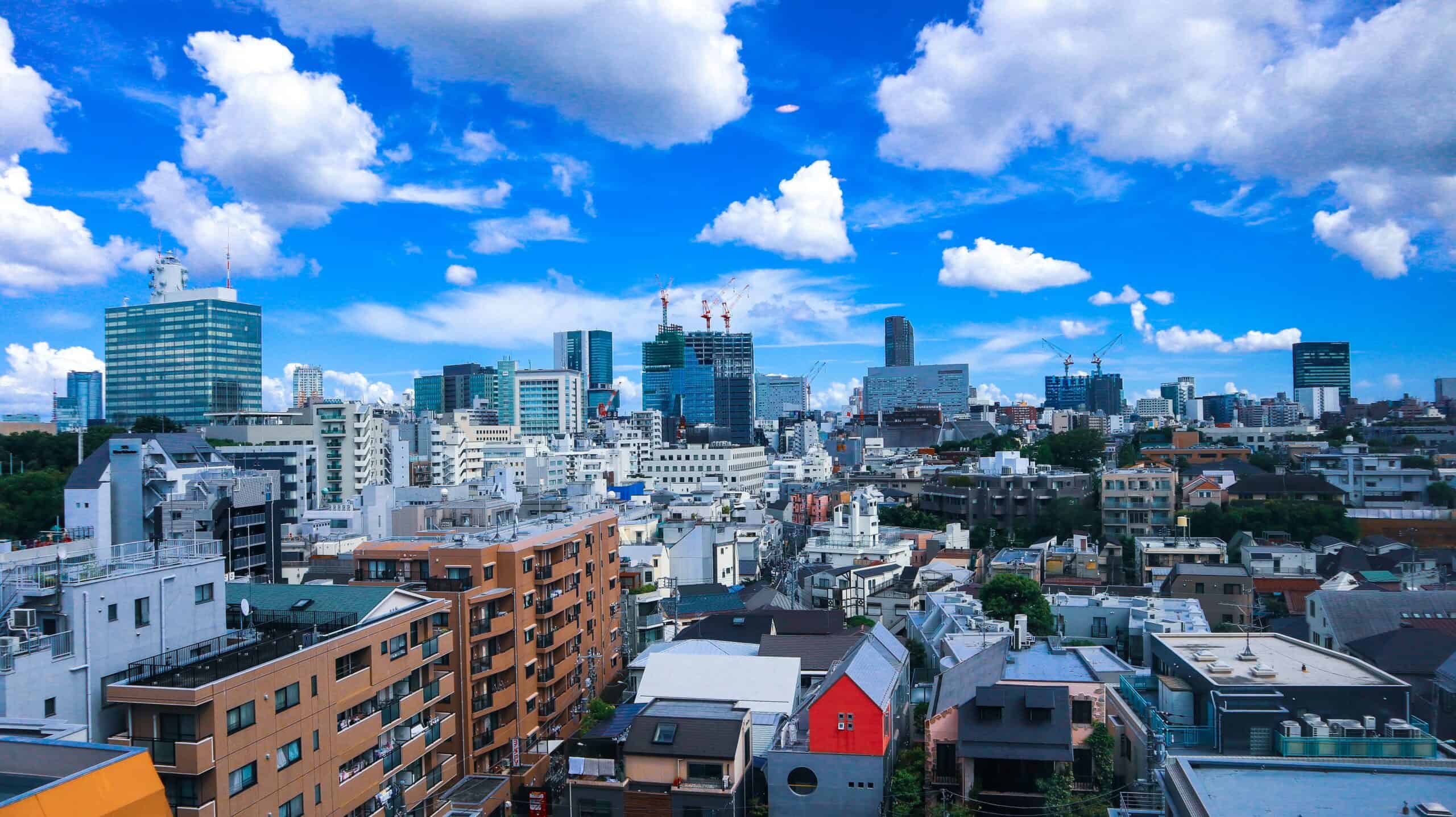
Japan’s security role and geography place it close to several Indo-Pacific flashpoints, while major shipping lanes keep its economy tightly tied to global stability. In a wider war, air routes could reroute across the Pacific, ports could tighten inspections, and the news cycle could amplify anxiety around bases in Okinawa, drills, and missile alerts, even far from the shoreline. Even if daily life stays orderly, the travel experience could shift fast, with packed trains, canceled ferries, limited coastal access, and a sharper sense of caution in cities like Tokyo and Sapporo, where calm routines depend on smooth supply lines and food stocks.
South Korea
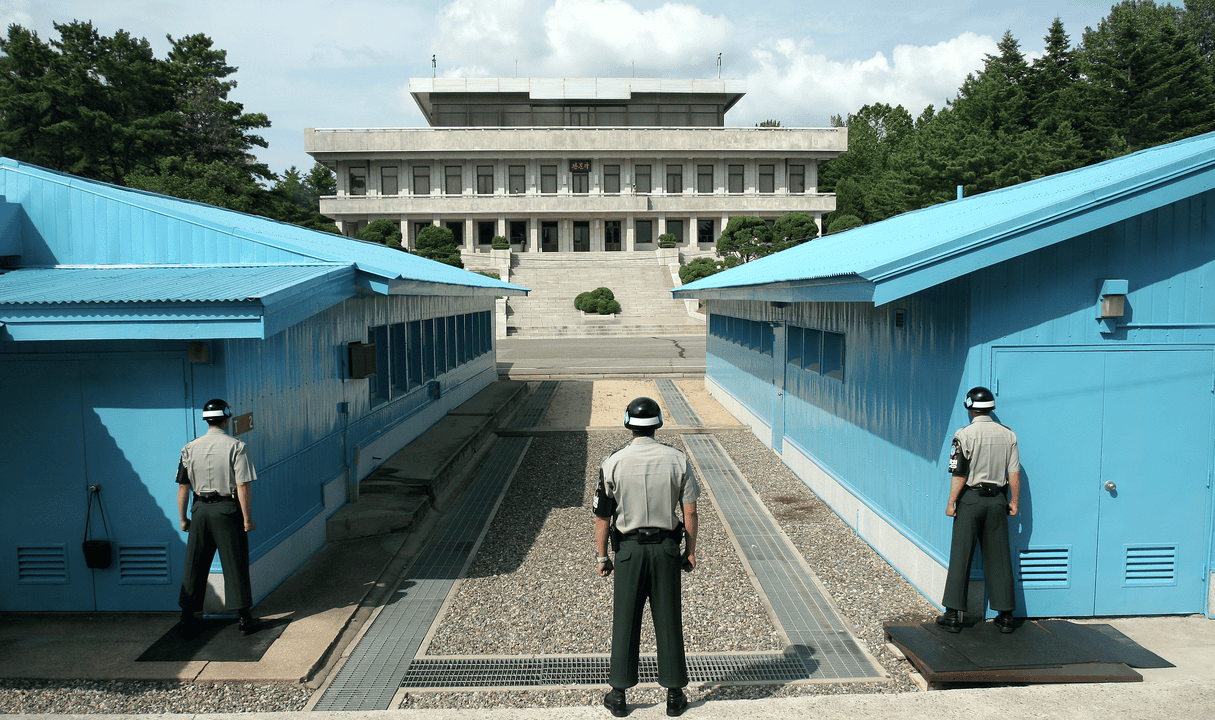
South Korea’s location keeps it close to a long-standing military standoff, and the country’s dense cities make any security surge feel immediate, especially when alliance commitments raise readiness levels. In an expanded conflict, missile alerts, civil-defense drills, and cyber disruptions could arrive alongside flight cancellations at Incheon, shifting ferry schedules, and rapid changes to subway timing and crowd control in moments. Even on calm days, the pressure point is visible near the DMZ, and in major hubs, like Seoul and Busan, where uncertainty travels fast through headlines, family networks, and an urban rhythm that rarely pauses.
Russia
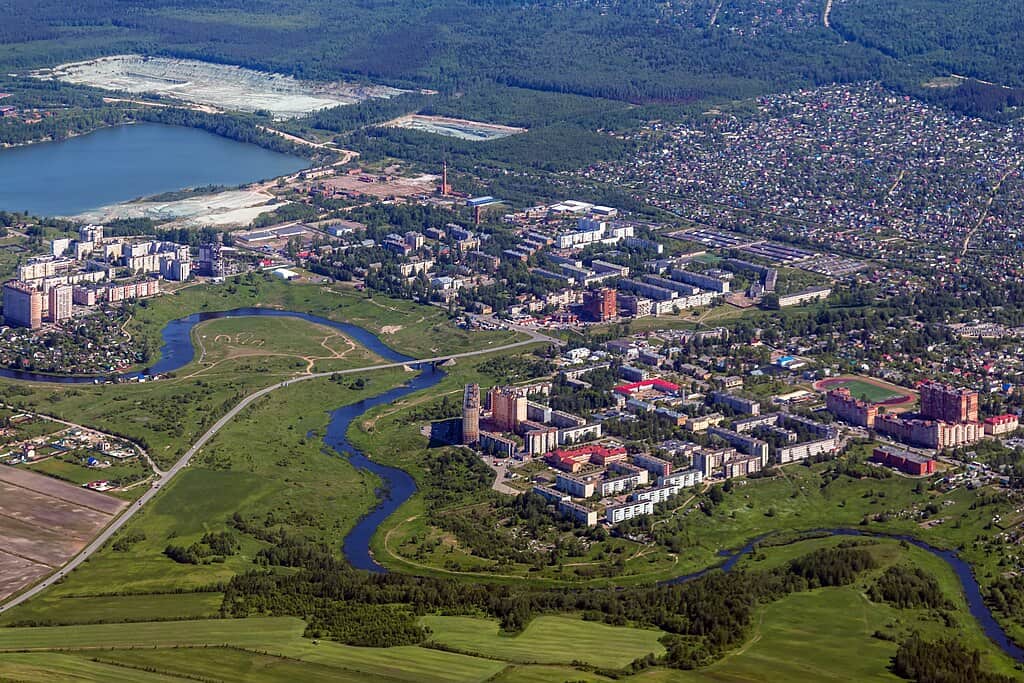
Russia is a nuclear-armed great power, and any truly global war scenario would almost certainly place it at the center of military, economic, and information shock at home. Even without open conflict in every region, domestic mobilization, sanctions escalation, and tightened controls can reshape daily life quickly, including flight availability, internet access, and cross-border movement. For visitors, uncertainty often arrives as sudden airspace closures, banking limits, and rapid policy shifts, while local communities absorb the heavier weight of security checks, shortages, and a constant drumbeat of tense news with limited outside support.
China
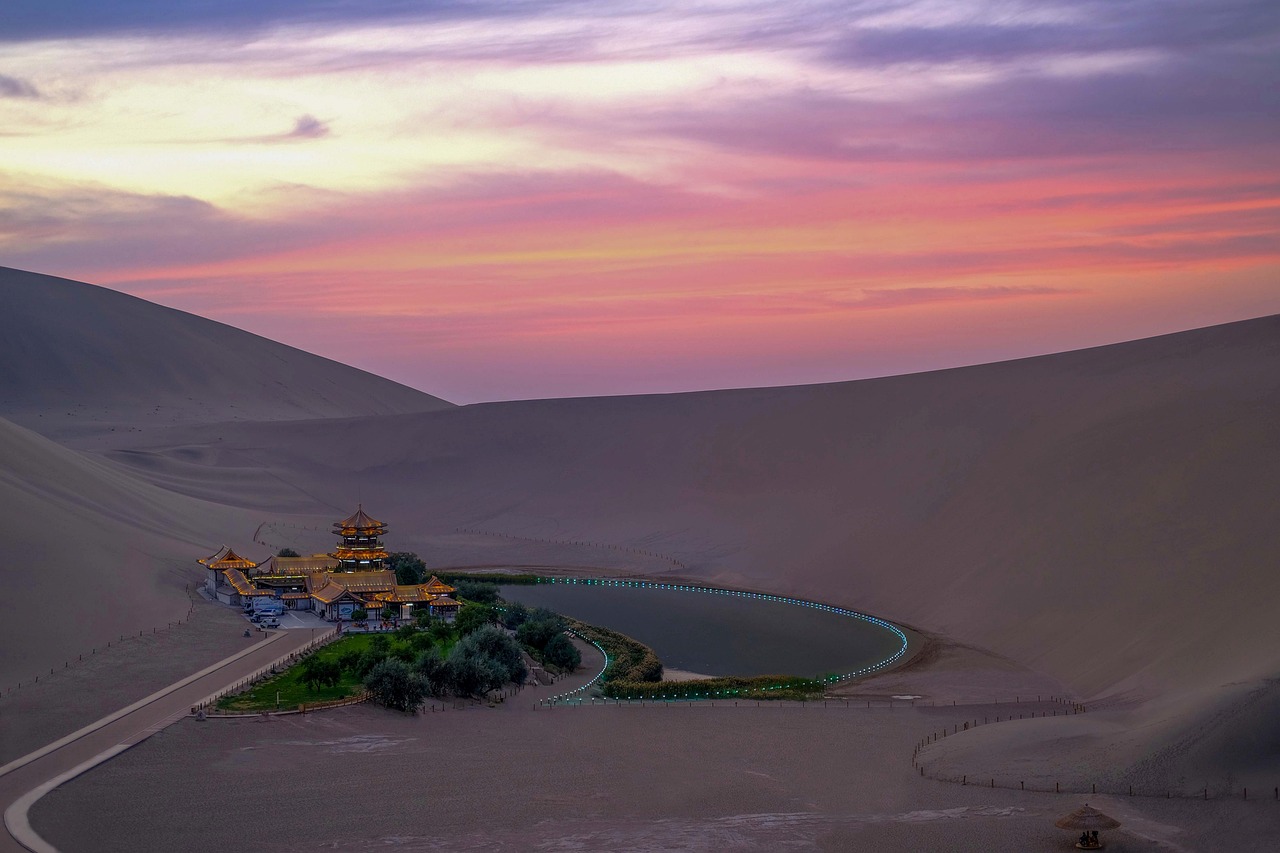
China’s size, military power, and central role in global manufacturing mean that any multi-theater conflict would shake it, and the world, almost immediately. Even without fighting on the mainland, tensions around nearby seas can trigger airspace restrictions, shipping slowdowns, and heavy cyber activity that ripples through banks, airlines, and communications, while information controls tighten in real time. For travelers, the shift can feel abrupt: heightened screening, sudden rule changes, and disrupted supply chains in cities that normally run with astonishing speed, from Shanghai and Shenzhen to Beijing and Hong Kong’s transit corridors.