We may earn money or products from the companies mentioned in this post. This means if you click on the link and purchase the item, I will receive a small commission at no extra cost to you ... you're just helping re-supply our family's travel fund.

International travel opens doors to culture, cuisine, and unforgettable landscapes. Yet some destinations currently carry extreme safety risks that outweigh any potential adventure. According to advisories issued by the U.S. Department of State, several countries remain under Level 4 “Do Not Travel” warnings due to armed conflict, terrorism, wrongful detention, or government collapse.
Below is a carefully detailed look at twelve nations where conditions remain volatile. Each overview explains the specific dangers, includes current numerical indicators, and highlights why Americans should postpone non-essential travel until stability meaningfully improves.
1. Afghanistan
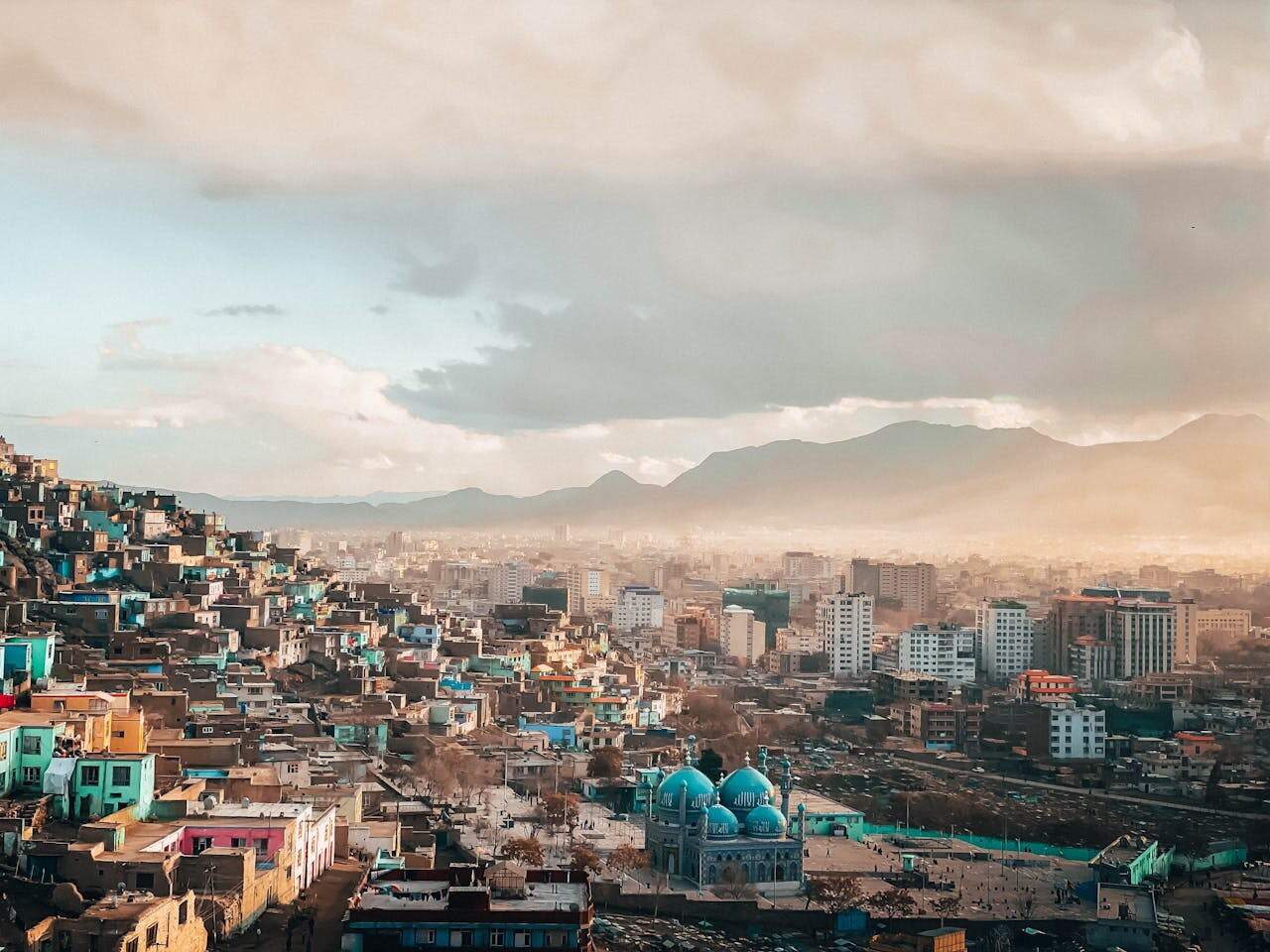
Afghanistan remains one of the world’s most hazardous environments for foreign visitors. Since the Taliban takeover in August 2021, the U.S. has had no functioning embassy in Kabul, eliminating routine consular support for Americans in distress. Terror attacks linked to ISIS-K continue, with dozens of major bombings reported annually in urban centers.
Kidnapping risk is high, and foreign nationals are often targeted for leverage or ransom. Infrastructure is fragile, healthcare capacity is critically limited, and over 28 million people reportedly rely on humanitarian aid. Airports operate inconsistently, and evacuation routes can close without notice, leaving travelers dangerously stranded.
2. Ukraine
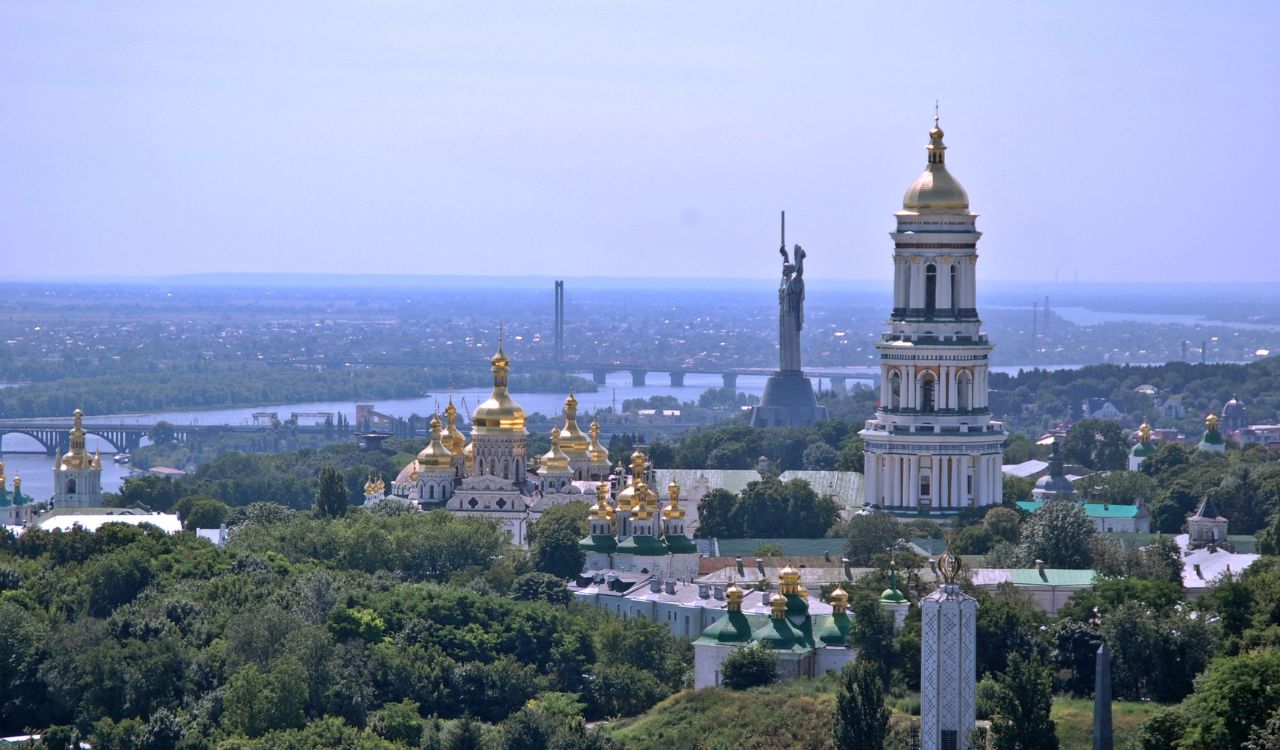
Ukraine has faced full-scale war since Russia’s invasion in February 2022. Missile and drone strikes have targeted infrastructure in more than 20 regions, including areas far from front lines. Civilian casualties number in the tens of thousands, and air raid alerts can sound multiple times per day in major cities.
Power grids and rail lines are frequent targets, disrupting transportation and communications. Border wait times can stretch beyond 10 hours during escalations. Although parts of western Ukraine may appear calm, nationwide martial law and unpredictable attacks make non-essential American travel exceptionally dangerous.
3. Syria
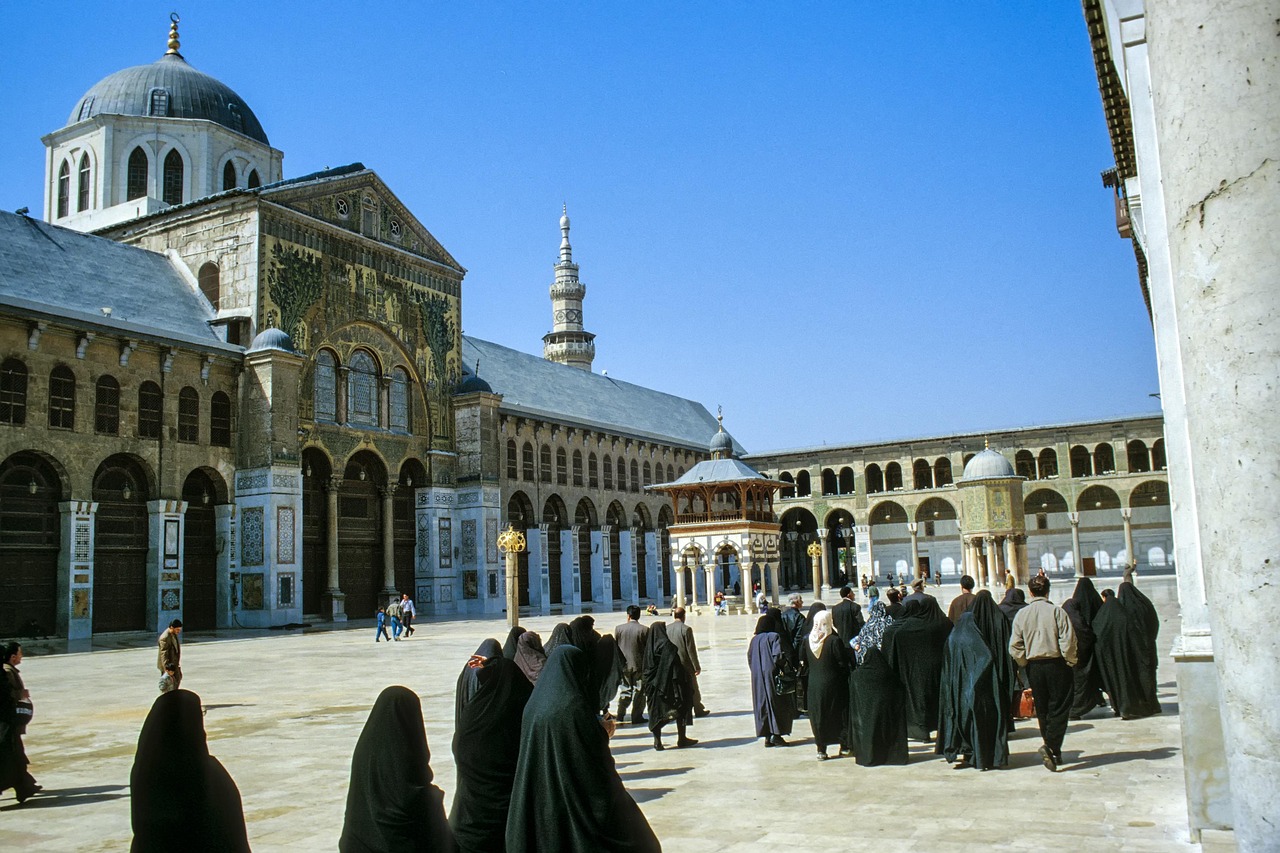
Syria continues to experience instability more than a decade after the civil war began in 2011. Armed factions, foreign militaries, and extremist groups operate across various regions, leading to sporadic clashes and bombings. Over 6 million Syrians remain internally displaced, reflecting the scale of disruption.
There is no U.S. diplomatic presence inside the country, meaning Americans cannot rely on emergency evacuation assistance. Infrastructure damage is extensive, medical services are strained, and checkpoints are common. Even experienced aid workers operate under heavy security, underscoring how unpredictable and risky everyday movement remains.
4. Yemen
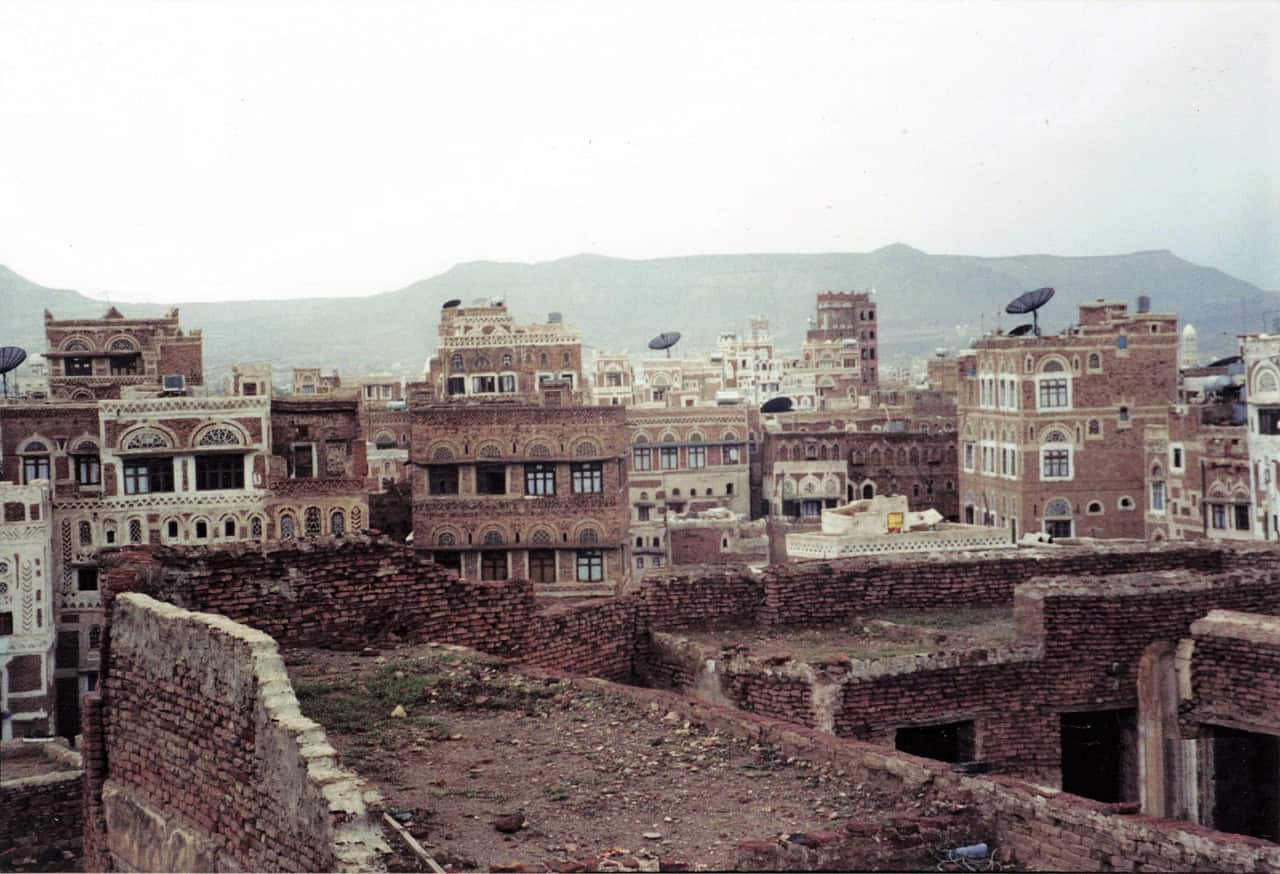
Yemen has endured nearly a decade of civil war, producing one of the world’s largest humanitarian crises. The United Nations estimates that more than 21 million people need assistance. Airstrikes, missile launches, and armed clashes continue in multiple provinces each year.
Airports and seaports periodically close, and fuel shortages are widespread. Kidnapping incidents involving foreigners have been documented, particularly outside major cities. Healthcare facilities function at limited capacity, with shortages of medicine and electricity. For Americans, the absence of reliable evacuation routes makes even short visits extremely perilous.
5. Haiti
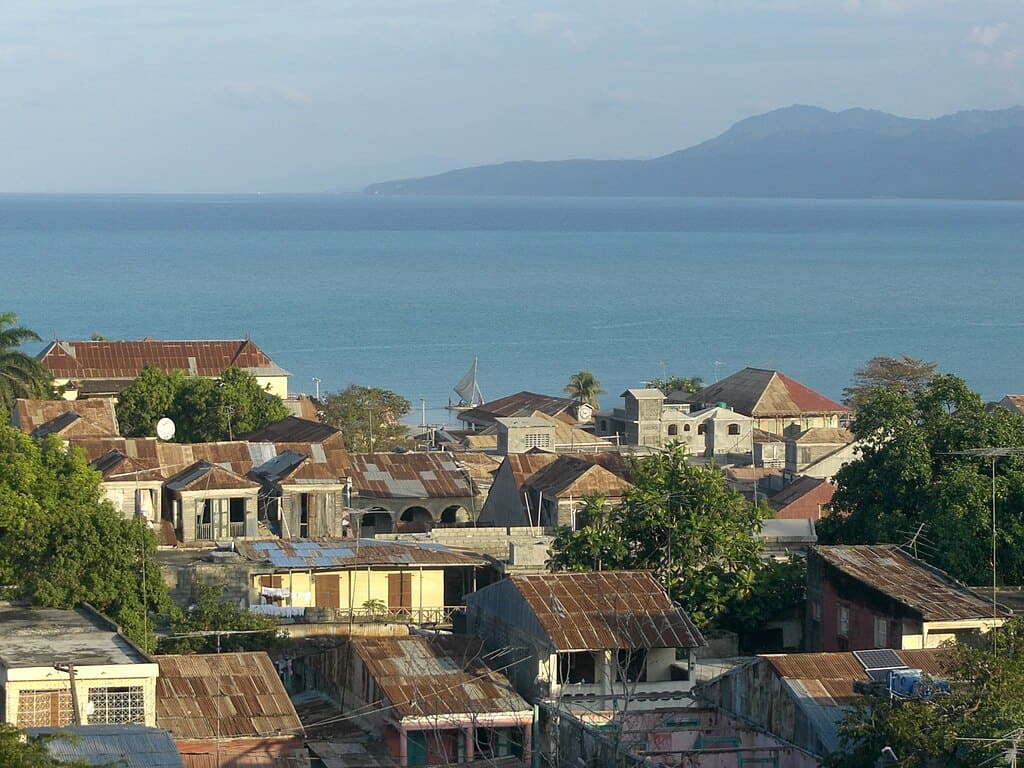
Haiti faces escalating gang violence and political instability. Armed groups reportedly control up to 80 percent of parts of Port-au-Prince, restricting safe movement through key neighborhoods. Kidnappings for ransom have surged in recent years, sometimes occurring in broad daylight.
Police resources are stretched thin, and roadblocks can appear without warning. Fuel shortages and port disruptions complicate supply chains, while hospitals struggle with limited staffing. Even airport access has occasionally been interrupted by unrest. For American travelers, conditions remain unpredictable and potentially life-threatening.
6. Somalia
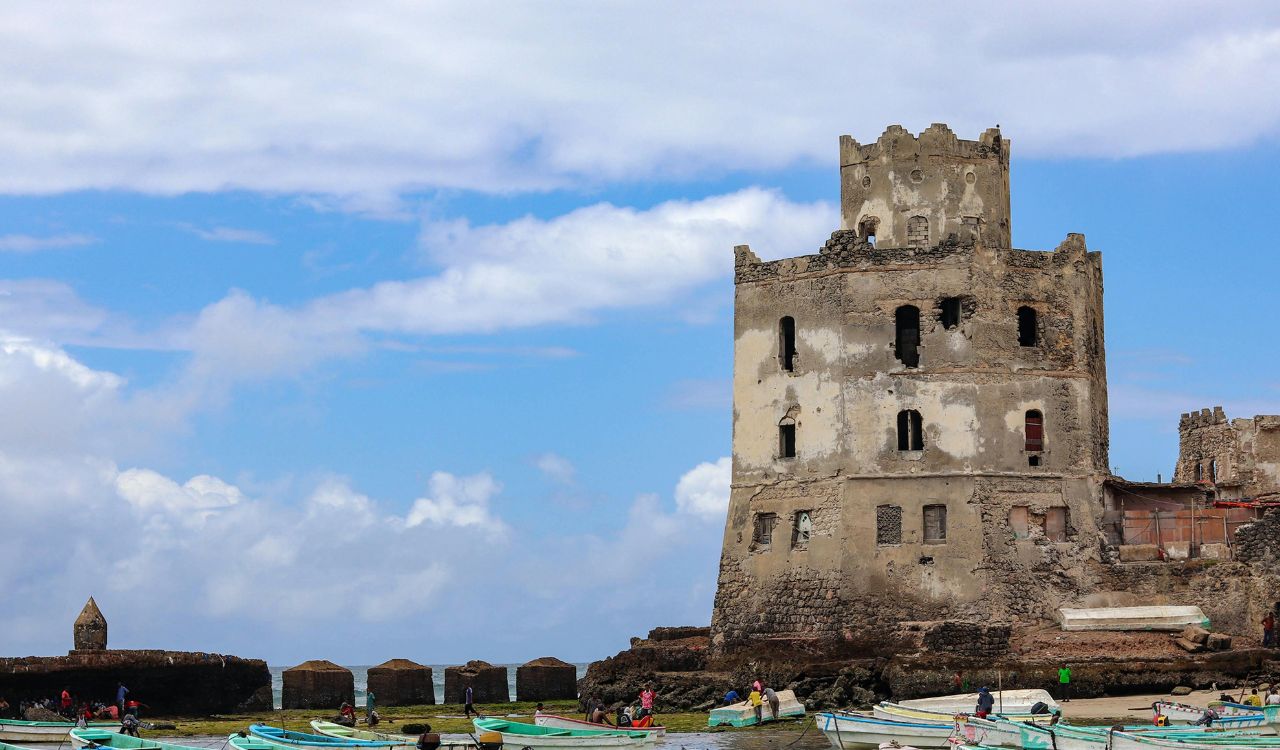
Somalia continues to battle extremist violence from al-Shabaab, which carries out frequent bombings in Mogadishu and other cities. Major attacks have caused hundreds of casualties in single incidents over the past decade. Maritime piracy incidents have declined but remain a concern offshore.
Government authority varies widely by region, and security escorts are common for official visitors. Infrastructure is weak, emergency response times are slow, and kidnapping risk persists. With limited medical facilities and high terror threat levels, Somalia presents severe hazards for American citizens.
7. South Sudan
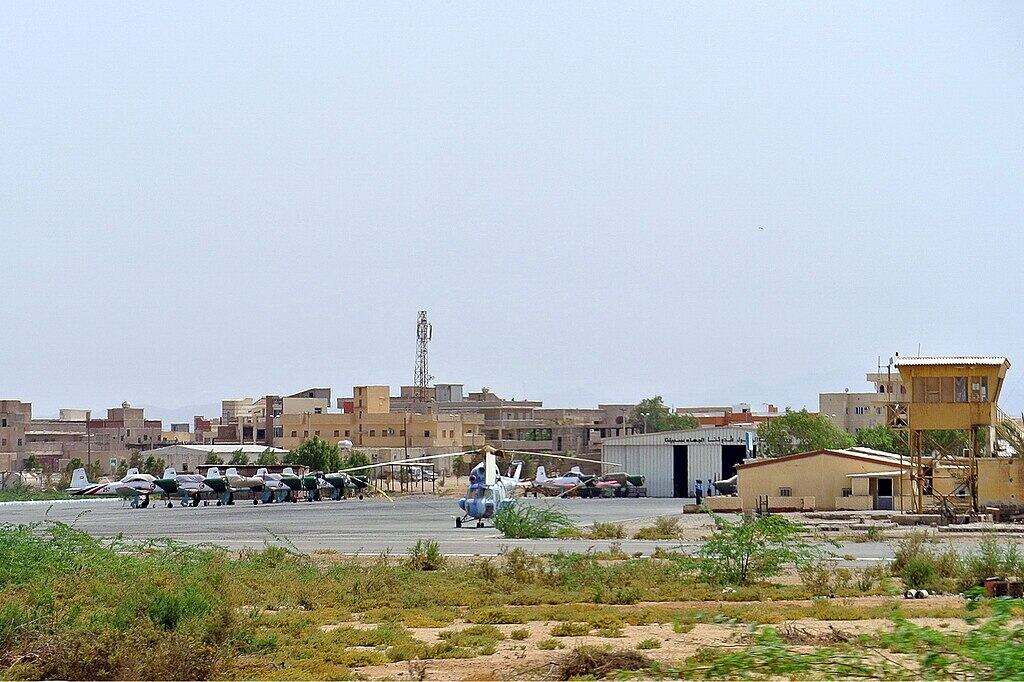
South Sudan remains politically fragile since gaining independence in 2011. Armed clashes and intercommunal violence flare periodically, displacing thousands each year. Crime rates are high in the capital, Juba, and outside urban areas infrastructure is minimal.
Road travel can involve multiple checkpoints and poor conditions, especially during rainy seasons. Medical facilities often lack essential equipment, and evacuation flights may be the only option for serious injuries. The volatile political climate, combined with limited public services, makes tourism an unsafe choice for Americans.
8. Iran
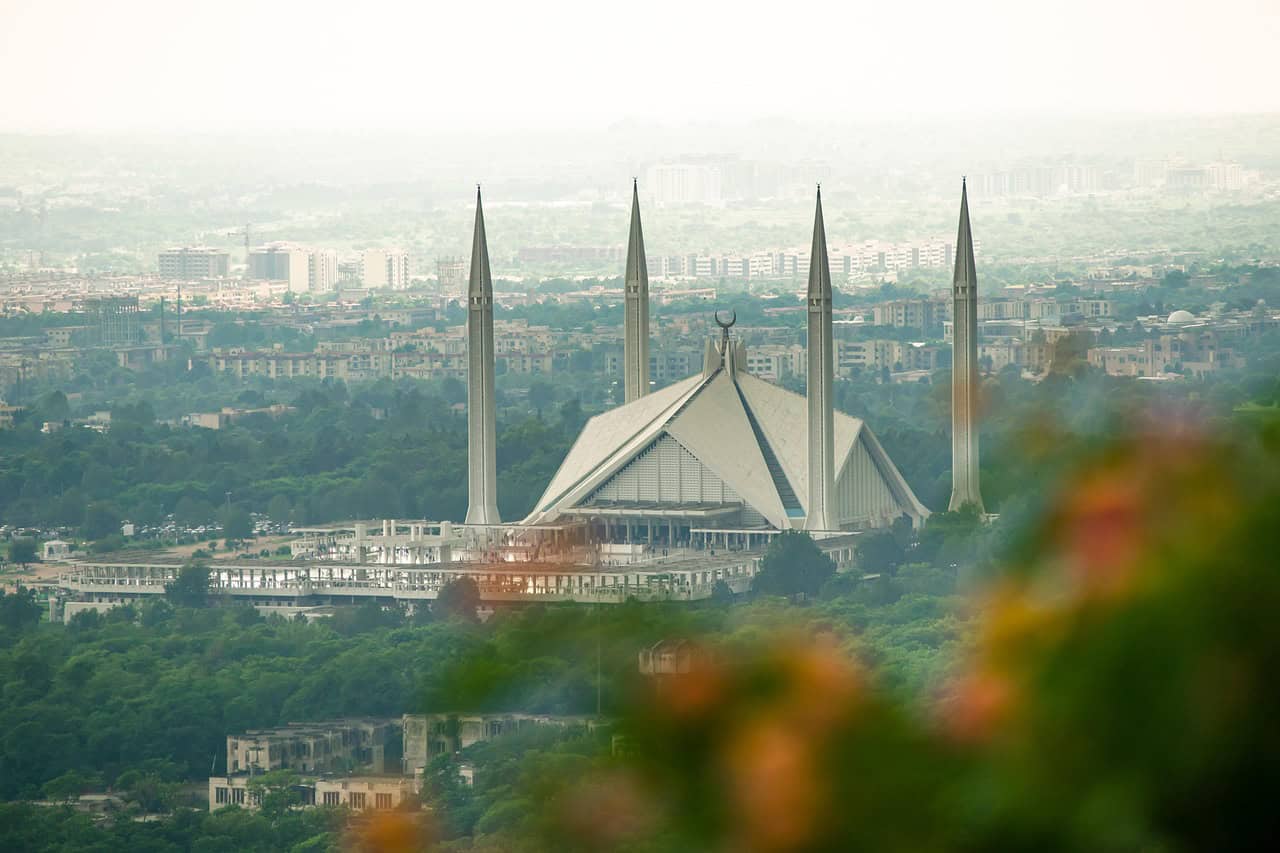
Iran poses particular legal and political risks for Americans. Diplomatic relations with Washington remain severed, and the U.S. has no embassy operating in Tehran. In recent years, several dual nationals have faced detention on security-related allegations.
Protests have erupted periodically across dozens of cities, sometimes resulting in hundreds of arrests in a single wave. Laws governing speech, dress, and photography differ significantly from U.S. norms. Limited consular access and the possibility of wrongful detention elevate the overall travel risk considerably.
9. North Korea
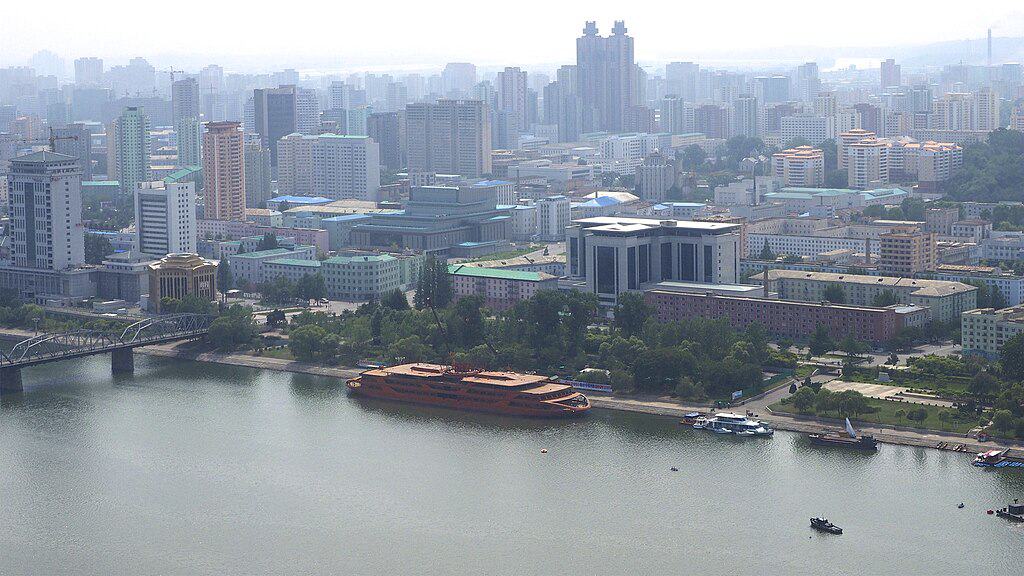
North Korea tightly controls foreign visitors, and Americans generally require special validation passports to enter. Independent travel is not permitted; tours are state-supervised and highly restricted. Past detentions of foreign nationals have resulted in imprisonment lasting months or longer.
There is no U.S. embassy presence, eliminating on-the-ground support. Strict laws regulate speech, religious expression, and even photography of certain sites. With limited medical facilities and no freedom of movement, travelers face serious legal consequences for minor infractions.
10. Libya
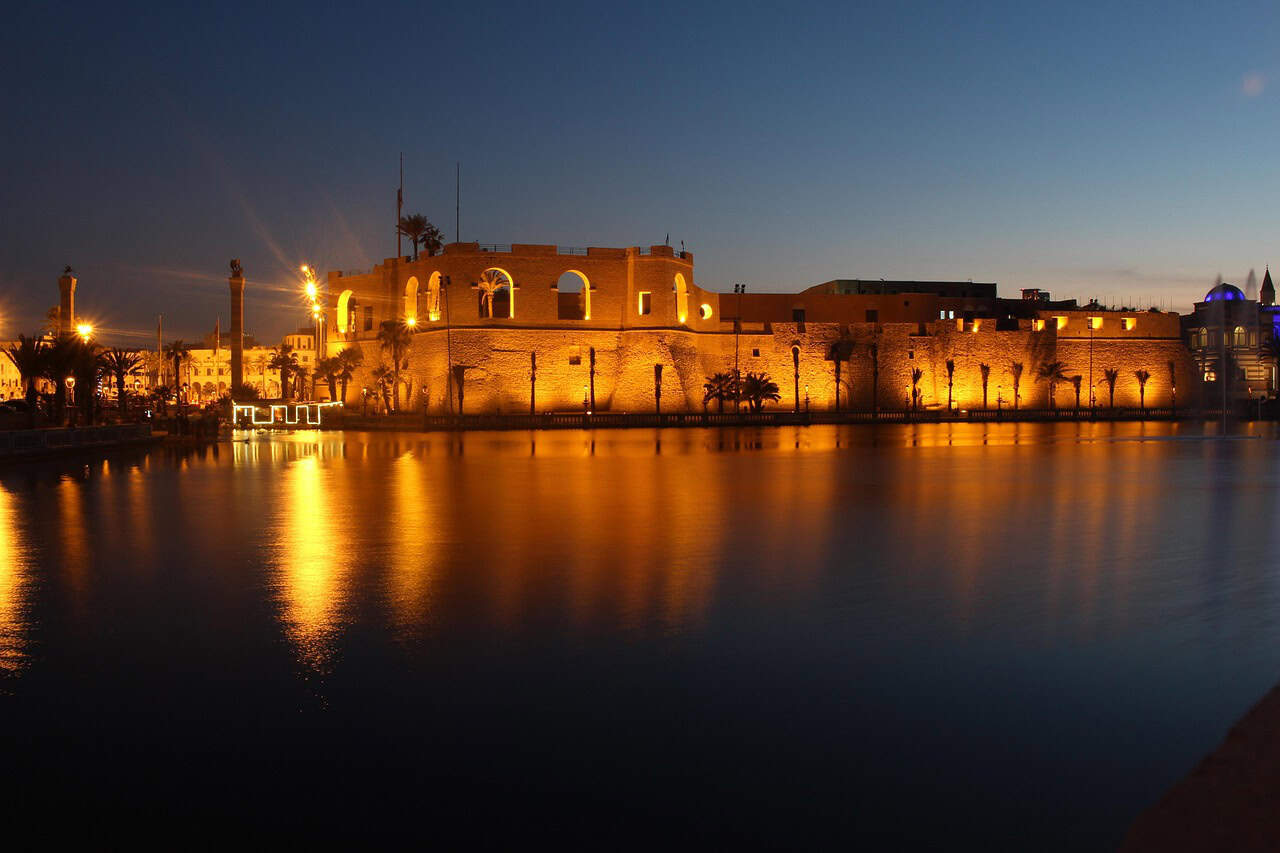
Libya remains divided between rival administrations and militia groups. Armed clashes periodically erupt in Tripoli and other cities, sometimes resulting in dozens of casualties within days. Kidnapping and arbitrary detention risks are significant for foreigners.
Airports have closed abruptly during fighting, stranding travelers without warning. Infrastructure damage from years of conflict has weakened healthcare and public utilities. Outside heavily secured compounds, movement can be hazardous. For Americans, the absence of stable governance presents serious security concerns.
11. Venezuela
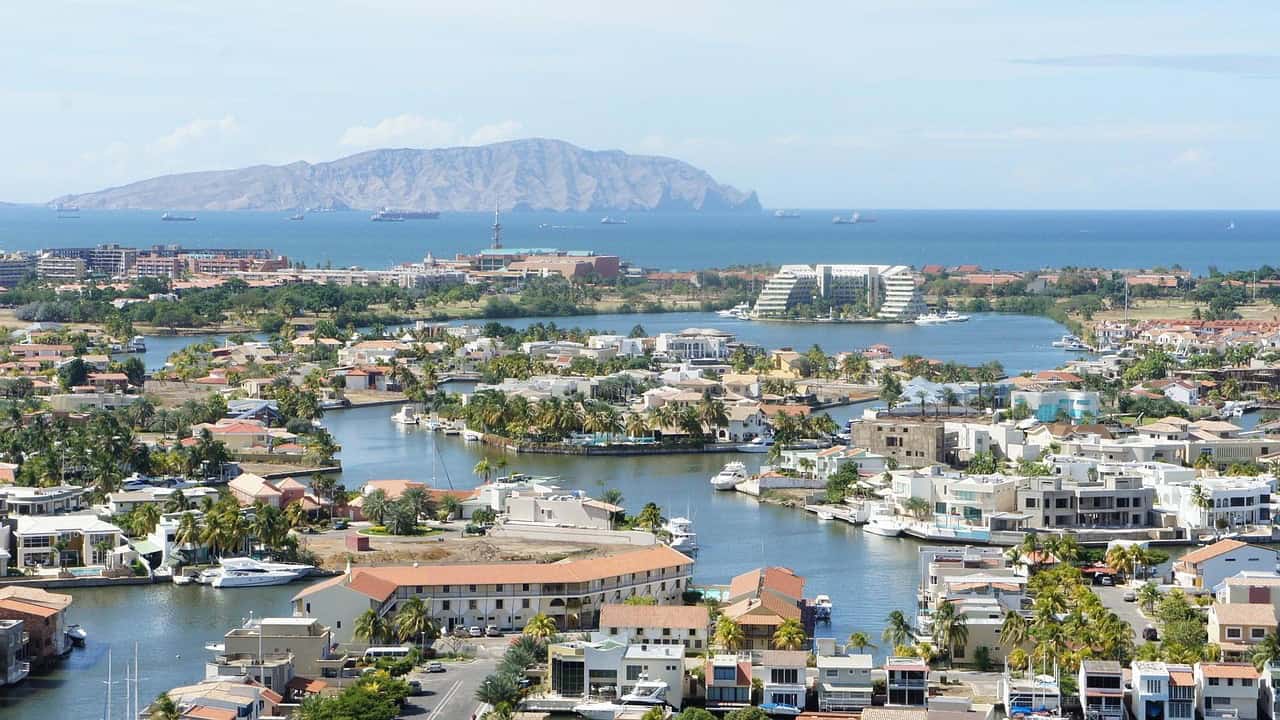
Venezuela continues to struggle with economic instability and high crime rates. Inflation peaked in the thousands of percent earlier in the decade, severely impacting public services. Violent crime, including armed robbery and carjacking, remains a concern in major cities.
Power outages and fuel shortages can disrupt travel unexpectedly. The U.S. embassy suspended operations in Caracas in 2019, limiting assistance for detained or distressed citizens. Reports of arbitrary detention heighten risk, making tourism or casual travel inadvisable.
12. Myanmar
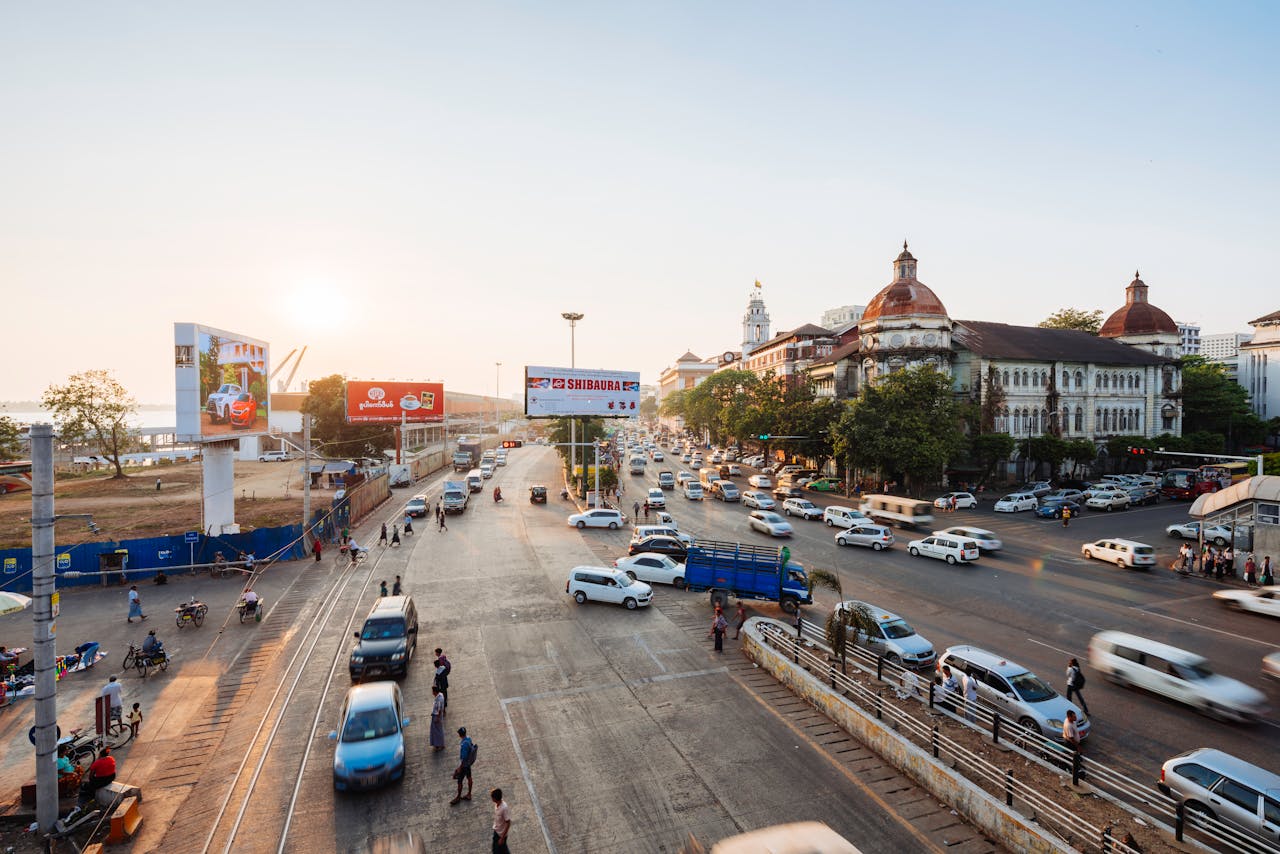
Myanmar has faced ongoing unrest since the military coup in February 2021. Nationwide protests were followed by armed resistance, and clashes continue across multiple states. Thousands have been arrested, and hundreds of civilian casualties have been reported.
Internet shutdowns, curfews, and travel restrictions can be imposed with little notice. Landmines and unexploded ordnance remain hazards in rural areas. With unpredictable security conditions and limited diplomatic support, American travelers face substantial risks throughout the country.