Astoria, Oregon Is the Oldest American Settlement West of the Rockies. It’s Also Where ‘The Goonies’ Was Filmed.
We may earn money or products from the companies mentioned in this post. This means if you click on the link and purchase the item, I will receive a small commission at no extra cost to you ... you're just helping re-supply our family's travel fund.
Astoria, Oregon, founded in 1811 as a fur trading post, holds the distinction of being the oldest permanent American settlement west of the Rocky Mountains, a genuine historical significance that gets consistently overshadowed in popular culture by the town’s more famous role as the filming location for The Goonies in 1985.
The History Behind the Movie Tourism
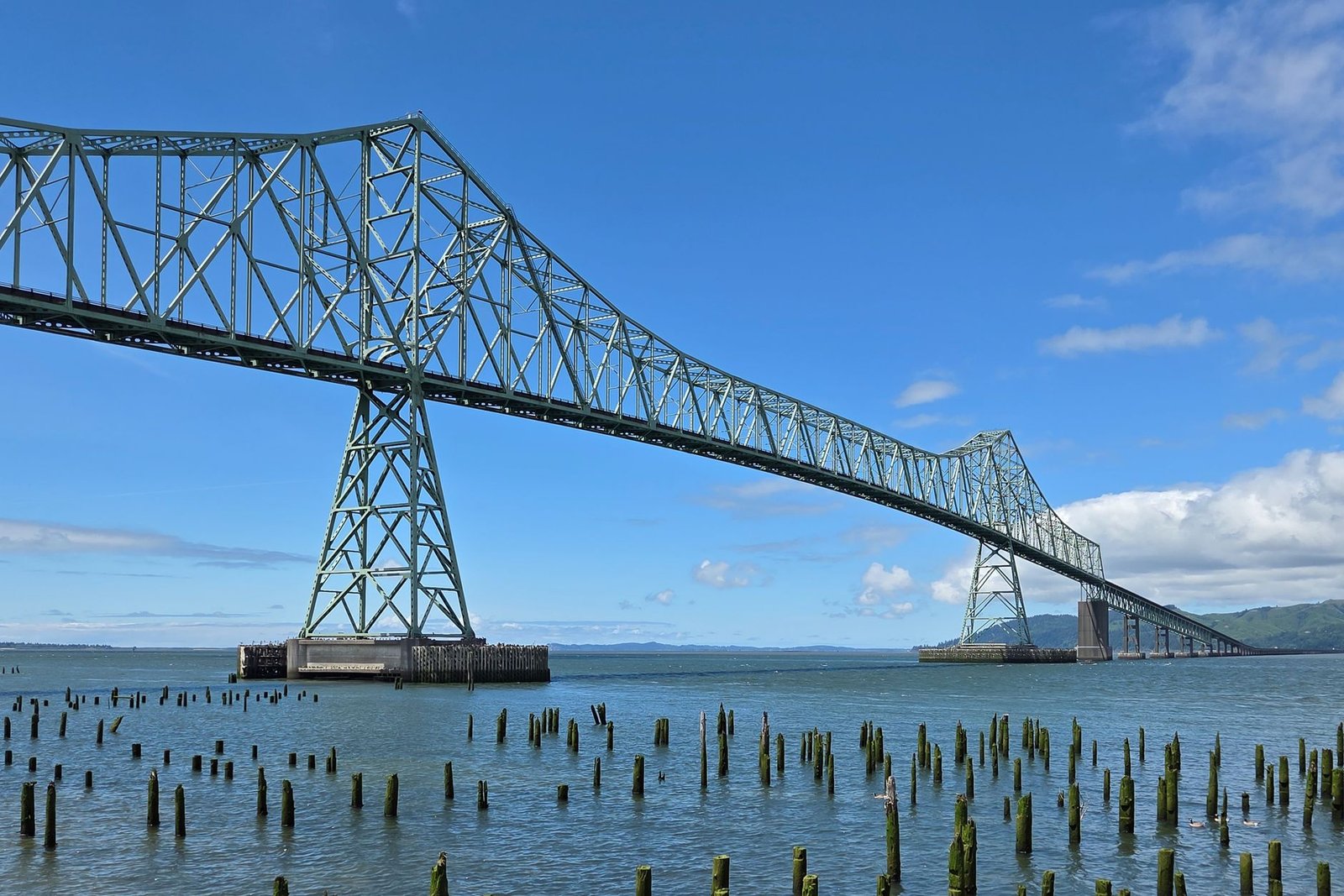
John Jacob Astor’s Pacific Fur Company established the original trading post at the mouth of the Columbia River, a strategic location that made Astoria a critical hub for the fur trade and, later, for salmon canning, an industry that at its peak in the late 1800s made Astoria one of the wealthiest cities per capita on the West Coast, a wealth that funded much of the Victorian architecture still standing in the town’s historic core.
The Goonies filming locations, including the house used for the Walsh family home and the Astoria Column, a 1926 monument offering panoramic views of the Columbia River, draw a steady stream of dedicated film tourists who often know considerably more about the movie’s specific filming spots than about the town’s genuinely significant maritime and fur trade history.
What the Town Actually Runs On Now
The Modern Economy
- Commercial fishing and seafood processing remain part of the local economy, though diminished from historic peaks
- Craft brewing has become a significant part of Astoria’s modern identity
- Film tourism tied to The Goonies generates a measurable, dedicated visitor stream
- The Columbia River Maritime Museum preserves the region’s shipping and fishing history in detail
Local tourism officials have learned to embrace both identities simultaneously, running Goonies-themed walking tours alongside more traditional maritime heritage programming, an acknowledgment that most visitors arrive because of the movie but often leave with a considerably deeper appreciation for the town’s actual founding-era significance than they had going in.
What Astoria demonstrates is how a single piece of pop culture can eclipse genuine historical significance in the popular imagination, even when, as in this case, the underlying history, the oldest American settlement on the entire West Coast, is arguably more remarkable than the movie that most visitors actually come to see.
The Longer-Term Trajectory
Longtime observers of this pattern note that the early years after a place or trend gains attention are rarely the ones that determine its lasting character. The more decisive period tends to arrive several years later, once the initial wave of interest either sustains itself through genuine infrastructure investment or fades as attention moves elsewhere, leaving behind whatever changes already took root during the busier years.
That delayed reckoning is precisely why comparisons across a full decade, rather than a single before-and-after snapshot, tend to produce a more accurate picture of what actually changed and what merely appeared to change while the cameras and headlines were still pointed in that direction.
Why This Keeps Getting Overlooked
Part of the reason this dynamic receives less attention than it probably deserves is structural: the initial story, whether a viral moment, a policy change, or a shift in travel patterns, is simply more compelling to cover than the slower, less dramatic process of adjustment that follows it over subsequent years, which rarely fits into a single headline or a short video.
That mismatch between what gets covered and what actually matters most to the people living through the change is a recurring feature of how places, trends, and communities get discussed publicly, and it tends to leave a persistent gap between popular perception and the more complicated reality on the ground.
What This Means Going Forward
The broader pattern here reflects something researchers and local officials increasingly track closely: the gap between how a place or trend is perceived from the outside and how it actually functions day to day for the people living inside it or making decisions about it. That gap rarely closes on its own, and it tends to widen further whenever outside attention, whether from tourism, media coverage, or social platforms, arrives faster than the underlying infrastructure or community capacity can absorb it.
What tends to happen next depends heavily on decisions made by the people closest to the situation, whether that means local governments, longtime residents, or the businesses that have to adapt fastest, and those decisions rarely get the same national attention as the initial trend or story that put the place on the map in the first place, even though they matter considerably more to how things actually turn out over the following decade.
The Longer-Term Trajectory
Longtime observers of this pattern note that the early years after a place or trend gains attention are rarely the ones that determine its lasting character. The more decisive period tends to arrive several years later, once the initial wave of interest either sustains itself through genuine infrastructure investment or fades as attention moves elsewhere, leaving behind whatever changes already took root during the busier years.
That delayed reckoning is precisely why comparisons across a full decade, rather than a single before-and-after snapshot, tend to produce a more accurate picture of what actually changed and what merely appeared to change while the cameras and headlines were still pointed in that direction.
Why This Keeps Getting Overlooked
Part of the reason this dynamic receives less attention than it probably deserves is structural: the initial story, whether a viral moment, a policy change, or a shift in travel patterns, is simply more compelling to cover than the slower, less dramatic process of adjustment that follows it over subsequent years, which rarely fits into a single headline or a short video.
That mismatch between what gets covered and what actually matters most to the people living through the change is a recurring feature of how places, trends, and communities get discussed publicly, and it tends to leave a persistent gap between popular perception and the more complicated reality on the ground.
What This Means Going Forward
The broader pattern here reflects something researchers and local officials increasingly track closely: the gap between how a place or trend is perceived from the outside and how it actually functions day to day for the people living inside it or making decisions about it. That gap rarely closes on its own, and it tends to widen further whenever outside attention, whether from tourism, media coverage, or social platforms, arrives faster than the underlying infrastructure or community capacity can absorb it.
What tends to happen next depends heavily on decisions made by the people closest to the situation, whether that means local governments, longtime residents, or the businesses that have to adapt fastest, and those decisions rarely get the same national attention as the initial trend or story that put the place on the map in the first place, even though they matter considerably more to how things actually turn out over the following decade.