Assateague’s Maryland Herd Has About 80 Wild Horses. Here’s How to See Them in Late Fall Without Breaking the Rules
We may earn money or products from the companies mentioned in this post. This means if you click on the link and purchase the item, I will receive a small commission at no extra cost to you ... you're just helping re-supply our family's travel fund.
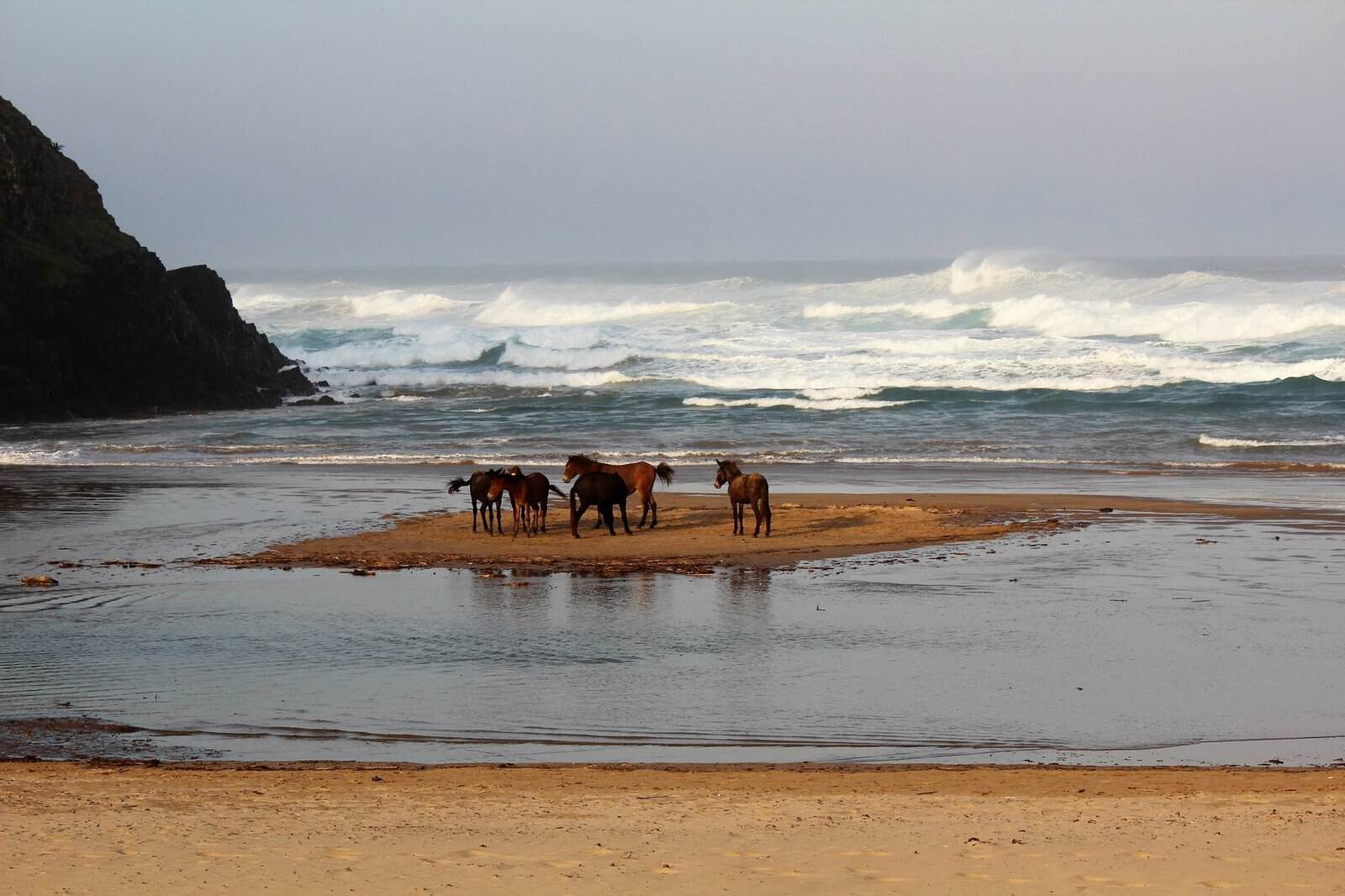
There are only about 80 wild horses on the Maryland end of Assateague Island, and in late fall you have a better chance of seeing them calmly than at almost any other time of year. To see Assateague wild horses in November without breaking the rules, go early or late in the day, use the national seashore’s marsh and dune areas, and stay at least 40 feet away from every horse.
The herd size comes from Maryland’s Department of Natural Resources, which says there are approximately 70 to 80 horses in the Maryland herd and about 150 in the Virginia herd, with a contraceptive program used on the Maryland horses to keep the population at a sustainable size. The two herds are separated by a fence at the state line, and they are managed differently. The Maryland horses are managed by the National Park Service as wild animals. The Virginia horses, famous for the annual Chincoteague pony swim, are owned by the Chincoteague Volunteer Fire Company.
A herd that small means each horse matters, and it means visitor behavior has a real effect on the animals. That is why the rules are strict and enforced.
How to See Assateague Wild Horses in Late Fall
The basic plan:
- Go to the Maryland district of Assateague Island National Seashore. The entrance is south of Ocean City via Route 611 and the Verrazano Bridge.
- Buy the $25 private vehicle pass. The NPS fee page lists it as a seven-day pass covering everyone in the car. An annual Assateague pass costs $45 and works in both the Maryland and Virginia districts.
- Arrive in the early morning or late afternoon. Horses are often more visible grazing at these hours, and the low sun makes for better photos.
- Drive slowly on Bayberry Drive. This main park road runs past marsh, dunes, and campgrounds where horses often graze.
- Walk the short nature trails. The Life of the Marsh, Life of the Dunes, and Life of the Forest trails are short loops that pass through habitats where horses feed.
- Keep 40 feet away. The NPS says to stay at least 40 feet, or about one bus length, from any horse.
The Rules You Must Follow
The park is direct about this. The NPS wildlife safety page says that approaching, harassing, or feeding any wildlife is illegal in all national parks, and that every horse you encounter on Assateague is wild. Maryland’s DNR also says it is illegal to touch or feed any wildlife on the island, including the horses.
Here are the specific rules to know:
- Distance: Stay at least 40 feet, roughly one bus length, from horses. For seals, which sometimes haul out on the beach in winter, the NPS asks for three bus lengths.
- No feeding: Feeding is prohibited. The NPS specifically says that even feeding horses grass from the park counts.
- No calling: The NPS says calling, clicking, whistling, or making noises of any kind to attract wildlife, including the horses, is illegal.
- Back away: If a horse walks toward you, the NPS says to back away and keep the safe distance. The horse approaching you does not make it safe.
- Speak up: The park encourages visitors to remind others of the rules if they see someone getting too close.
- Secure food: Horses are skilled at getting into coolers, tents, and car windows. Lock food in your vehicle or a hard-sided container.
Wild horses kick and bite. Every year, visitors are injured trying to pet or photograph them up close. Fines are possible for violating the rules.
Why Late Fall Is a Good Time to Go
Summer is Assateague’s busiest season, with crowded beaches, packed campgrounds, and a lot of people near the horses. Late fall changes the picture.
- Fewer people: After Labor Day and especially after October, crowds drop sharply. You may share a pullout with one or two other cars.
- Fewer insects: Summer on Assateague is notorious for mosquitoes, biting flies, and ticks. Cold weather knocks these back significantly.
- Horses in winter coats: The horses grow thicker, shaggier coats as the weather cools, which gives them a distinctly wild look.
- Better light: Low autumn sun gives warm color in the morning and late afternoon, which is good for photos.
- Migrating birds: Fall and winter bring large numbers of ducks, geese, and shorebirds to the bay side of the island.
Where Horses Tend to Show Up
There are no guarantees, since the horses are wild and move around. But these areas in the Maryland district are reliable places to look.
- Bayberry Drive: The main road through the developed area. Horses often graze along the shoulders and in the marsh grass.
- The Life of the Marsh trail: A short boardwalk on the bay side with views over the marsh where horses sometimes feed.
- The Life of the Dunes trail: A sandy loop through the dunes behind the beach.
- Campground areas: The bayside and oceanside campgrounds are often visited by horses looking for unsecured food. This is a big reason the food rules are strict.
- The beach: In cooler months, horses sometimes walk the beach, especially near the day-use areas.
Pull completely off the road to look. Do not stop in the travel lane, and do not get out of your car next to a horse.
Maryland State Park Versus the National Seashore
There are two parks on the Maryland end of the island. Assateague State Park, run by the Maryland DNR, is right at the entrance and has a beach and campground. Assateague Island National Seashore, run by the NPS, covers most of the island, including the Maryland district’s nature trails and Bayberry Drive. Horses roam through both. The NPS vehicle pass covers the national seashore. Assateague State Park has its own day-use fees during its season, so check the DNR site.
The Virginia Side and Chincoteague
The Virginia end of the island is the Chincoteague National Wildlife Refuge, with a separate herd of about 150 horses. They are often seen from the Wildlife Loop and from observation platforms in the refuge. The Virginia horses are fenced into large grazing areas, so viewing is usually more distant than in Maryland.
You cannot drive between the Maryland and Virginia districts on the island. To reach Chincoteague from the Maryland entrance, you drive back to the mainland and south, about an hour each way.
What to Bring
Late fall on a barrier island can be windy and cold, even when the mainland feels mild.
- Binoculars: The best way to watch horses from 40 feet or more.
- A long camera lens or phone with zoom: Let the lens get close so you do not have to.
- Windproof layers and a hat: Ocean wind is strong.
- Water and snacks kept in the car: Do not carry open food near horses.
- Tick check supplies: Ticks are fewer in cold weather but not gone. Check yourself after walking in grass.
Getting There
Assateague’s Maryland district is about 10 miles south of Ocean City. Take Route 50 to Route 611, then follow Route 611 south across the Verrazano Bridge to the island. From Washington, D.C., or Baltimore, it is about three hours, depending on traffic at the Chesapeake Bay Bridge.
Lodging is cheapest in Ocean City and Berlin in late fall, when many hotels drop to off-season rates. Camping is available at the national seashore year-round in some areas, though facilities are reduced in winter.
Photography Without Getting Too Close
Good horse photos do not require getting near the horses. In fact, the best wildlife photographers keep their distance, because relaxed animals make better pictures.
- Use zoom: A phone with a 3x or 5x lens or a camera with a telephoto lens lets you fill the frame from 40 feet or more.
- Shoot from your car: Horses often ignore parked cars. Pull fully off the road, turn off the engine, and shoot through an open window.
- Wait for behavior: Horses grazing, walking the beach, or standing in the marsh at sunrise make better photos than a horse staring at a crowd.
- Never bait: Never use food or noises to get a horse to look up. It is illegal and changes how the horses behave toward people.
Camping in the Off-Season
Some campsites at the national seashore stay open in the off-season, and winter camping on Assateague can be a quiet, beautiful experience, though facilities are reduced. Horses will walk through campsites, so every bit of food, trash, and scented item needs to be locked in a vehicle or a hard-sided container. Horses have been known to unzip tents and tip over coolers. Check the NPS site for which loops are open and whether reservations are required.
The Bottom Line
A herd of about 80 horses on a narrow barrier island is fragile, and the rules exist for the horses’ sake as much as yours. In late fall, the crowds and bugs are gone, the horses are in their winter coats, and you can watch them graze at a respectful distance. Bring binoculars, keep a bus length away, and let them stay wild.