We may earn money or products from the companies mentioned in this post. This means if you click on the link and purchase the item, I will receive a small commission at no extra cost to you ... you're just helping re-supply our family's travel fund.
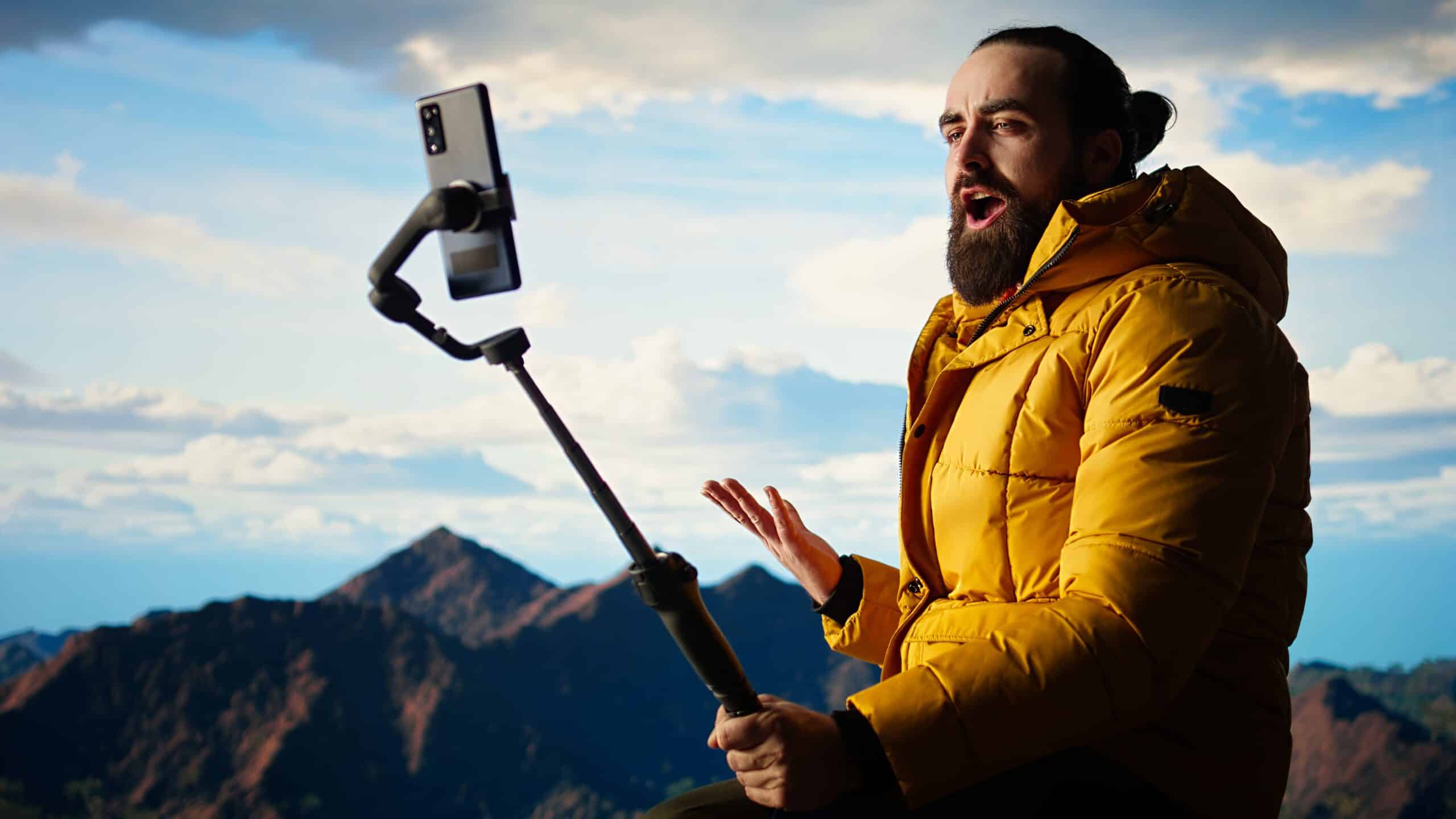
The idea of a hidden gem once felt quiet and personal, shaped by slow discovery and word of mouth. In 2026, that rhythm has changed. Travel influencers can spotlight a place overnight, turning unknown corners of the world into must-see stops. The shift brings opportunity, but also pressure that many destinations are not built to handle. What begins as admiration can quickly reshape a place. The conversation now sits between access and impact, asking how visibility changes not just travel, but the places themselves.
The Algorithm Moves Faster Than The Place
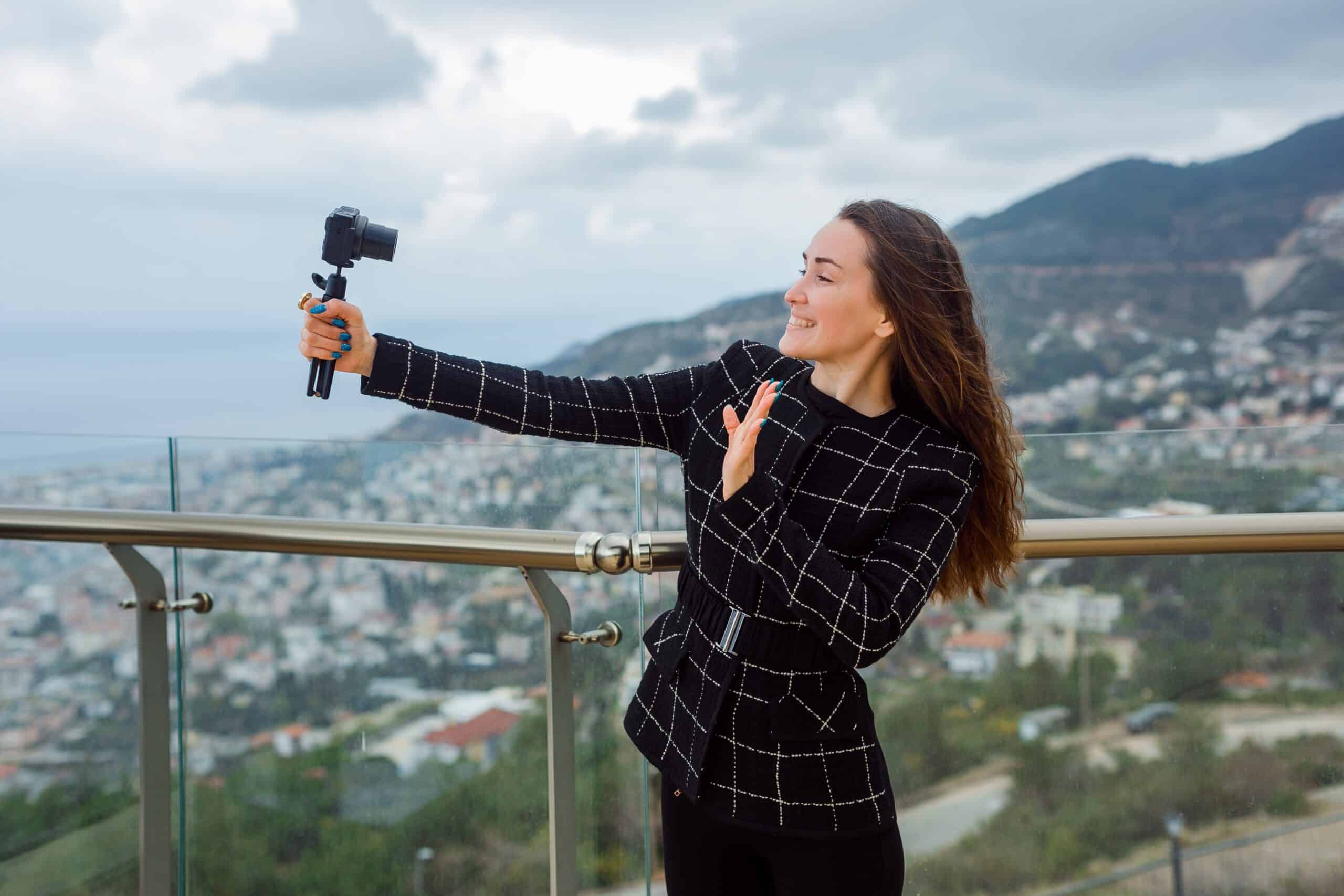
A single viral post can redirect thousands of travelers toward a location that once saw only a steady trickle of visitors. Social platforms reward what feels new, pushing remote beaches, quiet villages, and overlooked trails into sudden global focus. The pace of that exposure often outstrips local capacity. Roads, sanitation, and basic services begin to feel the strain. What follows is not just crowding, but a shift in daily function, where the place starts reacting to attention rather than shaping its own rhythm.
Beauty Becomes A Backdrop
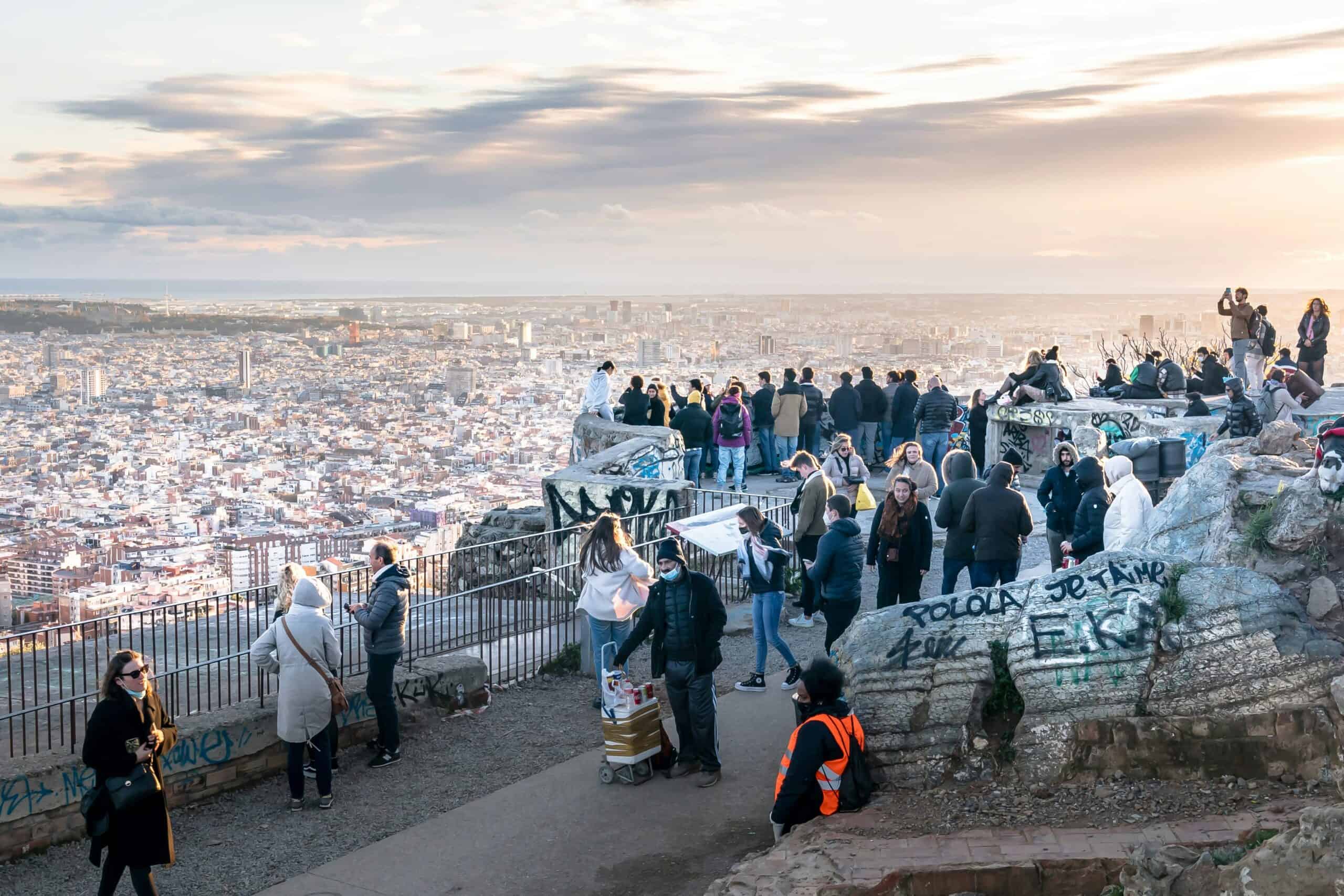
As more visitors arrive with a clear visual goal, the purpose of a place begins to shift in subtle but lasting ways. Scenic viewpoints and cultural landmarks turn into settings for content, where time spent is guided by the perfect frame. The experience narrows, focusing more on capture than presence. Over time, the atmosphere can feel staged rather than lived in. The beauty remains, but its role changes, becoming something to present rather than something to sit with and understand.
Local Life Gets Pushed Aside
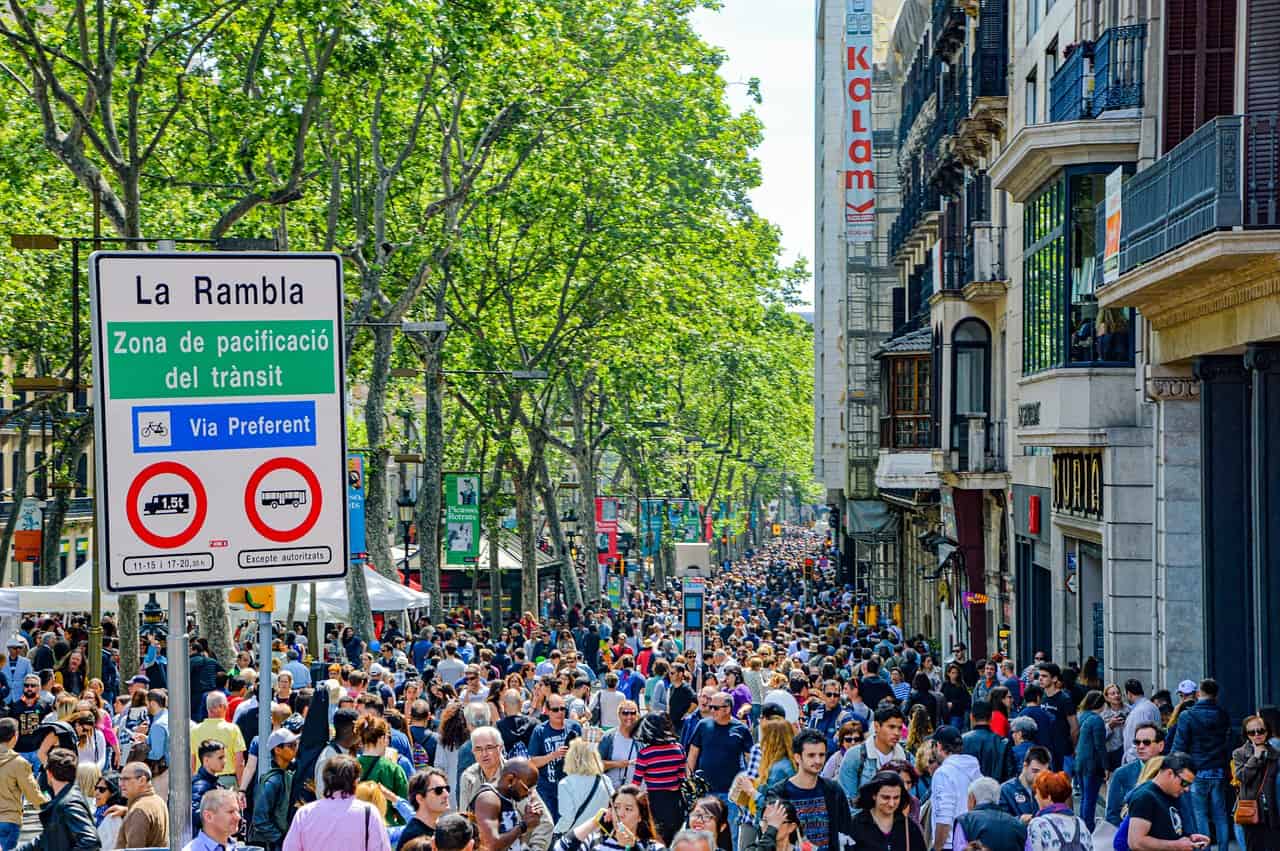
In smaller communities, the effects move beyond tourism and into everyday routines that once felt stable. Cafes, shops, and public spaces begin to cater more to visitors than residents, adjusting menus, prices, and hours. Housing can shift toward short-term rentals, raising costs for locals. Familiar neighborhoods take on a different tone, shaped by constant turnover. The change does not happen overnight, but it builds steadily, creating distance between the place as a home and the place as a destination.
Fragile Environments Feel The Pressure
Vishal Tiwari/Unsplash

Many hidden gems are valued for landscapes that feel untouched, yet that quality can fade quickly under repeated impact. Foot traffic widens trails, litter accumulates in hard-to-manage areas, and ecosystems begin to show strain. Even well-meaning visitors leave a mark when numbers grow too quickly. Without clear boundaries or oversight, natural spaces absorb the cost of their own visibility. The damage is often gradual, but it becomes difficult to reverse once it reaches a certain point.
Information Spreads Without Context
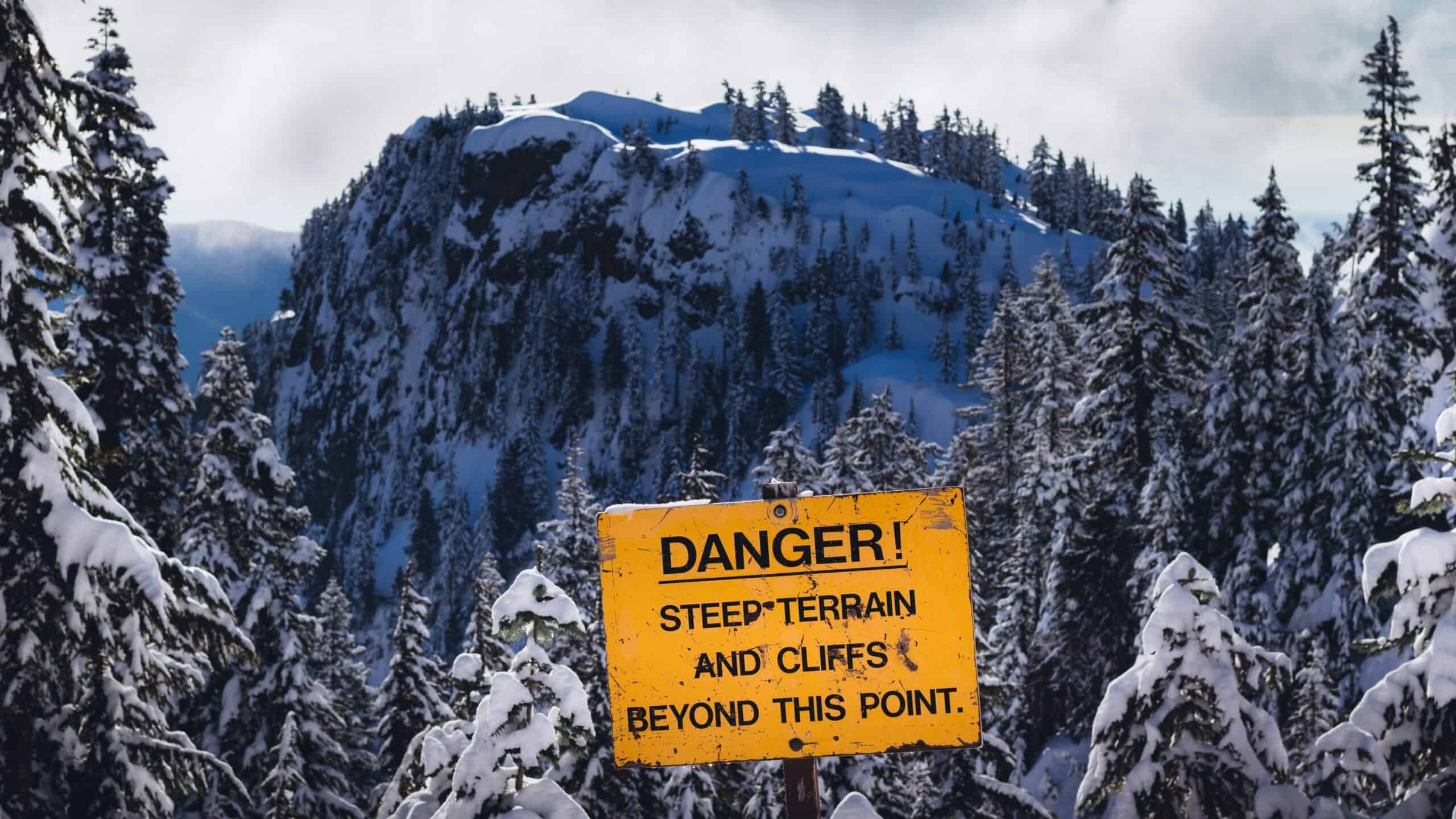
A location pinned online often arrives without the details that give it meaning. Seasonal conditions, cultural norms, and access limits rarely travel as fast as the image itself. Visitors may arrive at the wrong time or behave in ways that clash with local expectations. What looks simple on a screen can be far more layered in reality. The gap between visibility and understanding creates friction, turning travel into repetition instead of connection with the place.
Short-Term Attention, Long-Term Impact
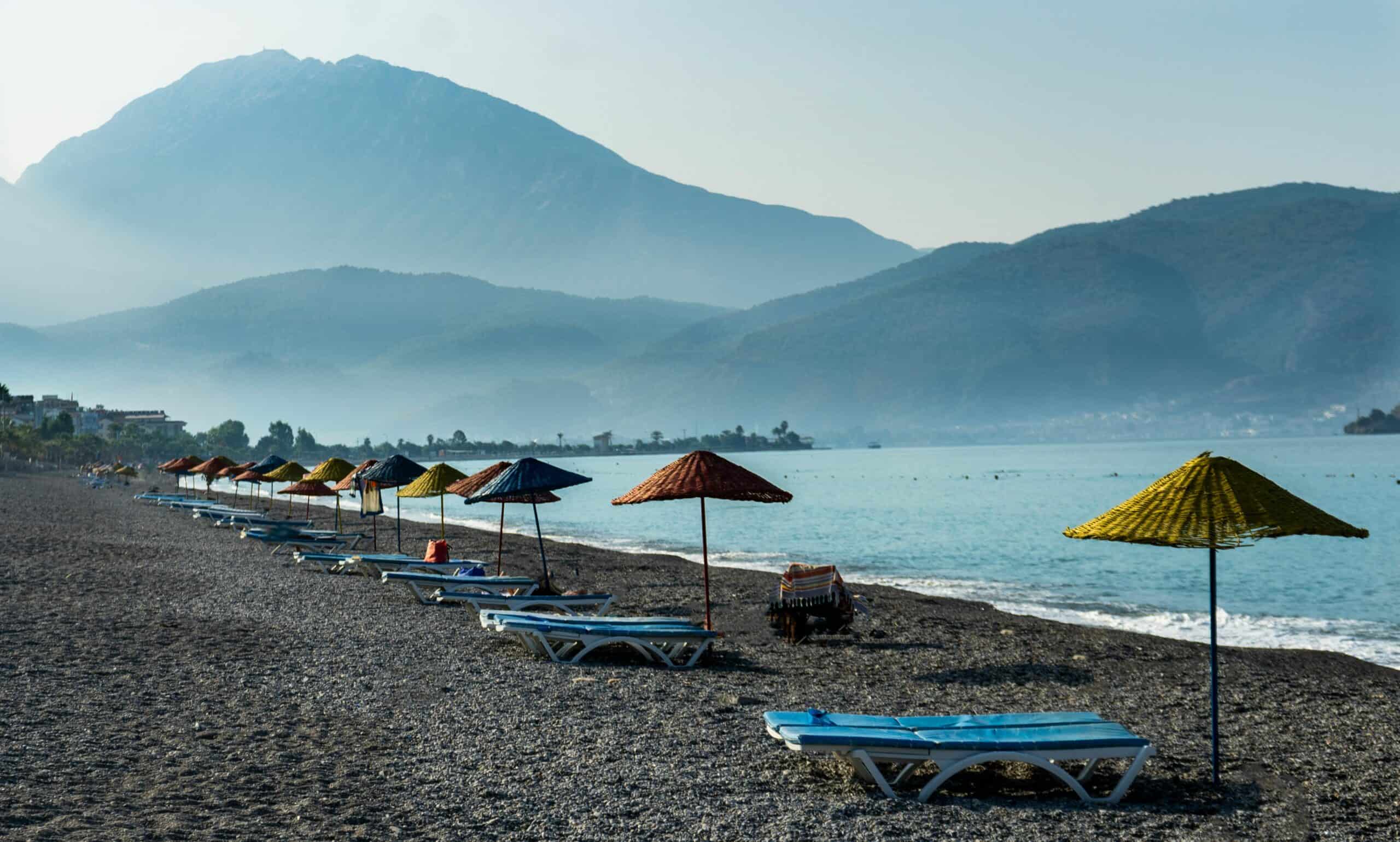
Influencer-driven travel tends to move in cycles, where attention rises quickly and fades just as fast. A destination may see a sudden surge, followed by a quiet drop once the trend passes. The effects, however, remain in the form of worn infrastructure, environmental stress, and economic shifts. Communities are left to adjust long after the spotlight moves on. The imbalance between short attention and lasting impact becomes one of the defining challenges of modern travel.