We may earn money or products from the companies mentioned in this post. This means if you click on the link and purchase the item, I will receive a small commission at no extra cost to you ... you're just helping re-supply our family's travel fund.
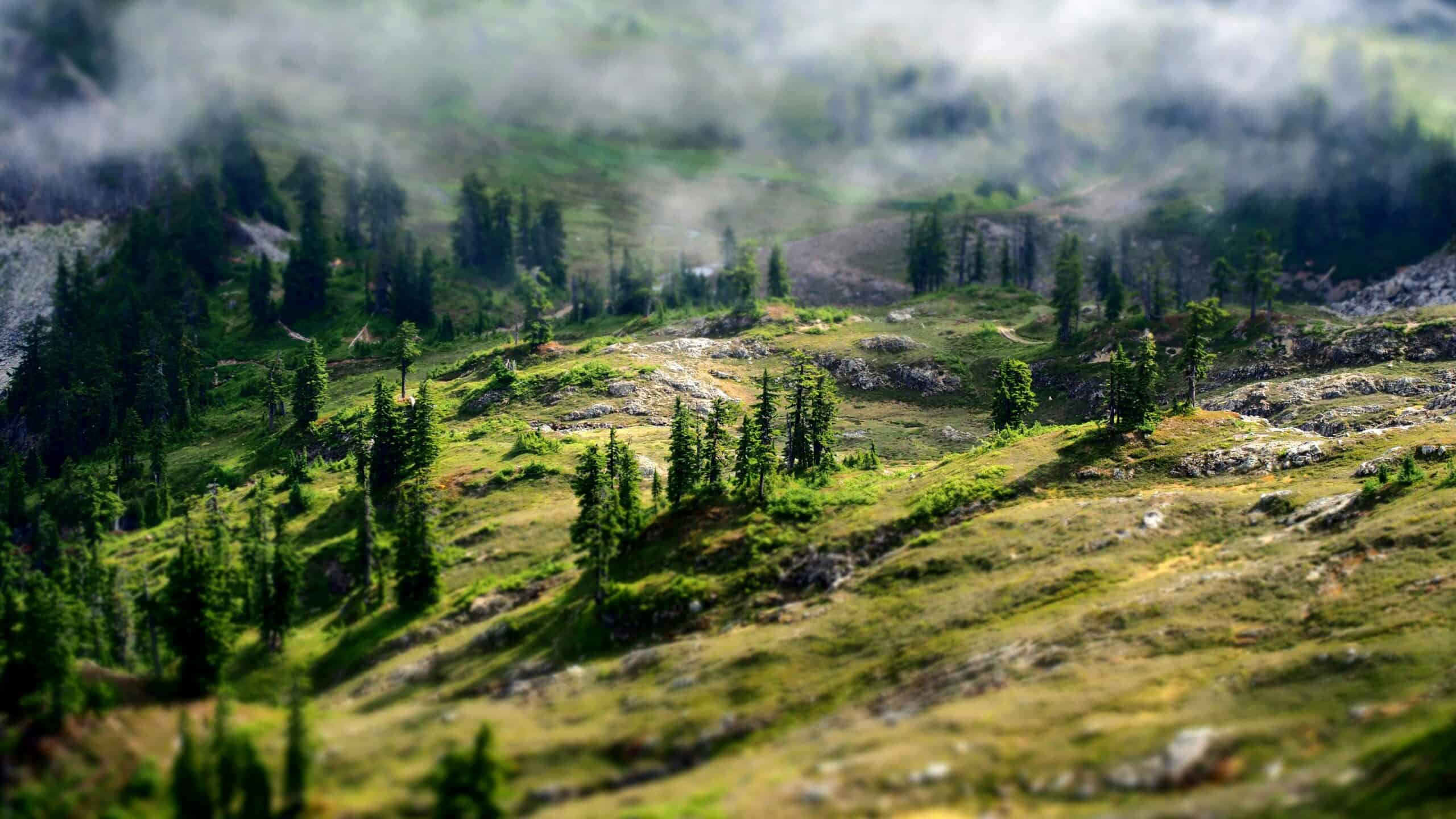
After years of mapping, collaring, and tracking, wildlife agencies now describe mountain lions as residents across much of the United States West and parts of the Great Plains. The cats stay mostly unseen, moving through canyon rims, pine forests, and desert mountains while people notice only a track in dust or a shadow at dusk. What looks like wilderness drama is often ordinary ecology: deer move, lions follow, and landscapes stay connected. The 15 states below align with widely cited lists of established, breeding populations.
Washington

In Washington, mountain lions thread between coastal rainforests, inland mountains, and the drier country east of the divide, using river corridors and steep, brushy draws as natural travel lanes. Their presence often shows up in small, quiet signs: round tracks on a logging road, a deer cache hidden under needles, or a brief silhouette at first light before the animal slips back into timber. The mix of deep wilderness and fast-growing foothill towns keeps the story current, especially when winter snow pushes prey and predators down toward lower elevations and closer to daily routines on the edges of growth and along highways. At night.
Oregon
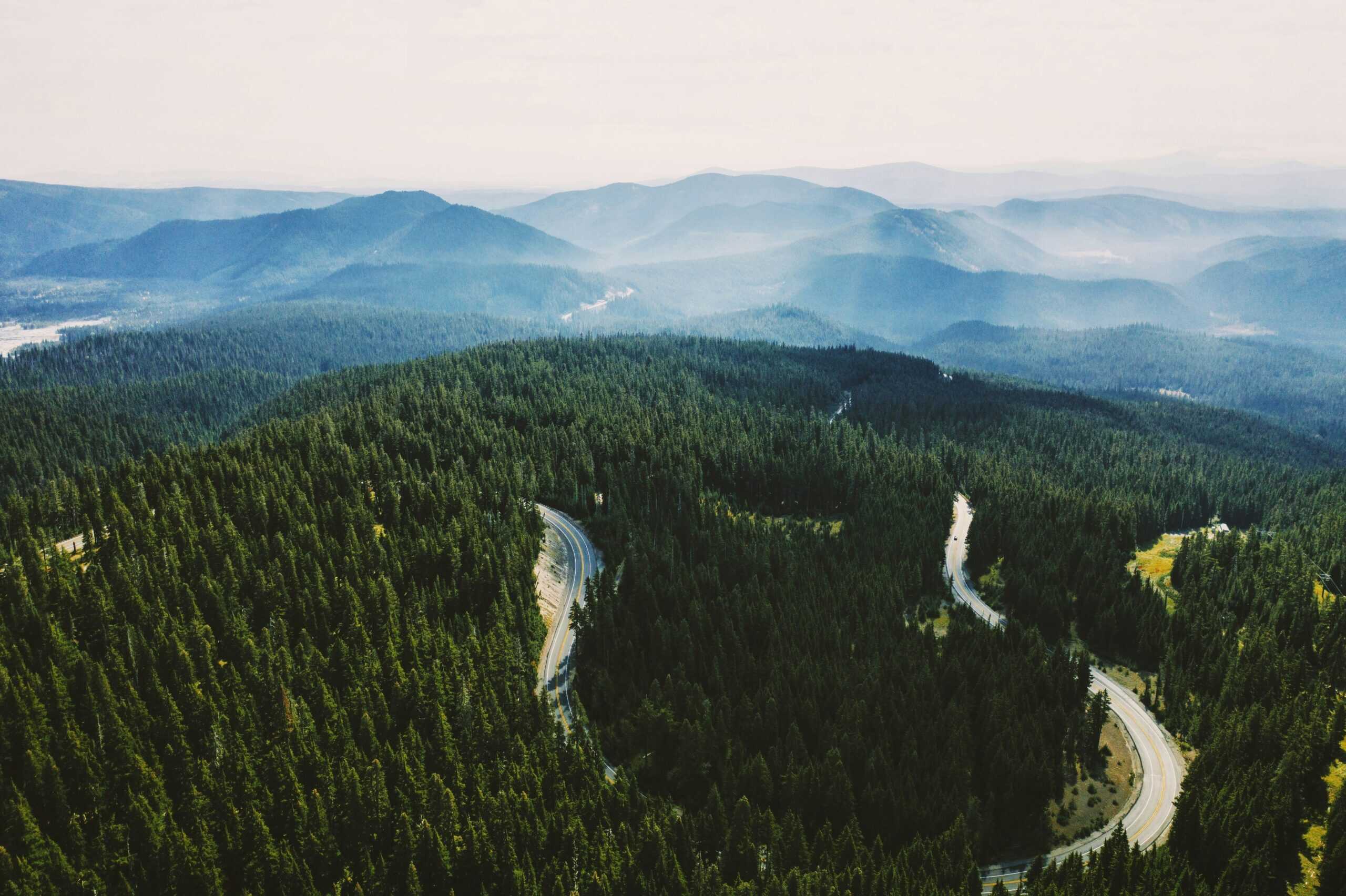
Oregon’s cougars are woven into the state’s everyday wildness, from wet western forests to drier interior mountains and the cutbanks above sage flats. They move like a rumor, present but rarely visible, following deer and elk through regrowth thickets, brushy draws, and rocky edges that hide them in plain sight. Where working forests, ski hills, trail networks, and small towns sit close to habitat, the lion’s story becomes one of overlap and timing, with winter snow shifting prey downslope and summer heat pushing movement into dusk and dawn, when the world feels quieter and more watchful even when nothing is seen from the porch light.
California
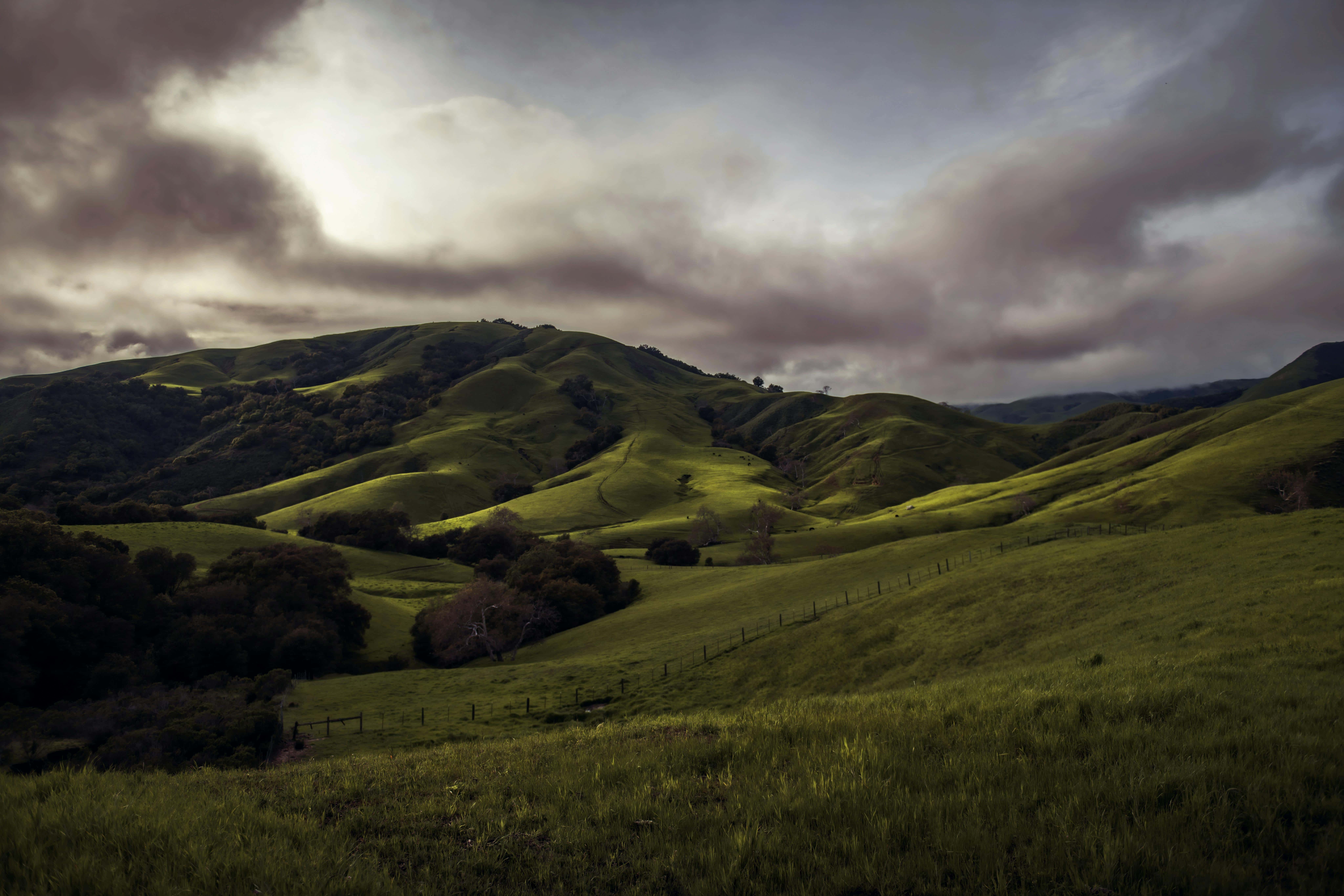
California holds one of the broadest mountain lion stories in the country, from high mountain forests to coastal ridges and chaparral hills behind suburbs. The cat’s adaptability shows in how it uses cover, slipping through oak woodland and rugged canyons, then vanishing as quickly as it appeared after dark. With wildlands pressed against freeways and neighborhoods, habitat becomes a patchwork, and fire seasons can reshuffle where prey concentrates, so the most dramatic moments are often the quietest: a track along a creek, a deer moving too cautiously, or a camera trap image that proves the state still has teeth. In the same week, again.
Nevada
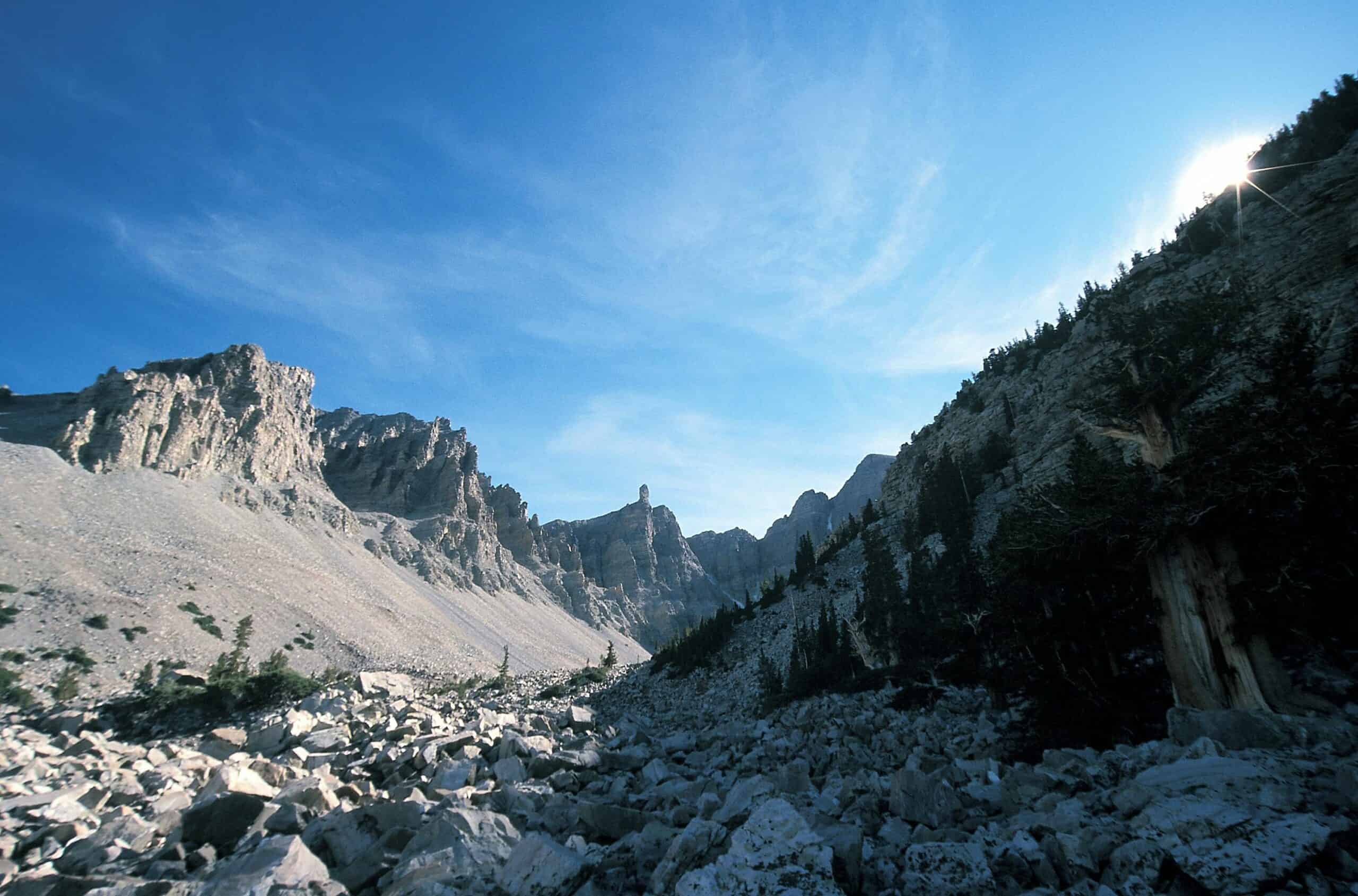
Nevada’s mountain lions live in the in-between spaces of the Great Basin: isolated ranges, piñon-juniper slopes, and canyons where springs and shade pull deer into repeatable routes. In a state that can look bare at first glance, the cat’s reliance on cover becomes easier to picture, tucked into rocky folds, rimrock ledges, and brushy washes that turn invisible into a survival skill. Lions link sky-island habitats across desert basins, crossing vast distances through night-cool valleys while ranchlands and public lands share the same quiet predator, working the edges of every seep and creek year after year without fanfare, and rarely noticed.
Arizona
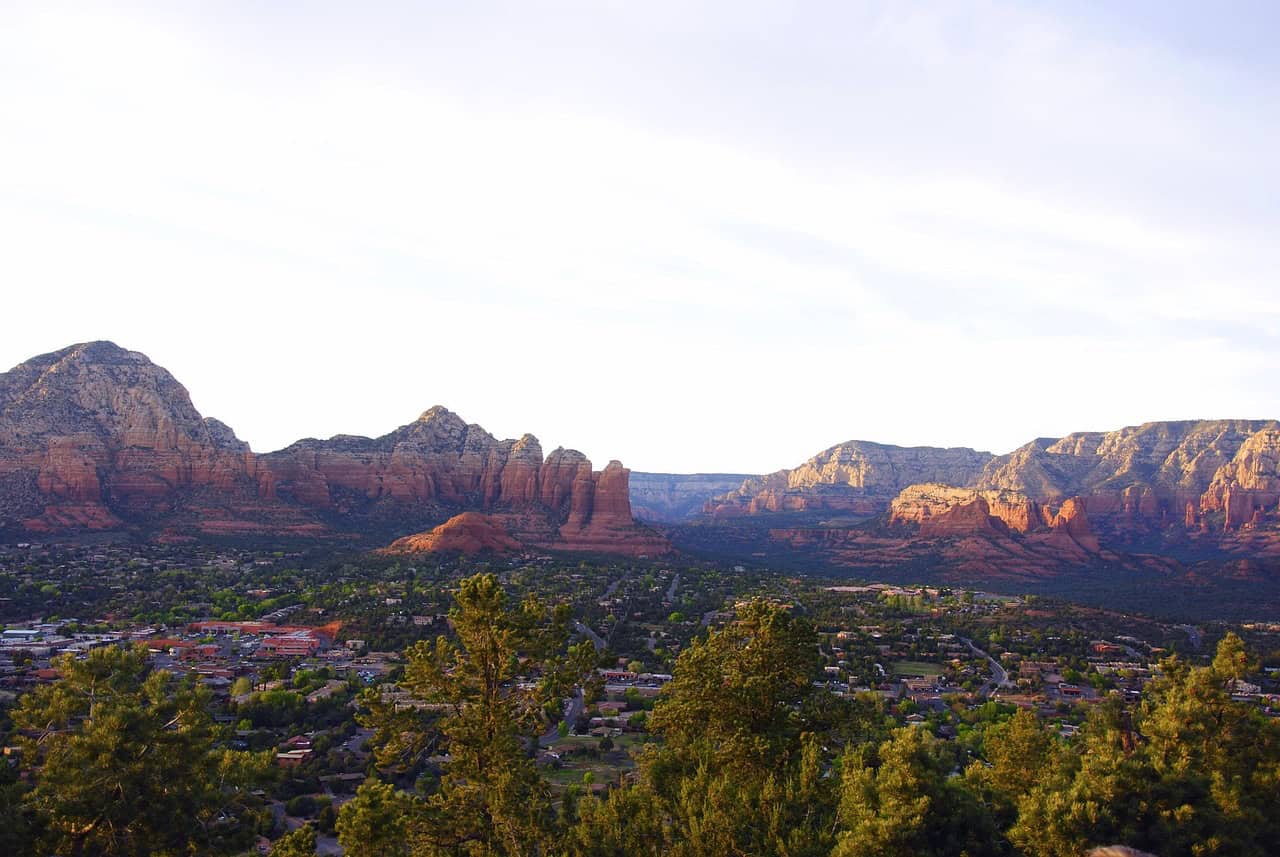
Arizona’s lions occupy a striking vertical world, from cactus foothills up into cooler pine forests where summer storms change the air in minutes. The state’s mountains act like islands of habitat, and lions move between them through rugged passes and riparian corridors that funnel deer into narrow routes. Where desert edges meet wild high country and the outskirts of growing cities, the cat’s presence adds quiet intensity to every wash and ridge, with monsoon seasons reshaping waterholes and winter snow pushing prey lower, so a single track in dust can feel like a headline even when the rest of the day stays ordinary. For locals at dawn.
Utah
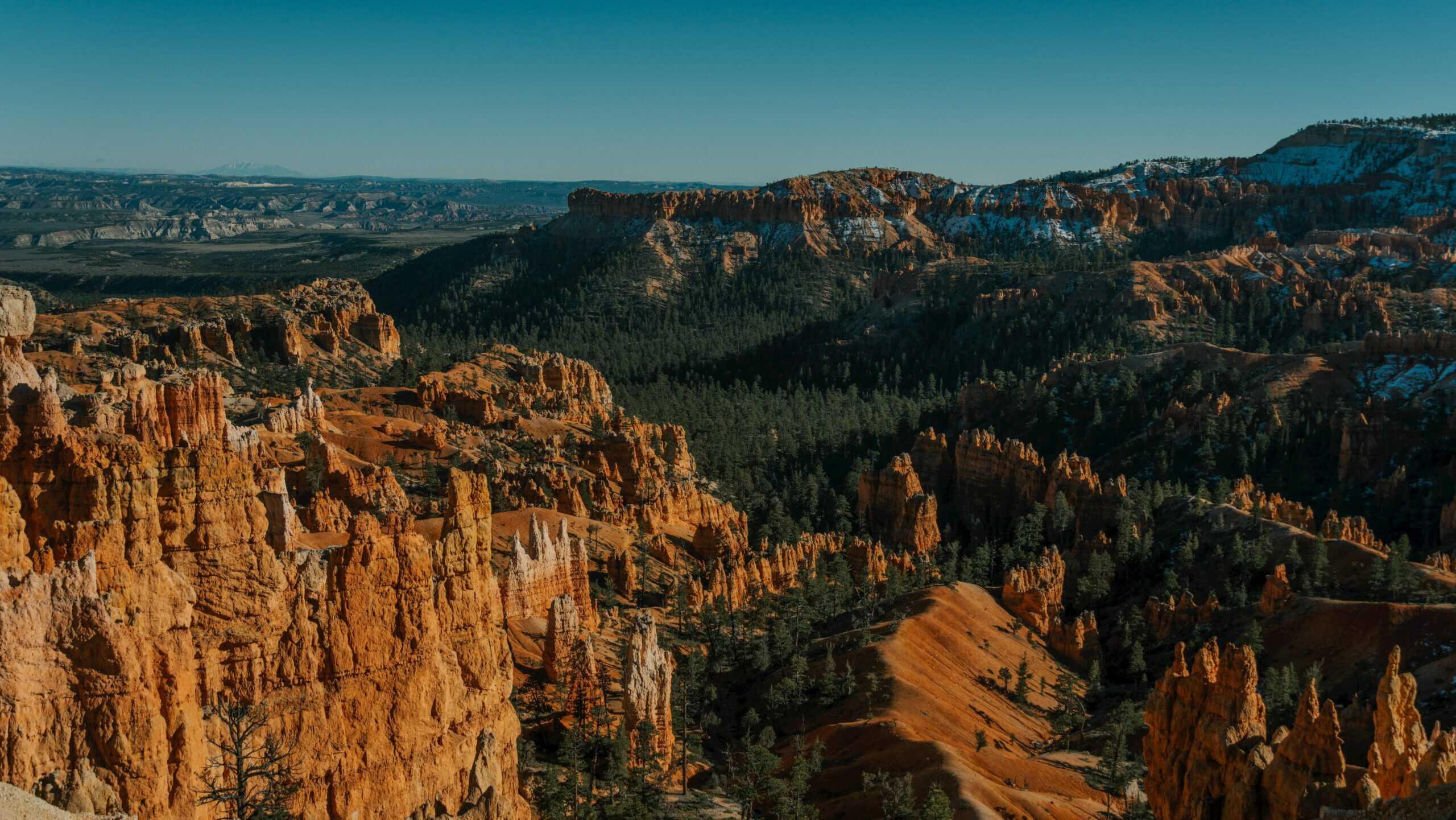
Utah’s mountain lions move through a landscape built of cliffs and transitions, where red-rock canyons give way to pinyon-juniper benches and then rise into aspen groves and conifers. Their range stretches from foothills near population centers to remote plateaus, tracking mule deer migrations that shift with snowpack, drought, and fire. In a state famous for wide-open views, the lion stays a close-range animal, built for ambush and steep escape terrain, so most evidence is indirect: a scrape beside a trail, a cached kill under leaves, or prints stitched across fresh snow at dawn, nearby after storms before the sun softens it. Fast.
Idaho
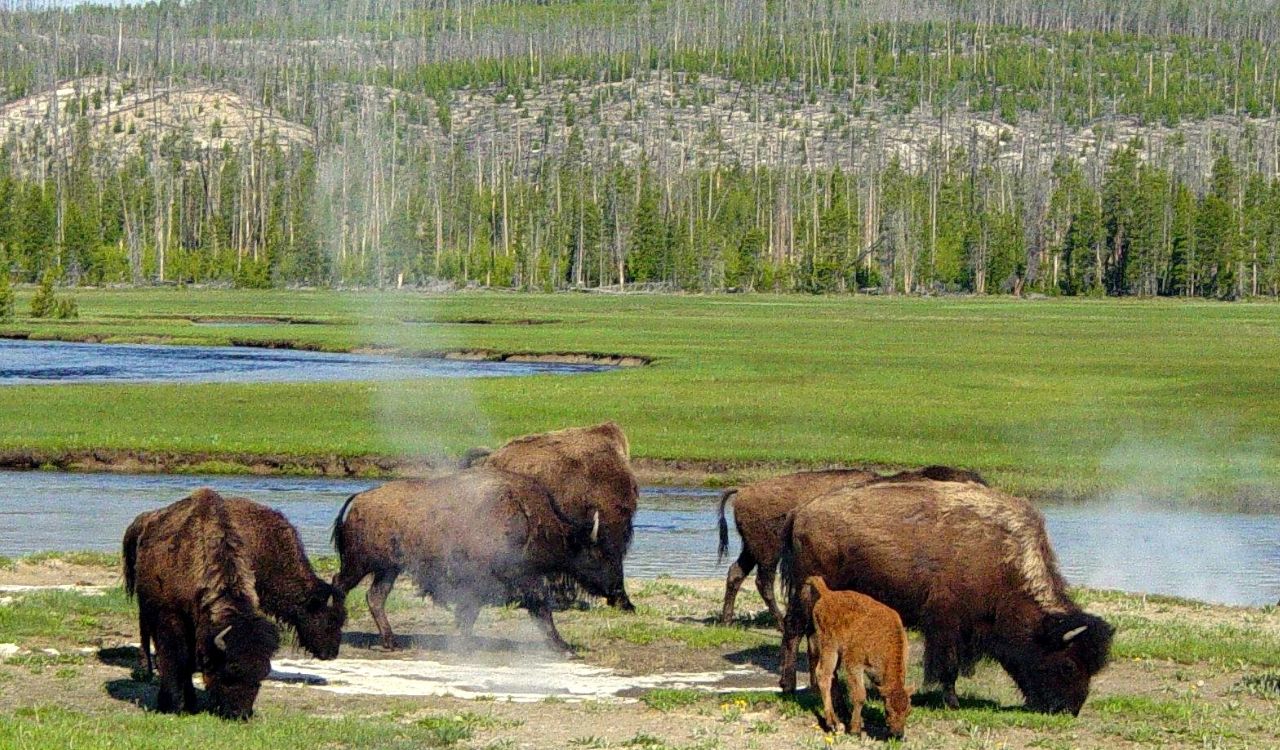
Idaho’s mountain lions fit the state’s rugged scale, using big river valleys, sage breaks, and timbered basins as a connected network rather than separate pockets. From the far north to the central mountains and the state’s southern edges, steep terrain and dense cover give the cats room to hunt and raise young with minimal disturbance. The lion’s role can feel invisible until winter, when tracks appear on snowy roads and the story sharpens: a predator moving efficiently through fir shadows, canyon rims, and working landscapes where elk and deer set the tempo for everything else for miles without being seen in daylight, too. At times.
Montana
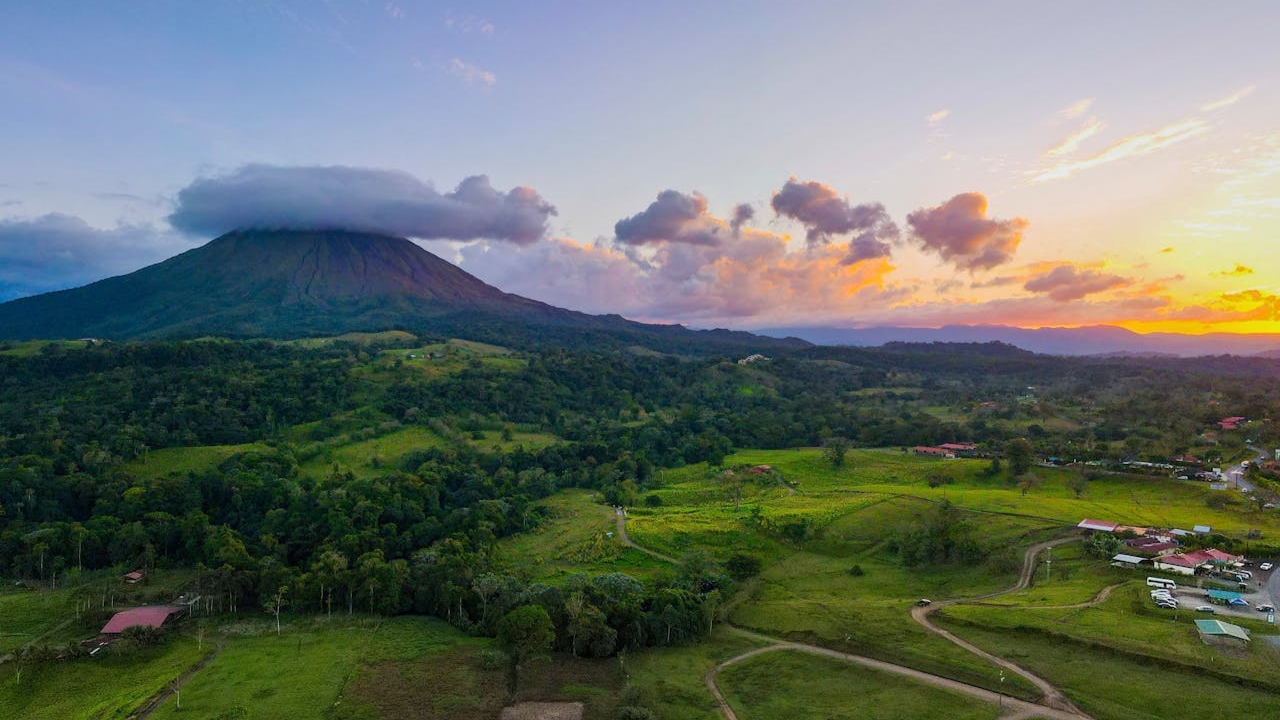
Montana’s lions ride the state’s vast prey base, slipping along forested ridges and brushy coulees where deer and elk winter, calve, and move with the weather. In the west, steep mountains and thick timber provide classic cougar terrain, while the central and eastern breaks offer surprising cover in draws that look empty from the road. Because distances are huge, the cat’s presence can feel like a thin thread tying valleys together, from ranchland edges to deep public backcountry, and winter snow often turns that thread visible in a single line of tracks before the wind erases it, and silence returns as if nothing happened. Overnight.
Wyoming
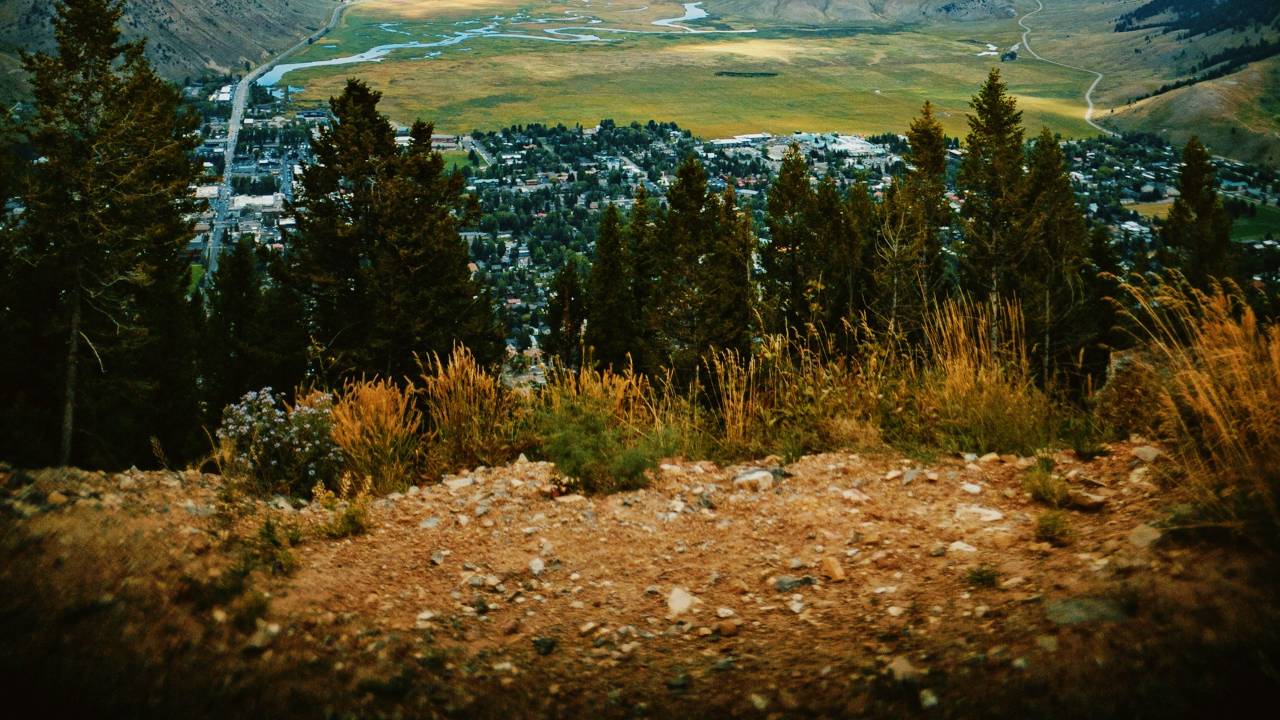
Wyoming’s mountain lions live where rough country meets reliable prey, from high ranges and foothills to the rocky breaks above sage valleys and river bottoms. Even in a state famous for open space, lions depend on cover, using timbered north slopes, rimrock, and thick draws to hunt and travel unseen, especially when winter concentrates deer on lower ground. Across wide basins and quiet mountain towns, the lion is part of the same moving web as elk and mule deer, a steady, shadowy presence that keeps ecosystems honest while most days remain calm and ordinary until a track appears in fresh snow, suddenly. And then fades again by noon.
Colorado
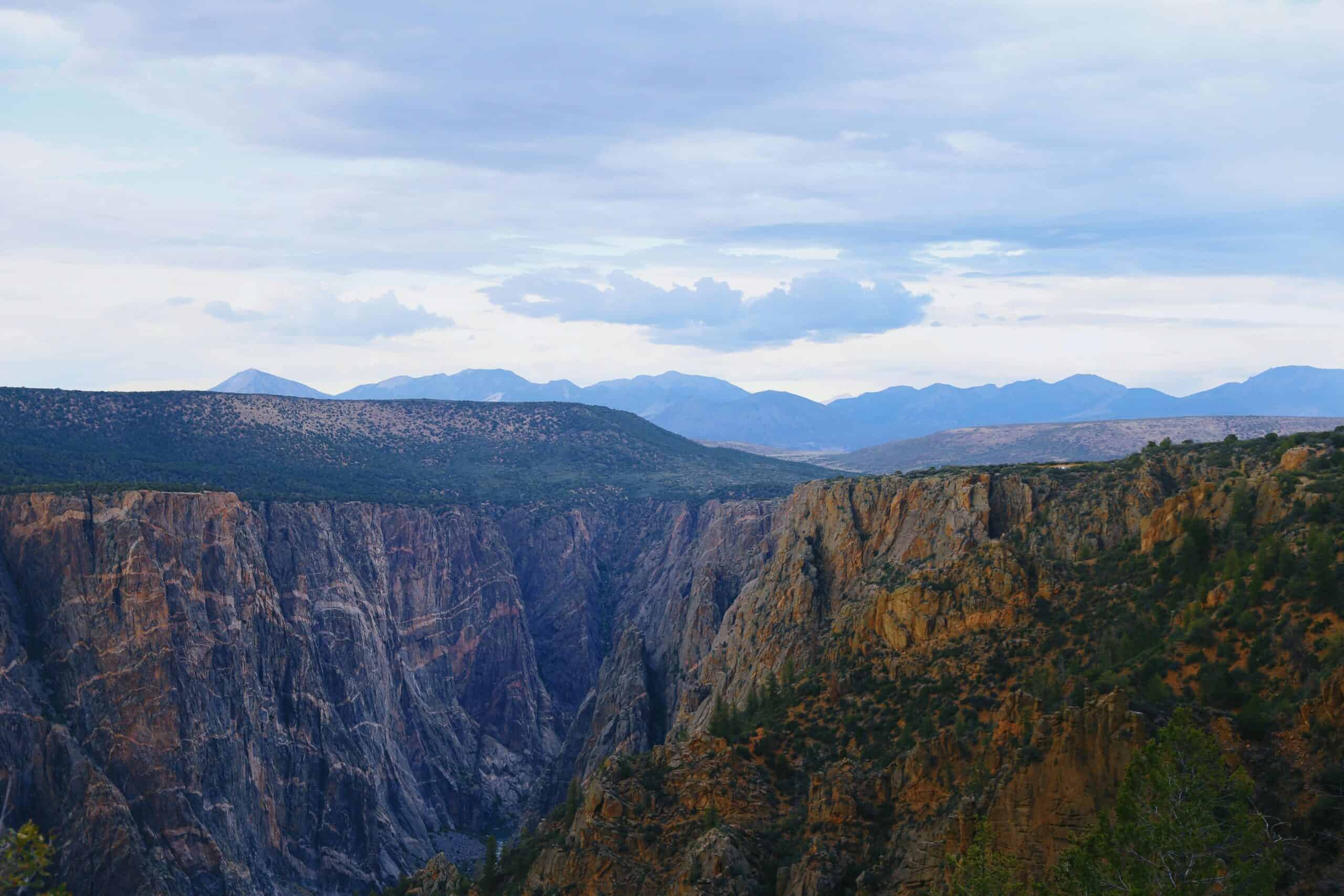
Colorado is classic mountain lion country, with cats spread across foothills, mesas, and forested slopes where deer concentrate near steep escape terrain. Colorado Parks and Wildlife notes that lions are abundant in suitable habitat, which helps explain why sightings can happen near busy population corridors as well as in quiet backcountry. From pinyon-juniper and oak brush to ponderosa forests, the state offers endless edges for ambush along migration routes and canyon drainages, and winter makes the cats feel suddenly real when tracks cut across a trail in fresh snow at dawn while everything else stays still for a moment, too. Outside town.
New Mexico
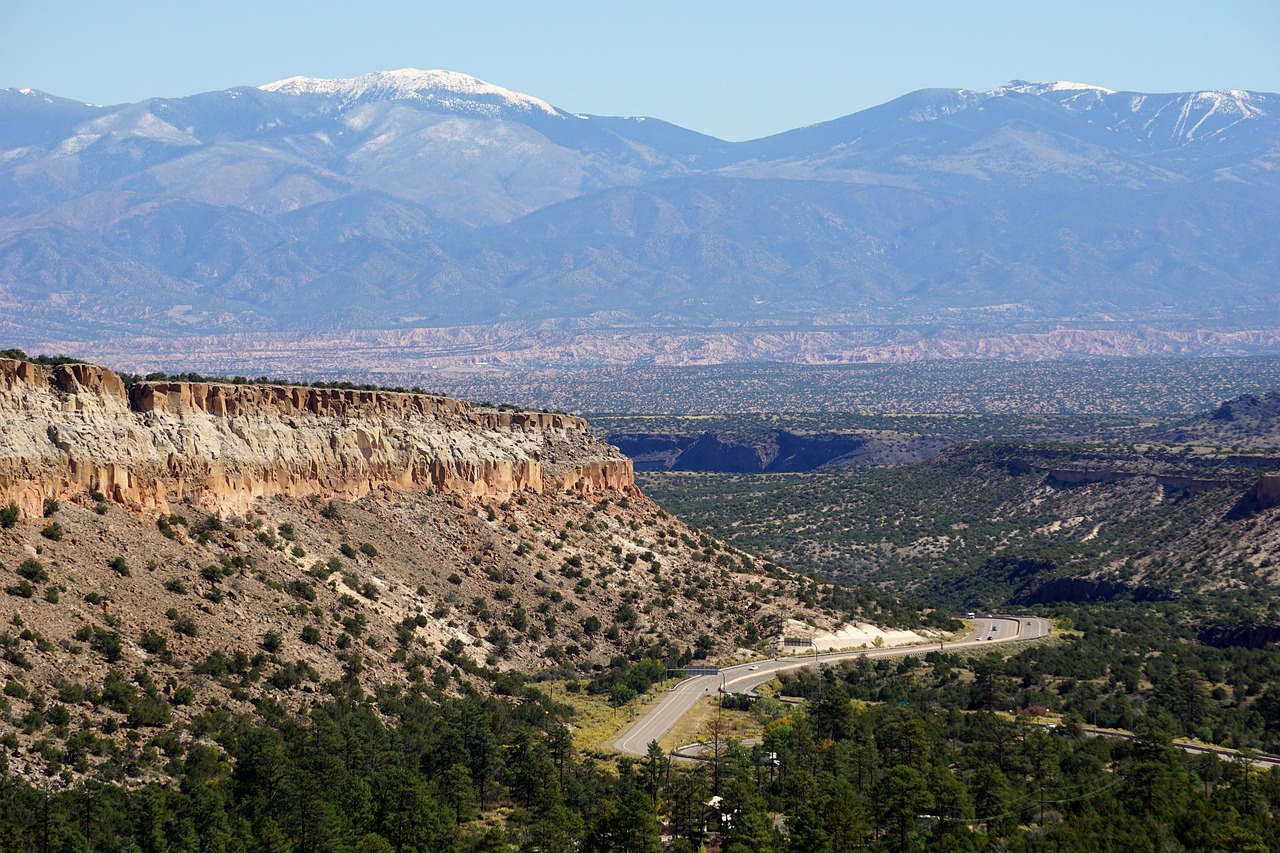
New Mexico’s lions live across a state of hard contrasts, from desert foothills and lava fields to high, cool forests on mountain flanks. In a land where water and shade matter, routes often follow arroyos, canyon rims, and wooded river corridors, with mule deer and elk drawing predators into the same protected pockets. The cat’s presence adds depth to places already rich with history and night sky, and in remote sections near the state’s high spine of peaks, the feeling of continuity can be strong: a modern road nearby, but an ancient predator still moving with the land. Quietly. Always. Through every season without asking permission.
Nebraska
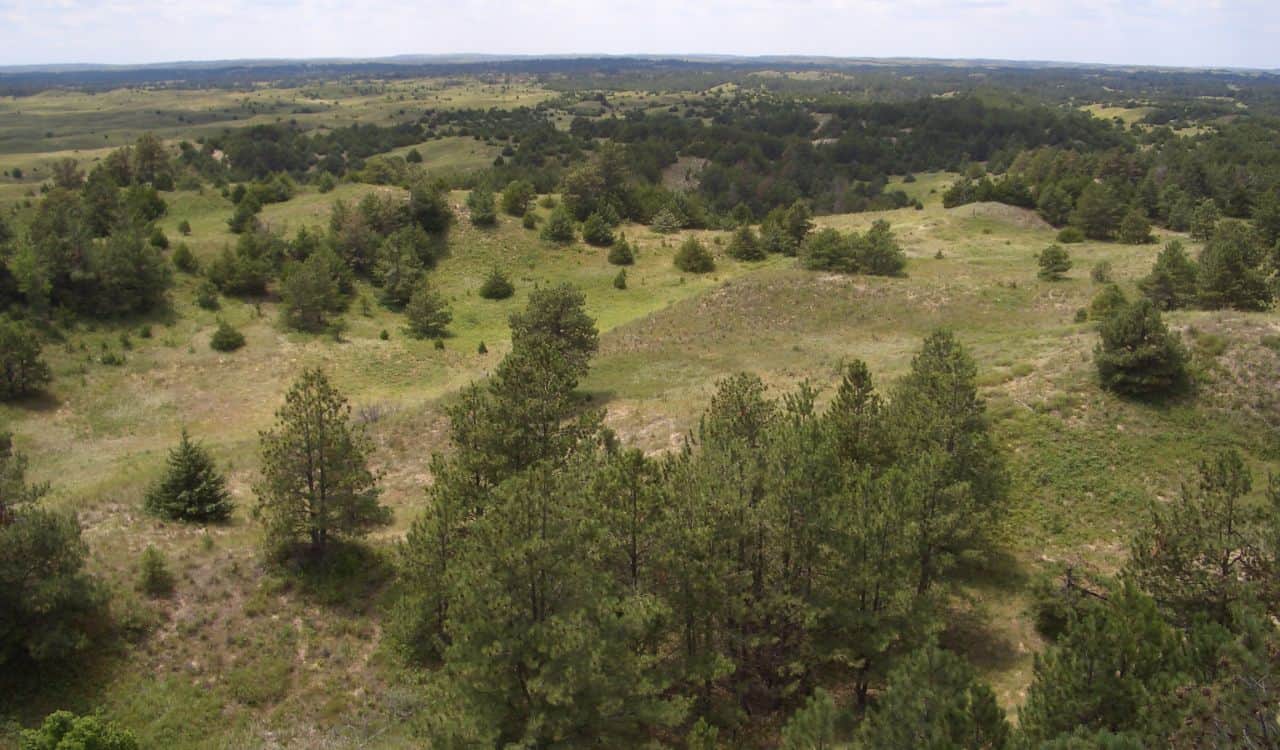
Nebraska surprises many people, but the state has evidence of a resident, reproducing mountain lion population in its northwestern highlands and river breaks, not just wandering visitors. Steep buttes, pine pockets, cedar thickets, and hidden drainages create the cover lions need, while deer trails and waterways stitch habitat together near the state line. It is a quieter version of the West, where a top predator lives close to ranch fences and small towns, and winter snow can turn the landscape into a ledger of tracks that disappear again by afternoon, leaving only a trail-camera image from an ordinary night. Nearby. For weeks and then gone.
South Dakota
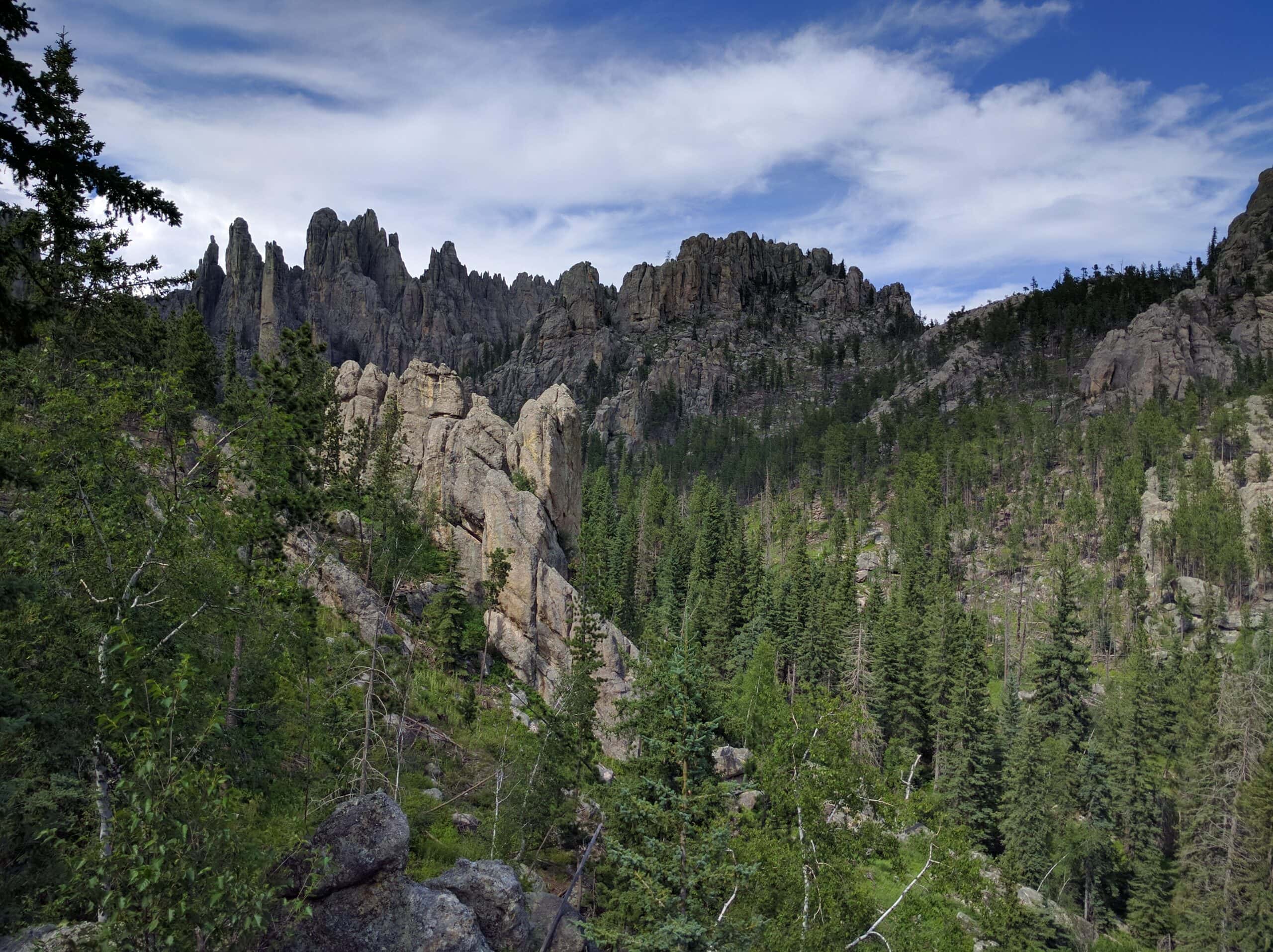
South Dakota’s mountain lions are centered in the state’s forested western hills, where pine cover, rock outcrops, and rugged draws give the cats enough seclusion to reproduce and hold territory. South Dakota Game, Fish and Parks notes that lions are also seen outside that core area, but many of those animals are transient, moving through open country and river breaks. That split creates a distinct mood: a compact heartland of true habitat, and a wide surrounding ring where a track in snow can spark surprise, debate, and a sharp reminder that the Plains still has predators with long memories and longer legs. In winter. Too. At dawn.
North Dakota
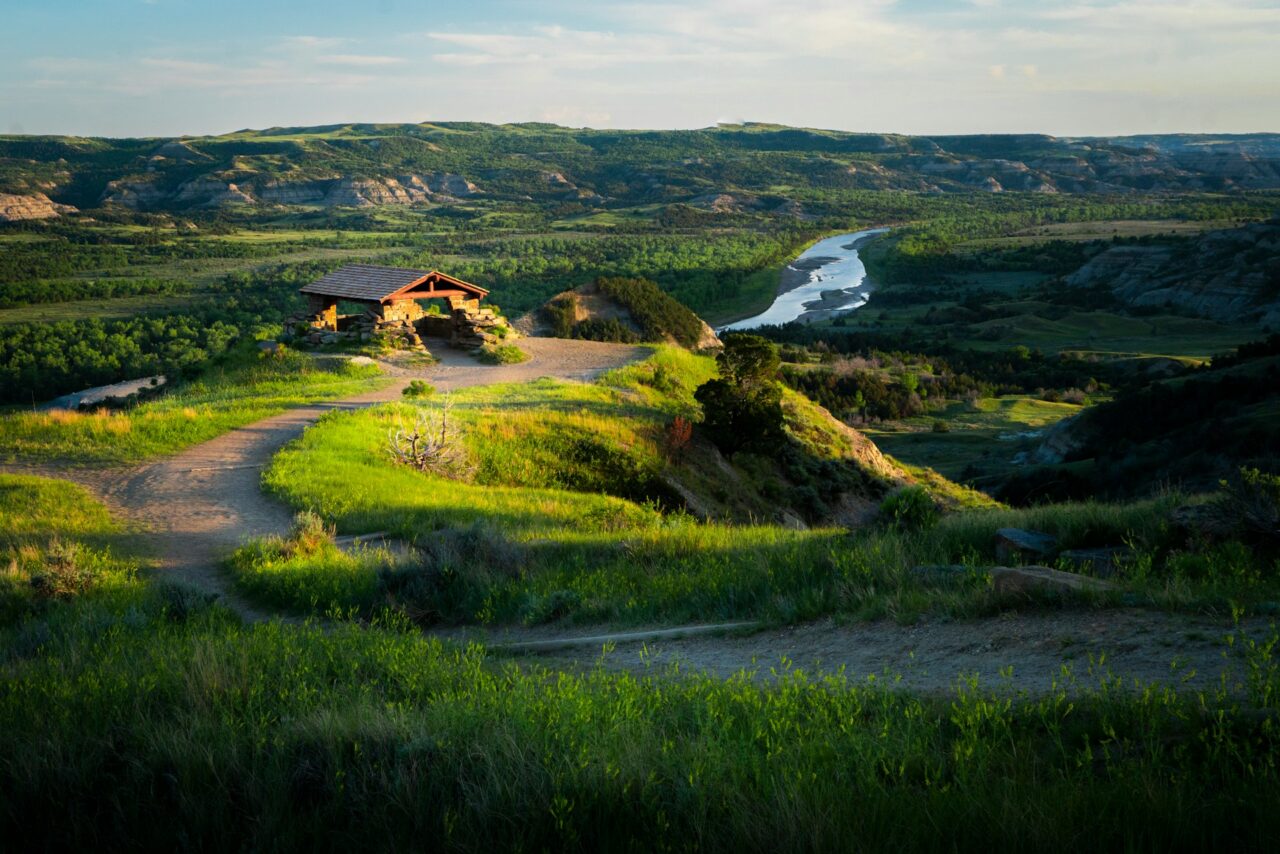
North Dakota is not usually part of the mountain lion stereotype, yet the state wildlife agency describes a stable population in the west, managed with a limited season. Badlands topography, rugged breaks, and patchy cover along drainages create the hiding places lions need, and deer and elk provide dependable prey in the same rough country that draws hikers and hunters. Because the horizon can feel endless, the cat’s presence lands as a shock, but it also fits: where cover meets food, an ambush predator will settle, and winter tracks can prove it in a single, quiet line across snow. At sunrise again. Before winds erase it by midday.
Texas
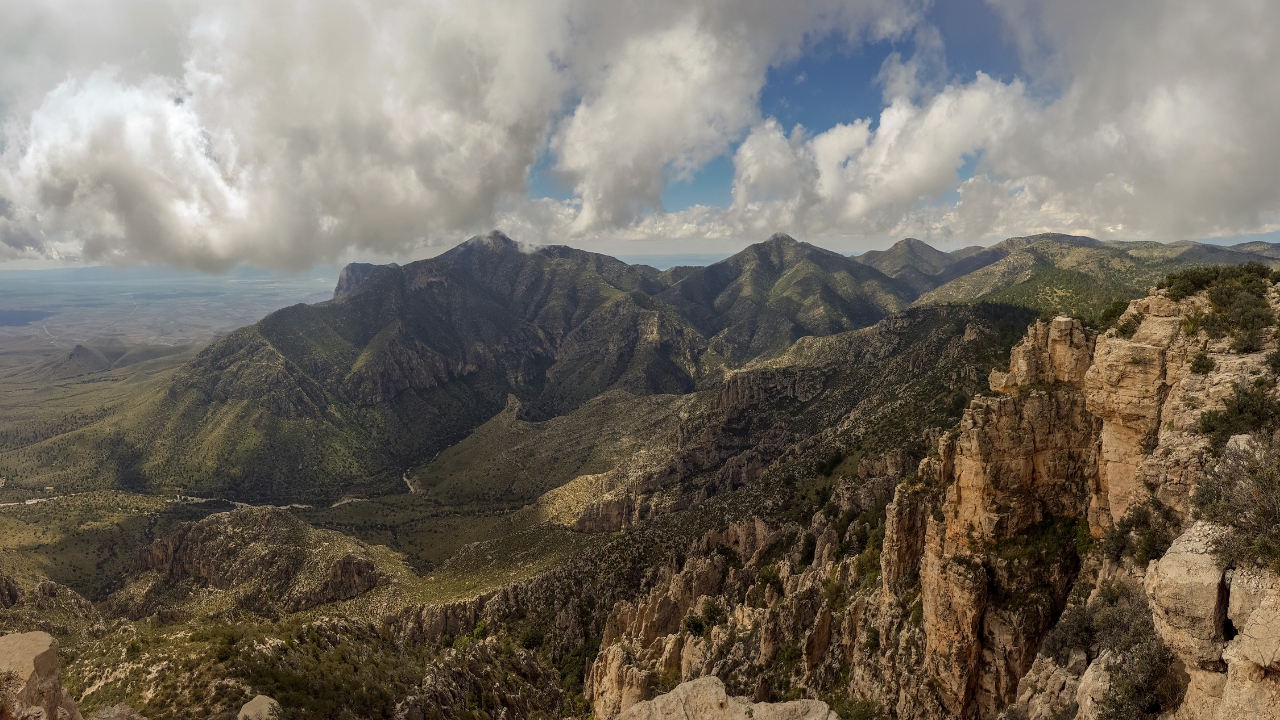
Texas holds mountain lions in its wildest corners, especially far West Texas, where desert mountains and deep canyons provide the cover a cougar needs to live unseen. Texas Parks and Wildlife tracks sightings and mortalities to document distribution, a reminder that the cats are present even when the land feels too harsh to hold much life. Across rugged ranges tied to northern Mexico, lions follow deer through arroyos and rimrock and across remote ranchlands, shaping a version of Texas that feels older than highways, where darkness arrives quiet and the food chain still has its full top line. Most nights of the year, without applause. At all.