We may earn money or products from the companies mentioned in this post. This means if you click on the link and purchase the item, I will receive a small commission at no extra cost to you ... you're just helping re-supply our family's travel fund.
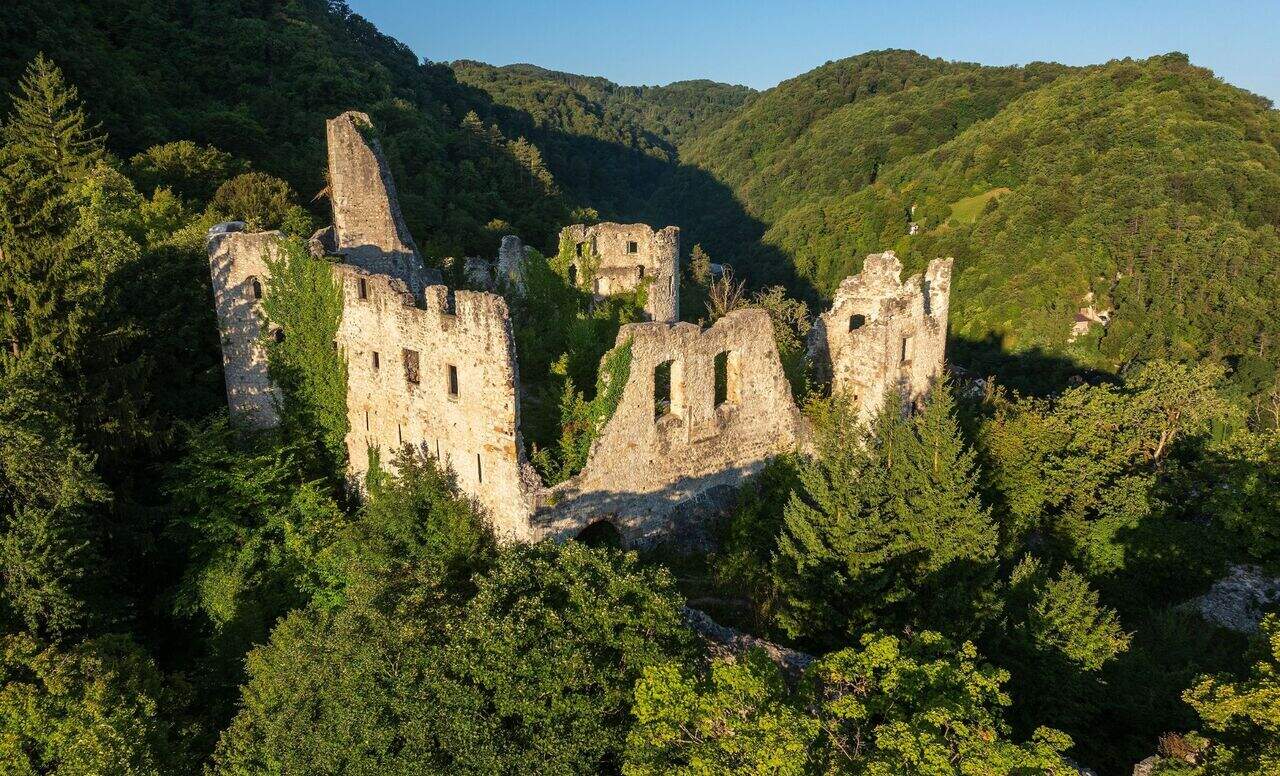
For centuries, dense woodland concealed a monumental prehistoric structure in northeastern Romania. What appeared to be untouched forest has now revealed a vast fortified settlement dating back roughly 5,000 years. Using advanced scanning tools and careful fieldwork, archaeologists uncovered defensive earthworks that reshape our understanding of early European societies. Here’s a deeper, structured look at what was found, how it was detected, and why it matters today.
1. The Hidden Location and Its Scale
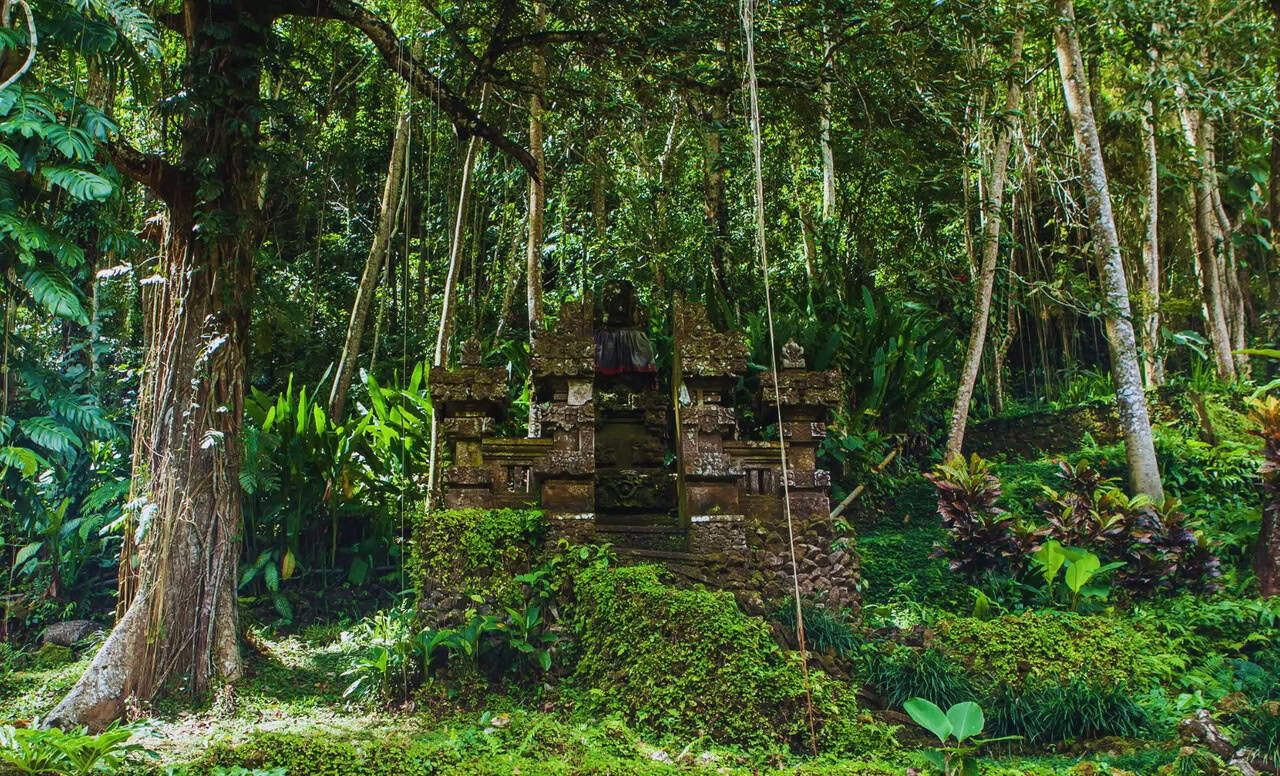
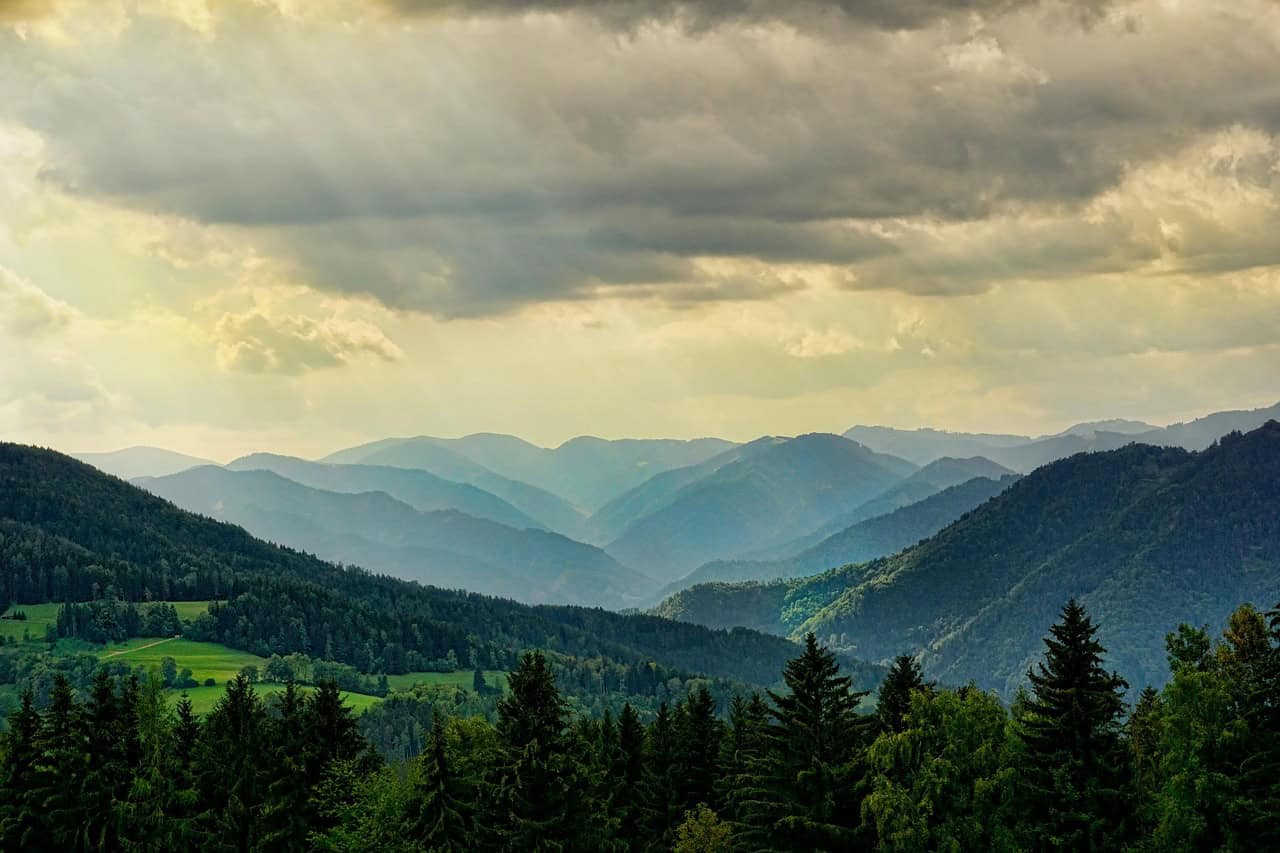
Deep within the forests of Neamț County in northeastern Romania, archaeologists identified a fortified site covering nearly 100 hectares, or about 247 acres. The stronghold sits on elevated terrain, offering commanding visibility over surrounding valleys. Preliminary mapping shows defensive ditches stretching several hundred meters, in some areas measuring up to 3 meters deep and 5 meters wide. The scale suggests a carefully selected strategic position rather than a random settlement. Its isolation beneath thick tree cover allowed it to remain undisturbed for centuries, preserving critical structural details beneath layers of soil and vegetation.
2. Dating the Fortress to 3,000 BCE
Researchers estimate the fortress dates to approximately 3,000 BCE, placing it at the transition between the late Neolithic and early Bronze Age. Radiocarbon sampling and artifact analysis helped confirm this 5,000-year-old timeline. Pottery fragments, stone tools, and traces of wooden palisades indicate an organized community capable of coordinated construction. At this time in European prehistory, most settlements were small and loosely structured. The existence of large defensive embankments implies social hierarchy, planning, and collective labor. Building earthworks of this magnitude would likely have required hundreds of workers over extended periods.
3. LiDAR: The Technology That Revealed It
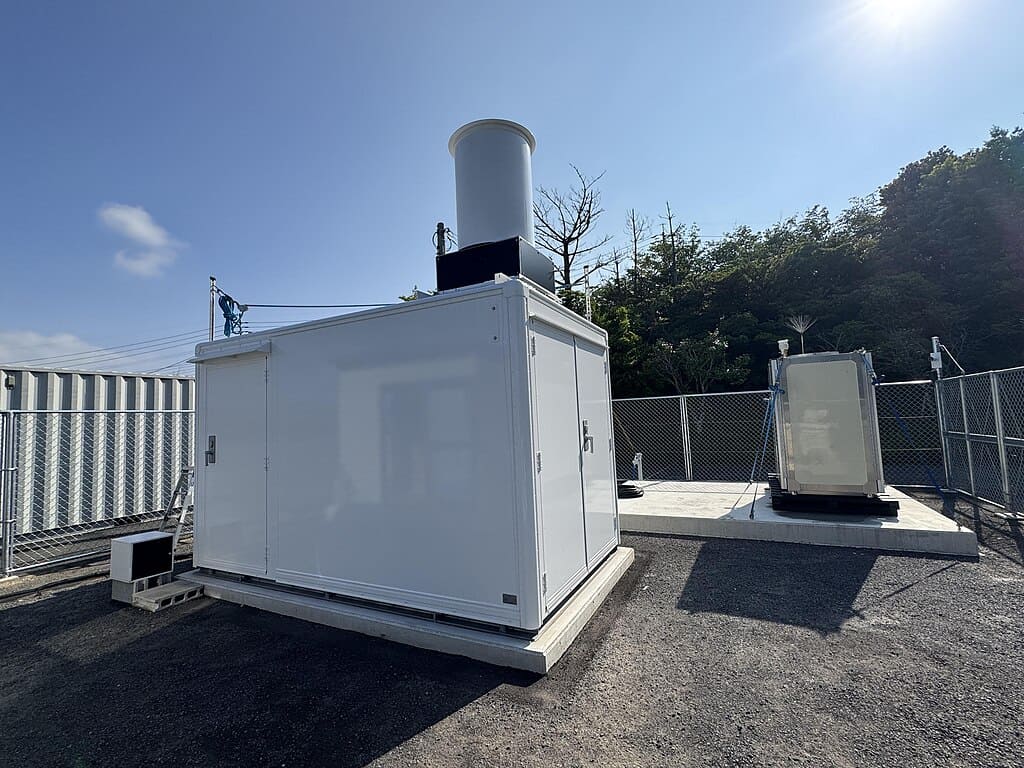
The breakthrough came through LiDAR (Light Detection and Ranging), a remote-sensing method that uses laser pulses to map terrain beneath vegetation. Mounted on drones, the system sent thousands of laser signals per second toward the forest floor. By measuring how long each pulse took to return, researchers generated a precise 3D model of the landscape. Even subtle variations in elevation, sometimes just a few centimeters became visible. What looked like natural ridges turned out to be artificial ramparts. Without LiDAR’s ability to penetrate dense canopy cover, the fortress might have remained hidden for decades longer.
4. Defensive Architecture and Strategic Design
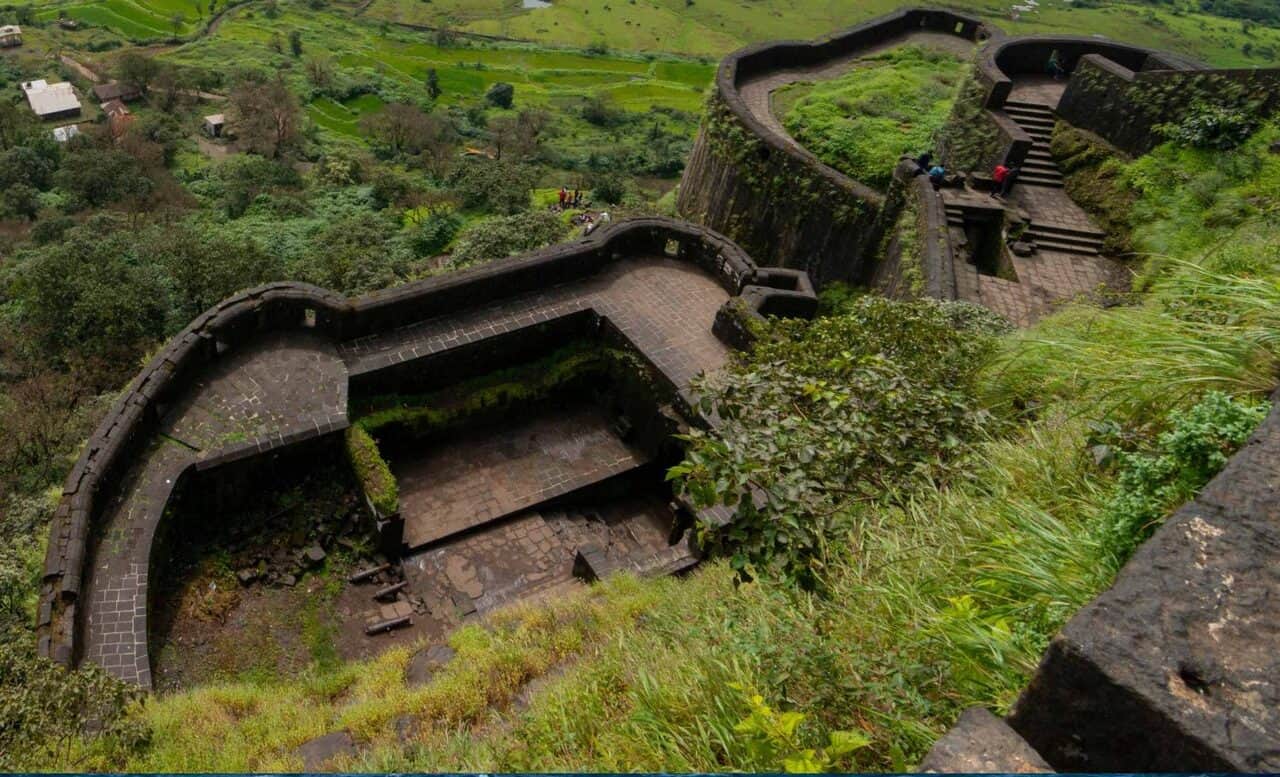
Survey data reveals multiple defensive layers, including long earthen embankments paired with deep perimeter ditches. In some sections, the walls extend more than 1 kilometer in total length. Archaeologists believe wooden palisades once stood atop these earthen ridges, strengthening the barrier. The fortress layout suggests deliberate engineering rather than spontaneous construction. Entrances appear to have been narrow and carefully positioned to control access. The elevated placement would have provided early warning against approaching groups. Such complex fortifications demonstrate that conflict, territorial control, and organized defense were already significant concerns 5 millennia ago.
5. Why This Discovery Matters Today
This discovery challenges assumptions about prehistoric Europe. Around 5,000 years ago, communities in this region were thought to be primarily agrarian and decentralized. However, constructing defenses across nearly 100 hectares indicates coordination, resource management, and possibly leadership structures. The fortress reflects a society capable of mobilizing labor on a large scale. It also highlights how modern technology is reshaping archaeology, allowing researchers to identify hidden landscapes without invasive excavation. As further digs continue, scientists expect additional findings that could clarify trade networks, population size, and daily life within this remarkable stronghold.